The Common Mistake
The mistake we see most in Columbia is waiting for the door to stop working before calling anyone
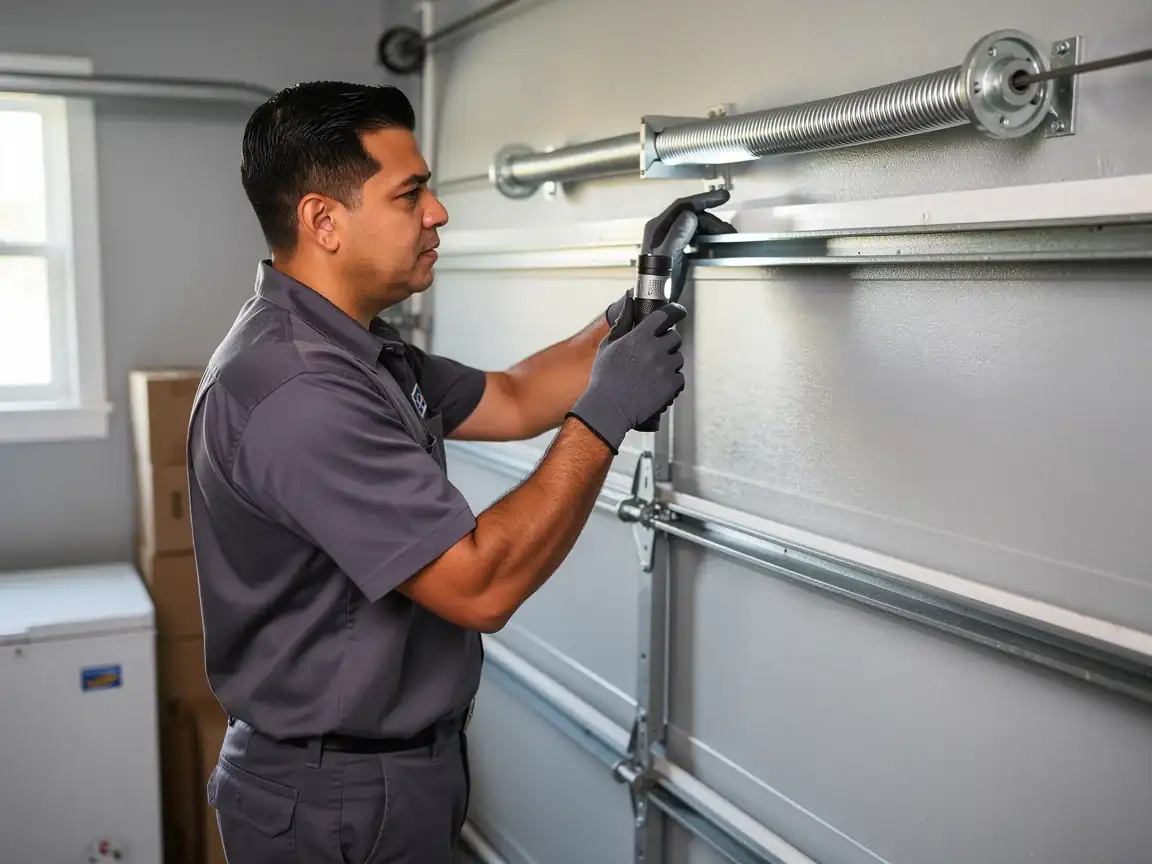
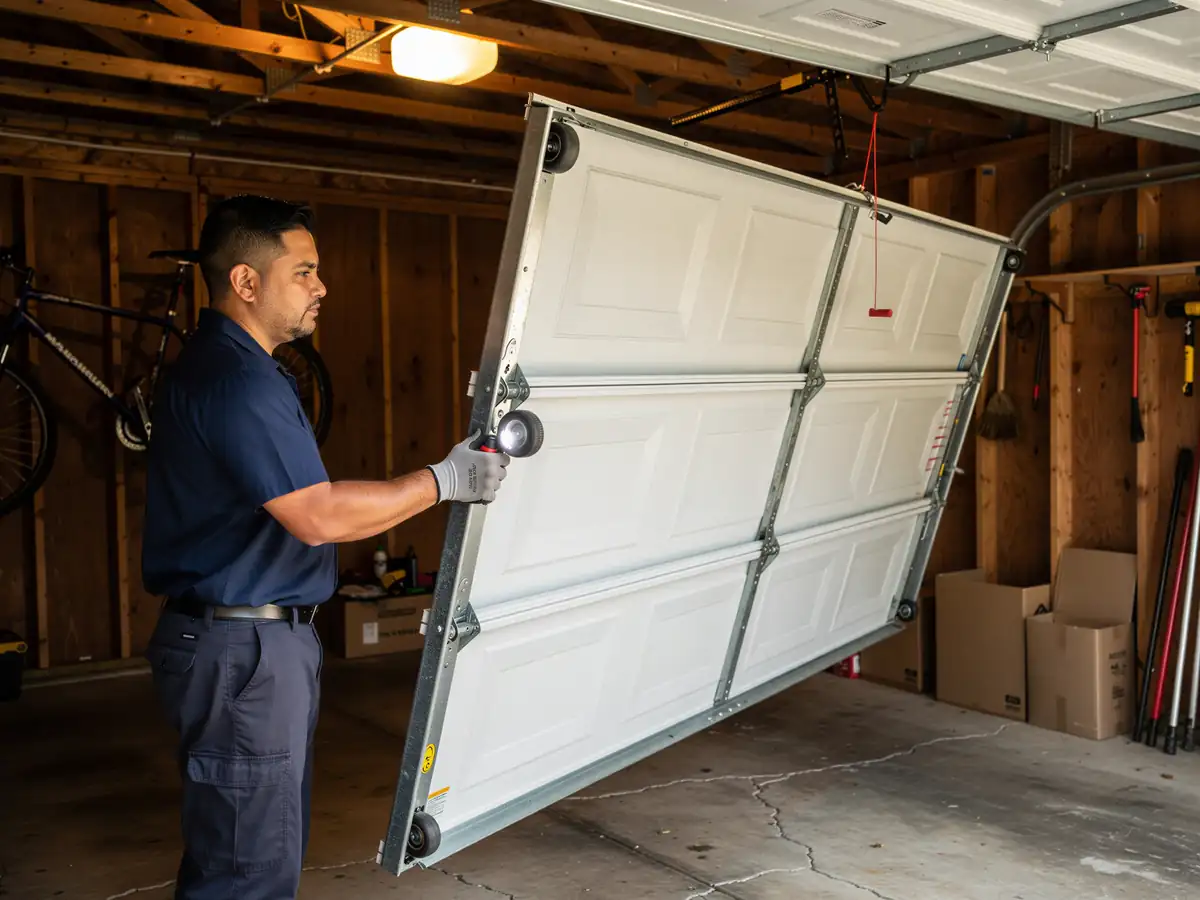
That approach made more sense in a newer house. It doesn't here. A lot of the housing stock across this service area, including Woodfield and Dentsville just a few miles out, went up between 1965 and 2010, with the median build year sitting around 1979. That means a huge share of these doors are running on hardware that's thirty, forty, even fifty years into its life. Springs, rollers, and cable this old don't fail cleanly. They complain first.
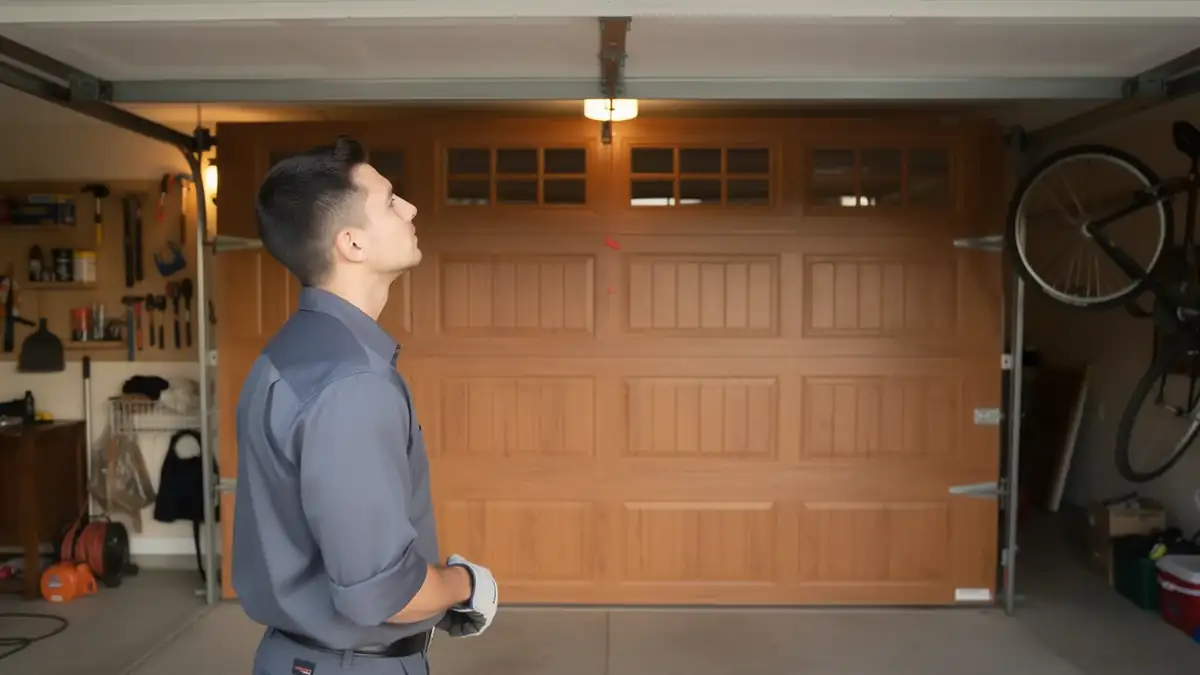
A grinding noise on the way up usually means a roller that's worn flat on one side
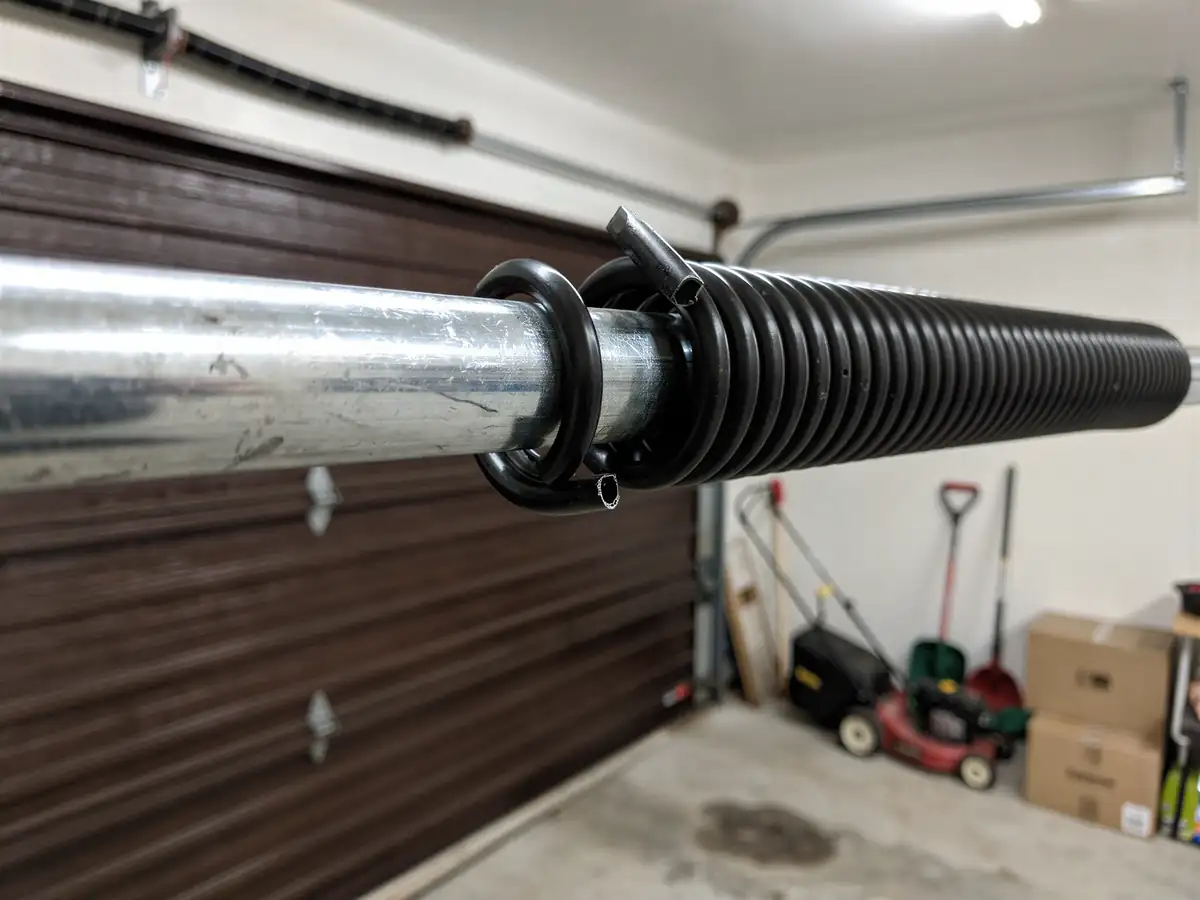
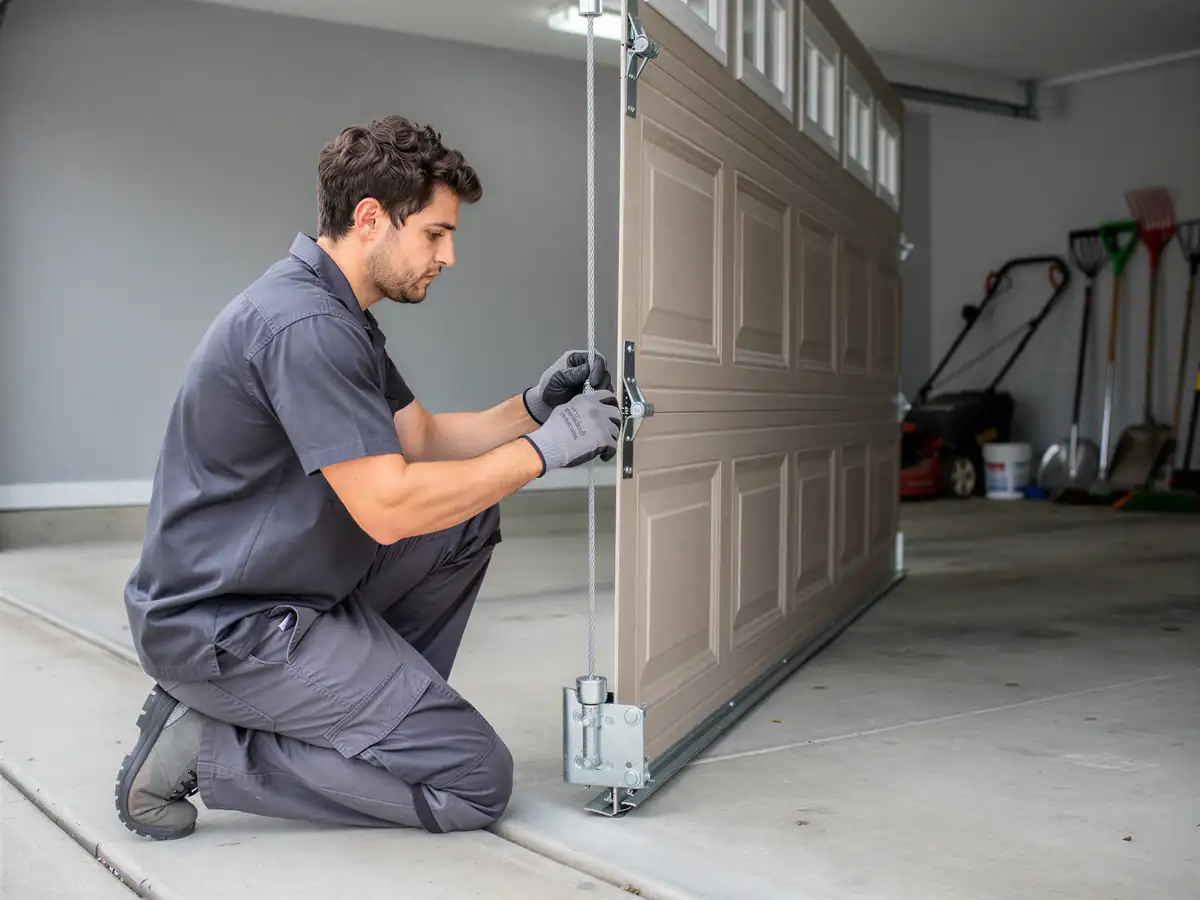
Something common on the original steel rollers builders put in during the 1960s and 70s push in this area. A rhythmic thump is often a spring coil that's lost tension and is slapping against the shaft instead of turning smooth. People hear these sounds for months, sometimes years, and treat them as background noise because the door still opens. By the time it stops opening, you're usually not looking at a $20 roller anymore - you're looking at a spring that let go under load, which is a different kind of call.
What the Weather Here Does to It
Columbia sits in a cold-moderate climate band, which doesn't sound dramatic, but it's exactly the kind of swing that's hard on old hardware. You get stretches of damp cold that tighten metal and stiffen lubricant, followed by warm spells that loosen everything back up. That expansion and contraction cycle, repeated over decades on a door built in the 1970s or 80s, is what turns a quiet bearing into a squealing one.
It's not the cold alone that does the damage - it's the back and forth. A track that's slightly out of alignment will chatter more on a cold morning than it does at midday, because the metal has contracted just enough to bind against the rollers. If your door sounds worse first thing and quiets down once things warm up, that's not your imagination. That's a track or hinge set telling you it's lost its tolerance for the swing, and in a house built before double-digit insulation codes were standard, that swing happens right in your garage, not just outside it.
The Situation
Across the 18 named areas we work in - Woodfield, Dentsville, Forest Acres, and the rest out to Lugoff and Irmo - the pattern repeats. Most of the housing dates to the 1960s and 70s, with construction continuing out to 2010 in some of the newer pockets. On the older end of that range, a lot of doors are still running original torsion springs and the kind of nylon or steel rollers that were standard before sealed bearings became common.
With roughly 30,730 owner-occupied houses across a service area of 68,903 households, and a median household income of $60,408, we see a wide mix of what people are willing to spend keeping these doors running versus replacing them outright. There's no single right answer. A door with a worn roller and a slightly loud spring is worth fixing. A door where the track is bent, the spring is original to a house from the 1960s, and the opener motor is straining to compensate - that's usually a conversation about replacement, because you'd be putting new parts on a frame that's already fighting you.
When Waiting Is Fine
Not every noise is urgent, and we'd rather tell you that than invent a reason to come out
A light rattle from the track when the door first starts moving, especially on a cold morning, is often just loose hardware - a bracket bolt that's backed out a turn or two. That's a five-minute tighten, not a same-day call. Some of the squeak you hear on an older door in this climate band is just dry metal; a proper lubricant on the hinges and rollers will quiet it down for months.
Where we draw the line is load-bearing noise
A spring that sounds like it's grinding under tension, or a cable that's making a popping sound as the door moves. Those aren't maintenance items, they're warning signs, and springs under tension can cause real injury if they let go. If you're not sure which category your noise falls into, that uncertainty itself is a reasonable reason to call, even if the fix ends up being small. We'd rather look at something that turns out to be nothing than have you wait out a spring that's already decided to fail.