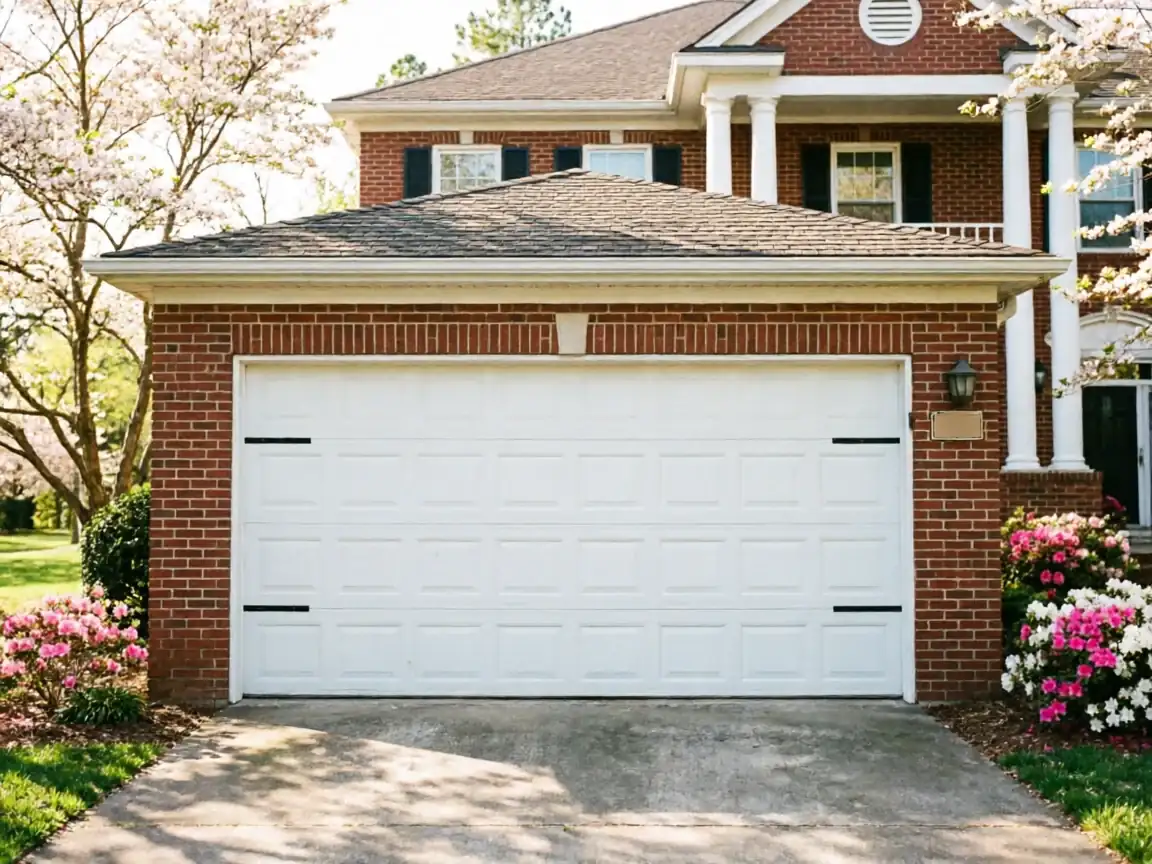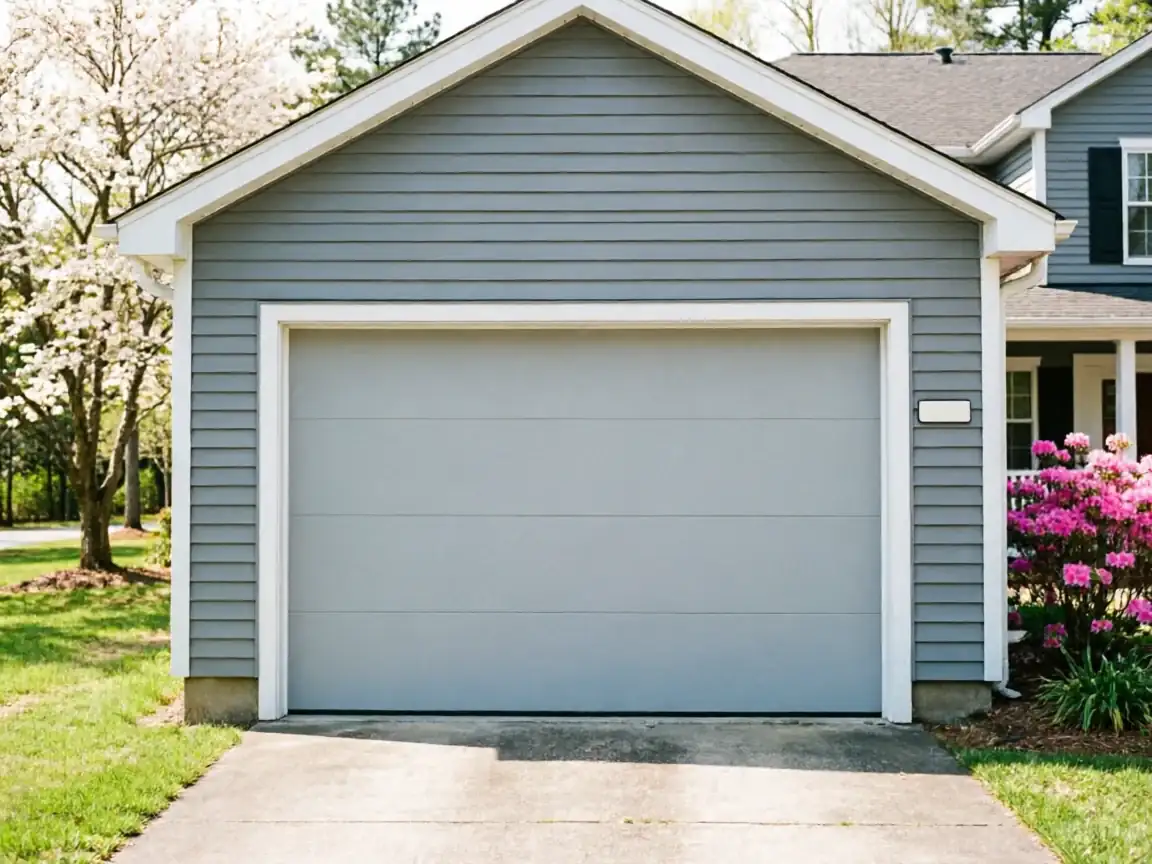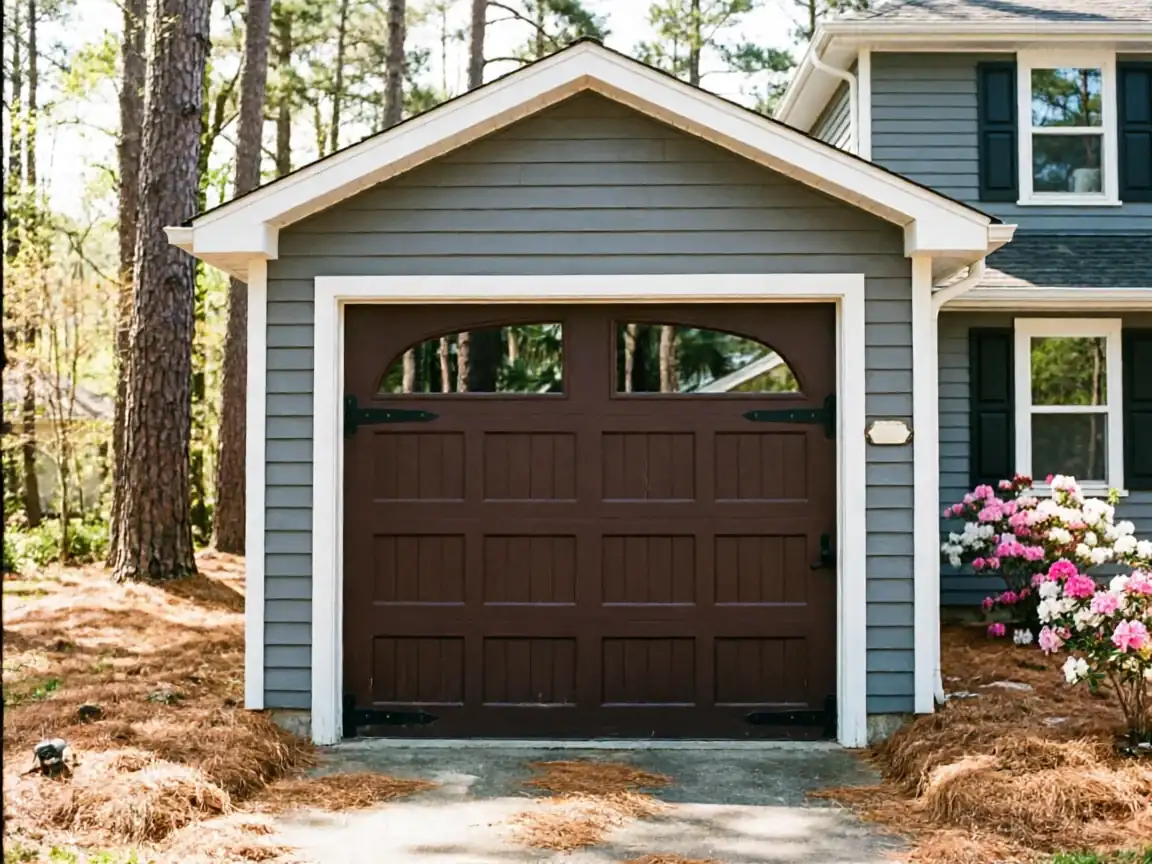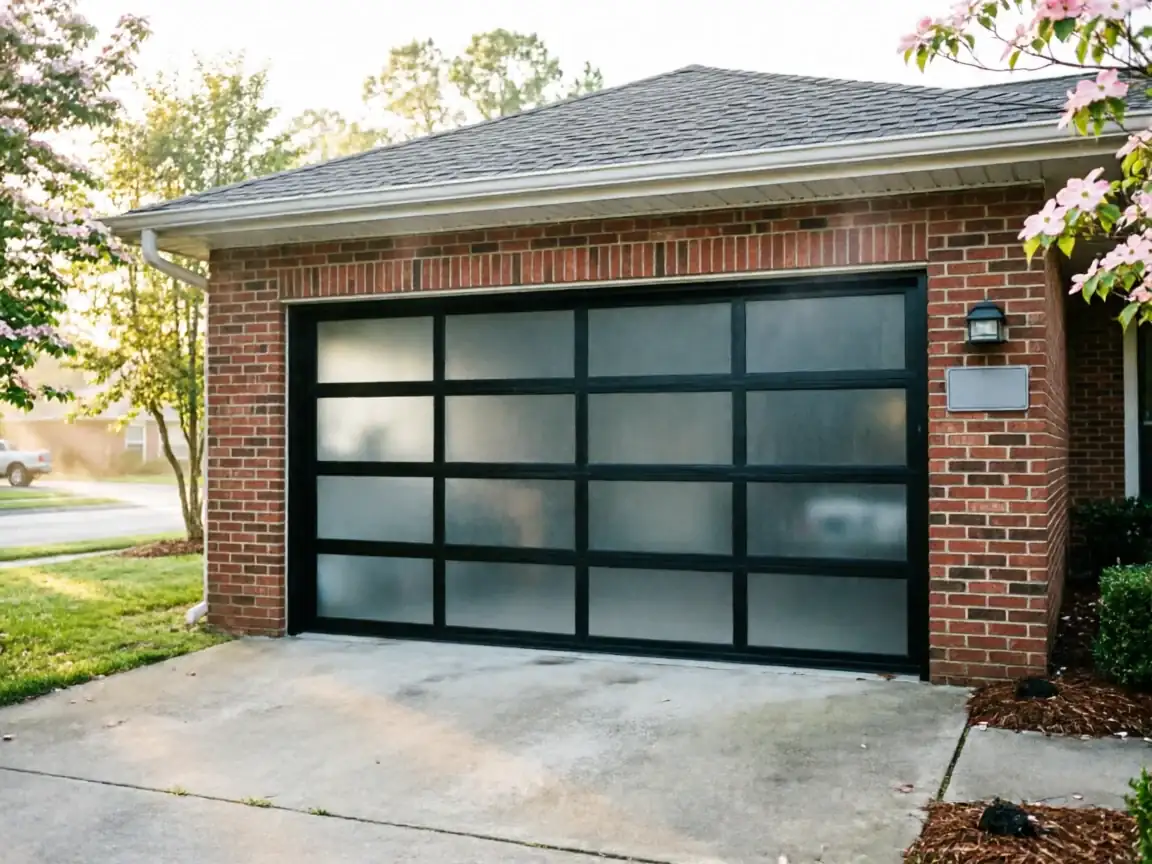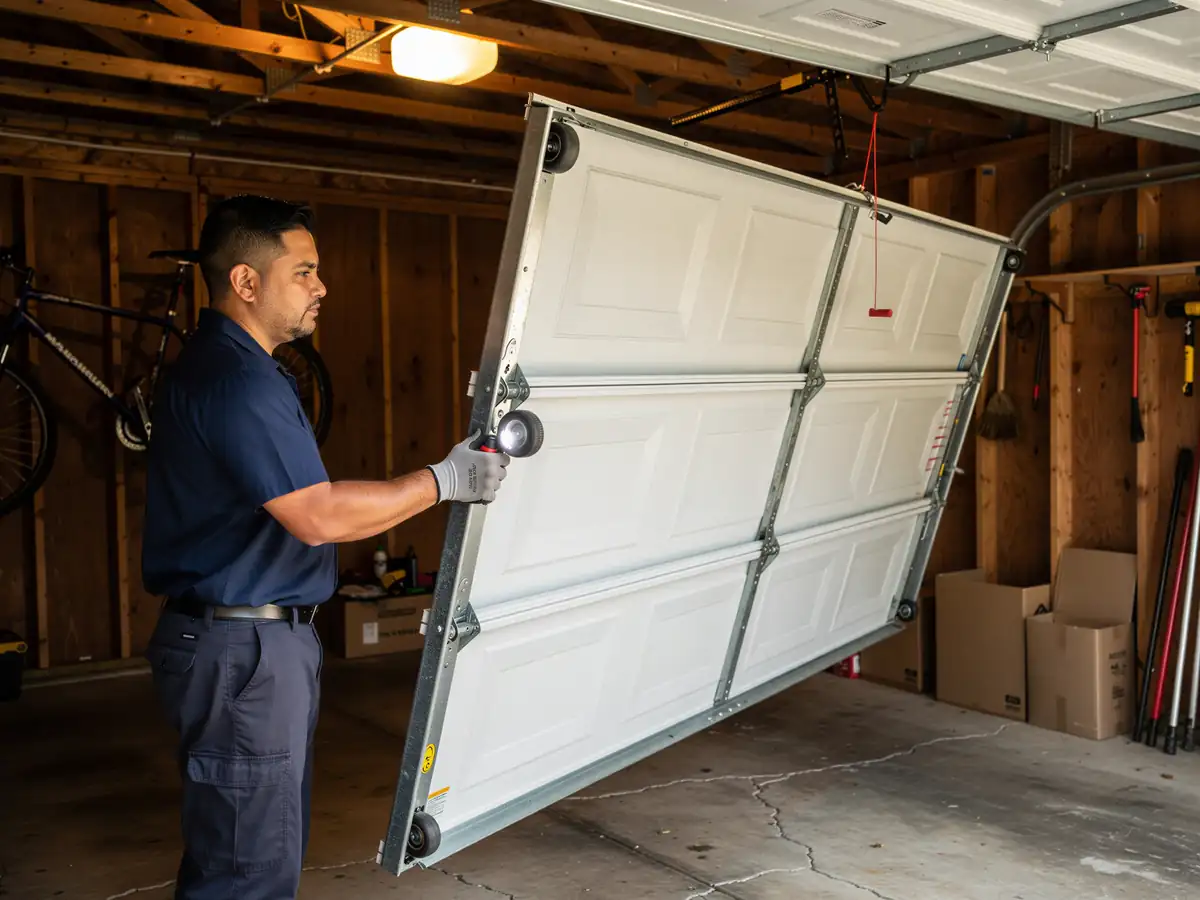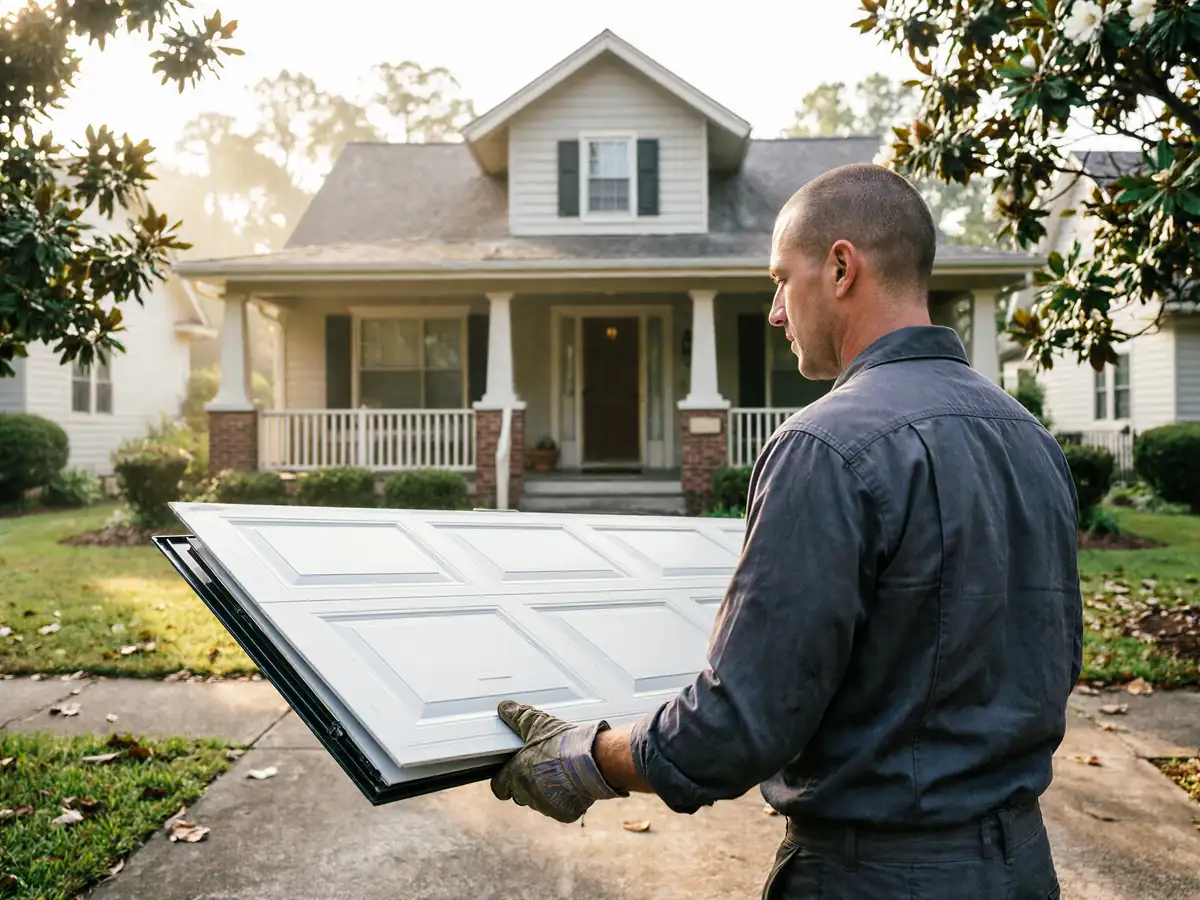
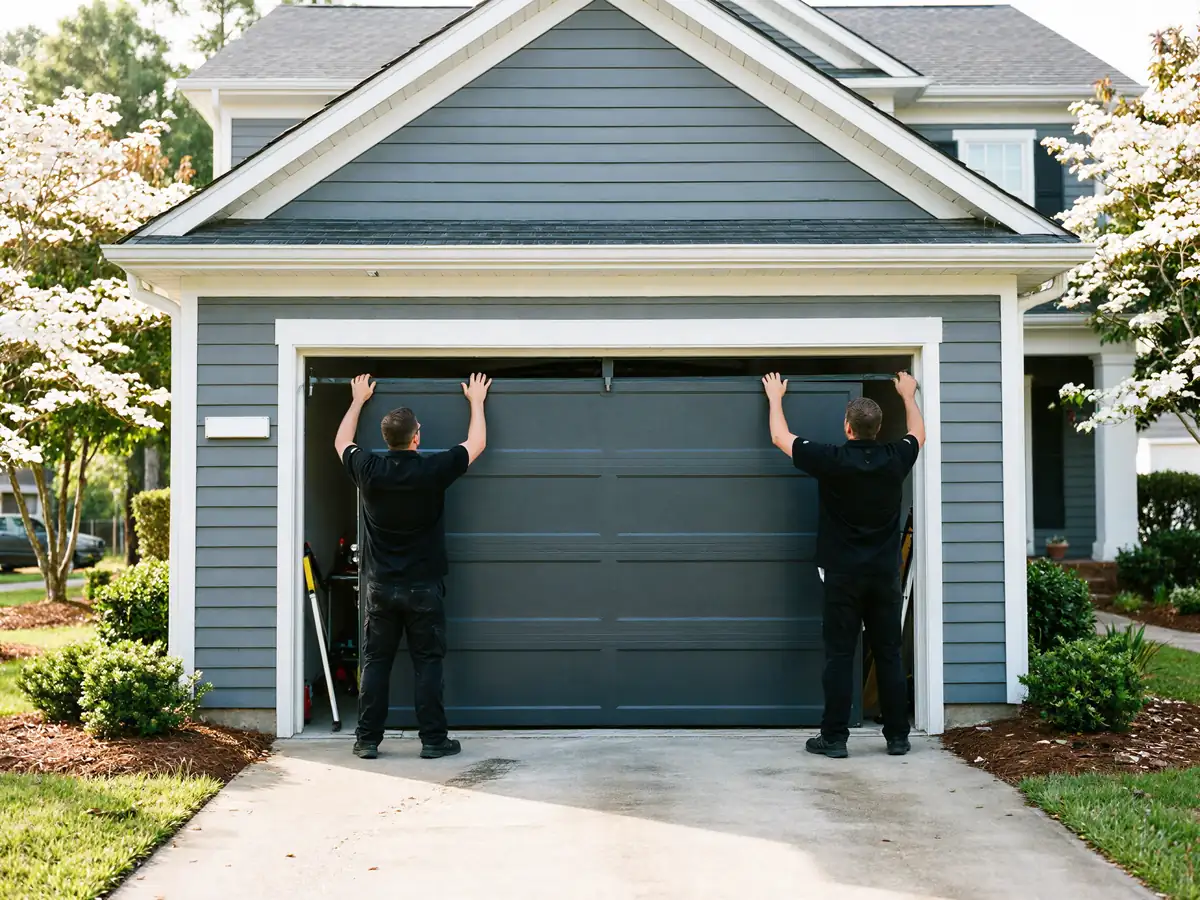
What You Are Seeing
If you're looking at installation instead of another repair
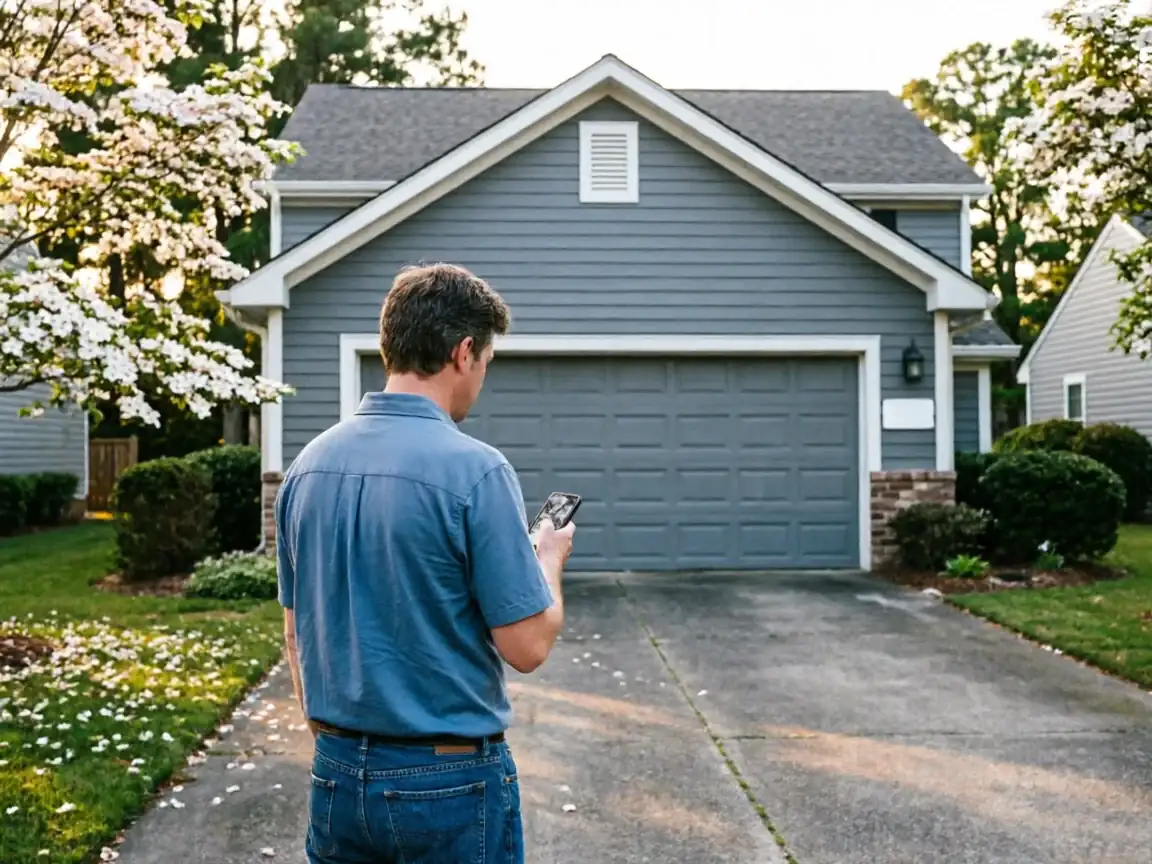
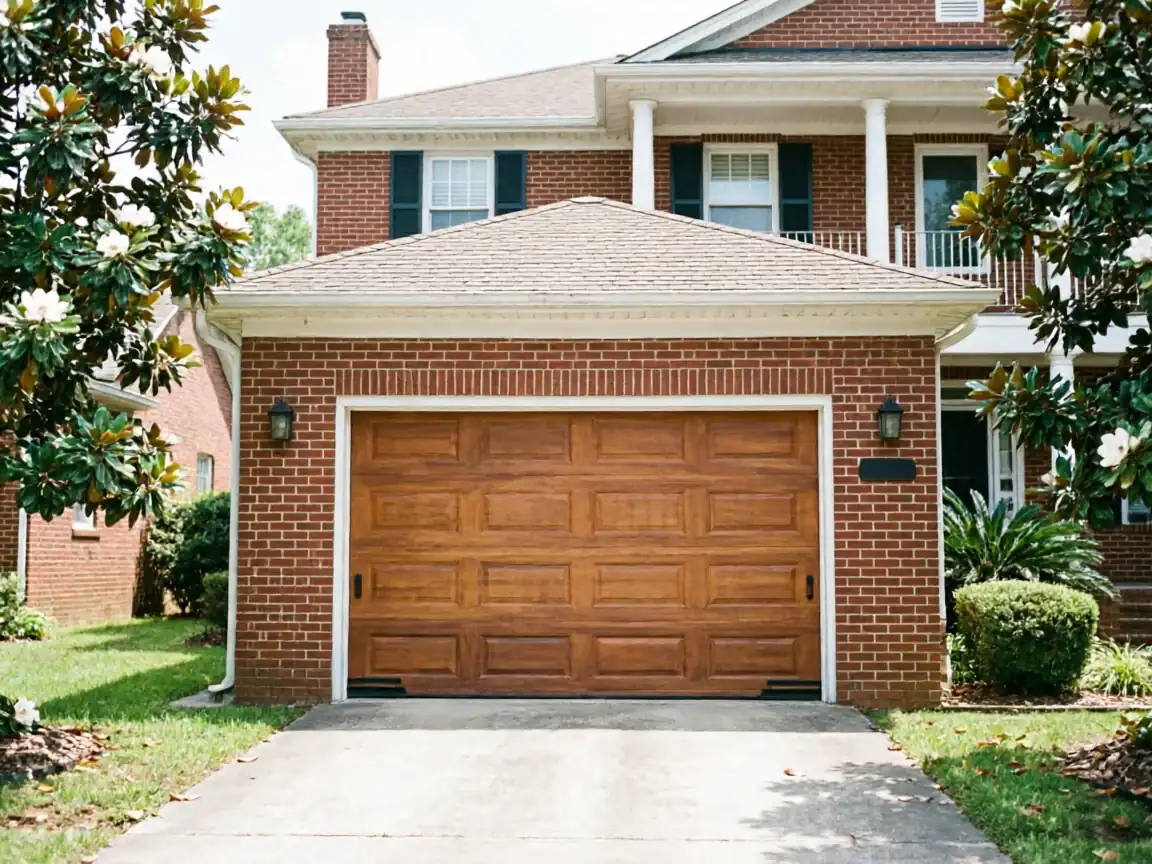
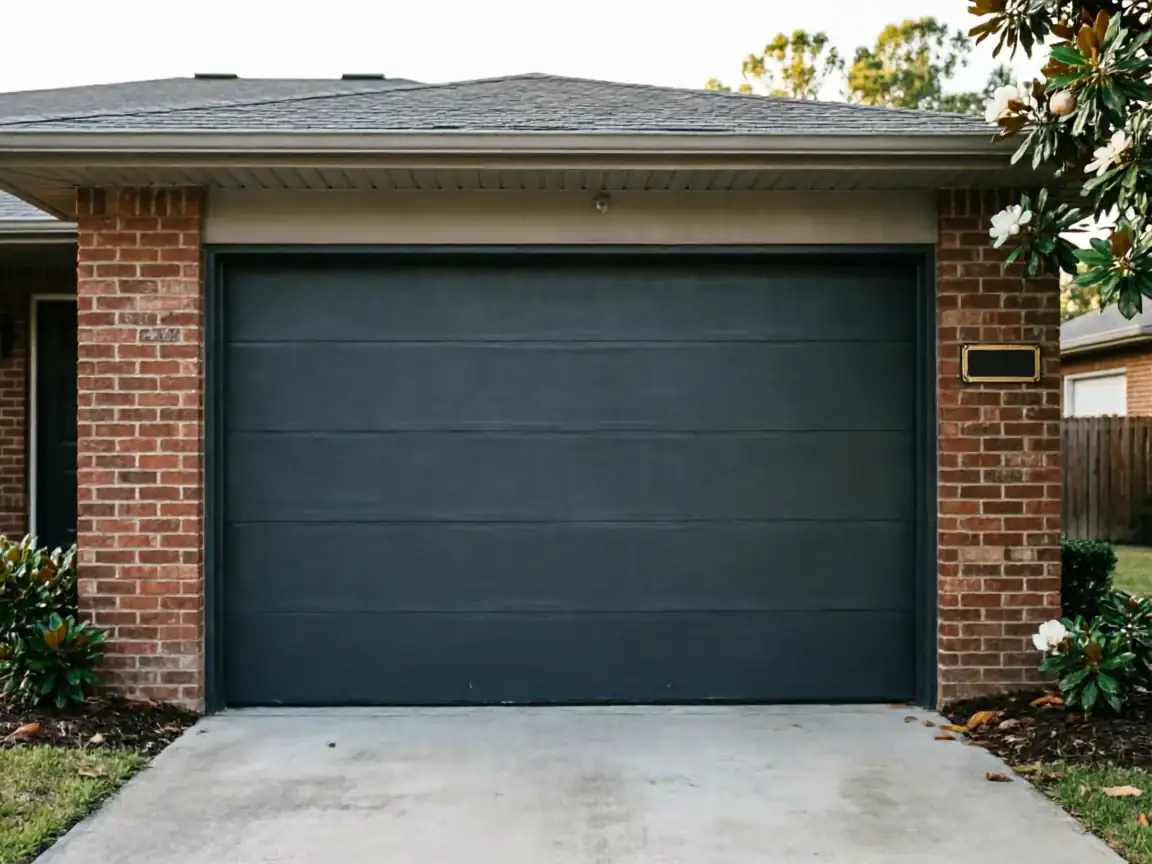
You've probably already been through a spring, a cable, or a opener motor that gave out. Across Columbia's service area, most houses went up between 1965 and 2010, with the median build year landing around 1979. That puts a lot of original garage doors at 45 to 60 years old right now - single-layer steel or aluminum panels, no insulation, hardware that's been re-tensioned so many times the track is out of square.
- 60 years
The common signs: the door sags at the bottom corners
It's noticeably heavier to lift by hand than it used to be, daylight shows at the panel seams, or the opener strains and reverses partway up. None of that is a one-part fix once the panels themselves are warped or the track has been bent back into shape more than once. At that point you're not repairing a door, you're keeping a 1970s door alive past its working life, and the labor to do that usually costs more over a year than a new door would.
If your opener is newer than the door itself, that's also worth mentioning to whoever quotes the job
It changes whether you need a full replacement or just the door and track.
What It Costs
We don't have a posted price list here, and we're not going to make one up. What drives the number on an installation job is the door size (single vs. double), the material and insulation level, whether the track and springs get replaced along with the panels, and whether the opener is being kept or swapped. A straight single-door swap with the existing opener reused costs less than a double door with new insulated panels and a new torsion spring system.
One honest limitation: nobody can give you an accurate number without seeing the opening and the current hardware. Quotes done over the phone from a description are rough at best, and we'd rather look at the door in person than guess and correct it later. With a median household income of $60,408 across this area, most owners we talk to are comparing a full replacement against the ongoing cost of patch repairs on a door that's past 1980s vintage - that's a real trade-off, and it's worth having someone walk the numbers with you rather than assuming either side wins automatically.
Why It Happens Here
Columbia sits in a cold-moderate climate band - not the deep freezes you get further north, but enough seasonal swing that garage doors here go through real expansion and contraction every year. Panels built without a thermal break flex with summer humidity and then stiffen and crack at the seams when a cold snap hits in January. On a door that's 40-plus years old, that cycle has repeated more times than the steel or wood composite was built to handle.
Tie that to the housing stock: across the 18 named areas in this service territory, most construction dates to the 1960s and 70s, with new builds trailing off and median year sitting at 1979. A door installed with the house in, say, Dentsville or Forest Acres in that era was built to a lower insulation and wind-load standard than anything sold today. It wasn't engineered for 50 years of Midlands humidity swings - nothing from that period was. Across the service area's 68,903 households, 30,730 are owner-occupied houses, and a lot of that single-family stock still carries its original door or a like-for-like replacement from decades back, which is exactly the profile that starts failing now.
Can You Do This Yourself
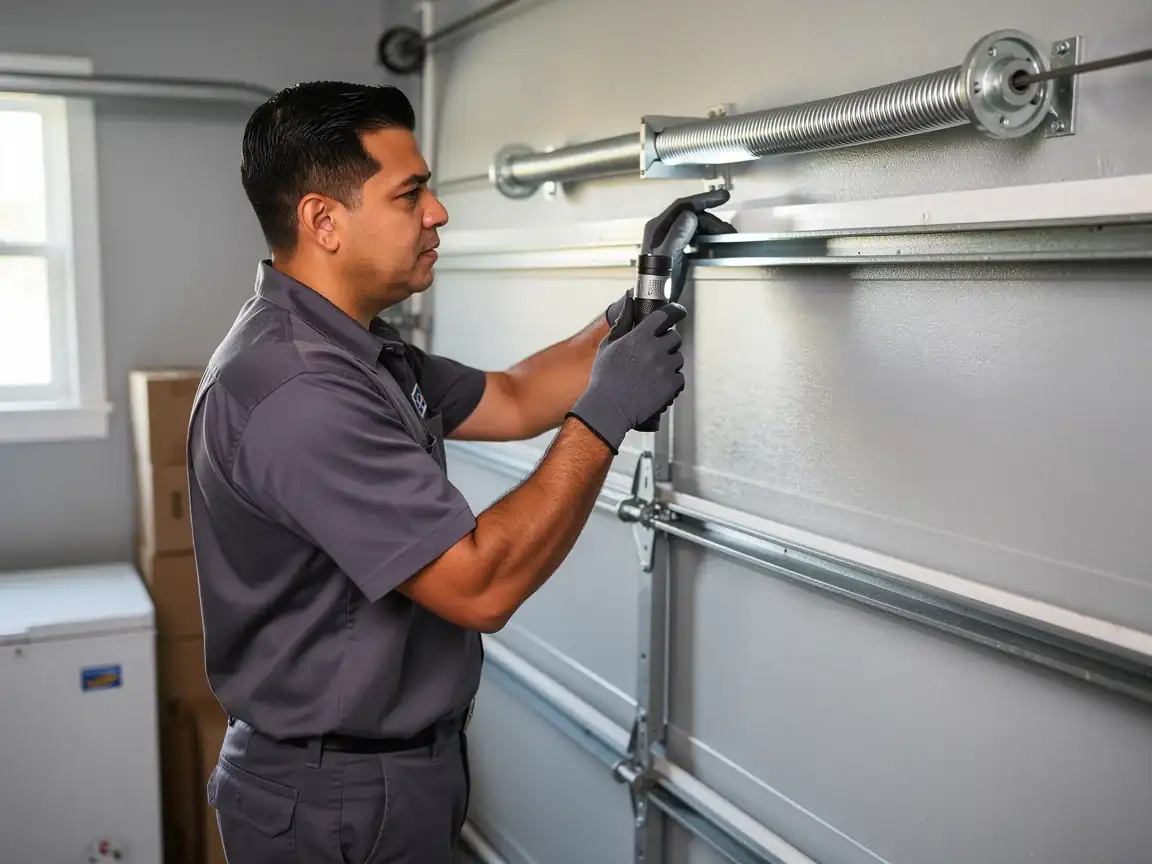
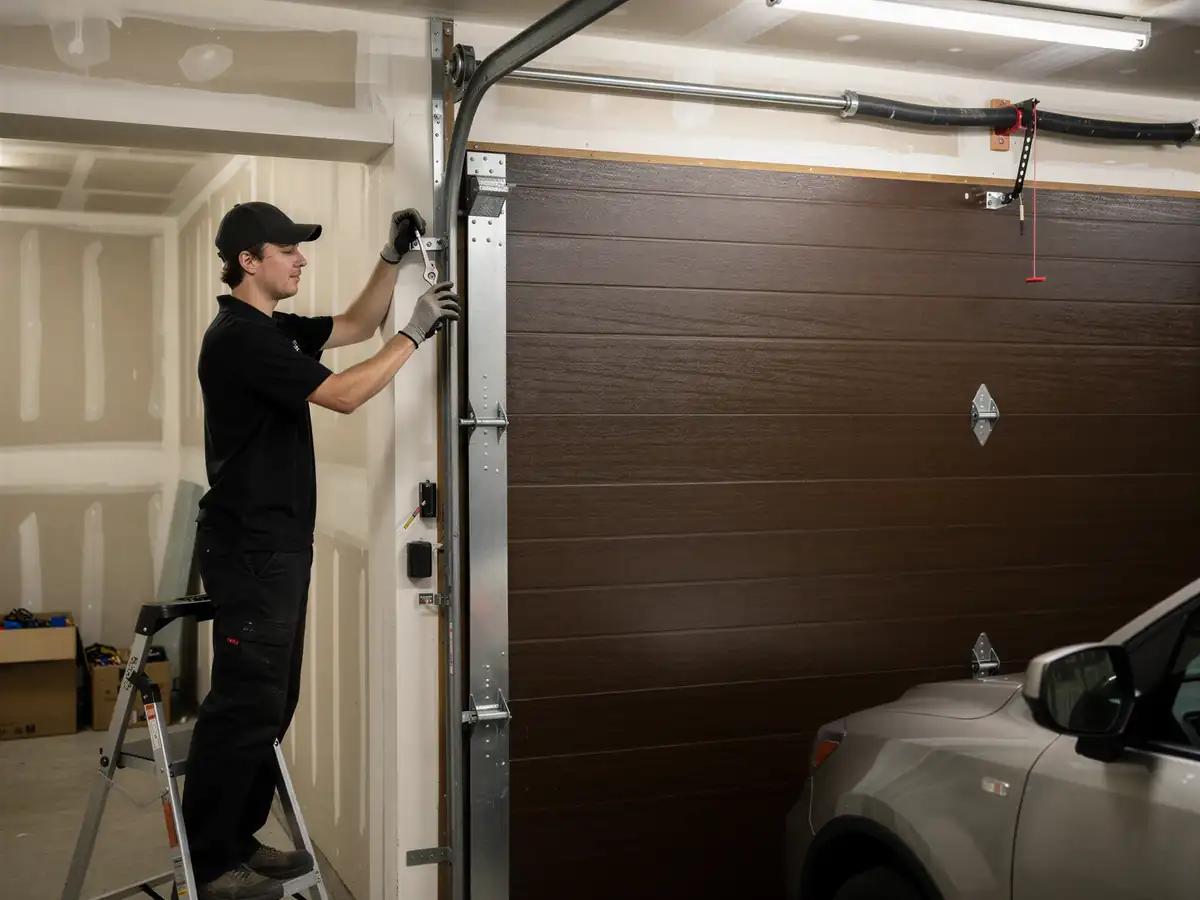
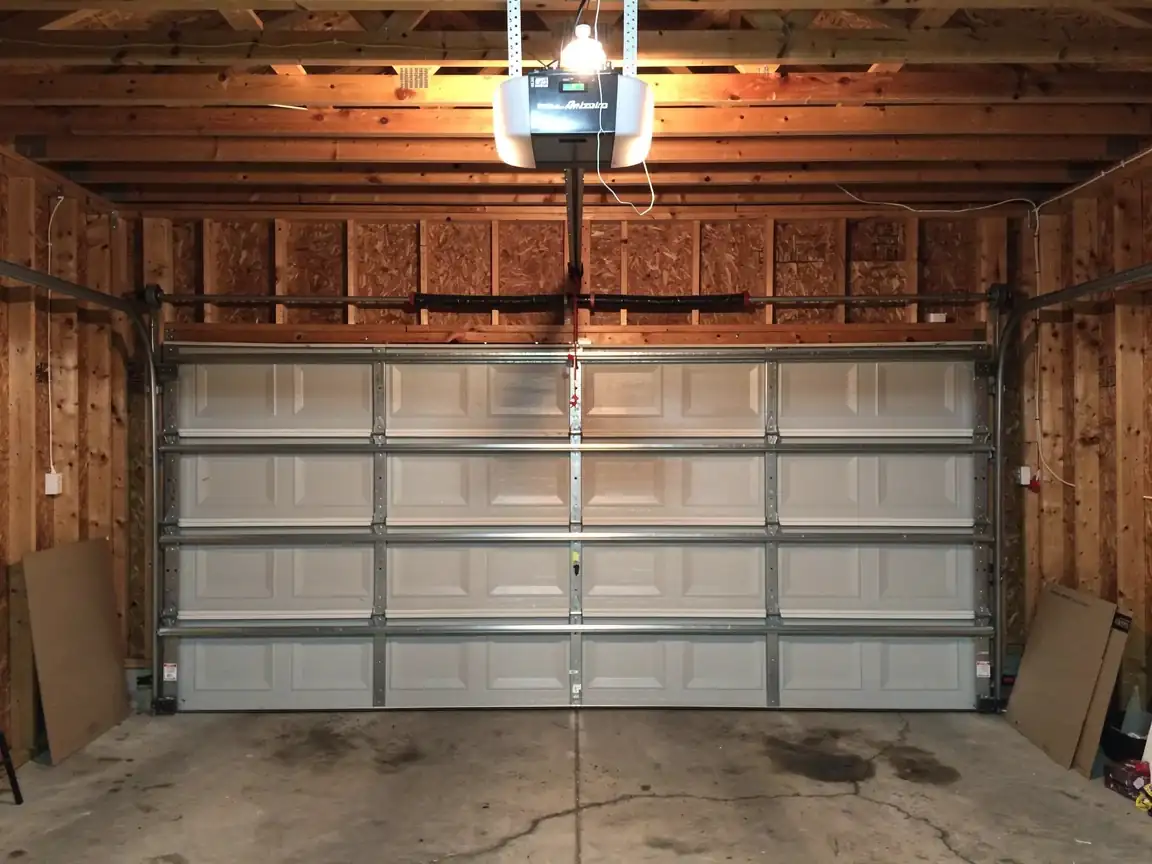
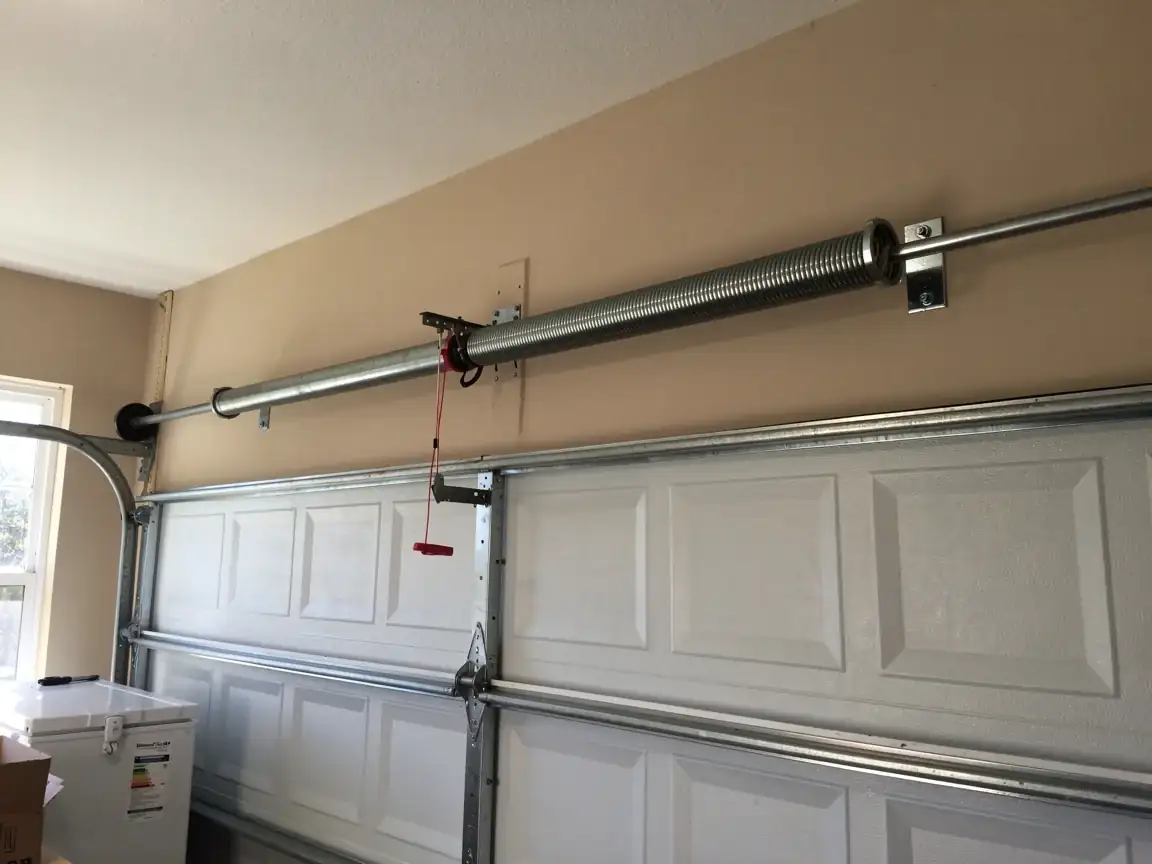
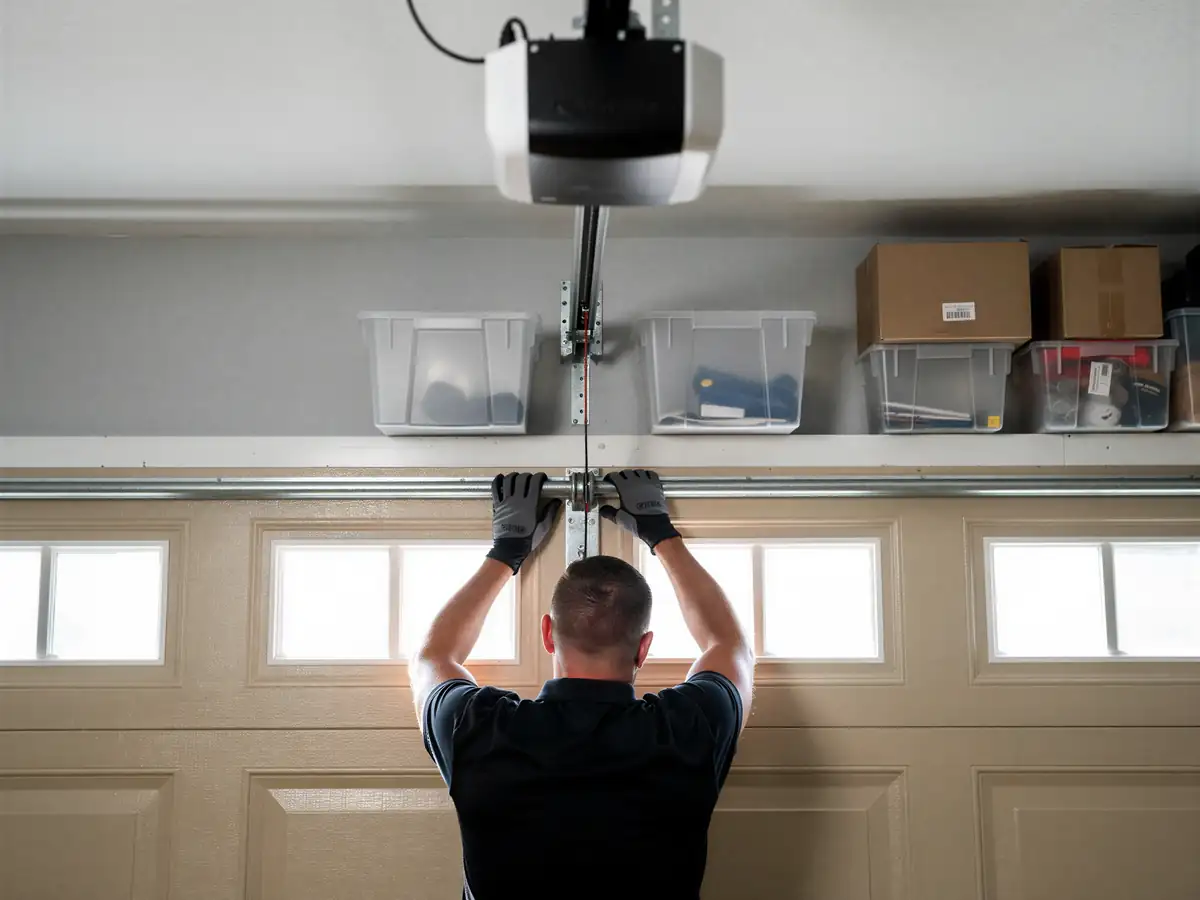
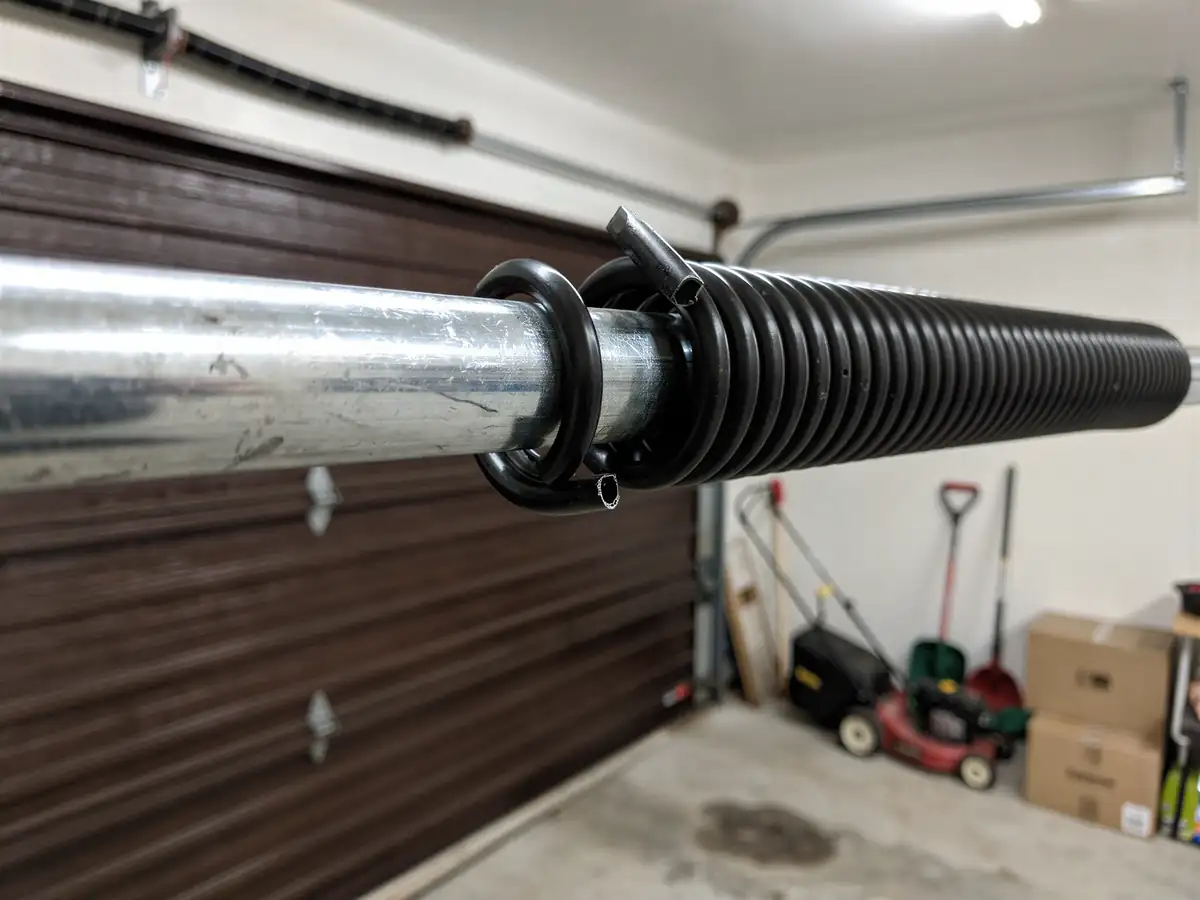
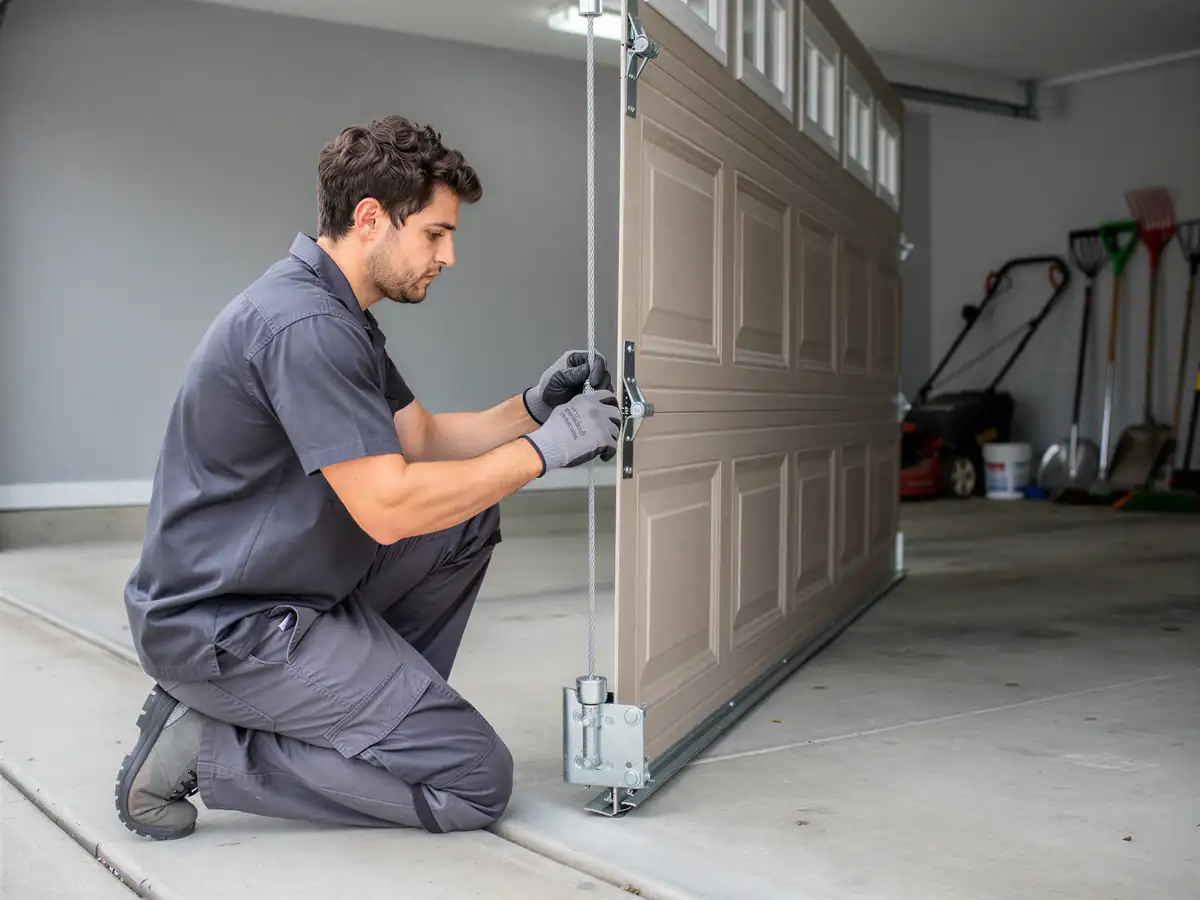
Hanging the panels themselves isn't the hard part - it's the torsion spring system
A wound torsion spring holds enough stored force to break a bone or worse if it lets go while you're working on it, and getting the track plumb and the cables tensioned evenly on both sides takes more than a level and a ladder. We're not going to tell you it can't be done by a careful DIYer, but the margin for a mistake that puts you in the ER is real, and it's the single biggest reason most owners call someone for this job instead of a repair.
Where DIY makes more sense
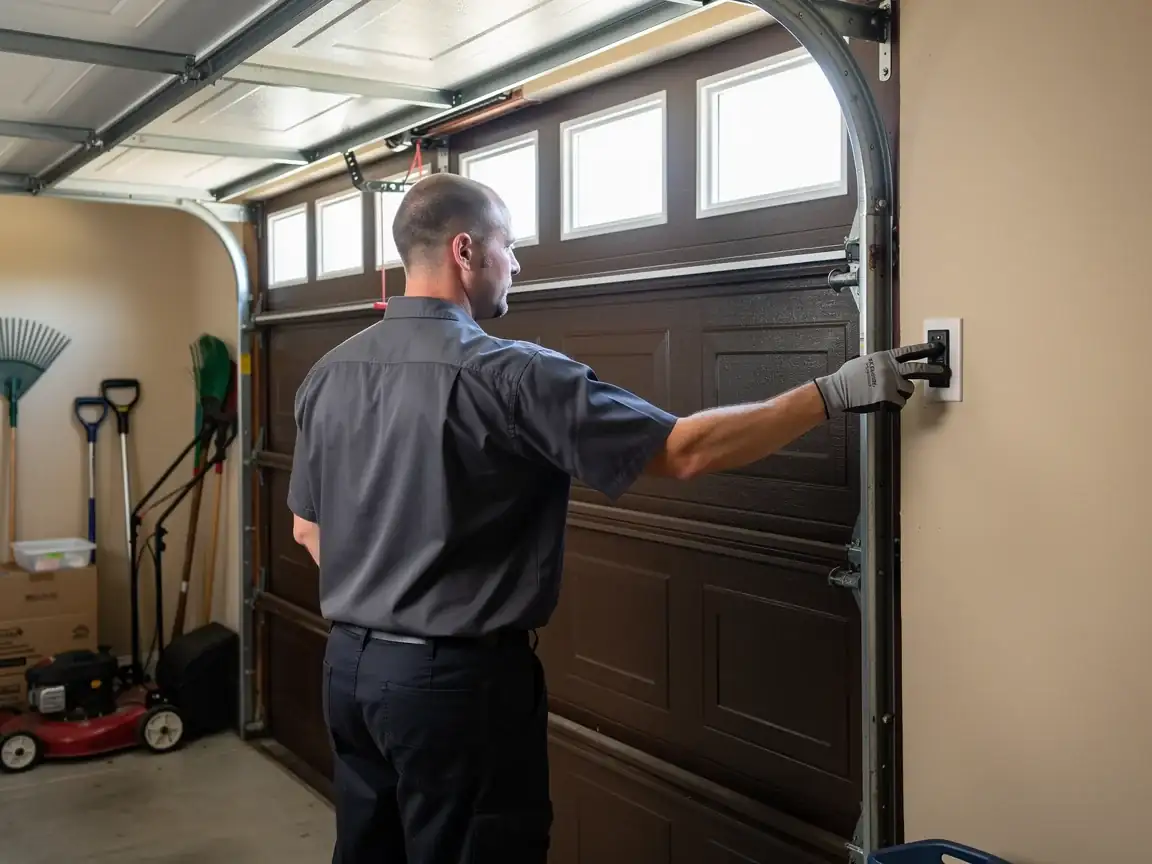
Swapping weatherstripping, adjusting the opener's force settings, or replacing a bent roller on an older door you're not planning to keep long-term. Where it doesn't: anything involving the spring, the cable drums, or resetting a track that's come off its bracket. If you're not sure which category your job falls into, that's worth a phone call before you touch anything.