What You Are Seeing
If the door won't budge
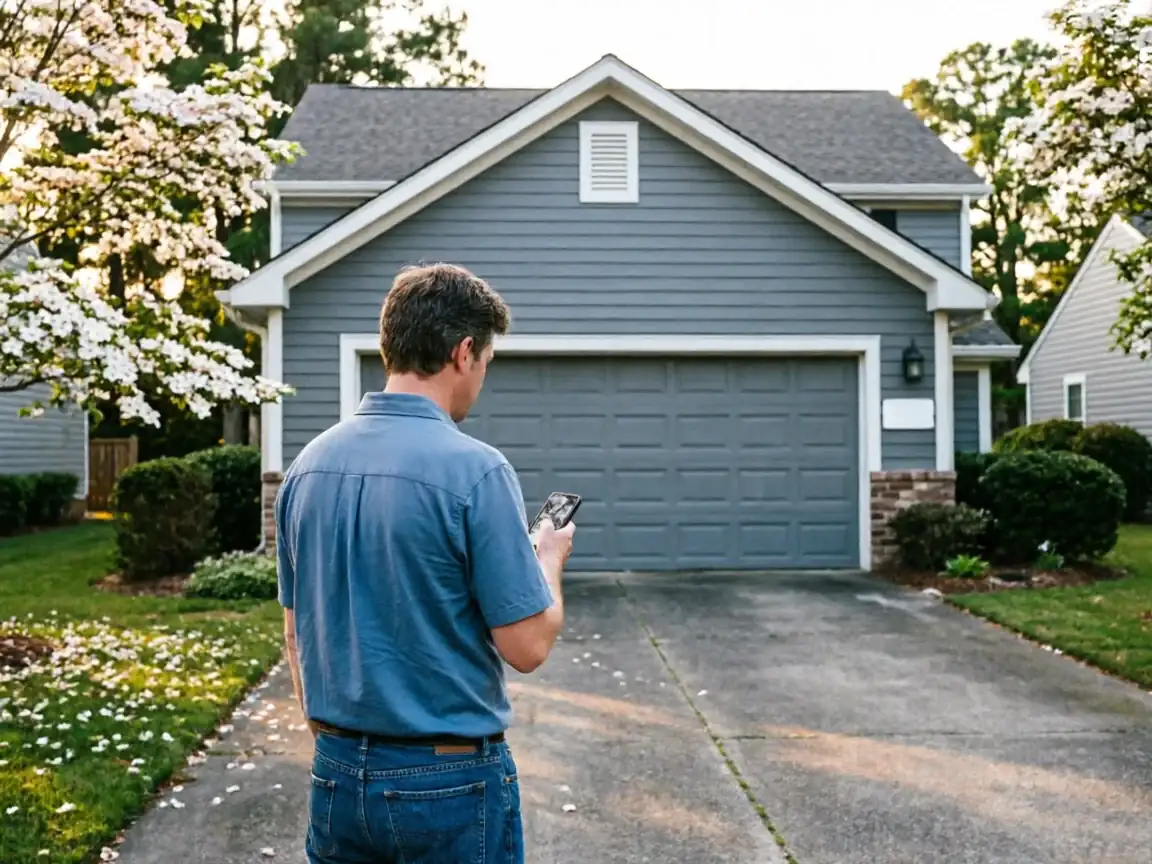
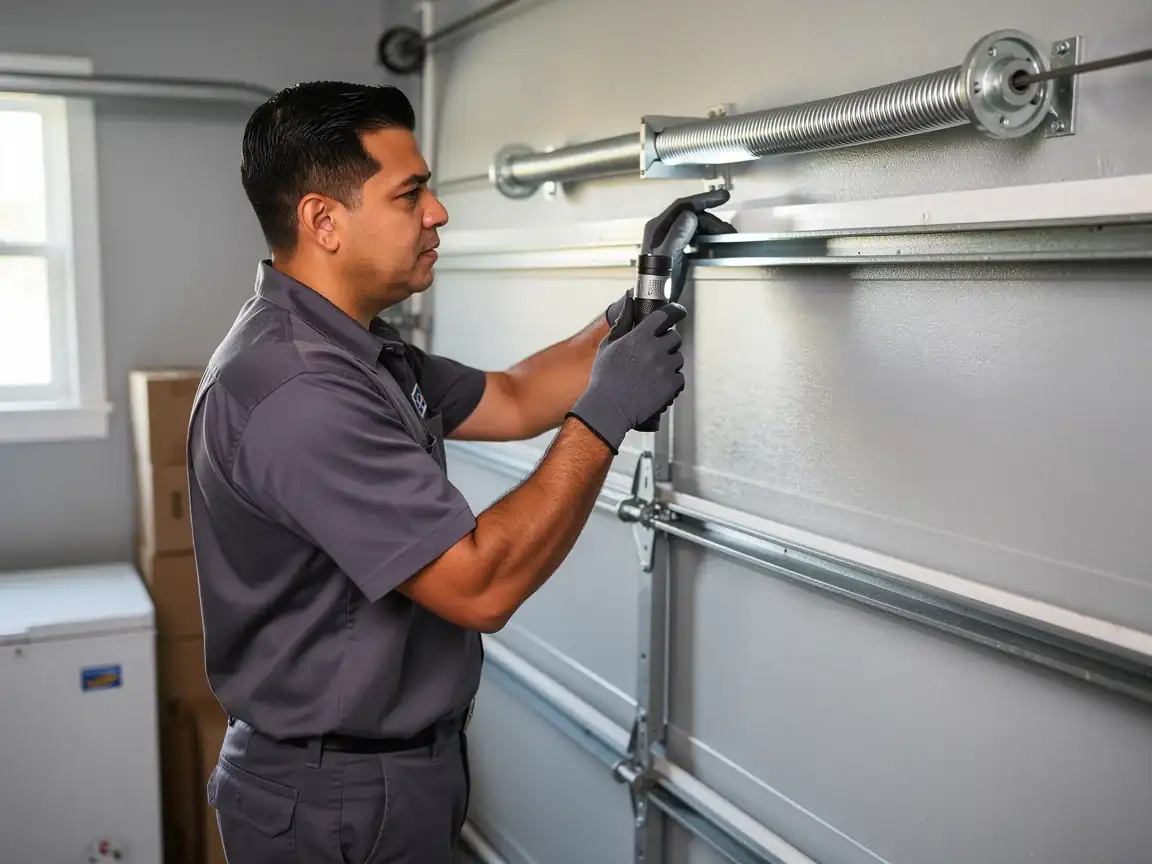
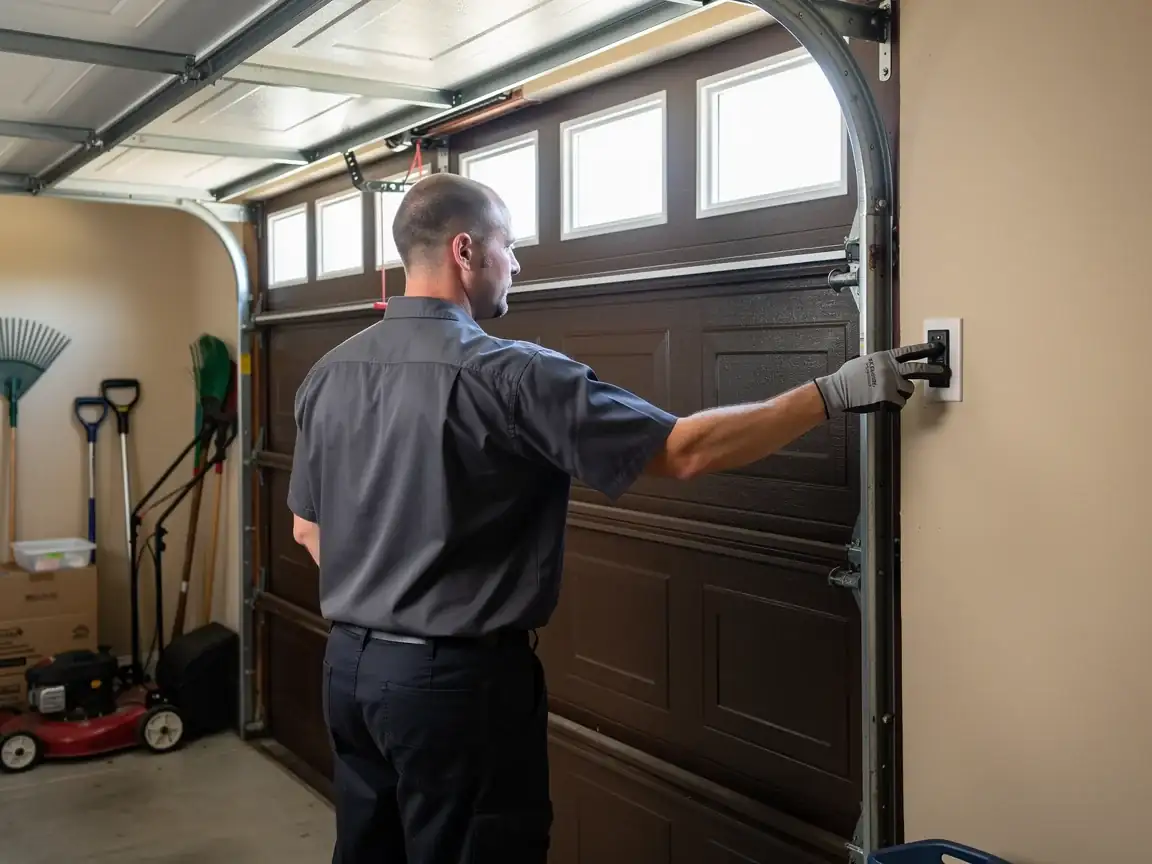
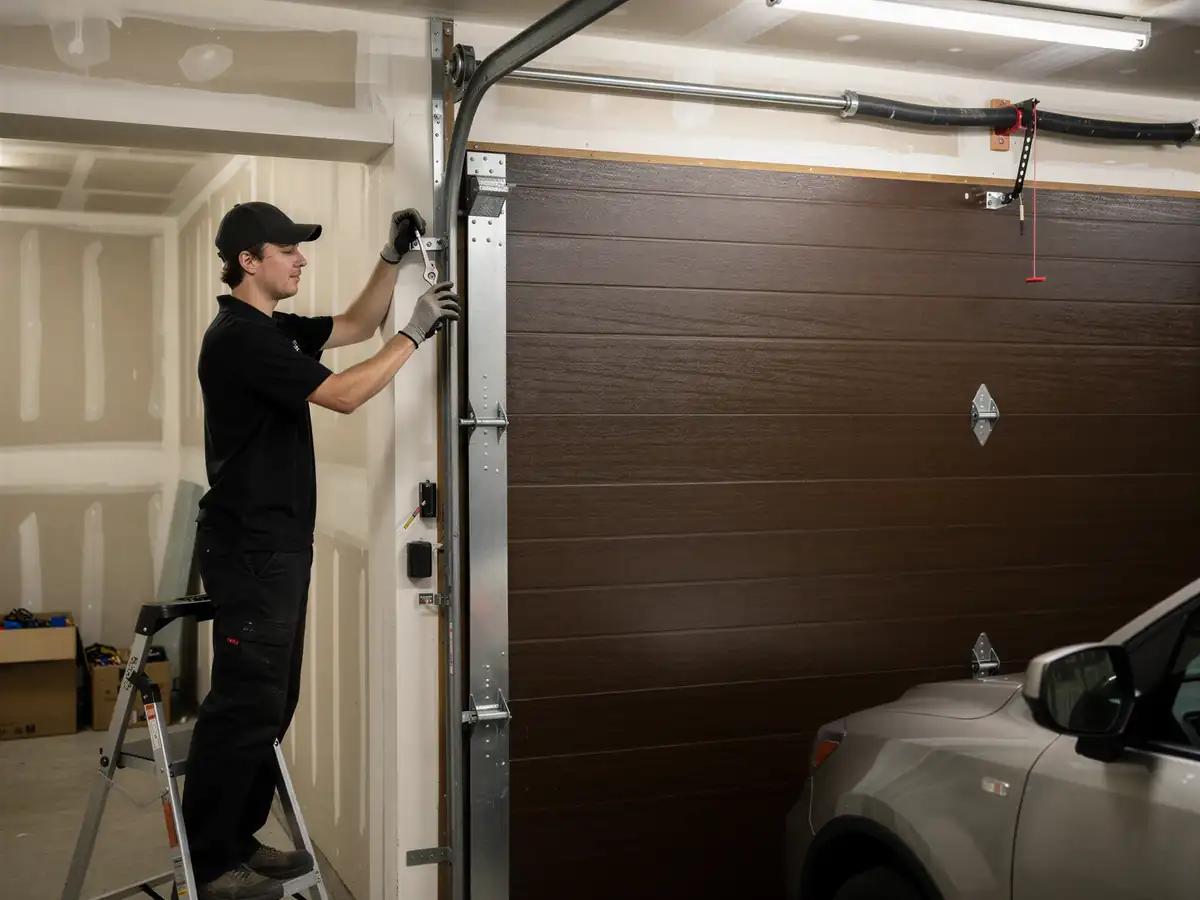
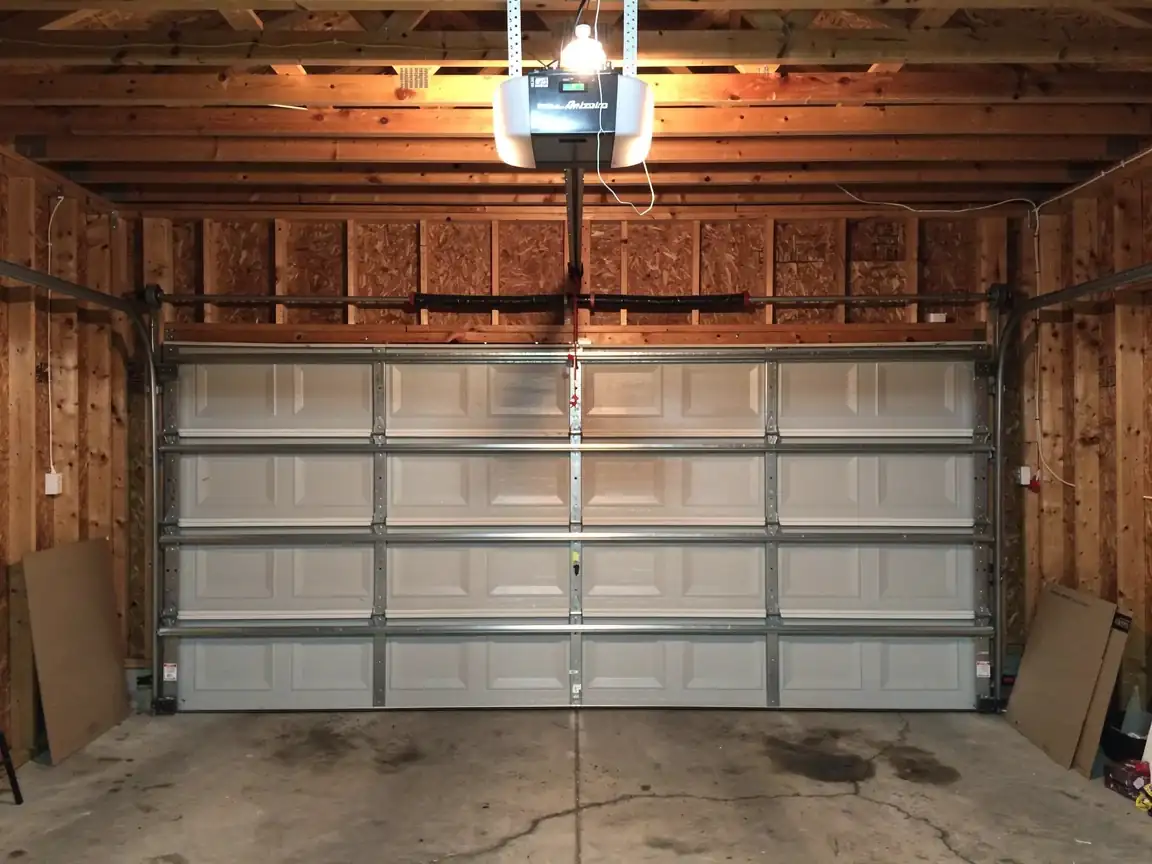
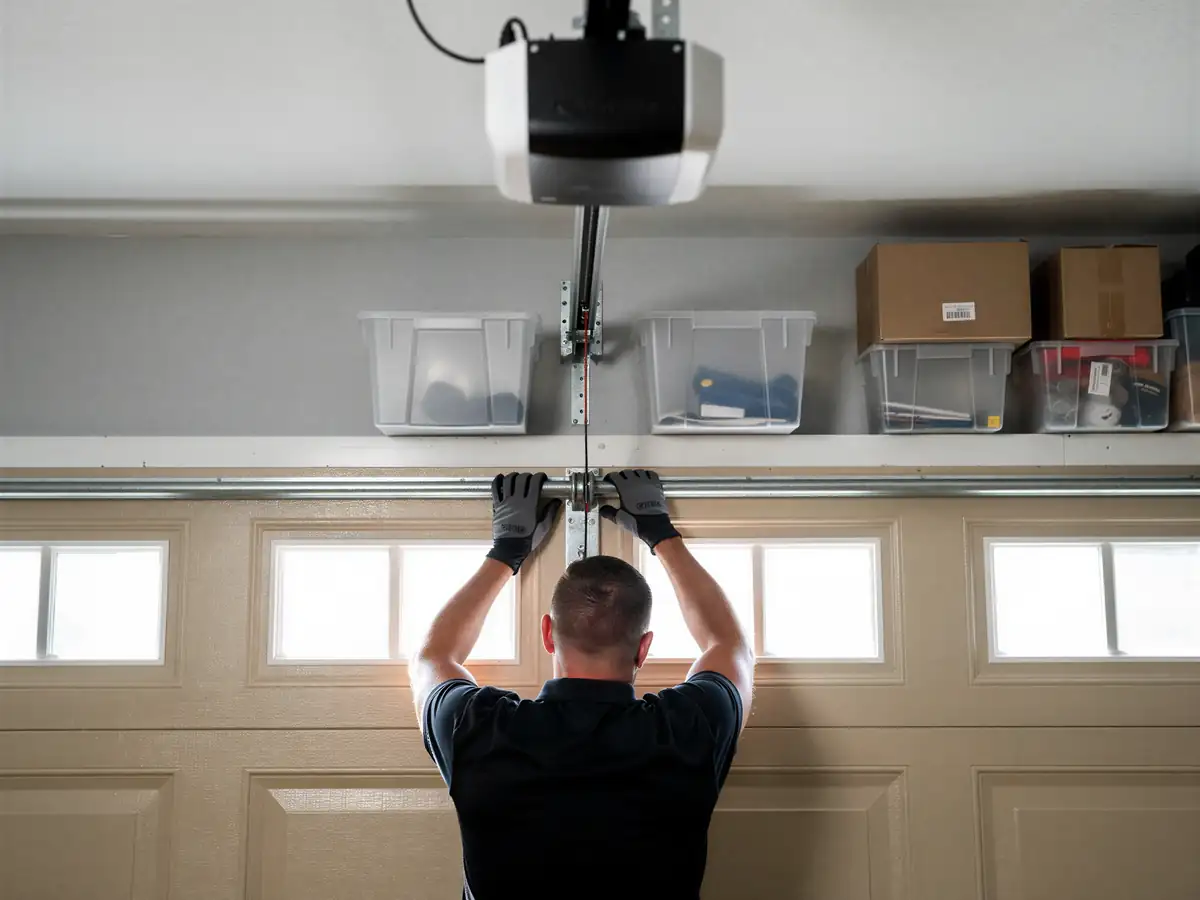
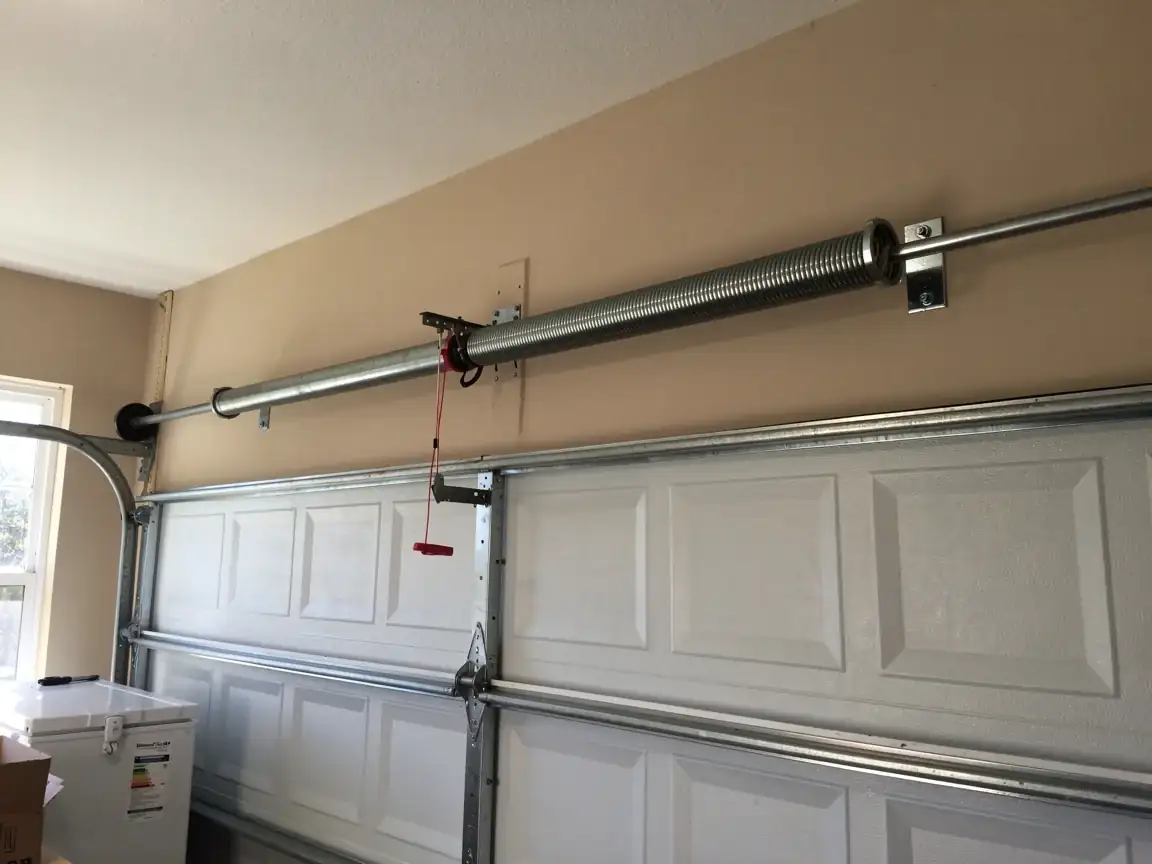
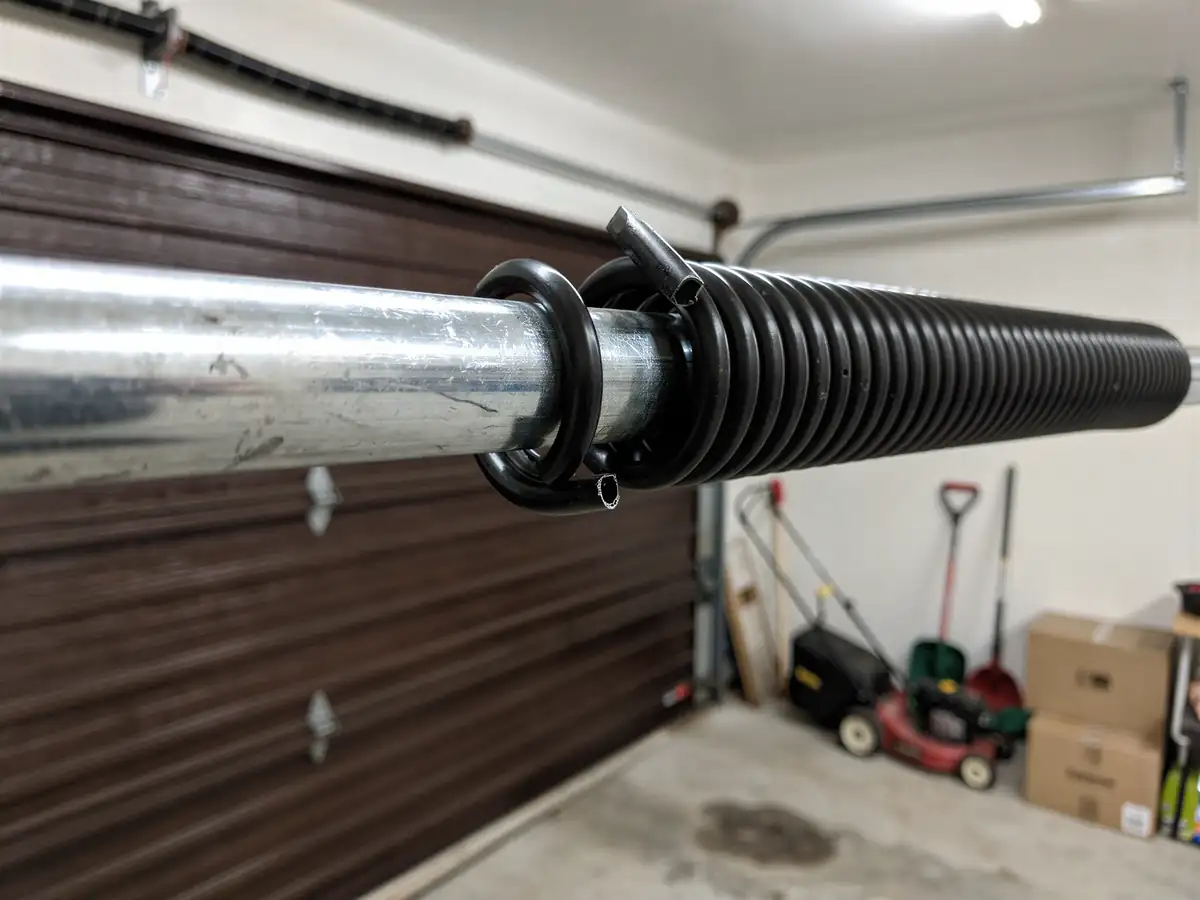
Or it jerks up a few inches and stops, you're probably looking at a broken spring, not a bad opener. Torsion springs sit on a bar above the door and do almost all the lifting work - when one snaps, you'll often hear a bang from the garage, sometimes loud enough that people mistake it for a car backfiring or a transformer blowing. The door will feel like dead weight. Pulling the emergency release cord won't help; it just disconnects the opener, and the opener was never doing the heavy lifting anyway.
Extension springs, the kind that stretch along the upper tracks on either side of the door, fail differently
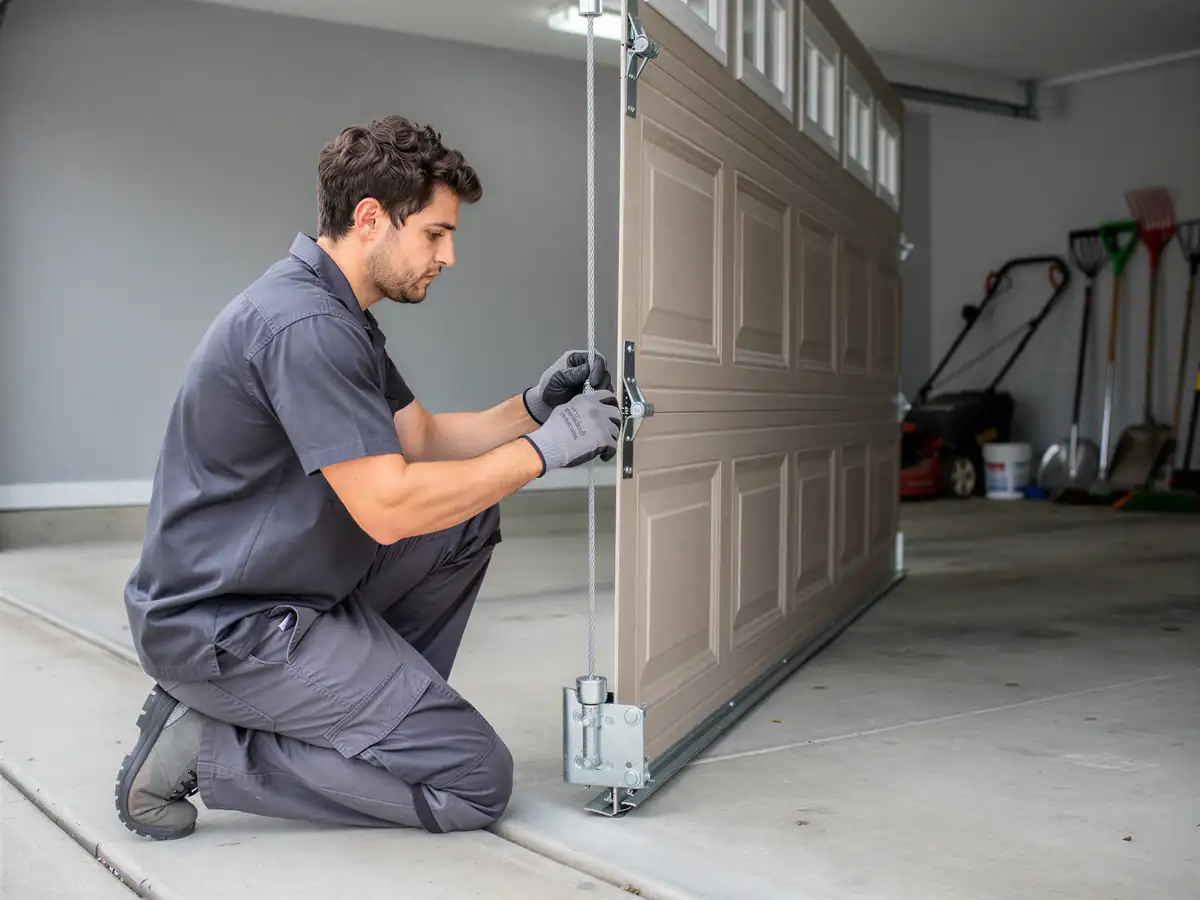
You'll usually see a gap in the coil or a frayed safety cable hanging loose. Either way, a garage door with a broken spring is not a door you force open with a car or by hand. The cables under tension, or the torsion bar itself, can do real damage if they let go while someone's pulling on the door.
A door that's merely slow to close, or reverses partway, is more often a sensor or limit issue than a spring
Springs tend to fail all at once - one day it works, the next it doesn't - rather than gradually getting worse.
What It Costs
We're not going to put a number here that doesn't hold up once we're standing in front of your door. Cost on a spring job depends on whether you've got torsion or extension springs, whether it's a single door or a double, the wire gauge and length of the spring, and whether one side went or both. A double door usually runs a matched pair of torsion springs, and when one breaks the other is usually close behind it, so replacing both at once is often the honest call even though it costs more up front than patching the one that broke.
What we can tell you is what drives the price up or down: standard sizes and common wire gauges cost less than oversized or high-cycle springs, and a straightforward swap costs less than a job where the drums, cables, or bearing plates also need attention because they've been running on a bad spring for a while. If you've been opening the door manually for a few days before calling, the cables and rollers have likely taken extra wear that a same-day call would have avoided.
The only way to give you a real number is to look at the door - the spring type, the door weight, and the hardware condition all change the math.
Why It Happens Here
Most of the houses we work on across this area were built between 1965 and 2010, with a heavy concentration from the 1960s and 70s - that's the housing stock across the 18 or so neighborhoods we cover, from close-in areas to the outer edges of the service area. A spring installed when one of those houses was built, or even replaced once since, has had decades of daily cycles to wear through. Torsion springs are rated for a number of open-close cycles, not a number of years, and a door that's opened twice a day for forty-some years will wear one out regardless of how well it was made.
Climate plays its part too. This area sits in a cold-moderate band, which means springs here go through real seasonal swings - summer heat that expands the steel slightly, winter cold that makes it brittle and stiffer on the coil. That cycling between hot and cold is harder on a spring than steady weather in either direction would be, and it's a big part of why springs on older, original hardware tend to go in late summer or during a cold snap rather than on a mild spring day.
Houses from the 1970s in particular are also more likely to still have their first-generation torsion hardware, which was built to a different standard than what goes on a door today.
Can You Do This Yourself
We'll say it plainly: do not replace a torsion spring yourself
The spring is wound under enough tension to break bones or worse if the winding bars slip, and the tools for doing it safely aren't something most homeowners have sitting in the garage. This is one of the few jobs in home repair where the standard advice really is to call someone, not because it's complicated to explain but because the margin for error with that much stored energy is almost zero.
What you can safely check yourself
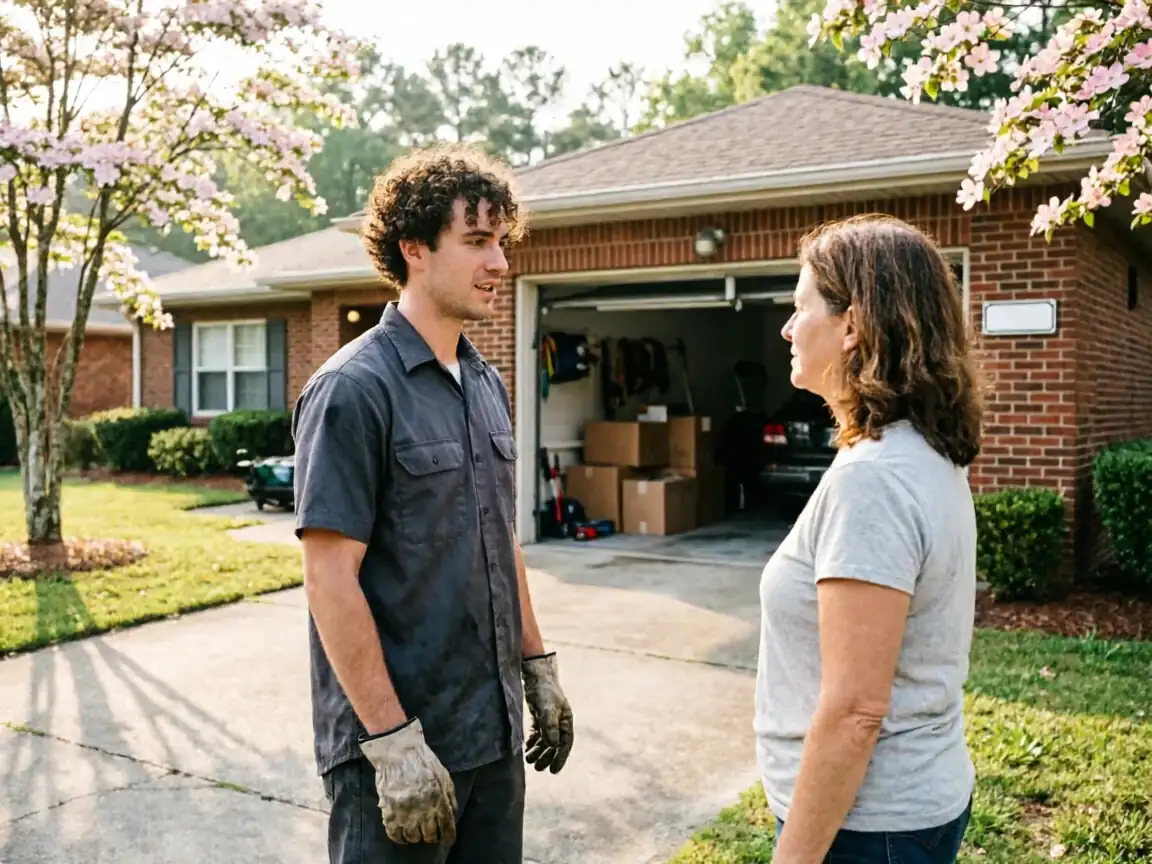
Look at the spring for a visible gap in the coil, check whether the cables look frayed or loose, and note whether the door was working fine until a sudden bang. That information helps us bring the right spring on the first visit instead of a second trip.
One honest limitation
We don't carry every wire gauge and length on the truck for unusual or custom door sizes. If your door's an odd width or an older custom build, there may be a short wait on the exact spring, and we'll tell you that up front rather than installing something close enough and having it wear out early.