How That Shows Up in the Door
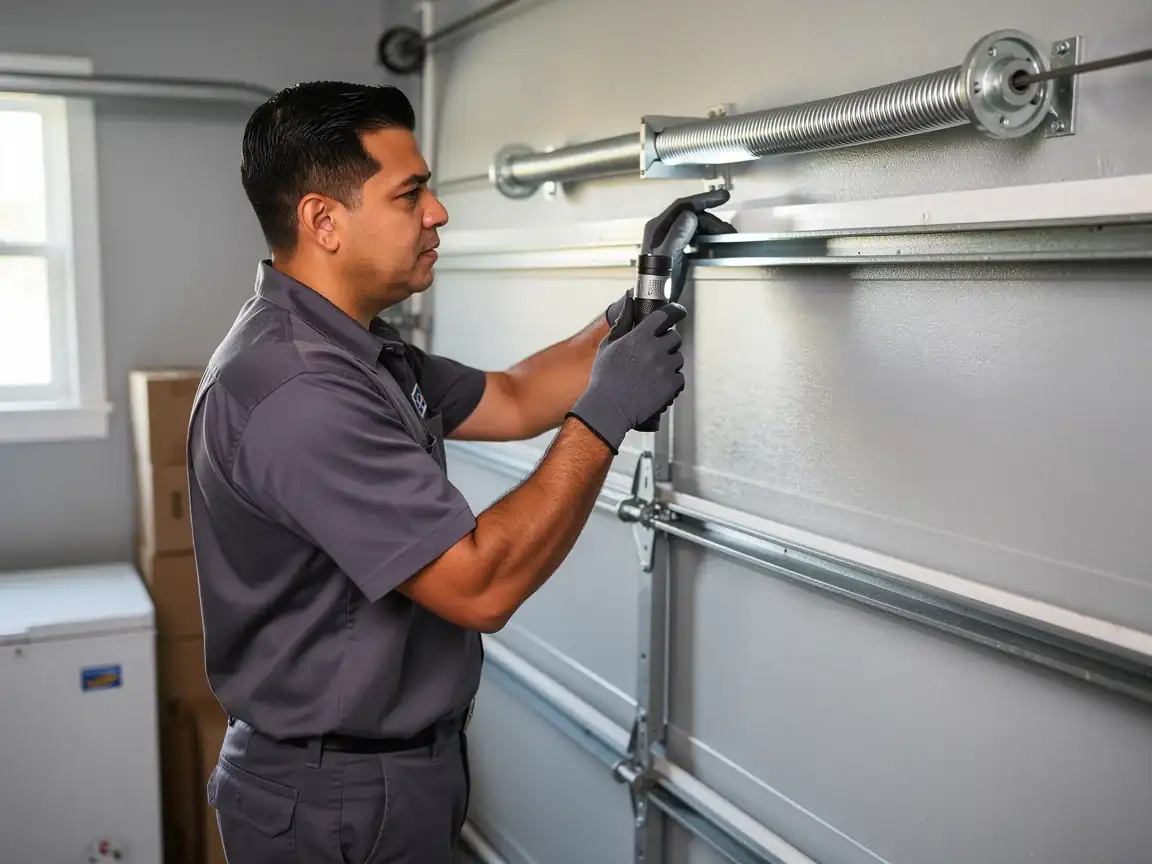
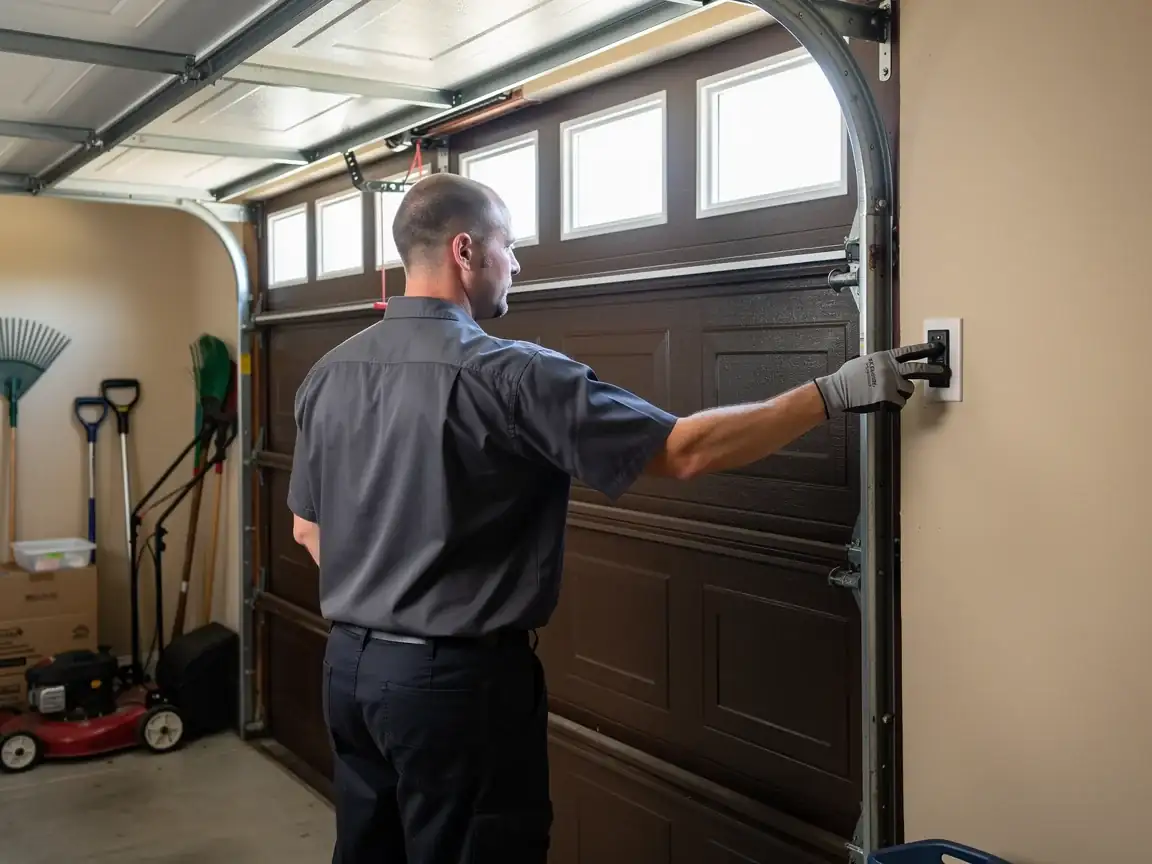
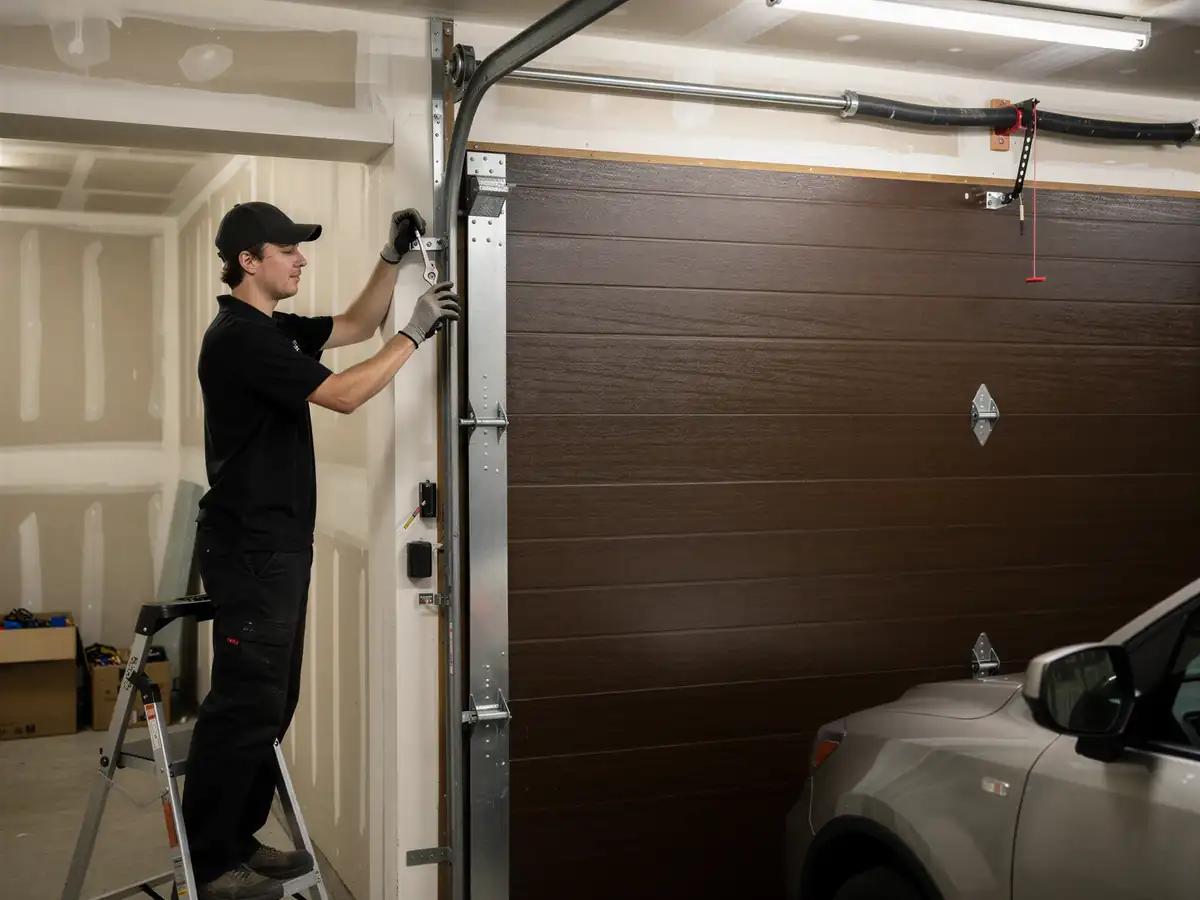
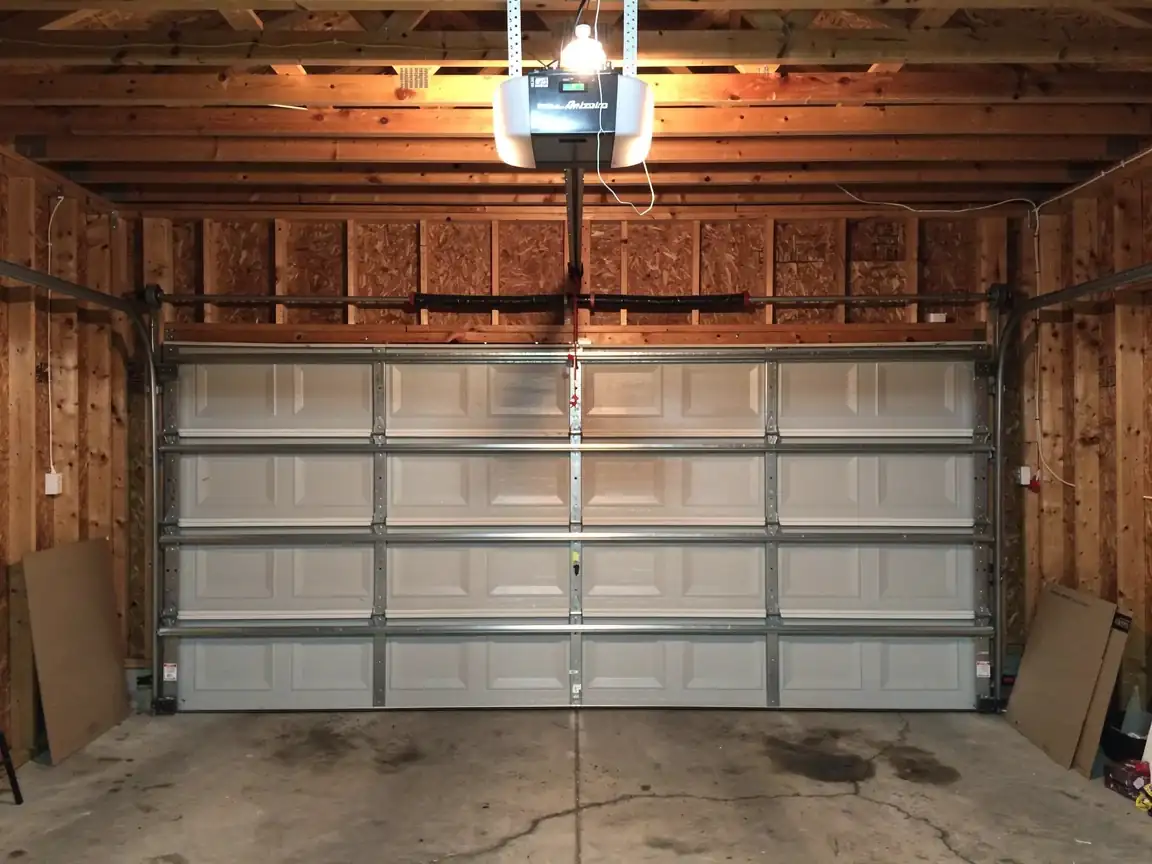
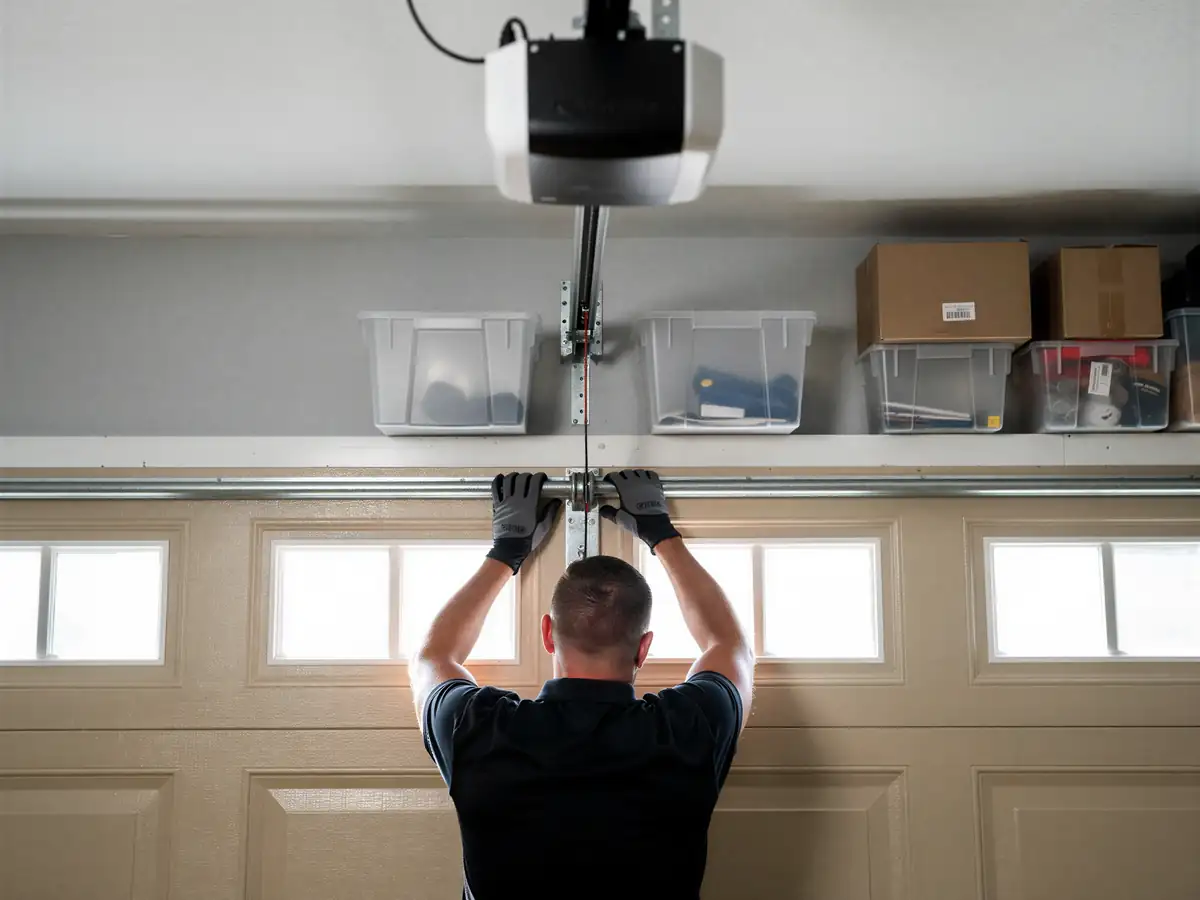
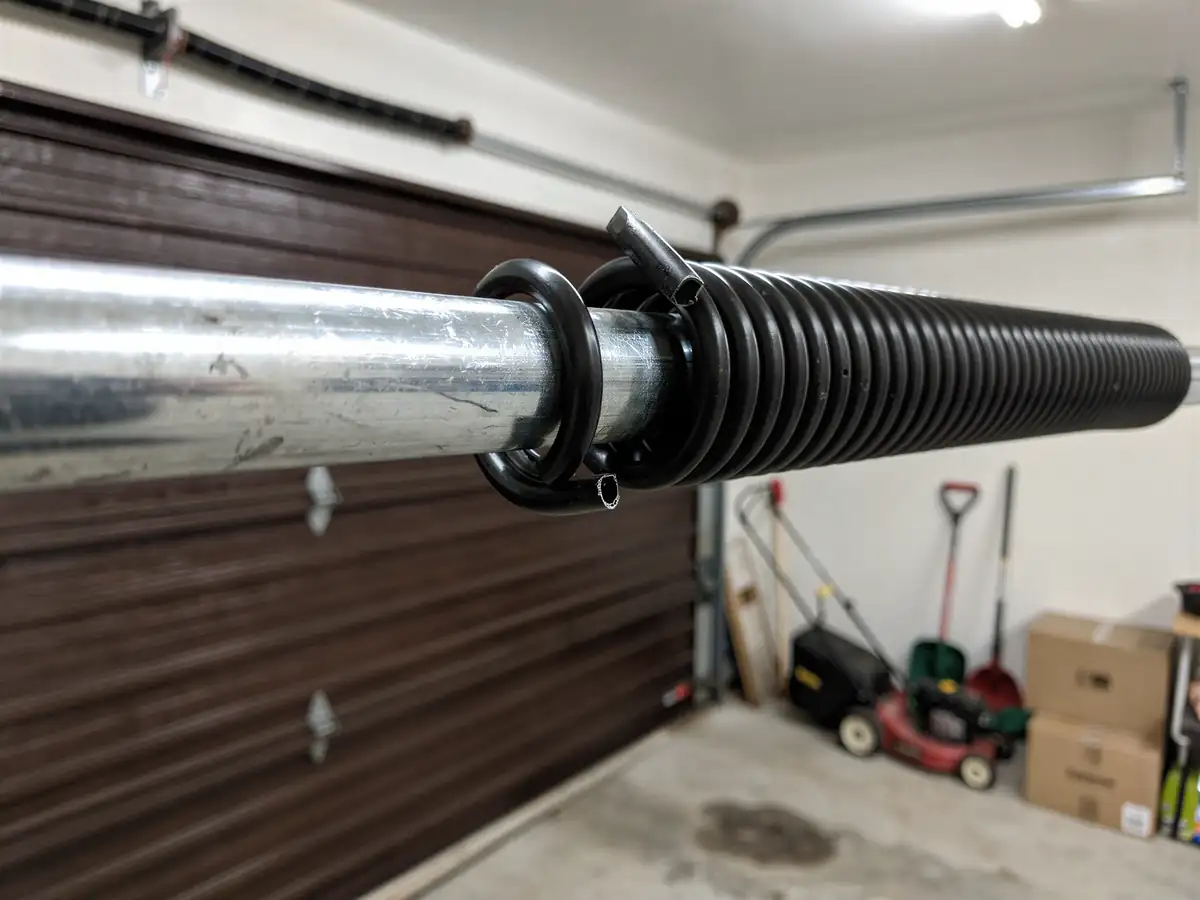
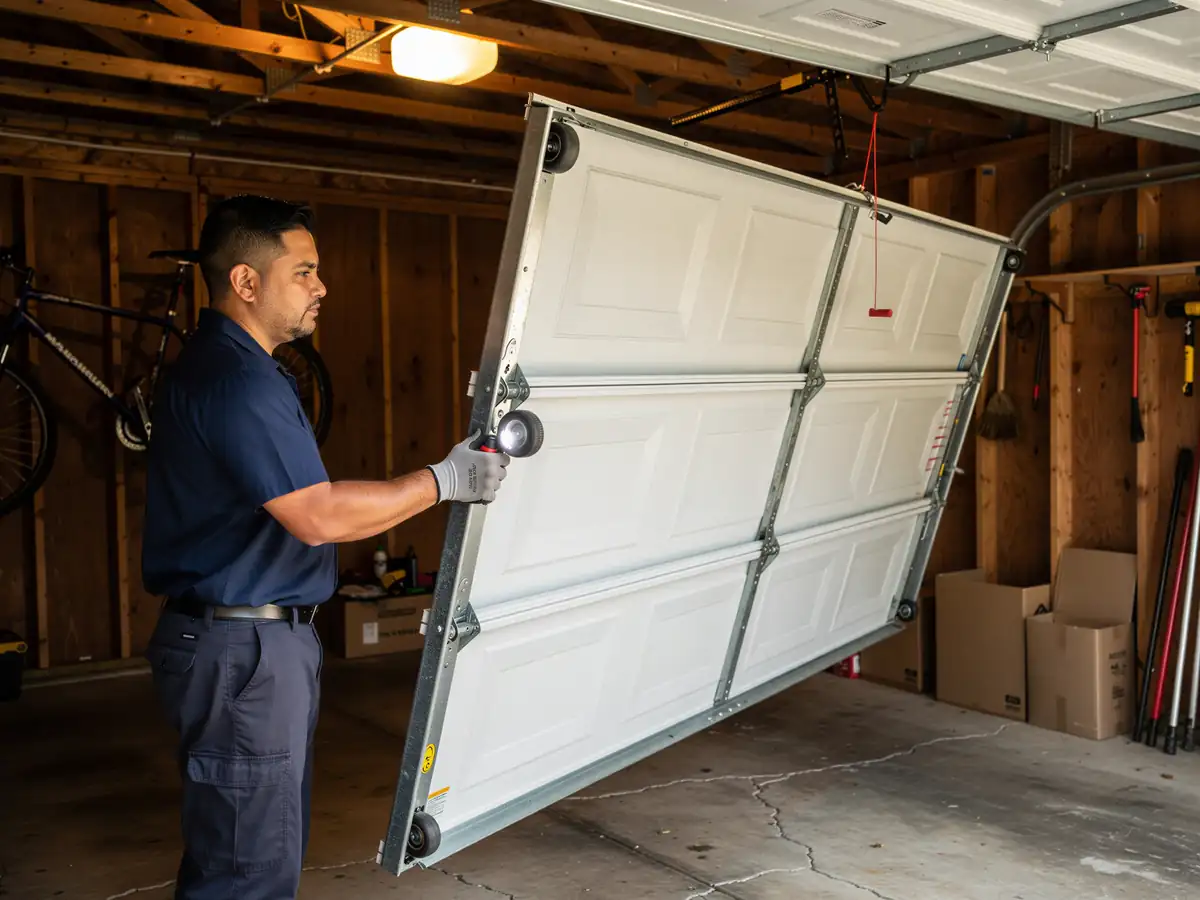
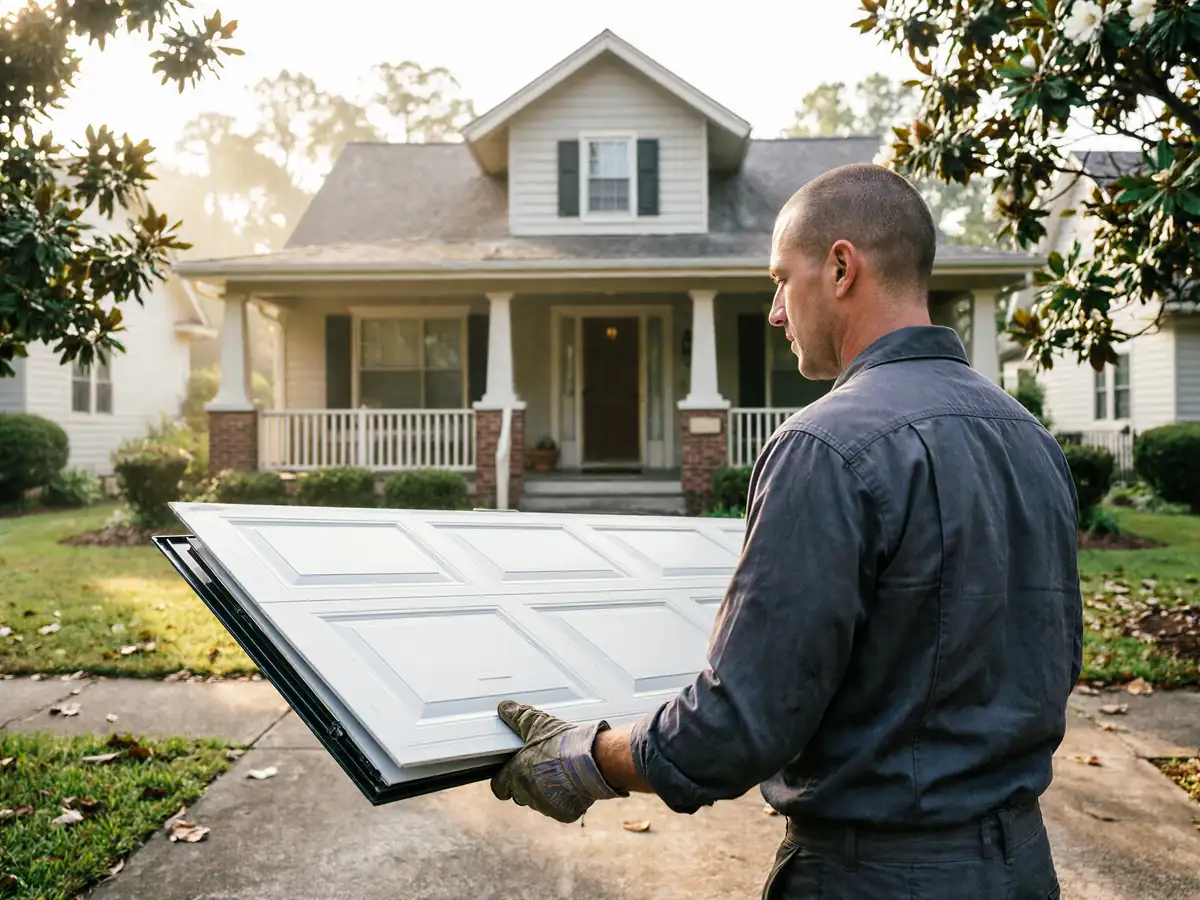
A door built around 1969 usually means a torsion spring system that's been replaced at least once, and often an opener that's a decade or two newer than the door itself because openers fail faster than steel. The mismatch matters: we see brackets and track drilled for an older rail system, then a newer chain-drive opener bolted onto it without the mounting updated to match. That's not a defect, it's just what happens when a house gets one appliance replaced at a time over 50 years. Rollers on doors this old are frequently the original steel type, not nylon, which means more noise and more wear on the track over time. The climate here is cold-moderate rather than extreme, so we don't see the ice-jam failures you'd get further north, but we do see track misalignment from decades of seasonal expansion and contraction in the steel. None of this is unique to one house. It's the pattern across a neighborhood built in a tight few years, which is exactly what Springdale is.
What People Here Ring About
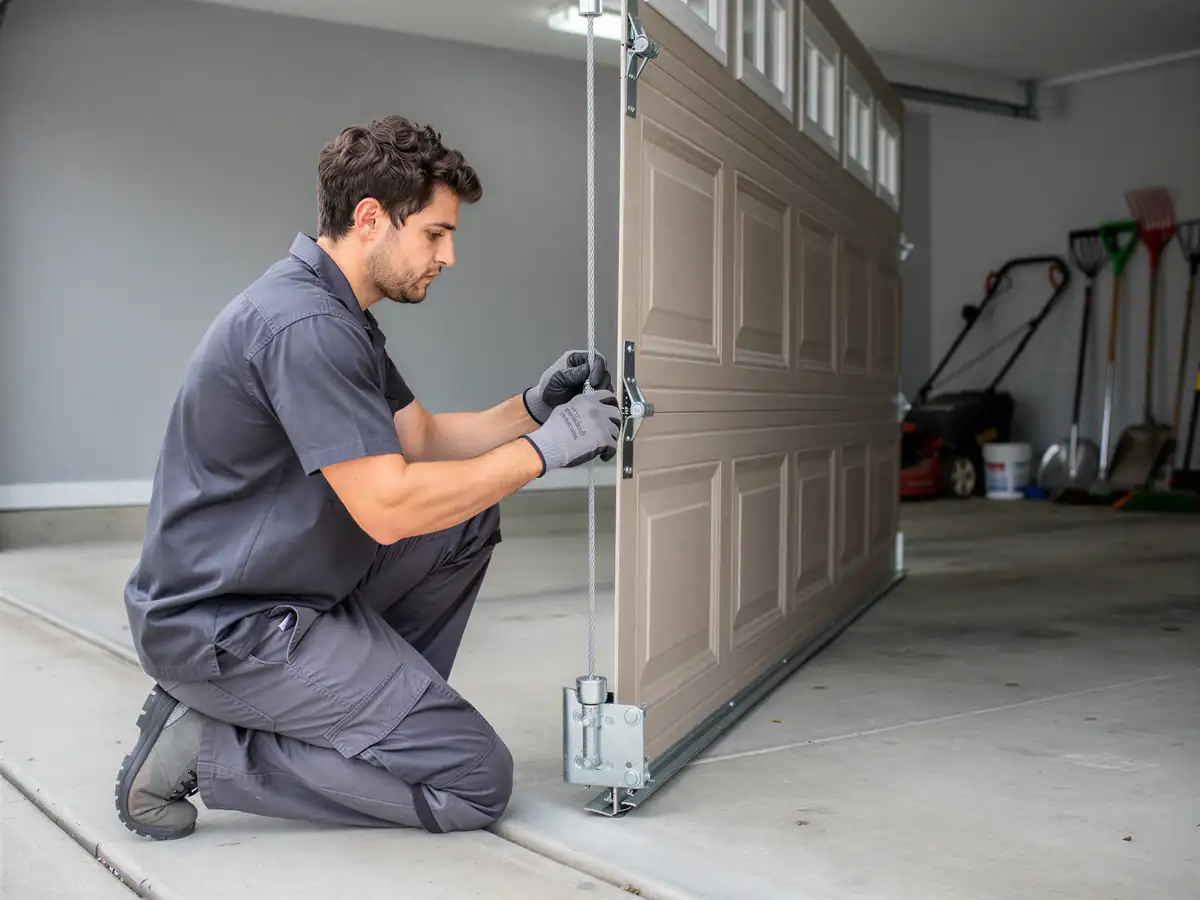
The calls we get from this area tend to split into two groups: broken torsion springs on doors that have never been serviced, and openers that are failing because they're mismatched to older track and drum hardware. Given the 1969-era build pattern, we also hear from people whose cables have frayed at the bottom bracket, a slow failure that's easy to miss until the door won't lift evenly. Because household incomes here run above the area median, we also get more calls asking about full door replacement rather than patch repairs, especially once someone's spring has gone twice in a few years. We don't get many calls about brand-new opener electronics or smart-garage setups failing here, which tracks with a neighborhood where the housing predates that kind of wiring and most owners haven't rewired the garage circuit to support it.