Can You Do This Yourself
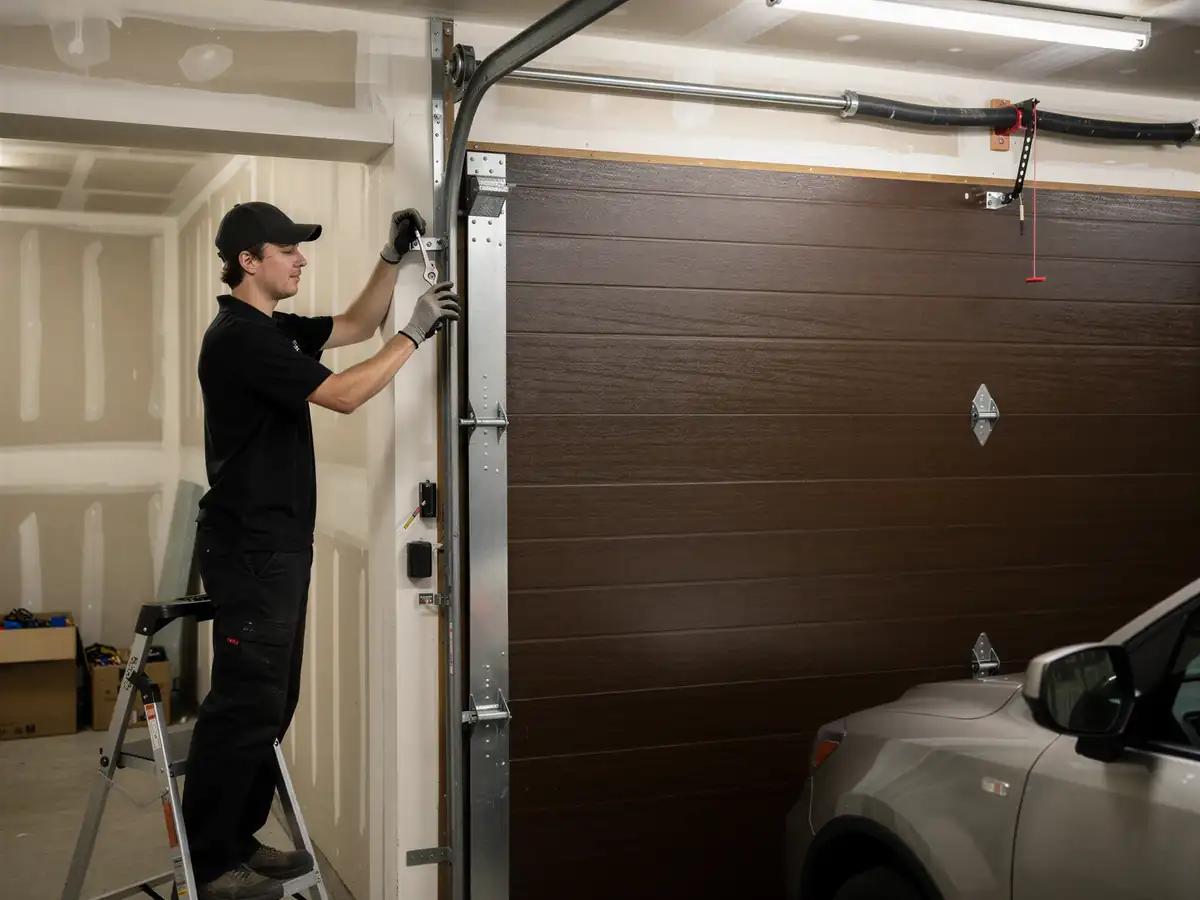
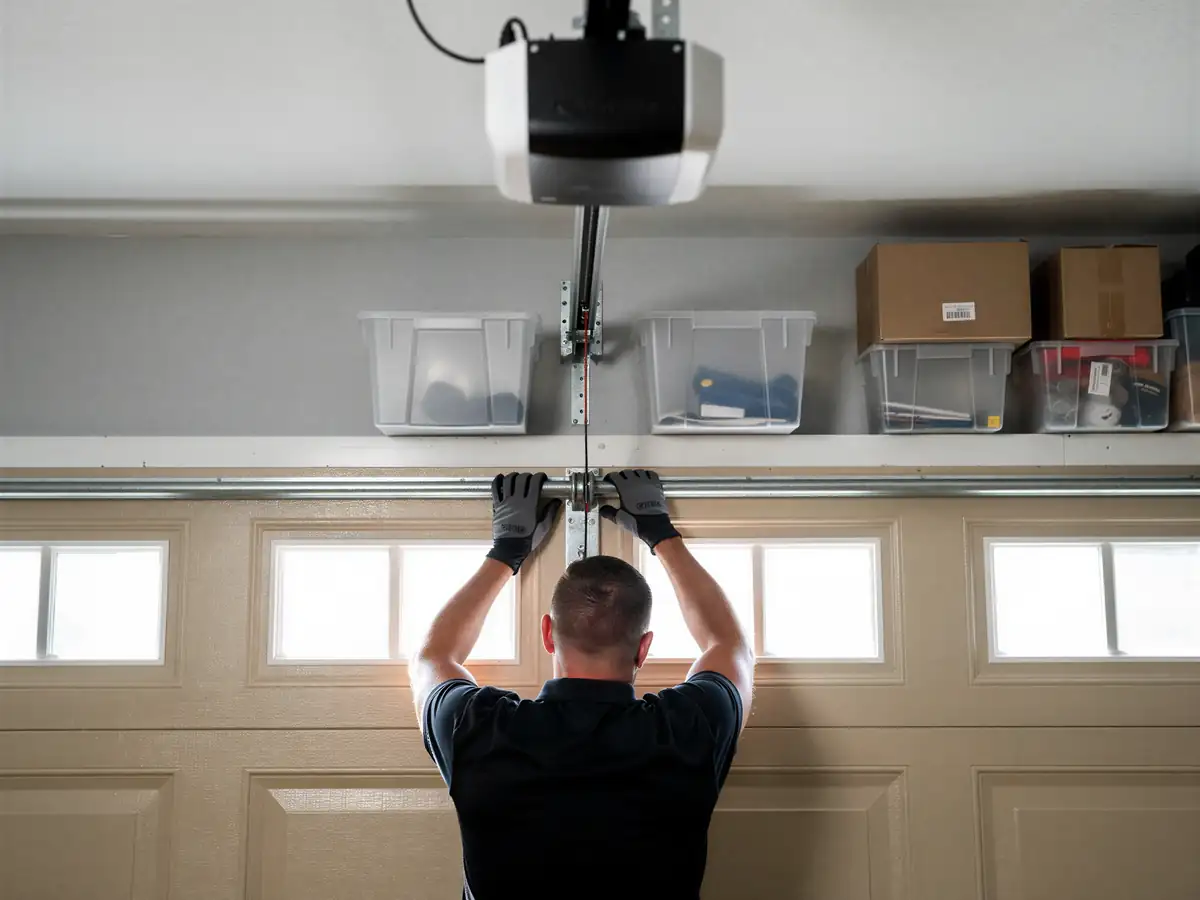
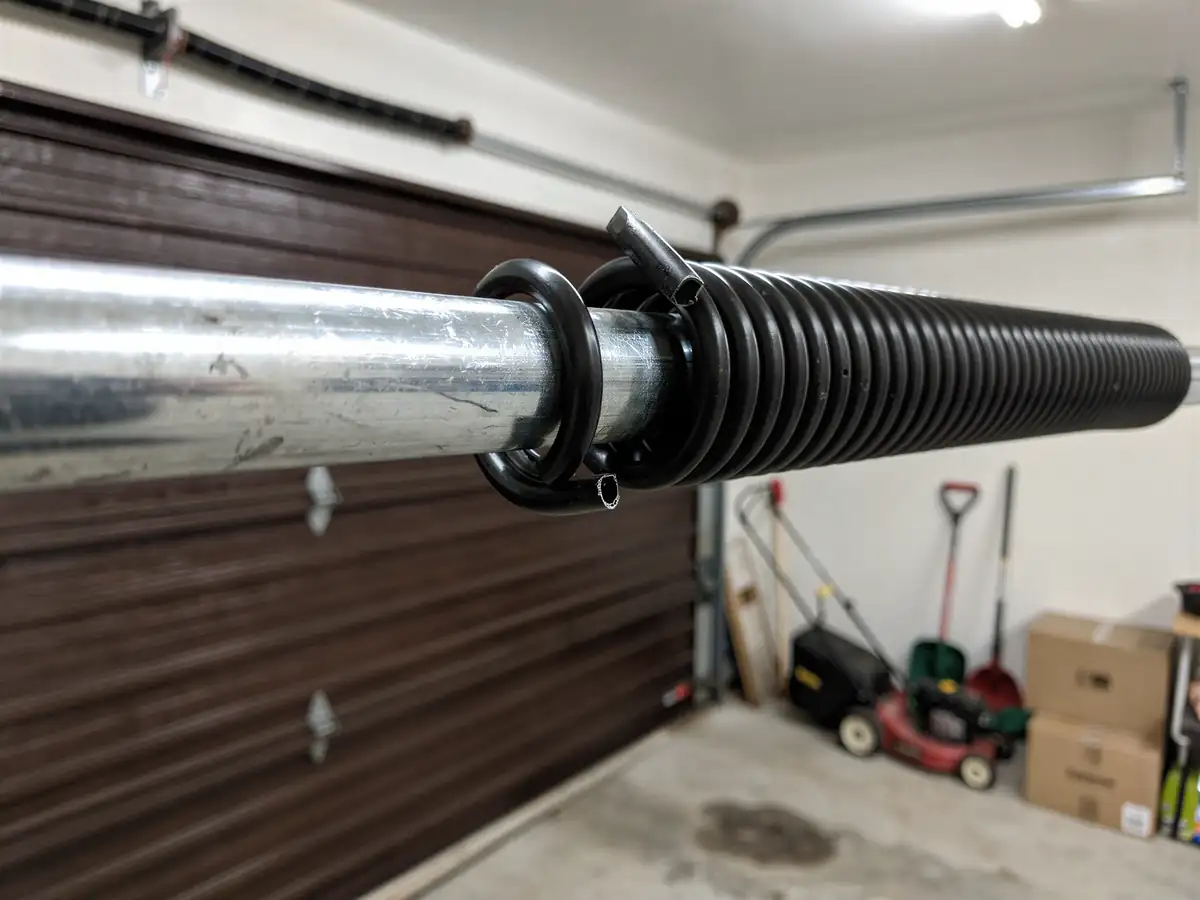
A torsion spring holds enough stored tension to break a bone or worse
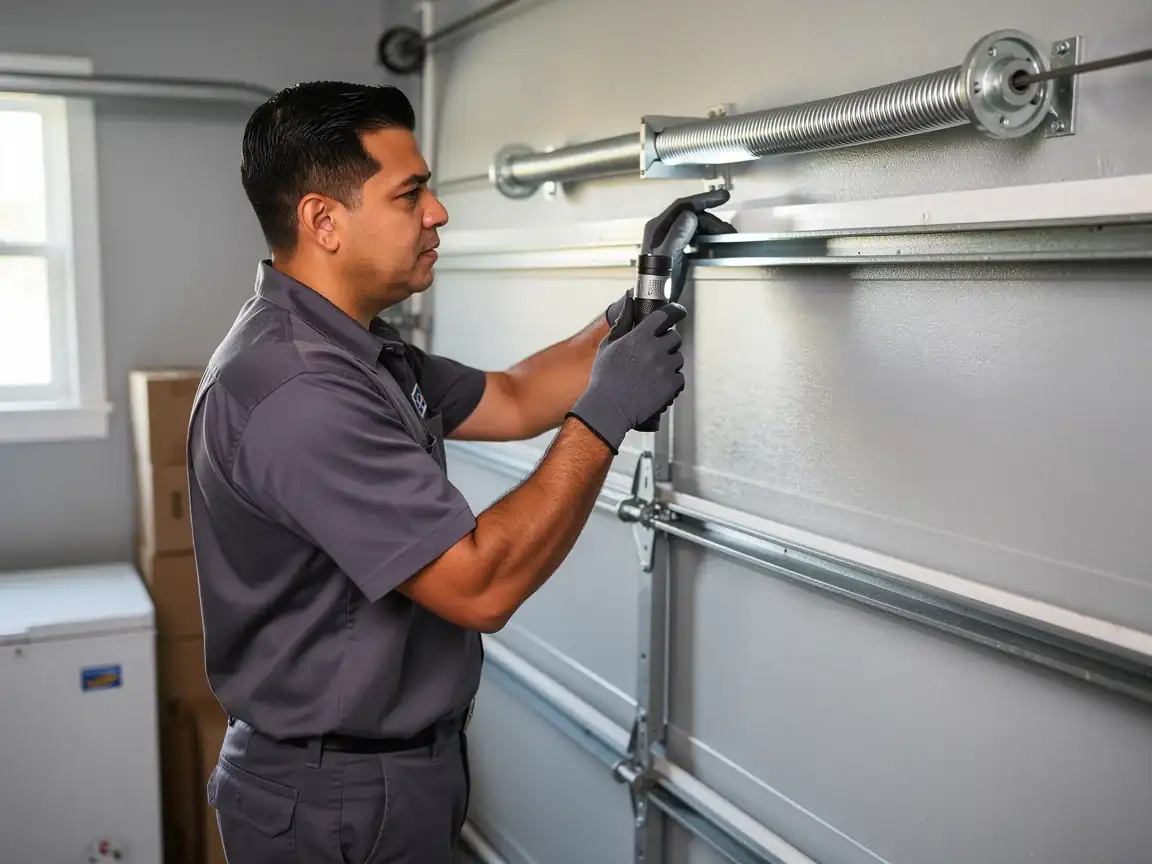
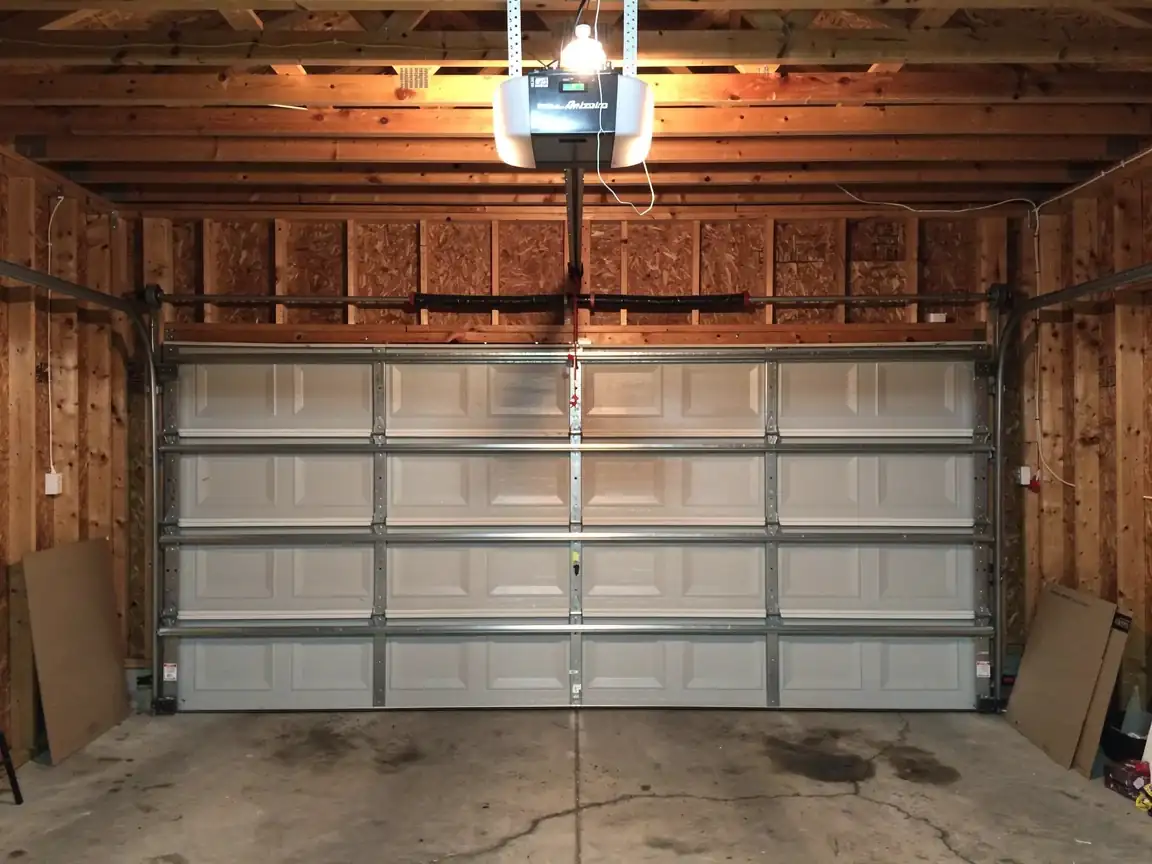
And on a house built around 1969 that spring has had five decades to work past its rated cycle count. If your door has a single torsion spring mounted above the opening, that's original-era hardware for this part of the Columbia market, and it's not a weekend fix. Extension springs along the horizontal tracks are a different animal but carry their own risk if they're missing a containment cable, which a lot of installs from that period never had.
What you can safely do
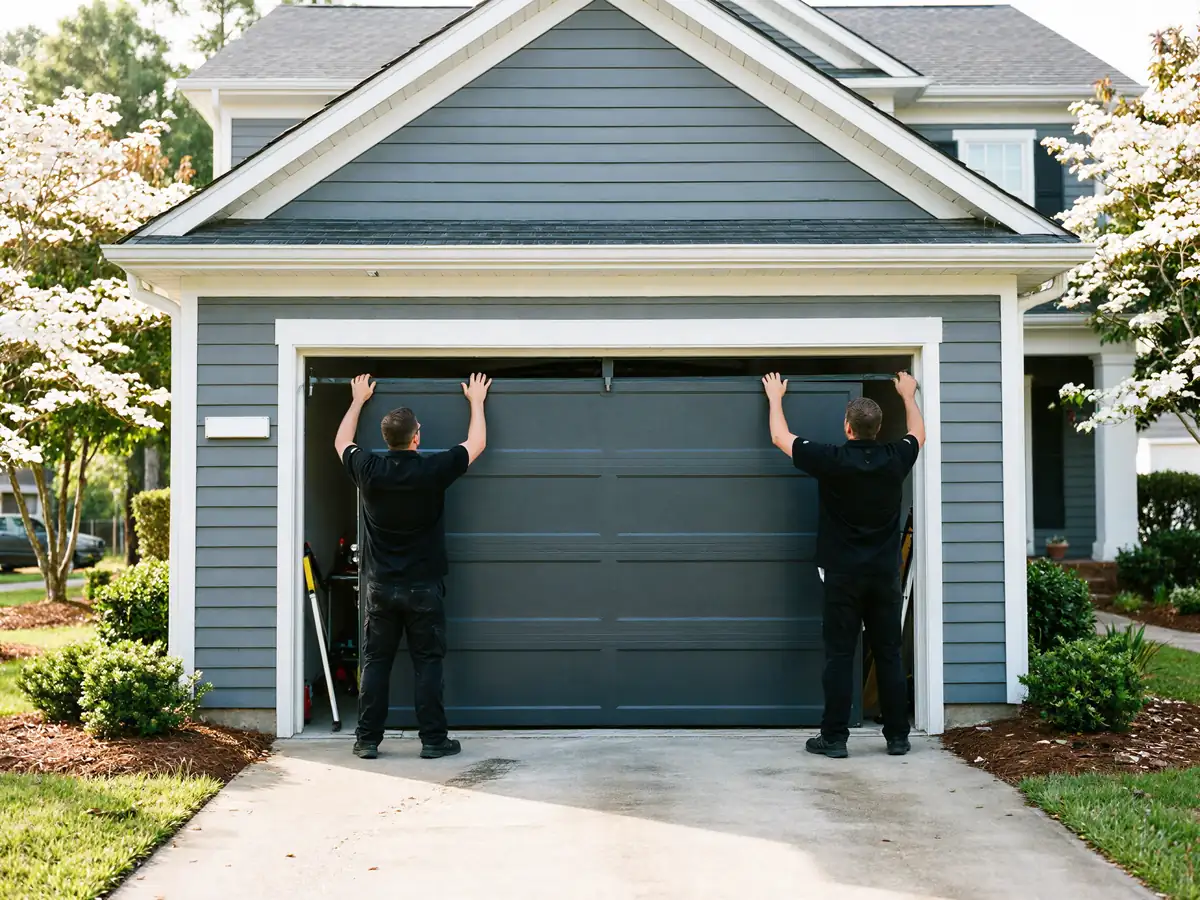
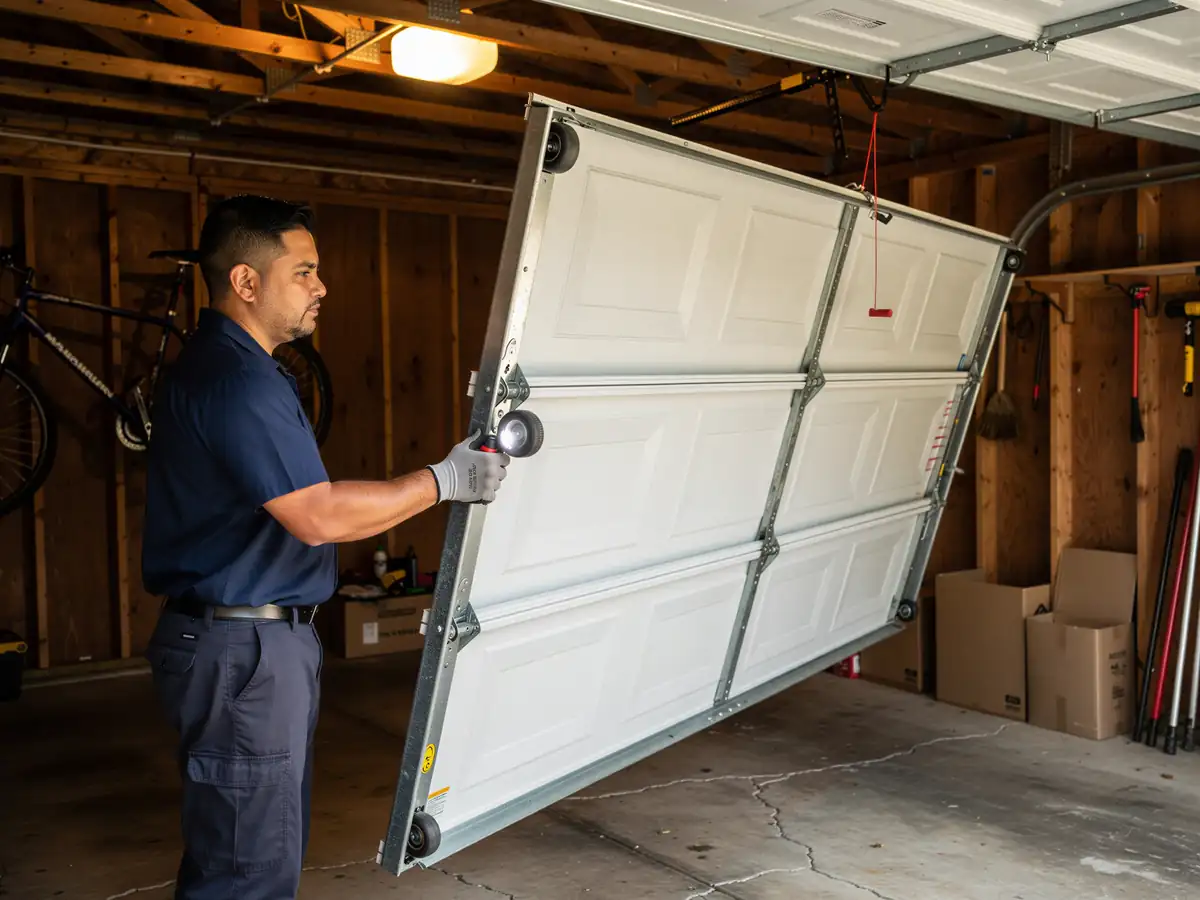
Pull the release cord and check whether the door moves evenly by hand with the opener disconnected. If one side drags or the door tips, that tells you which spring or cable is failing before anyone drives out. What you shouldn't do is loosen the set screws on a wound torsion spring or cut a cable under tension. We'll say plainly: we don't talk anyone through winding or unwinding a torsion spring over the phone. That's the one job on a garage door where the DIY math doesn't work in your favor, and it's the same reason any honest company in this trade turns that question down.
Why It Happens Here
Springdale's housing stock centers on 1969, a decade ahead of the roughly 1979 median across the wider Columbia service area. Doors from that build year typically ran a single torsion spring sized for a lighter door, or paired extension springs on the sides. Either setup has now logged a lot more open-close cycles than the spring was engineered for, and metal fatigue doesn't announce itself until the coil snaps.
At 1,258 households, Springdale is one of the smaller pockets in a service area spanning places from Woodfield two miles out to Ridgeway and Gaston closer to 19. That size doesn't change the physics, but it does mean fewer of these springs have already been swapped out compared to denser, faster-turnover neighborhoods. A door with its original 1969-adjacent spring is overdue, full stop, regardless of how it looks from the driveway.
What It Costs
We don't have a posted price list for Springdale calls, and we're not going to invent one. What actually drives the number is spring type (torsion versus extension), how many springs the door needs, the door's weight, and whether the drums or cables also need replacing because they stretched alongside a dying spring.
With a median household income of $70,852 here, noticeably above the $60,408 median across the broader Columbia area, a straightforward spring swap tends to be the kind of repair most Springdale homeowners can plan for rather than put off. Replacing a spring before it snaps is almost always cheaper than replacing it after it takes a cable, a drum, or a section of track with it. If your springs are original to a 1969-era door, treat a quote now as cheaper than the emergency quote later.
What You Are Seeing
A door that won't lift
Or lifts only a few inches before the opener strains and reverses, is the classic sign of a broken torsion spring. If you hear a loud bang from the garage, usually with no one touching the door, that's the spring letting go, not the opener. A door that looks fine but feels heavy when you lift it by hand, with the opener disconnected, is a spring losing tension gradually rather than snapping outright.
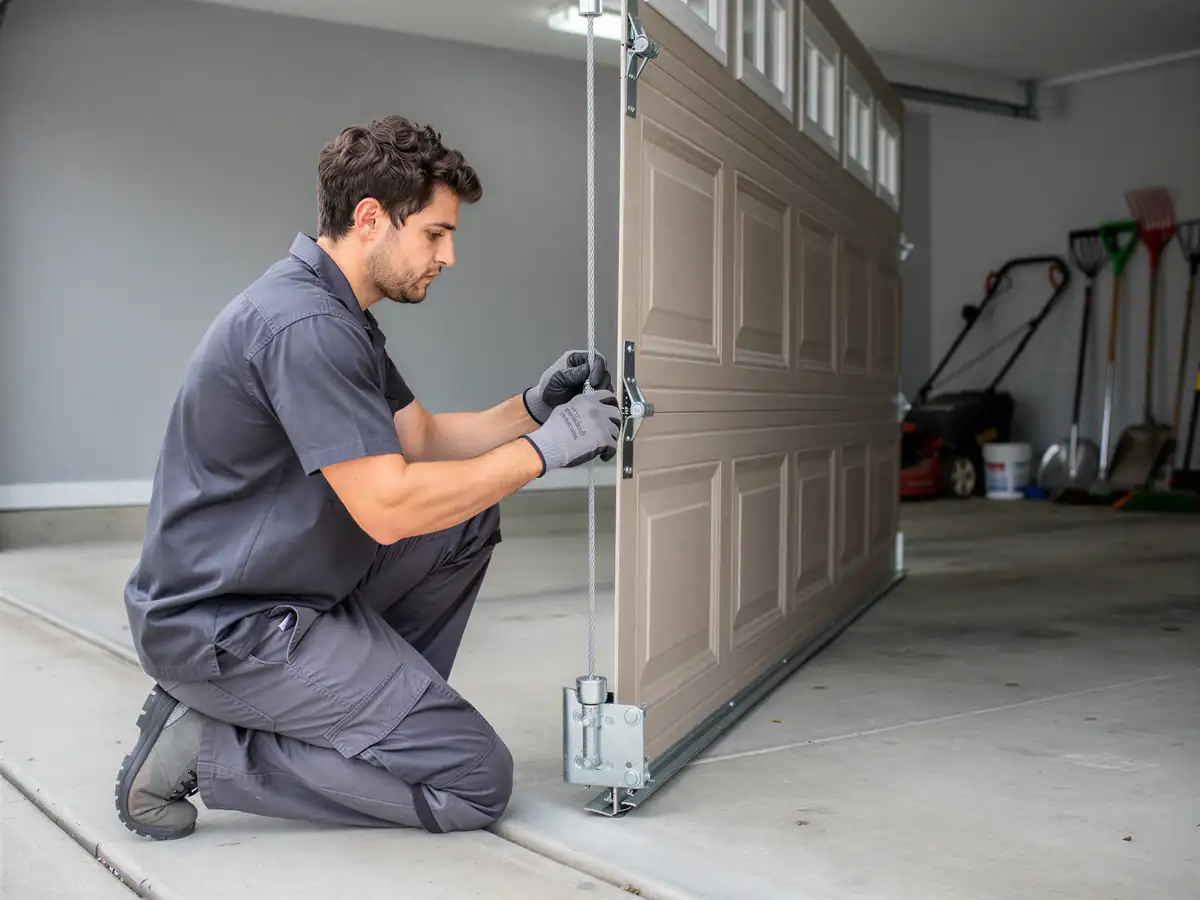
On extension-spring doors, watch for one side of the door hanging lower than the other
Or a visible gap in the coil where the spring has stretched past its working length. Frayed cable near the bottom bracket often shows up alongside a tired spring, since the two wear together. Springdale sits 13 miles out from Columbia, and none of that changes what the hardware is telling you: a one-sided lift, a loud pop, or a door that won't budge all mean the spring, not the opener motor, needs attention first.
- 13 miles