Why It Happens Here
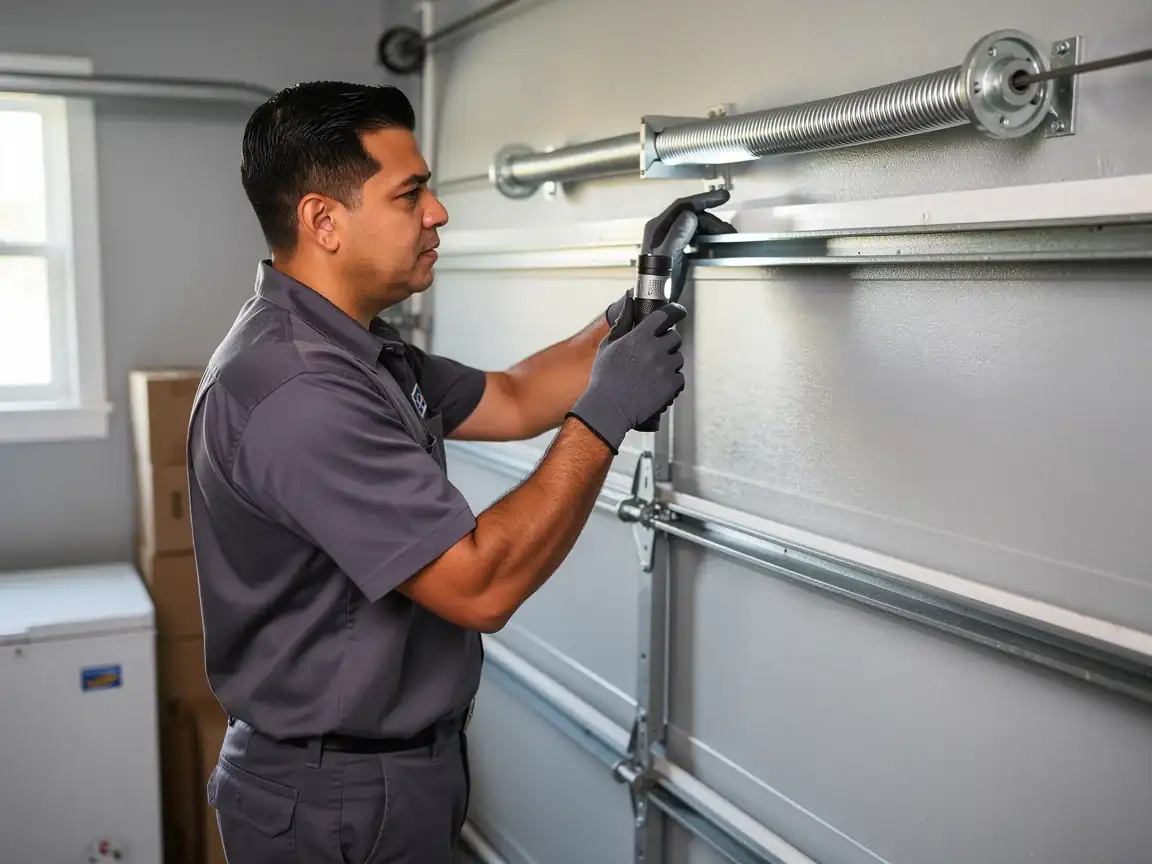
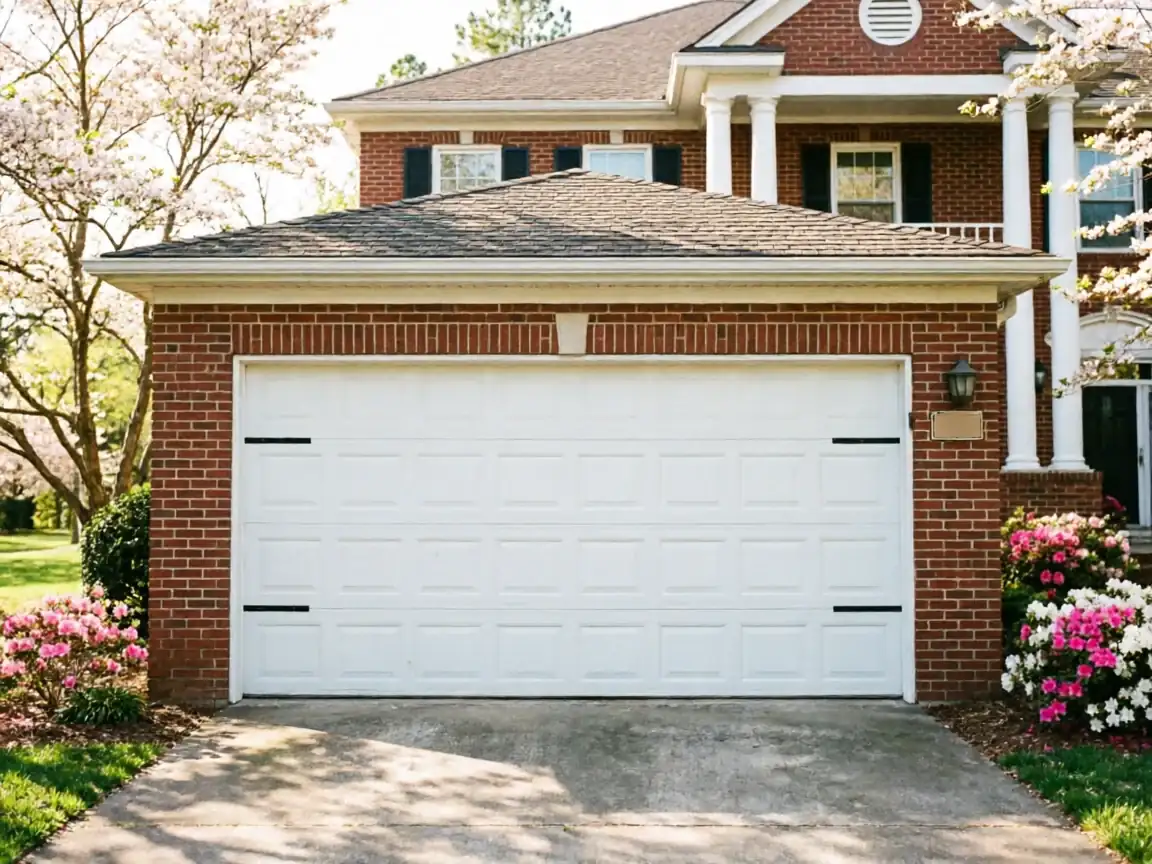
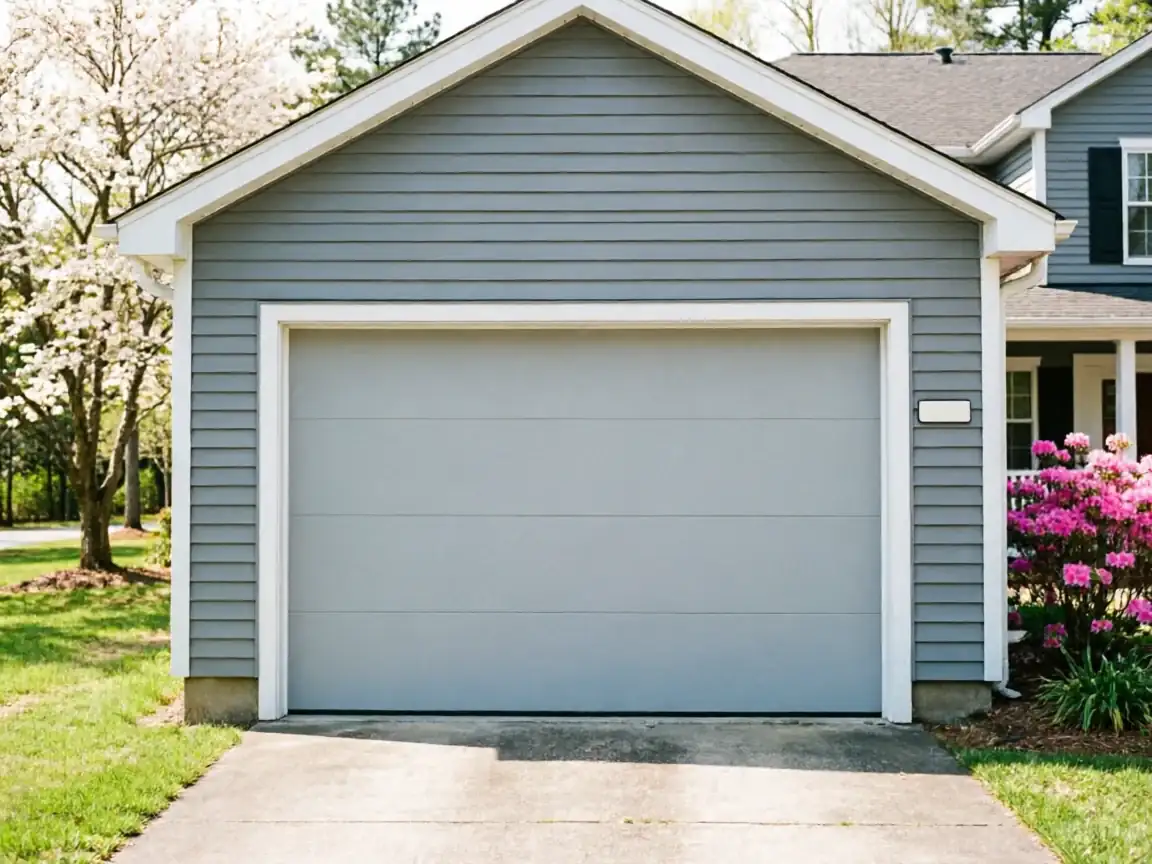
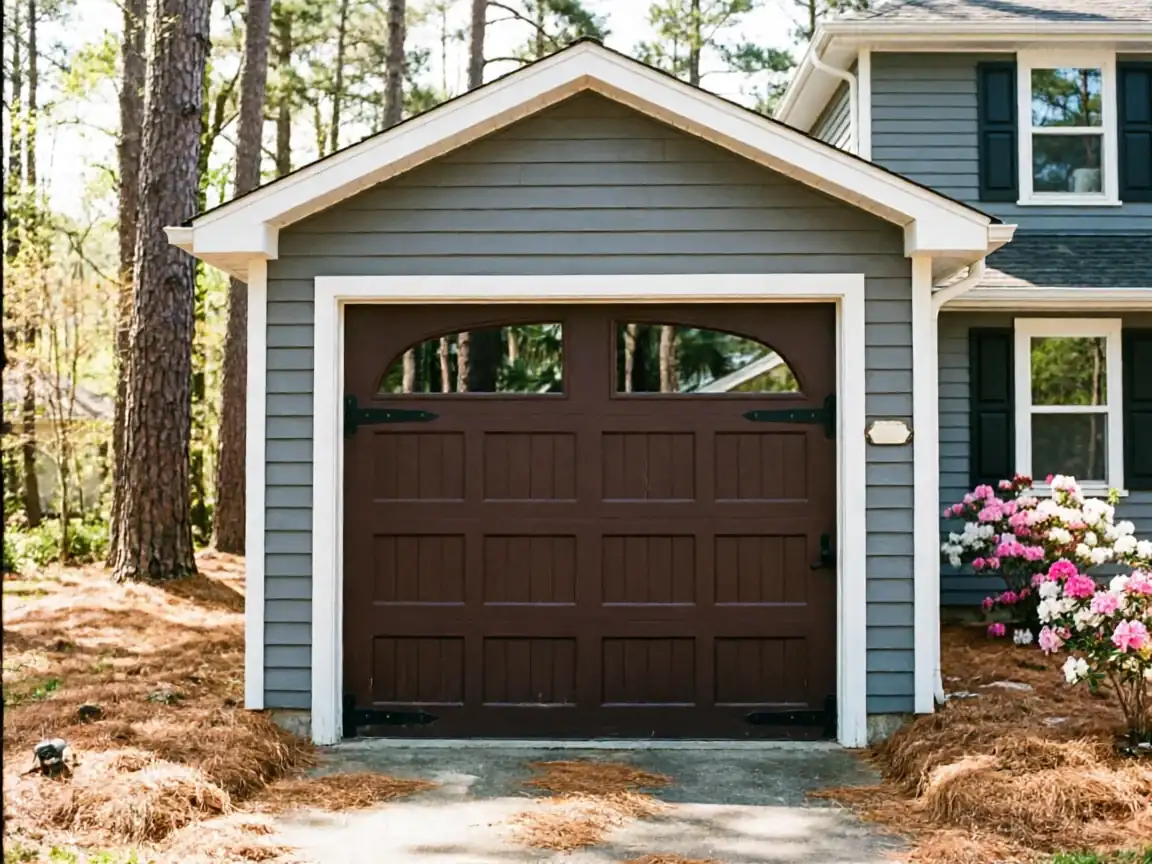
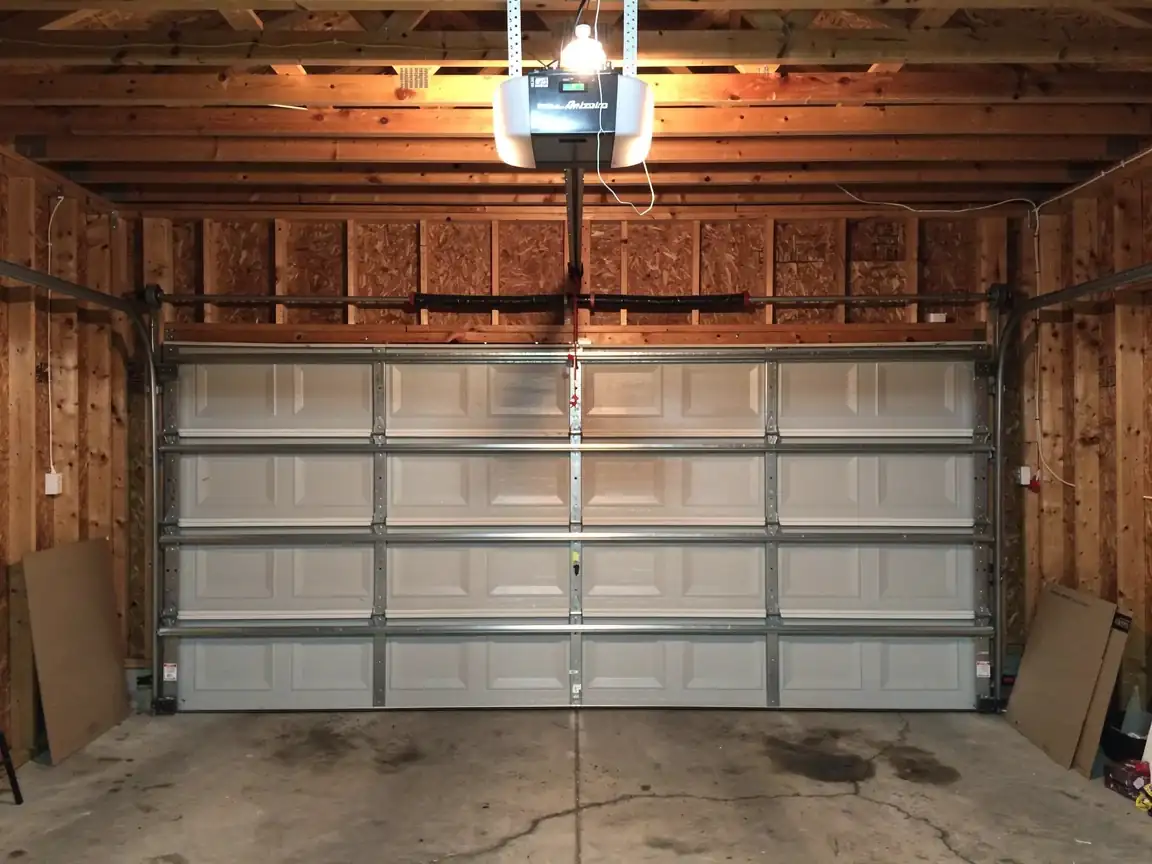
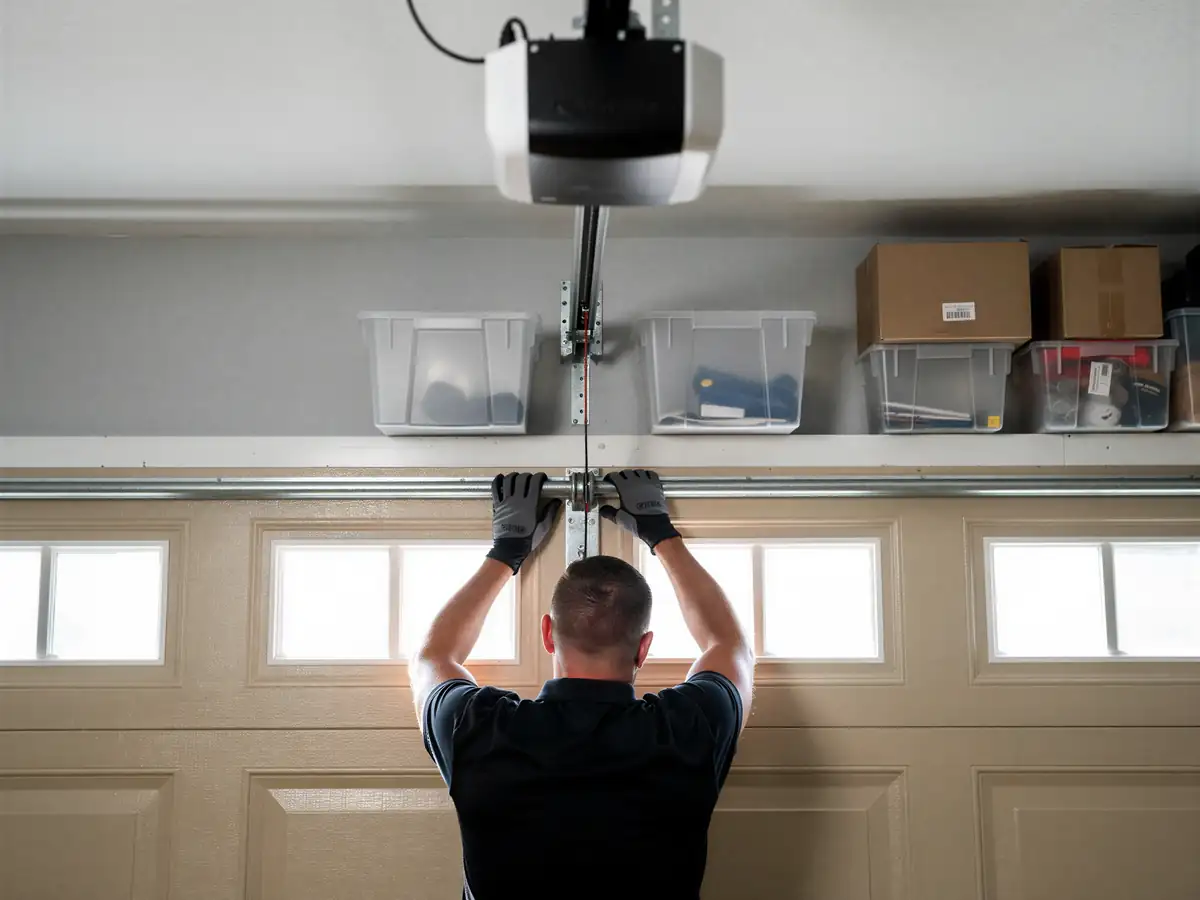
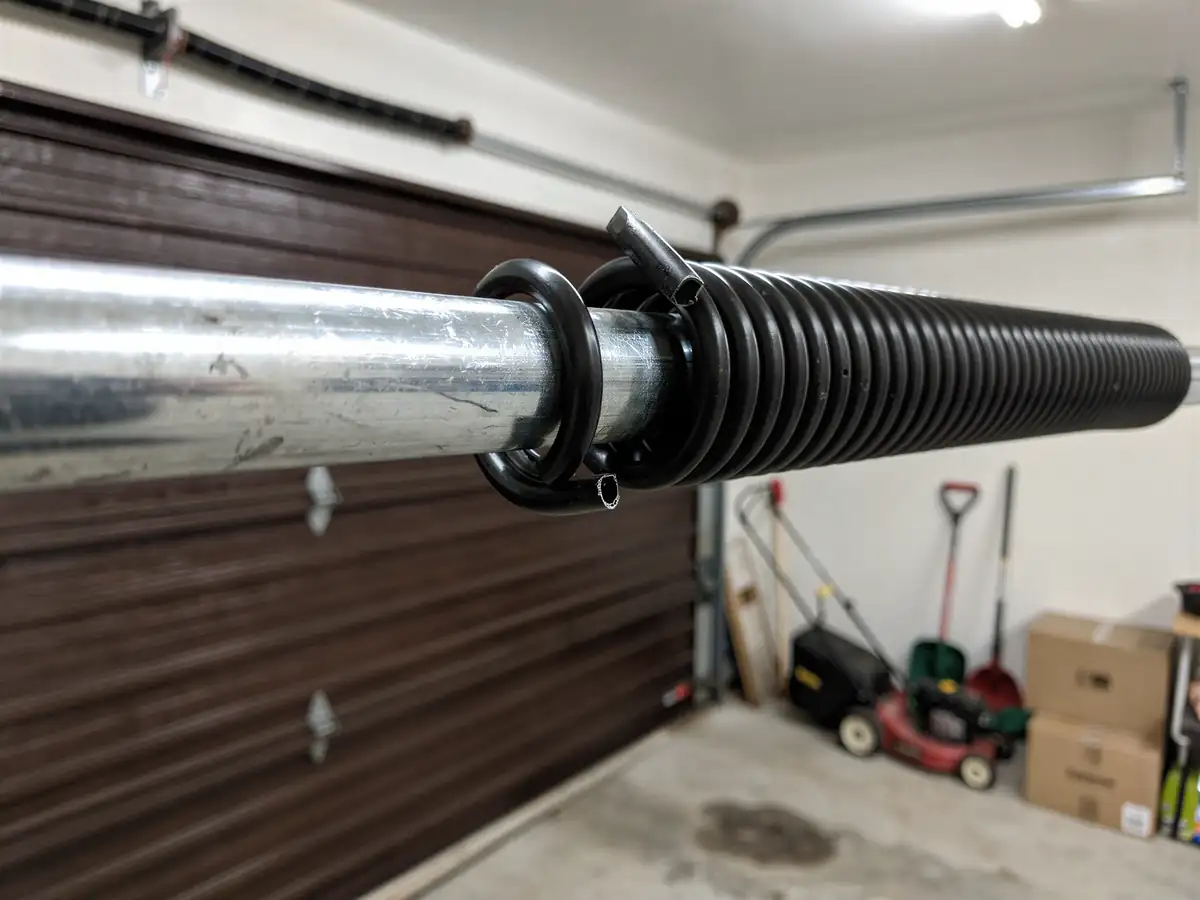
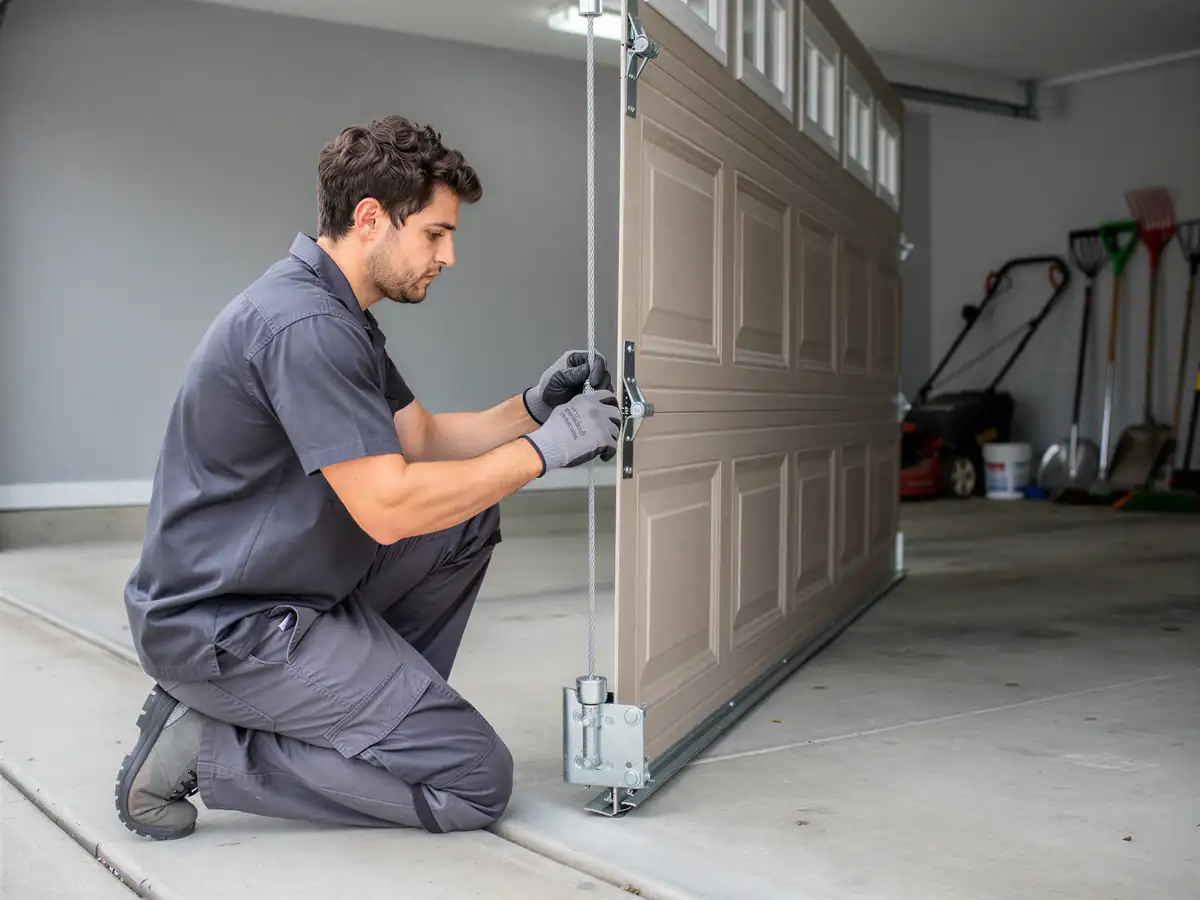
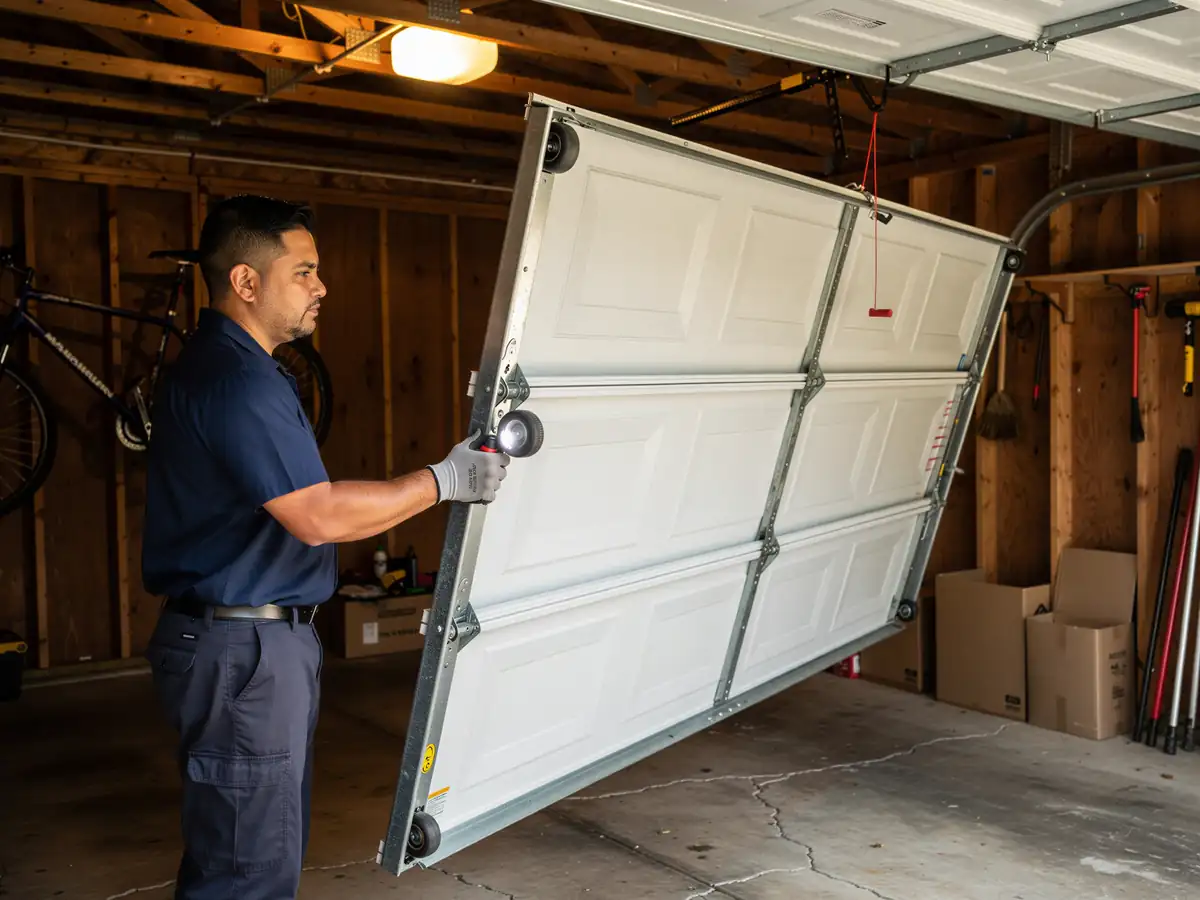
Springdale's housing mostly dates to around 1969, which puts it right in the middle of the older end of this area's stock - a good decade before the newer builds you'll find elsewhere in the wider Columbia service area, where the median construction year runs closer to 1979. Doors installed on houses from that era were usually single-panel or early sectional units on side-mounted torsion hardware, and a lot of that original gear is still in place, just worn. Springs lose tension gradually over 50-plus years of cycling, and when they finally let go, they often take a cable or a bent track with them. The climate here is cold-moderate rather than severe, so you're not dealing with the deep-freeze lubricant failures some regions see, but temperature swings still stiffen old grease and tighten metal-on-metal tolerances that were already loose from decades of use. Combine an aging door with hardware nobody has serviced in years and small issues - a rattling track, a slow opener - turn into a stuck door fast.
What It Costs
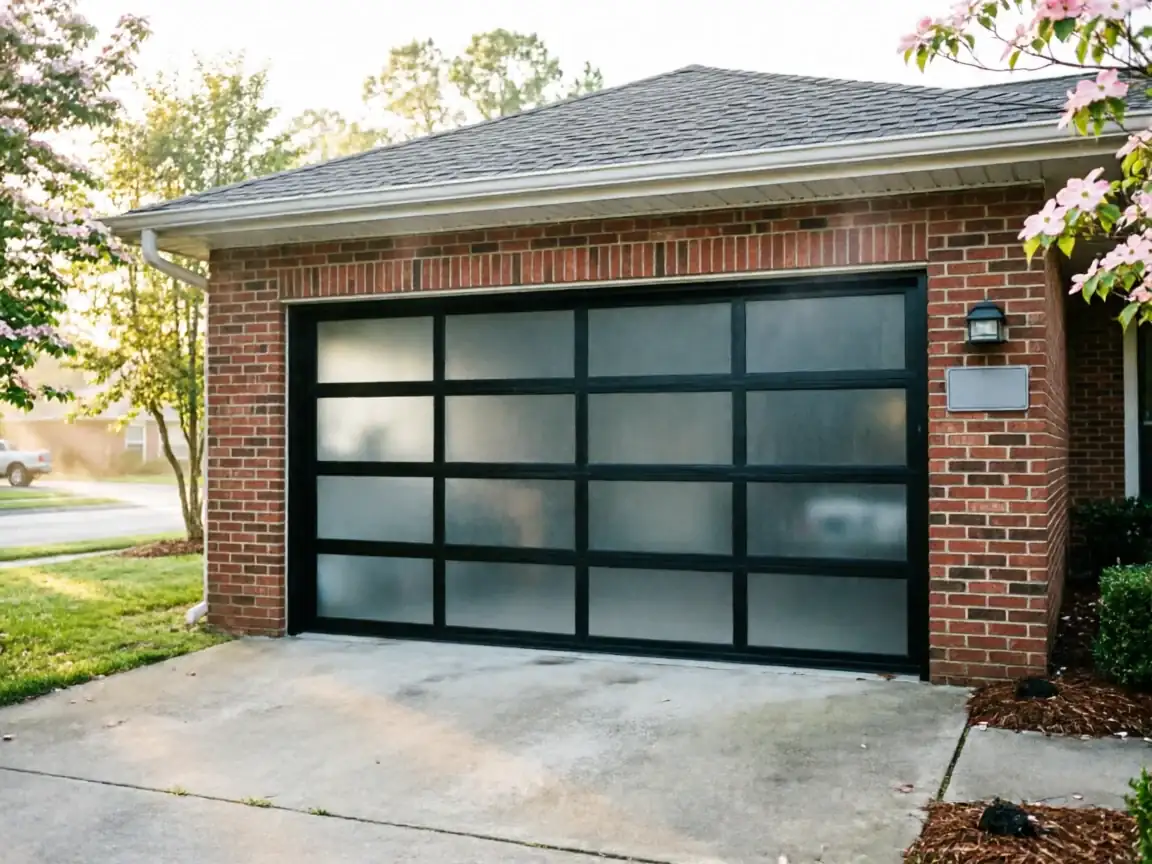
We don't have a fixed number to hand you here, and we'd rather tell you that than make one up. What drives cost on a Springdale call is almost always the age of what's already on the door: original hardware from a 1960s build often needs a part swapped rather than just adjusted, because the old piece is worn past matching tolerances with anything newer. A full spring replacement runs more than a cable repair, and a dead opener costs more to replace than to diagnose. Springdale's households sit at a higher median income than the broader service area average, which doesn't change our pricing, but it does mean replacement - rather than patching an old door along - is often the more realistic option once hardware from that era starts failing in more than one place at once. We'll tell you plainly when a repair isn't worth it.