Can You Do This Yourself
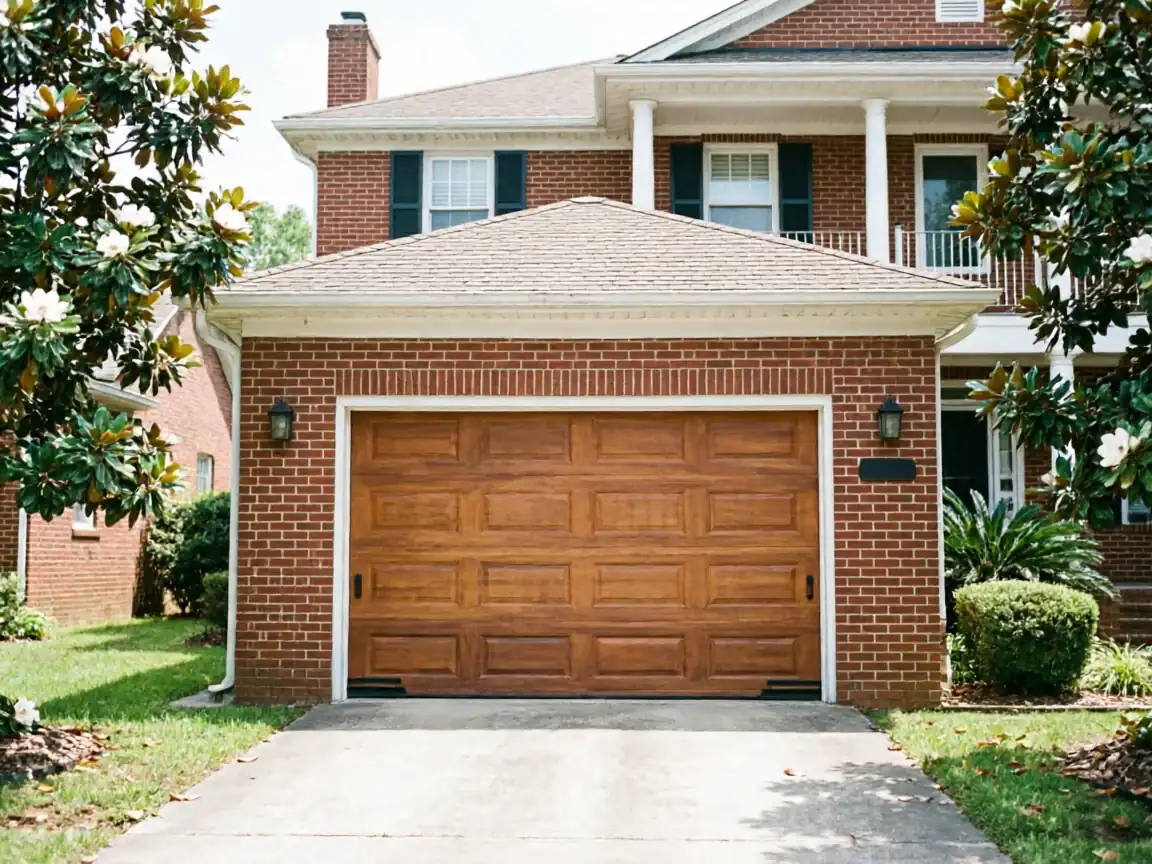
If your house in Springdale is one of the ones built around 1969
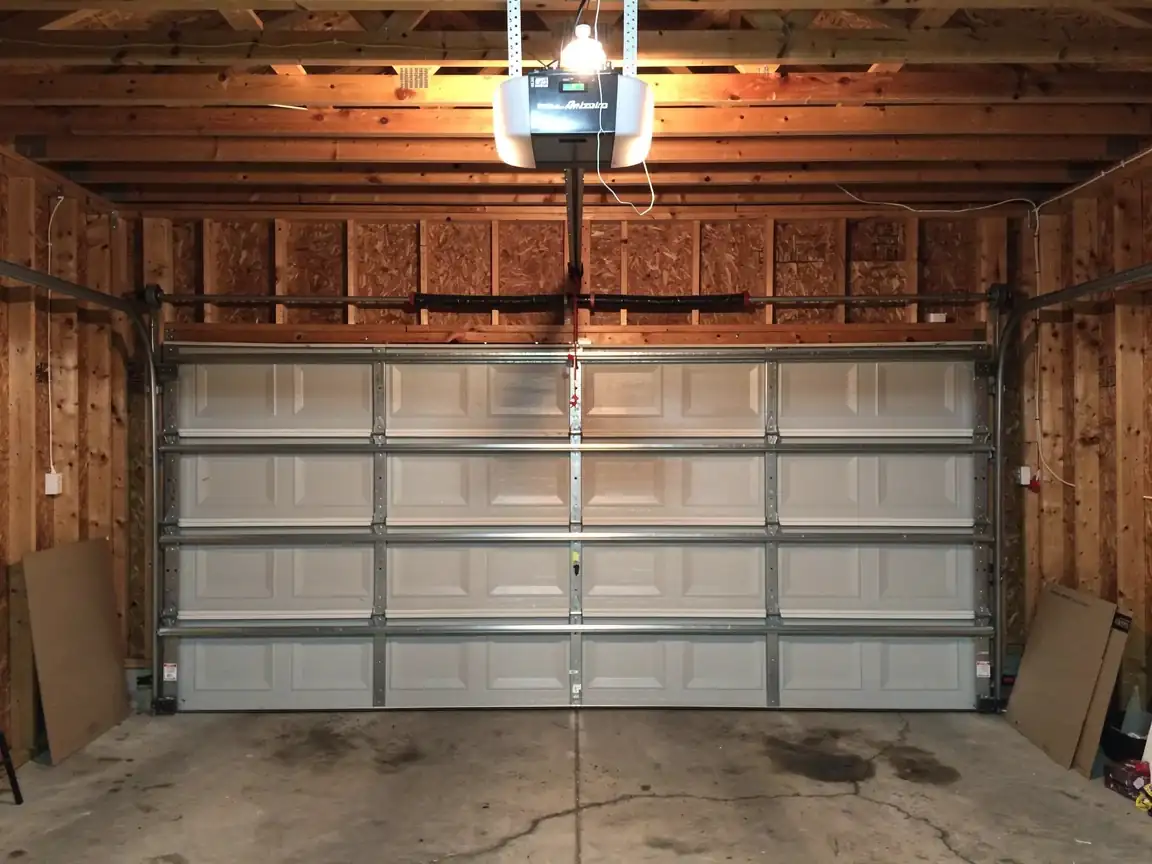
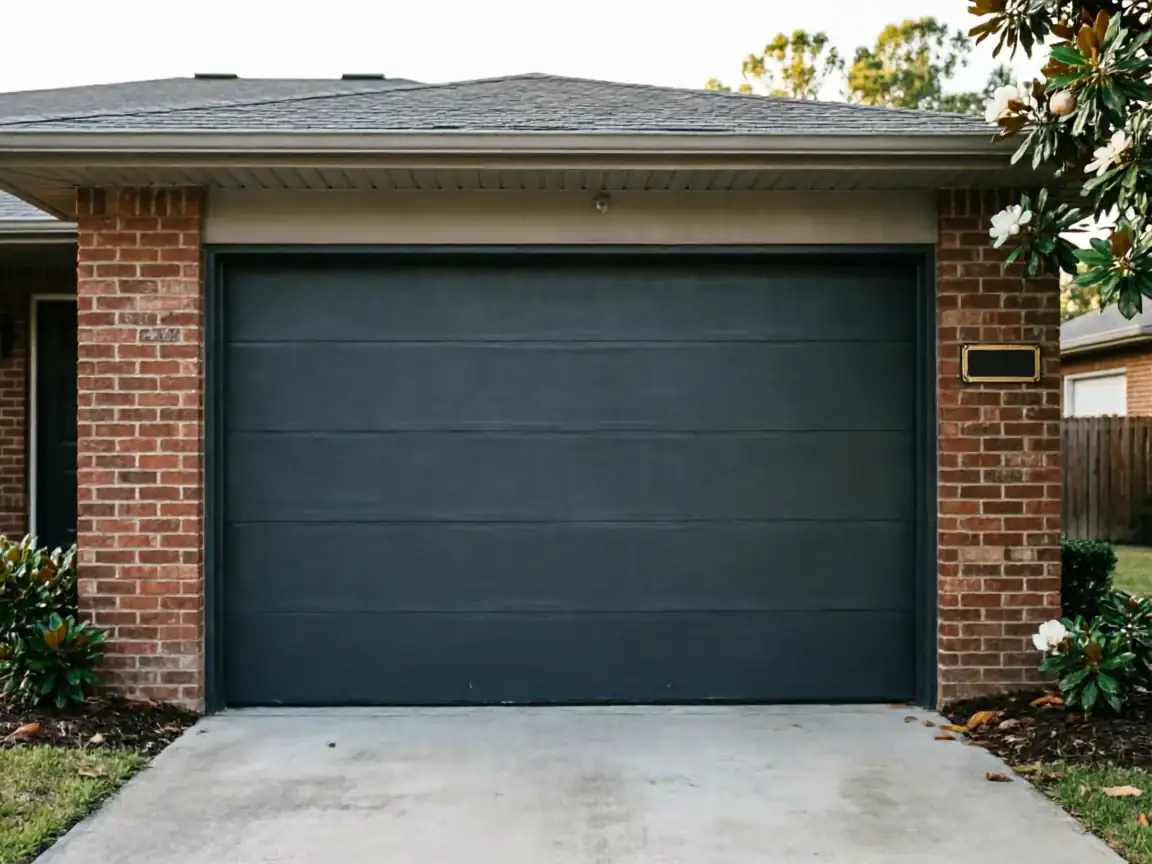
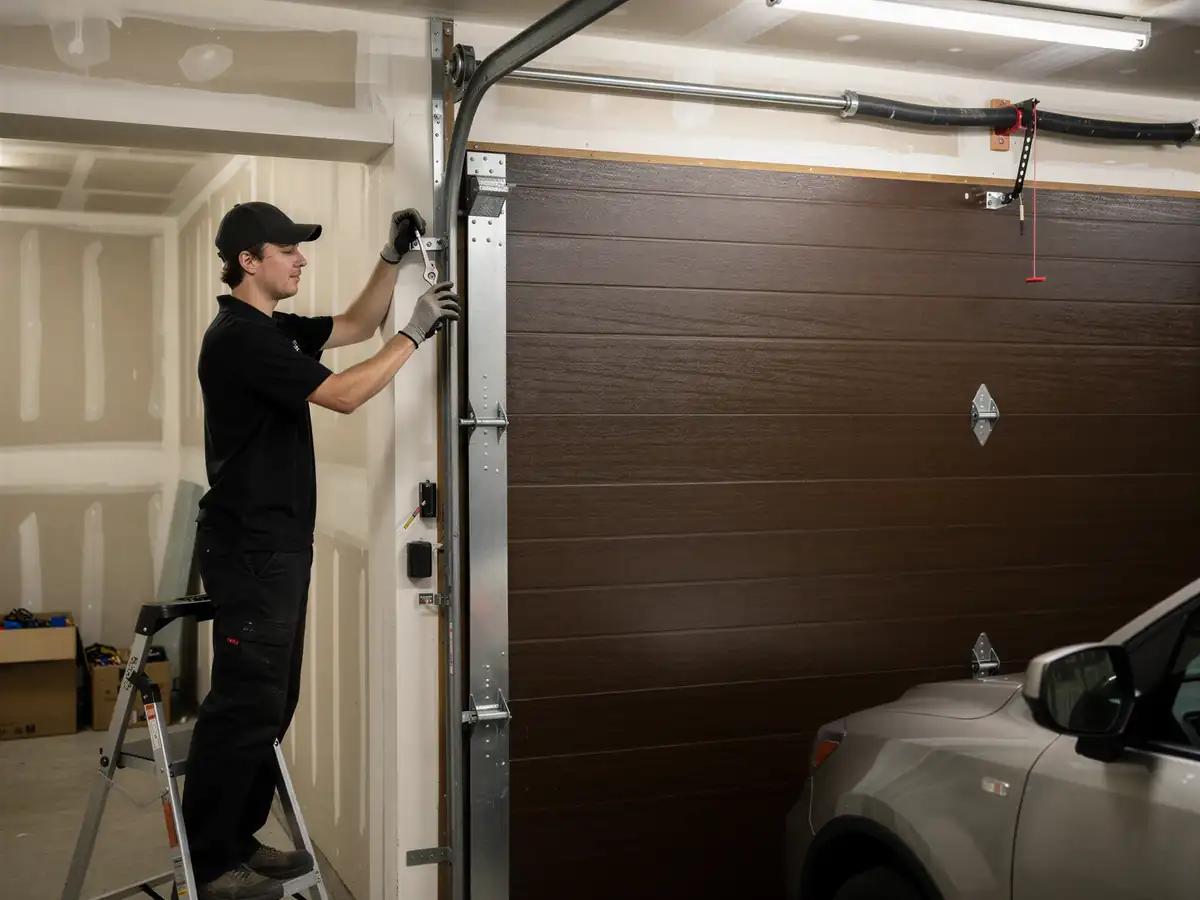
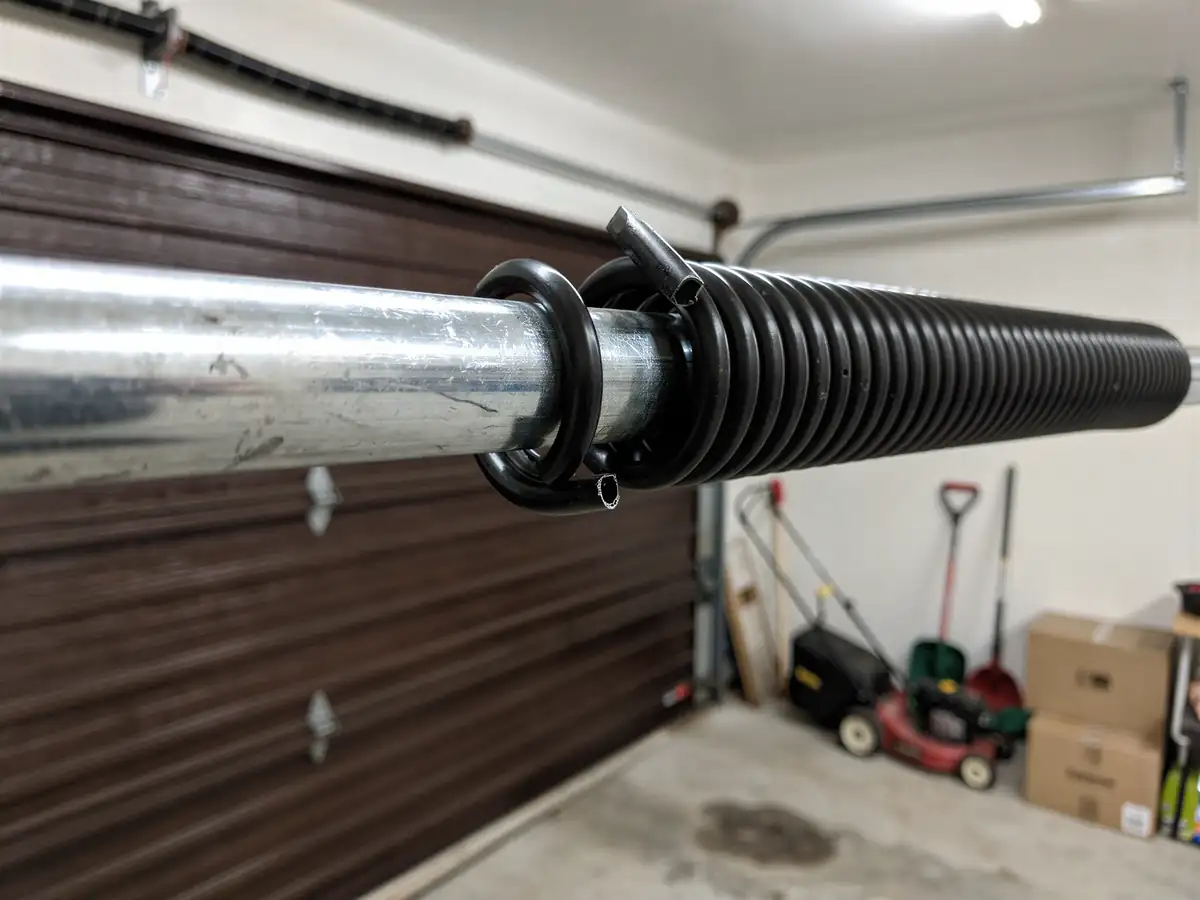
The odds are decent your garage door is still the original steel door, or a straight swap from the 1990s. Those doors use single, flat steel panel sections, usually without a foam core, bolted into a track system that's older than anything you'll find at a home store today. Swapping one damaged panel sounds simple until you're trying to match a discontinued profile width or gauge, and the springs holding the rest of the door up are under enough tension to break a finger if you unload them wrong.
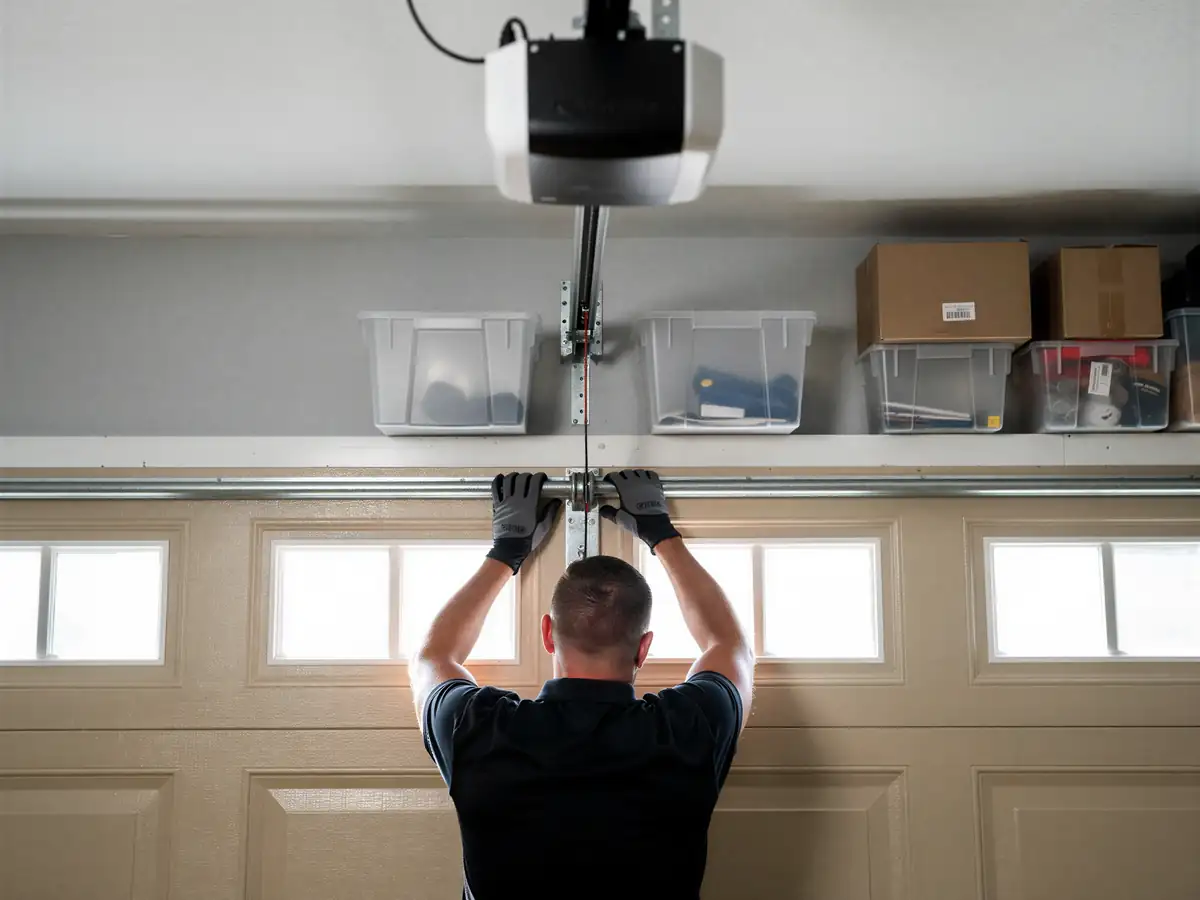
What you can do yourself
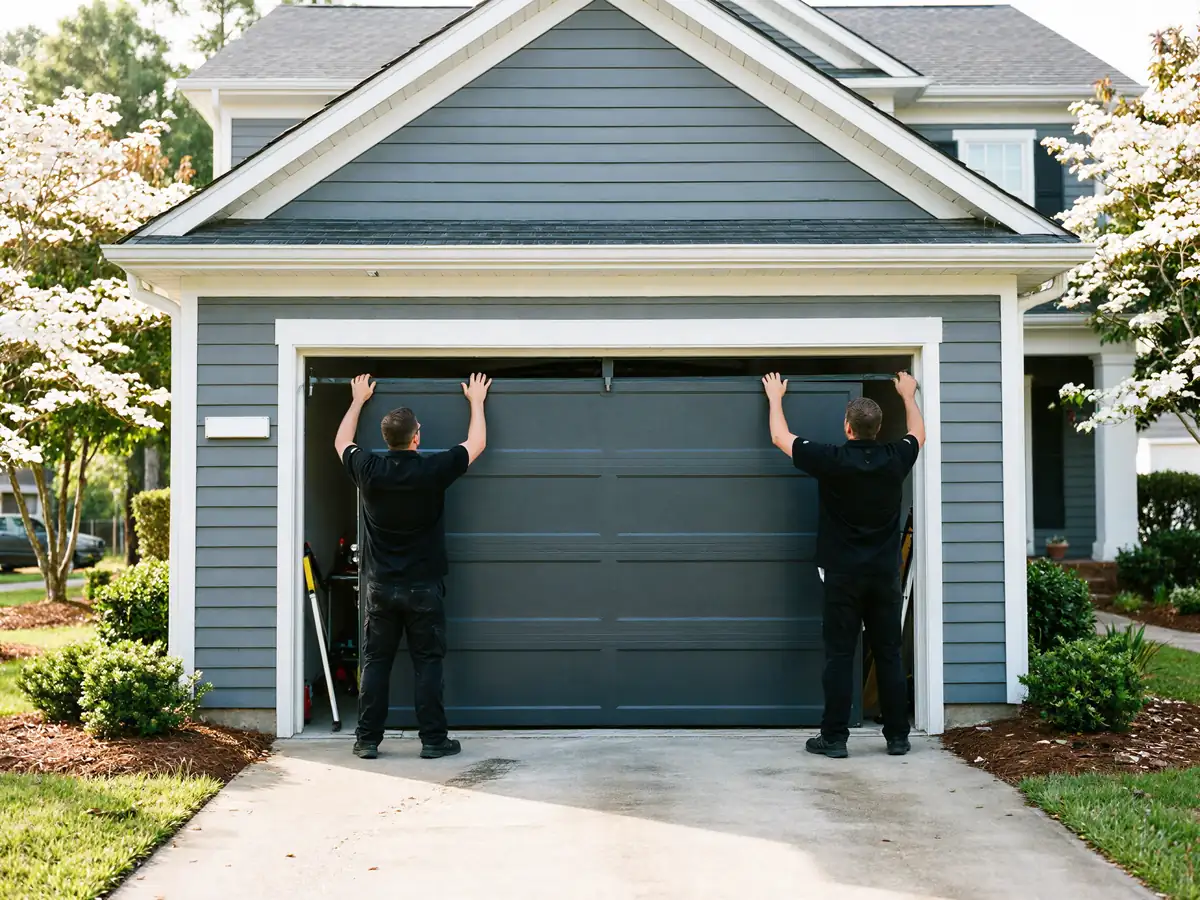
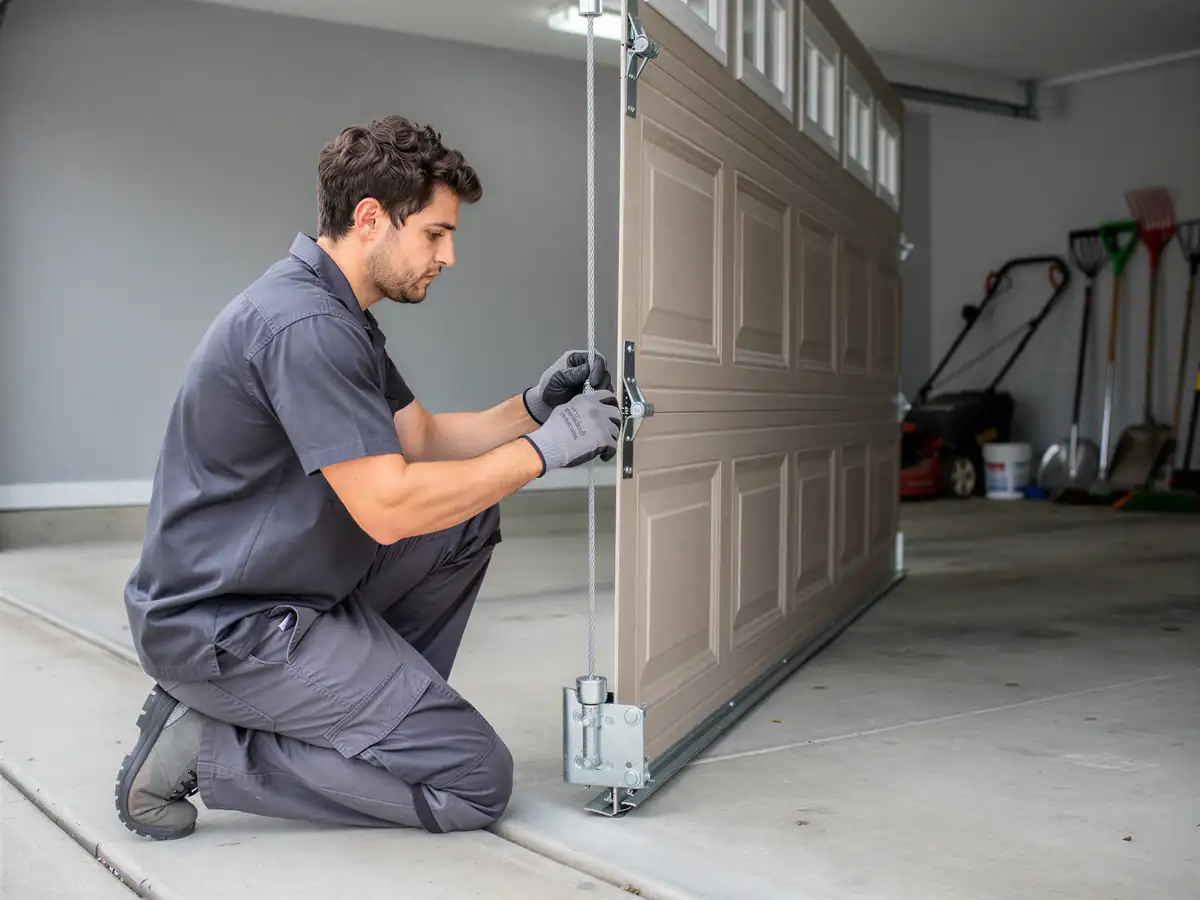
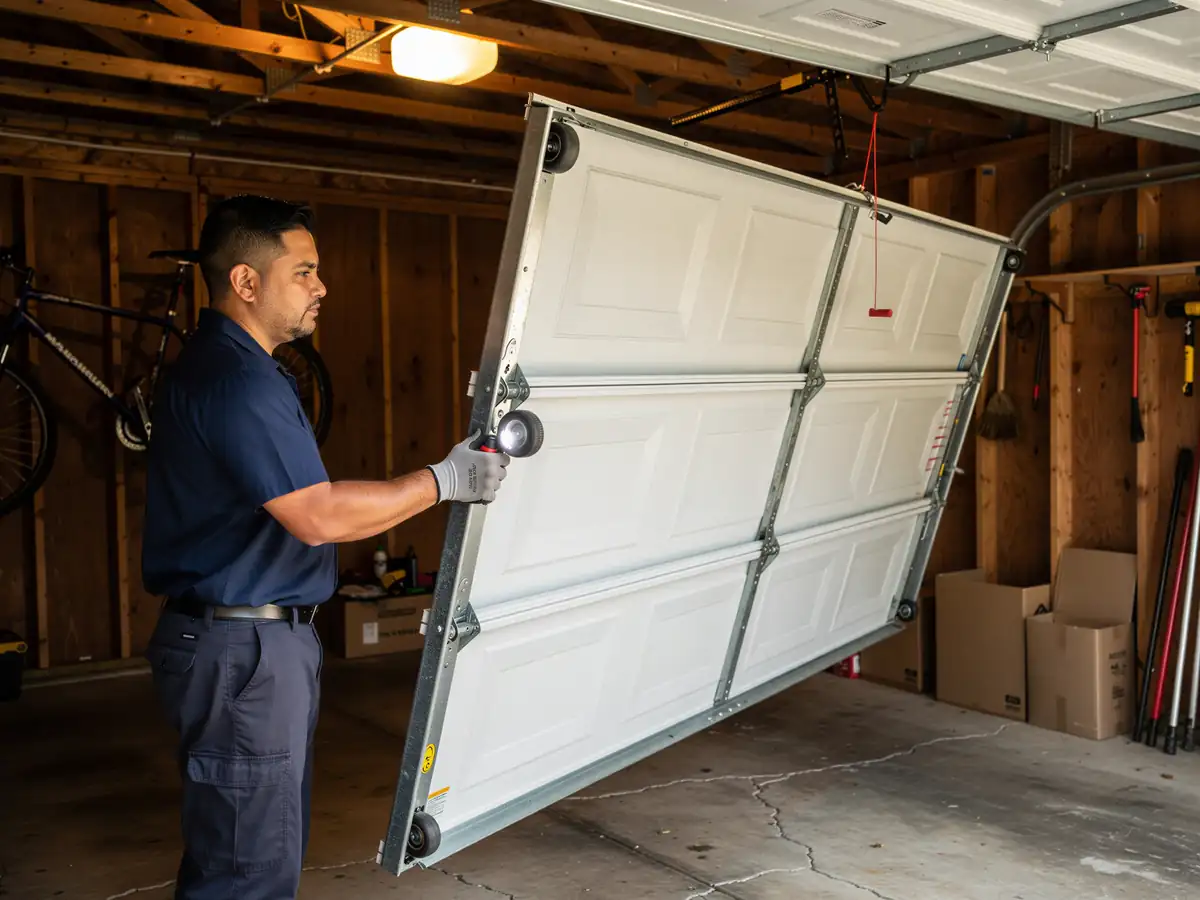
Check whether the damage is cosmetic (a dent that doesn't affect the seams) or structural (a crack, a bowed section, separation at the hinge). Cosmetic dents on steel can sometimes be left alone. Anything affecting the seam between panels means the door isn't tracking true anymore, and that's not a weekend fix.
If the whole door is past matching
Rusted through at more than one panel, warped track - it may make more sense to replace the unit outright rather than chase a part for a 55-year-old door. We cover that comparison on the main panel replacement page for Columbia.
Why It Happens Here
Springdale sits in the same cold-moderate climate band as the rest of the Columbia service area, which means real freeze-thaw swings each winter and humid summers. On an uninsulated steel door from the 1969 construction wave, that cycle shows up as condensation on the inside of the panel, which turns to surface rust over the years, usually starting at the bottom section where it sits closest to ground moisture and road salt runoff.
Because most of the housing stock here and across the wider area dates to the 1960s and 70s, these doors are now well past the point where the original galvanized coating is doing much. Once that coating thins, rust moves faster than it would on a newer door with better coating or a vinyl-backed steel skin. The bottom panel almost always fails first, and it's rarely isolated - by the time you see it, the panel above is usually starting too. That's not a Springdale quirk exactly, but it's a direct result of how old the stock here actually is, not a general garage door problem.
What It Costs
We don't have a flat number to quote here, and giving you one without seeing the door would be a guess, not a quote. What drives the cost on a job like this is whether we can still get a matching panel for a door this age, how many sections are damaged, and whether you want to add insulation while we're in there - a reasonable upgrade given the climate swings this area sees.
One thing worth knowing: Springdale's median household income runs higher than the broader service area average, and in practice that shows up as more owners here asking about a full insulated panel upgrade instead of a patch repair on an old uninsulated door. That's a choice, not a requirement - a single matched panel swap is almost always the cheaper route if the rest of the door is sound. We'll tell you honestly when a repair isn't worth doing versus when replacing the whole door is the better money.
What You Are Seeing
On a door from the 1969-era construction run, the usual failure starts at the bottom panel
A line of rust bubbling up through the paint, sometimes a soft spot you can press a thumb into. Above that, you'll often see a seam where two panels no longer sit flush - that's the steel starting to bow, not just surface damage.
A dent from a car bumper or a basketball is different and usually cosmetic unless it's cracked the panel edge or thrown the door out of square in the track
If a panel has come loose from the hinge entirely, or the door doesn't sit flat when closed, that's a structural problem, not a cosmetic one, and it needs a look before you run the opener again.
See the general service page for what else we handle on doors like these