What You Are Seeing
A cable problem usually shows up one of two ways
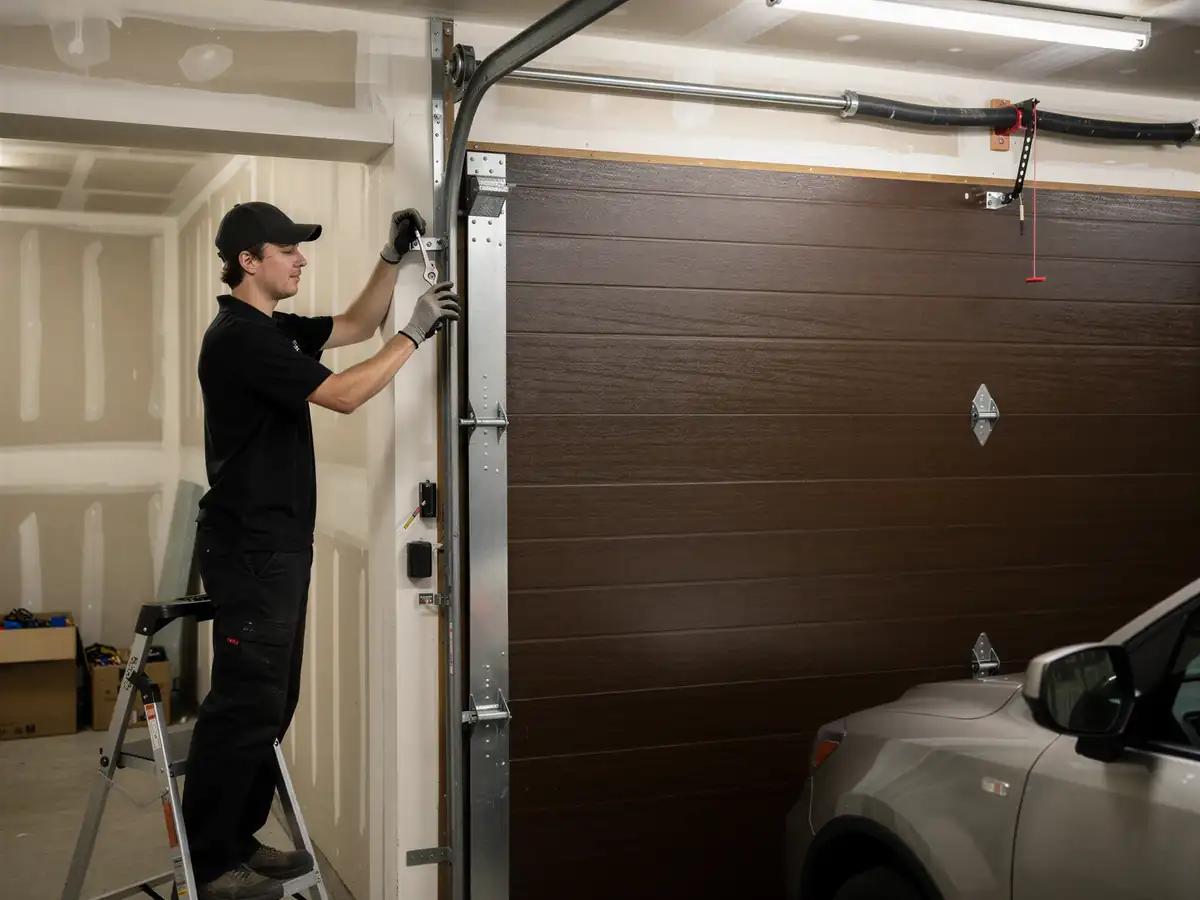
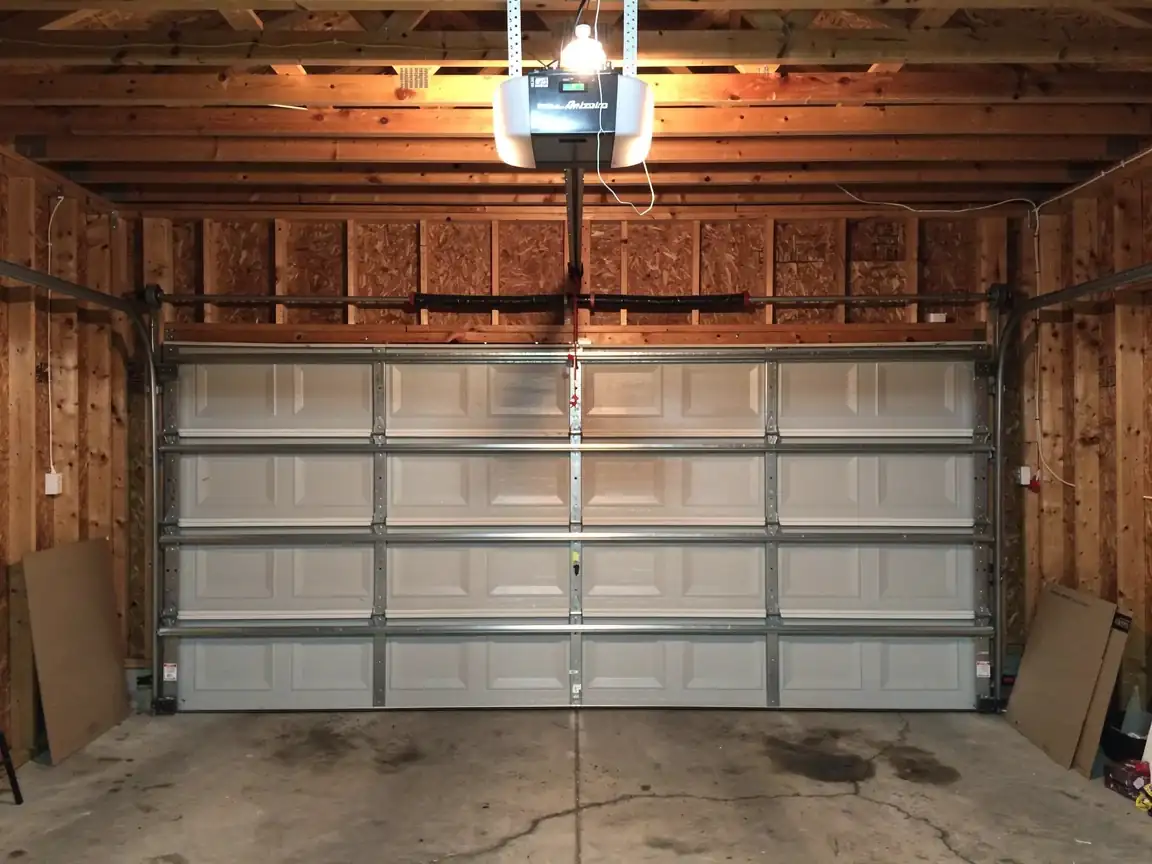
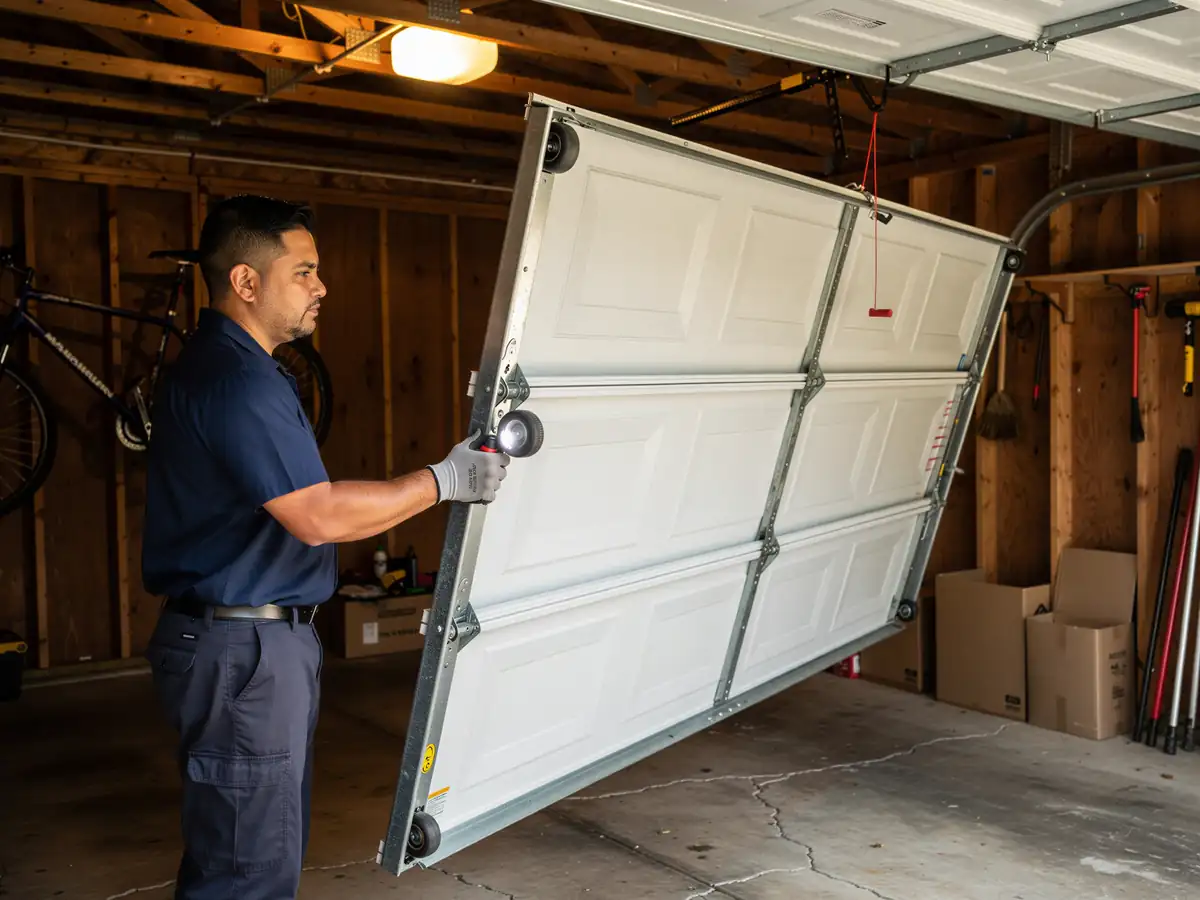
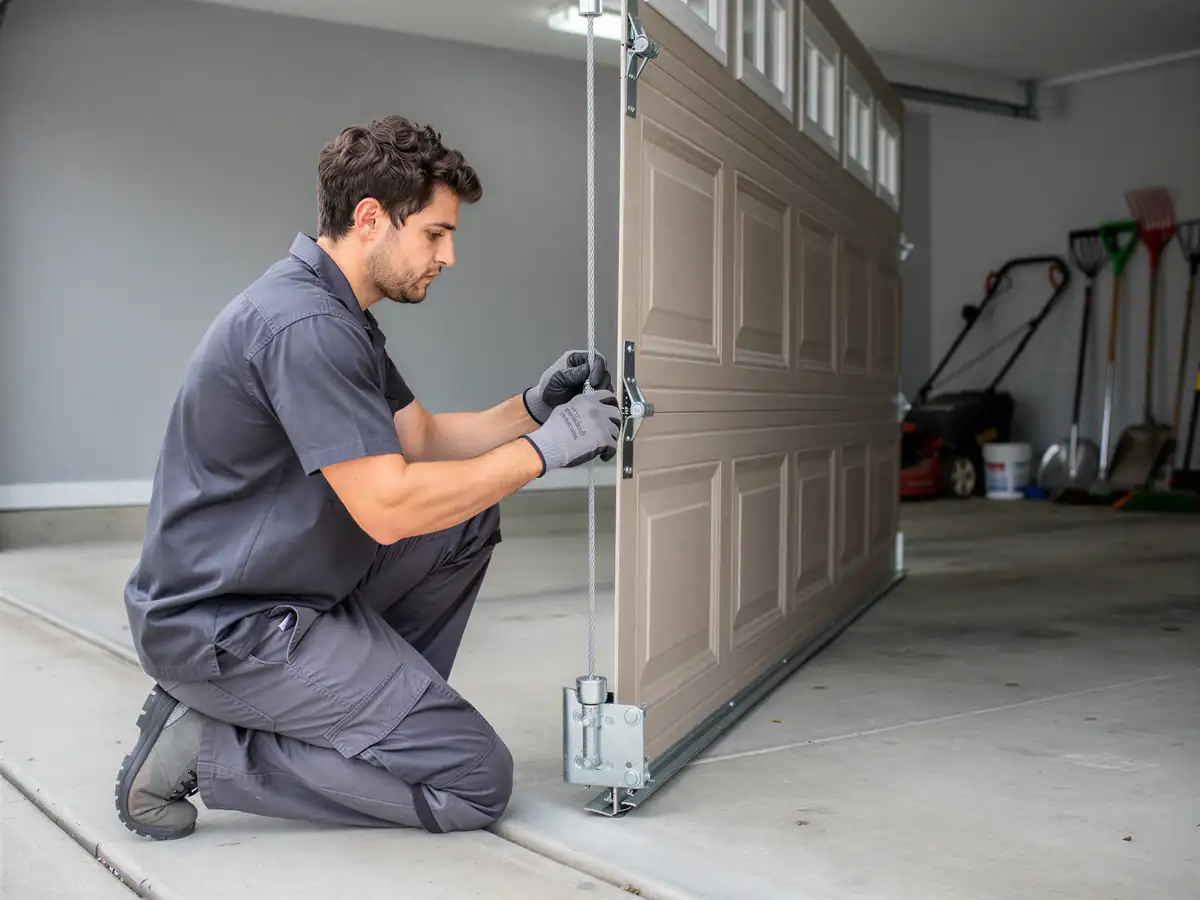
Either the door hangs crooked, dropping lower on one side than the other, or it won't move at all and you can see a loose cable coiled at the bottom bracket instead of wound tight around the drum. Sometimes you'll hear a loud bang first - that's the cable letting go under spring tension, not the spring itself, though the two get blamed on each other constantly.
On a double-wide door, a snapped cable on one side means the opposite side is still under load and trying to lift unevenly
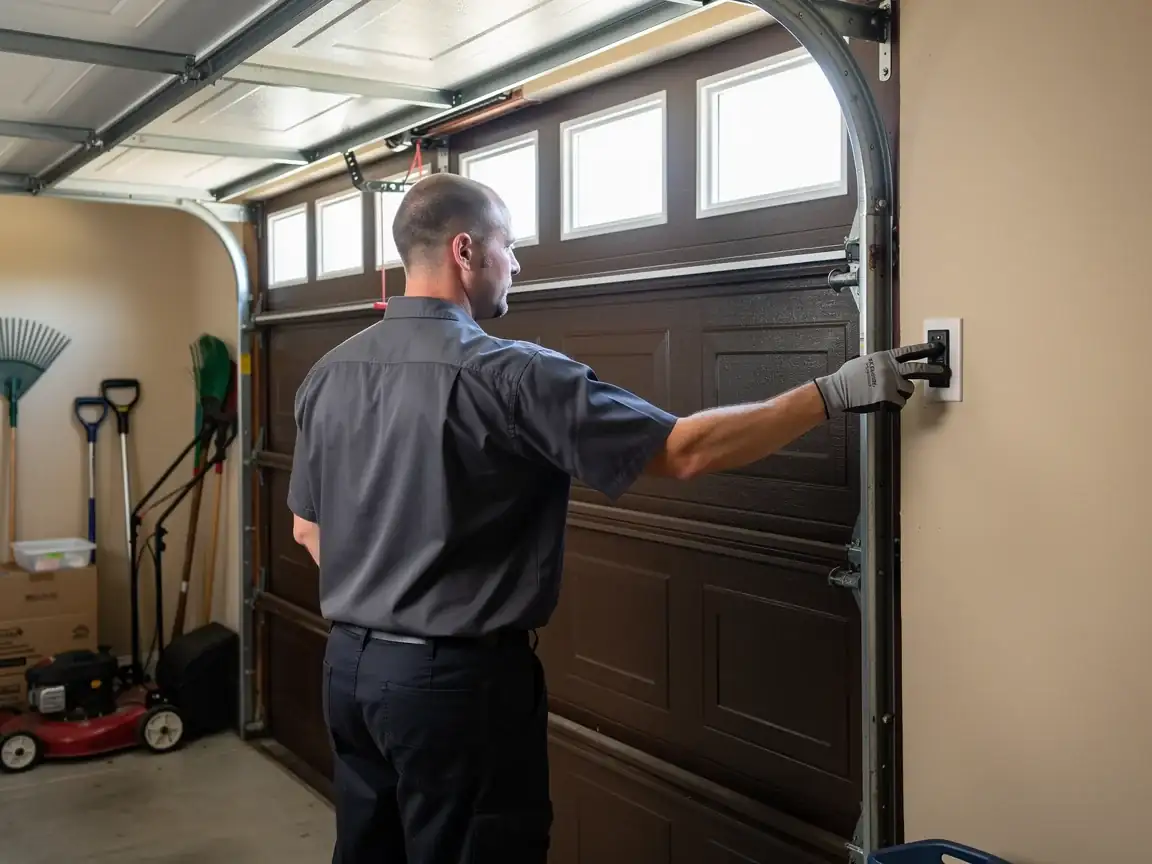
That's how tracks bend and bottom panels crack - the door racks sideways instead of coming straight up. If you see the door sitting cocked in the frame, stop opening and closing it with the opener. Running the motor against a bad cable is what turns a cable repair into a track-and-panel job.
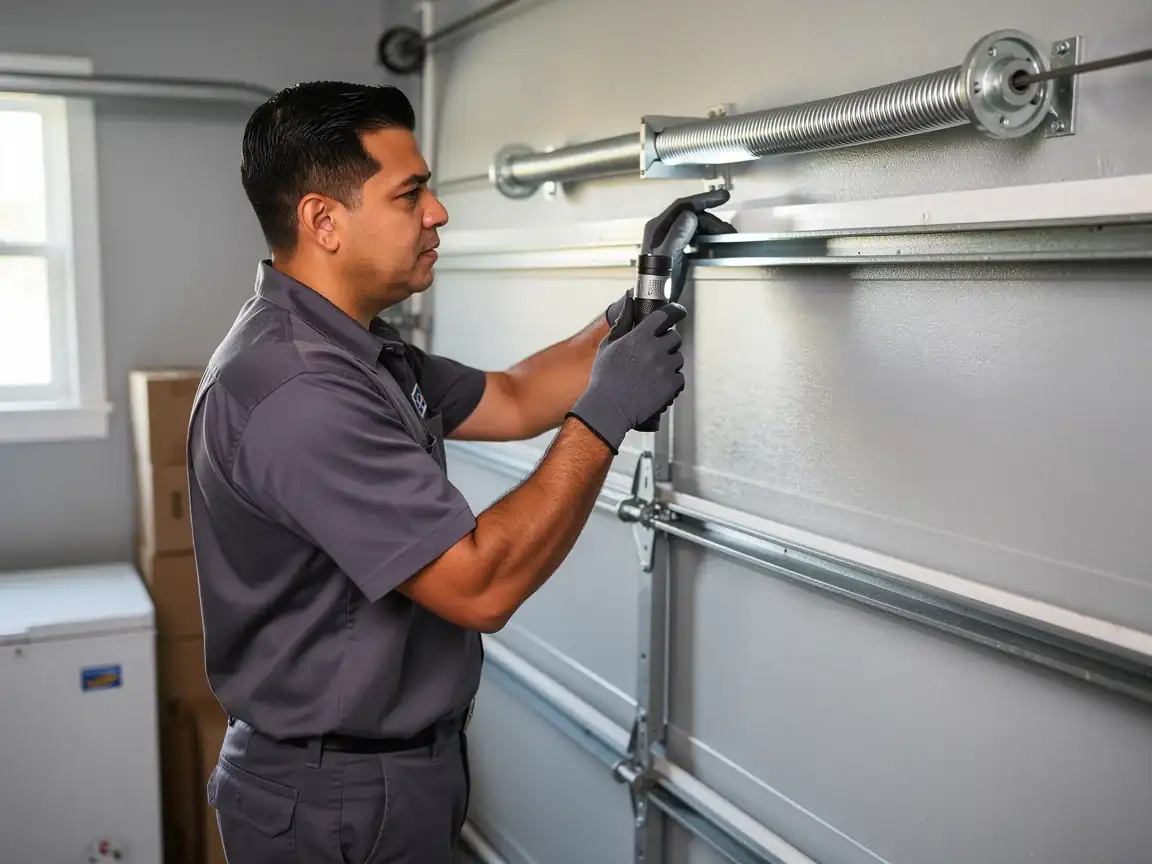
Frayed strands near the drum are the early warning sign, before a full break
If you catch that stage, it's a planned repair instead of an emergency one. Across the service area - Woodfield, Dentsville, Forest Acres, and the rest - this is one of the most common calls we get on doors that haven't had the hardware touched since they were installed.
What It Costs
We don't post a flat number for cable repair because what drives the price is which cable failed, whether the drums and spring are still in spec, and whether the door has been running on a stretched or rusted cable long enough to damage the track or rollers too. A clean cable swap on a door that's otherwise sound is a different job than a cable replacement that also needs new rollers because the door's been dragging sideways for weeks.
What we can tell you is that cable repair is almost always cheaper than a full door replacement, and it's rarely worth replacing an entire door over a cable problem alone unless the door is already failing elsewhere - rotted bottom panel, dead opener, track that's been bent from the imbalance. If your door is otherwise solid, fixing the cable and checking the drums and spring tension is the right call, not a new door.
Give us the make and rough age of your opener and door when you call, and whether it's a single or double door - that narrows down the parts before the truck even leaves.
Why It Happens Here
Columbia's garage door stock runs older than people assume. Across the service area median build year lands around 1979, with most houses going up between 1965 and 2010, and the heaviest concentration from the 1960s and '70s. Cables on doors that old have usually been re-tensioned or replaced at least once already, if they've been maintained at all - and a lot of them haven't.
The area sits in a cold-moderate climate band, which means garage doors here go through real seasonal swings without the deep freezes that would force an owner to insulate or replace hardware on a strict schedule. That's actually part of the problem: nothing forces the issue, so cables stretch, galvanizing wears thin, and nobody notices until a strand lets go. Humidity swings between seasons do the same slow work on exposed cable as they do on any outdoor hardware - not dramatic, just steady.
With 30,730 owner-occupied houses across roughly 68,903 households in the service area, a large share of the garages behind those doors are running cable and spring hardware that predates current opener safety standards. That's not a defect - it's just the age of the housing stock catching up with a wear part that was never meant to last forever.
Can You Do This Yourself
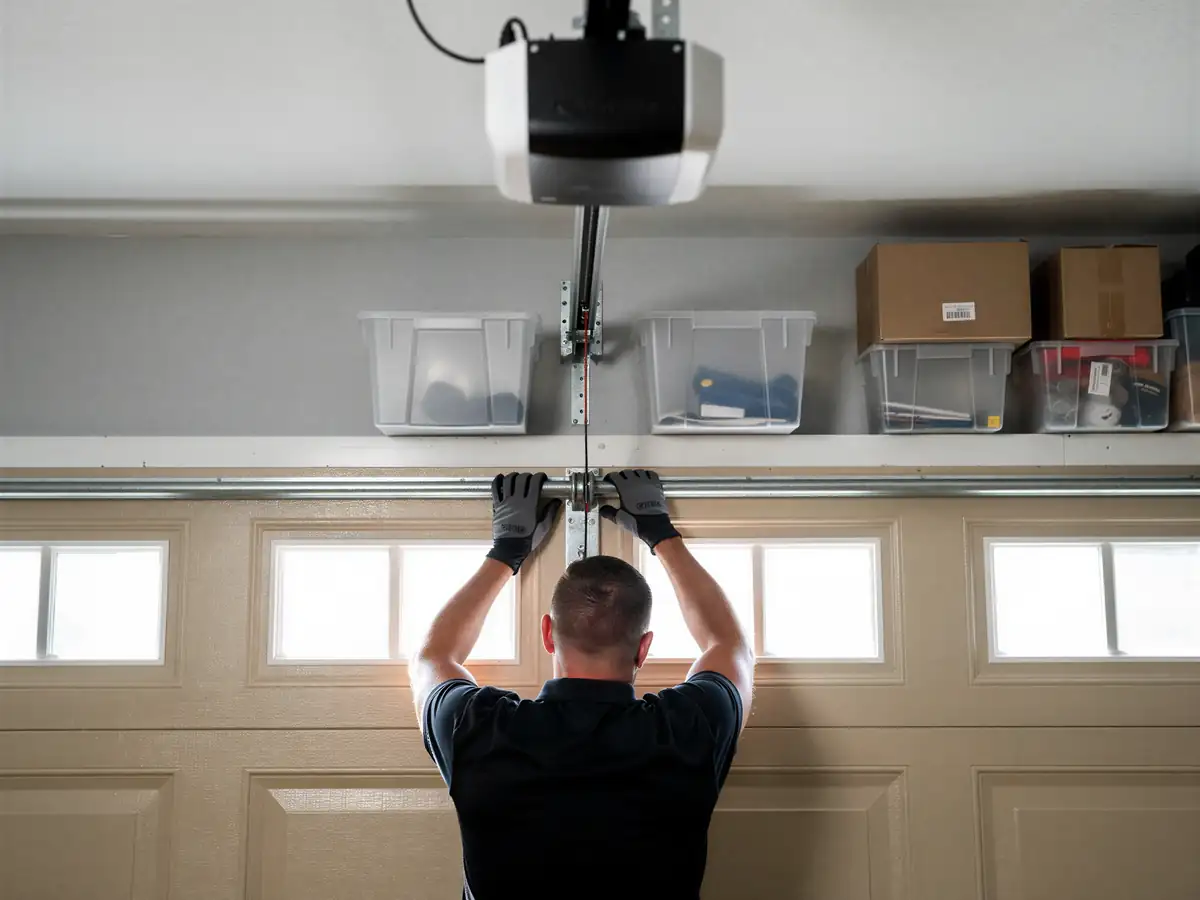
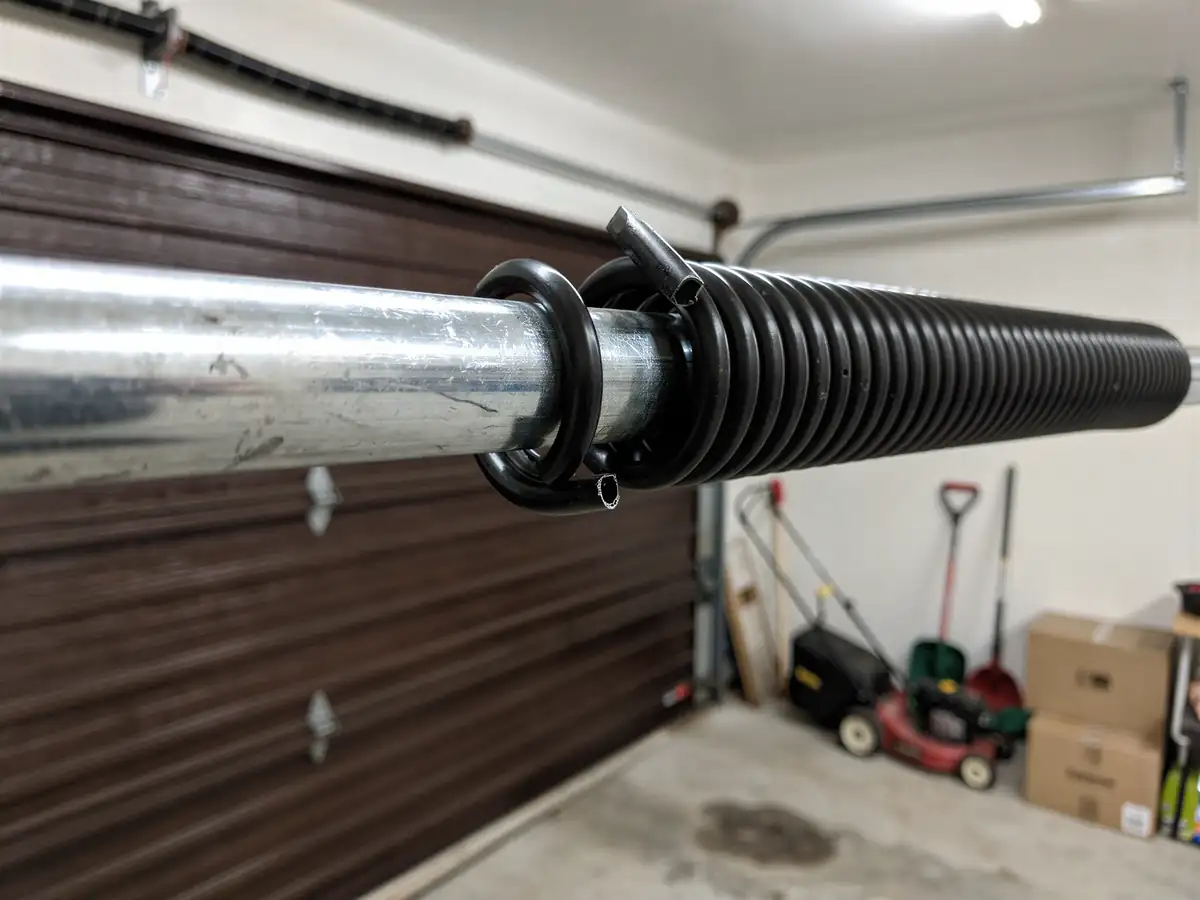
A garage door cable sits under full spring tension on both sides of the door
And that tension doesn't go away just because the cable is broken - the spring is still loaded. Swapping a cable means releasing or clamping that spring tension safely first, and that's where DIY attempts go wrong. We won't talk anyone through doing this without the right winding bars and clamps on hand, because the failure mode isn't a redo, it's a trip to the ER.
What you can safely do yourself is the diagnosis
Look at the bottom brackets for a frayed or unspooled cable, check if the door is hanging level, and stop using the opener if it isn't. That alone saves you money, because it keeps a cable problem from becoming a track-and-roller problem.
If you're comfortable with hand tools and have done spring work before
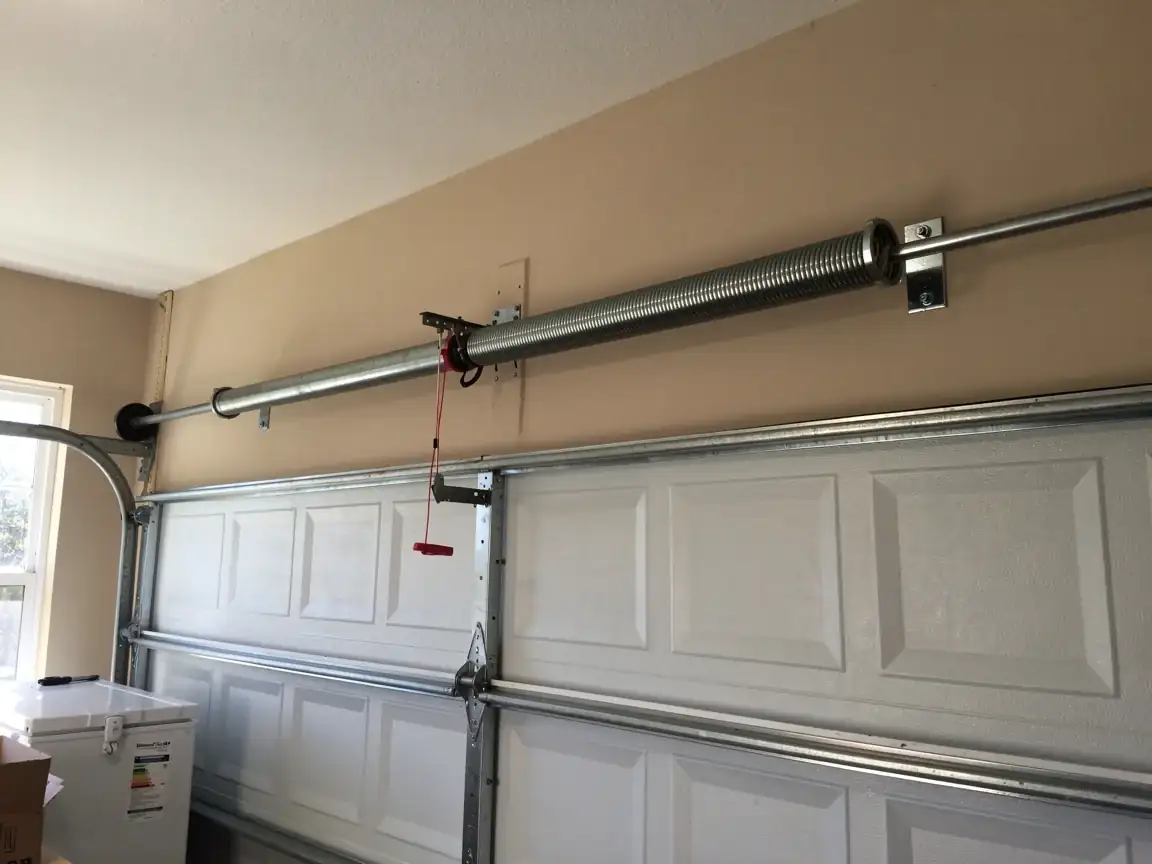
Cable replacement on a torsion system is doable - but double doors with two torsion springs are a different animal than a single door with one, and we'd rather talk you out of it on the phone than patch you up after.