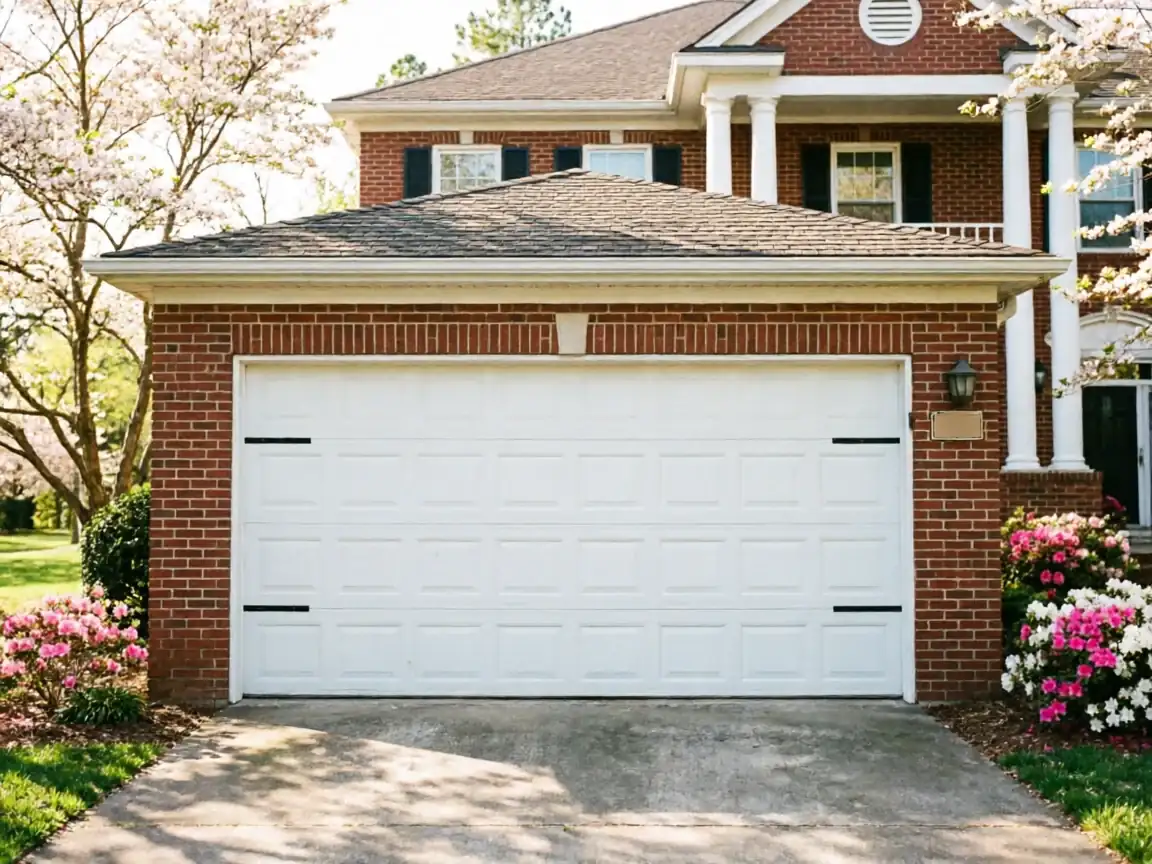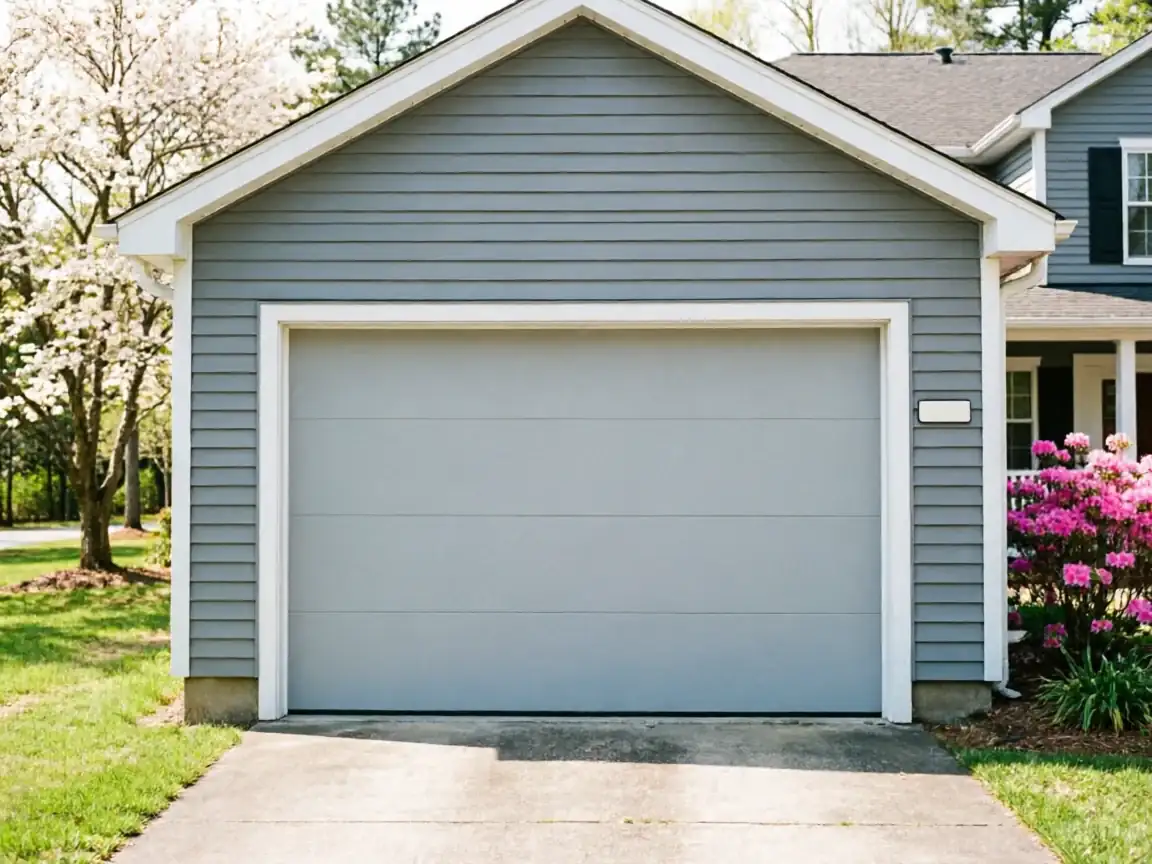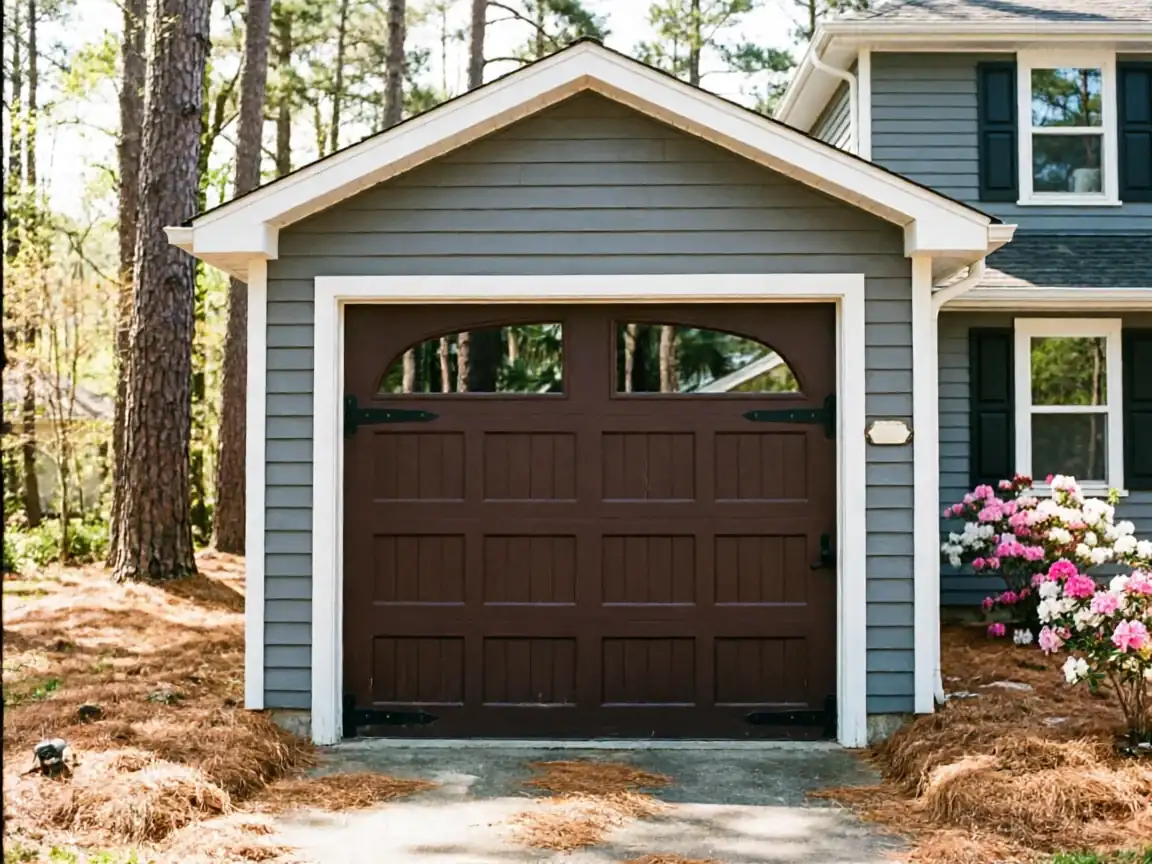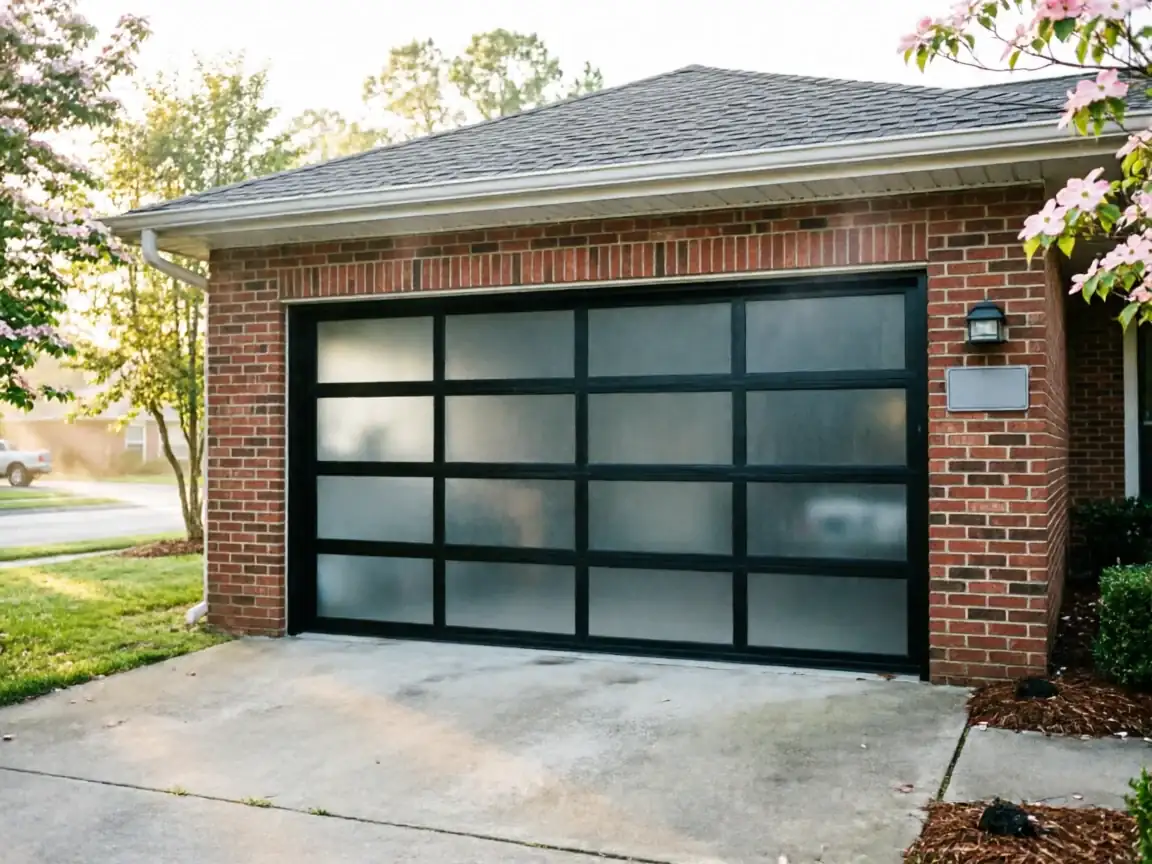
What You Are Seeing
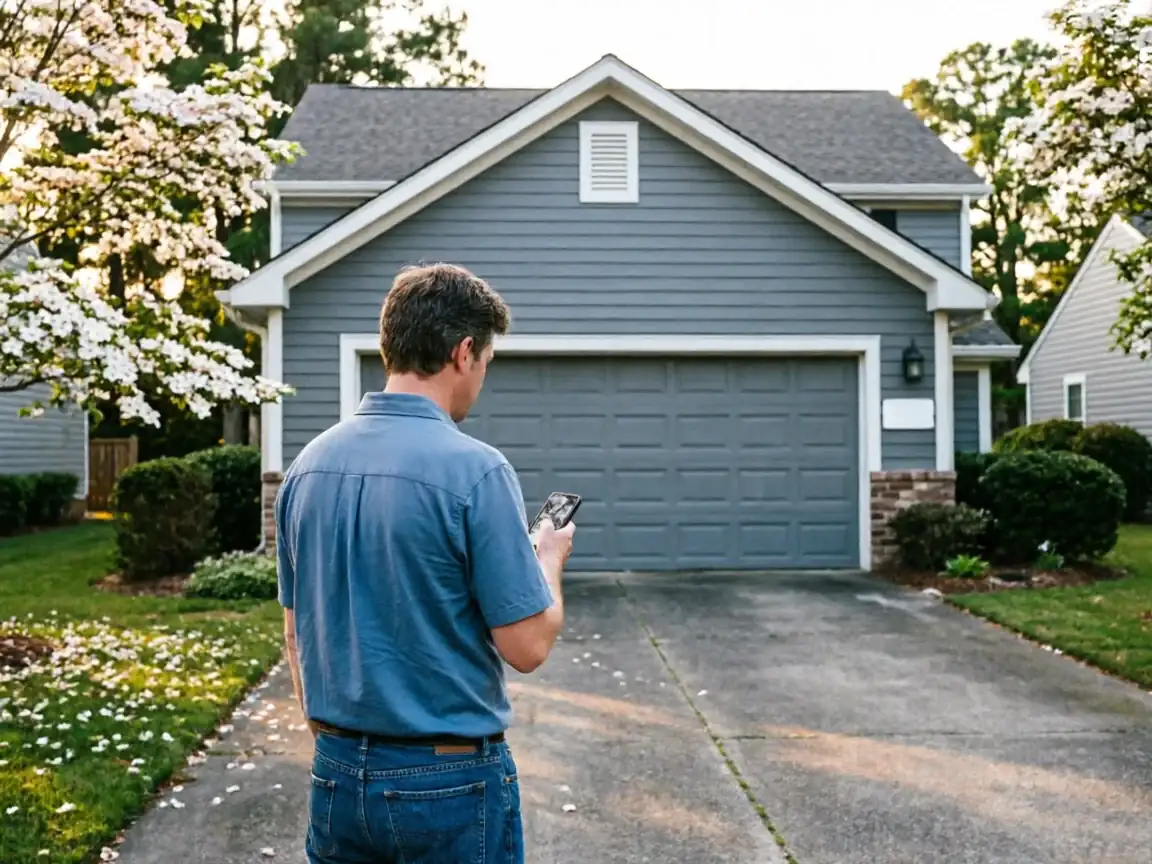
Most calls start the same way: the door won't open, or it opens partway and stops
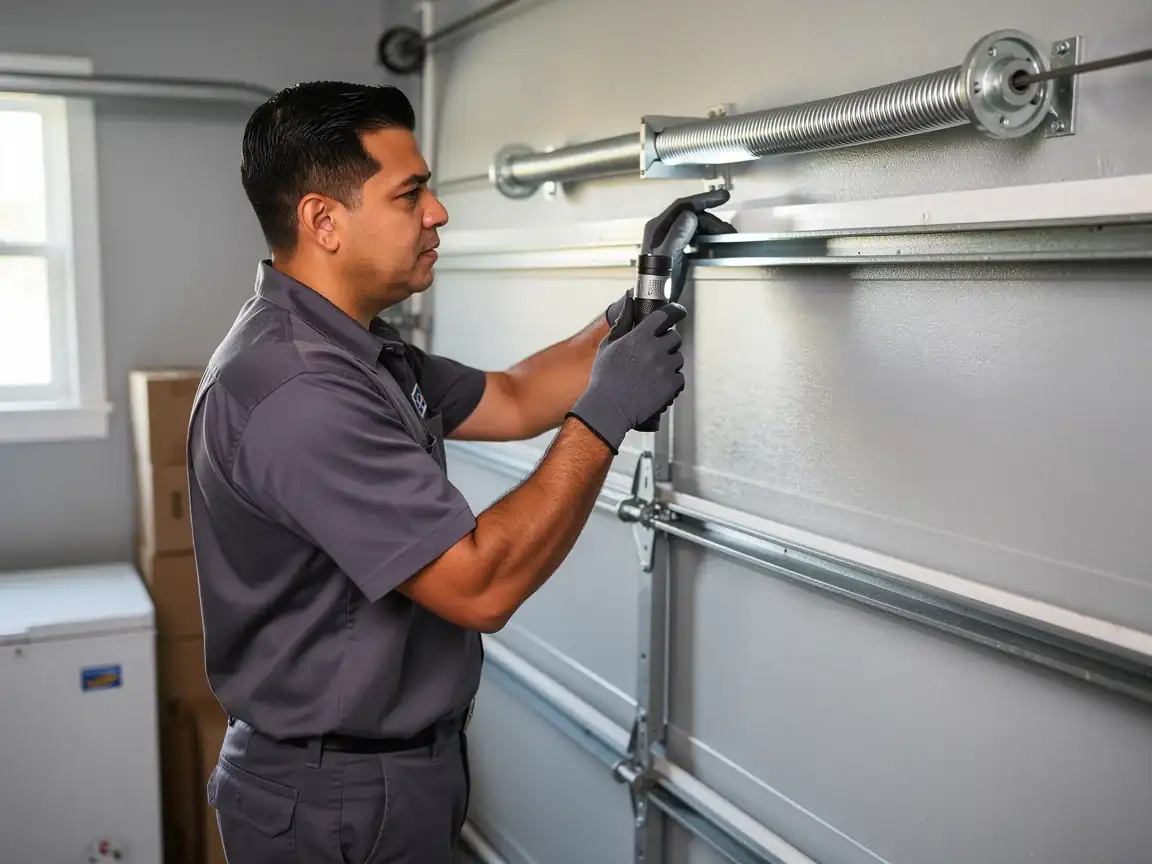
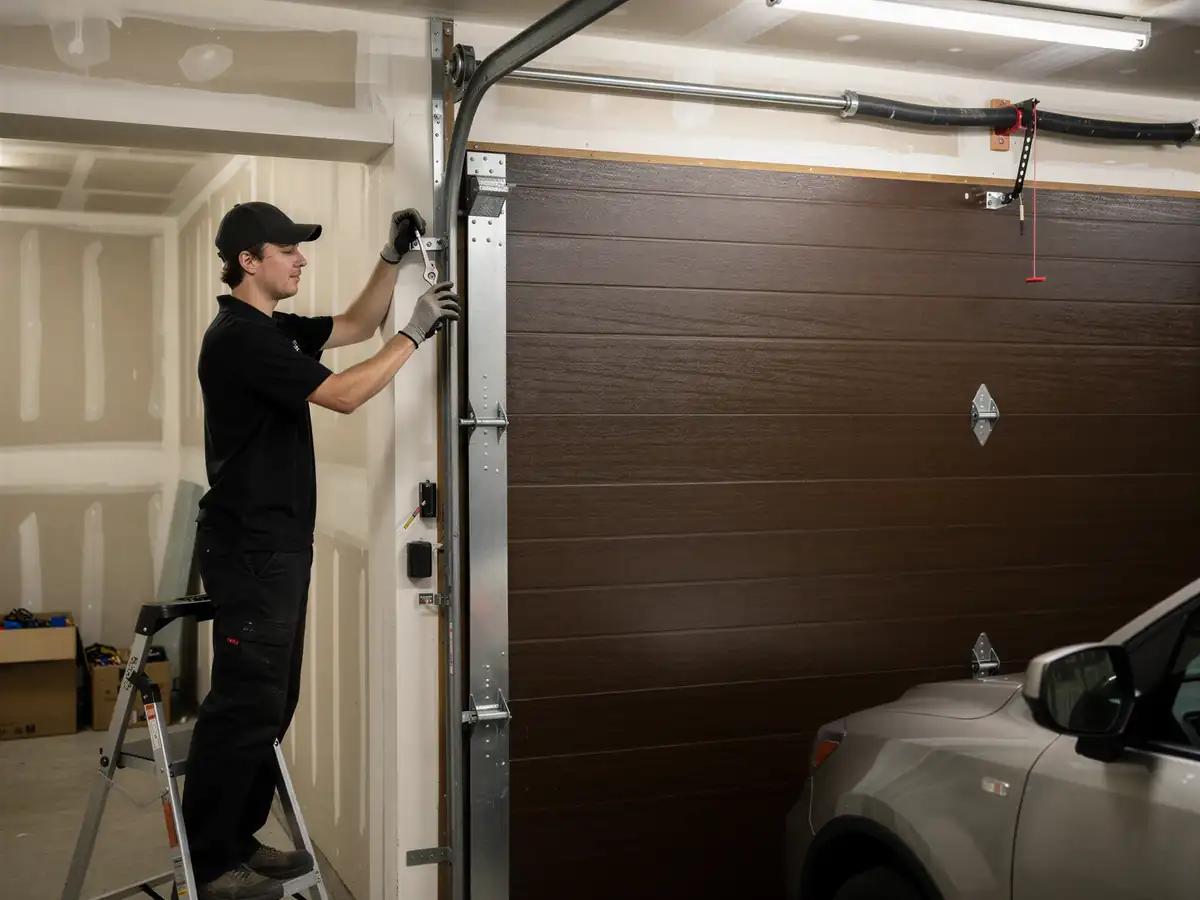
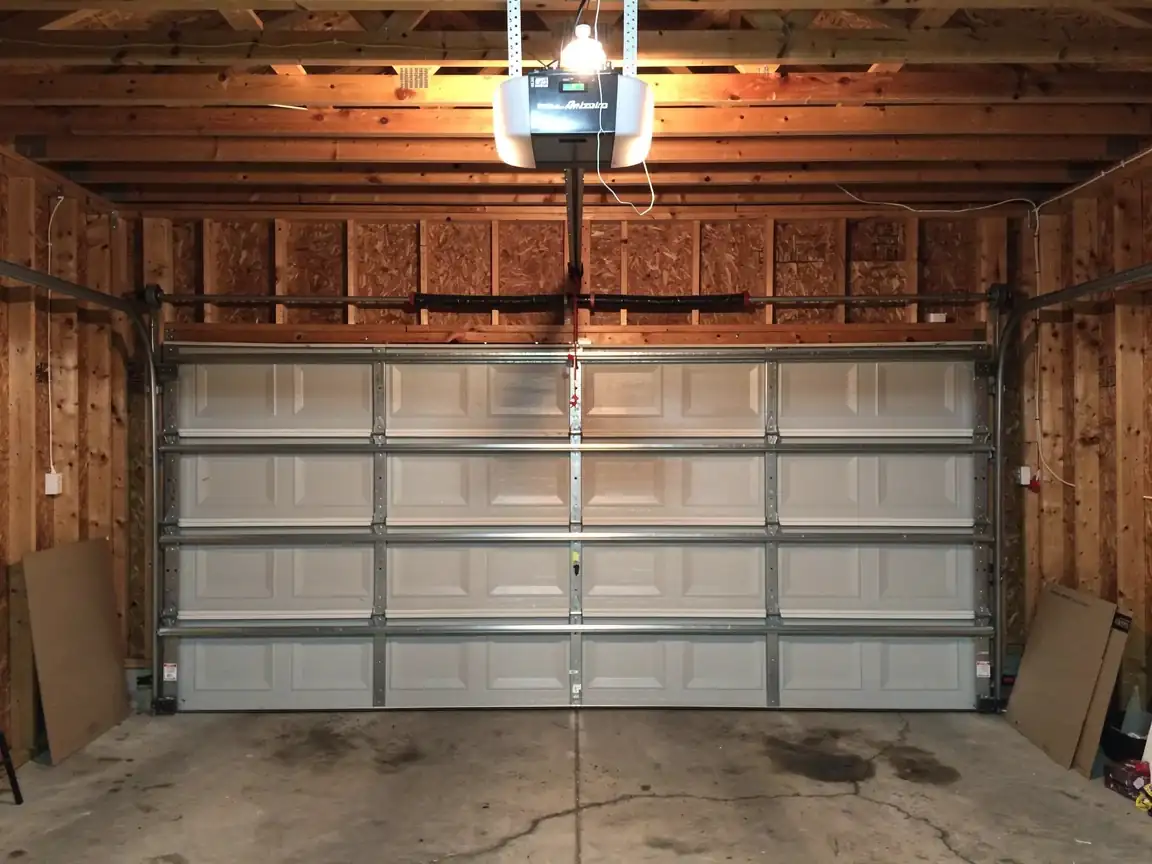
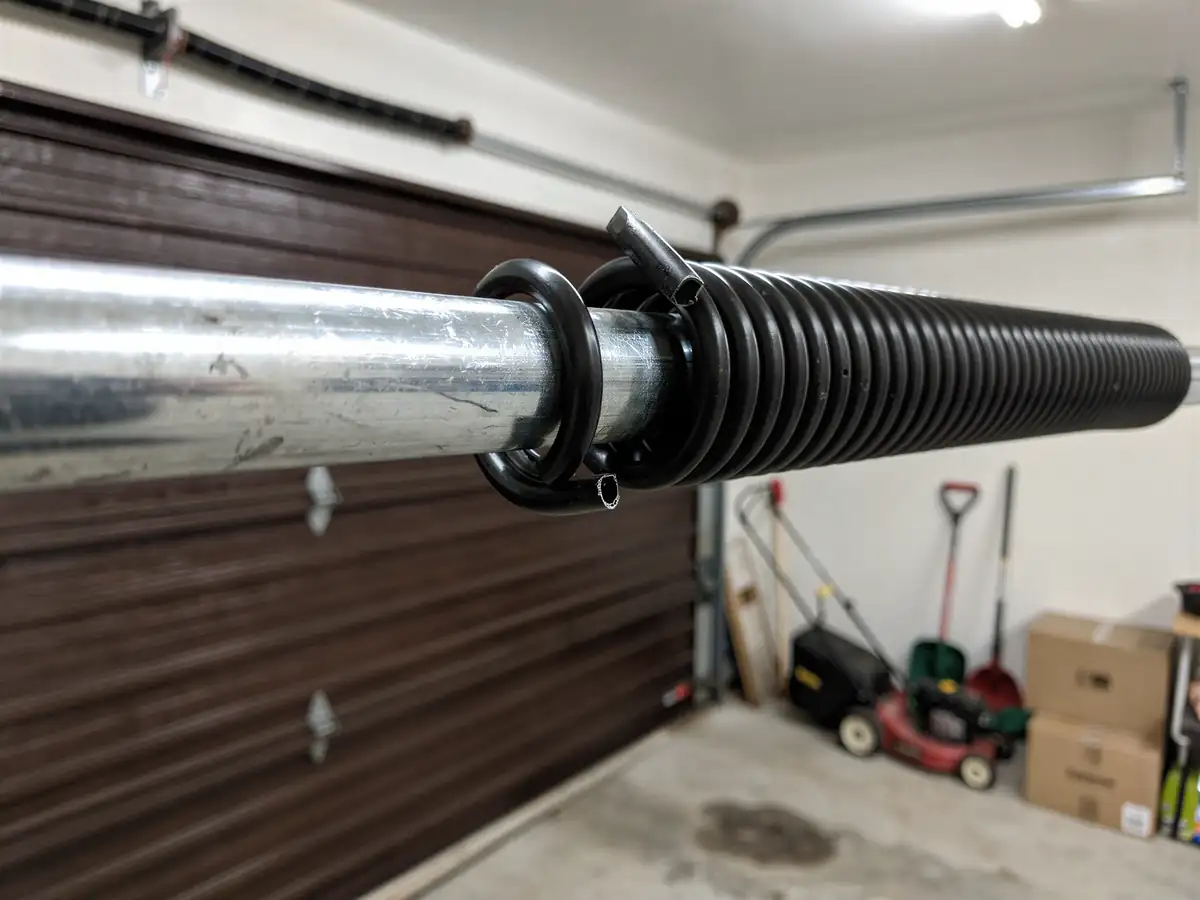
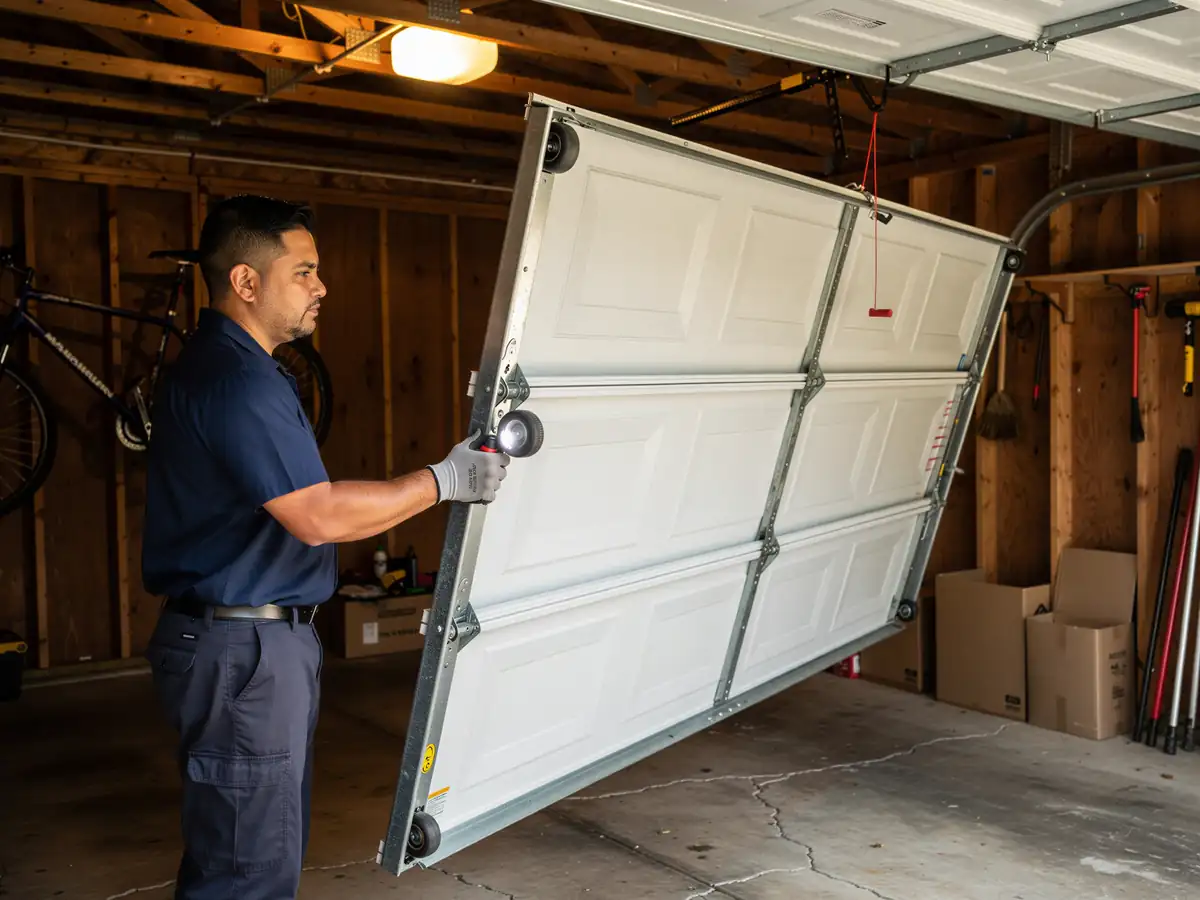
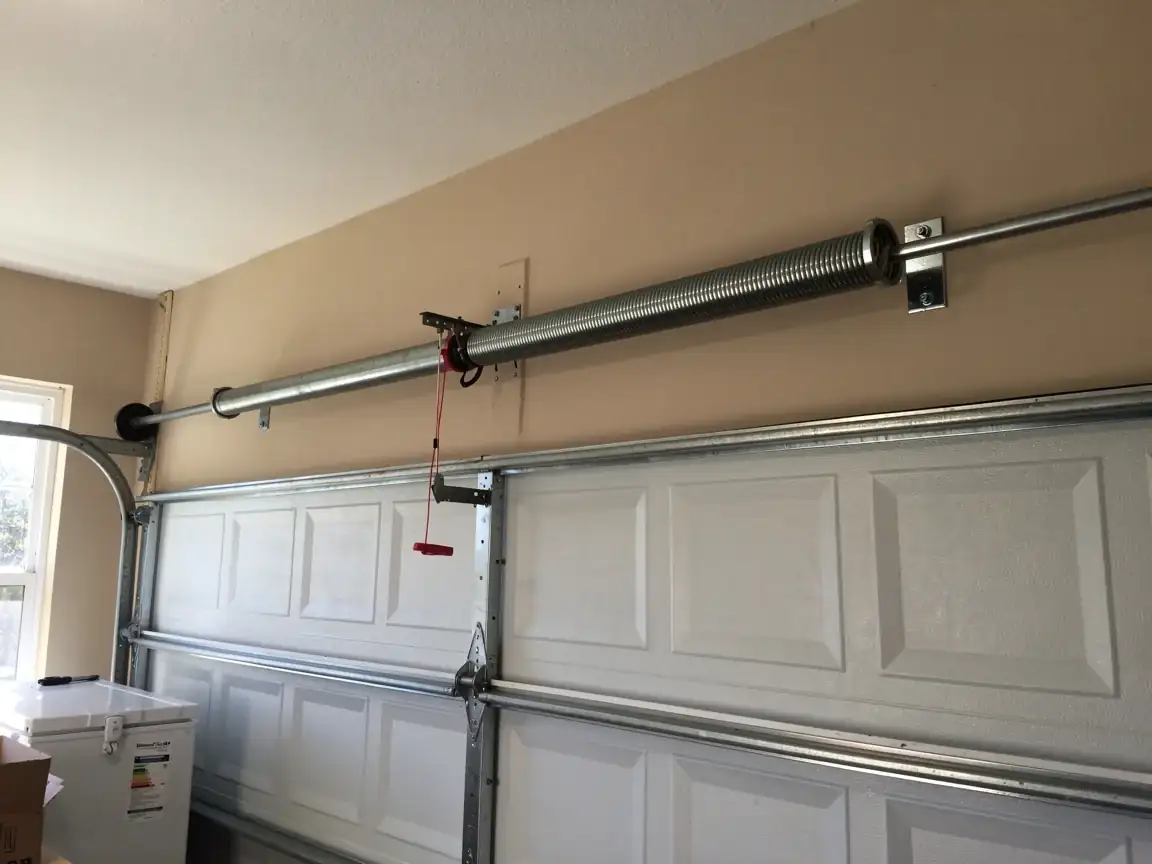
Sometimes it's a loud bang followed by the door refusing to budge - that's almost always a torsion spring letting go. Other times the opener runs but the door doesn't move, which points to a stripped gear or a disconnected arm rather than the spring itself.
You might also be dealing with a door that drifts off its tracks, rollers that grind instead of roll
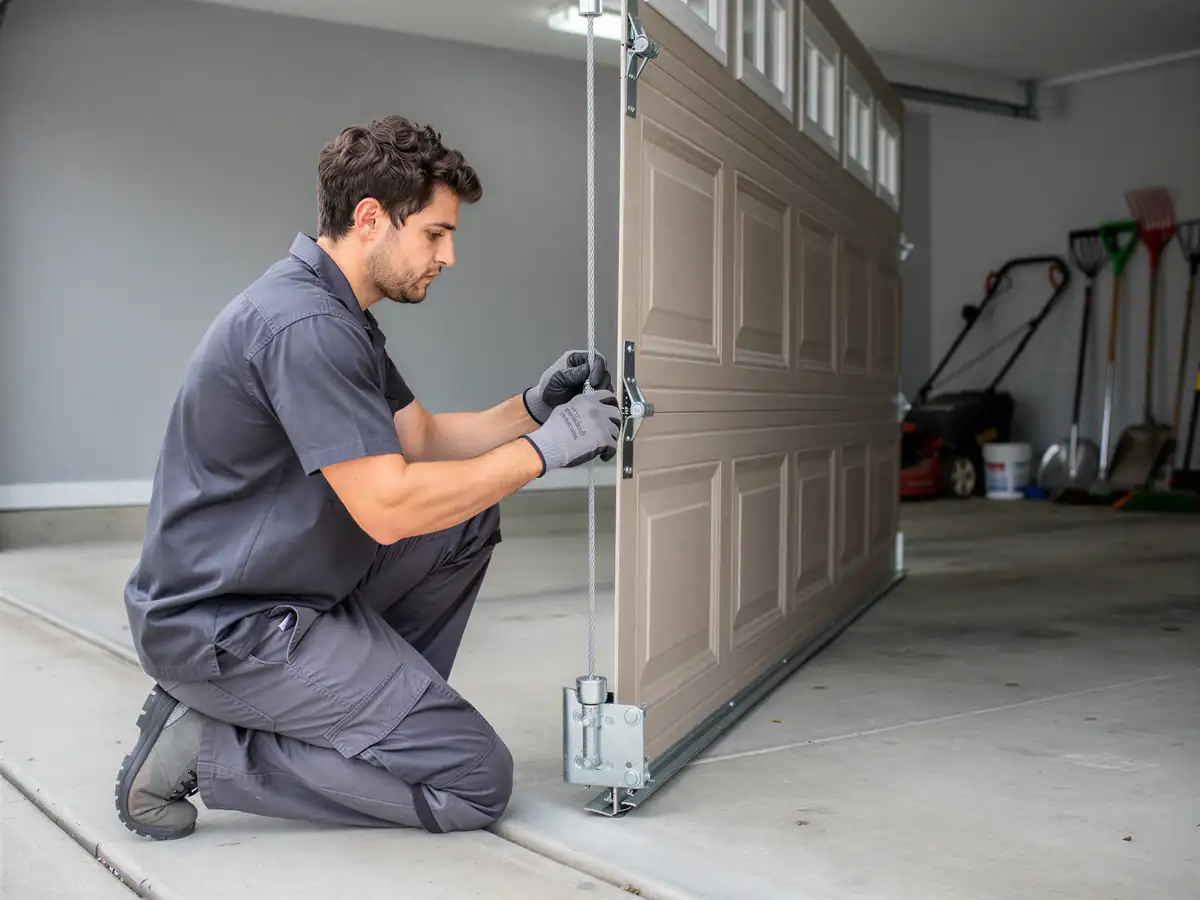
Or a cable that's frayed and starting to unwind at one end. On older sectional doors, panels can bow or separate at the seams where the steel has thinned out over the years.
Columbia's housing stock matters here
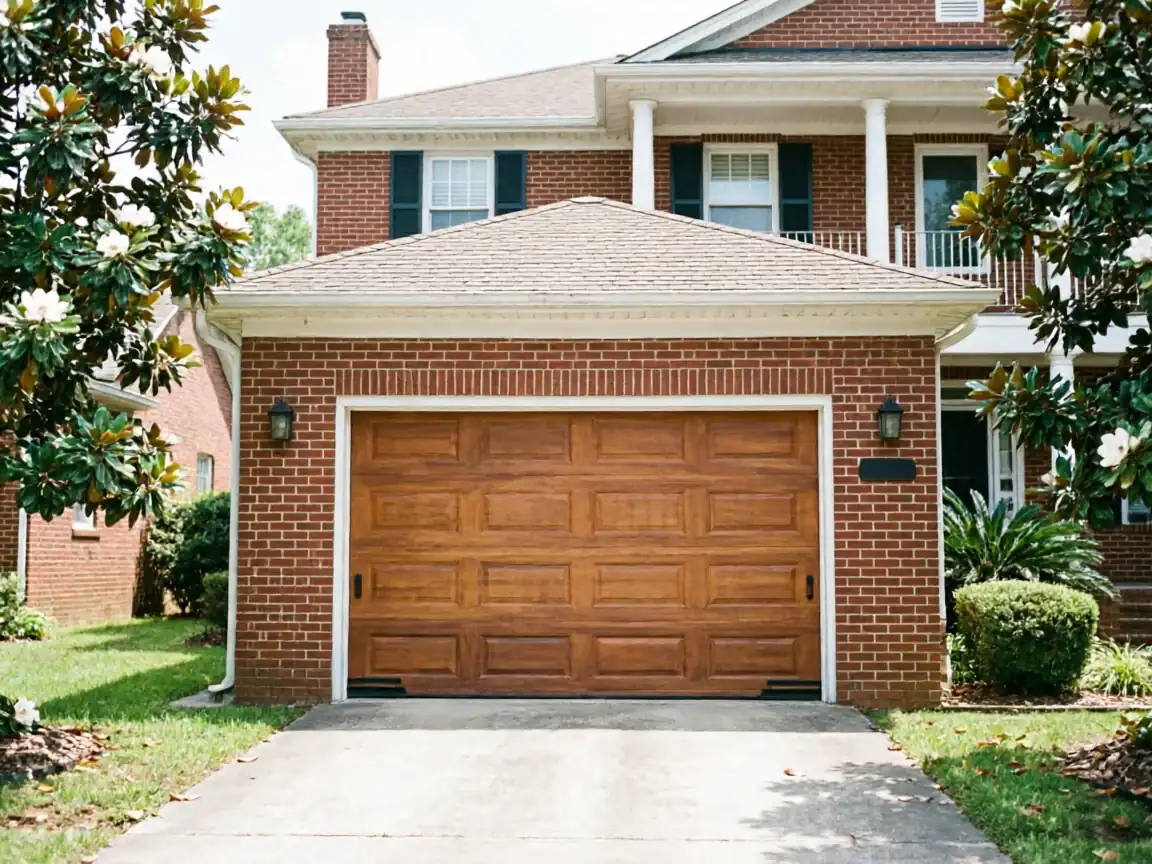
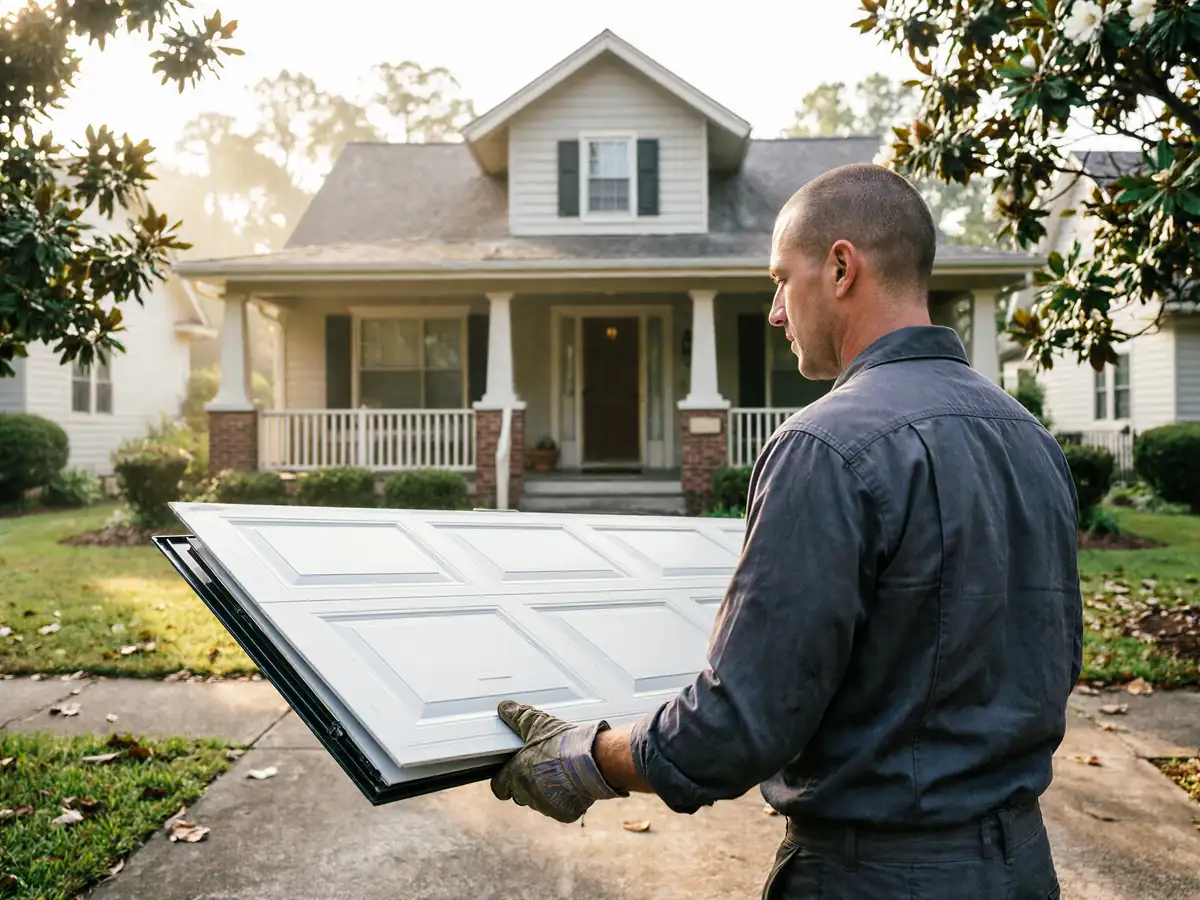
A lot of the doors we're called out to were installed when the house was built - homes across the service area run from 1965 to 2010, with the median build year sitting around 1979. That means a large share of the doors in use are original torsion-spring setups on hardware that was standard decades ago but isn't what's sold new today. The symptom you're seeing is often just that hardware finally wearing through.
What It Costs
We don't have a flat number to give you here, and we're not going to make one up. What a job costs depends on what's actually broken - a single torsion spring swap is a different job than replacing a stripped opener gear or straightening bent track, and double doors with two springs cost more than single doors with one.
What we can tell you is what drives the number: spring size and whether it's a single or double door, whether the cable or drum also needs replacing, how old the opener is and whether parts are still made for it, and how much of the track or roller set has worn alongside the original part. On a lot of the 1970s-era doors still in service across this area, once you're already replacing a spring, the rollers and cable are usually close behind - so a quote that only covers the spring can be a false economy.
Median household income across the service area sits at $60,408, and most repair jobs land well under what a full door replacement runs. That's part of why we look at repair first on anything that isn't structurally shot.
Why It Happens Here
This isn't a generic garage door problem - it's tied to what's actually on the ground here. Housing across the 18 named communities in this service area, from Woodfield and Dentsville out to Blythewood and Ridgeway, mostly went up in the 1960s and 70s, with the overall build range running 1965 to 2010 and a median year of 1979. That means a large share of the torsion springs, openers, and track hardware in daily use are either original or first-generation replacements, now well past the point where metal fatigue sets in.
The climate band here is cold-moderate, which means real freeze-thaw swings rather than constant heat or constant cold. That cycling matters for steel springs and cables - repeated contraction and expansion is what finally snaps a spring that's been slowly losing tension for years, and it's harder on the thin steel panels common to doors from this era than people expect.
Put those two things together - 1960s-70s stock and a climate that cycles through freeze and thaw - and you get a predictable failure pattern: springs that hold fine for a decade and then go all at once, usually on a cold morning.
Can You Do This Yourself
Some of this is fair game for a homeowner
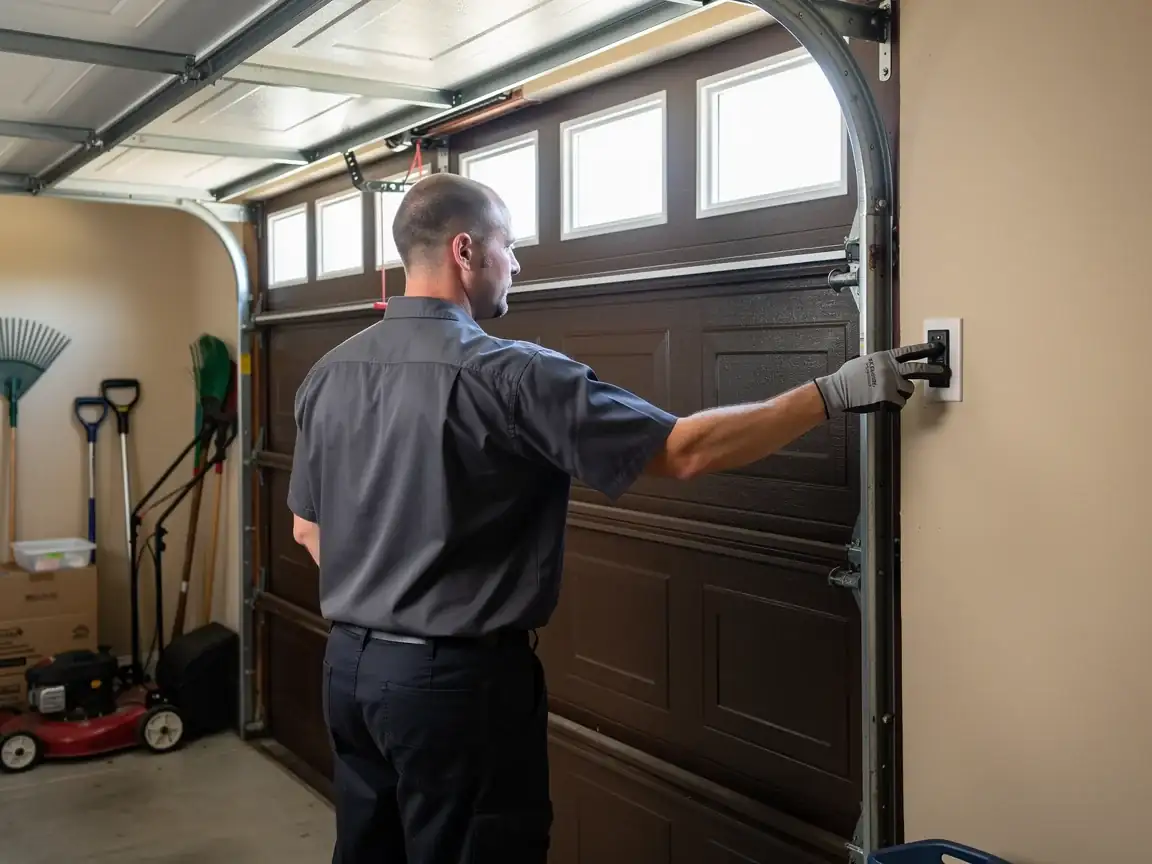
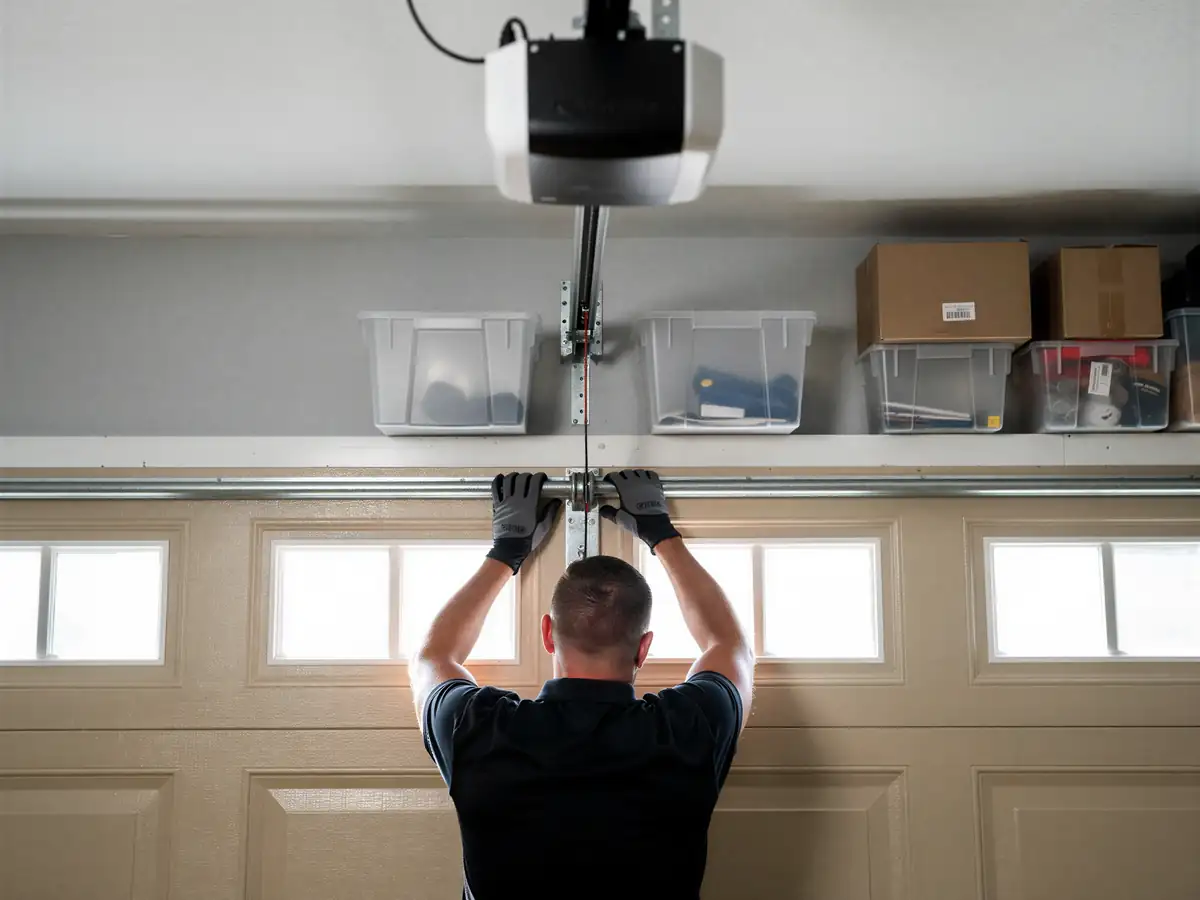
Tightening loose hardware, lubricating rollers and hinges, clearing debris from the track, and testing the photo-eye sensors are all things you can safely do with basic tools.
Torsion springs are not
A wound torsion spring holds enough stored force to break a hand or worse if it lets go while you're working on it, and the winding bars and clamps needed to do it safely aren't something most garage toolkits have. Cable replacement carries the same risk - the cable is under constant tension as long as the spring is loaded.
If the door is binding on one side, check that the track bolts haven't loosened and that nothing is blocking the roller path
That's a real fix you can do yourself. But if the door won't move at all, or you hear a loud bang before it jams, stop and call it in. We'll say plainly: we won't always tell you replacement over repair, because on a lot of these older doors the frame and track are still sound even when the spring or opener isn't.