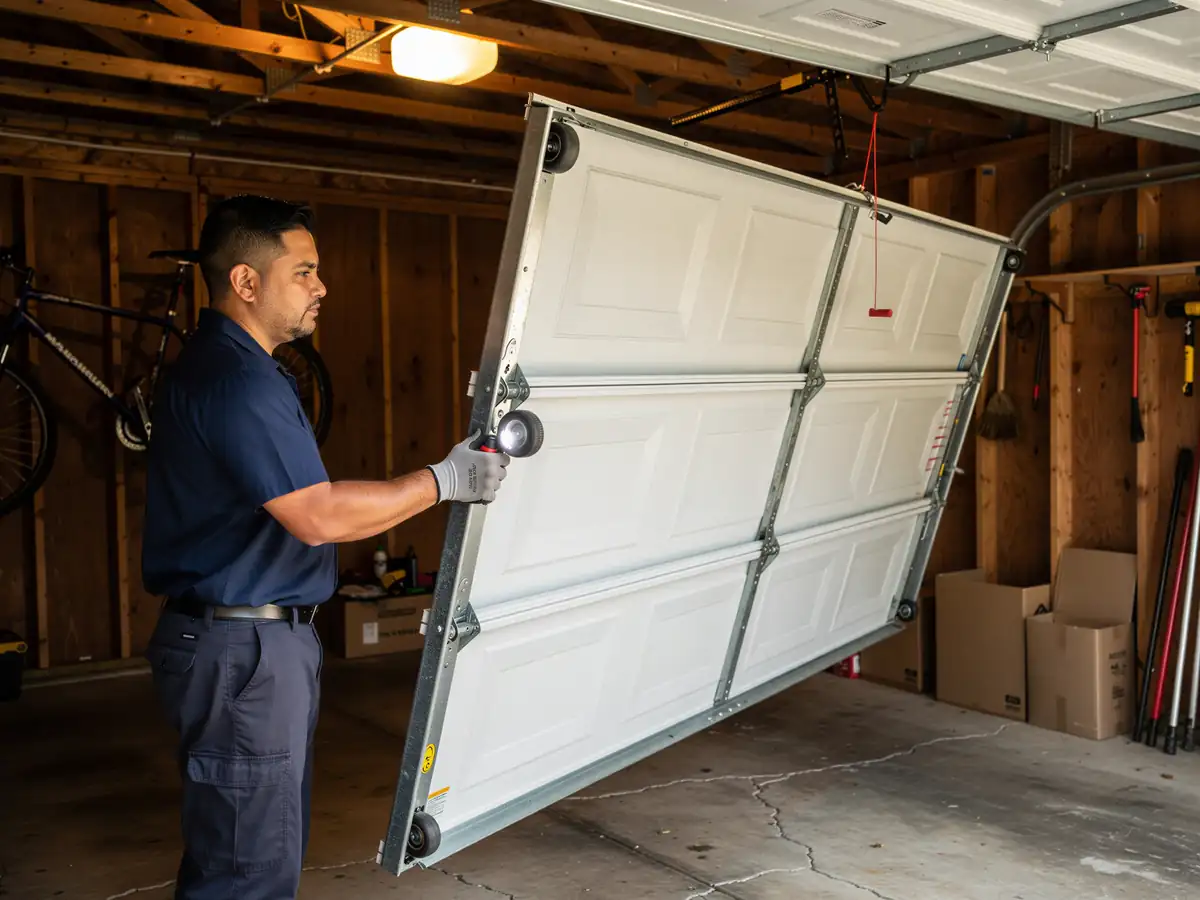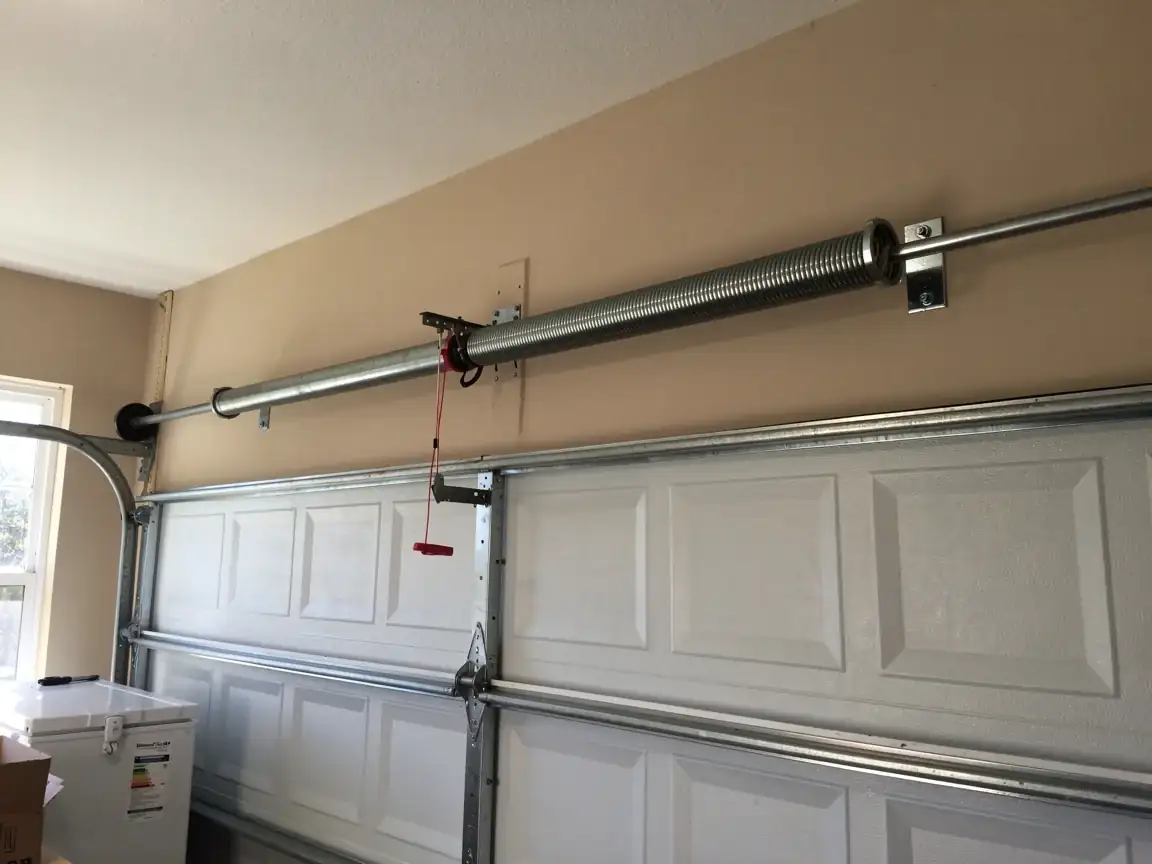
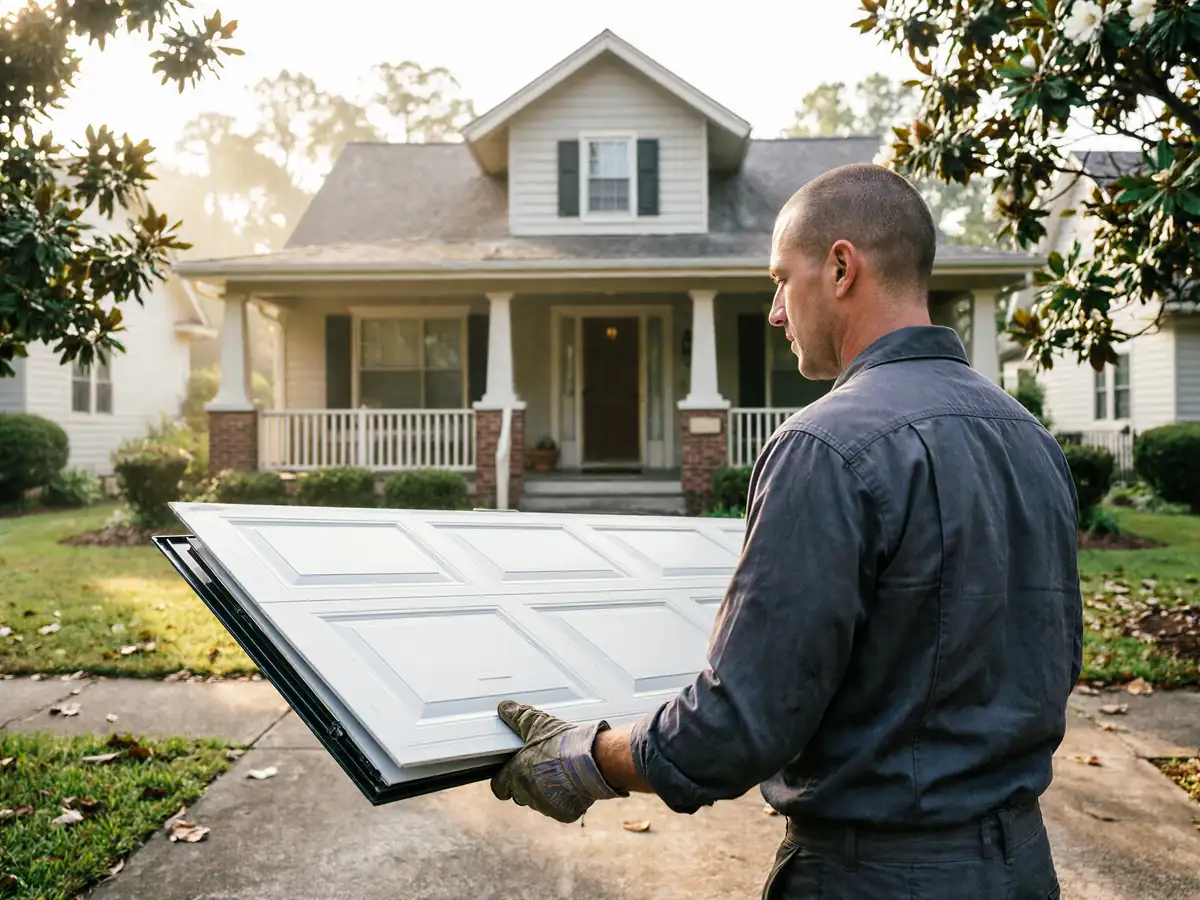
What You Are Seeing
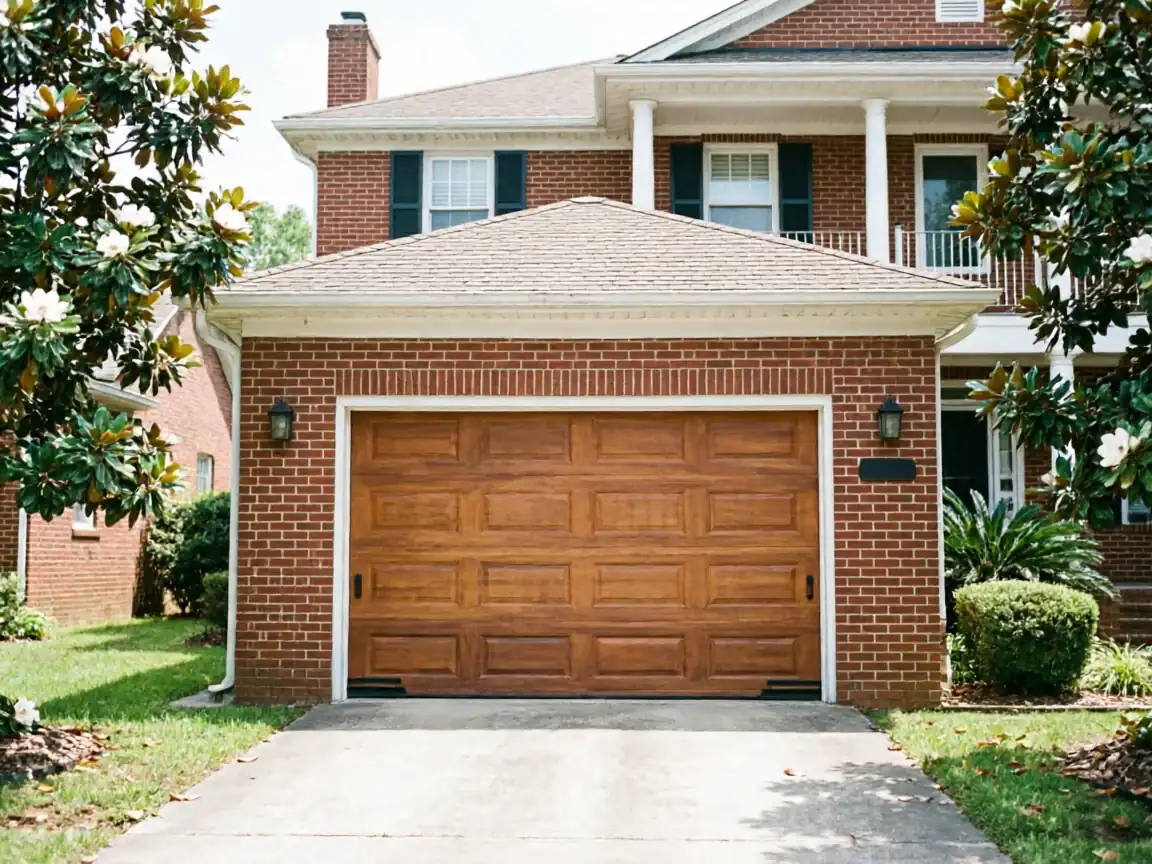
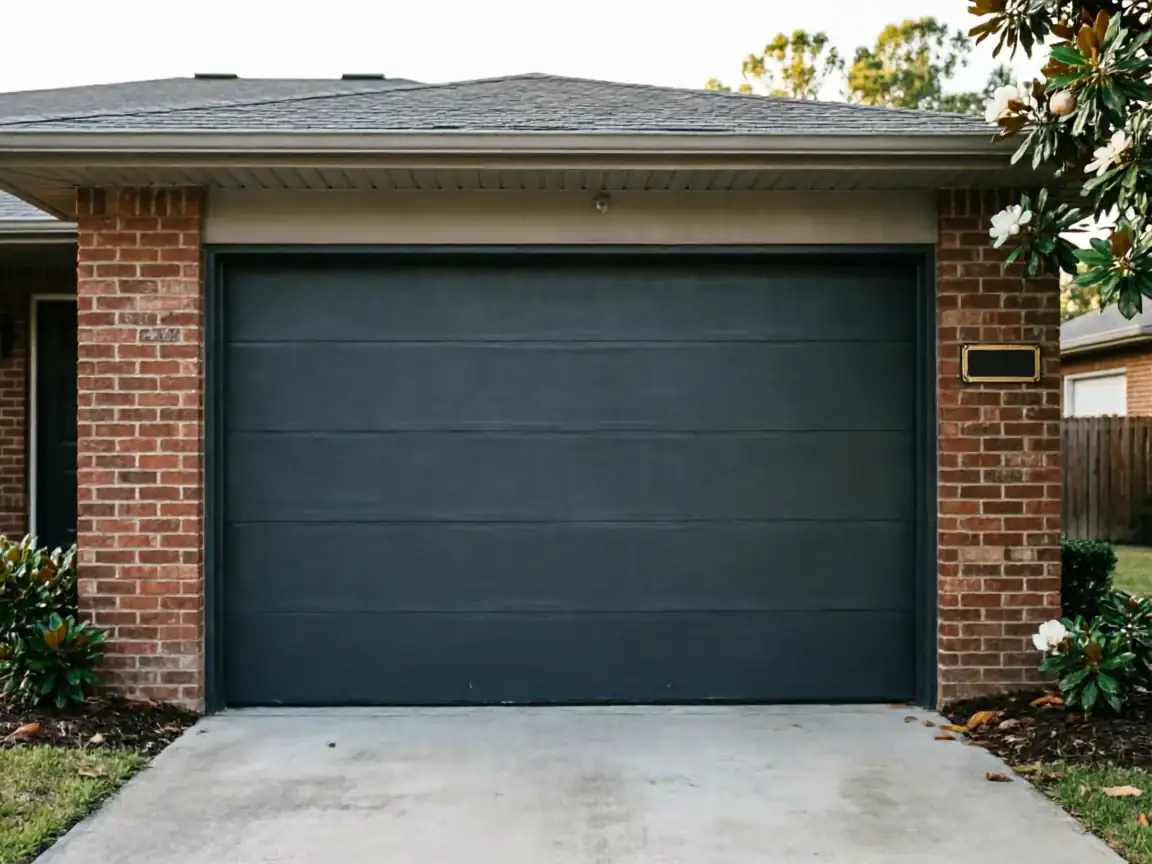
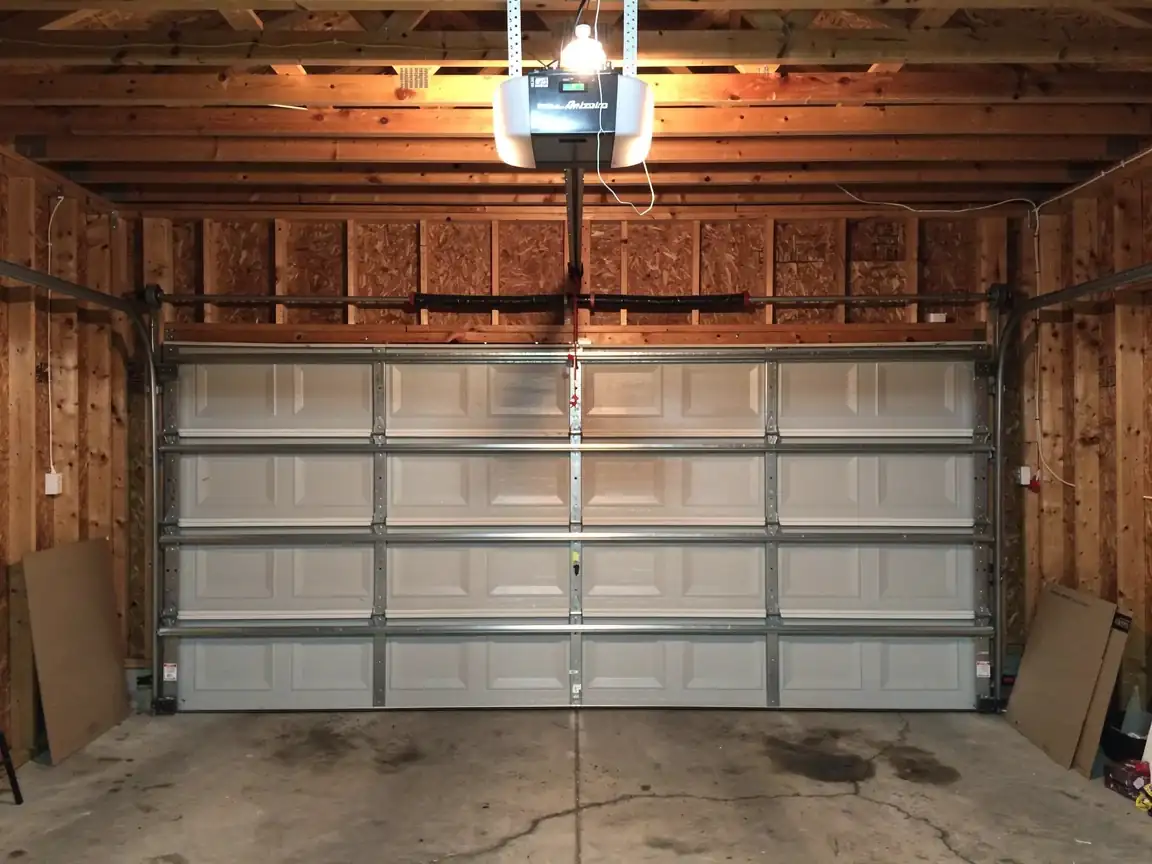
A dented, bowed, or cracked panel usually shows up one of two ways here
A single section caved in from a car bumper or a trailer hitch, or the bottom panel rotting and rusting out from years of standing water against the slab. On older steel doors that's often the only spot that fails - the rest of the door still tracks fine, springs are good, opener runs the way it should.
What you're looking at matters for what we do next
A dent that didn't crack the paint or bend the stile is often cosmetic - the door still seals and runs true. A panel that's buckled enough to bind the rollers, or one where the bottom seal channel has rusted through, is a different job. We also see delamination on insulated steel doors from this era, where the skin separates from the foam core - that shows up as a soft, spongy panel that flexes when you press on it.
On a lot of the 1960s-70s builds across this area, the panels are a discontinued profile
The door still works, but the exact groove pattern and panel height from that production run isn't made anymore, which changes whether we're replacing one section or matching the whole door.
What It Costs
We don't quote a panel replacement price without seeing the door in person - section count, insulation type, and whether the panel is still in production all move the number, and guessing low on the phone just means a different number at your driveway. What we can tell you is what drives the quote up or down: a single steel section on a common width is the cheapest fix we do. A full panel run, a custom color match, or a discontinued profile that has to be special-ordered costs more and takes longer to get on the truck.
Household income across the Columbia service area runs a median of $60,408, and we price jobs with that in mind - we'll always tell you straight if a panel repair is cheaper than the full-door swap, or if the door's old enough that throwing more money at one section doesn't make sense.
Why It Happens Here
Housing in this service area mostly went up between 1965 and 2010, with the median build year sitting at 1979, and across the 18 named communities we work in, the bulk of that stock is 1960s and 70s construction. That matters for panels specifically: doors installed when those houses were built are now 45 to 60 years old, and steel from that era dents and rusts differently than the galvanized stock used today - thinner gauge, less coating, more exposure at the bottom seam.
Columbia sits in a cold-moderate climate band. We don't get the hard freeze-thaw cycling that cracks concrete and warps steel the way the upper Midwest does, but we do get enough winter swing - cold nights, humid days - to keep moisture working at any spot where paint has worn through on an older panel. Combined with South Carolina's summer humidity, that's a slow rust process, not a sudden one, which is why a lot of panel failures we see are bottom sections that have been quietly rotting for years before anyone calls.
With 30,730 owner-occupied houses across the service area, a meaningful share of them are still running the same steel panel door the house came with.
Can You Do This Yourself
If you've got a single dented section on a common residential width and the door's still under 20 years old
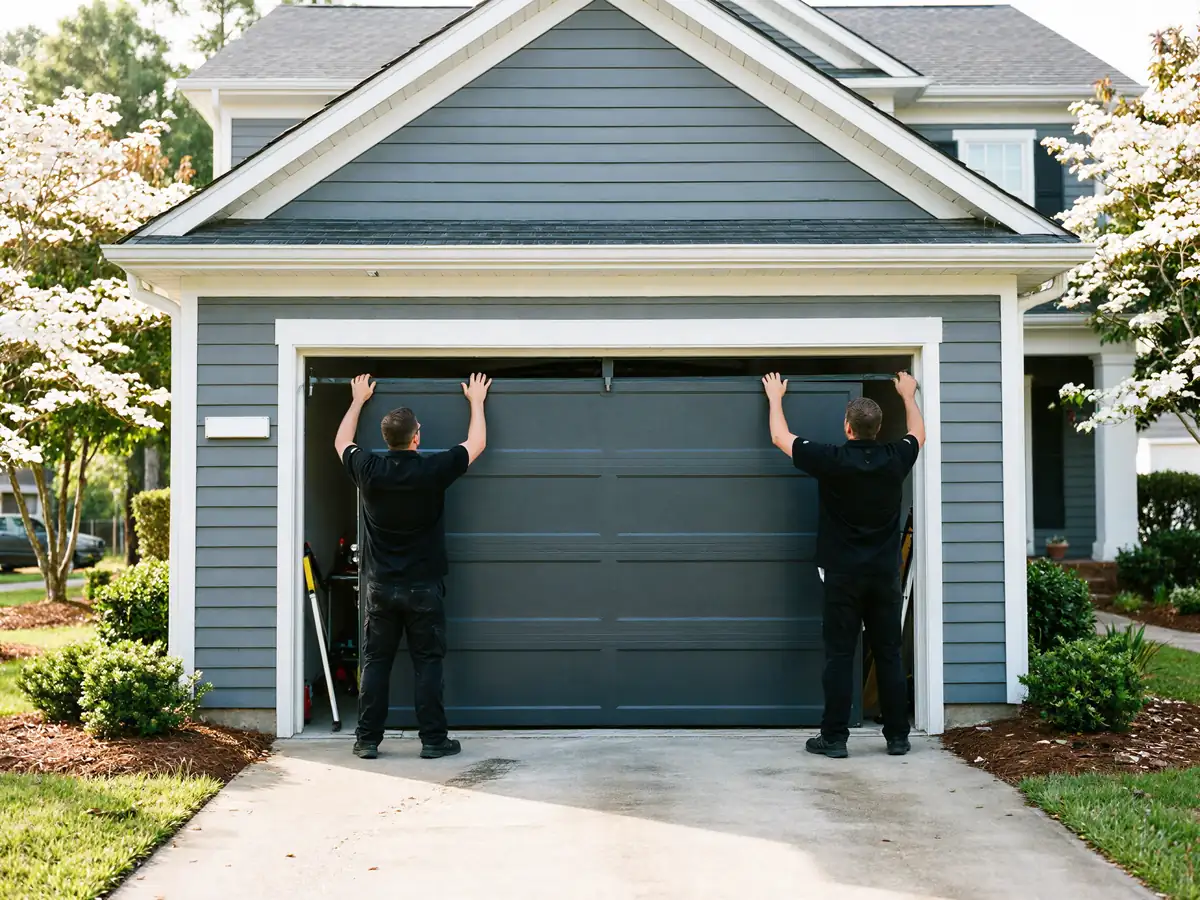
A DIY panel kit can work - the hardware isn't complicated, and plenty of owners handle it on a Saturday. Where it goes wrong is matching. Panel sections are sized and grooved by manufacturer and model year, and a close-enough match will bind a track or leave a visible seam line that never looks right.
- 20 years
What we'd tell you to skip doing yourself
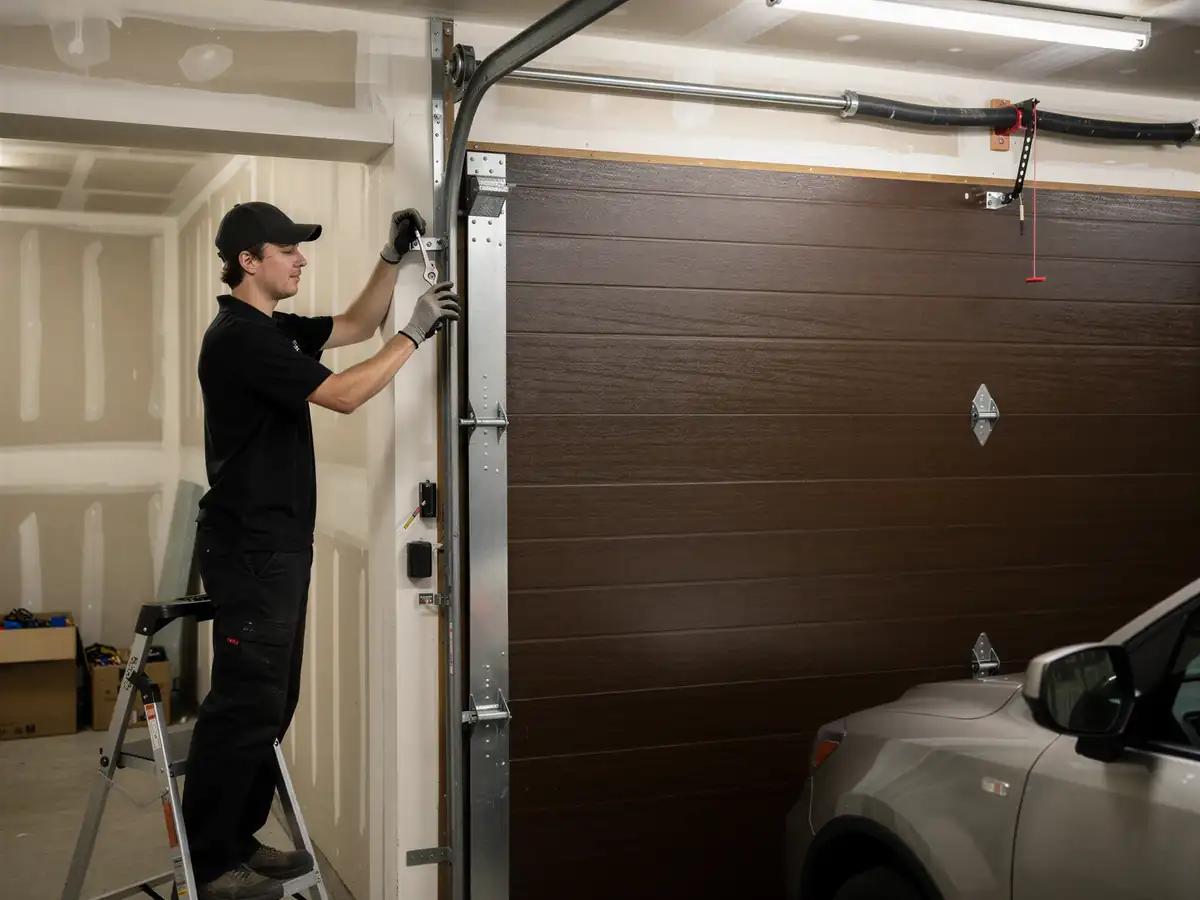
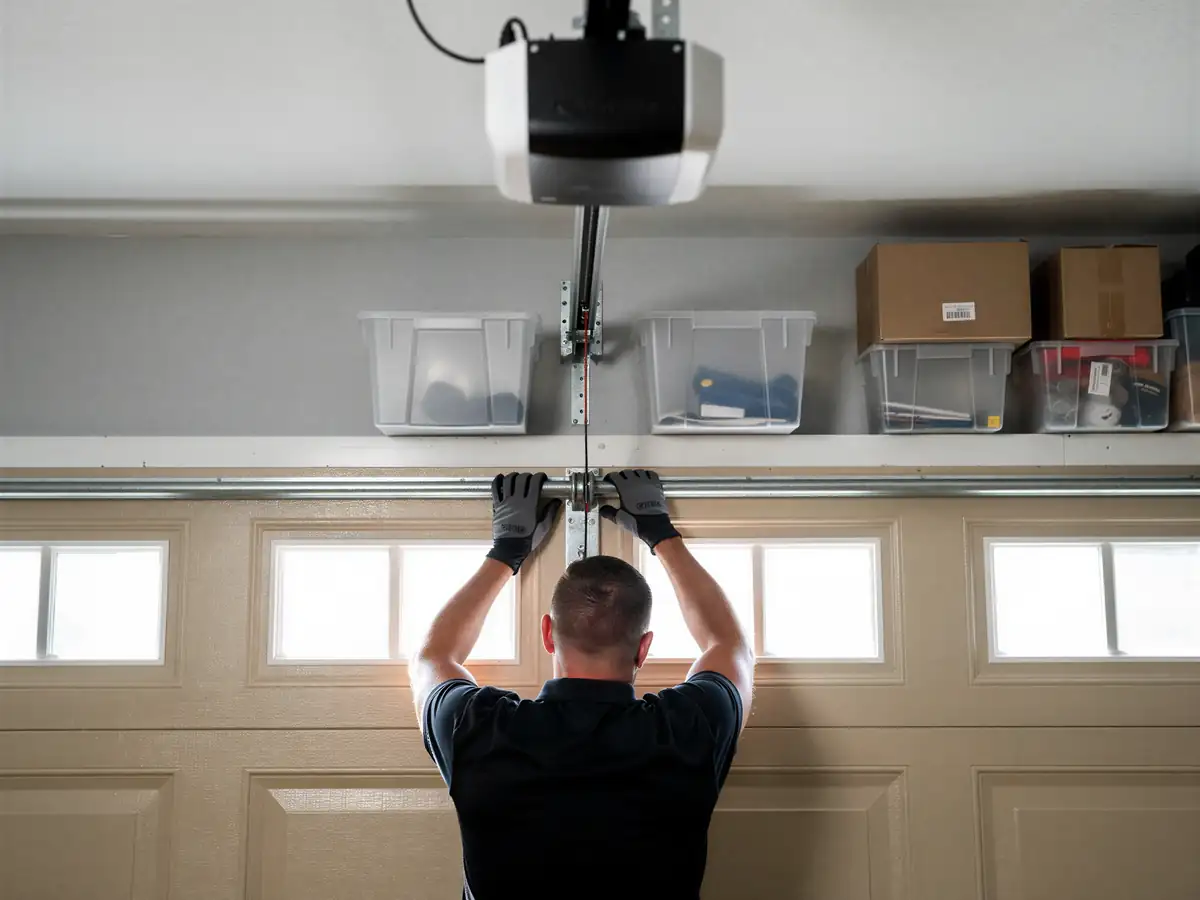
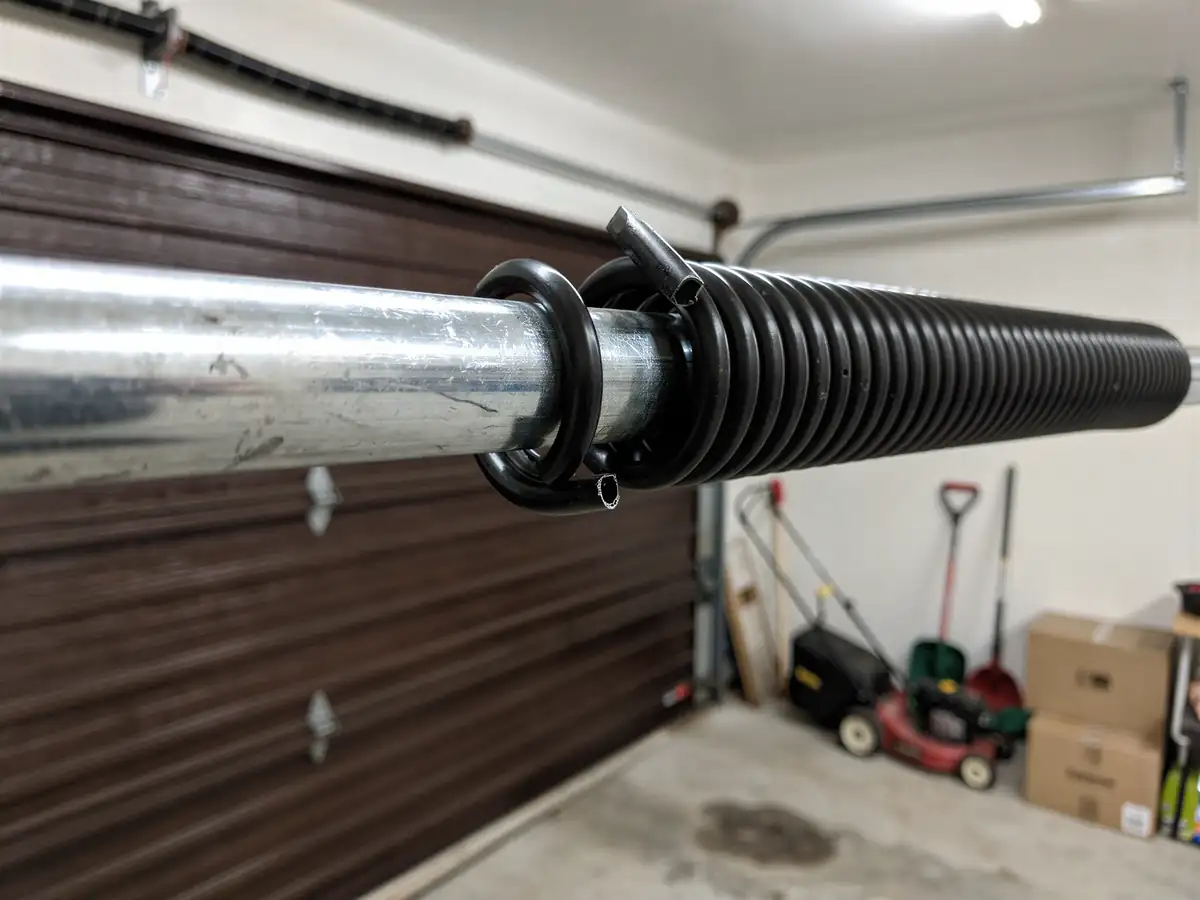
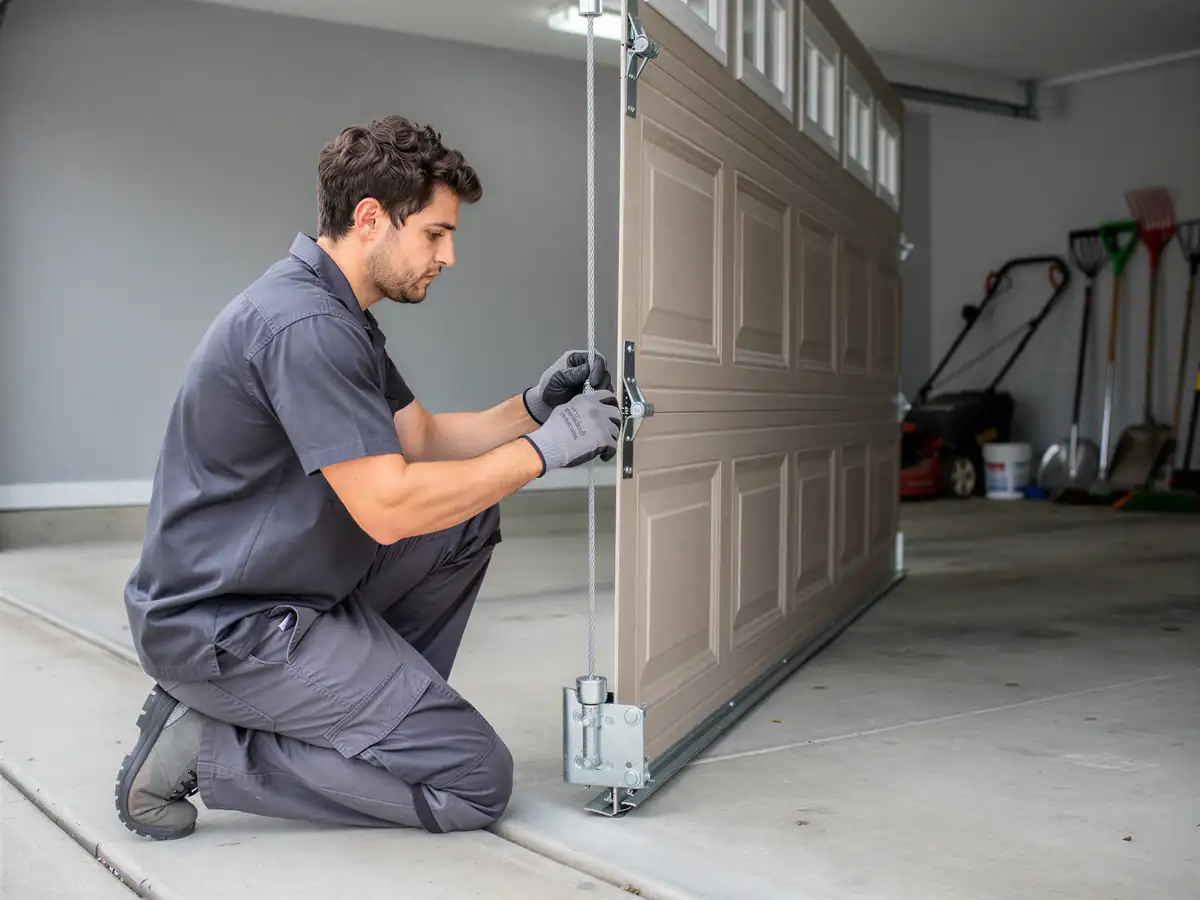
Anything involving the panel that holds the bottom bracket and cable attachment. That section carries spring tension through the cable, and getting it wrong is how people lose fingers, not just time. If the door is from the 1960s-70s stock common across this area and the panel profile isn't sold anymore, don't buy a kit at all - you'll spend money on something that won't fit and still end up calling someone. Measure first, call us if the measurements don't match anything in a hardware store catalog.