Serving Columbia, SC & nearby
(803) 450-4574
Columbia, SC

What a Service Call Actually Covers in Columbia

A clear look at what a Columbia garage door service call checks, from 1960s-70s torsion hardware to the panel and track wear this climate causes.

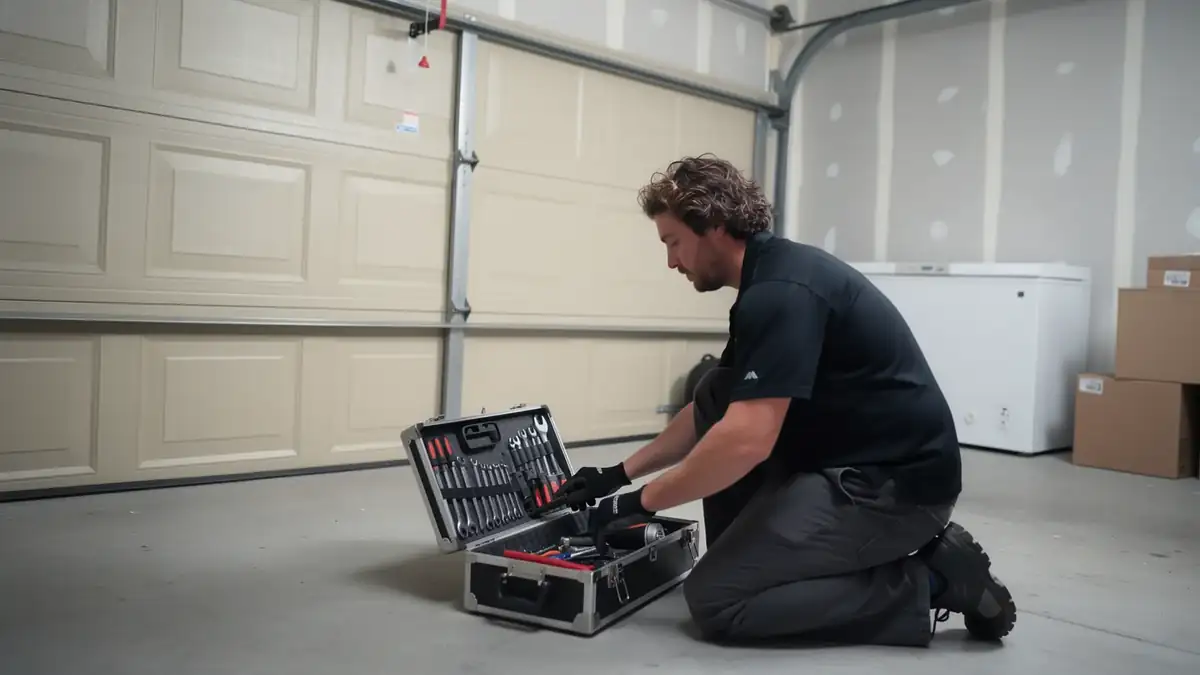
A technician kneels in a garage, reaching into an open toolbox.

The Common Mistake

Most calls we get start with someone describing a symptom - the door's noisy, the door's slow, the door won't close all the way - and asking for a price over the phone to fix that one thing. The mistake is treating a garage door like it has one moving part. It doesn't. A real service call checks the spring, the cables, the rollers, the track alignment, the opener's force settings, and the hardware that ties the door to the header, because on a house built anywhere from 1965 to 2010 - which covers most of what's out there across Woodfield, Dentsville, Forest Acres, and the other eighteen areas we work in - those parts age at different rates. A spring that's twenty years old doesn't fail alone. It usually takes a cable or a bent track with it, because the door's been running out of balance for months before anyone noticed the noise. We're not padding the invoice when we check all of it. We're trying to avoid a second call three weeks later for the thing the first call missed. If a tech opens the panel next to your opener and looks at four things instead of one, that's not upselling. That's the job.

What the Weather Here Does to It

This area sits in a moderate-cold climate band, which means the hardware doesn't get hammered by deep freezes the way it would further north, but it does get real swings - cold mornings, humid afternoons, and the expansion and contraction that comes with that cycle running for decades. On houses from the 1960s and '70s stock that makes up most of this area, steel tracks and header brackets have had fifty-plus years of that swing working at the lag bolts and the track fasteners. What we find on a service call isn't rust from standing water, it's loosening - brackets that have backed out a quarter-inch at a time, hinges that have worked themselves oval, and springs that have lost tension unevenly because one end sees more temperature swing than the other depending on which way the garage faces. None of that shows up as a dramatic failure. It shows up as a door that drifts, or an opener that strains a little more each month. A service call on an older house here is as much about catching that drift early as it is about fixing whatever brought you to the phone.

The Situation

With roughly 30,730 owner-occupied houses across a service area of about 68,903 households, and a median household income around $60,408, a lot of the doors we see are original or close to it - installed when the house was built, not replaced since. That median build year of 1979 means a good share of the torsion hardware out there predates the lighter, mass-produced springs and openers sold today. A tech on a service call has to know whether a part is still common enough to carry on the truck or whether it's a size nobody stocks anymore, because that changes the conversation from 'repair today' to 'order the part first.' That's the honest limit here: we don't pretend every 1970s torsion assembly has a same-day replacement sitting in inventory. Some do. Some take a few days. A service call tells you which one you've got before anyone quotes a number, and that's the real value in sending a person out instead of guessing over the phone.
When Waiting Is Fine

Not every noise or sag needs a same-week call. If the door still opens, closes, and seals evenly, and the opener isn't straining or reversing on its own, a scrape or a squeak can usually wait until a regular visit. Where it can't wait: a cable that's frayed, a spring with a visible gap in the coil, or a door that's come off one roller and is running crooked in the track. Those get worse fast, and on an older torsion setup they can let go without much warning. Given the age of hardware common across this area's 1960s-through-2000s housing, we'd rather look at something that turns out to be fine than have someone wait on something that doesn't. If you're not sure which category you're in, that's a reasonable thing to ask about when you call - we'd rather talk it through for a minute than have you guess.

How it works

From “it’s stuck” to “it’s fixed”

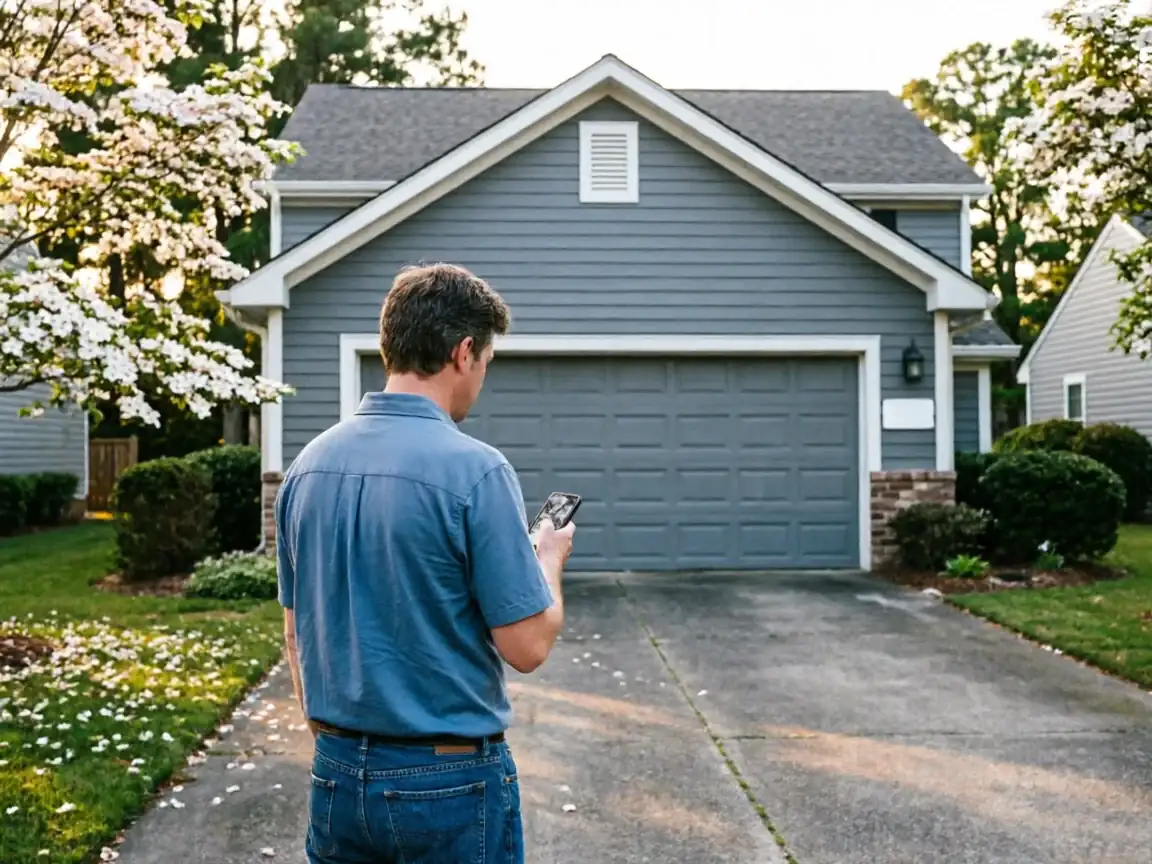
A man in a blue shirt stands in a driveway looking at his phone.

Tell us what’s wrong

Describe the symptom - won’t open, loud bang, opener runs but the door won’t move.

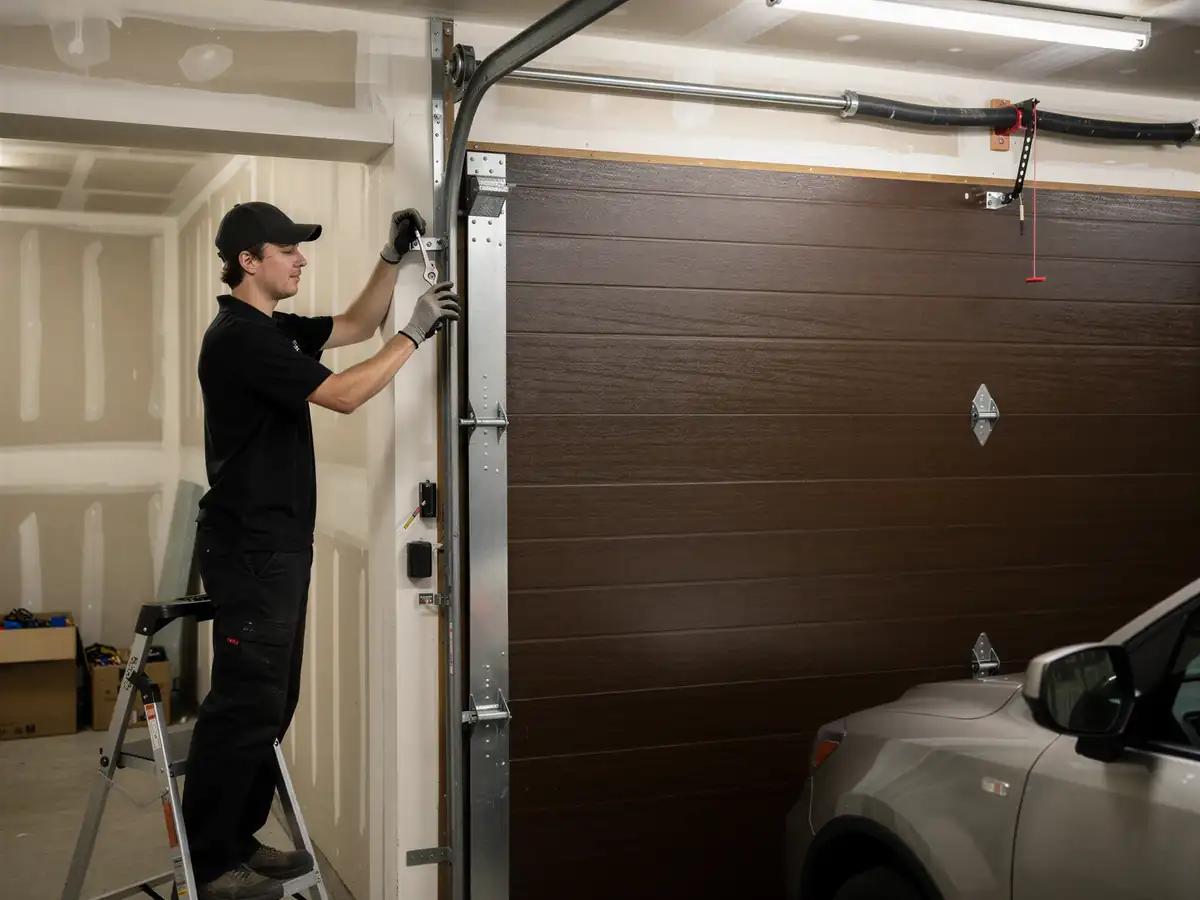
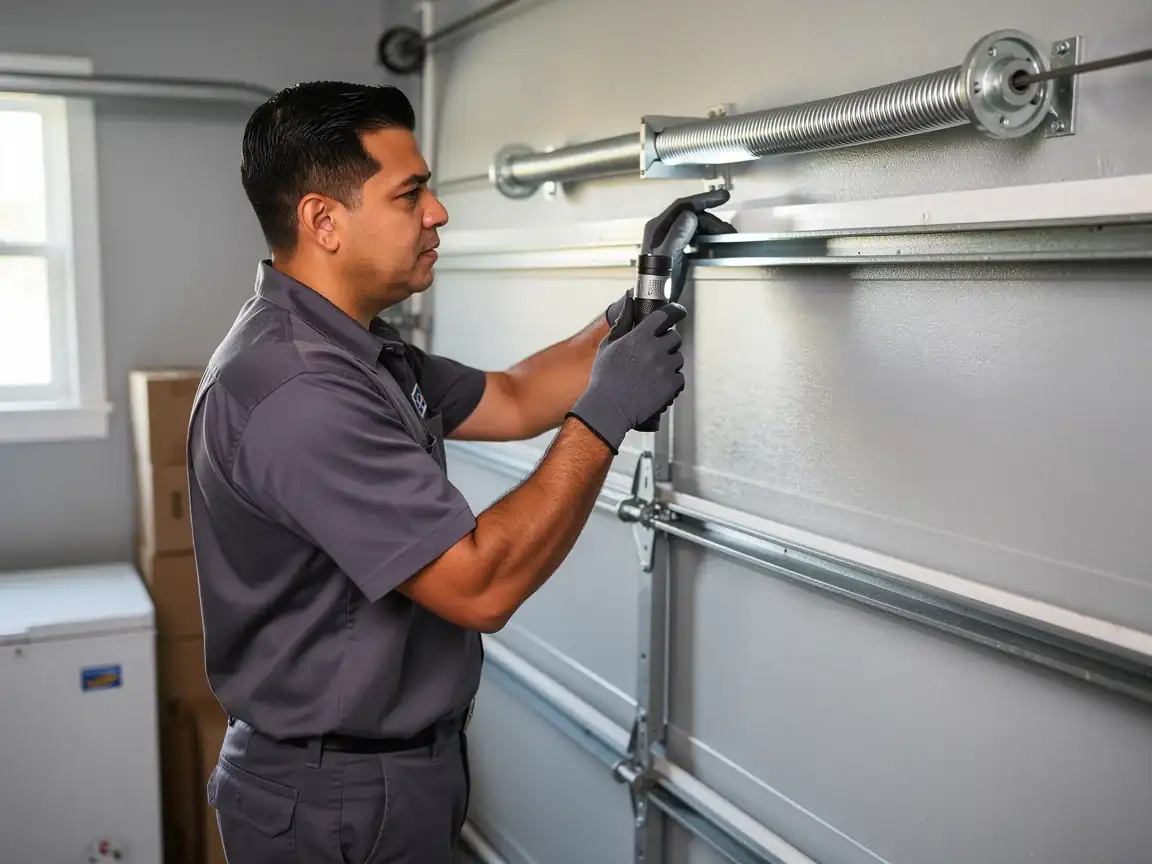
A technician holds a flashlight and works on a garage door torsion spring.

On-site diagnosis

A technician tests the door under power and by hand and finds what actually failed.

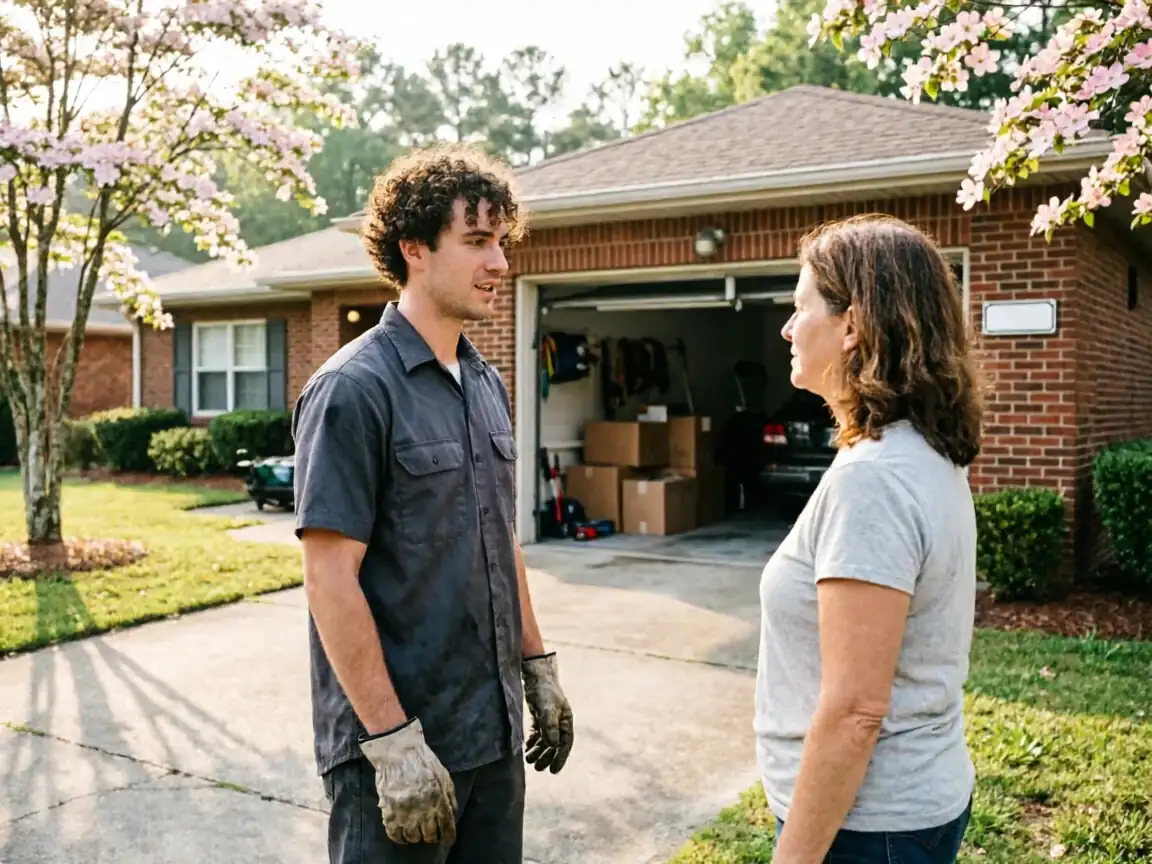
A technician in work gloves talks to a woman in front of a brick house.

Clear, up-front plan

You get the fix that’s needed and what drives the cost - before any work starts.

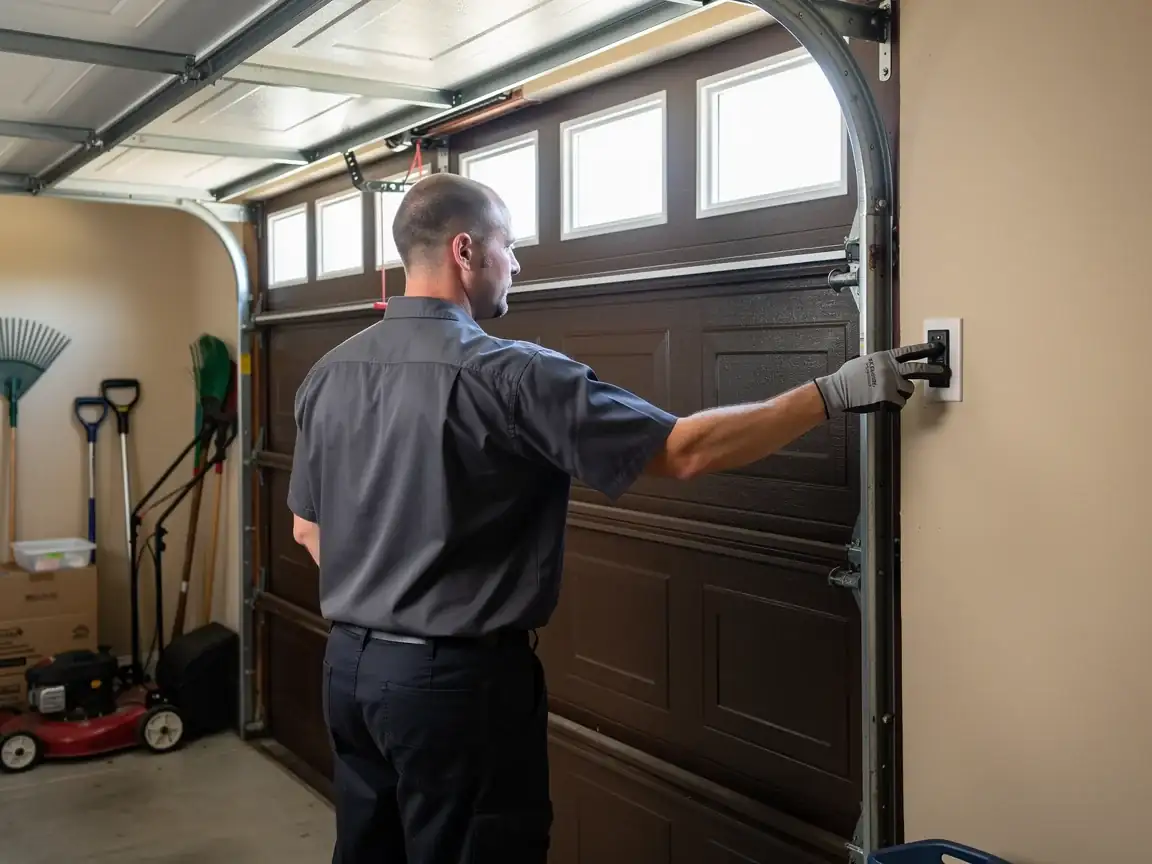
A technician in a gray shirt presses a button on a wall next to a brown garage door.

Repaired & tested

The repair is done, the door is set true and tested, and the work area left clean.

Not sure which repair your door needs in Columbia, SC? Describe what it’s doing - every job starts with a diagnosis.

How we work

What to expect

A straight, honest approach on every Columbia job - diagnosis first, the right parts, and clean work.

01

Diagnosis first

Every visit starts by finding what actually failed - not a pre-written parts list.

02

The right part for the door

Springs and openers matched to the door’s weight and age, so the fix holds up.

03

Straight answers

When a repair makes more sense than a replacement - or the reverse - you hear it plainly.

04

Clean, careful work

Tension released safely, hardware set true, the door tested under power before we leave.

What we do

Garage Door Services

Repair and installation work for Columbia homes and businesses.

Questions

Frequently asked

Straight answers about garage door repair in Columbia. Still unsure? Ask us directly.

Does a service call always mean replacing the spring?

No. A lot of calls turn out to be a bent track, a worn roller, or an opener's force setting that's off - not the spring at all. We check the whole system because on older torsion hardware, problems rarely show up where the noise is coming from. If the spring does need replacing, we'll say so and explain why before doing anything.

Why does my opener seem to work harder in winter?

Cold mornings stiffen grease in the rollers and tracks, and a spring that's already lost some tension over the years has less reserve to make up for that stiffness. It's usually not the opener failing - it's the door asking the opener to do more work than it was set up for originally.

How do you know if my hardware is original to the house?

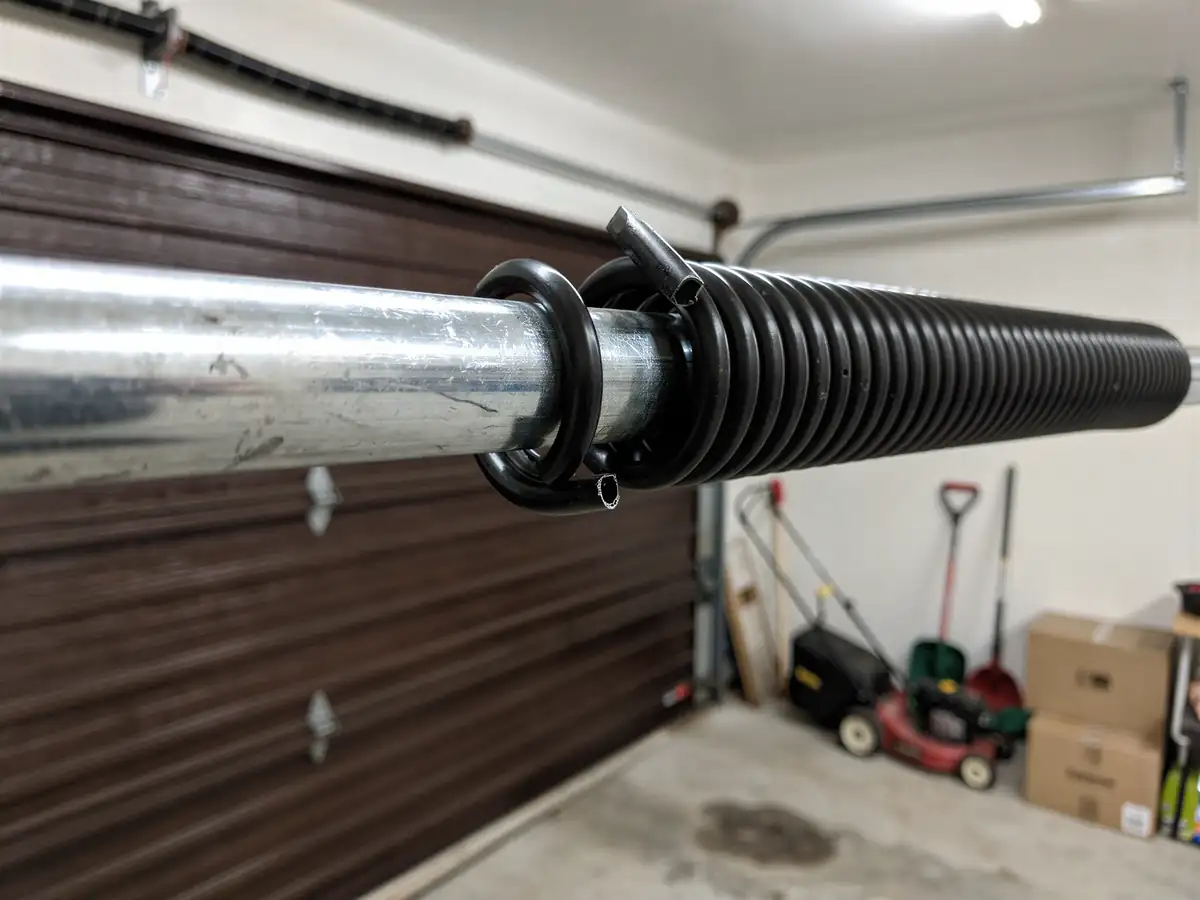
We look at the spring winding cones, the bracket style, and the opener's age markers during the visit. A lot of houses in this area went up between the mid-1960s and the early 2000s, and hardware from different parts of that span looks noticeably different once you know what to check.

What if the part my door needs isn't something you carry on the truck?

That happens with some older torsion sizes. If it's not on the truck, we tell you that at the visit, order the part, and schedule the install once it's in. We'd rather be straight about the wait than install something that's the wrong fit.

Ready to get your garage door sorted?

Request a QuoteCall