What You Are Seeing
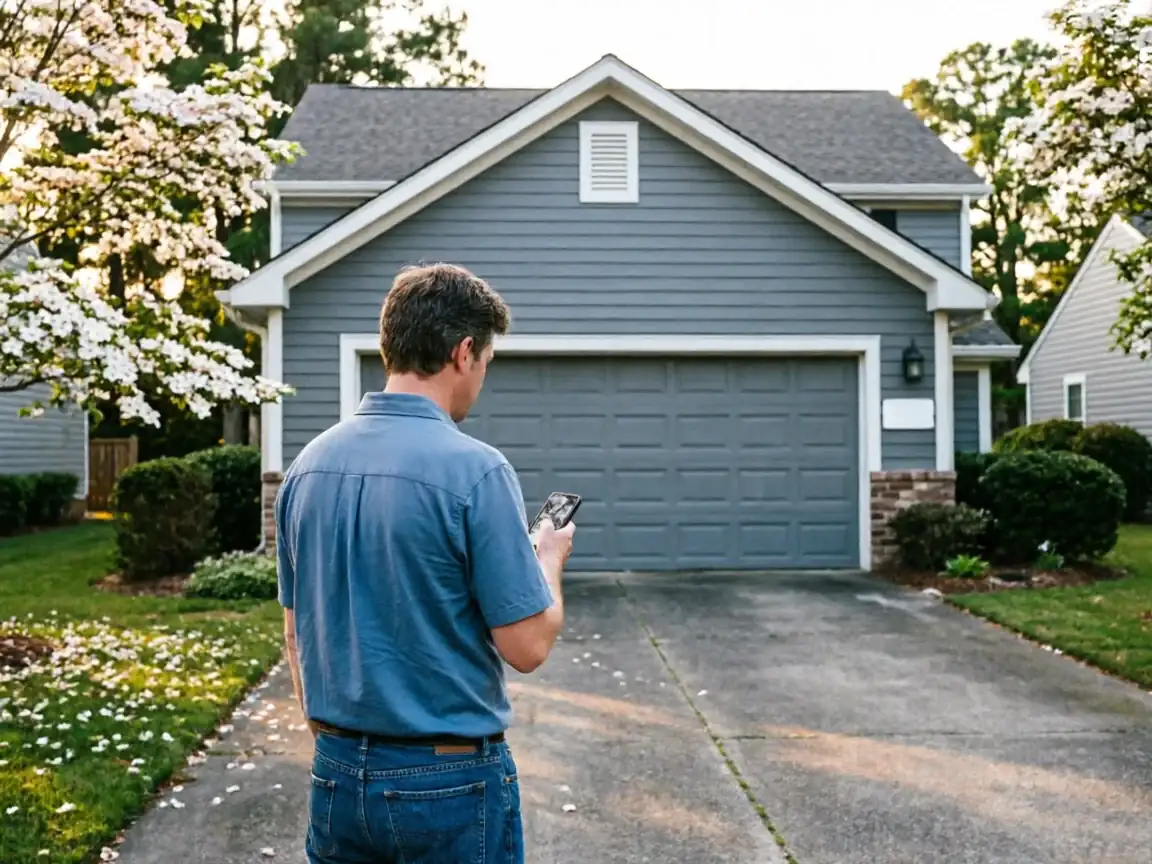
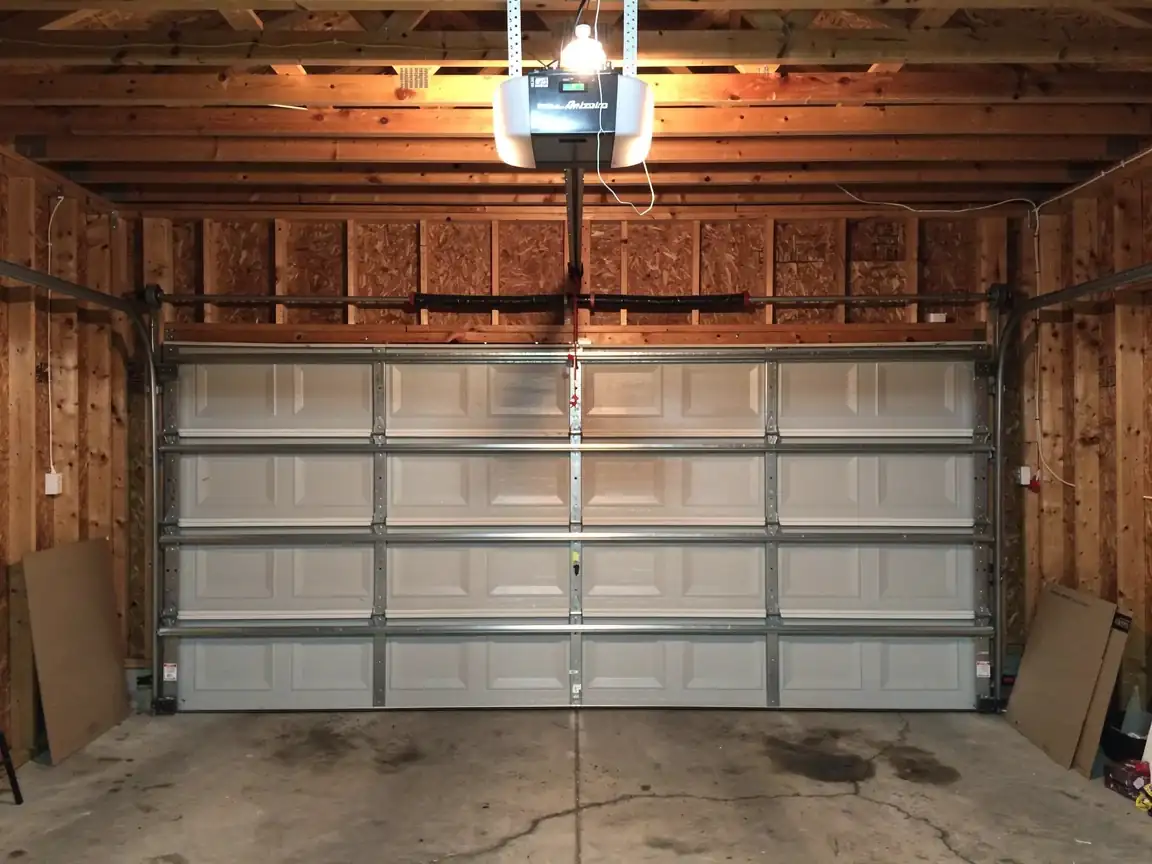
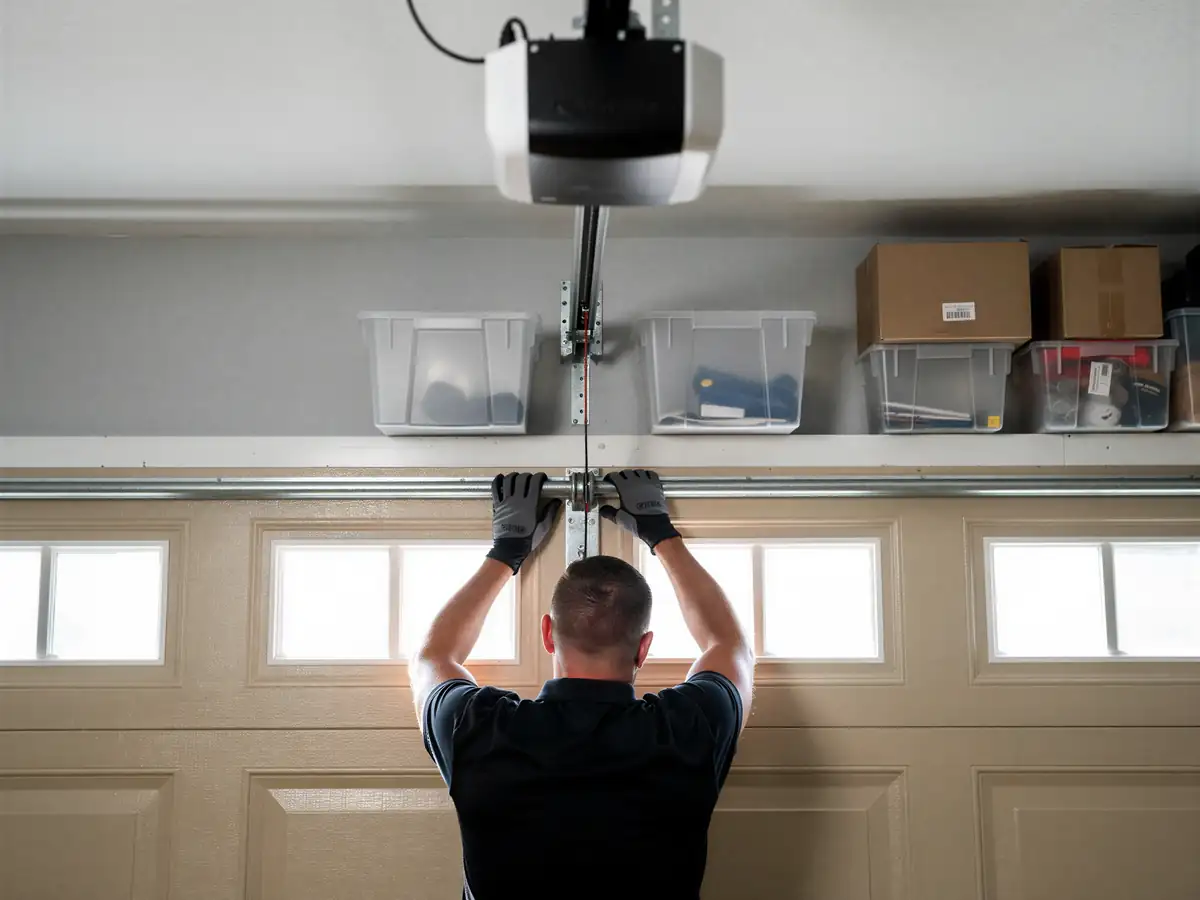
If your opener is grinding, slipping, or just refusing to catch
The symptom usually points to age more than brand. Across the Columbia service area, most houses were built between 1965 and 2010, with the bulk of stock going up in the 1960s and 70s across the 18 communities we cover. A chain or belt drive unit from that era is well past its working life, and the logic board inside has usually failed before the motor does - you'll hear the motor hum but the carriage won't move, or the light blinks a code nobody explains to you.
- 18 communities
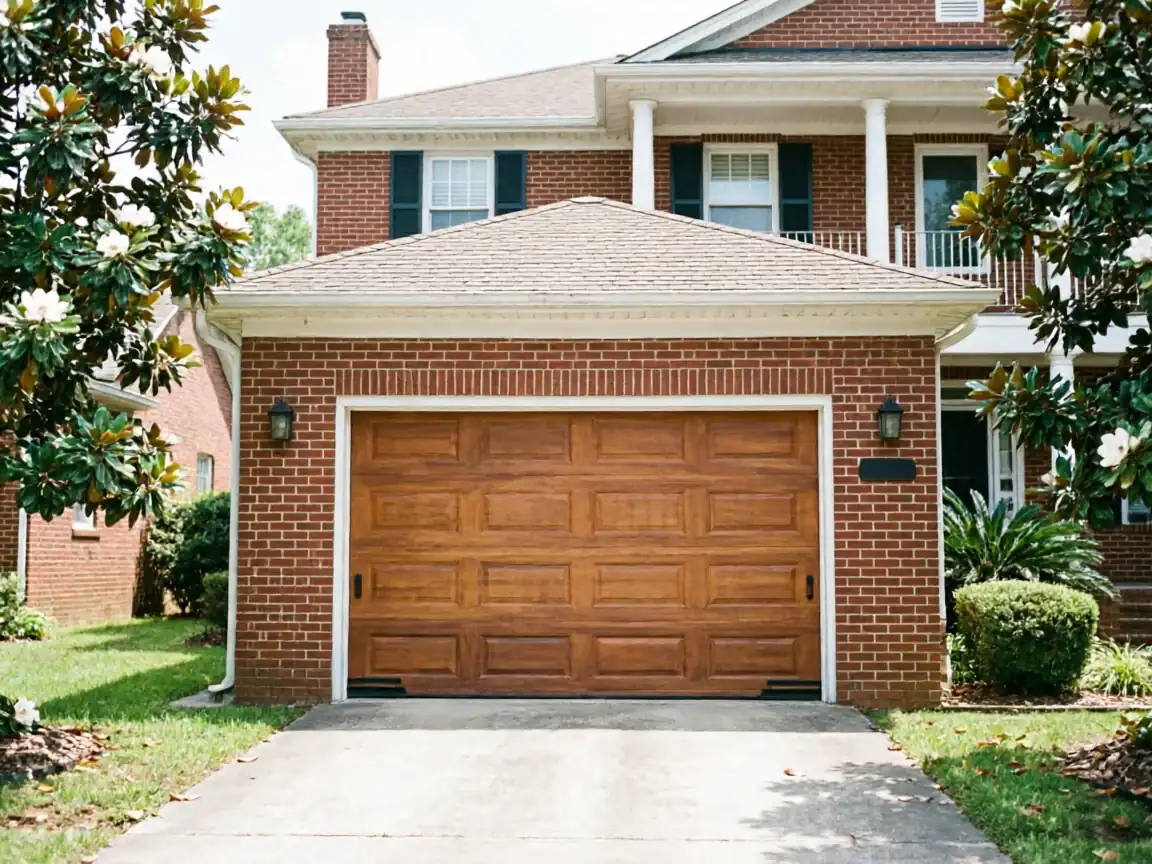
On older single-car doors common in the 60s/70s tracts
You'll often find a 1/3 horsepower unit straining against a heavier door than it was sized for, because a panel replacement at some point added weight the original opener was never spec'd to handle. On newer construction built after 2000, the failure looks different: the opener itself is fine, but the safety sensors have drifted out of alignment, which is the single most common no-close complaint we get on newer builds.
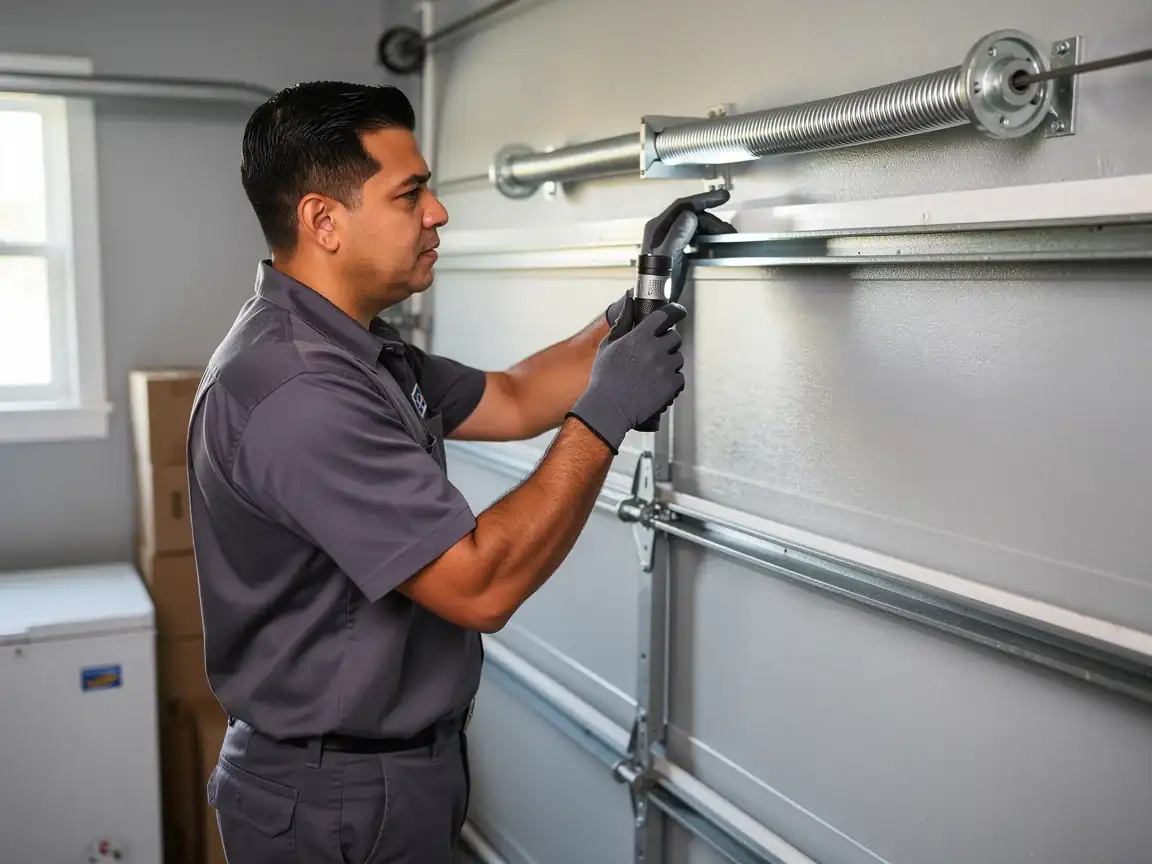
Either way, the fix is rarely "tighten a bolt." An opener that's cycling hard, reversing without cause, or dead silent needs a look at the drive type
The horsepower rating against the door's actual weight, and the wiring, not just a reset.
What It Costs
We're not going to put a number here that doesn't hold up once a tech is standing in your driveway looking at your specific door. Cost on an opener install depends on horsepower needed for the door's weight, whether you want belt, chain, or direct drive, battery backup for storm outages, and whether the existing wiring and header bracket can be reused or need replacing.
What we can tell you: across the service area, median household income is $60,408, and 30,730 of the roughly 68,903 households here are owner-occupied houses, which is the group actually facing this decision rather than a landlord. That's the backdrop we quote against - we're not pricing for a different market. Ask for a number specific to your door and your opener choice, not a flat rate pulled off a website.
Why It Happens Here
Columbia sits in a cold-moderate climate band, not the deep-freeze conditions that crack plastic gears outright, but enough cold-weather swing through winter to stiffen grease in older gear-driven openers and make chains run louder and tighter than they did when installed. Combine that with housing stock where the median build year is 1979, and you've got a lot of openers original to the house, or a second-generation replacement from the 90s, both now well beyond any reasonable service life.
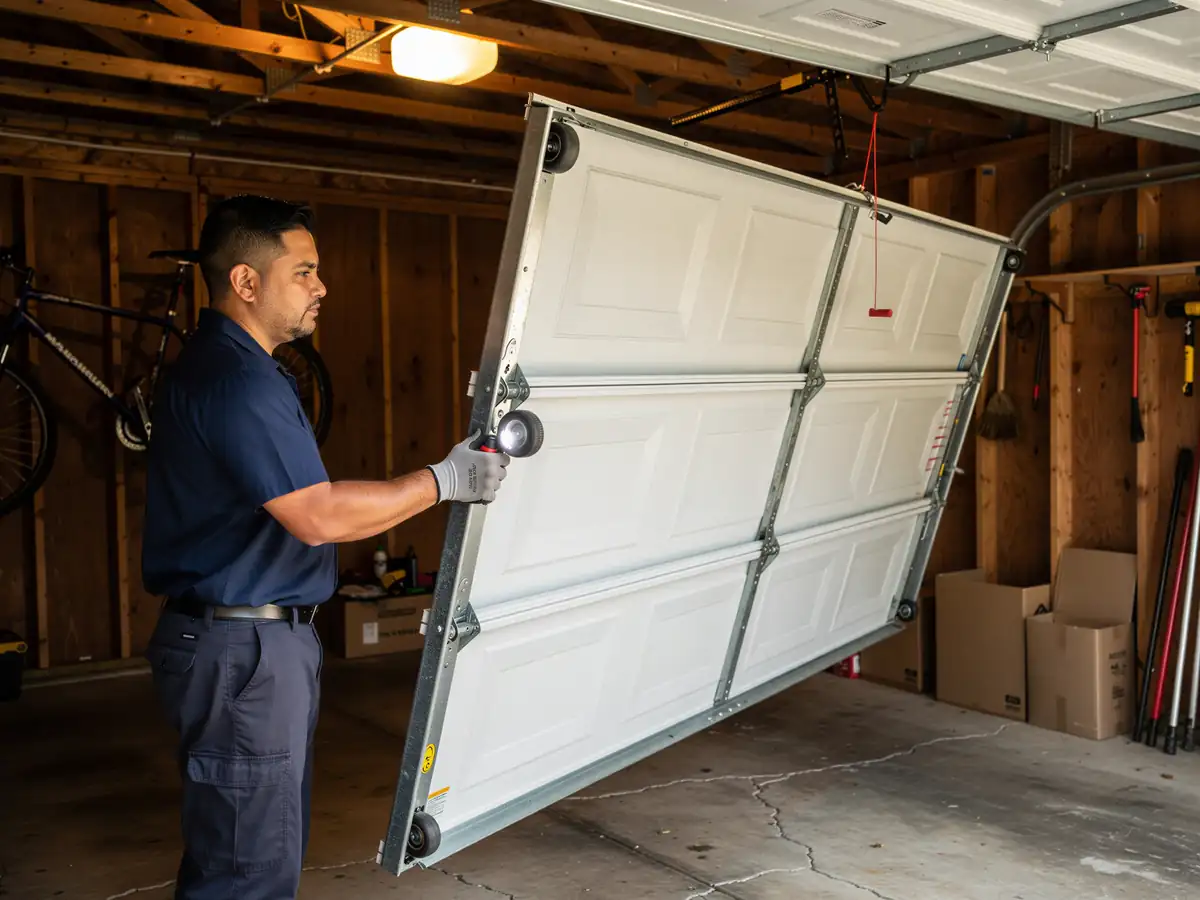
The other piece is door weight creeping up over time. A lot of the original one-piece or early sectional doors in the 1960s-70s tracts across this area have since been swapped for heavier insulated steel doors without anyone re-checking whether the opener's horsepower still matches. An opener rated fine for a light aluminum door from 1975 will burn out fast lifting a 2020s insulated panel door. That mismatch - old motor, newer heavier door - is the single most common reason we get called out for an opener that "just stopped."
Can You Do This Yourself
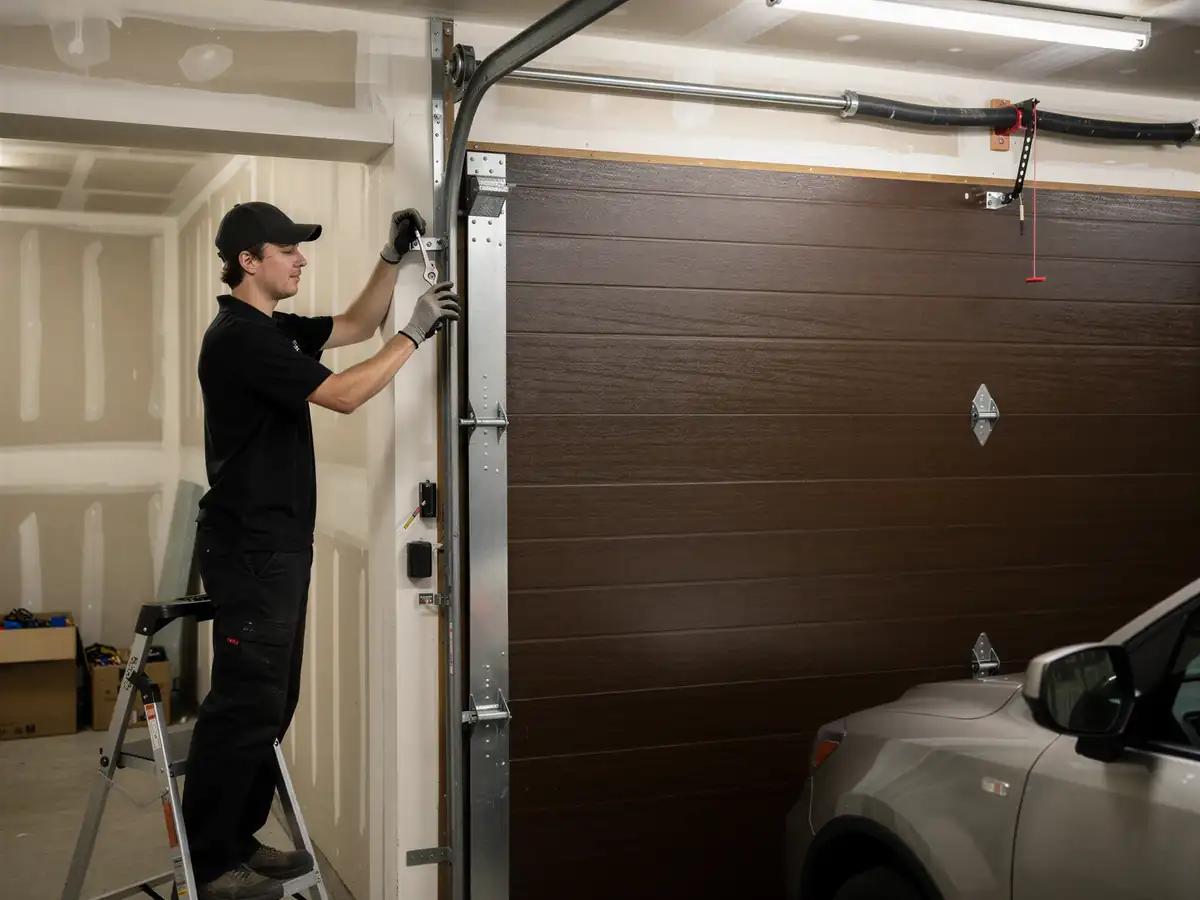
A DIY opener swap isn't unreasonable if you're comfortable with a ladder, basic wiring, and reading a torque spec
The kits sold at hardware stores come with decent instructions for a straightforward single-car door on standard track.
Where it gets hard fast
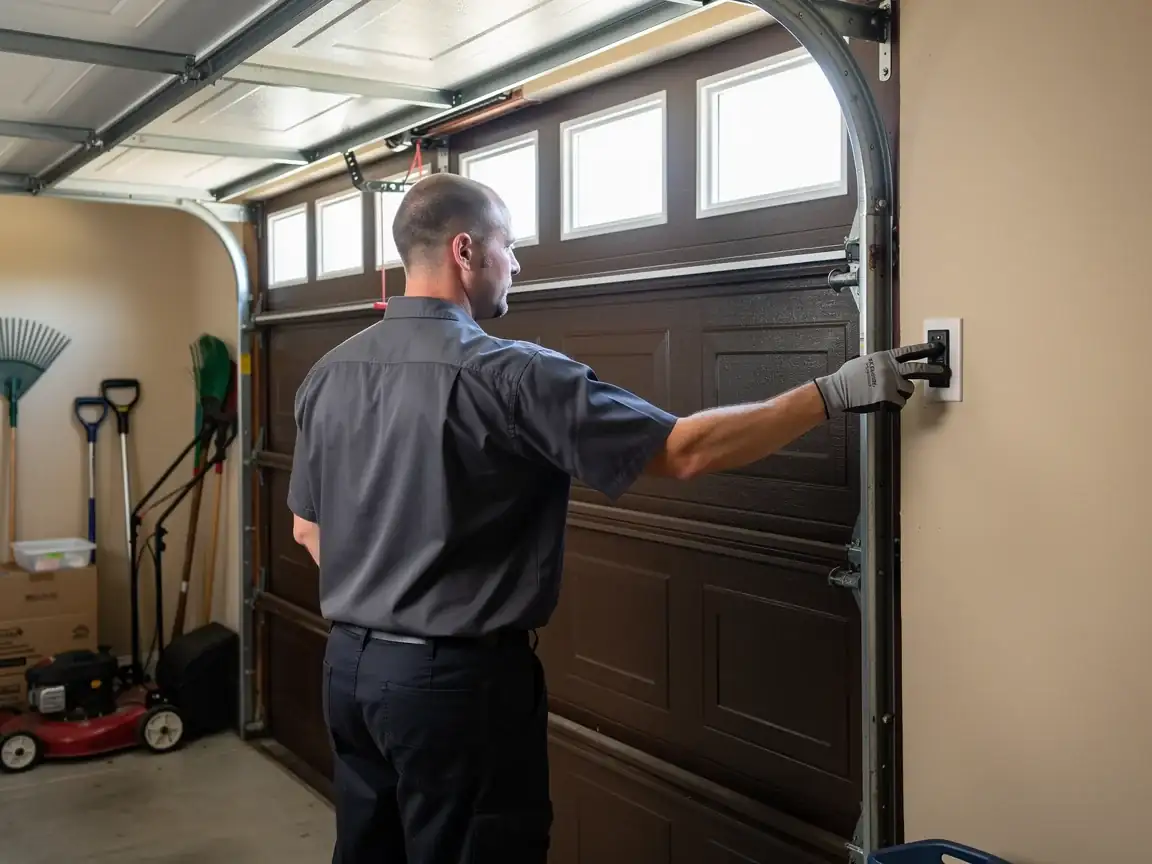
Aligning the safety sensors so they actually trip (most "it won't close" calls we get after a DIY install trace back to sensor alignment, not the opener itself), matching horsepower to a door heavier than the box recommends, and wiring into an existing circuit that may not be grounded the way code wants it today. If your door was repaneled or upgraded to insulated steel at some point and you don't know the current weight, that's the detail that trips up most self-installs - guessing low on horsepower shortens the new opener's life to a year or two.
Our honest limit: we don't do a same-day opener swap if the header bracket or framing above your door is compromised
That's carpentry, not an opener job, and we'll say so rather than bolt a new unit to a bad mount.