The Houses Here
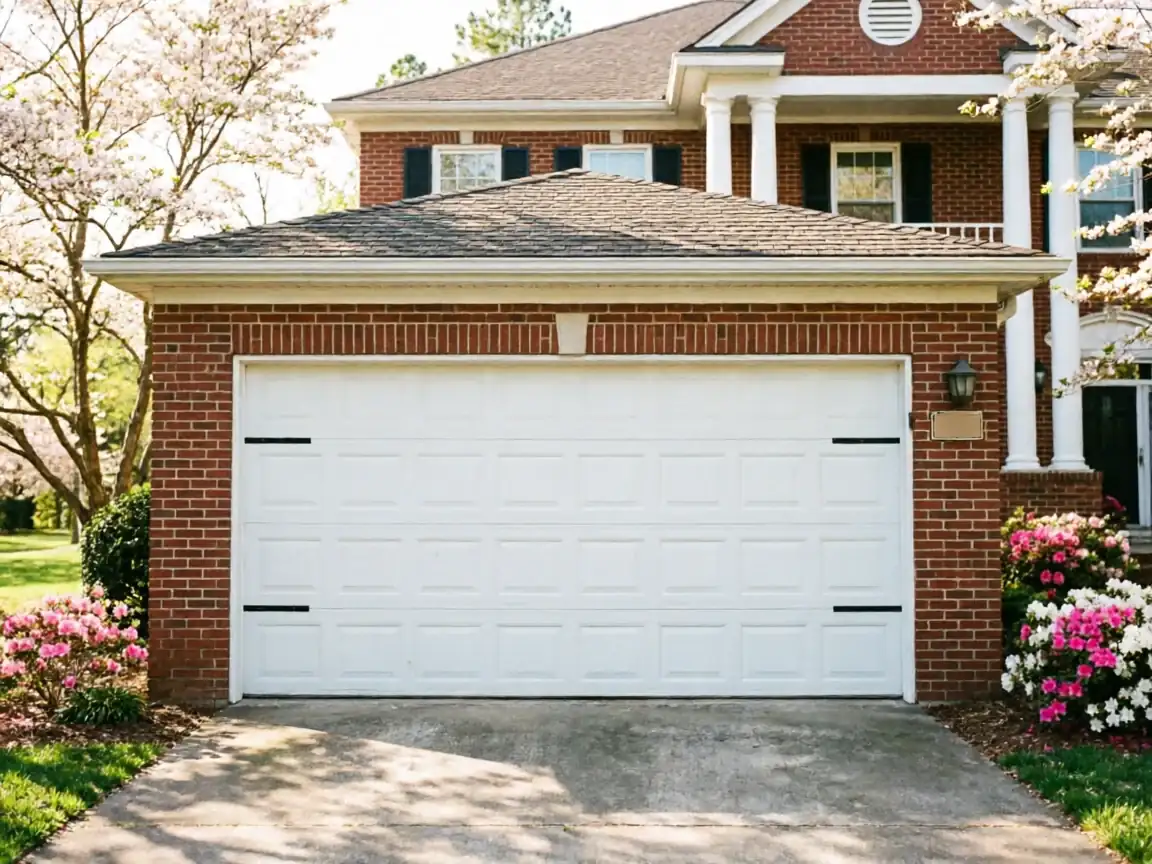
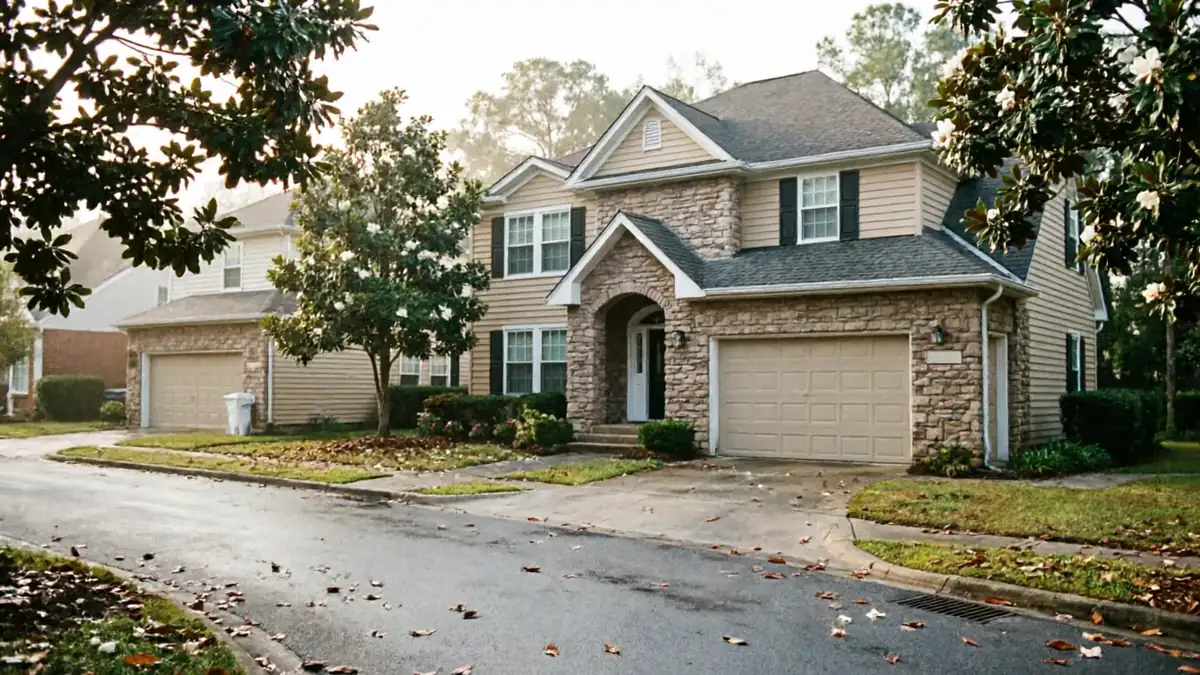
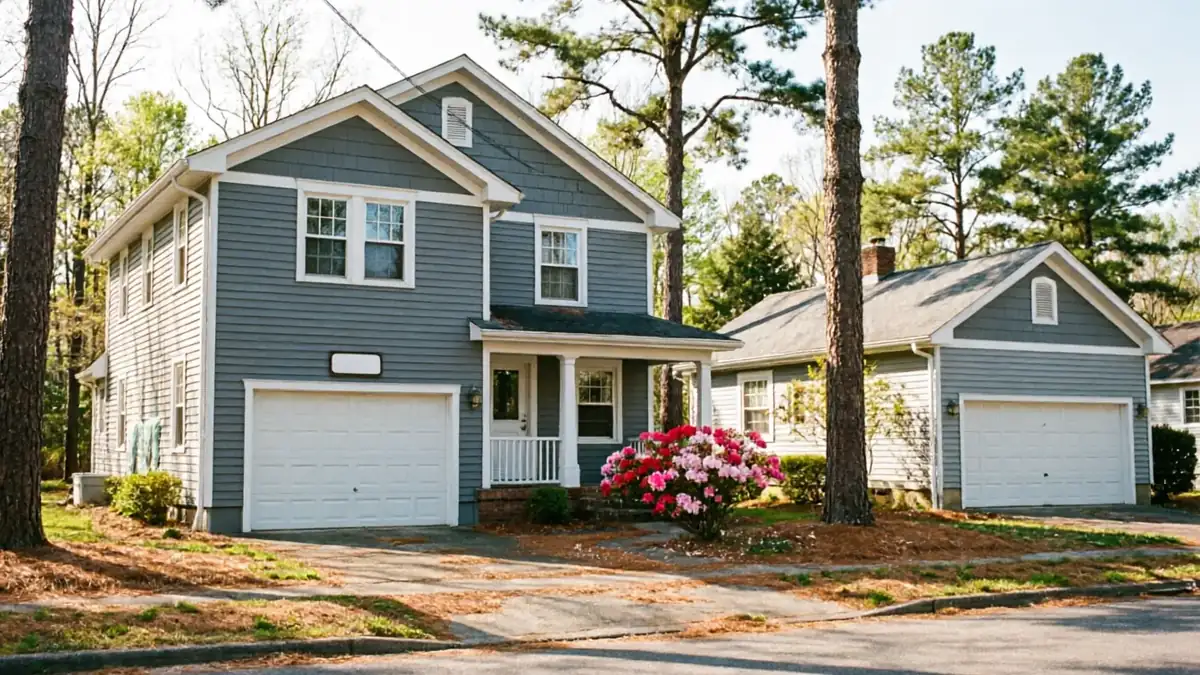
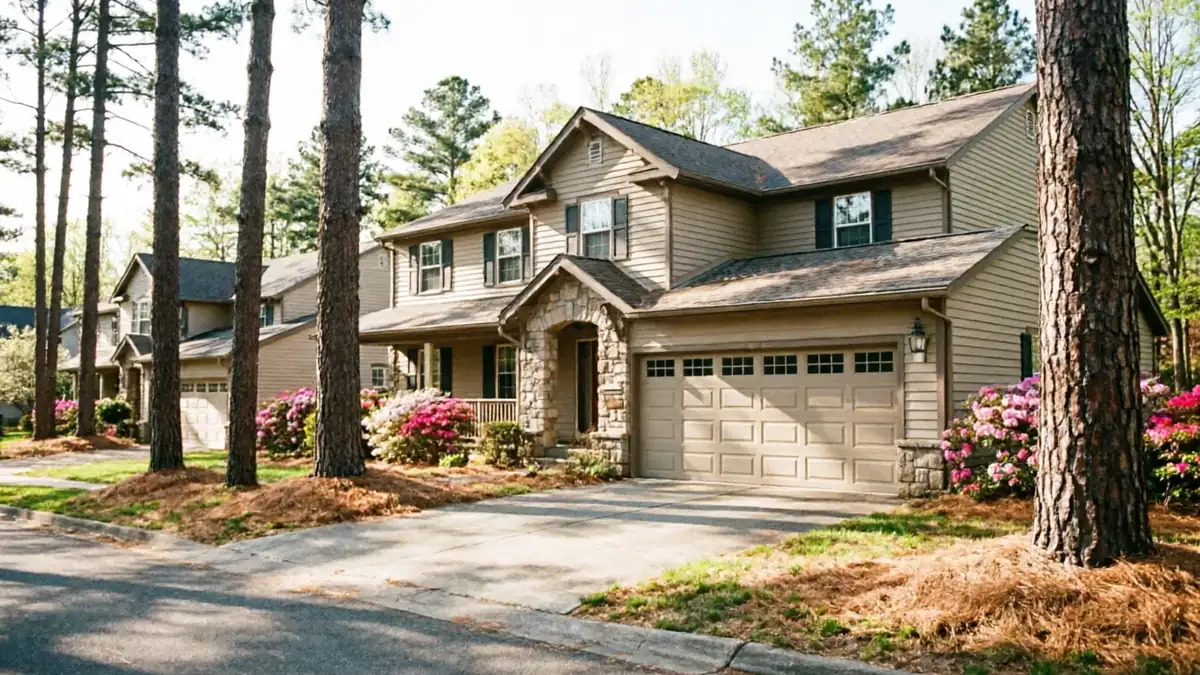
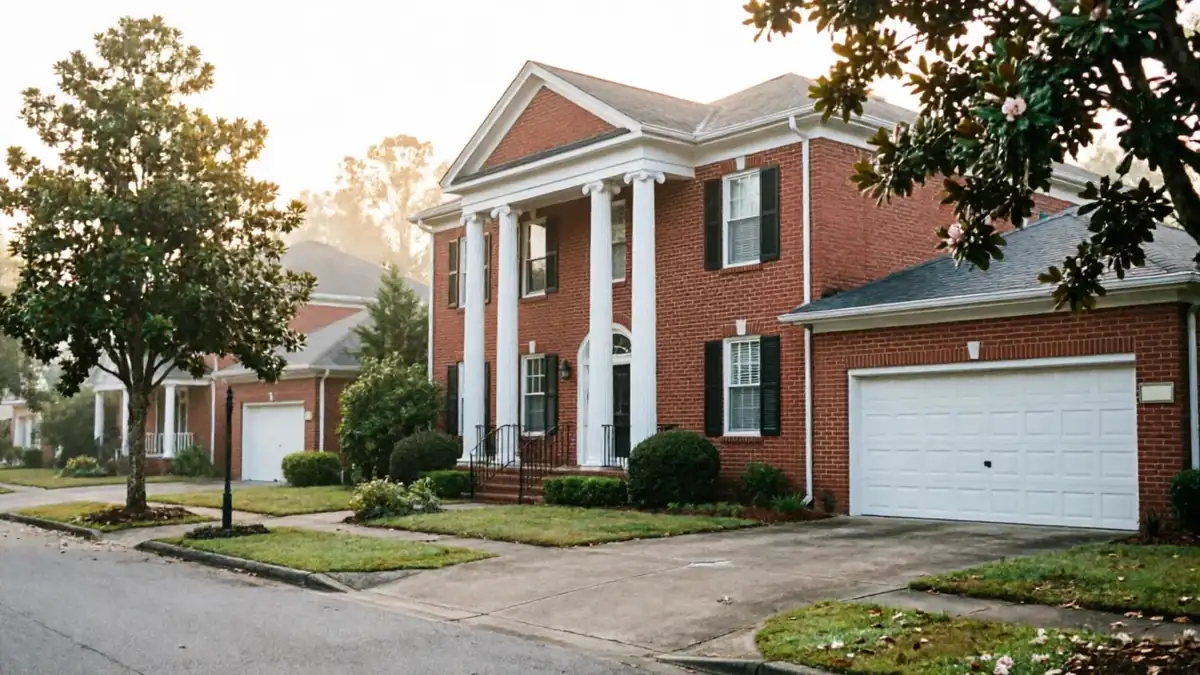
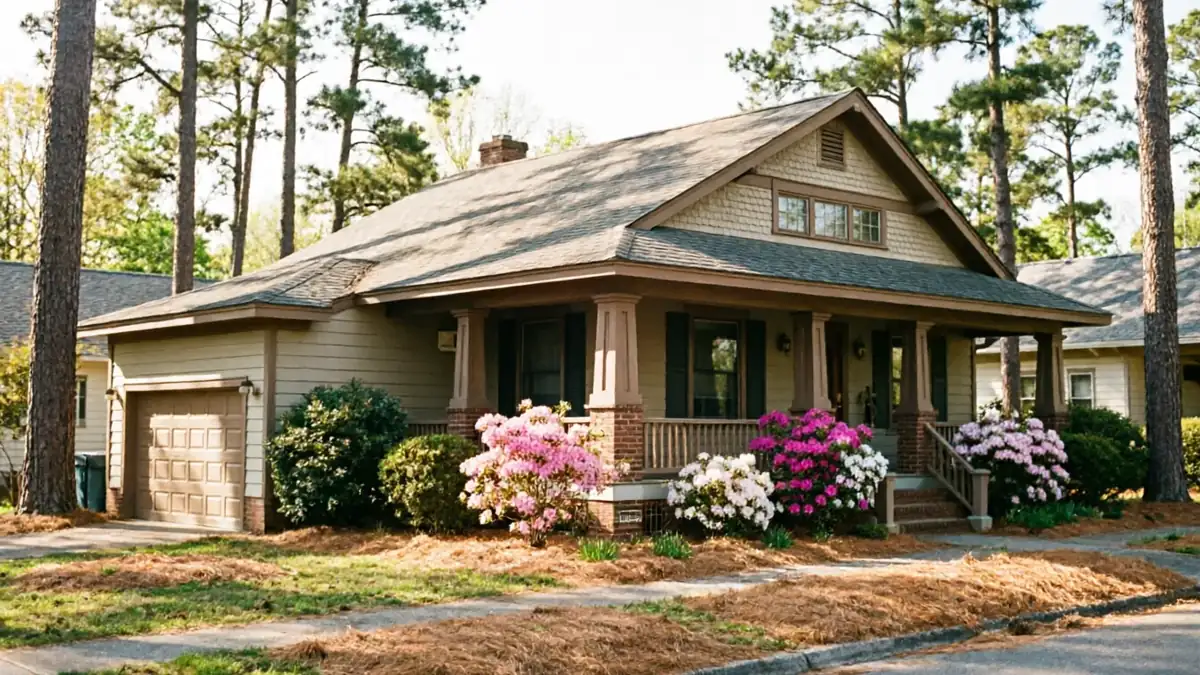
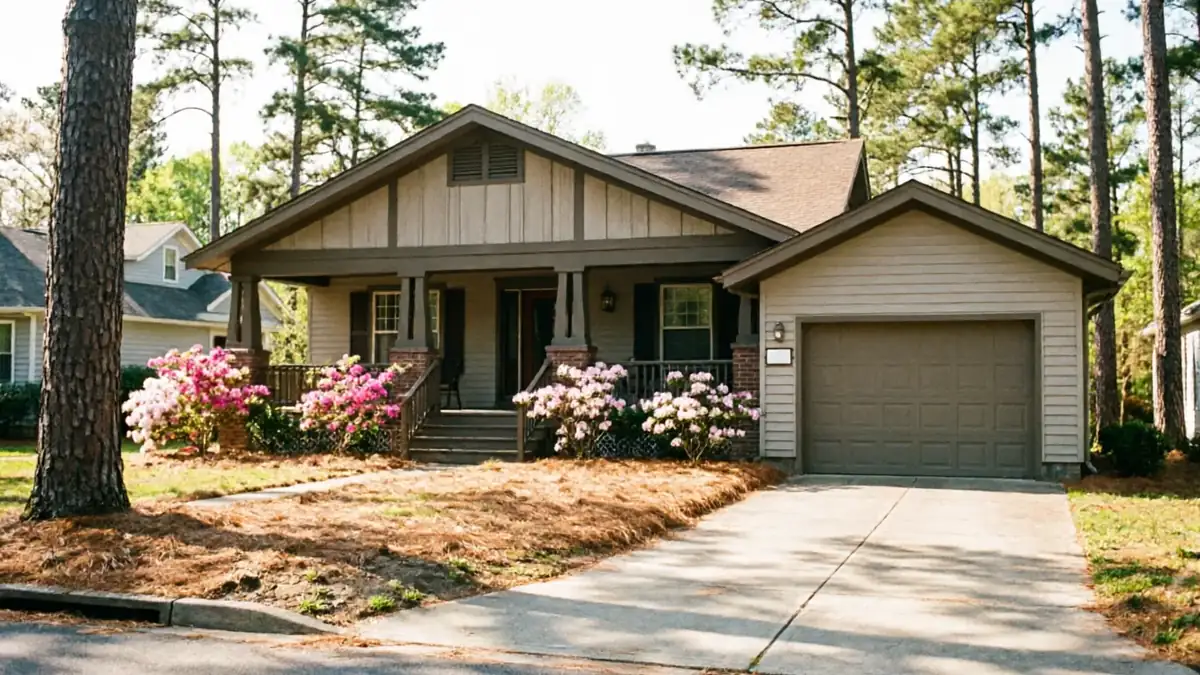
Most of West Columbia's housing stock went up around 1974
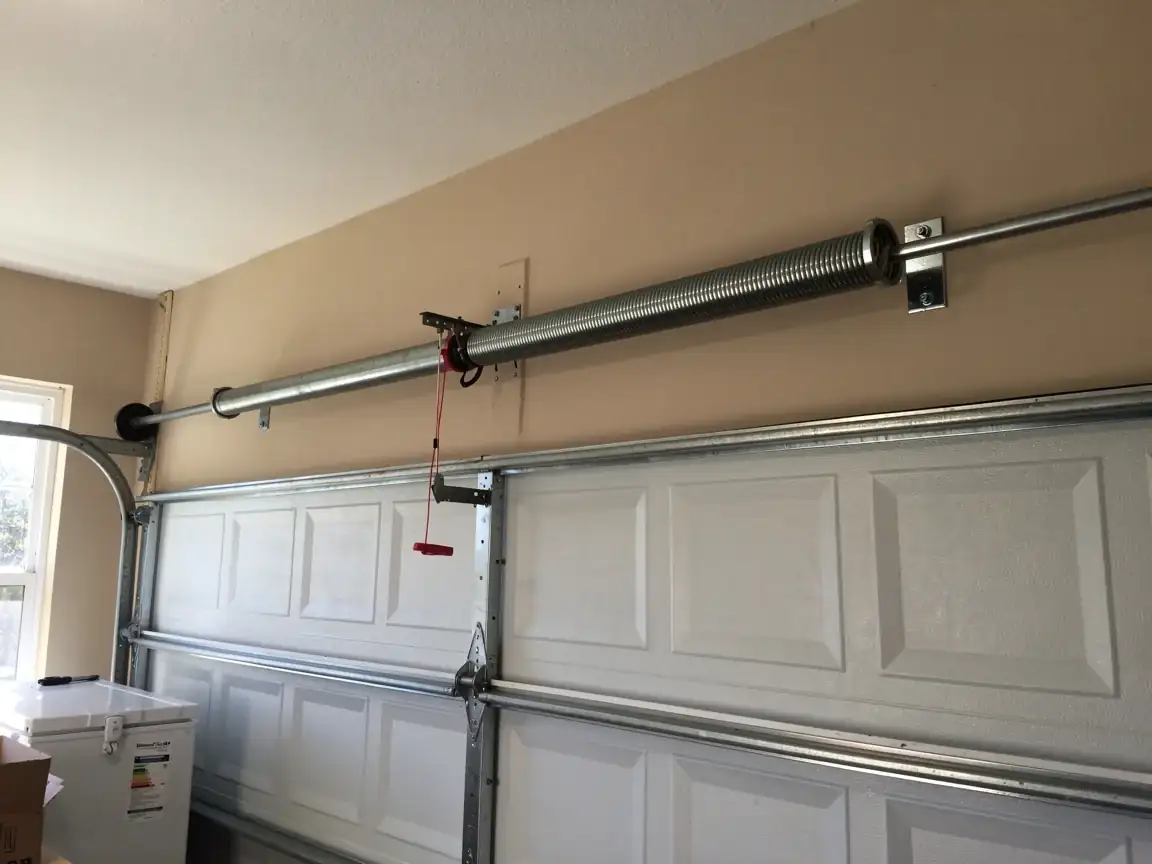
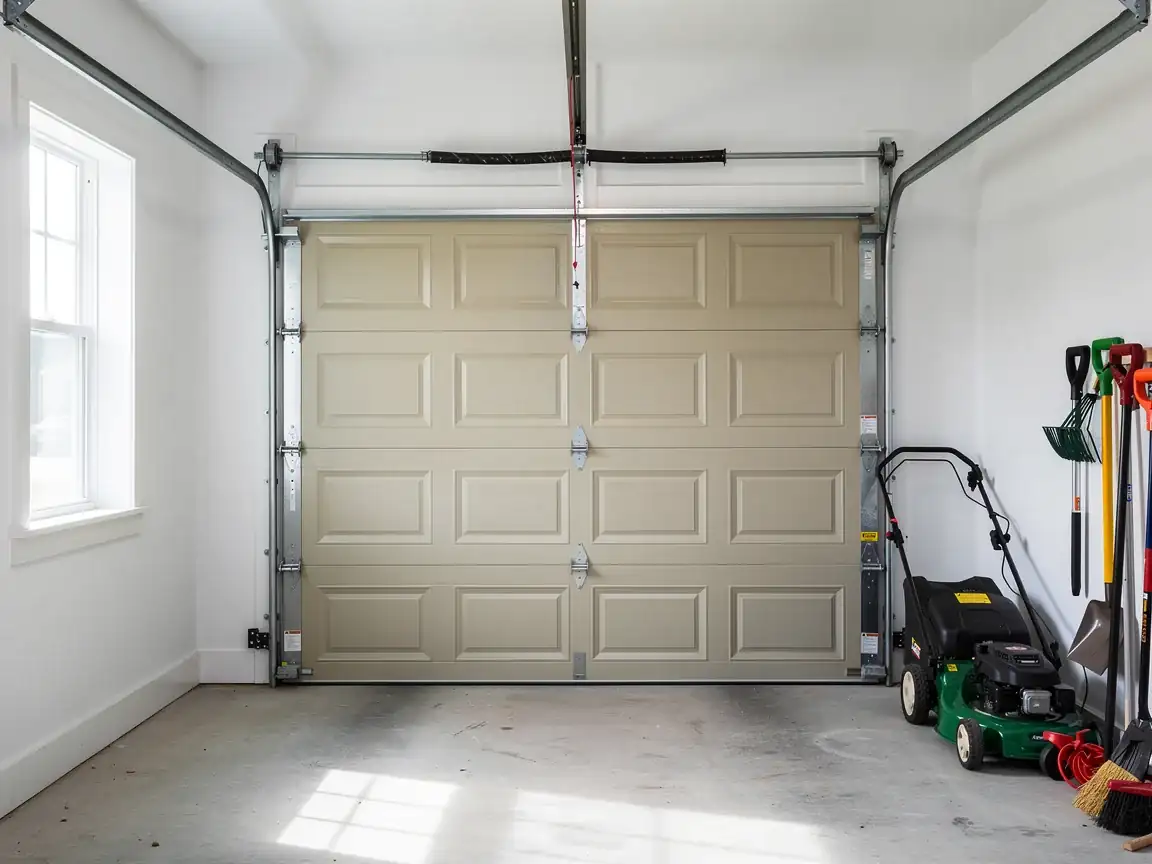
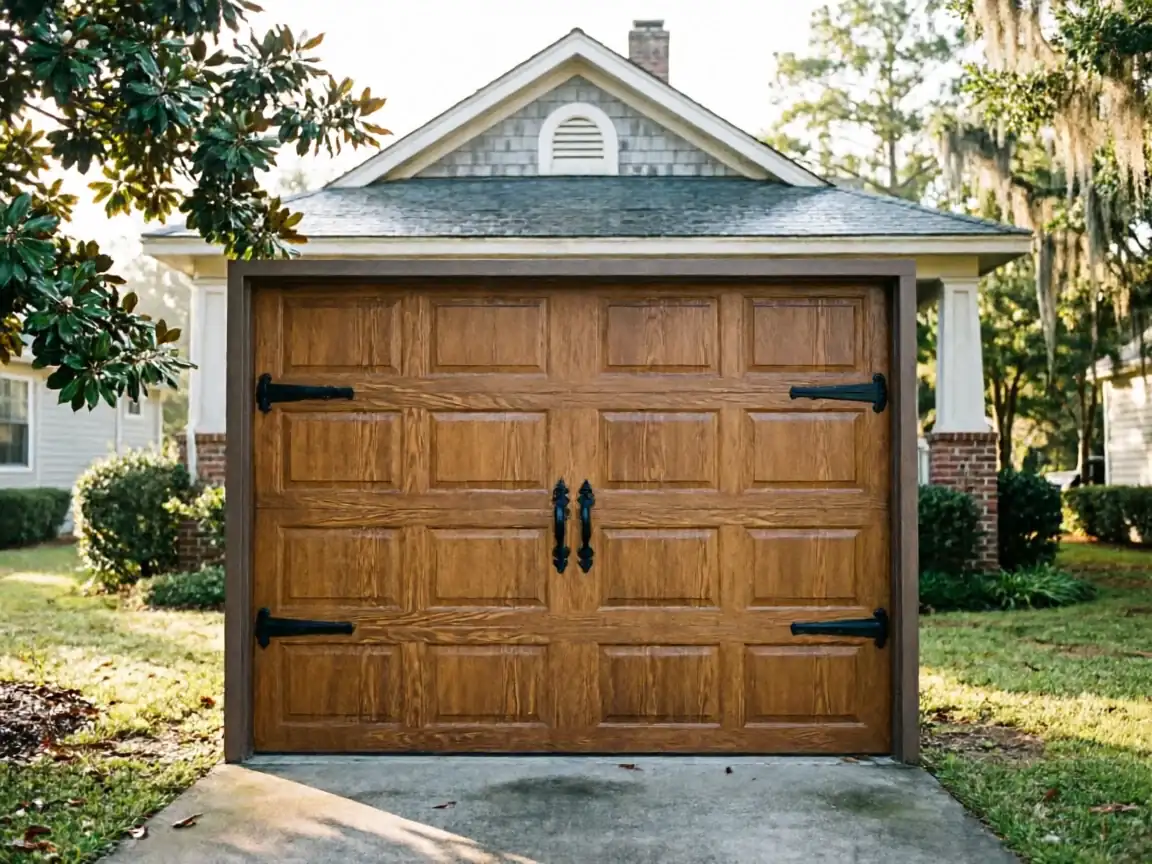
A bit earlier than the median of 1979 you'll find across the rest of the areas we cover. That five-year gap matters more than it sounds. A house built in 1974 was almost certainly fitted with the garage door hardware standard to that decade: steel sectional doors, often paired with extension springs rather than torsion springs, and track hung on brackets that have had fifty years to loosen.
With 8,267 households in West Columbia, that's a real number of garages still running original or near-original gear
Add in the area's cold-moderate winters and you get steel panels that contract and expand enough, year over year, to work screws loose and crack old paint seals at the seams. None of this is dramatic - it's just what happens to hardware that's been doing its job since before most of today's openers existed.
- 8,267 households
How That Shows Up in the Door
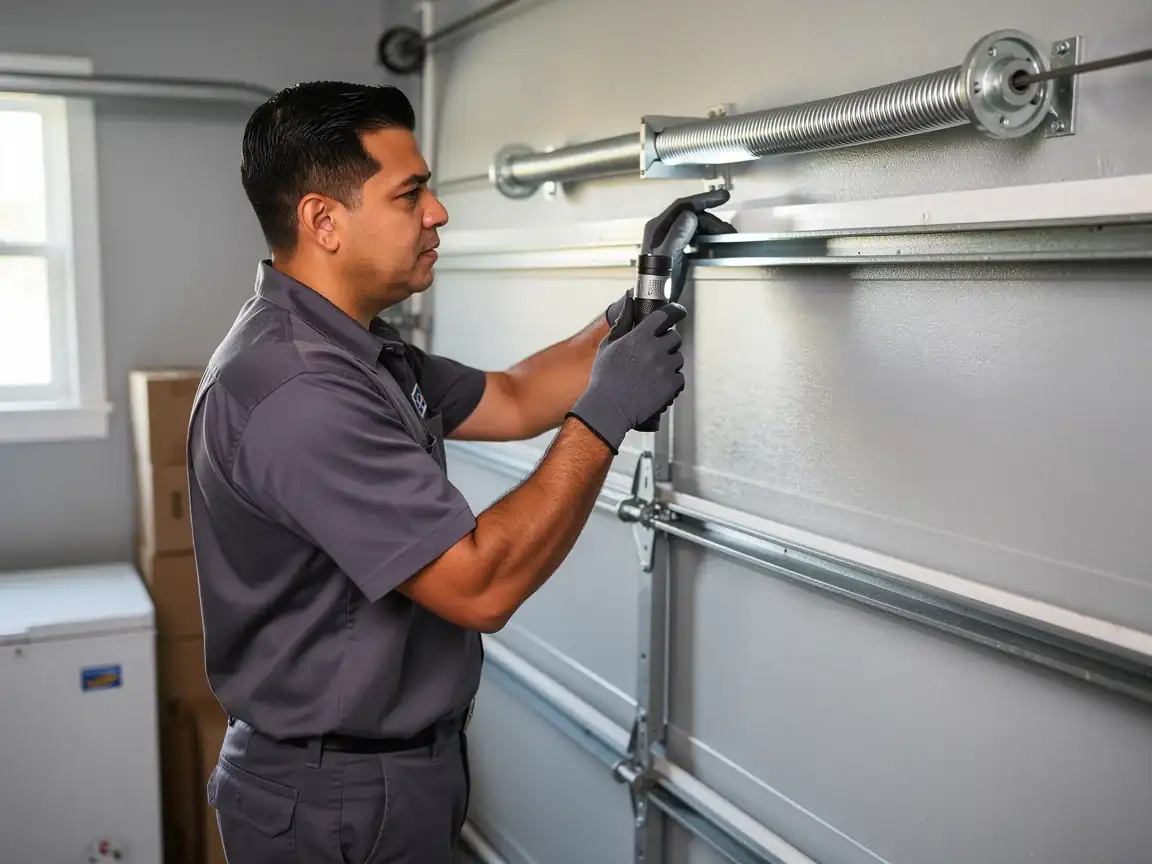
Extension springs from that era rarely came with a safety cable running through the coil. When one of those breaks, the spring itself can whip loose instead of staying contained - which is a different, more dangerous failure than what you get with a torsion spring letting go on its shaft. We see this pattern more in West Columbia than in some of the newer-built pockets of the service area, simply because of when the housing went in.
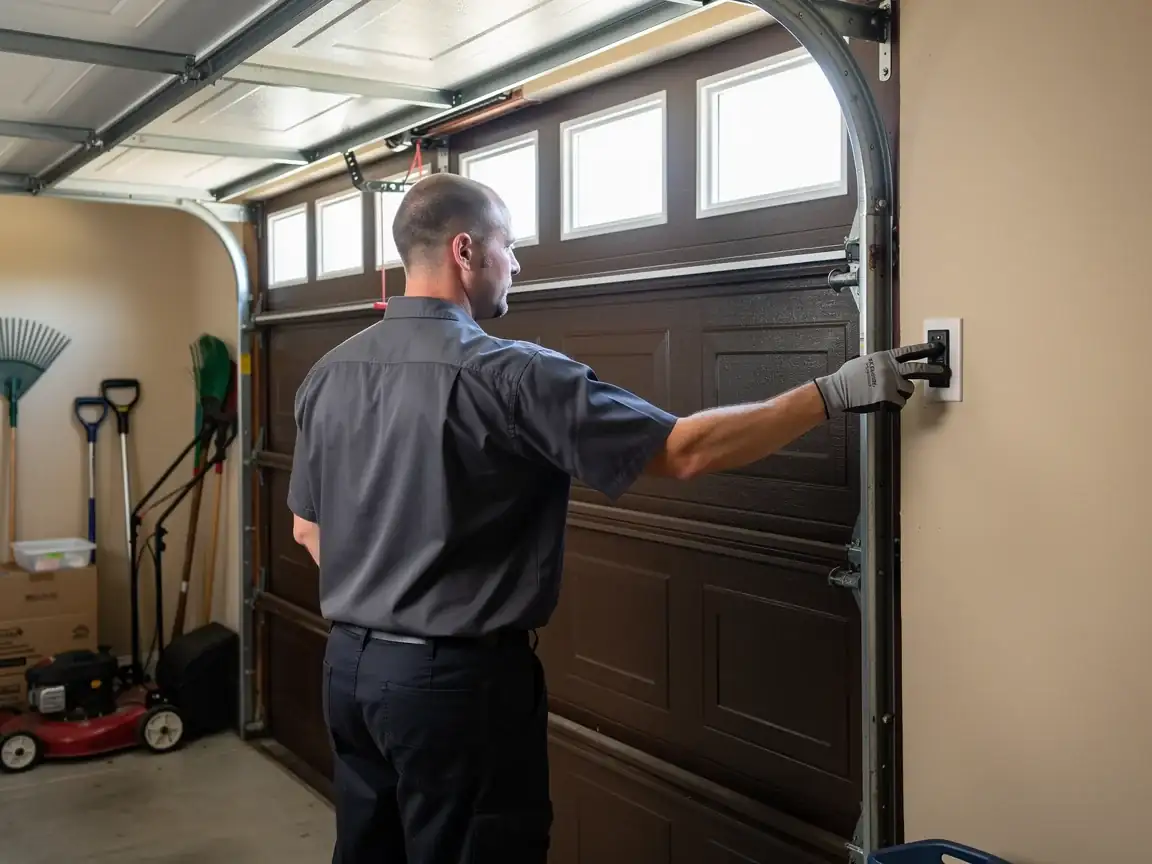
Track misalignment is the other recurring issue. Decades of minor settling, combined with rollers that were never upgraded from the original steel ones, means doors that bind partway up or come off the rail entirely on one side. Openers from any era bolted to that kind of track will trip their force sensors constantly, and a lot of callers assume the opener is broken when the track is the actual problem.
What People Here Ring About
The calls we get from West Columbia split pretty evenly between three things: a spring that's let go (usually extension-style, usually with no warning), an opener that runs but won't lift the door past a foot or two, and a door that's come off its track on one side. All three trace back to hardware that's older than the national average for openers and torsion setups.
Median household income here runs $54,152, below the $60,408 median across the wider area, and it shows in the calls - more homeowners here ask us to repair a spring or a section rather than replace the whole door outright, and for a lot of these houses that's the right call. A new torsion conversion on an otherwise sound 1970s door often costs less than people expect and solves the extension-spring safety issue for good.
What We Will Not Take On
We don't do structural carpentry
If the jamb or header around the door opening has rotted or shifted enough that the door won't hang square no matter what hardware you put on it, that's a job for a contractor before we touch the door itself. We'll tell you straight if that's what we're looking at.
We also don't keep a depot in West Columbia
We run out from Columbia, about 12 miles up the road, so we're not the people to call for an emergency where minutes matter more than doing the job right. And on older steel doors from the 1970s, some original parts - specific panel sections, certain track brackets - aren't made anymore. When that happens we'll tell you what we can source and what we can't, rather than quoting a repair we can't actually deliver.
- 12 miles