What You Are Seeing
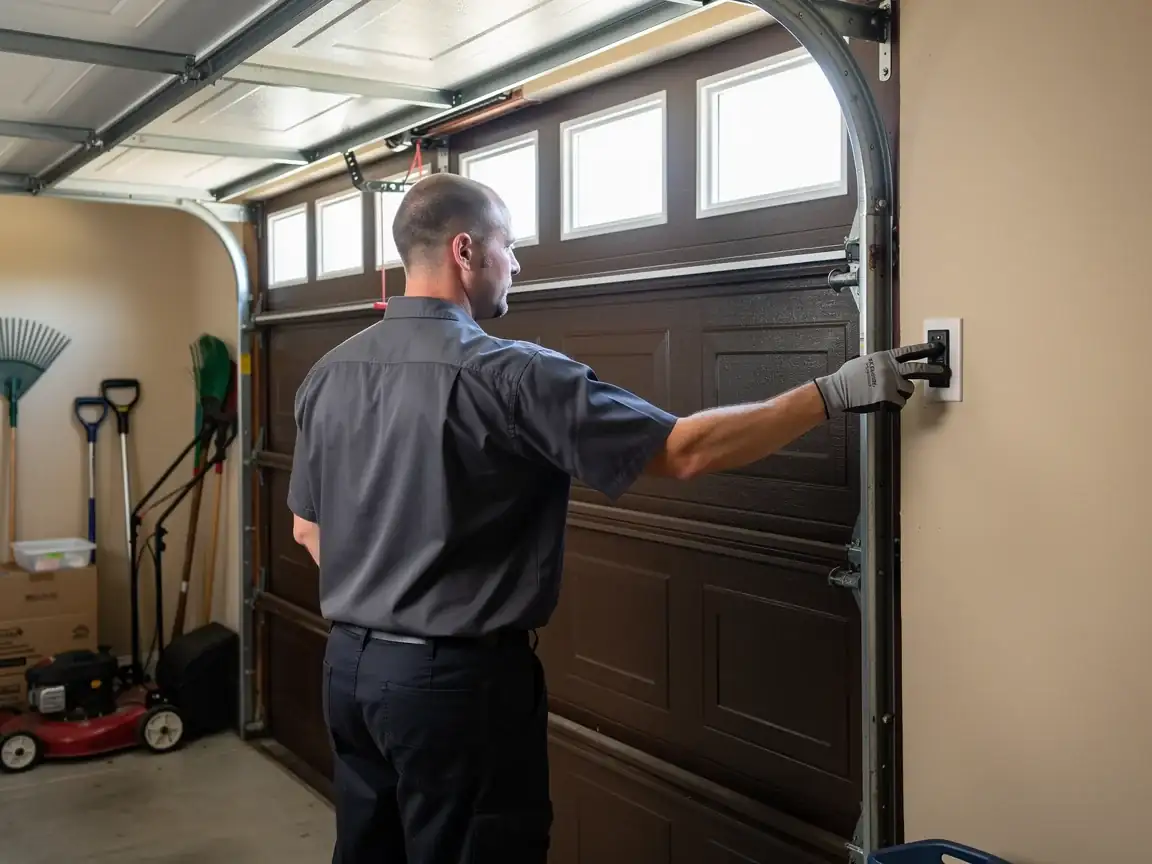
The opener quits mid-cycle, reverses for no reason, or the light flashes without the door moving
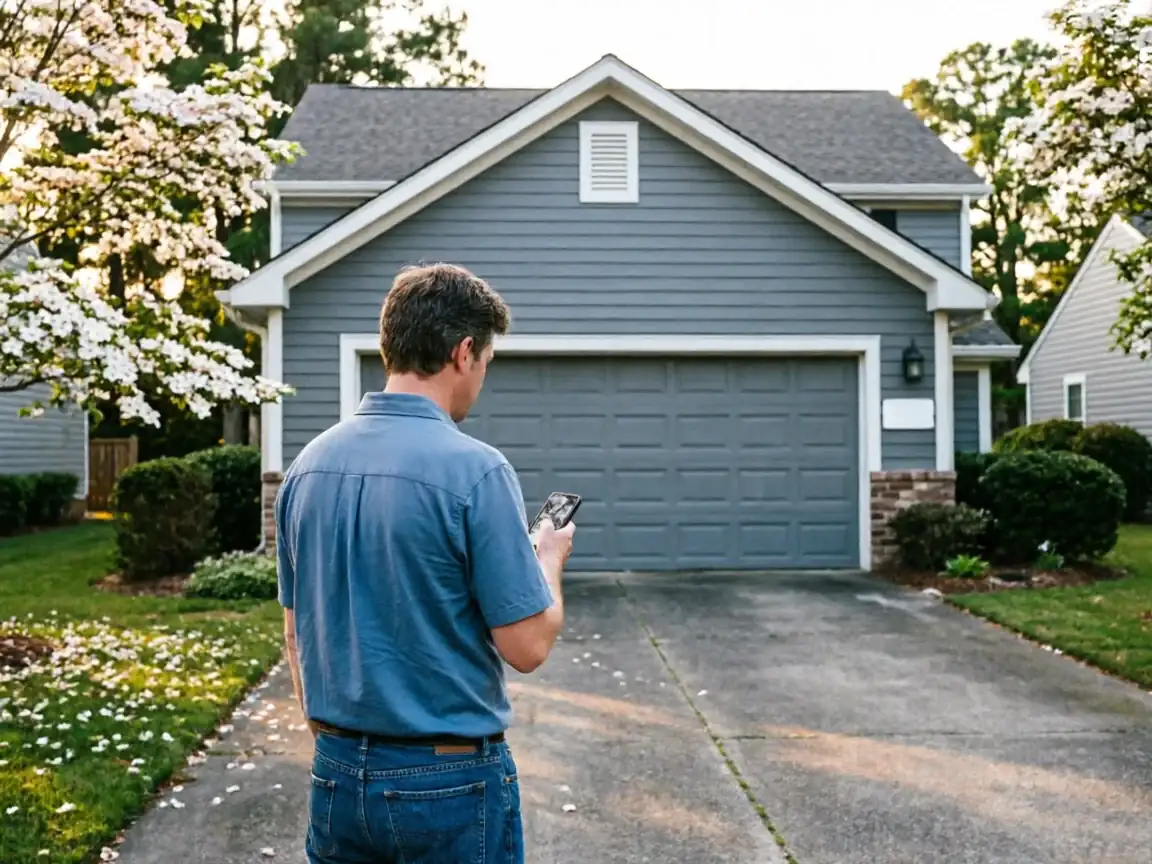
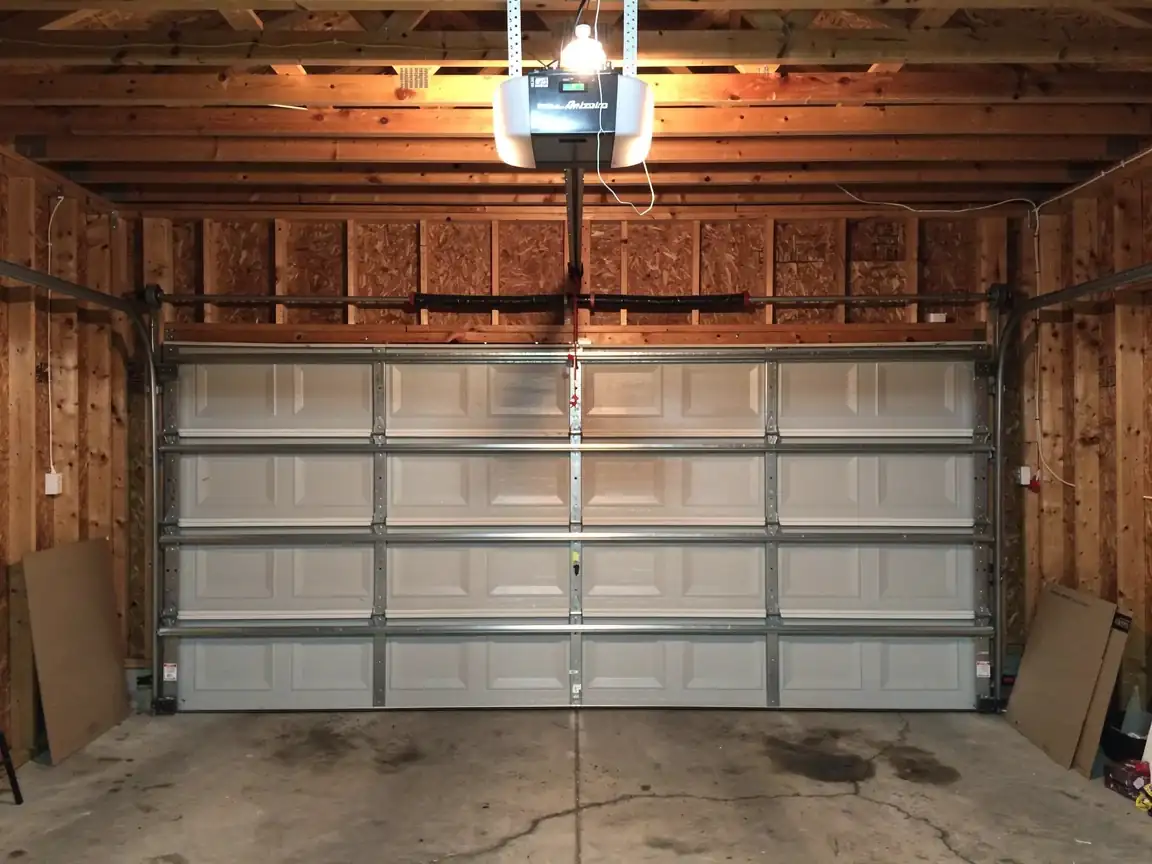
In West Columbia, where the median house went up in 1974, the pattern is predictable: a chain-drive unit from a prior replacement cycle, wired straight to a switch with no safety reversal sensor because the house predates the federal rule that made those sensors standard. The motor housing is often the second or third one bolted to that same header since the house was framed.
That 1974 median matters more than it sounds
Across the wider Columbia area the typical build year runs closer to 1979 (per regional housing data), and the difference shows up in the wiring gauge and the bracket spacing contractors used at the time. An opener sized for a lightweight 1970s panel will strain and burn out early if it's ever paired with a heavier insulated door. The cold-moderate climate here also means the grease in an old gear-drive unit stiffens every winter, which is usually what finally kills a motor that was already weak.
How We Fix It
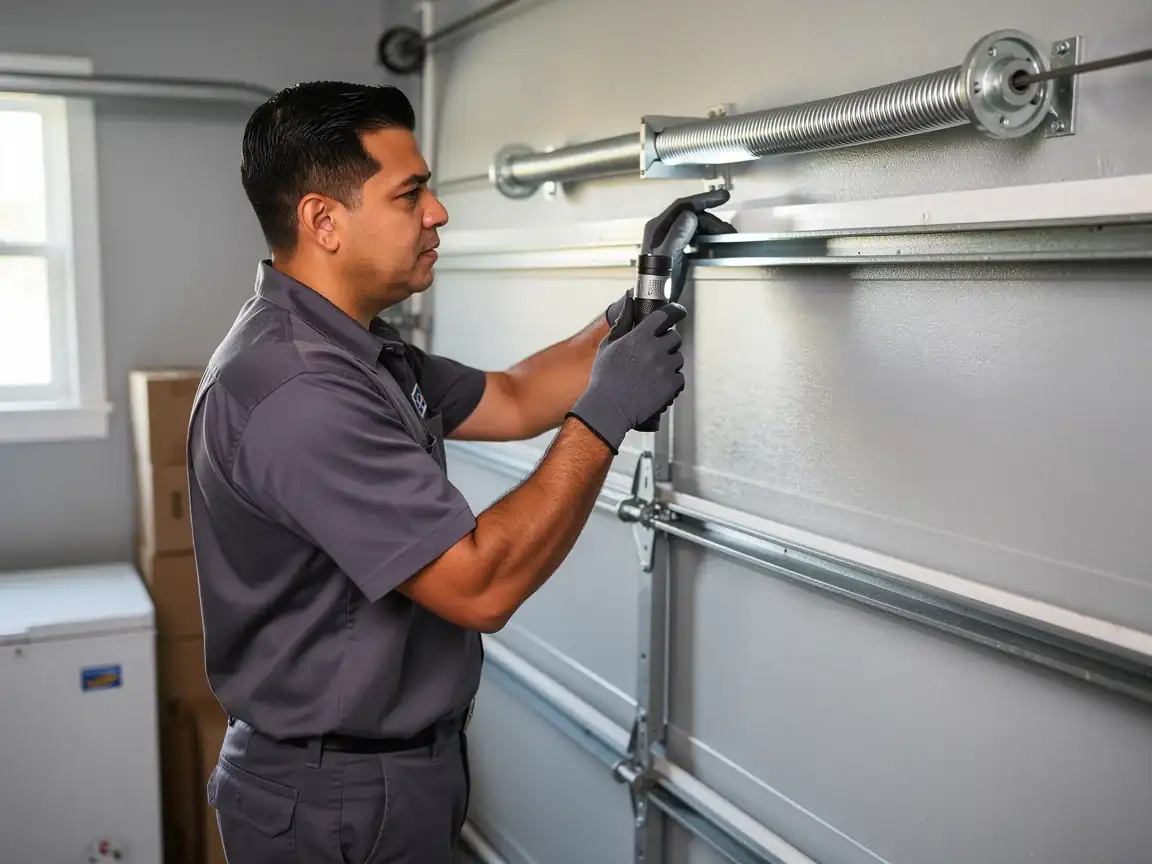
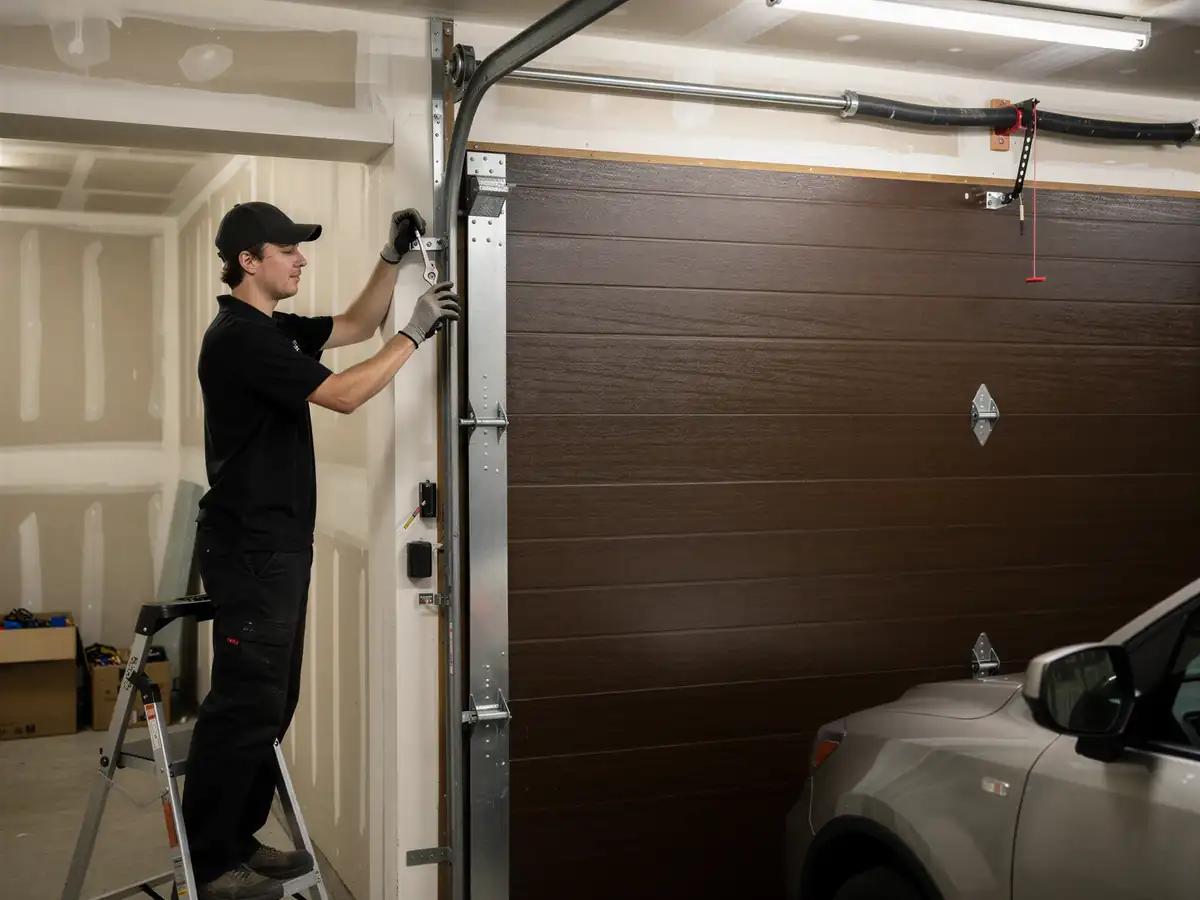
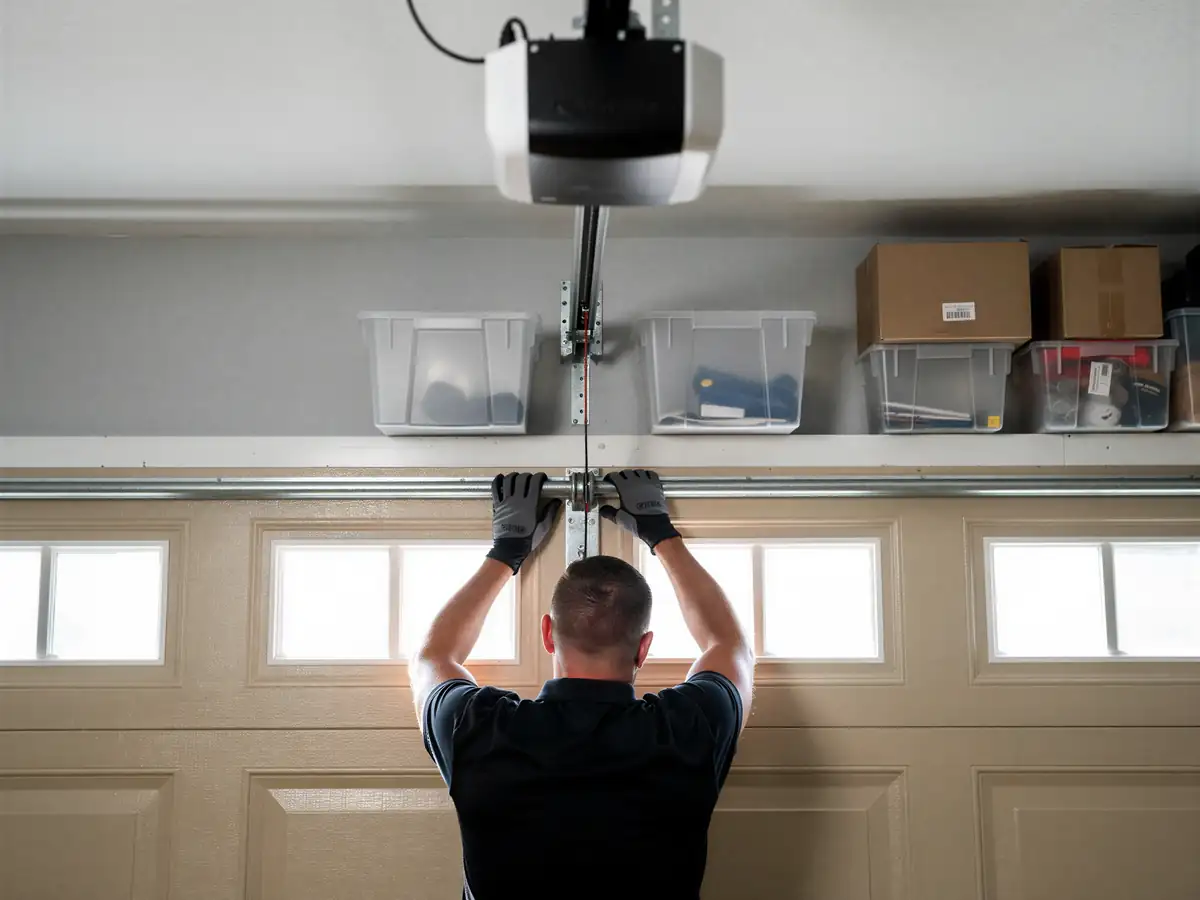
We pull the old unit, check the header and brackets for rot or stripped screws (common on houses this age), and mount a new opener rated for the door's actual weight rather than whatever came stock in the 1970s. Every install gets photo-eye safety sensors wired and aimed correctly, since a lot of the openers we remove in this part of the service area never had them to begin with.
We also check the circuit the opener runs on. Houses built around 1974 often share that outlet with something else on the same breaker, which trips the unit under load. If the wiring doesn't meet current code, we'll say so before we hang anything, not after the warranty question comes up.
How to Book
We run this job out of Columbia, about 12 miles from West Columbia, and schedule it the same way we schedule any opener swap in the service area. Start at our West Columbia service page to see what else we handle on this side of the river, or go straight to the opener installation details for the Columbia area for brand and horsepower specifics. Tell us the door's age and whether the opener is chain, belt, or screw drive, and we'll bring the right hardware the first time instead of making a second trip.
Why It Happens Here
West Columbia's housing clusters tightly around 1974, inside the broader 1965-to-2010 build window for the region. That means a large share of garages in this suburb are still running original or first-replacement hardware, since a 50-year-old header has usually only been touched once or twice. With roughly 8,267 households in this suburb, that's a lot of openers aging out at the same time rather than on a staggered schedule.
The area's median household income, around $54,152, runs below the wider region's figure, and we see that show up as deferred maintenance - people running a dying opener until it fails completely rather than replacing it early. The cold-moderate climate doesn't help; a motor already weakened by age works harder every winter morning, and that's usually the push that finishes it off.
Can You Do This Yourself
Mounting the opener itself isn't the hard part - wiring the safety sensors correctly and getting the travel limits set so the door doesn't crush something or bounce back open is where people get hurt or burn out a brand-new unit in a month. If your house still has the original chain-drive opener from the 1970s, there's a decent chance the wiring behind it isn't up to current code, and that's not a job to learn on your own breaker panel.
Our honest limit: we don't do structural header repair if the wood's rotted through. We'll install the opener, but if the framing can't hold the bracket, that's a carpentry job first, and we'll tell you so rather than bolt a new motor to bad wood.