How We Fix It
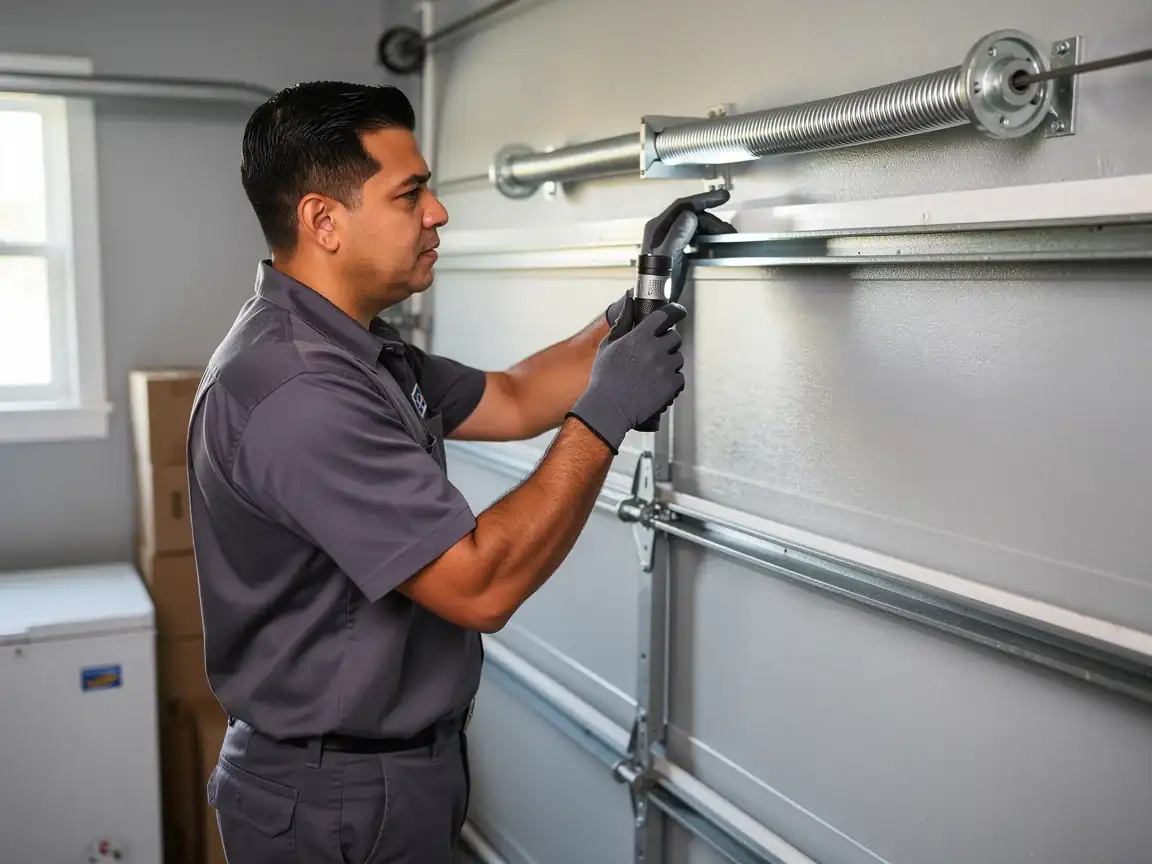
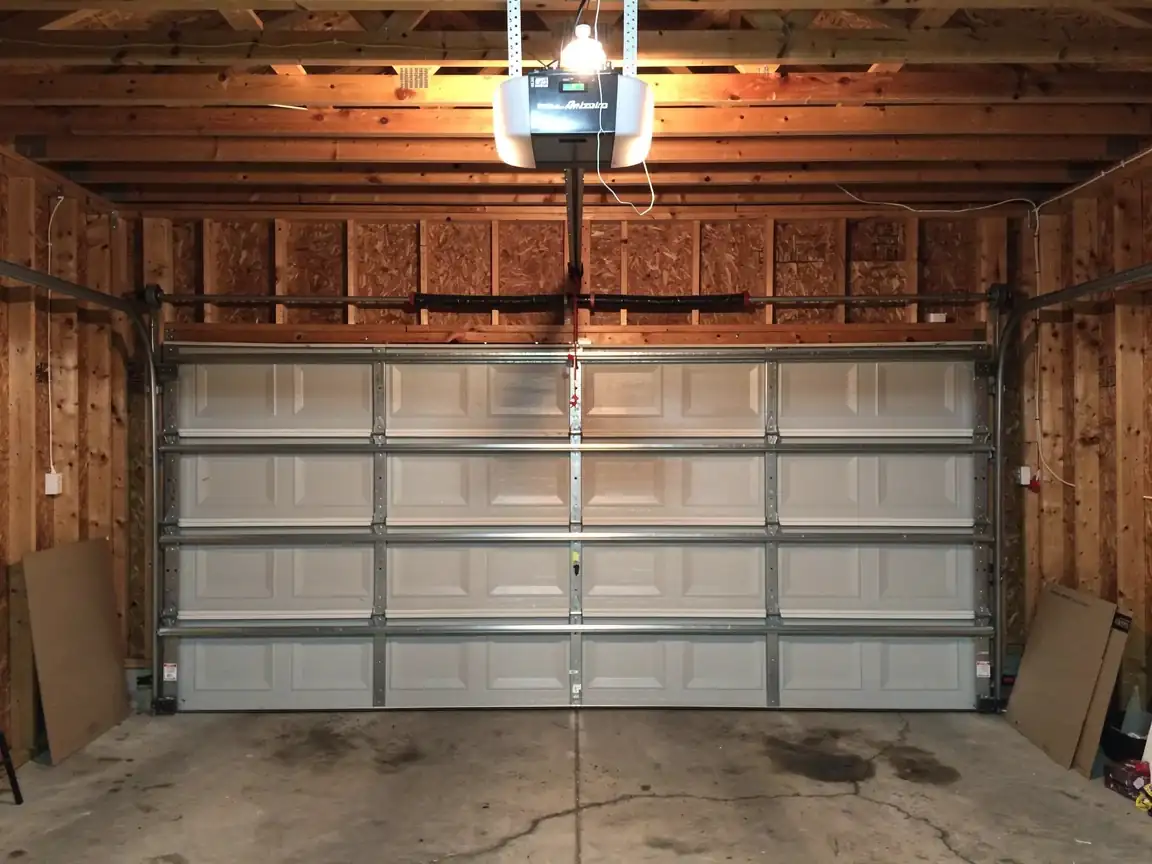
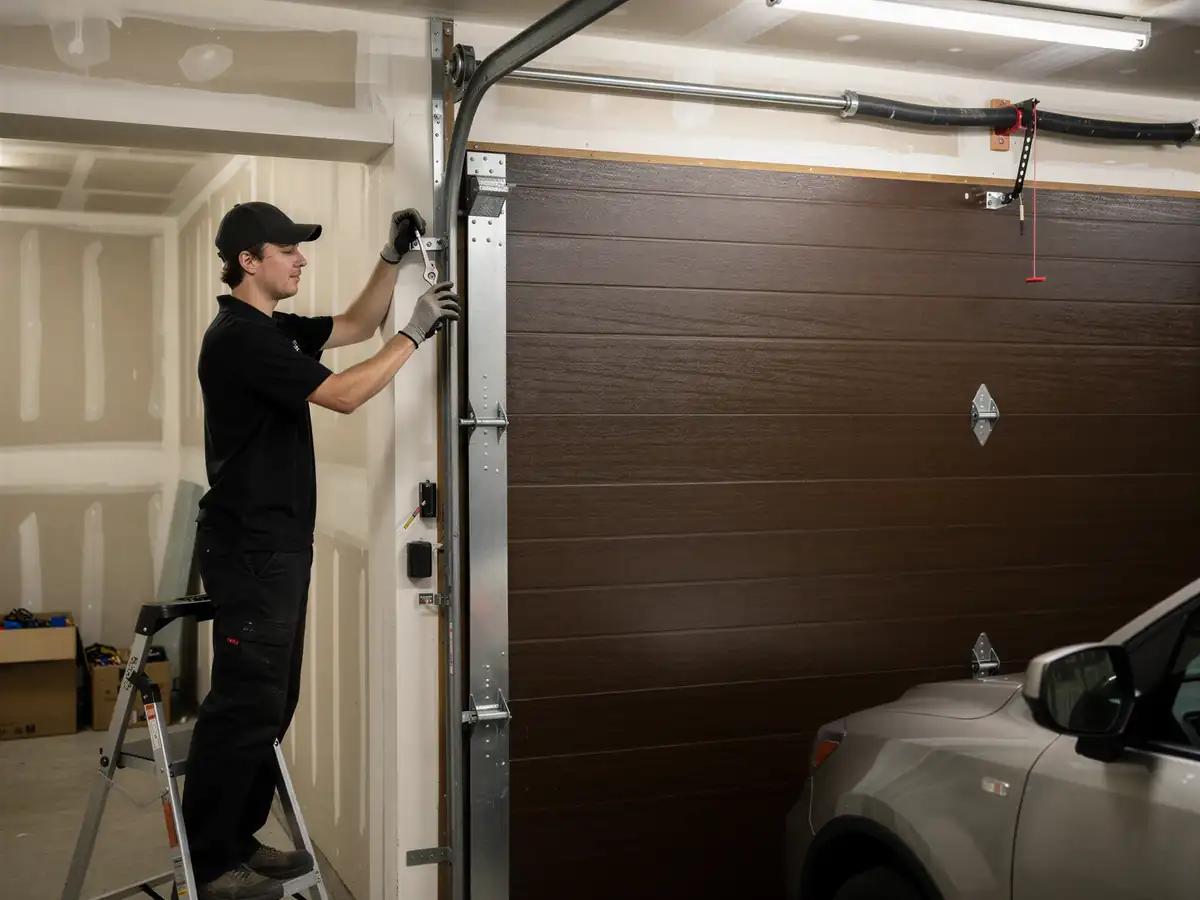
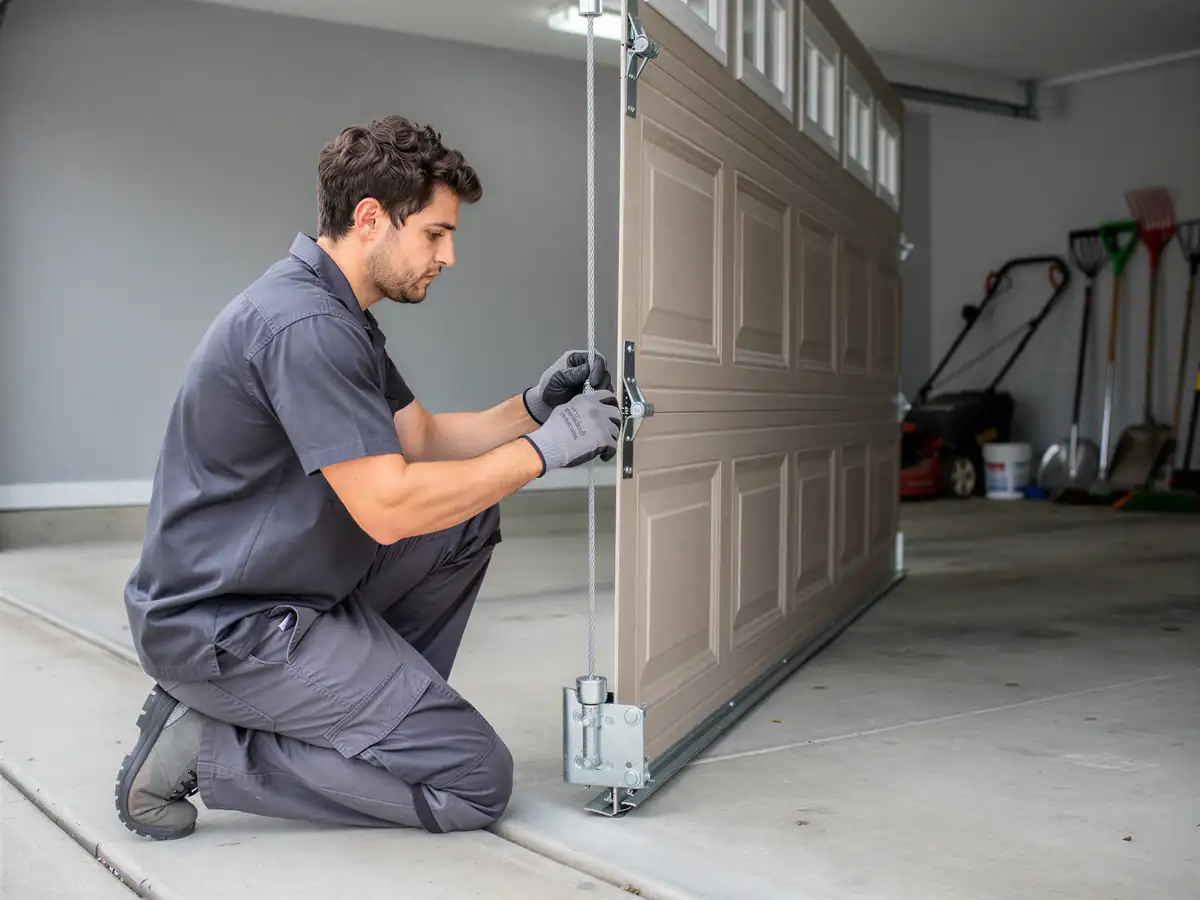
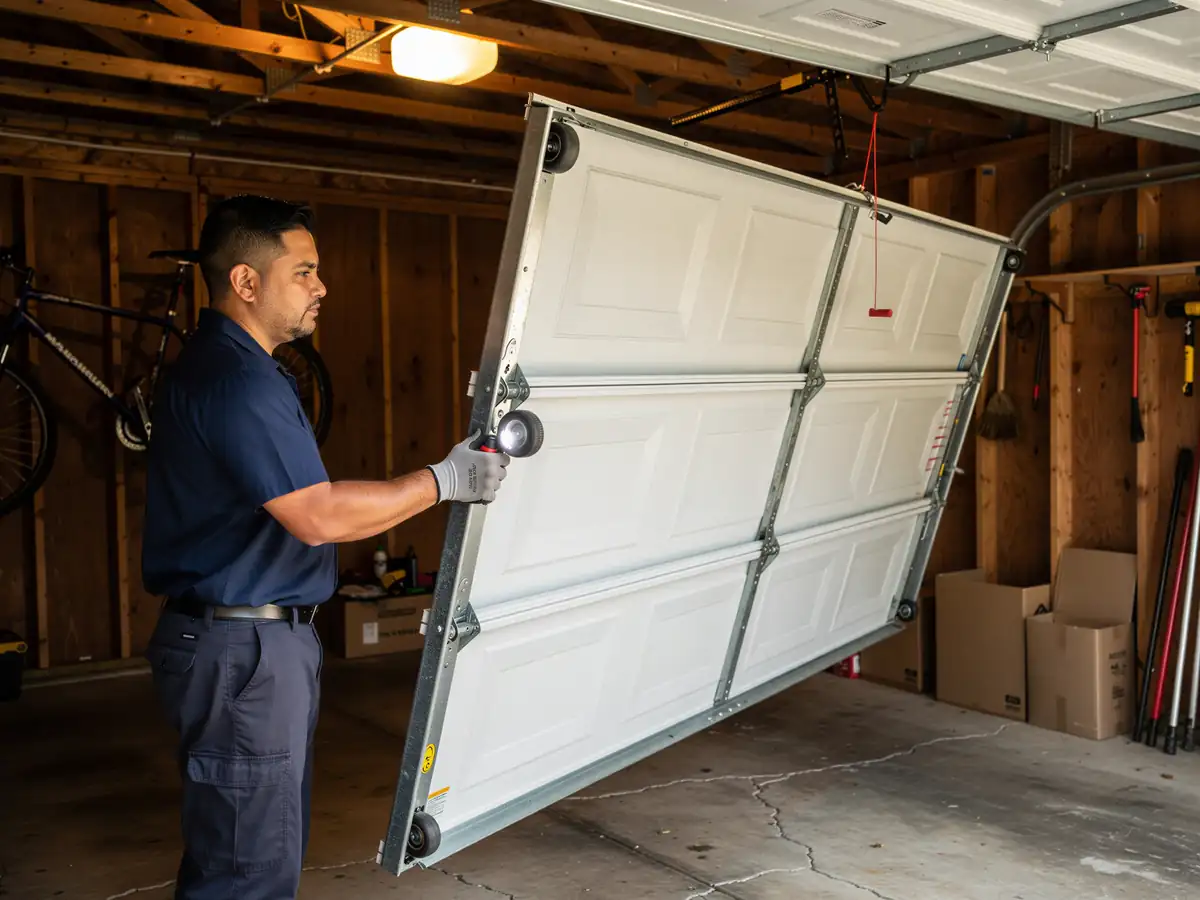
We start by pulling the model and gauge off the existing panel, not the whole door, since late-model replacement doors won't match the roll-form profile from a 1974 build. If the manufacturer still runs that profile, we order a matched panel. If they don't, we look at whether the full section can be remade in a compatible gauge, or whether it's time to talk about replacing the whole door instead of chasing discontinued parts section by section. Hinges and rollers from the original install often need new fasteners even when the panel itself is fine, since 50 years of expansion and contraction loosens the mounting holes. We re-square the section against the track before buttoning it back up, because a panel that's slightly out of true will bind the rollers within a season. Insulation gets checked too. A lot of these older doors were never insulated at all, which matters more here than it would somewhere with a milder winter, since this area sits in a cold-moderate climate band and an uninsulated panel section next to insulated ones creates a cold spot that shows up on the next hard freeze.
How to Book
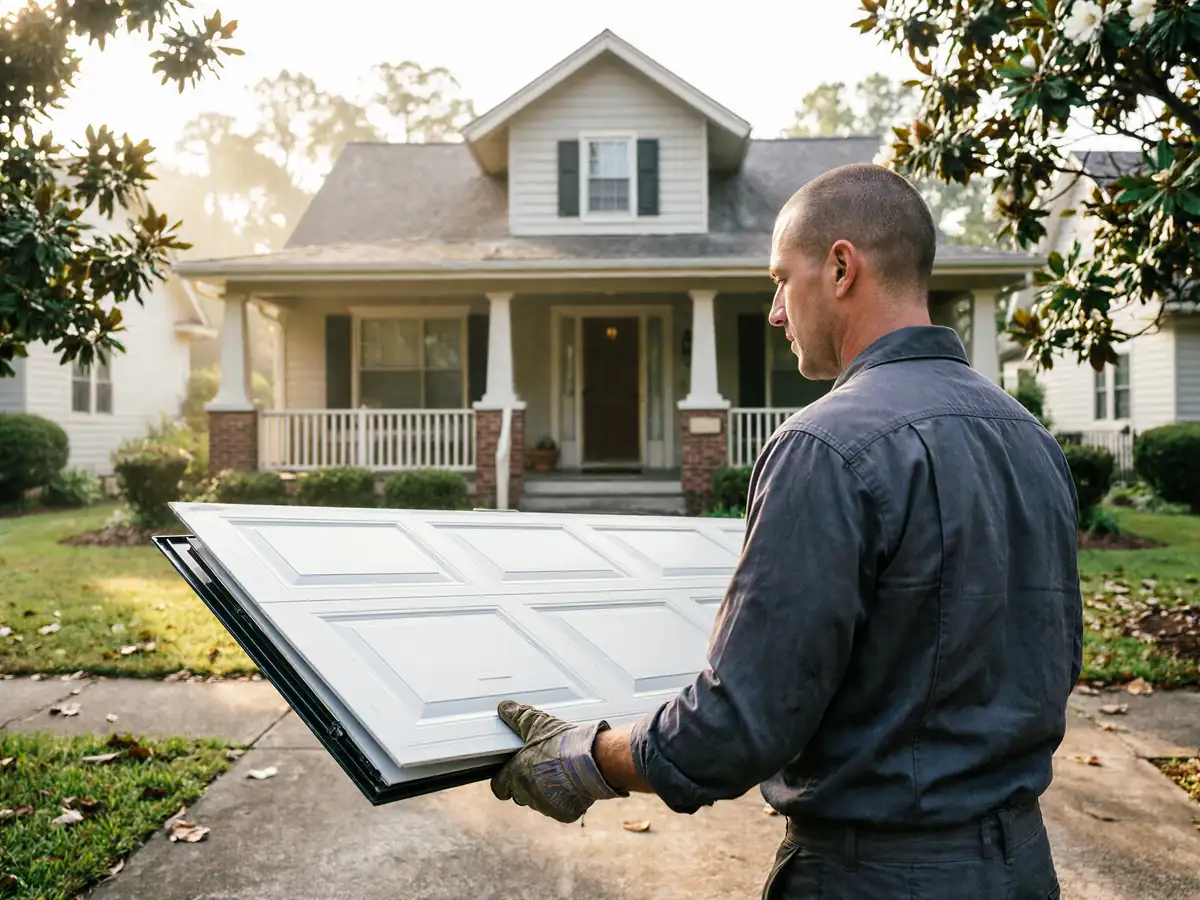
Call or request service through our site and tell us the door's approximate age and which panel is damaged, top, middle, or bottom section. We travel out from Columbia to West Columbia for this work, about 12 miles each way, so we schedule the visit rather than drop in same-day. Bring us the door brand if you can find it stamped on the end stile or track bracket; on houses built when West Columbia saw most of its development, that stamp is sometimes the only way to identify the panel profile before we order. You can book through the West Columbia service page linked below, or go straight to the panel replacement page to see what's involved on the Columbia side of this same job.
Why It Happens Here
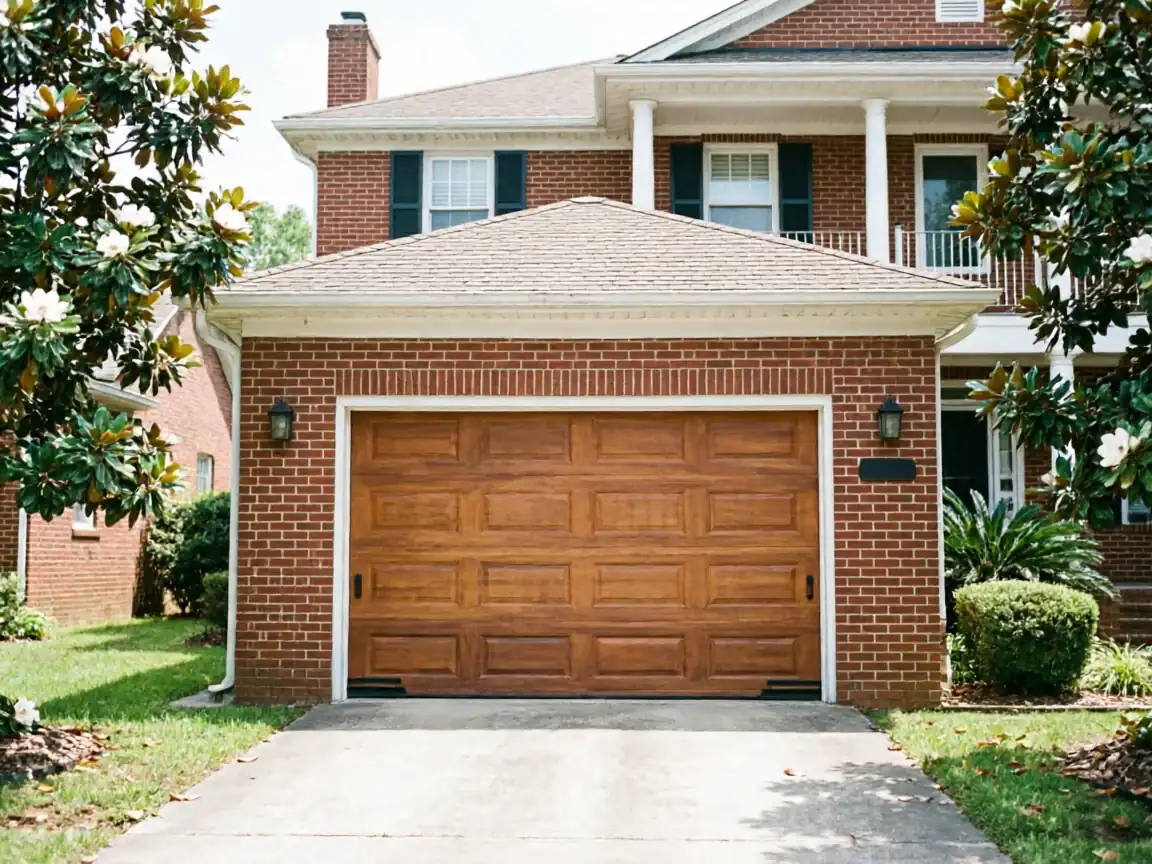
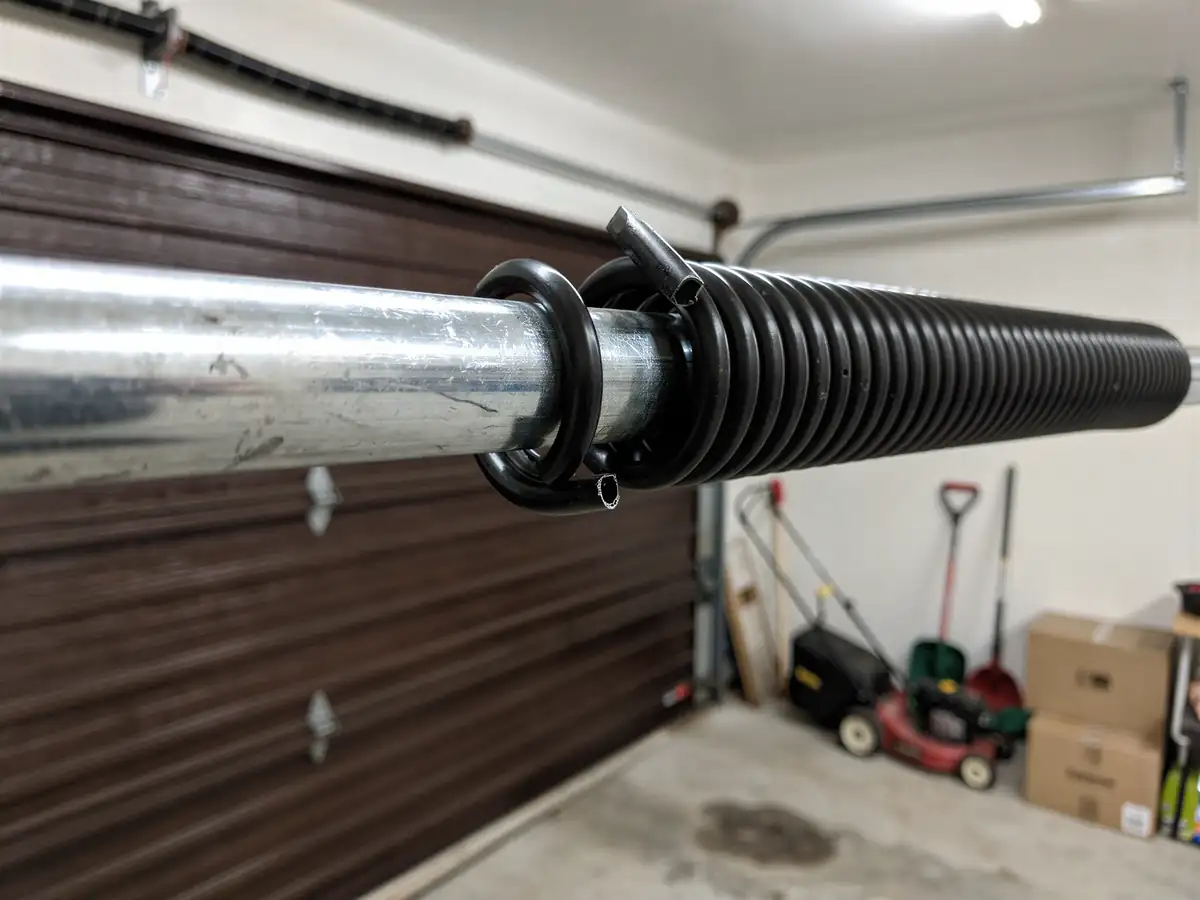
West Columbia's housing stock centers on 1974, putting it squarely in the 1960s-70s band that defines most of the broader Columbia area's 18 named neighborhoods. Doors from that period were built to a different set of panel dimensions and hinge spacing than what ships today, and across 8,267 households here, a large share of those original sections have simply never been touched. Add the area's cold-moderate climate swings, freeze-thaw cycles that loosen seams, humid summers that swell wood-core panels, and you get a specific failure pattern: cracking along panel seams and rust at the bottom edge rather than motor or spring failure, which tends to hit newer installs first.
Can You Do This Yourself
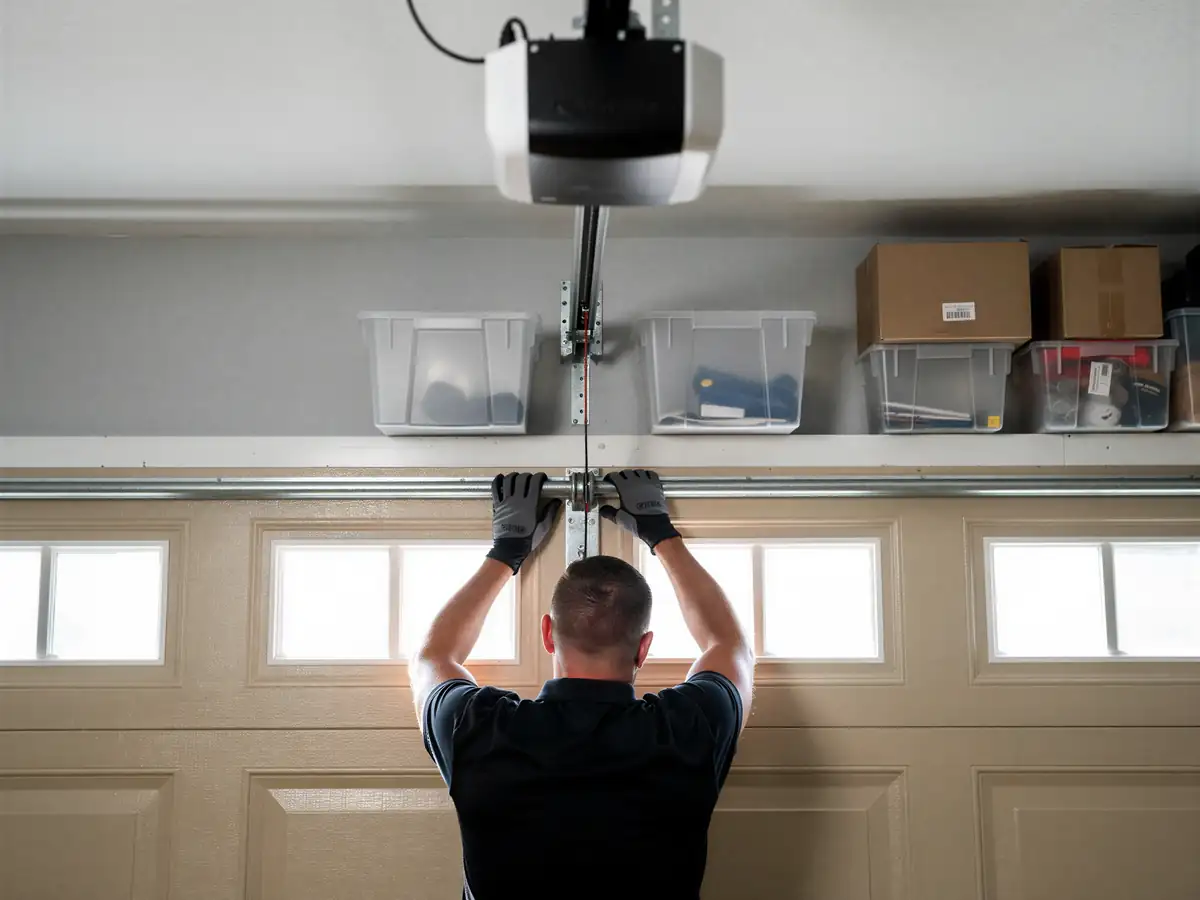
Replacing a single panel section yourself is possible if the door is a current model with parts still in production, but on a house from the 1974 era you're often dealing with a profile nobody stocks at a hardware store, which means ordering blind or settling for a near-match that never sits flush. We won't talk you out of trying if you're comfortable pulling hinges and resetting rollers, but matching gauge and rib pattern on an older panel is where most DIY attempts stall out, and a mismatched section puts uneven stress on the rest of the door. If you get partway in and can't find the part, that's exactly the point to call us rather than force a panel that doesn't fit.