How We Fix It
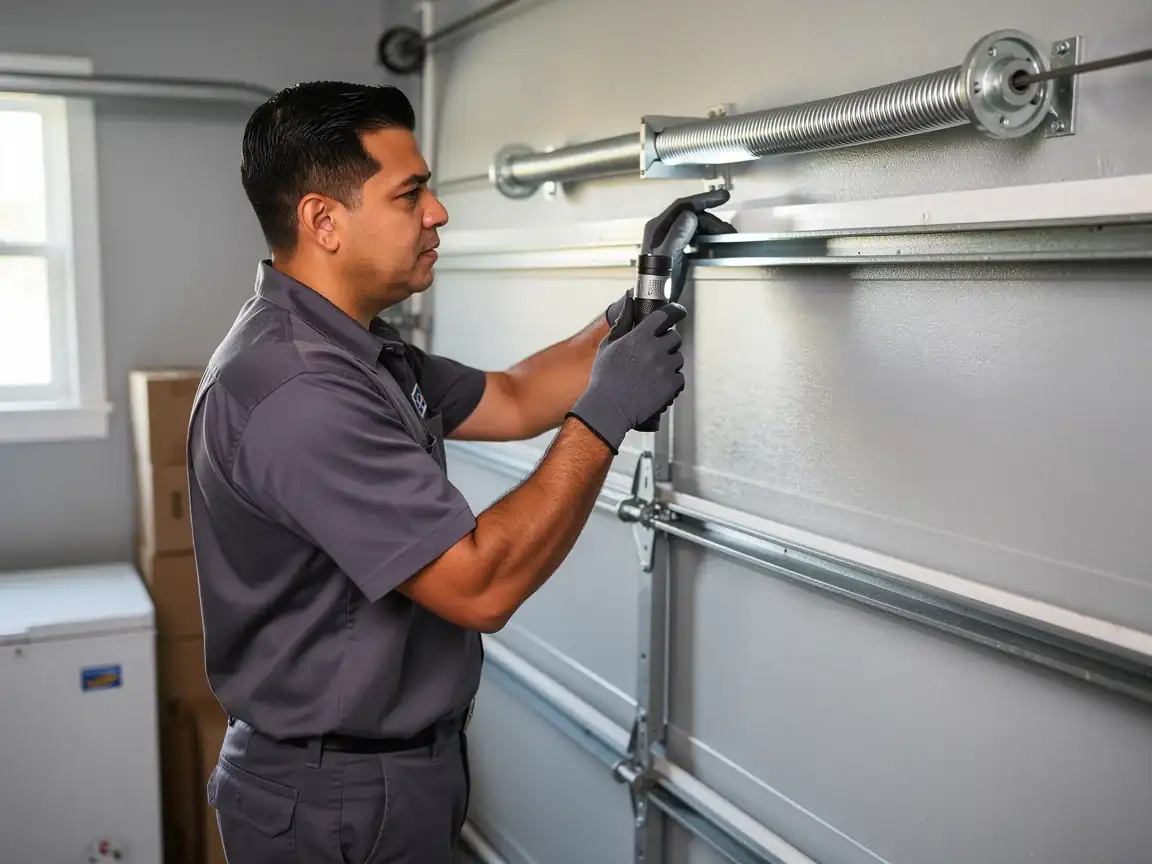
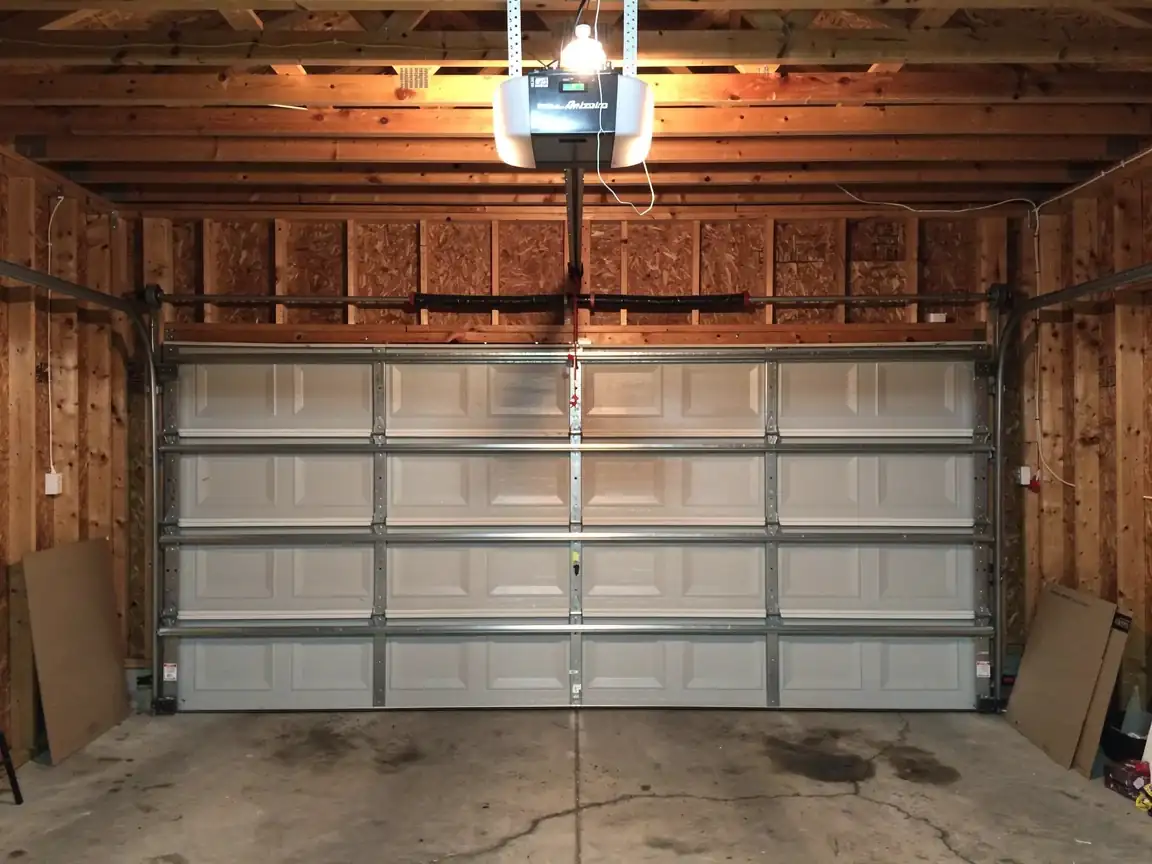
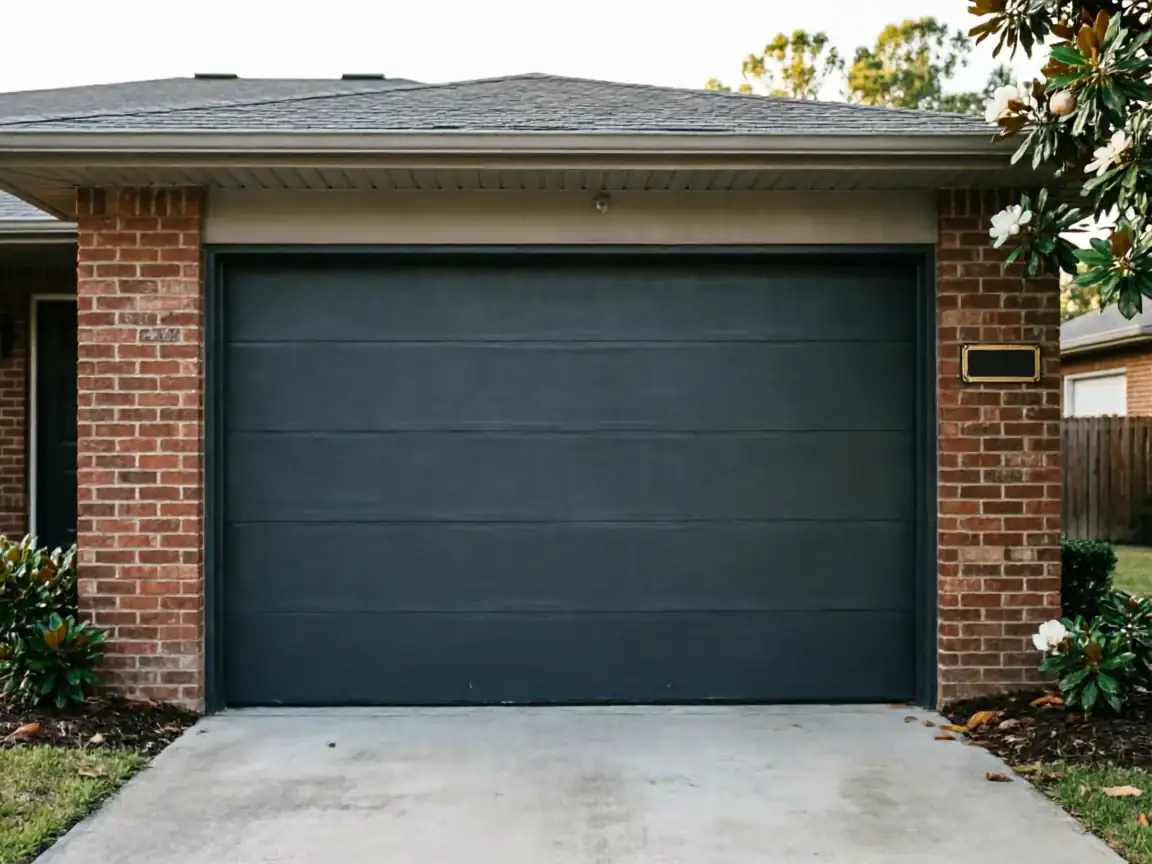
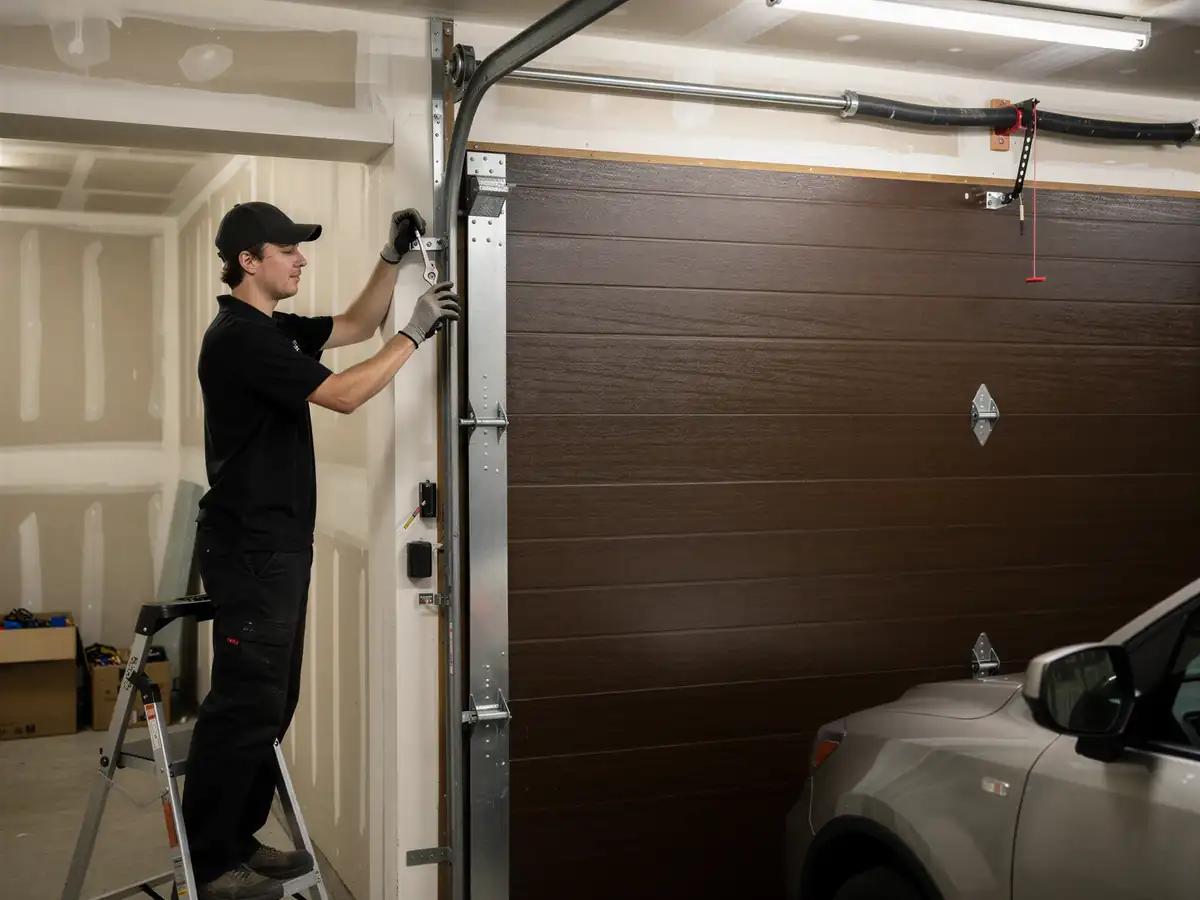
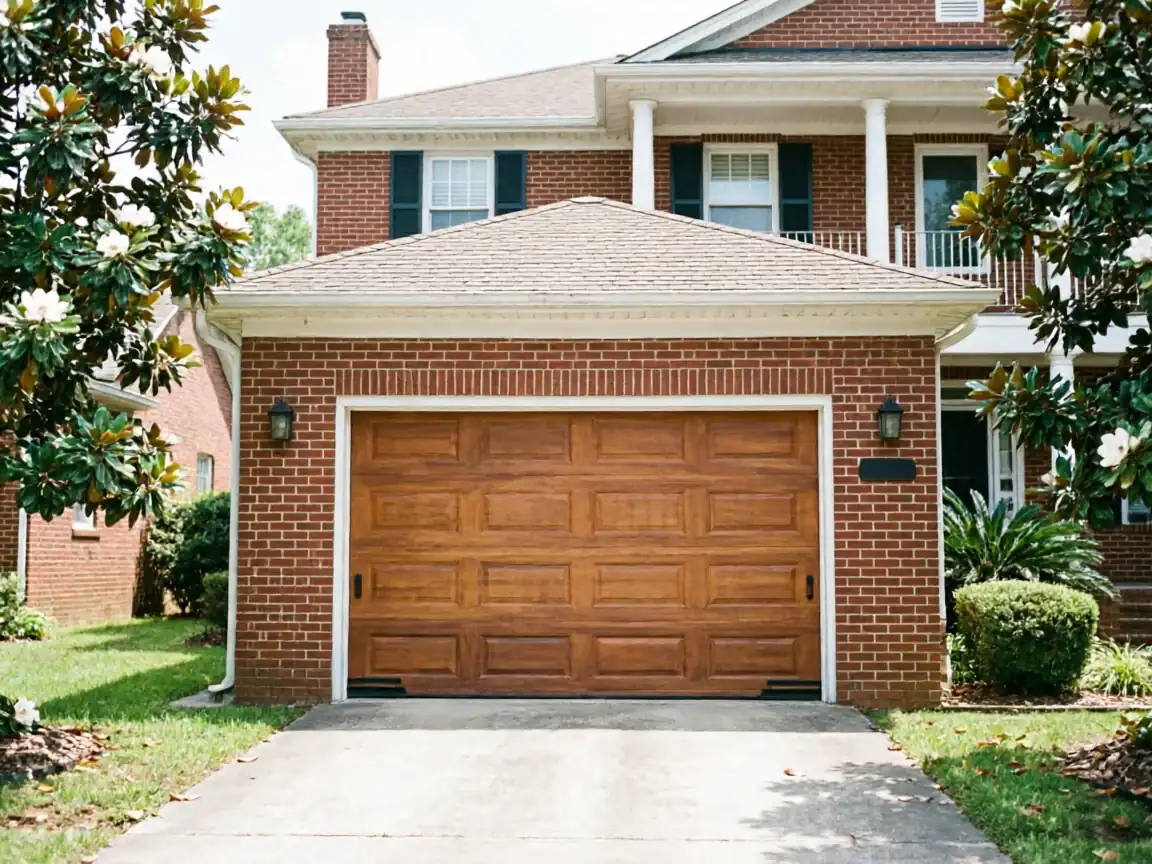
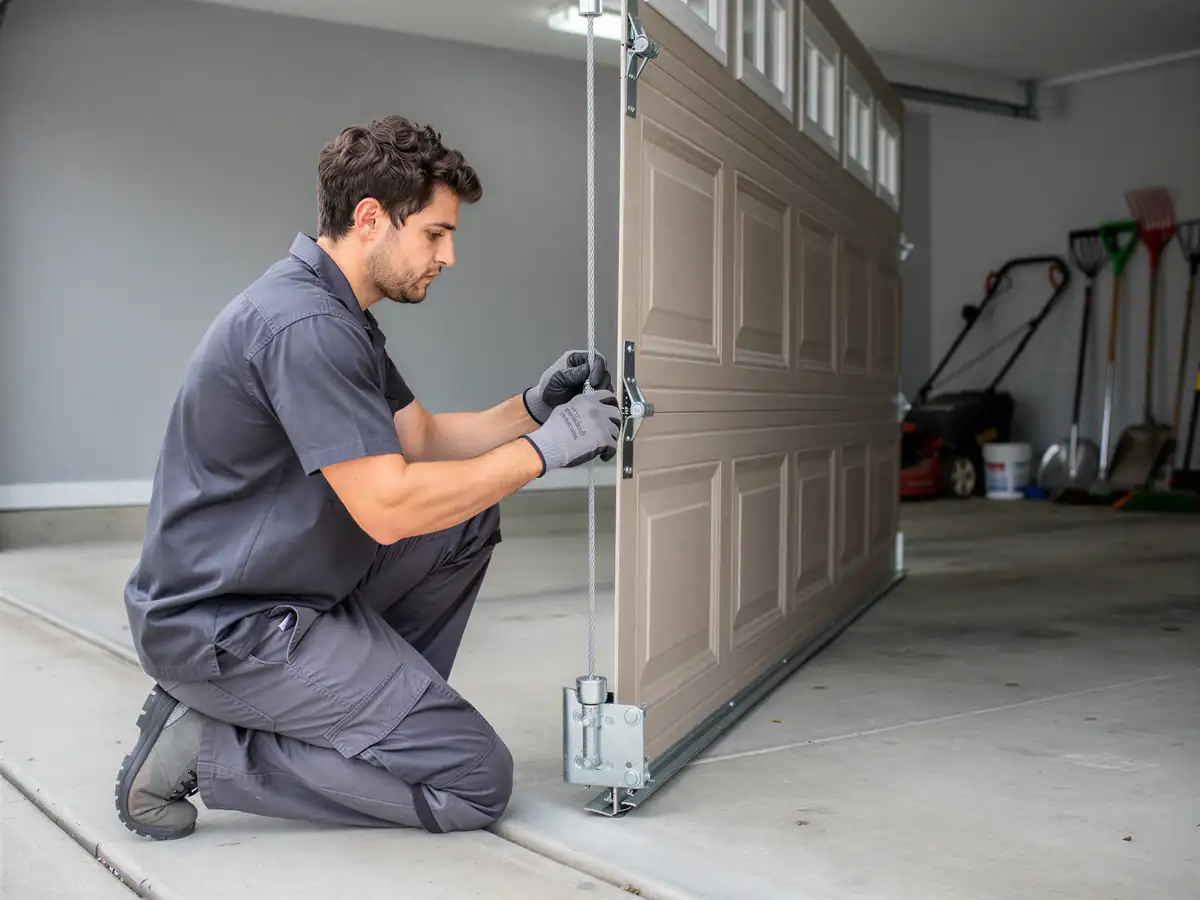
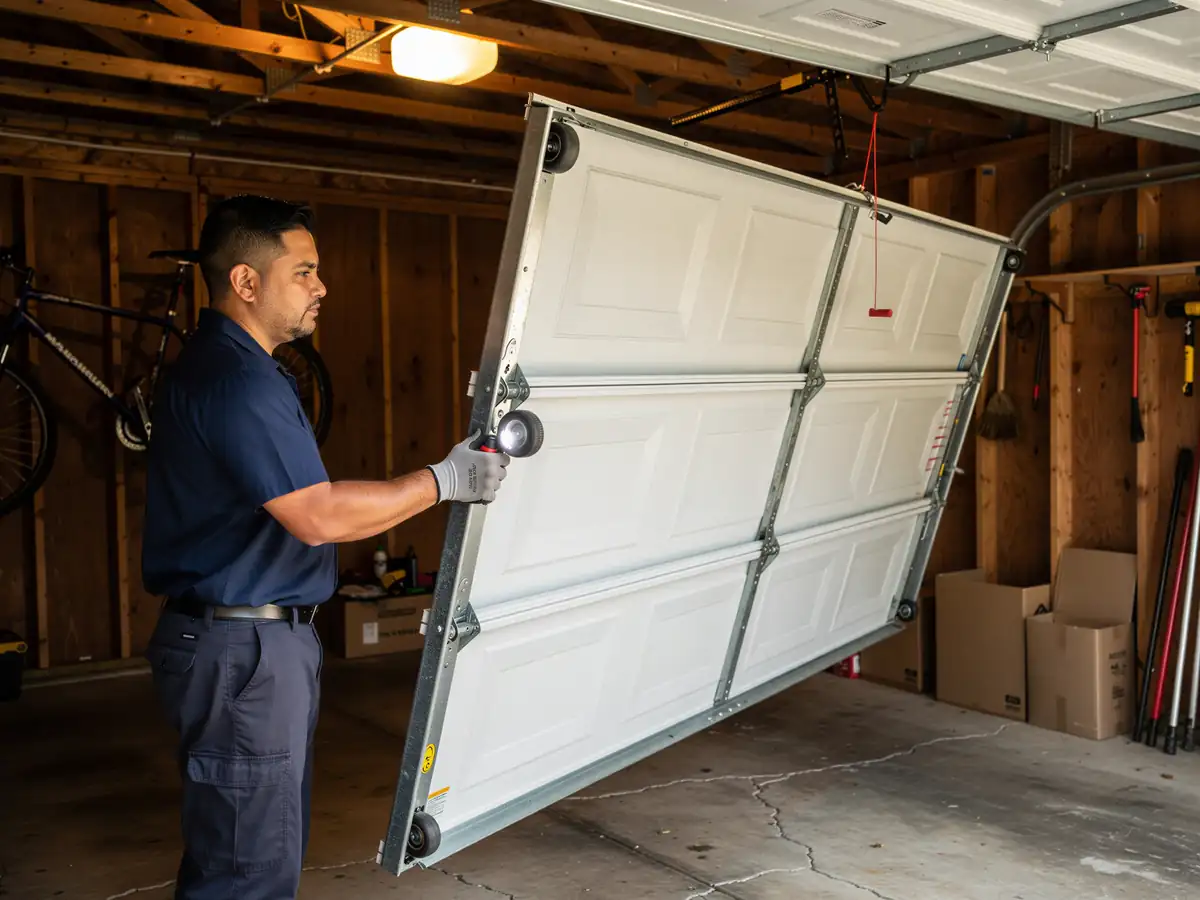
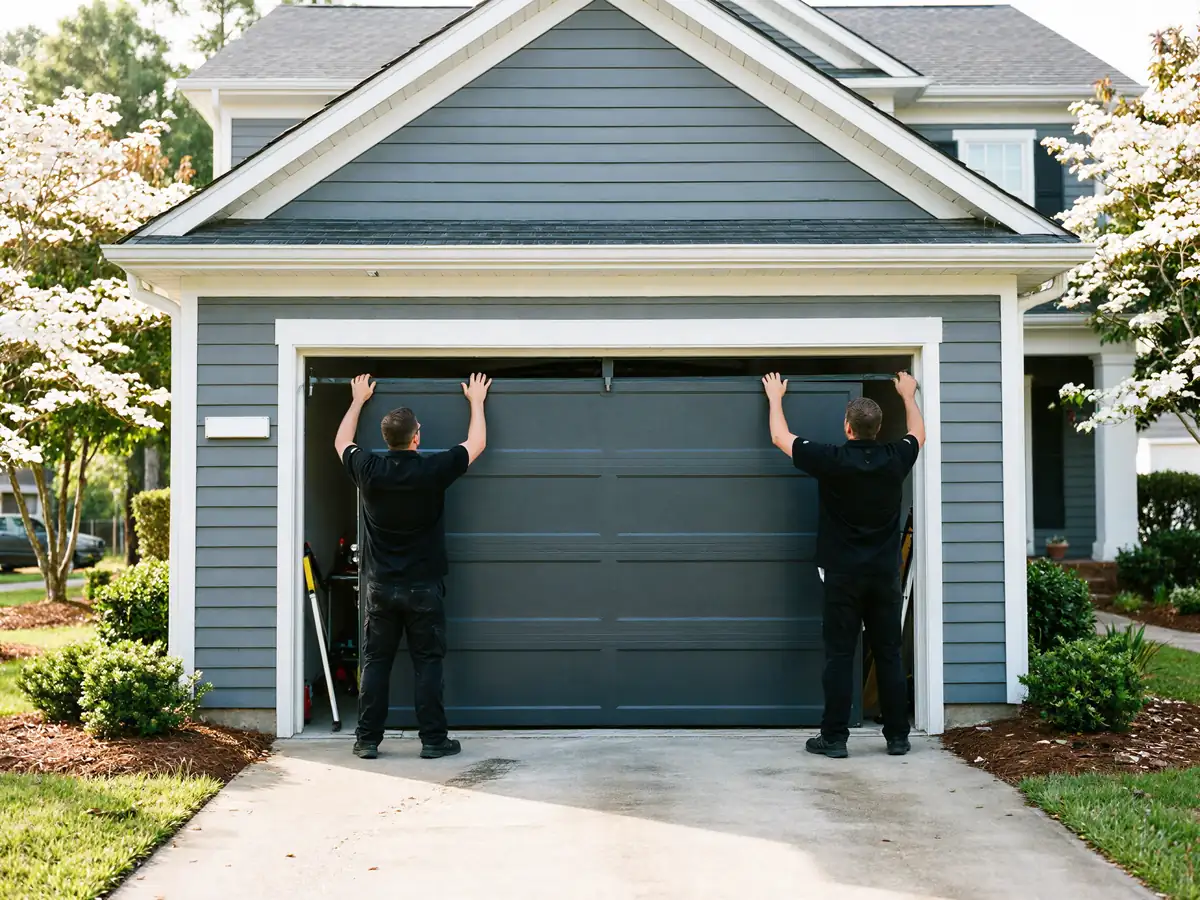
We measure the actual opening, not the door you're replacing, because on a house from the 1970s those two numbers aren't always the same. If the jamb has racked or the header has sagged, we build out the frame before the new door goes in rather than forcing a stock-size door to fit and fighting it for years afterward. We install new track and hardware sized to the door's weight and spring cycle, not reused parts from the old setup, and we check the opener's force settings against the new door's weight since a heavier insulated door on an old opener is a common mismatch. For the climate here, moderate cold with real seasonal temperature swings, we pay attention to weatherseal and bottom-panel fit so the door isn't letting a draft into the garage every winter. None of this requires exotic parts. It requires someone who checks the opening before ordering the door, which is most of what separates a clean install from a callback.
How to Book
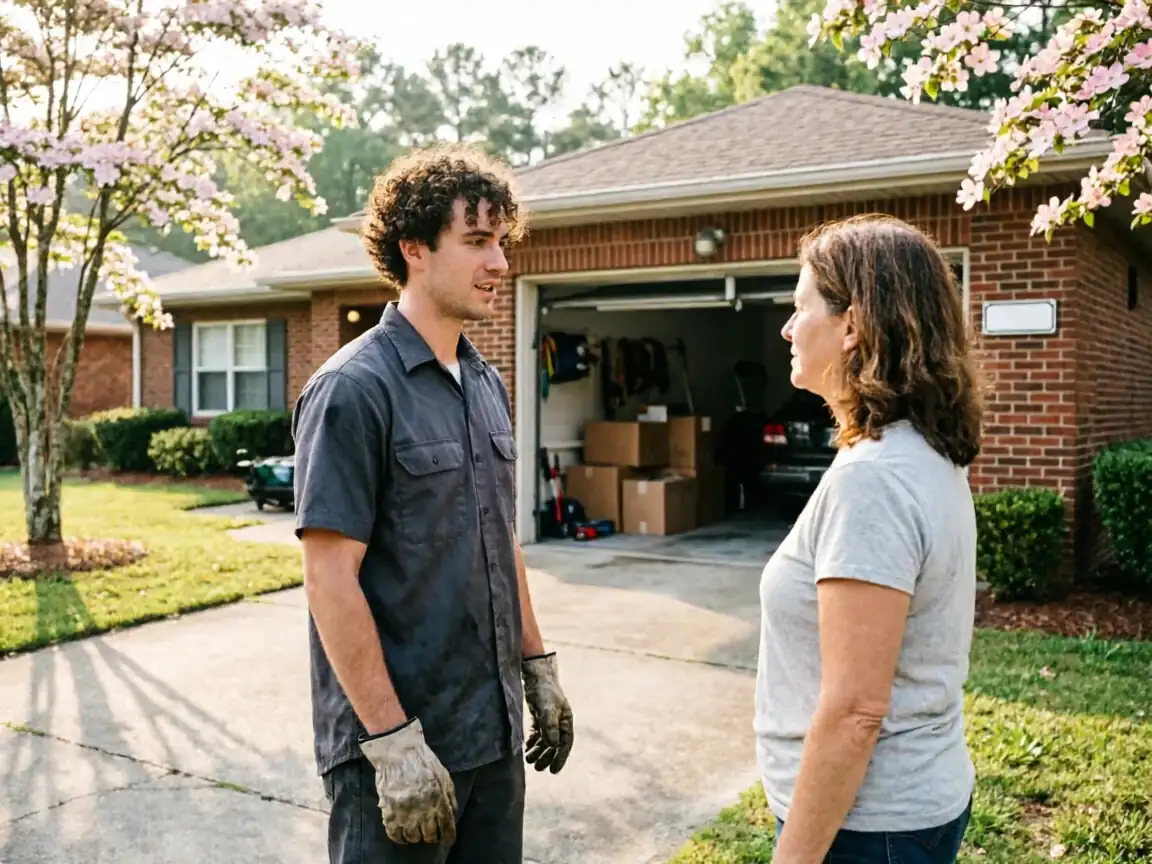
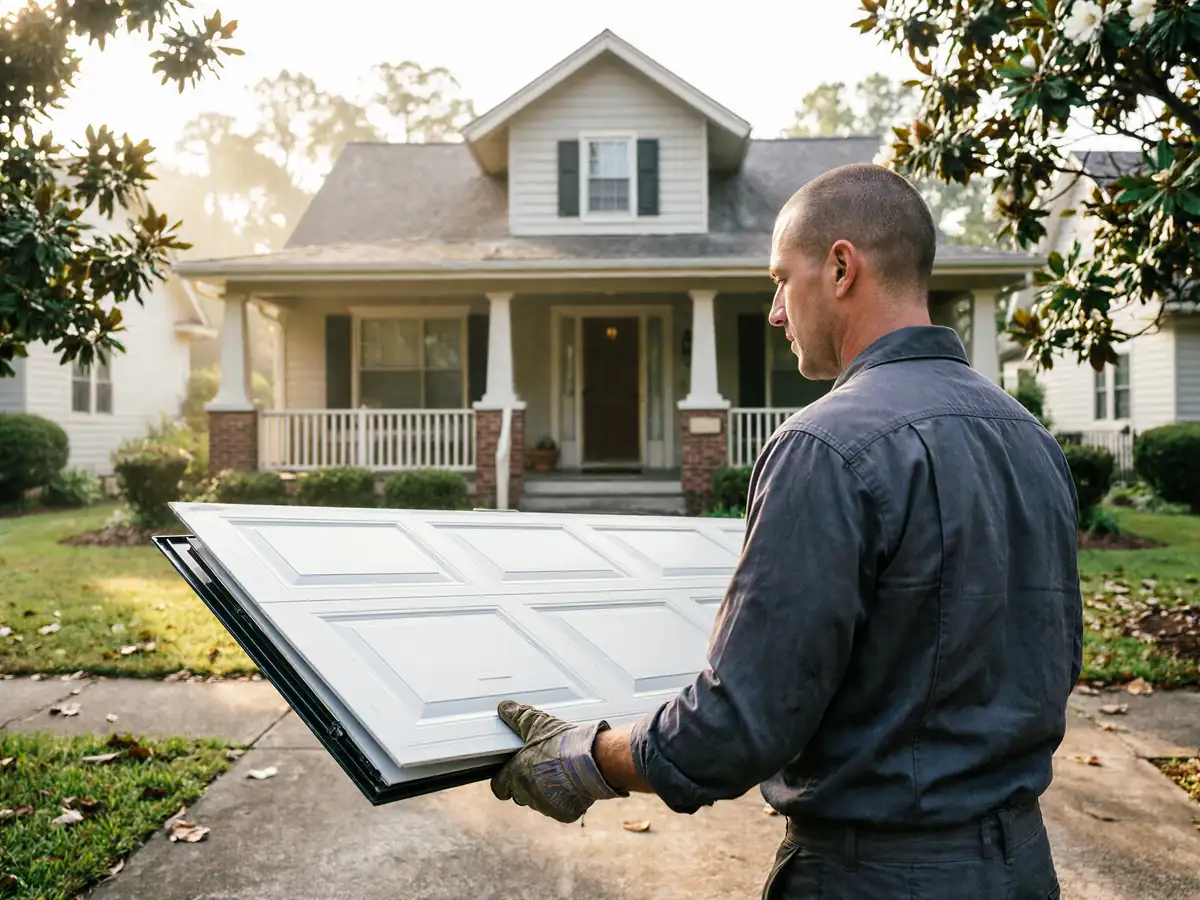
We're based in Columbia and West Columbia is about 12 miles out, so the job is scheduled as a trip rather than a drop-in, same as our work across the rest of the service area. You can see the general scope of work we do in West Columbia on our West Columbia service page, and the full rundown of installation options is on the Columbia installation page. To book, we'll ask for your opening dimensions or a few photos so we can bring the right door and hardware on the first visit instead of making a second trip for a part we didn't know we needed.
Why It Happens Here
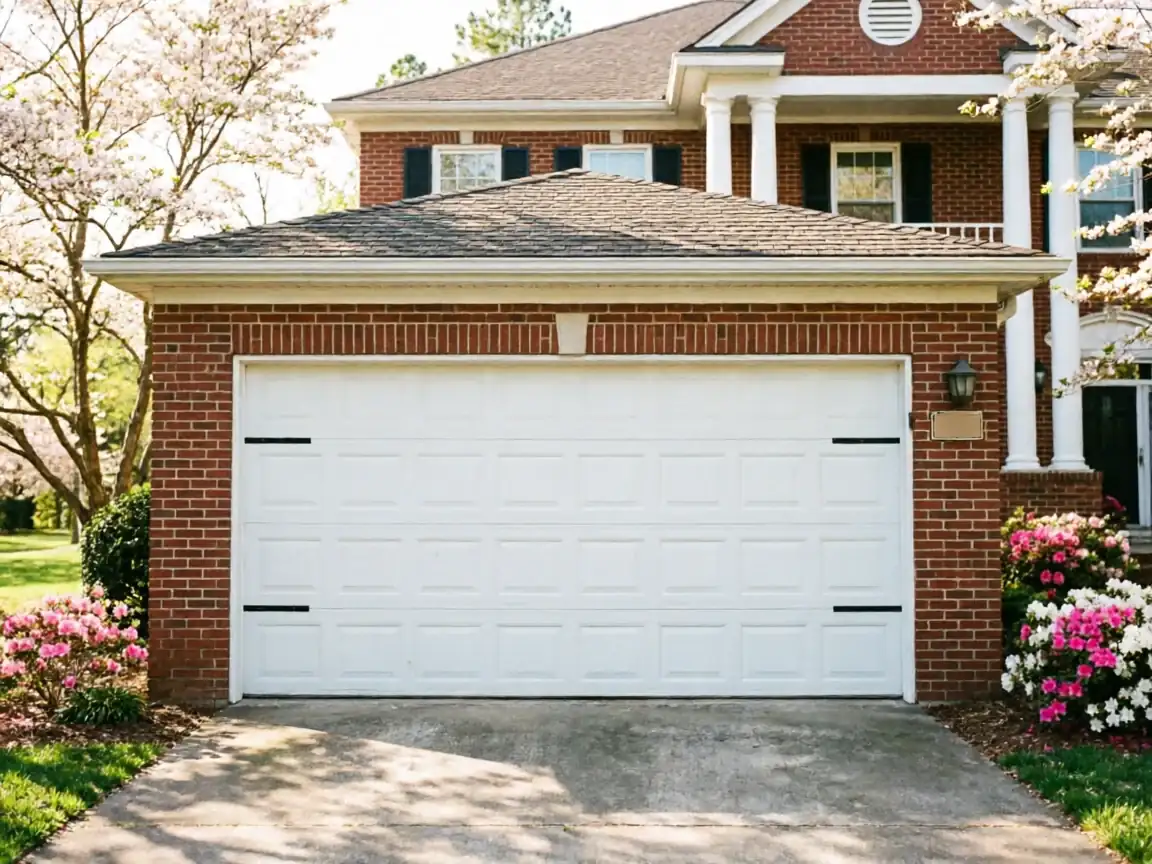
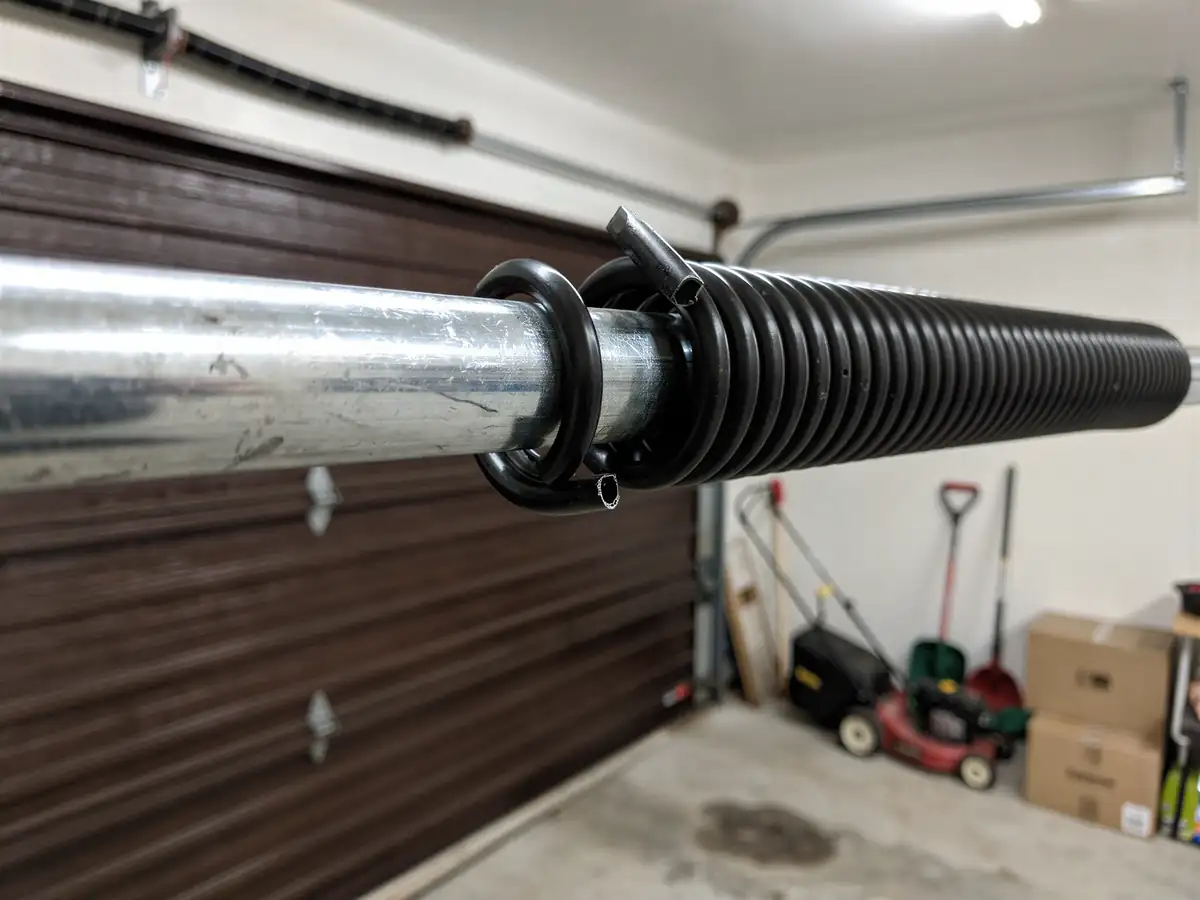
The median home in West Columbia was built around 1974, which puts most garage openings well past their original hardware's realistic lifespan. Springs, rollers, and even the track itself from that era weren't built for 50 years of cycling, and a lot of these doors are still running on a spring that's never been replaced. Add a moderate-cold climate with seasonal swings, and steel contracts and expands enough over the decades to loosen fasteners and shift panels slightly out of alignment. That combination, old hardware plus temperature cycling, is why new installs here are less often about style and more often about a door that's become genuinely unsafe to operate on its original springs.
Can You Do This Yourself
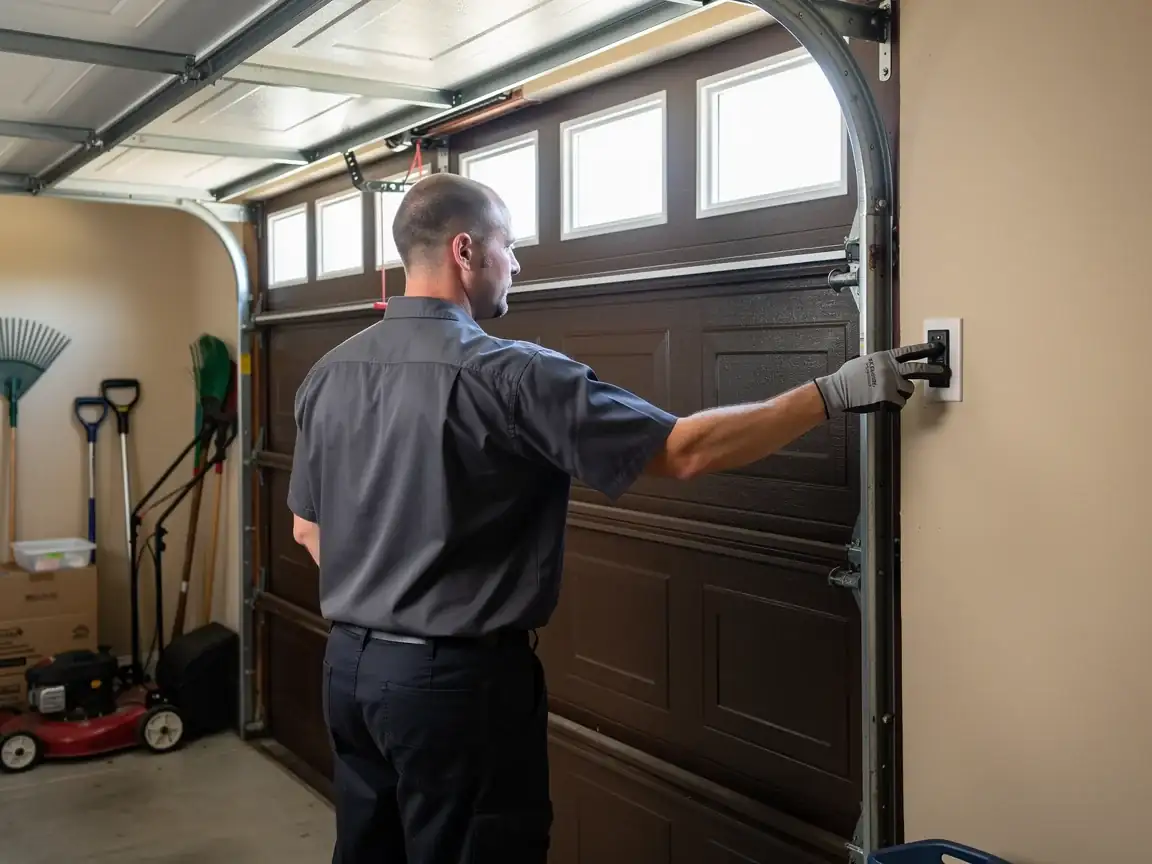
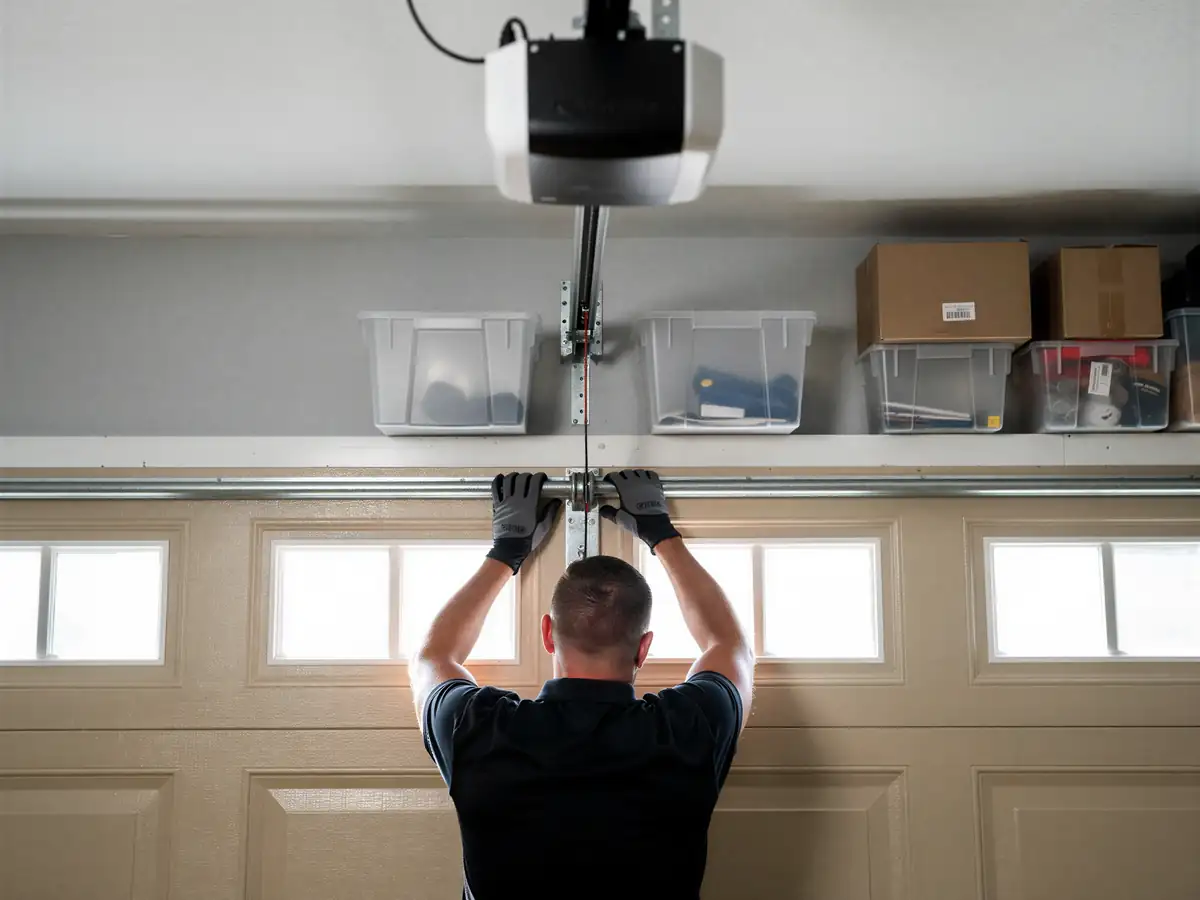
Measuring your opening and researching door styles, sure, do that yourself. Setting the track, tensioning a torsion spring, or squaring a new door into a frame that's moved over 50 years is where we'd tell you to stop. A door that's slightly out of square will bind, wear the opener, and eventually drop, and torsion springs under tension have put people in the hospital. We're honest that not every job needs a full replacement either; if your 1970s-era door is cosmetically rough but the track and spring are sound, a repair might outlast a cheap new install. We'll tell you which situation you're in before we sell you a door you don't need.