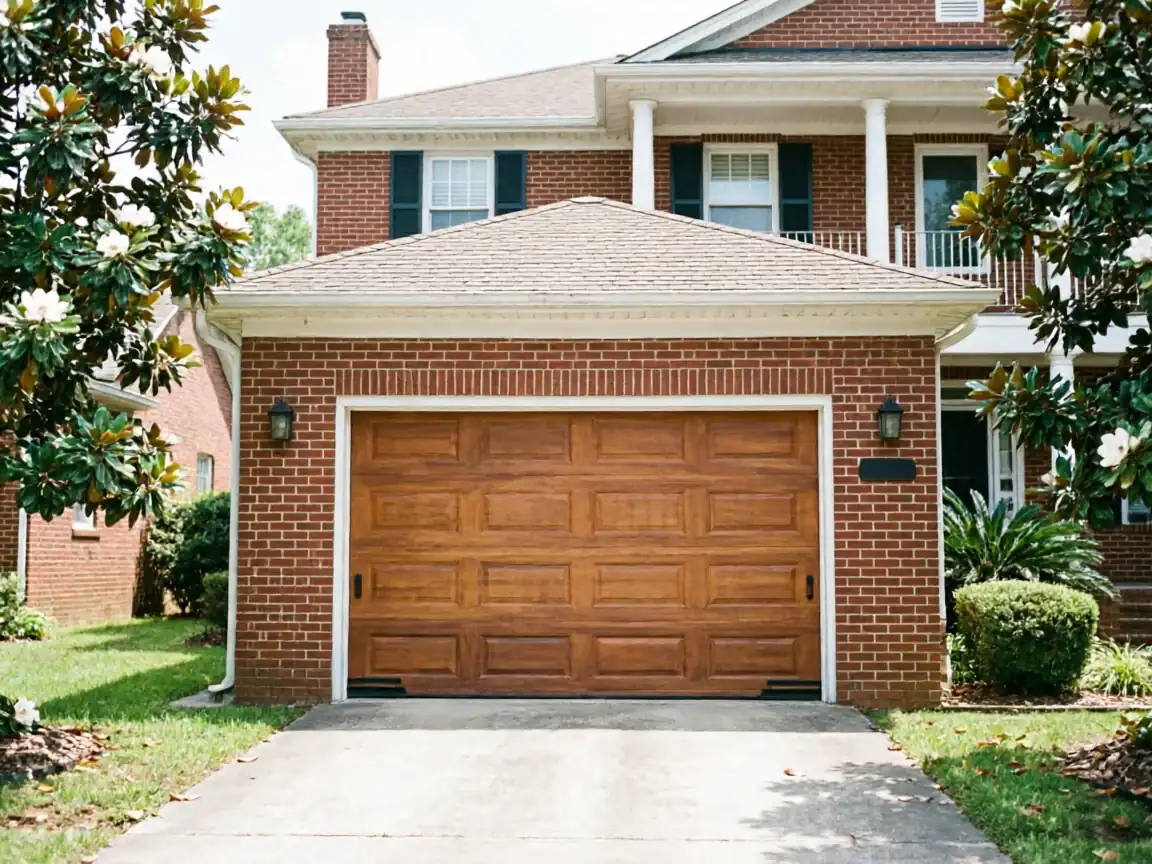
What You Are Seeing
West Columbia sits twelve miles from our Columbia base
And that drive shapes how a call here actually runs. We're not working off a depot in your neighborhood, so a tech headed your way is usually routing West Columbia into a string of calls rather than treating it as a one-off stop. That's not a complaint, it's just how the math works at that distance.
What you're seeing on the door itself usually traces back to the age of the house
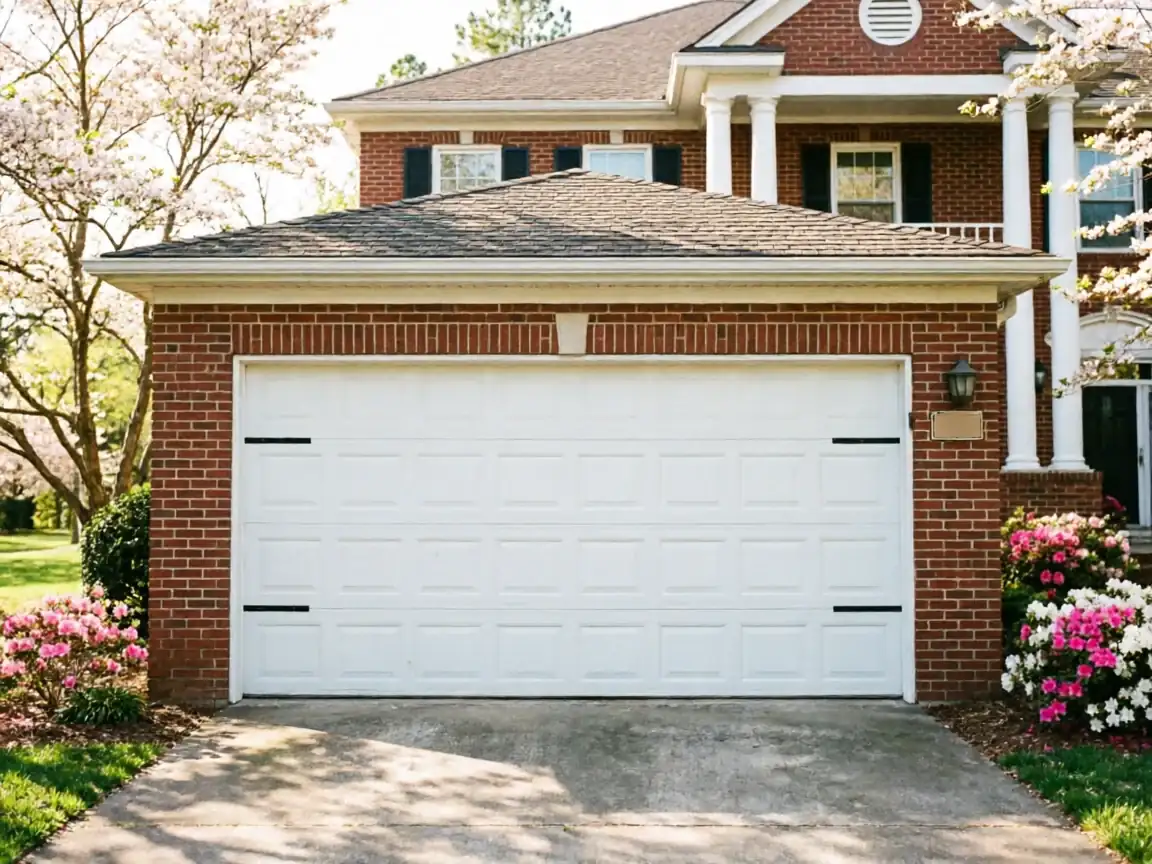
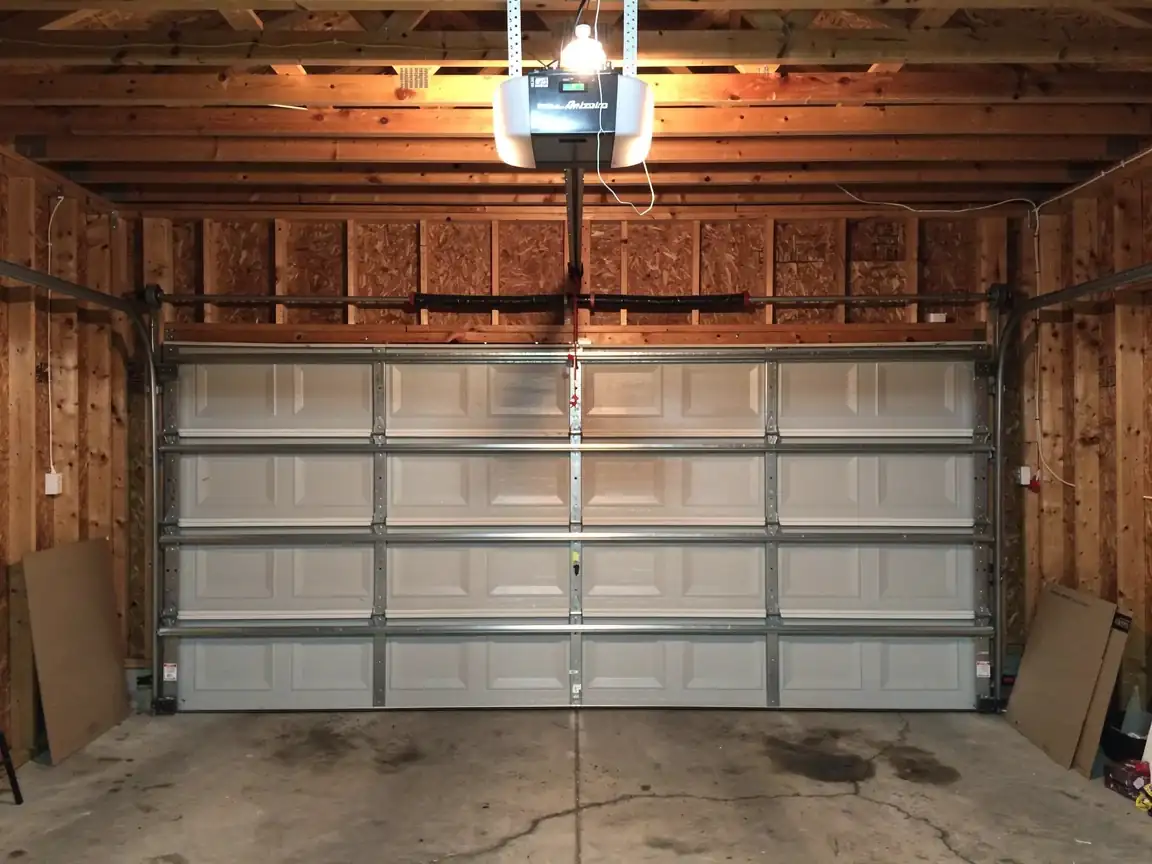
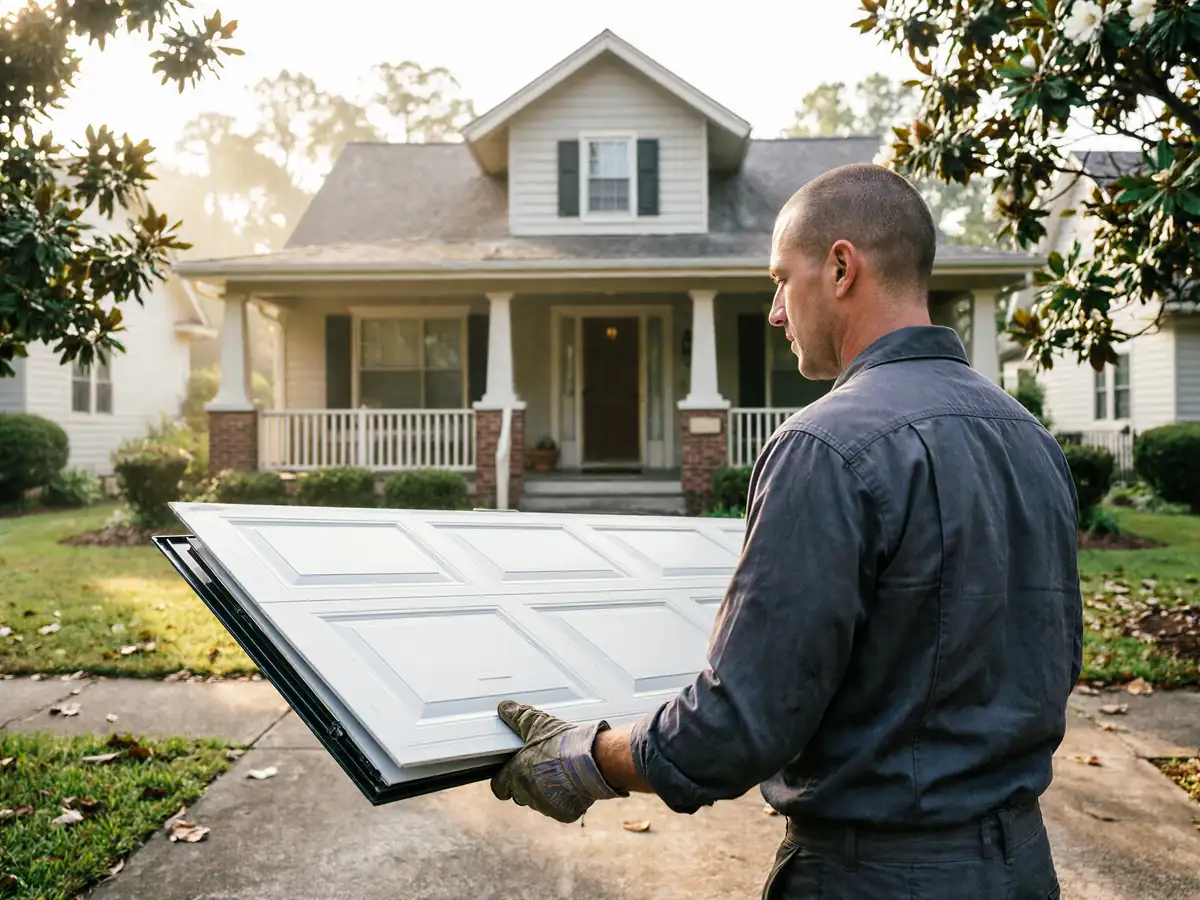
Most homes in this part of the service area went up around 1974, which puts a lot of original hardware - springs, openers, rollers - well past any reasonable service life. A door that's sagging on one side, an opener that grinds before it catches, a spring that let go with a bang: these are age failures more than anything else. The house isn't old by national standards, but the door on it has usually outlived two or three openers' worth of normal wear, and whoever built it in 1974 wasn't thinking about torsion spring cycle counts.
We don't guess at what's wrong from a phone description
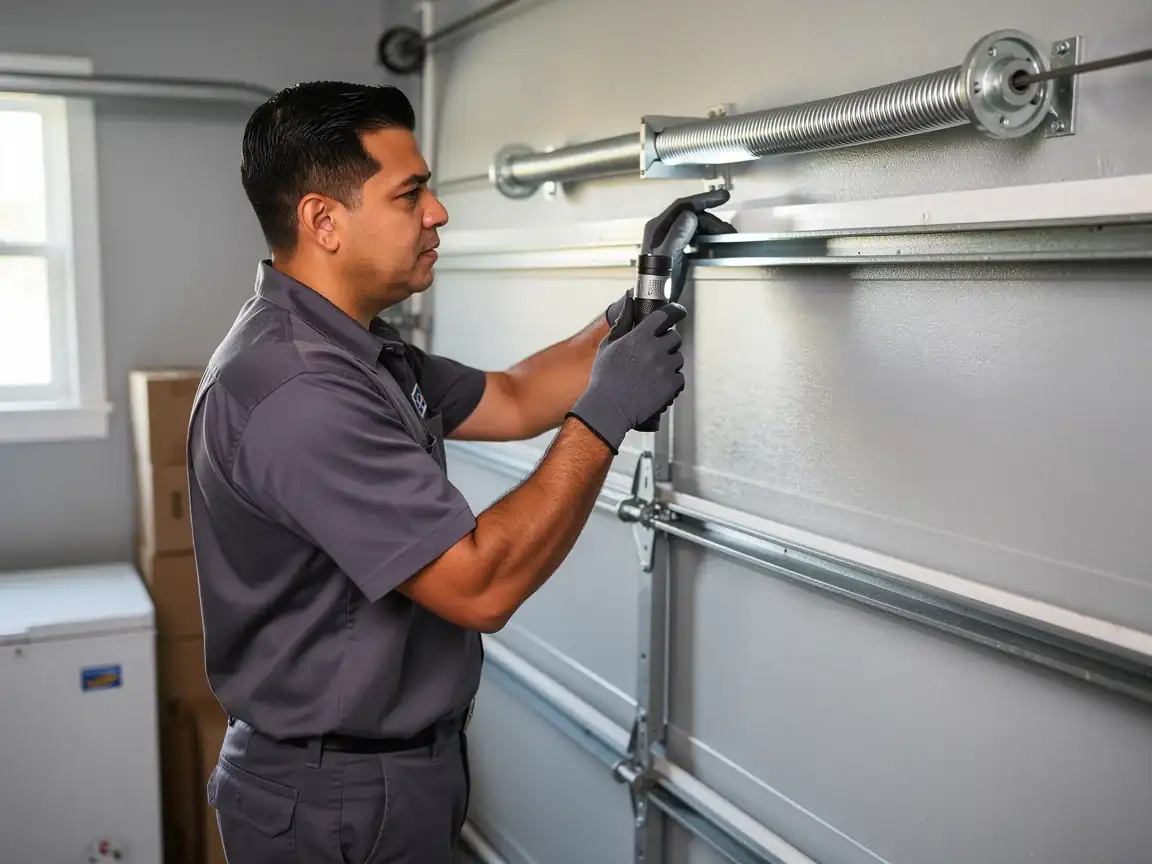
Whatever you're seeing, a tech needs to look at the spring, the track, and the opener gears before saying which one's the actual problem.
How We Fix It
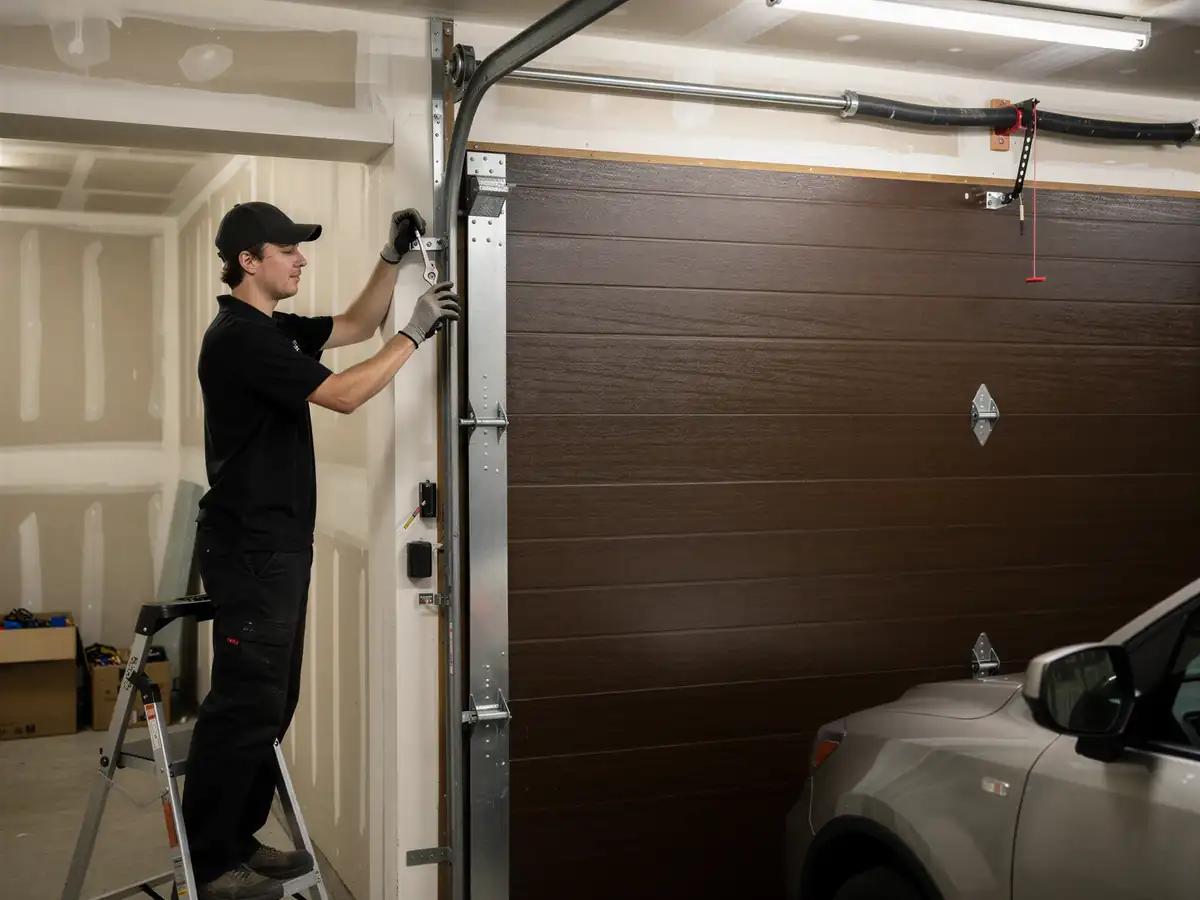
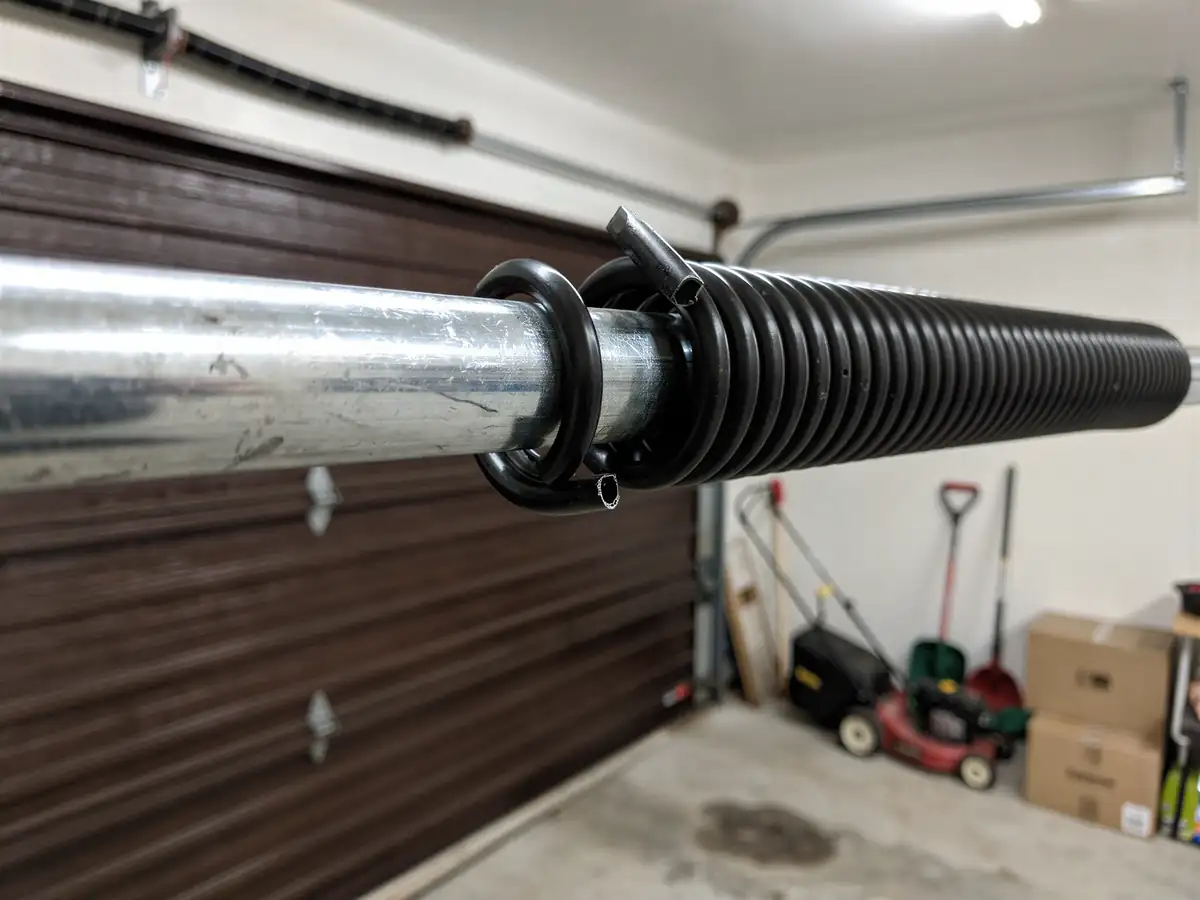
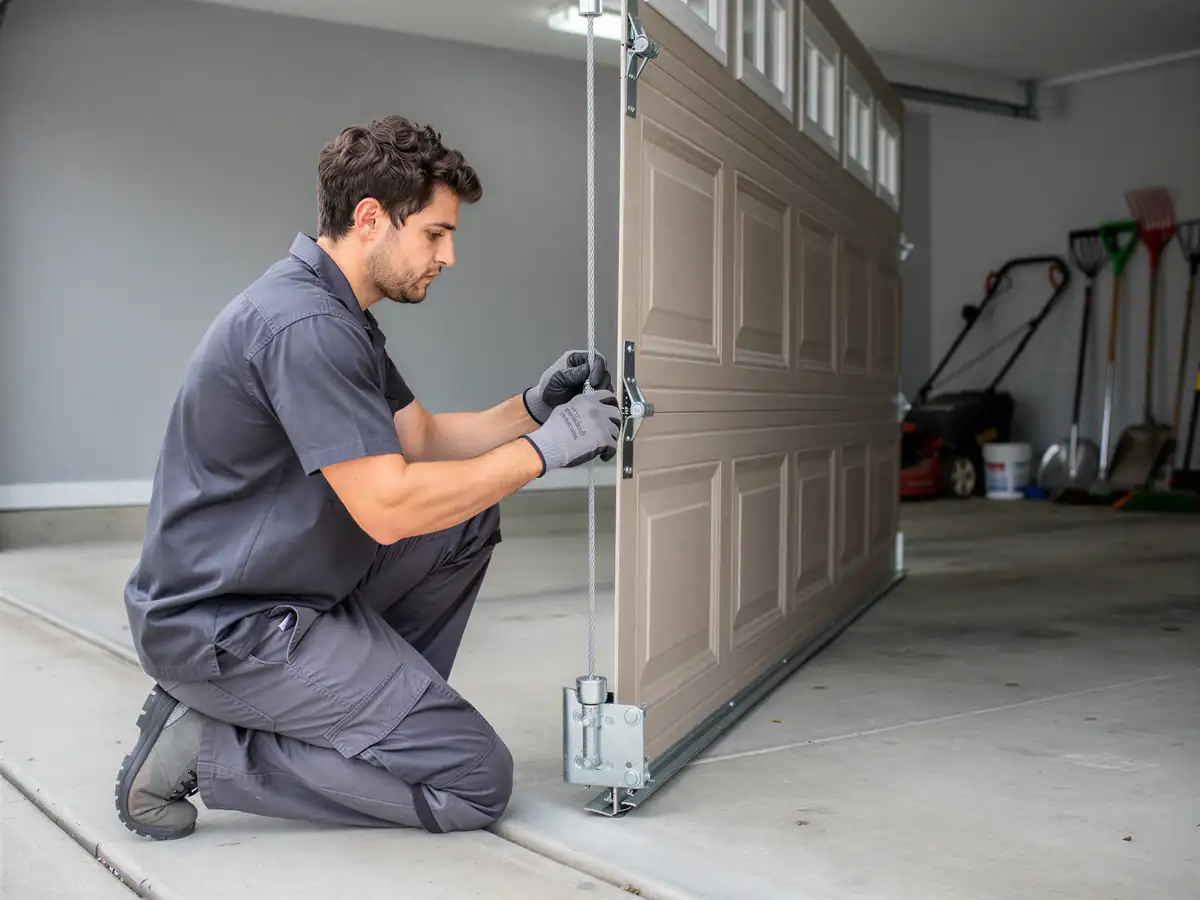
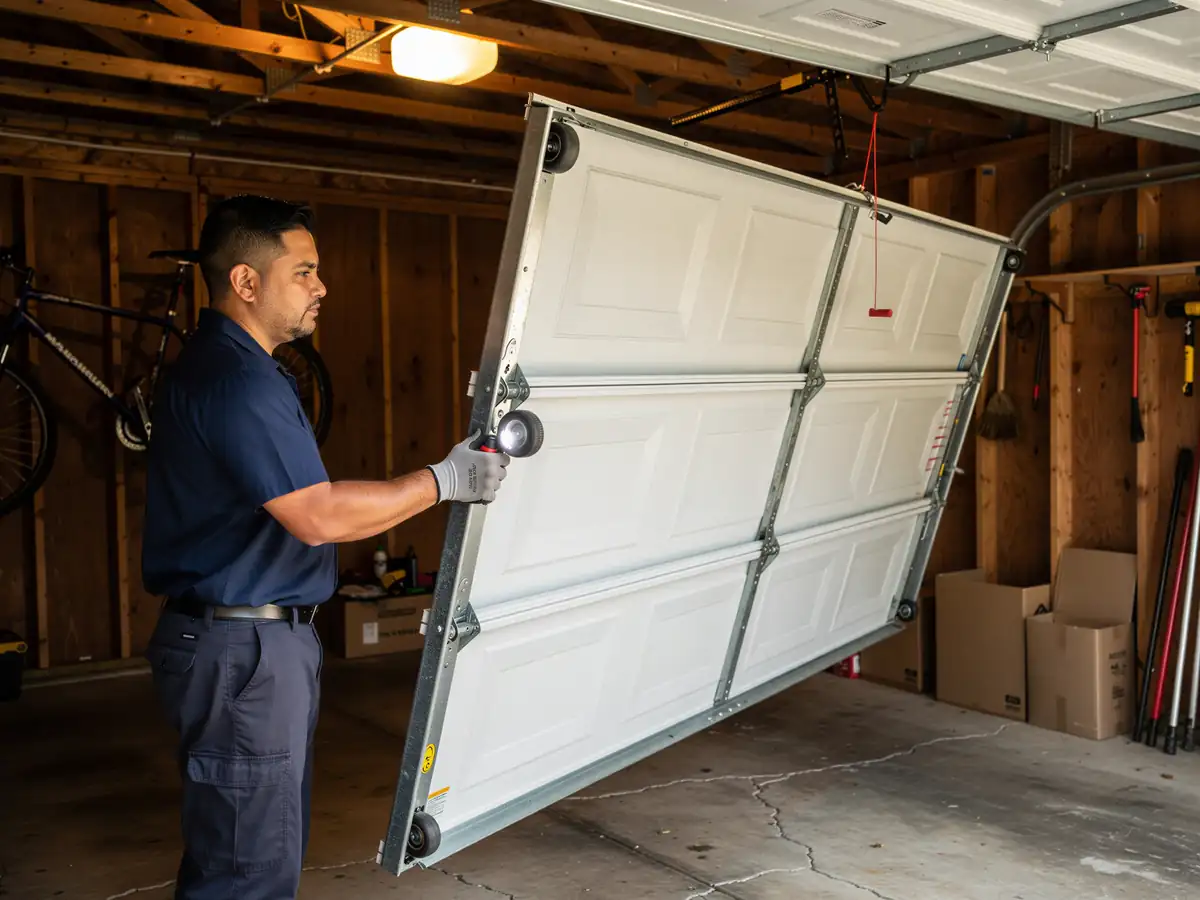
Once a tech is on site, the fix depends on which part failed, not on a script. A broken torsion spring on a door from this era gets replaced with a correctly sized spring for the door's weight - not whatever was already on there, since a lot of 1970s installs were sized loose to begin with. A worn track gets realigned or swapped depending on how bent it is; bent track on a bent mounting bracket usually means replacing both rather than fighting with alignment all afternoon.
Openers on houses this age are frequently on their second or third unit already, since chain-drive openers from the 80s and 90s rarely make it another decade. If yours is original to a later renovation, we'll say so rather than replace a unit that still has life left in it.
The one honest limit here: we don't stock every spring size and cable length on the truck, because a house built in 1974 might have standard 1970s hardware or a replacement installed any time in the fifty years since. If a part isn't on hand, that's a second trip, not a same-visit fix - we'll tell you which one it is before we leave the first time.
How to Book
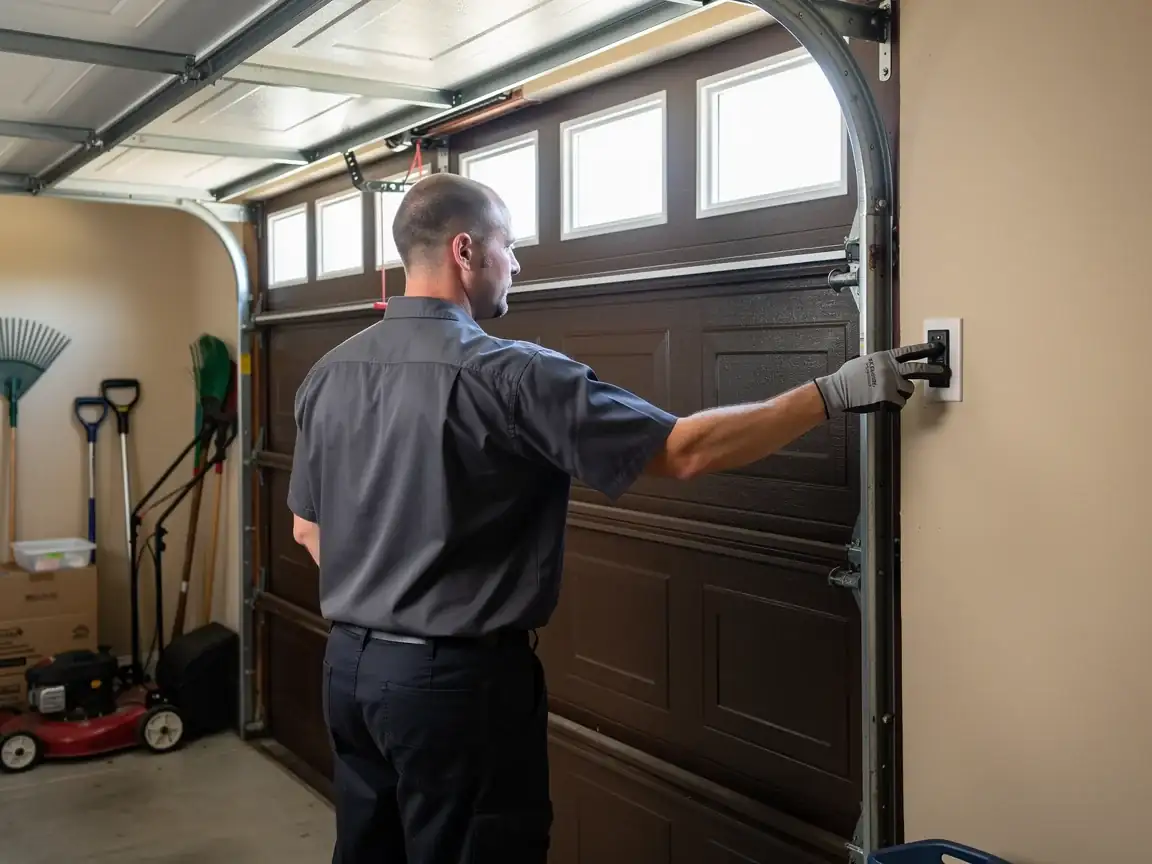
Call and tell us what the door's doing - banging, stuck, one side dropping, opener running but door not moving. Mention West Columbia up front, since the drive factors into how the day gets scheduled. We'll ask the age of the door and opener if you know it, because on a house from this era that single detail usually narrows down the likely fault before anyone shows up.
For the full list of what we handle across the broader service area, the main Columbia service page covers that. This page is specifically about the West Columbia call - the drive, the housing stock, and what that combination actually means for your door.
Why It Happens Here
Winters in this part of South Carolina sit in a cold-moderate band - not brutal, but enough freeze-thaw cycling over a year to work bolts loose and dry out lubricant on anything that hasn't been serviced in a while. On a house built around 1974, that's fifty winters of expansion and contraction on the same steel track and the same mounting hardware, most of which was never rated for that kind of cycle count to begin with.
West Columbia carries roughly 8,267 households in our service area tally, a smaller base than Columbia proper, and it shows in the pattern of calls: a cluster of the same handful of door and opener models from the mid-1970s keep coming up, because that's what went into the ground when the neighborhood was built. It's not a coincidence when three houses on different streets have the identical spring failure - they likely got the identical door.
Can You Do This Yourself
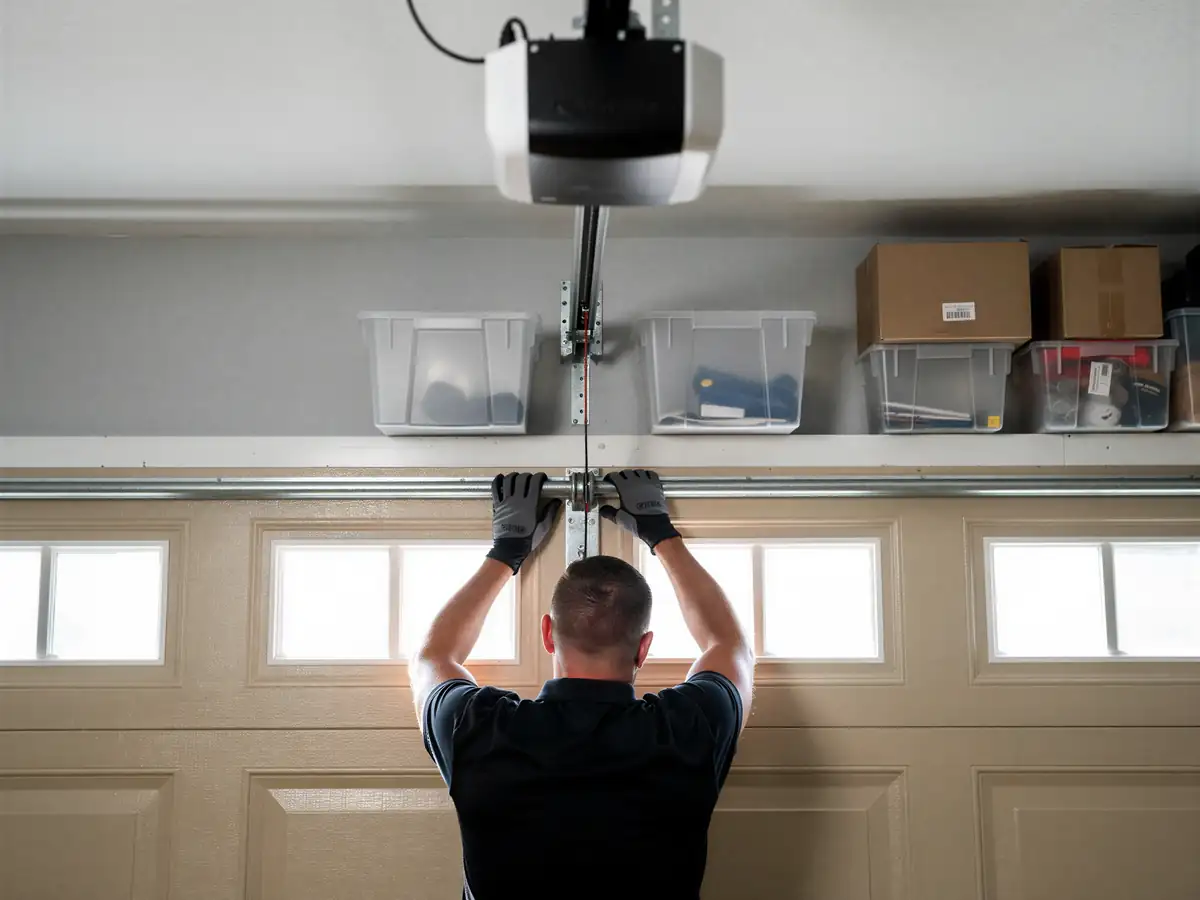
Some of it, yes. Lubricating hinges and rollers, tightening loose bolts on the track, clearing the photo-eye sensors if the door won't close - all reasonable DIY on a Saturday morning. Replacing a torsion spring is not. These springs are under enough tension to break a hand or worse if the winding bars slip, and on a door from 1974 you're also dealing with hardware that may not match anything currently sold, which makes a DIY attempt riskier than usual.
If the door is original to a 1970s build and you're seeing rust on the spring coils or visible gaps in the track, that's worth a call rather than a wrench. We'd rather tell you it's a simple fix over the phone than have you find out the hard way that it wasn't.