The Houses Here
Forest Acres sits about 4 miles from Columbia
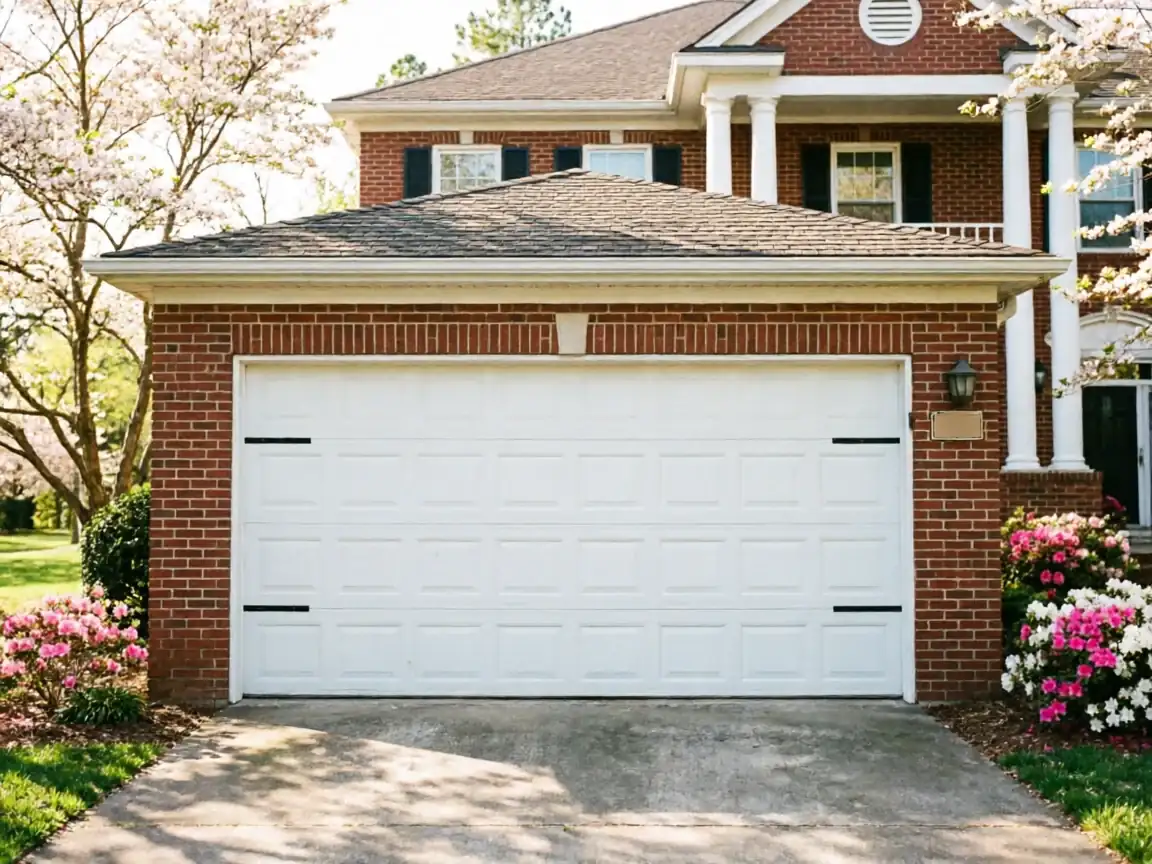
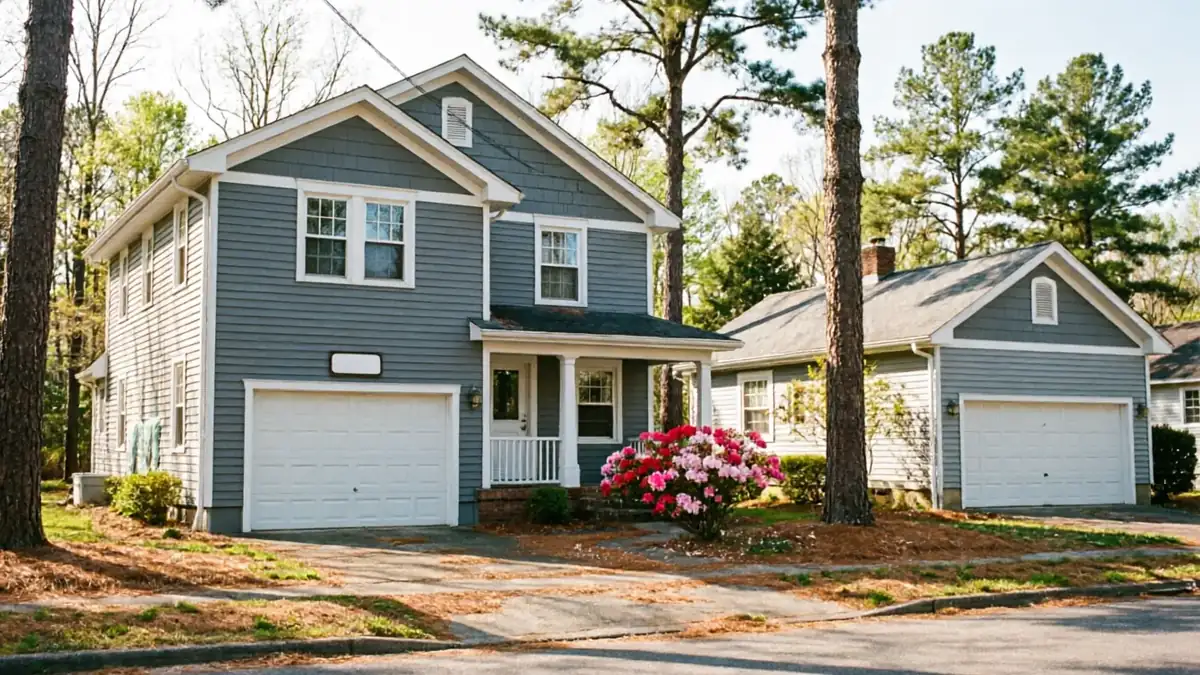
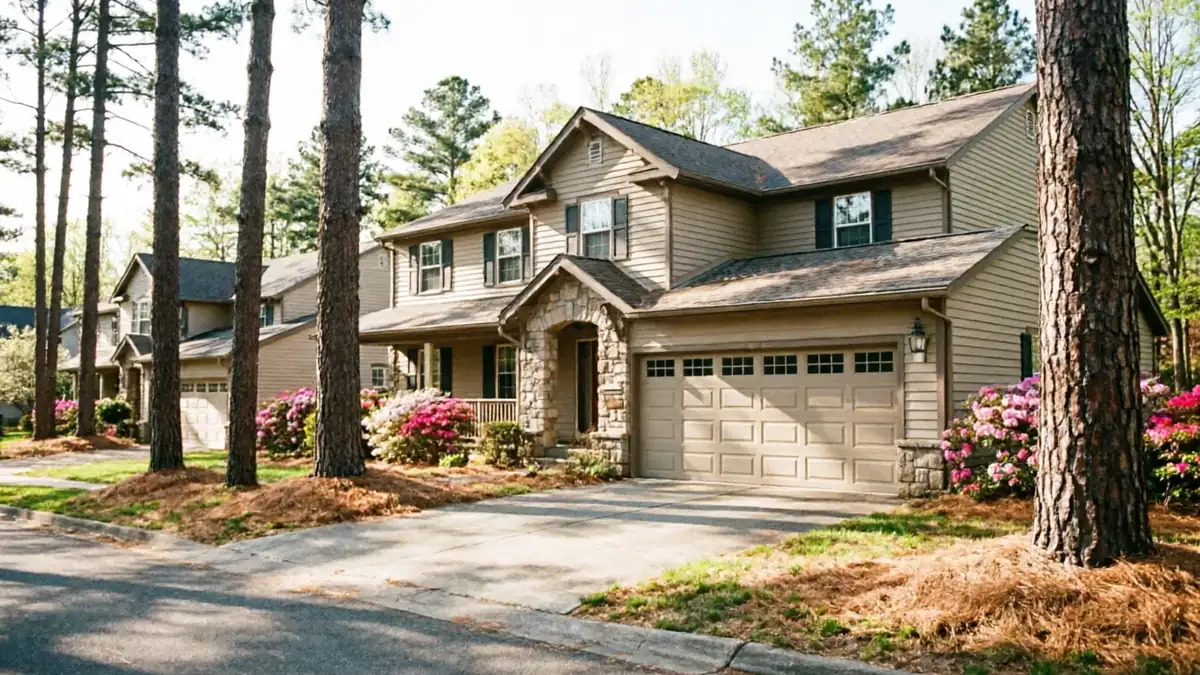
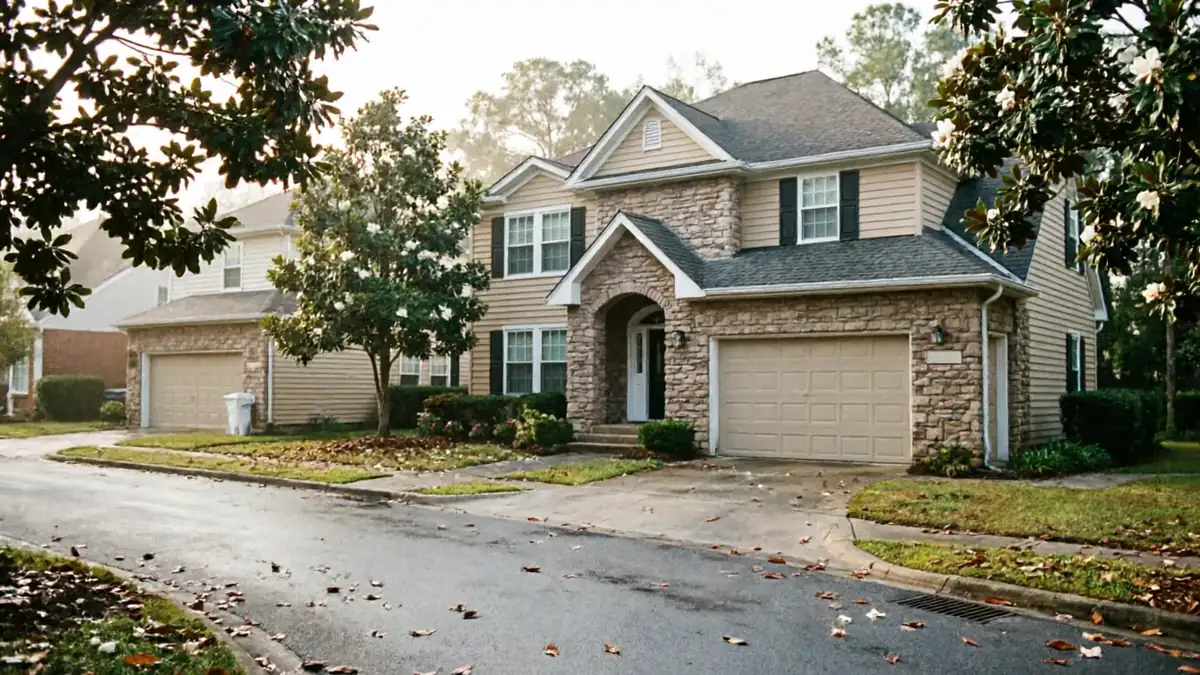
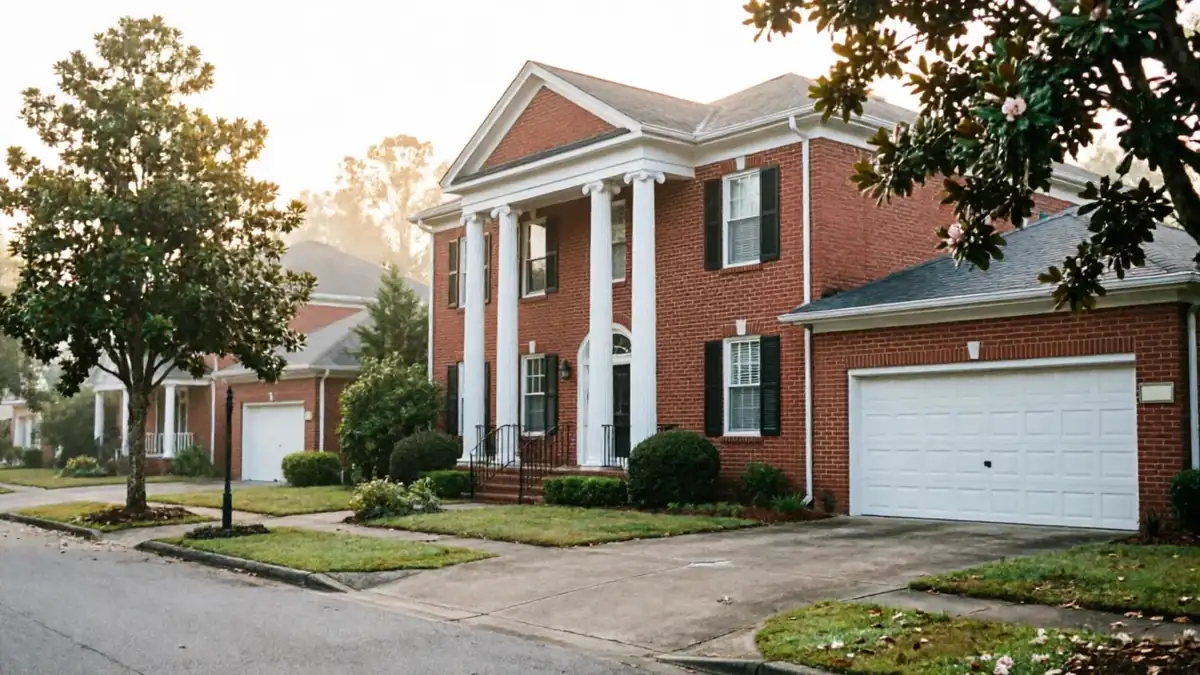
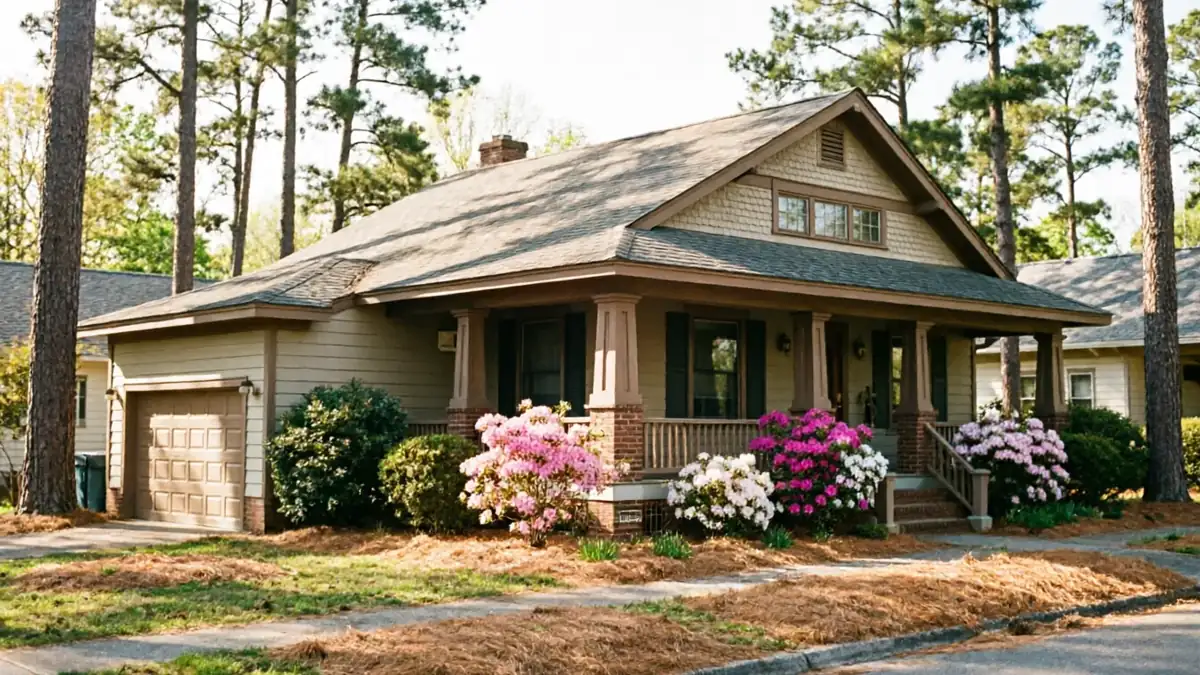
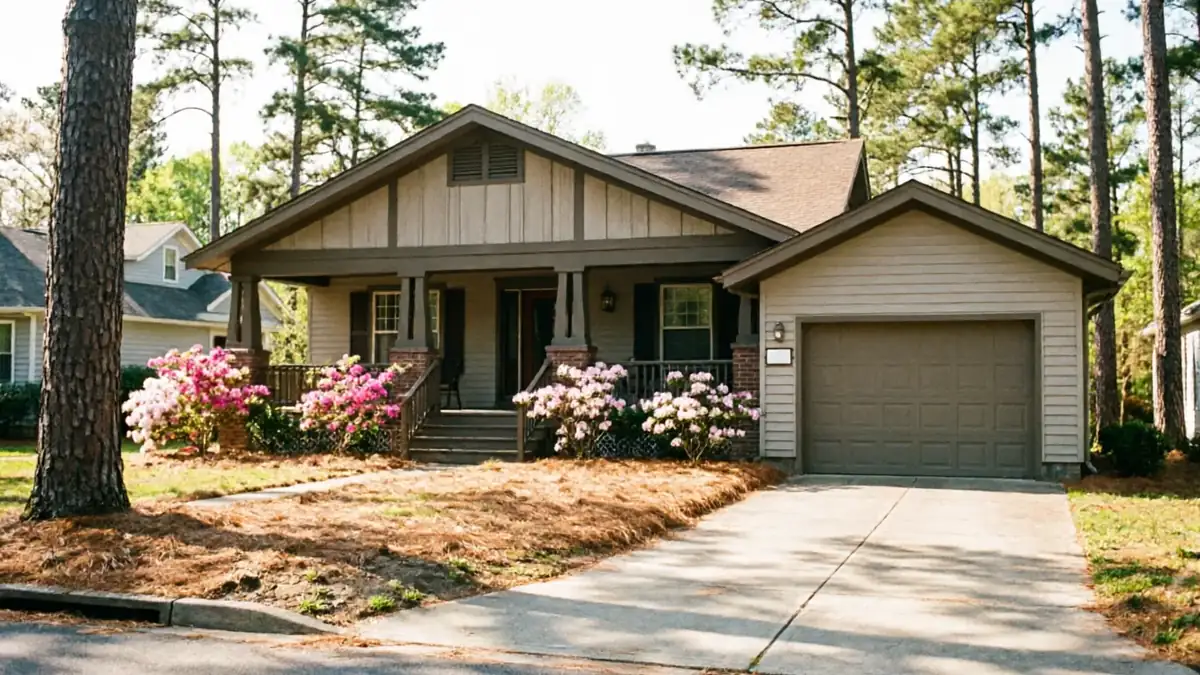
And the housing stock here skews older than a lot of what we see across the rest of the service area. The median build year in Forest Acres is 1965, while the broader area we cover runs from 1965 up to 2010 with a median closer to 1979. That puts Forest Acres on the early end of the curve, not the middle of it. With 4,963 households and a median income of $76,417, a lot of these are original owners or second owners who bought into an established neighborhood rather than new construction. That matters for garage doors because a house built in 1965 almost never got a garage door upgrade as part of some later development push - whatever went in originally, or close to it, is often still there, or was replaced once decades ago with whatever matched the opening at the time.</p>
- 4 miles
- 4,963 households
- $76,417 median household income
Across the wider Columbia area, most of the 18 named communities we serve run 1960s-70s construction
So Forest Acres isn't unusual in kind - it's just further toward the early side of that range than most.
How That Shows Up in the Door
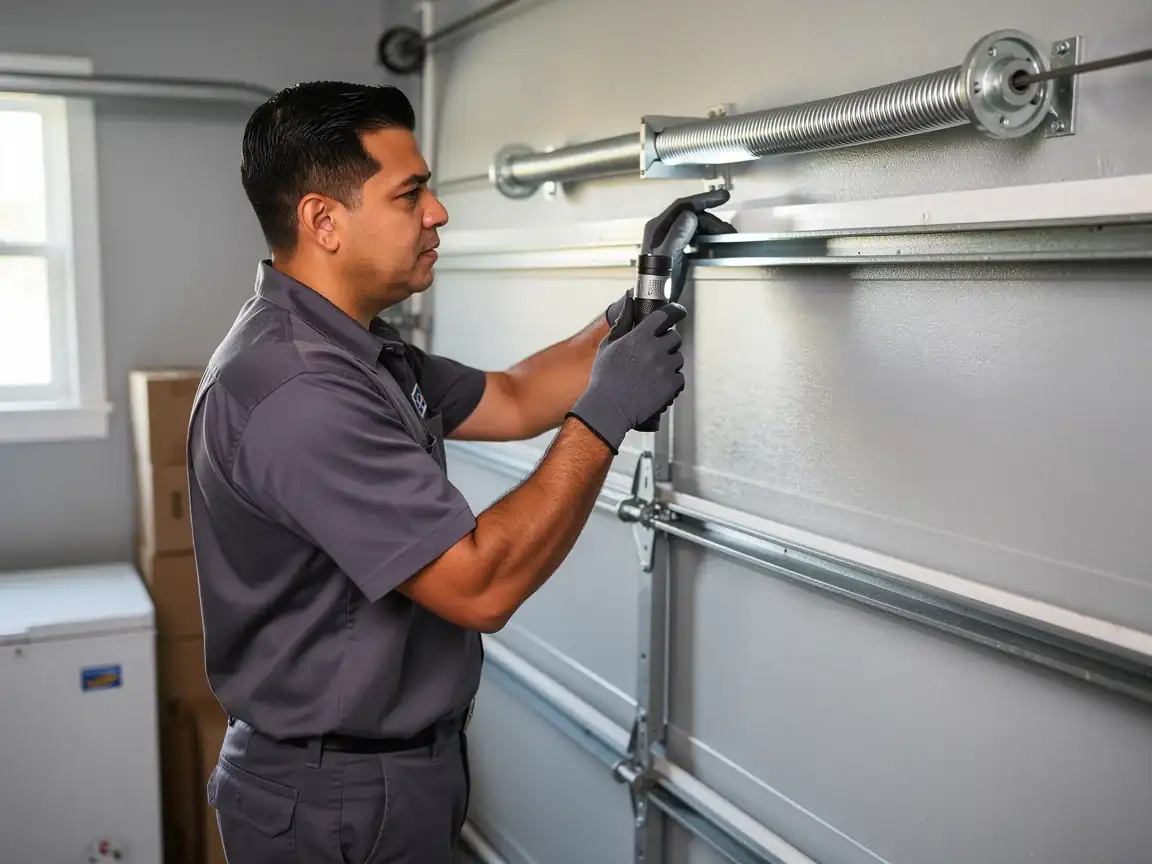
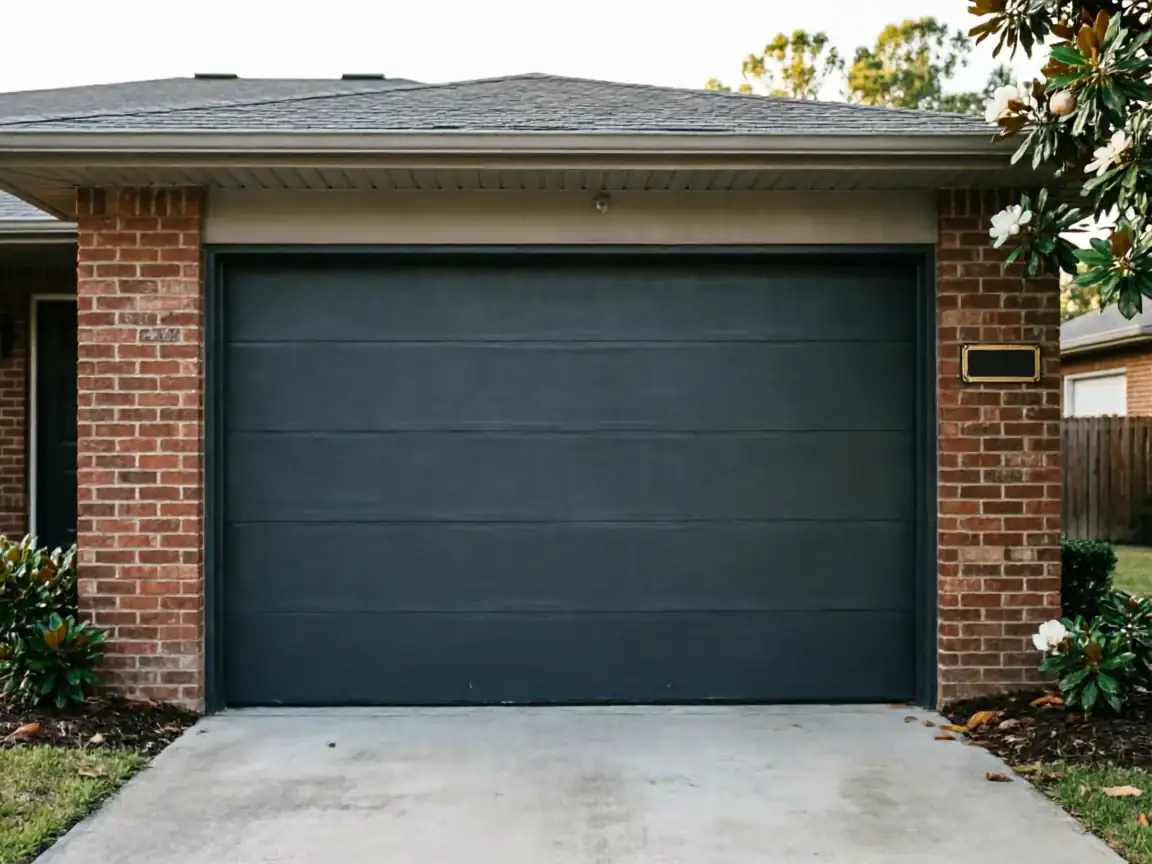
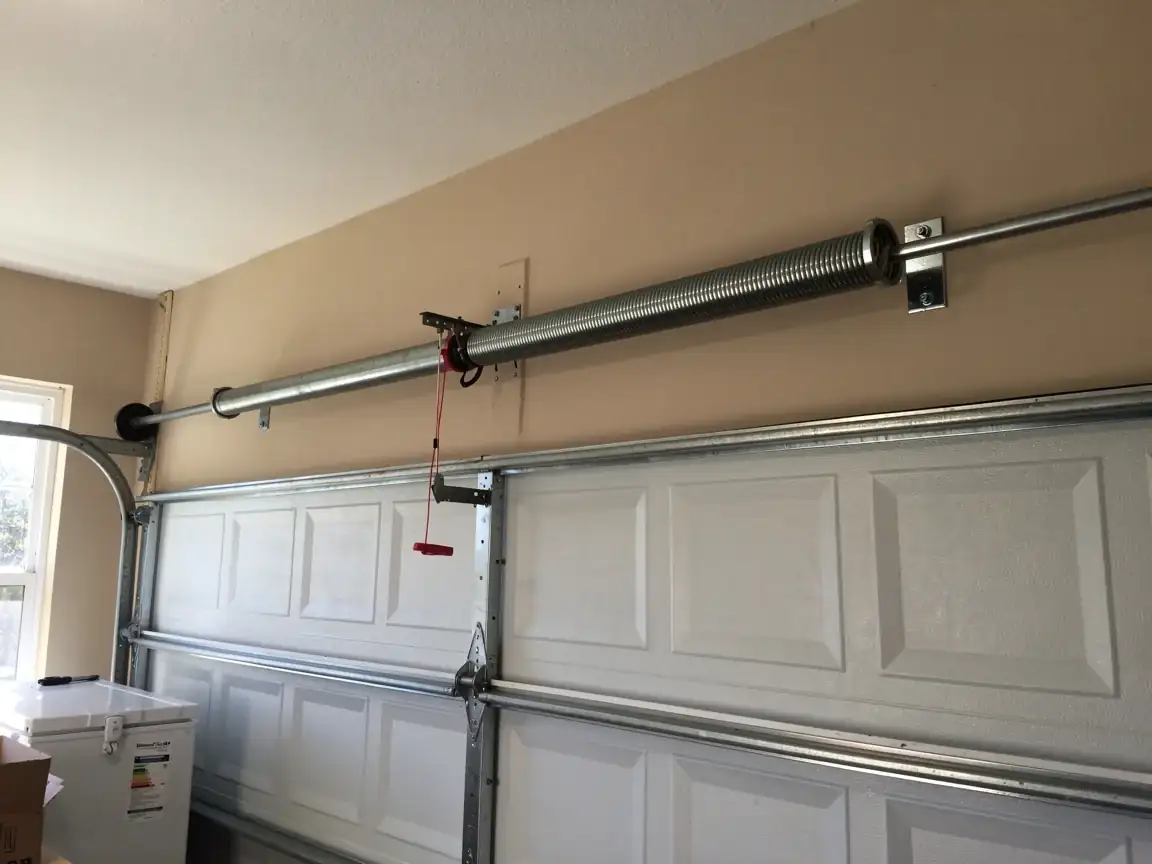
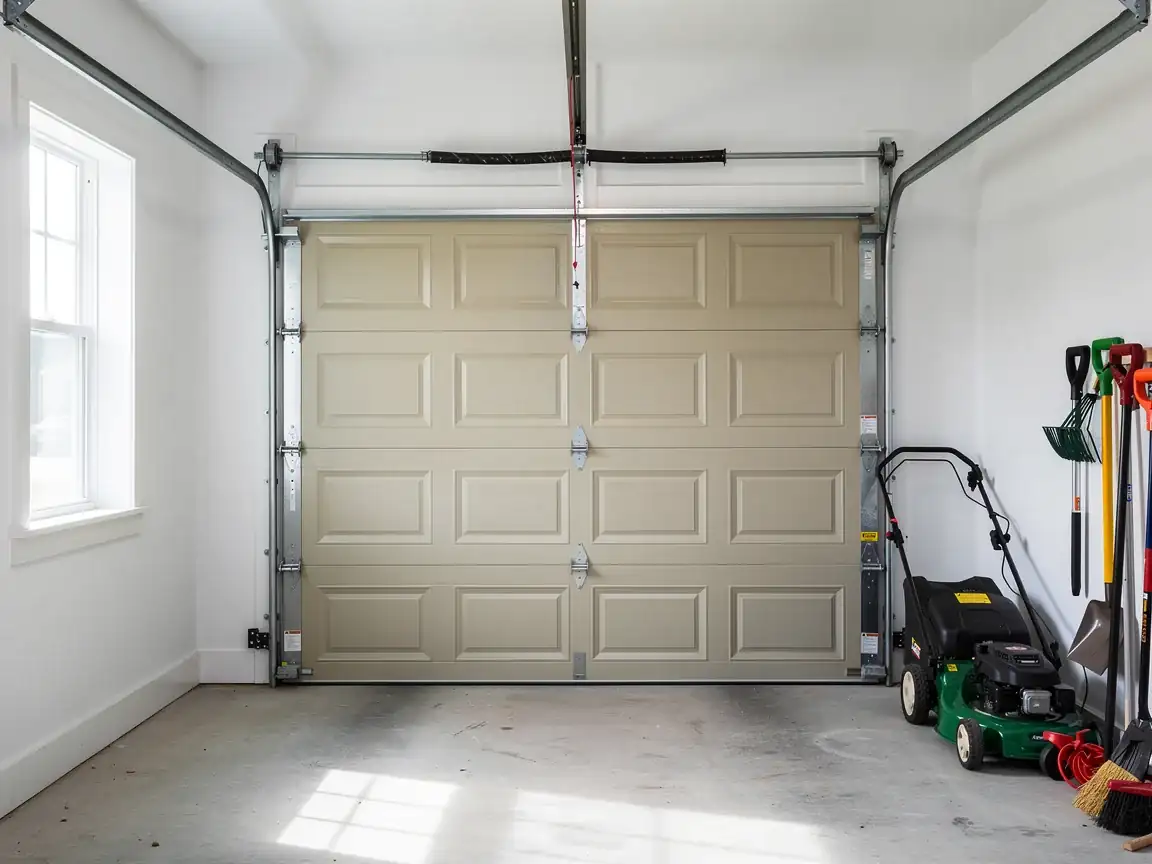
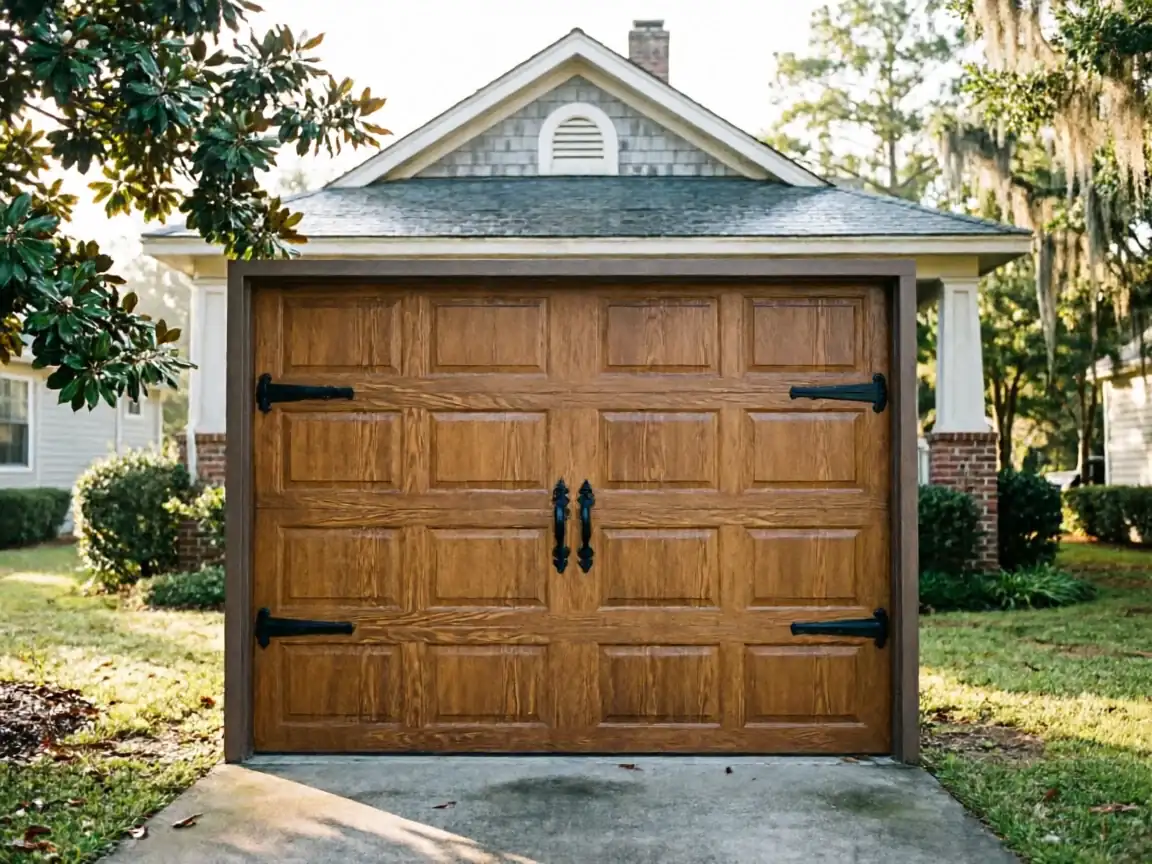
A door from the mid-1960s was built before a lot of the hardware standards homeowners expect today. Track widths, spring sizing, and the mounting hardware on a 1965 opening often don't match what comes stock on a replacement door now, which means a straight swap isn't always possible without some adapting. On top of the age, this region sits in a cold-moderate climate band, and that combination - older steel, older lubrication habits, seasonal temperature swings - is what pushes torsion springs and rollers toward failure sooner than a newer door would see. Metal fatigues with repeated cold-to-warm cycling, and a spring that's already 20-plus years past its original install doesn't have much cushion left.</p>
We also see older extension spring setups in this part of the coverage area more than we do in newer sections, since extension springs were more common before torsion systems became standard. Those systems don't fail the same way torsion springs do, and the fix isn't always a like-for-like part swap - sometimes it's explaining why the containment cable that should've been there from the start wasn't.
What People Here Ring About
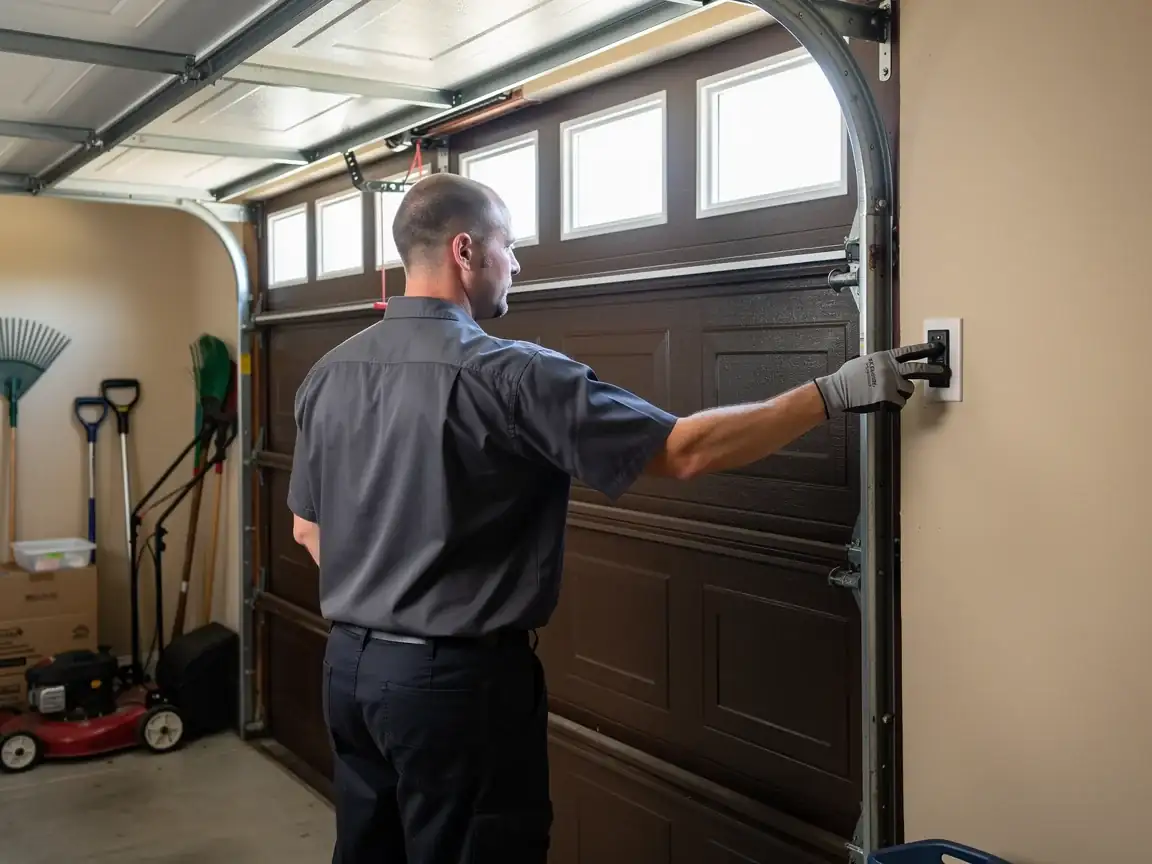
Given the age of the housing, the calls we get from Forest Acres lean toward hardware fatigue rather than fresh installation damage. A spring that finally lets go after years of cold-weather cycling is the most common one. Panel rust and seam separation on older steel doors shows up more here too, since a door installed in the 1960s or shortly after has had a lot more winters to work on it than a door from 2005. We also hear from owners whose opener is original or close to it - a unit that old is well past any reasonable service life, and when the opener is the actual original to a 1965 build, repair almost never makes sense next to replacement.</p>
We travel in for these from Columbia, so we schedule the visit before anything else - we're not based in Forest Acres, we come to it.