The Common Mistake
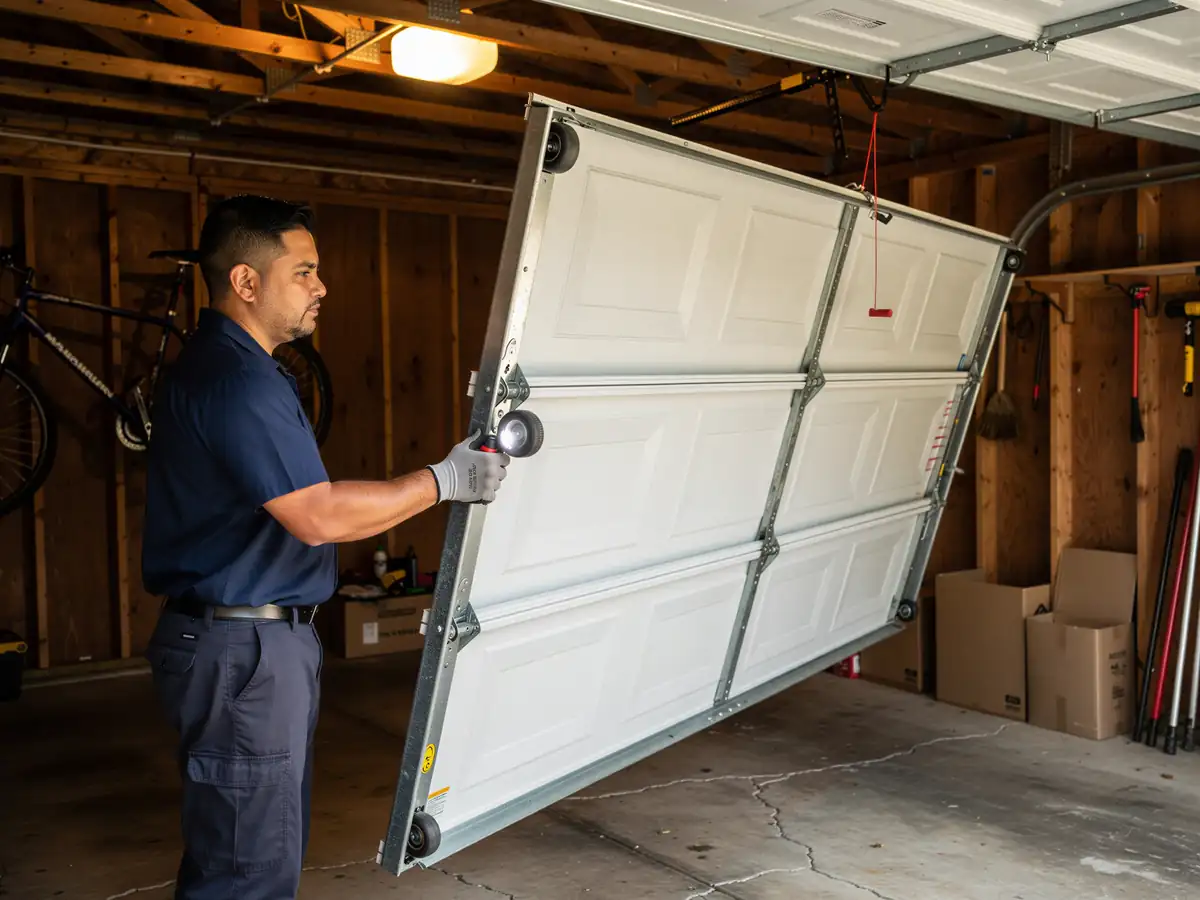
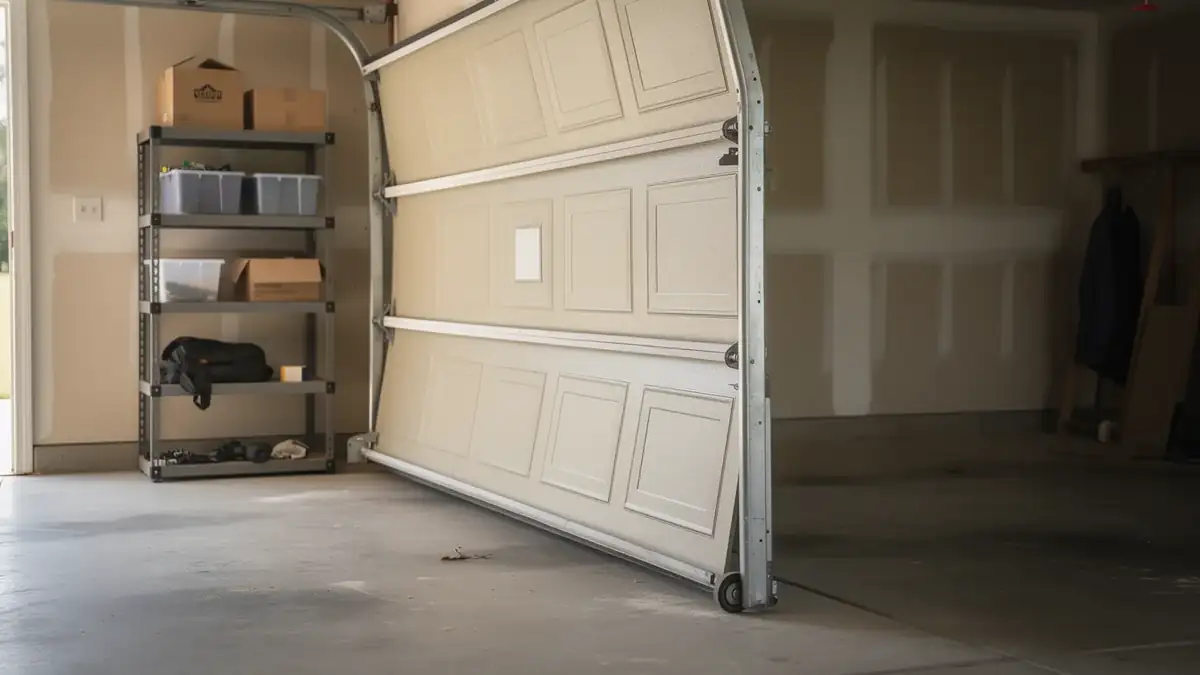
Most people assume a door jumped the track because something hit it
Sometimes that's true. But in this area, where housing runs 1965 to 2010 with a median build year of 1979, the more common cause is a roller or bracket that's been slowly working loose for decades and finally lets go. A door that's been opening and closing on the same hardware since the Carter administration doesn't need a dramatic event to fail - it just needs one more cycle.
The mistake homeowners make is treating the symptom
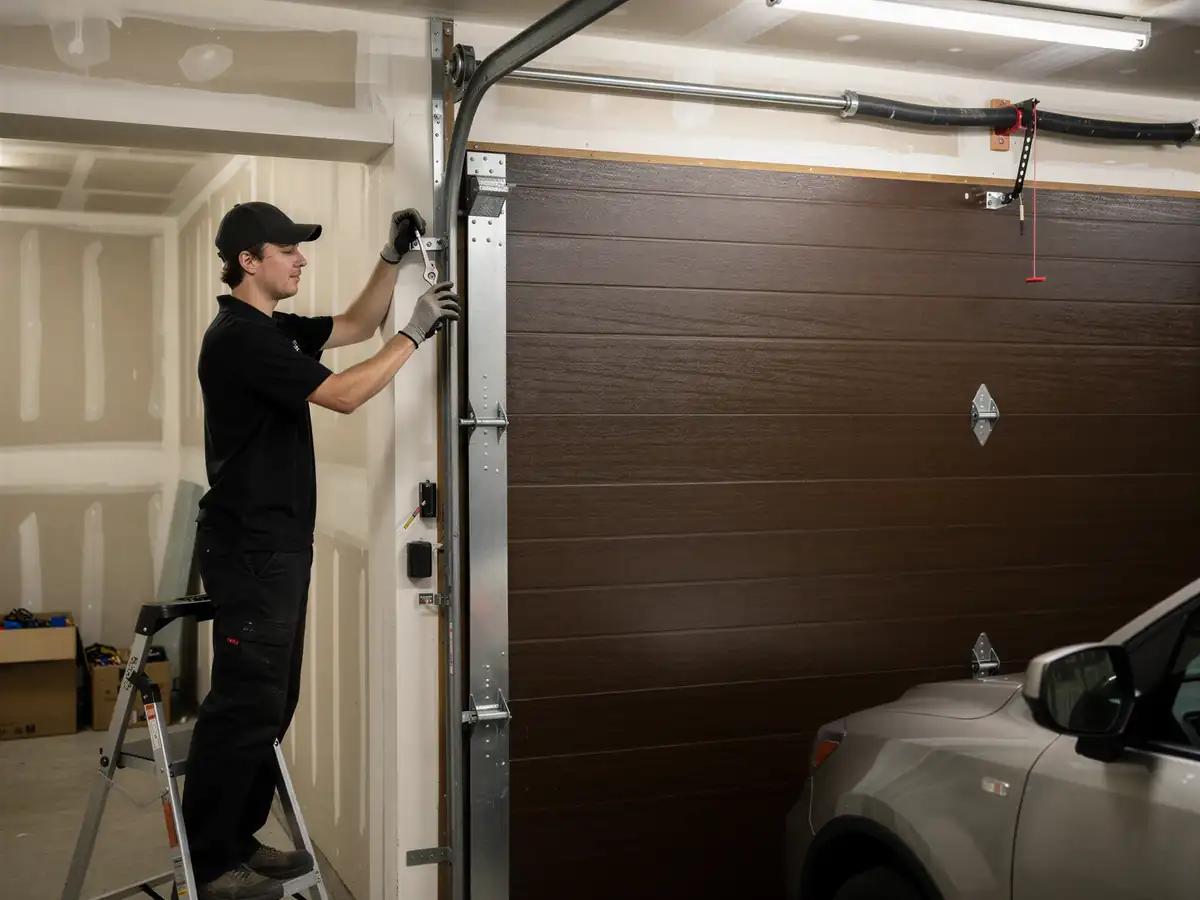
They see the door hanging crooked in the track and try to force it back by hand, or they loosen the track bolts to "give it room." On a door this old, the track itself has usually developed a slight bow from years of a loose roller bearing against it unevenly. Pushing the door back in without addressing the roller or the bent section just means it comes off again, often worse, within a few weeks. The track and the roller wear together - fix one without the other and you haven't fixed anything.
What the Weather Here Does to It
This area sits in a cold-moderate climate band - not the deep freezes you get further north, but enough seasonal swing that steel brackets and tracks expand and contract year over year. On a door installed in the 1960s or 70s, that cycling has had forty or fifty years to work bolts loose at the jamb. You won't notice it season to season. You notice it when a bracket that's been slowly backing out finally lets the track lean away from the frame.
Humidity swings in a cold-moderate climate also matter more than people think. Wood jambs on older houses in this area shrink and swell with the seasons, and a track bolted to a jamb that's moving under it will eventually pull a screw loose or crack the wood around it. That's a jamb problem wearing a track problem's clothes, and it's common enough in homes from this build era that we check the jamb first, not just the hardware, when a door's come off track more than once.
The Situation
Across the areas we work in - places like Woodfield, Dentsville, Forest Acres - the housing stock is mostly 1960s and 70s construction, which means a lot of doors are still running on original or first-generation replacement track. With roughly 30,730 owner-occupied houses in the service area and a median household income of $60,408, a lot of owners are weighing a full track-and-roller job against just living with a door that drags a little.
That's a real decision, not a lazy one. A full track replacement on an older door usually means also addressing the brackets and sometimes the rollers, since they've worn together. On a budget, it's reasonable to ask a tech to true up the existing track and replace just the worn rollers rather than pull everything out. We'll tell you straight which option actually holds, and which one just buys you a few more months before the same call comes back.
When Waiting Is Fine
Not every off-track door is an emergency, and we won't tell you it is
If the door is only off at the bottom roller and still closes flush, and nothing's binding or grinding when it moves, you can usually park the car on the street and wait a few days for a scheduled visit instead of paying for an after-hours call. That's one of the honest limits of this job: a door that's cosmetically crooked but mechanically sound isn't worth rushing a truck out for.
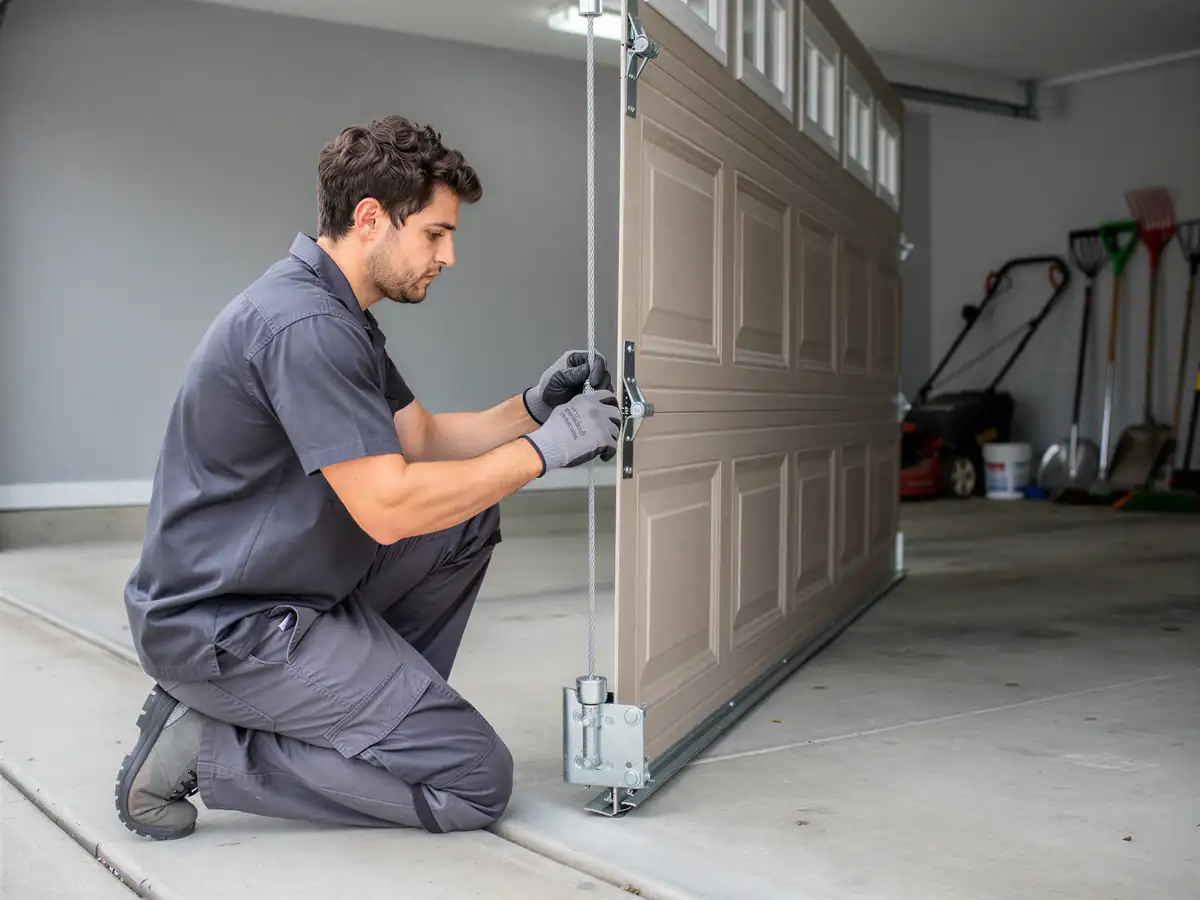
What changes that answer is a door that's bound up solid, won't move at all, or has a cable visibly slack
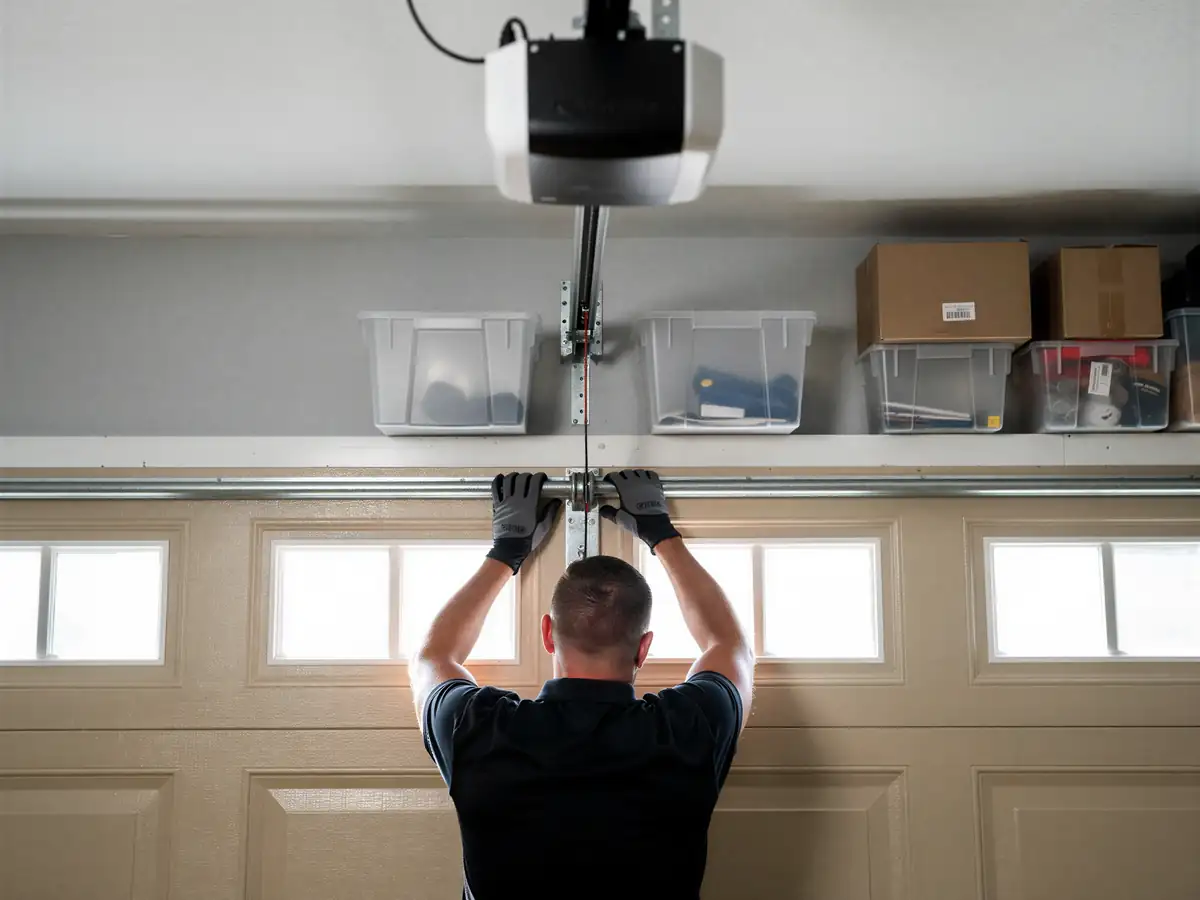
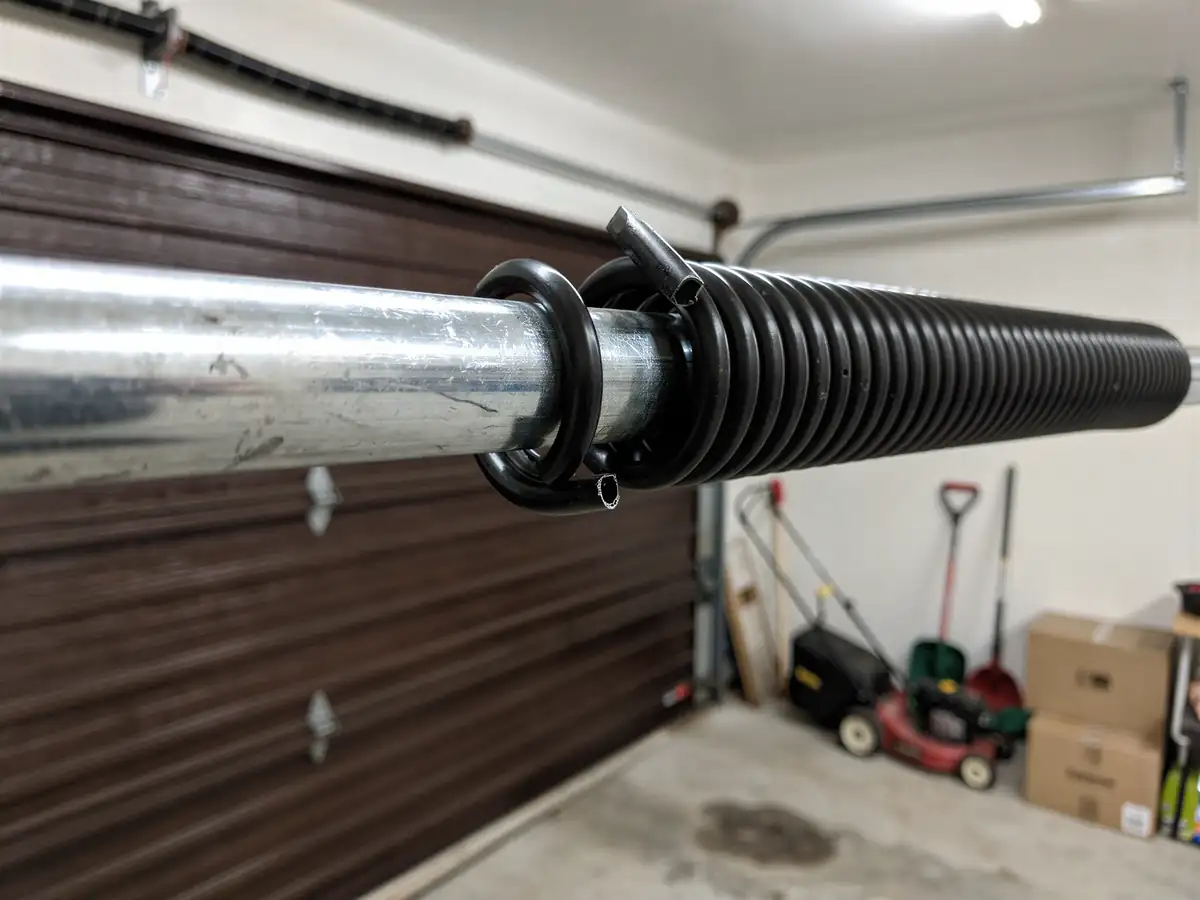
On a house from this era, that often means a spring or cable is about to go along with the track, and that's not a wait-and-see situation. The age of the hardware in homes built in the 1965-2010 window means multiple components tend to be near the end of their life at once, so one jammed door is sometimes two or three problems arriving together, not one.