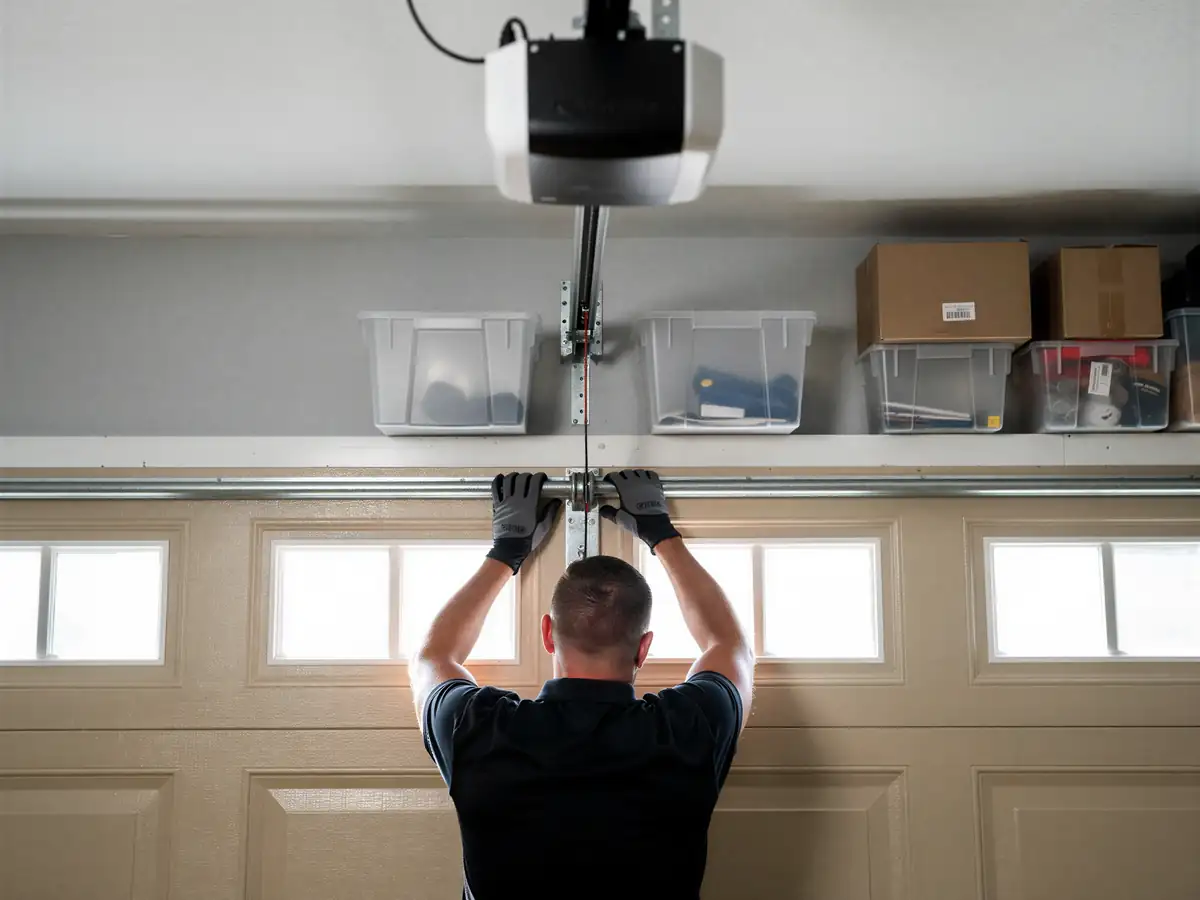
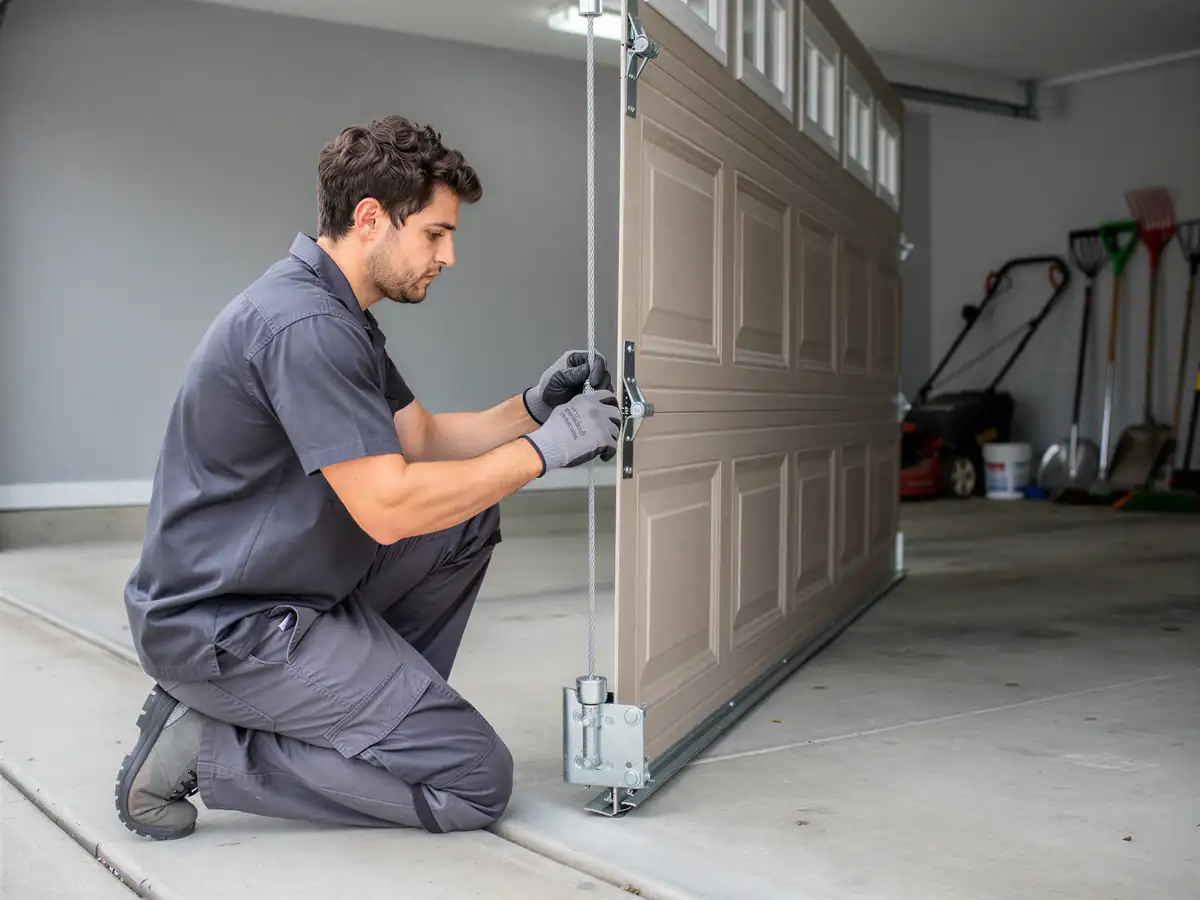
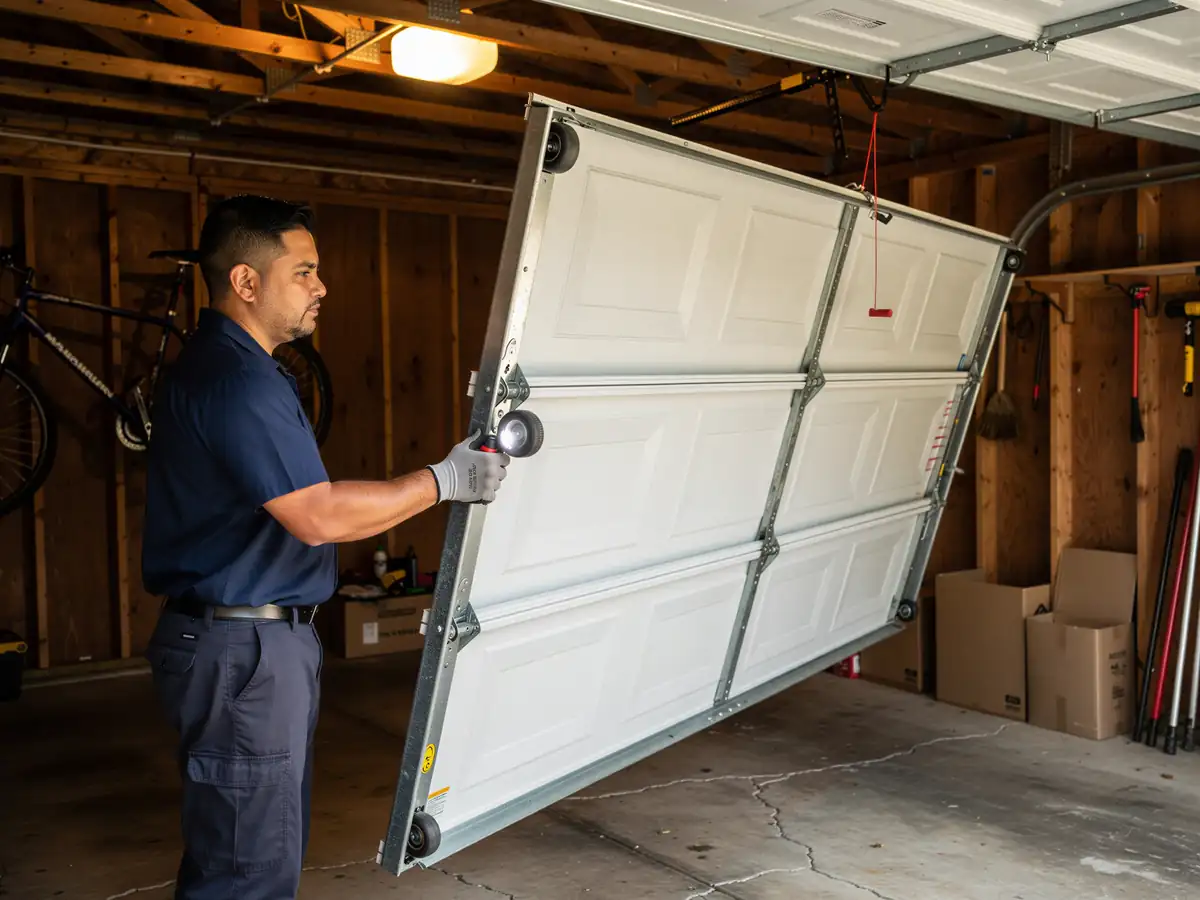
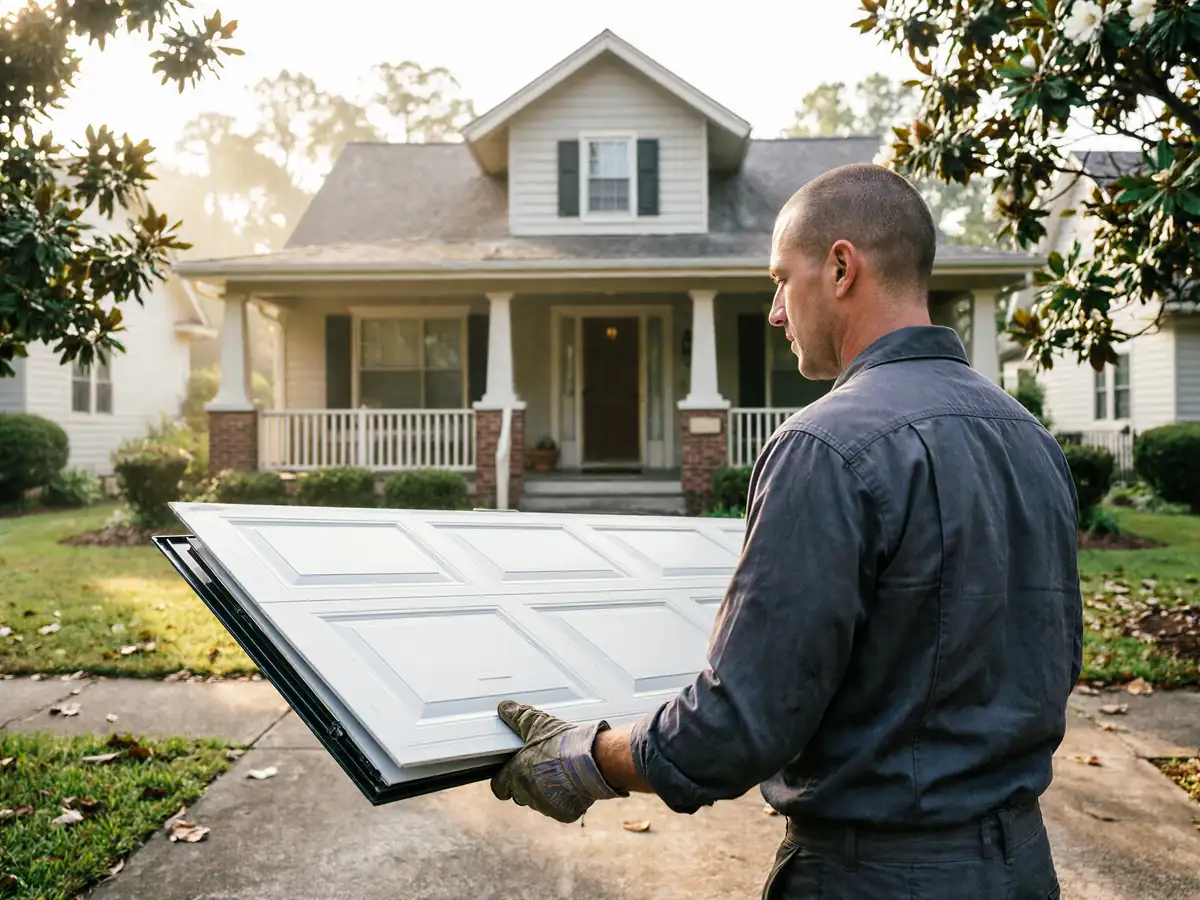
Most homeowners around Columbia assume a broken spring means something went wrong - that they did something to cause it. Usually not. A torsion spring is rated for a number of cycles, and steel loses a little temper every time it flexes, faster when it's cold. Houses in this area were mostly built between 1965 and 2010, with the bulk of that stock going up in the 1960s and 70s across the eighteen-some neighborhoods out from Woodfield to Elgin. That means a lot of original or first-replacement springs are well past their design life, and owners haven't thought about them because the door still "worked" right up until the morning it didn't. The mistake isn't neglect so much as assuming a spring failure is random instead of mechanical. It isn't. It's wear plus a cold morning, and the two together are what actually breaks it, not one or the other.
What the Weather Here Does to It
Columbia sits in a moderate cold band, not the brutal stuff you get further north, but cold enough that steel contracts and gets more brittle on the mornings it dips. A spring near the end of its cycle life that would have made it through a mild 40-degree morning can snap on a 25-degree one, because cold steel has less give before it fractures. This isn't a daily event here the way it might be in a harsher climate, but the area gets enough of those sharp cold mornings each winter that garage door spring calls cluster right around them. If your door has felt heavier or louder over the last few weeks and then a cold snap hits, that's usually the trigger, not the cause. The cause was already there.
The Situation
With roughly 30,730 owner-occupied houses across this service area, and most of them dating to the same two-and-a-half-decade building window, a big share of garage doors are running springs original to a build year somewhere around 1979, the median for the area. That's a long run for a part that's only rated for so many open-close cycles. Add in a median household income around $60,408 here, and a lot of owners are weighing a $20 fix against a $200 one and choosing to wait - which is reasonable until the morning it isn't. The honest limitation: we don't stock every spring size on the truck for every door era in this area, and a less common torsion size built for an older opening can mean a short wait on the part. We'll tell you straight if that's the case rather than guess.
When Waiting Is Fine
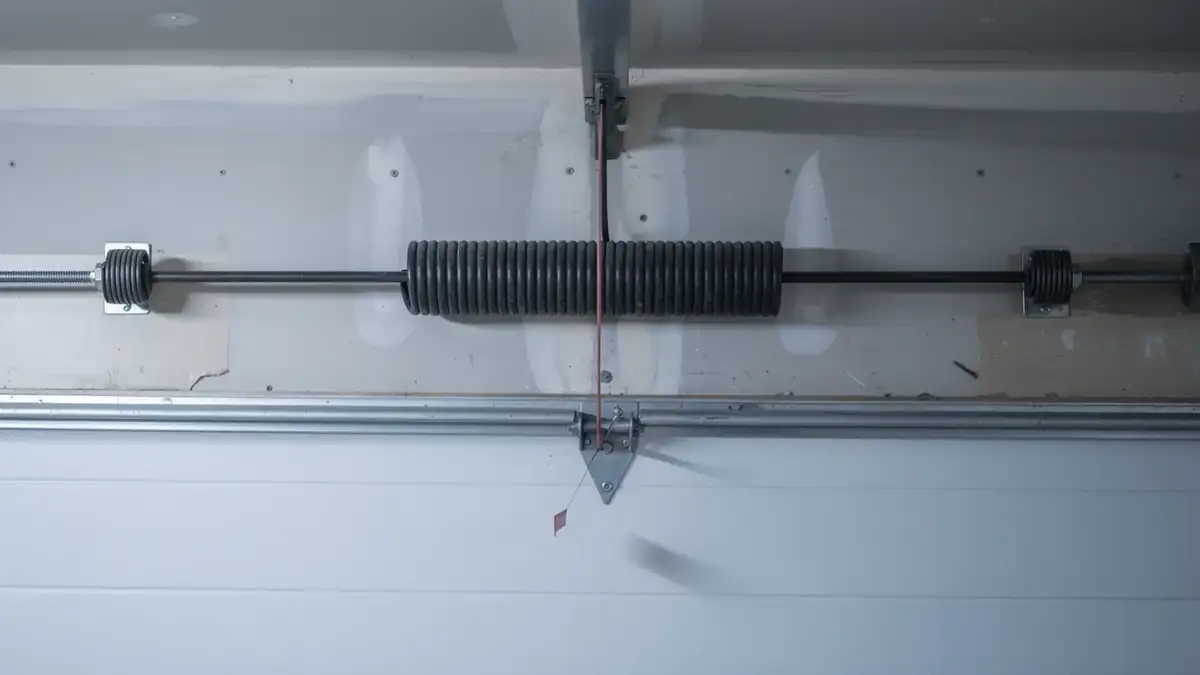
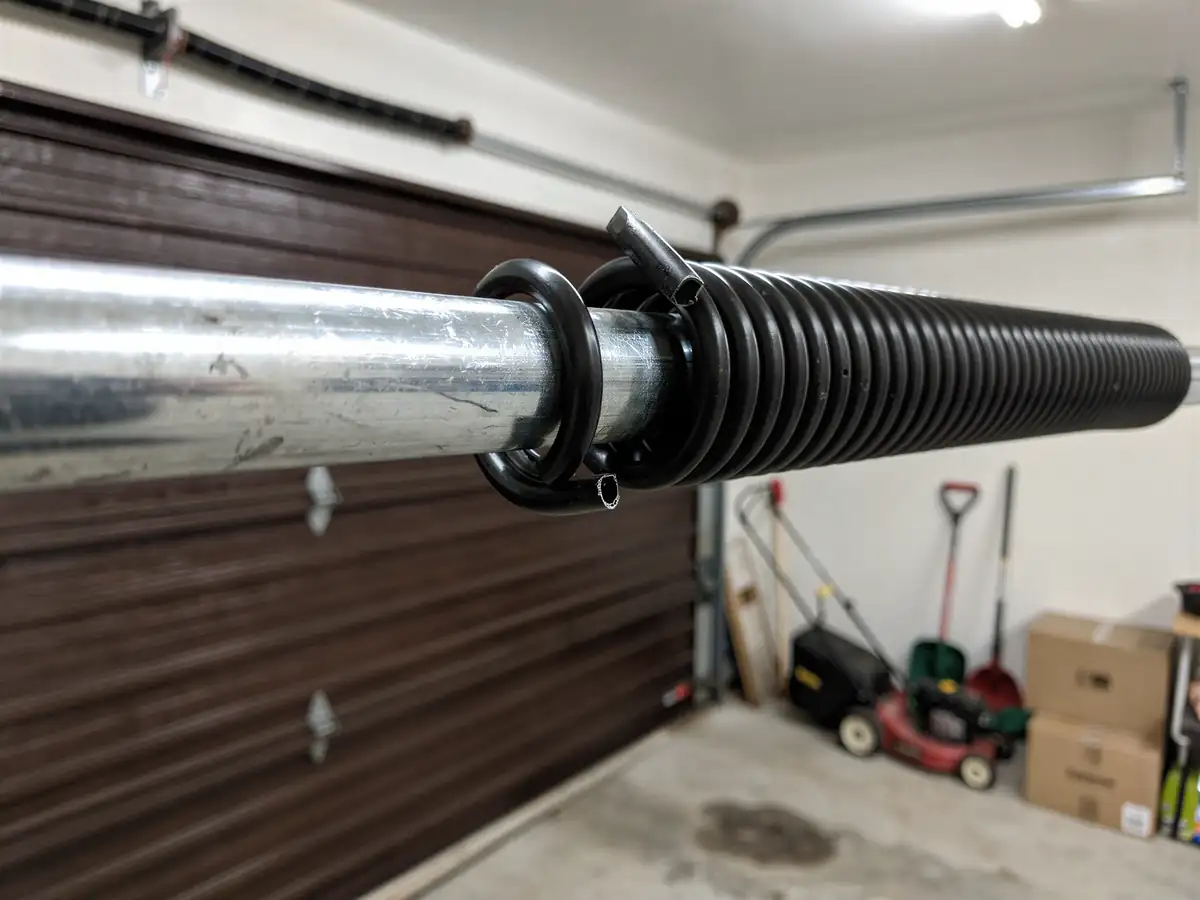
Not every noisy spring needs an emergency call. If the door still opens and closes evenly, if there's no visible gap or fray in the coil, and if it's just louder than it used to be, you can reasonably wait for a scheduled visit rather than treat it as urgent. Where waiting isn't fine: once a spring is visibly separated, the door is under tension it can't hold, and the opener will try to force it anyway, which is how a cable or the opener's motor gets damaged next. Given how much of the housing stock here is sitting on decades-old hardware, a once-a-year look at the spring before the first hard cold snap is cheap insurance against the call coming in at the worst possible morning.
Cold steel is more brittle and has less give before it fractures. A spring that's near the end of its cycle life - common in homes built in the 1960s-70s wave across this area - is far more likely to snap on a sharp cold morning than a mild one. The cold is the trigger, not the root cause.
Is this common in Columbia specifically?
Columbia sits in a moderate cold band, so it's not a daily occurrence, but the area does get enough cold mornings each winter that spring failures cluster around them. Combined with how much of the local housing stock dates to 1965-2010, there are a lot of springs here approaching the end of their rated life.
Can I just wait until spring to fix it?
If the door still opens evenly and there's no visible gap in the coil, waiting for a scheduled visit is reasonable. Once a spring is visibly separated, don't wait - the opener will try to compensate and can damage the cable or motor next.