How We Fix It
Forest Acres sits about 4 miles from Columbia
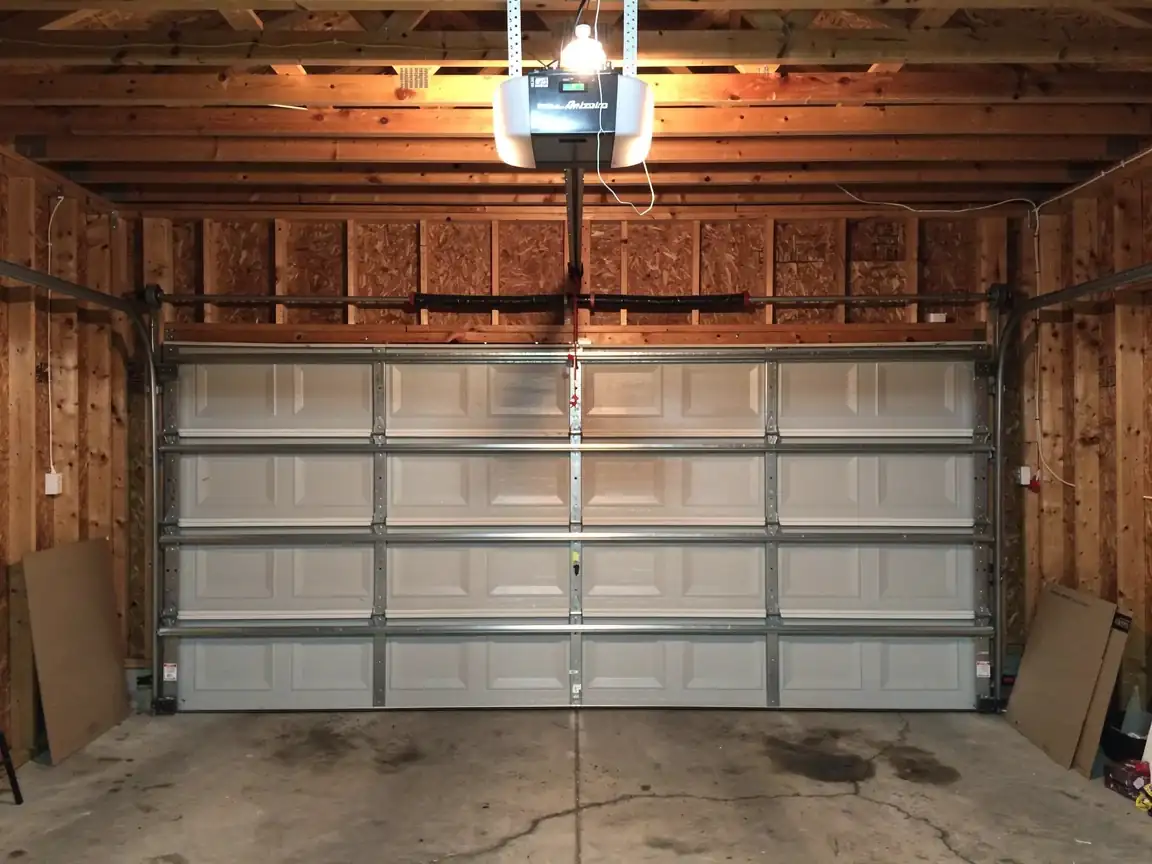
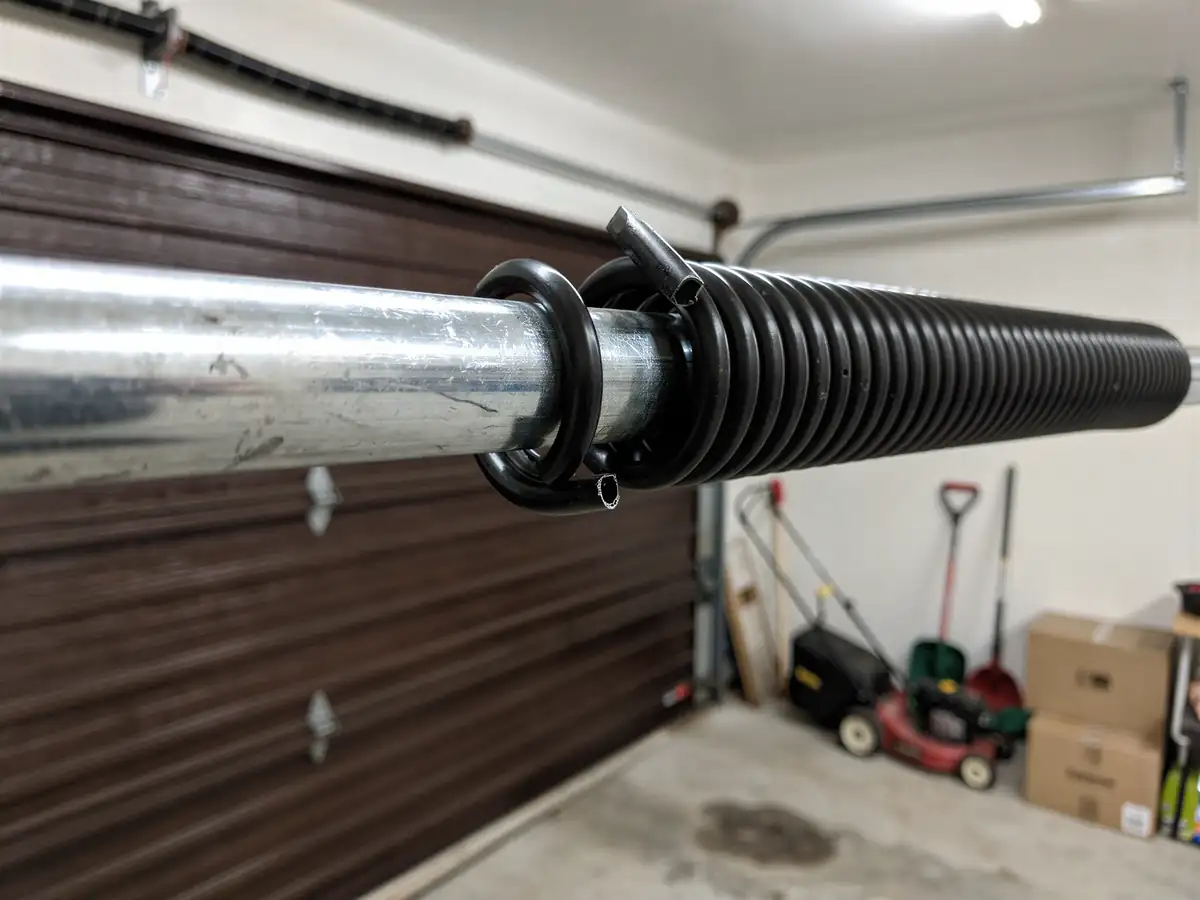
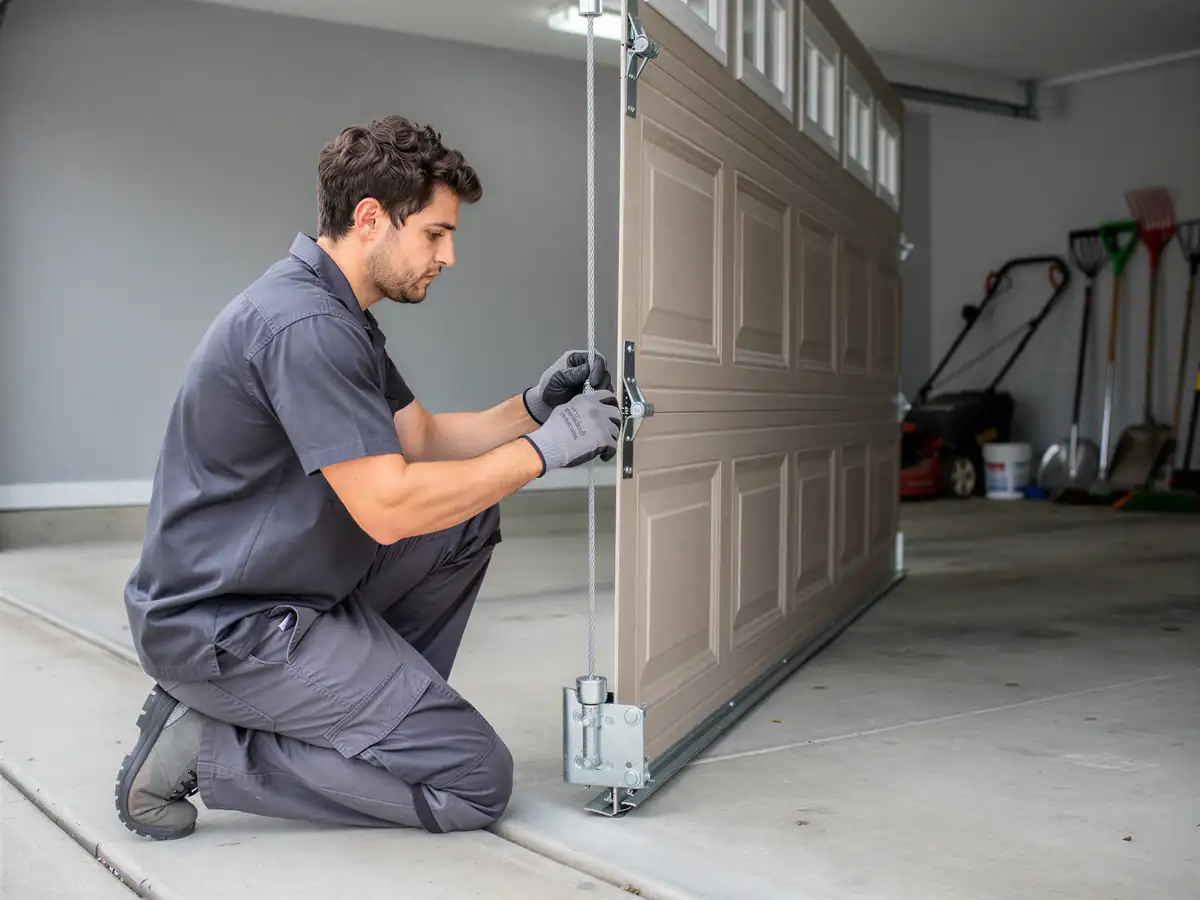
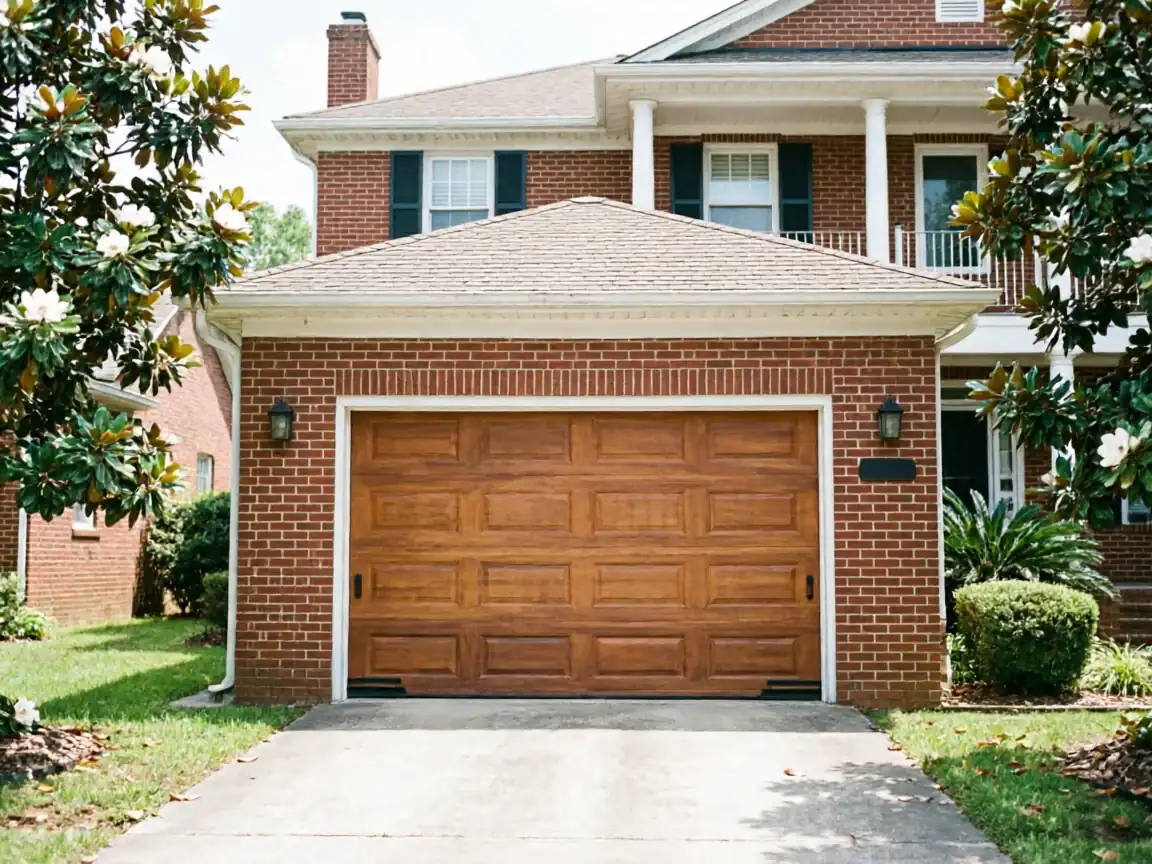
And the typical house here dates to around 1965 - a good decade and a half ahead of the service area's overall median build year of 1979. That gap matters on a service call. A door system installed in the mid-60s has had sixty years to run through every component at least once, but in a lot of these houses, nobody ever touched the torsion spring, the center bearing plate, or the original lift cables. They just wore down slow until something let go - usually the spring, sometimes the bottom bracket that's been rusting on a cable it was never rated to hold this long.
- 4 miles
We start every call the same way
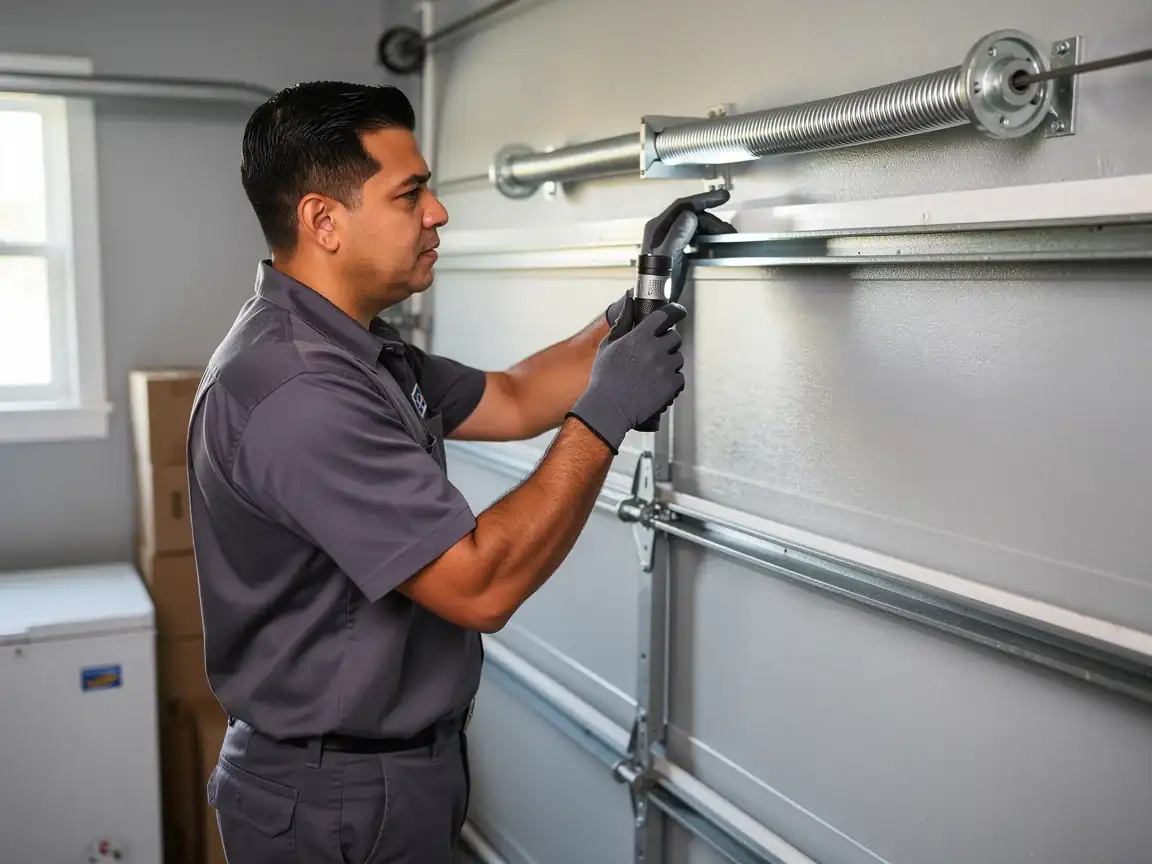
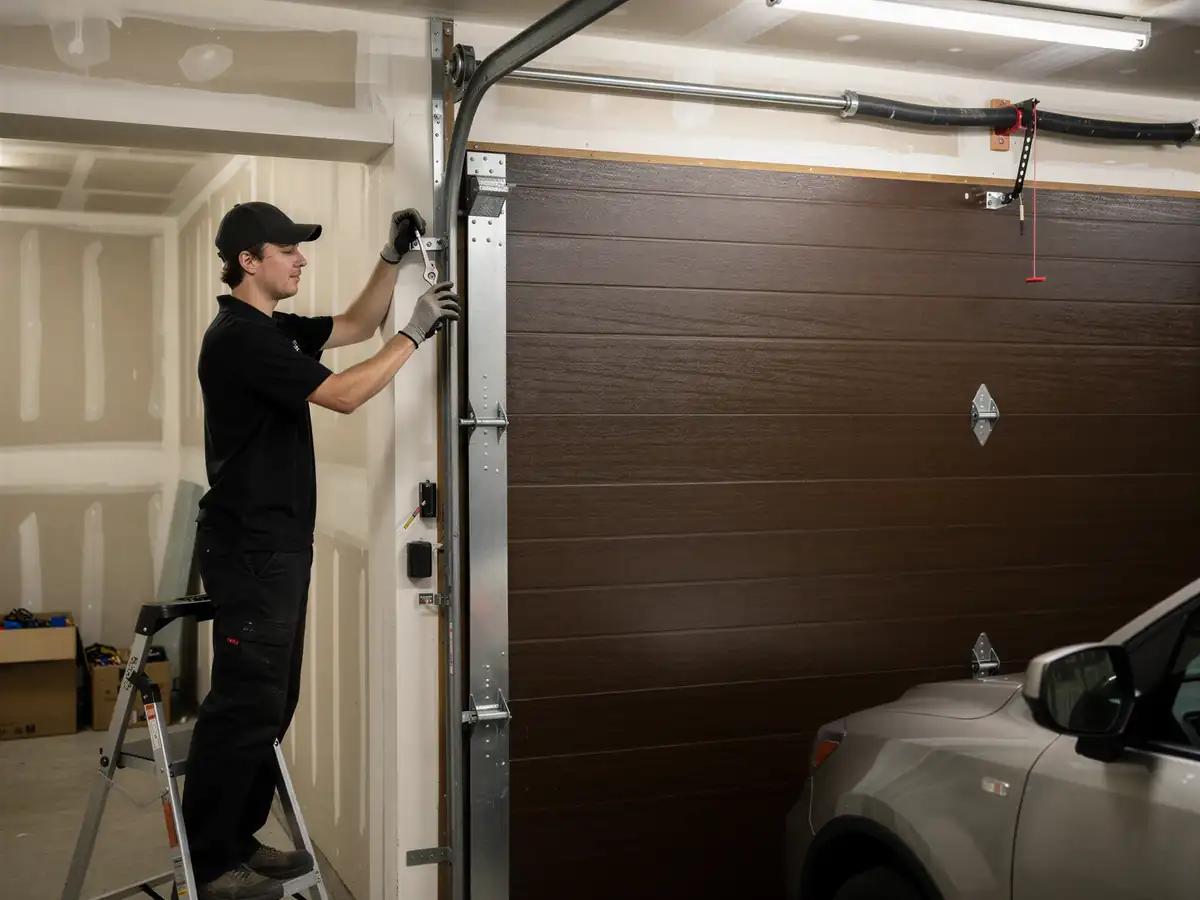
Check the spring wind and cable condition before touching the opener, because on a house this age the opener is almost never the real problem. If the door won't lift evenly, drags on one side, or the cable has visibly frayed, that's original hardware finally giving out, not a new fault. We diagnose on-site, show you what's worn versus what's just old but sound, and quote the repair before we start - no guessing on the truck.
What It Costs
We don't have a published price list for Forest Acres specifically, and we're not going to invent one here. What we can tell you is that median household income in the broader service area runs $60,408, while Forest Acres households run higher at $76,417 - which in practice means we see more owners here choose full hardware replacement over a patch repair when a spring goes, rather than asking us to nurse a 60-year-old bracket along for one more season.
The honest limitation: if your door is original to a 1965 build, a spring-only repair sometimes isn't the cheaper long-term move. Once we're in there and see the drum, cable, and bearing wear together, we'll tell you straight if a patch repair is throwing good money after a part that's going to fail again in a year.
The Complications
The service area falls in a cold-moderate climate band, which doesn't mean harsh winters, but it does mean enough freeze-thaw cycling each year to work metal fatigue into aging torsion springs faster than a mild-climate zone would. Combine that with original 1965-era hardware and you get a specific failure pattern: springs that look fine on a cold morning and snap by afternoon once the metal's been cycling for decades.
The other complication is simpler - sourcing. A door or track made to 1960s spec doesn't always match what's on the shelf today. We carry what we carry; we don't pretend every part on an original Forest Acres door is a drop-in replacement, and sometimes that means a slightly longer repair instead of a same-visit swap.
Parts We Carry
For a house in this build era, the parts we reach for most are standard torsion springs sized to older door weights, replacement lift cables, center bearing plates, and bottom brackets - the pieces that fail first on hardware this old
We also stock common roller and hinge sets, since original rollers on a 1965 door have usually worn well past their rated life even if nobody's noticed yet.
What we don't stock is obsolete or custom-width track for doors that were never a standard size to begin with
If your door falls into that category, we'll tell you on-site rather than quote a part we'd have to special-order and then charge you for the wait.
Time on the Job
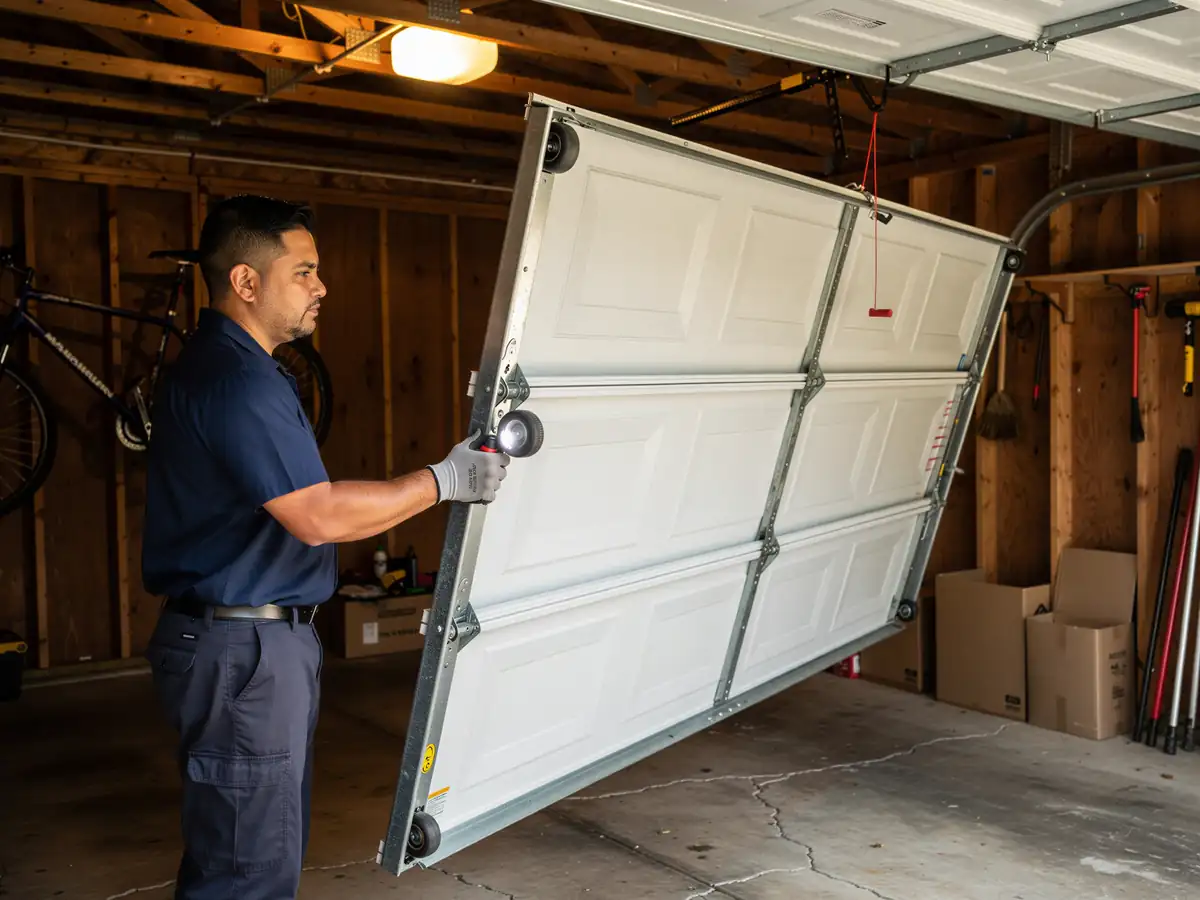
Most spring and cable repairs on these older Forest Acres doors run within a normal single-visit window - we diagnose, confirm the part, and do the swap the same trip. What slows a job down isn't the repair itself, it's hardware from 1965 that doesn't match a modern stocked part on the first try. When that happens, we're straight with you about what we have on the truck versus what needs ordering, rather than stretching a quick fix into something it isn't.
Can You Do This Yourself
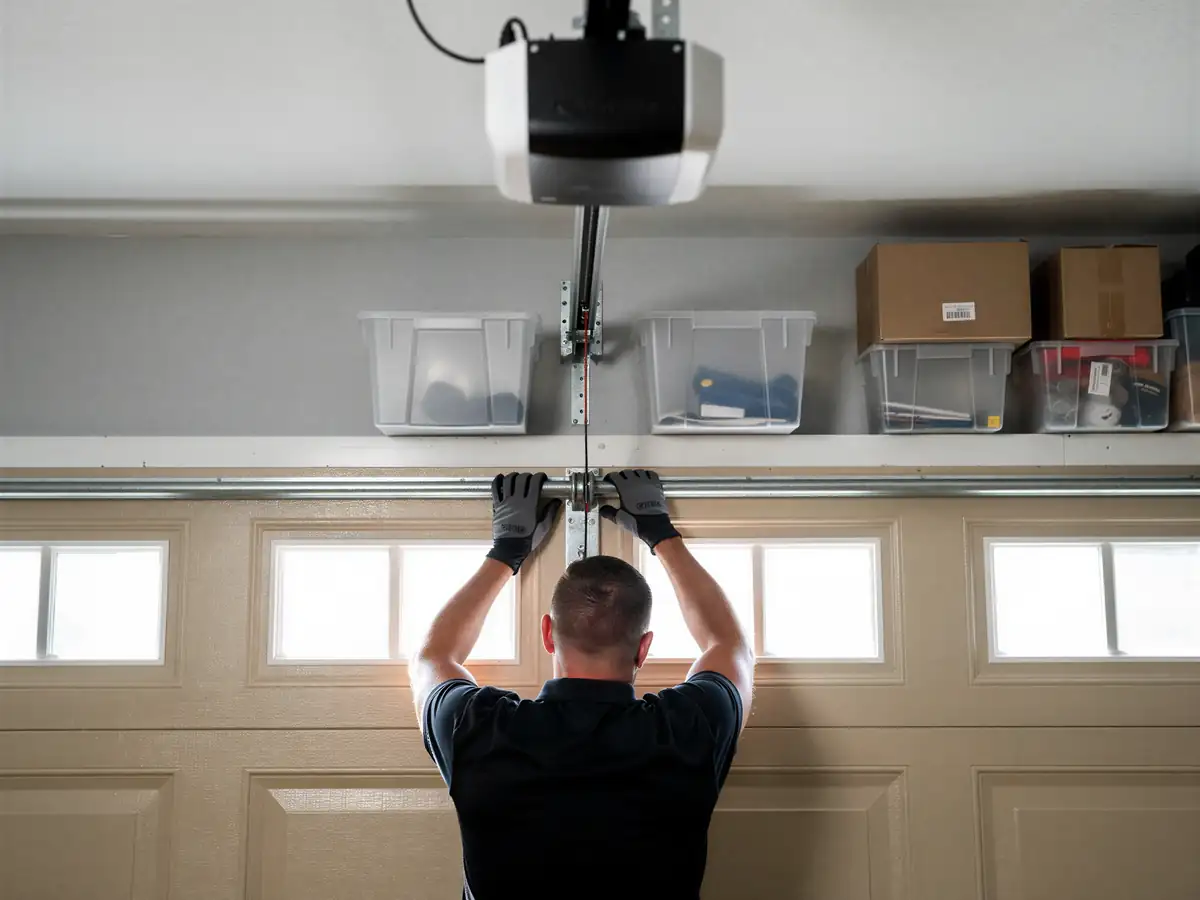
A torsion spring under tension on a door this old is not a DIY job - the spring's been loaded for decades and the bracket holding it has had just as long to corrode or fatigue, which is exactly the combination that causes serious injury when it lets go. Rollers, weatherstripping, and tightening loose hardware are fine to handle yourself. Springs, cables, and anything attached to them, on a house built around 1965, we'd rather you call us than find out the bracket was weaker than it looked.