Can You Do This Yourself
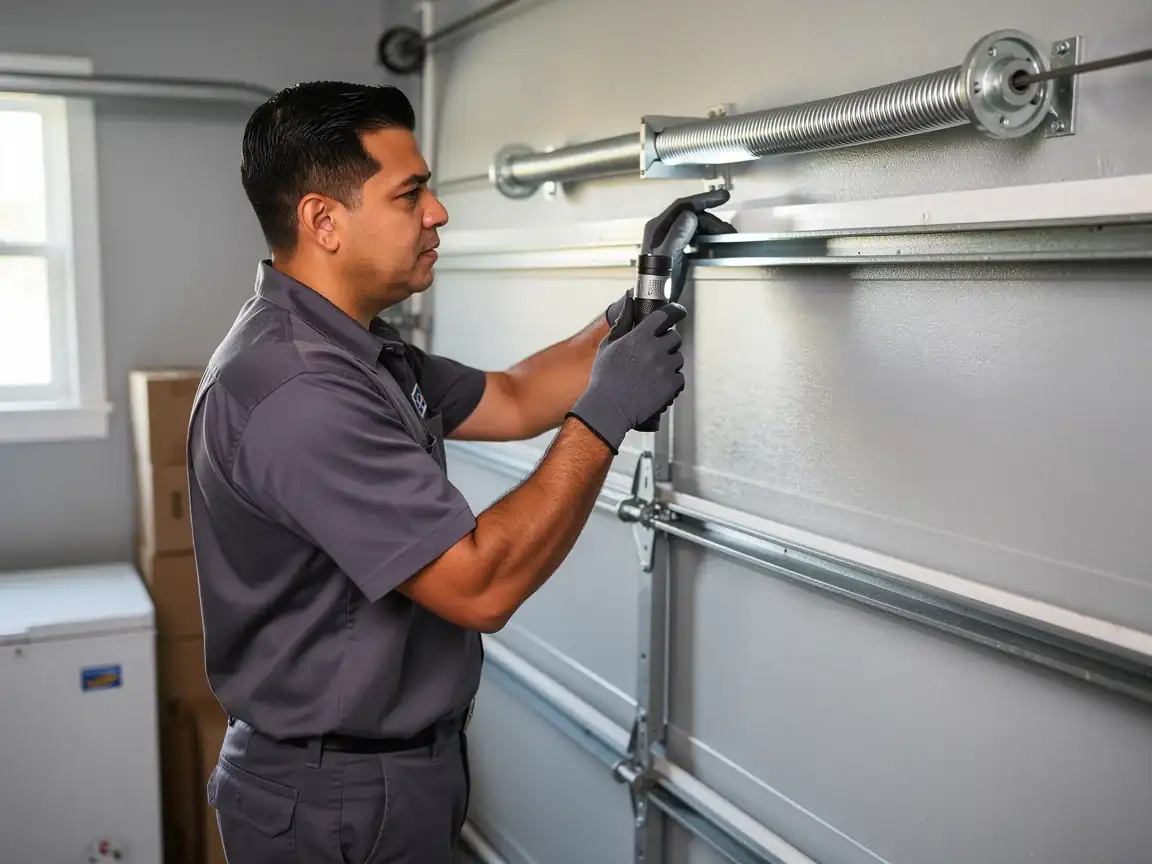
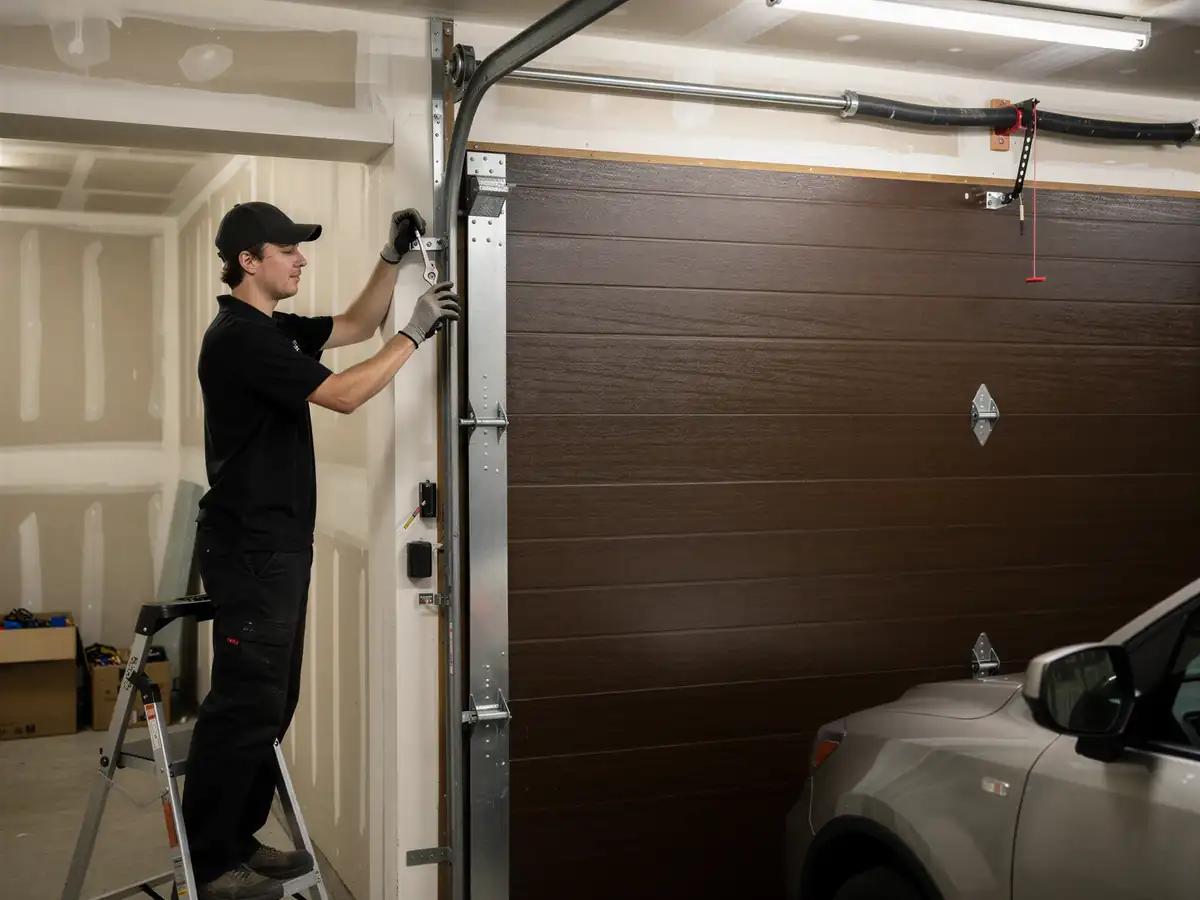
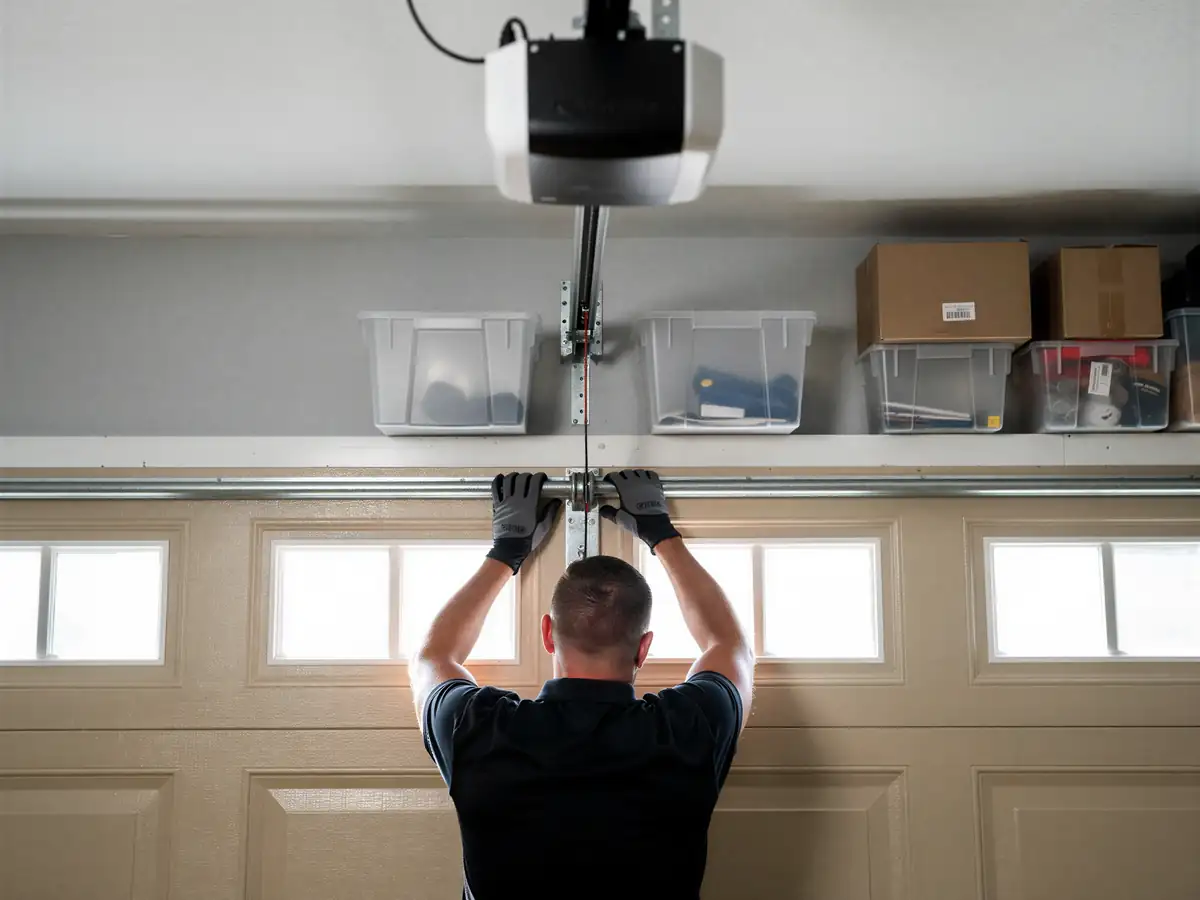
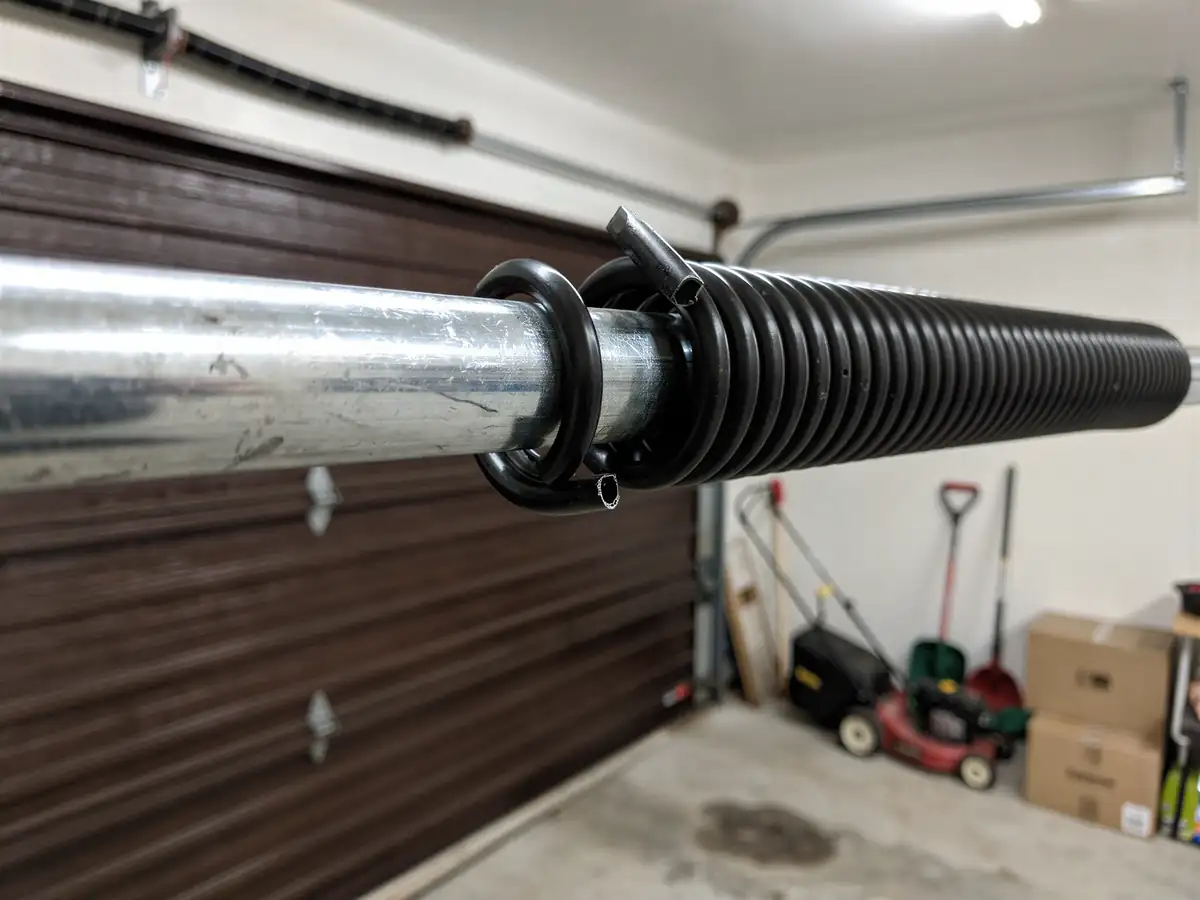
A torsion spring under tension can break a hand or worse
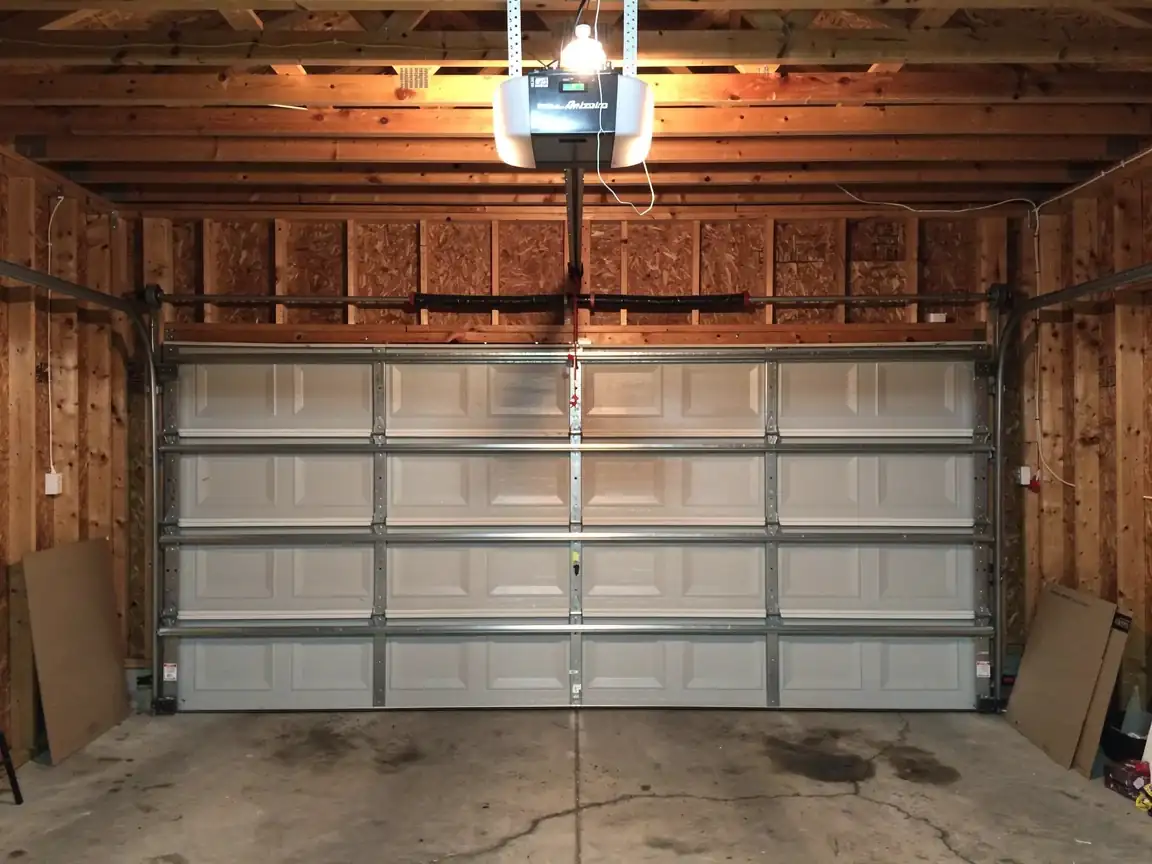
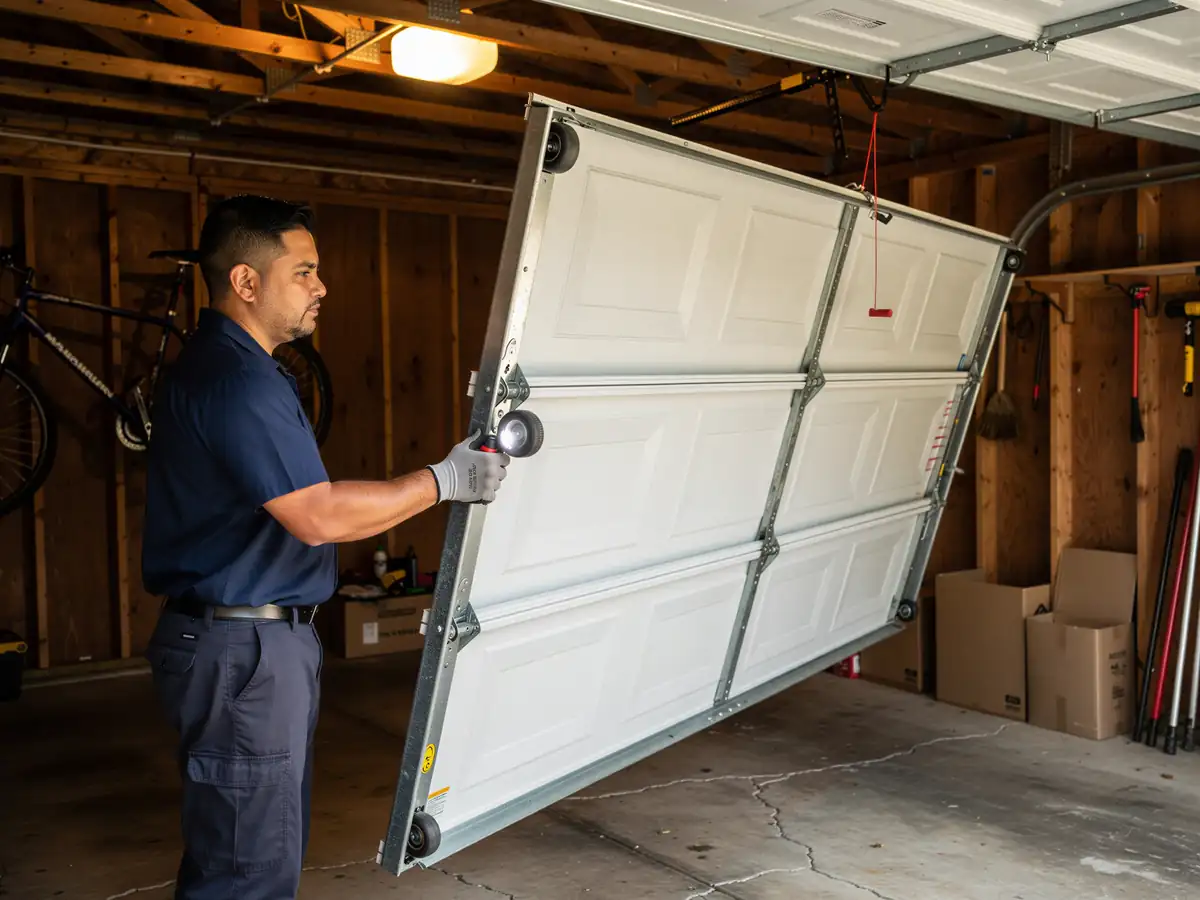
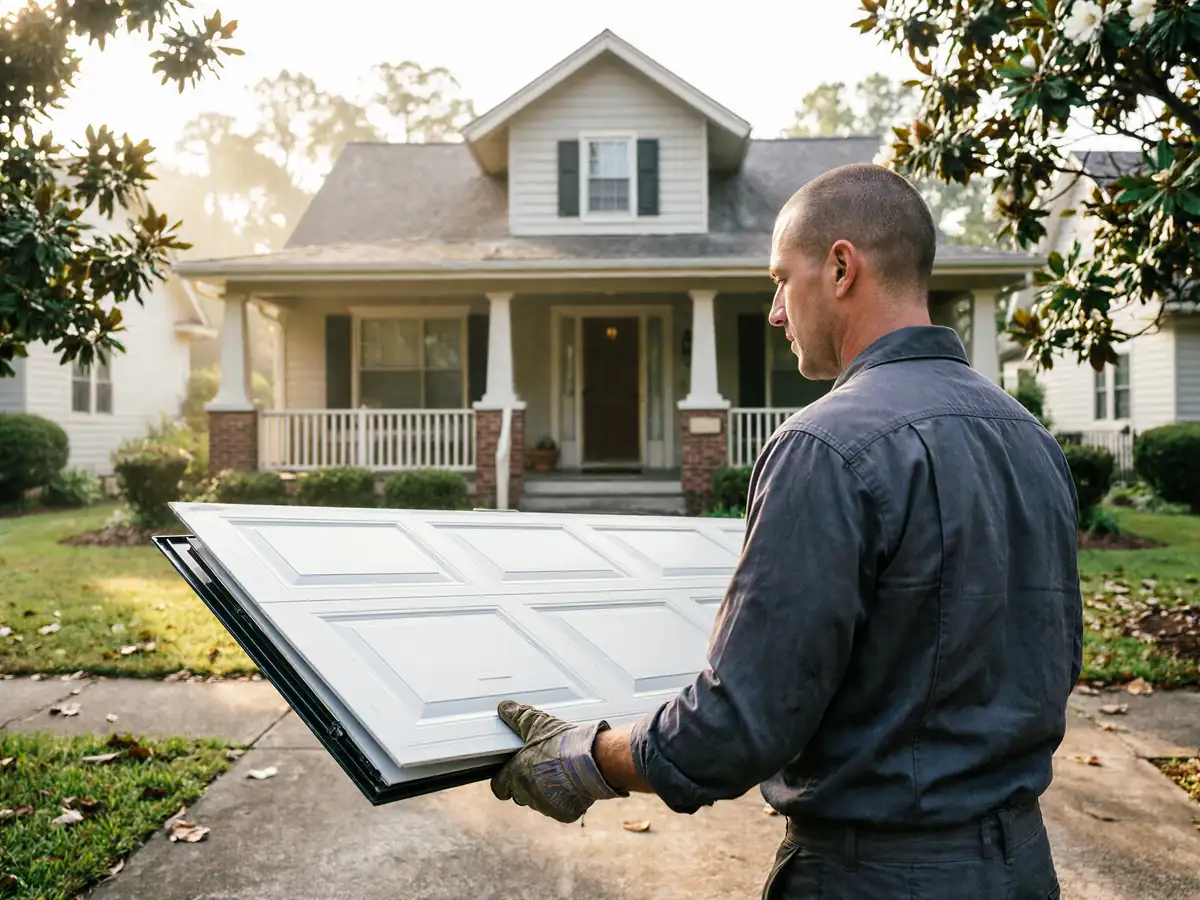
And that's true whether the door is five years old or forty. Swapping a door panel yourself is doable if you're handy and the opener, track, and jambs are square. Replacing the whole system - door, springs, drums, track, opener mounting - on a house built around 1969 usually means dealing with hardware that's never been touched since the original builder put it in. Track brackets rust into the jamb. Lag screws strip. None of that shows up until the old door is off the hinges.
We don't do this job as a side gig from a hardware-store kit
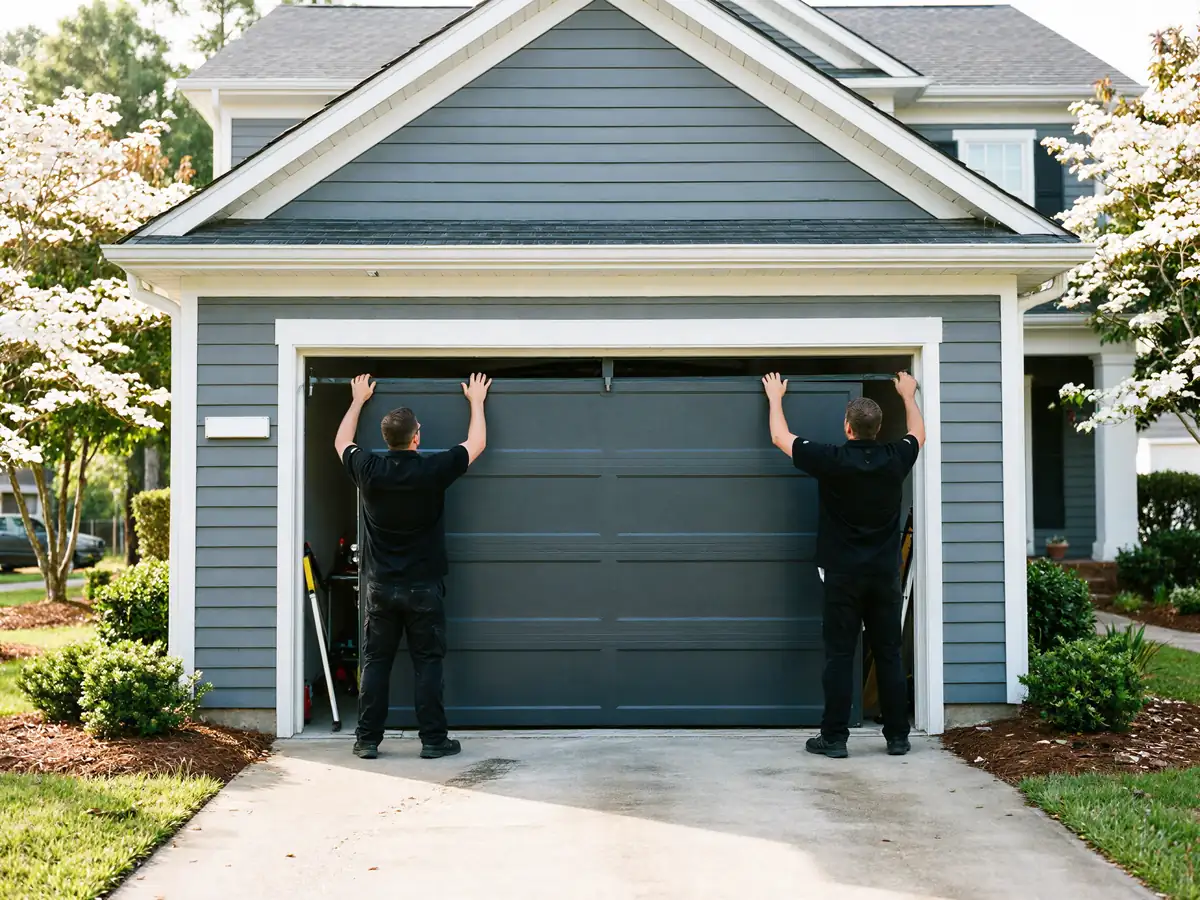
And we won't talk you through a torsion spring swap over the phone - that's not a cost-saving tip, it's how people end up in the ER. If your opener still works fine and the track is straight, you can save money having us install just the door and hardware while you keep your existing opener. If the track is bent or the jamb has shifted, patching one piece usually just moves the failure to the next part down the line, and a full install is the more honest call. See what a service call here involves before you decide which route makes sense for your door.
Why It Happens Here
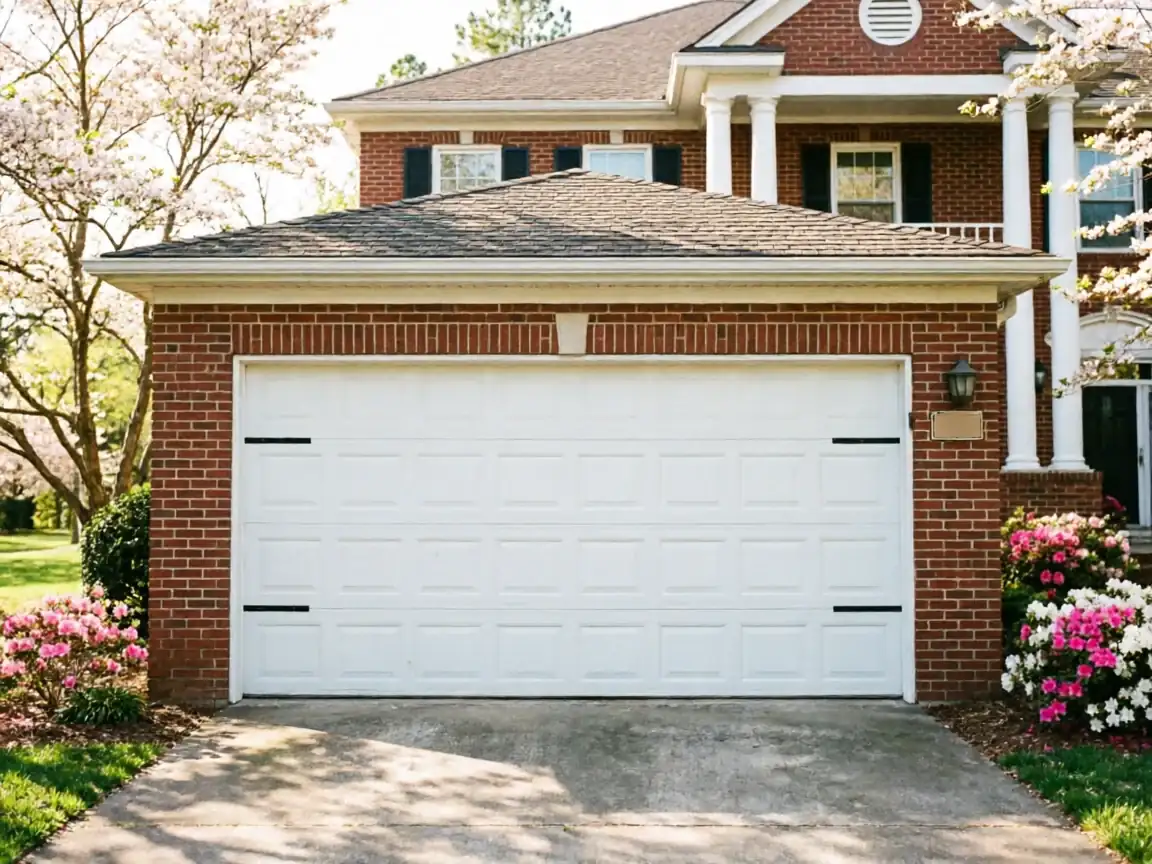
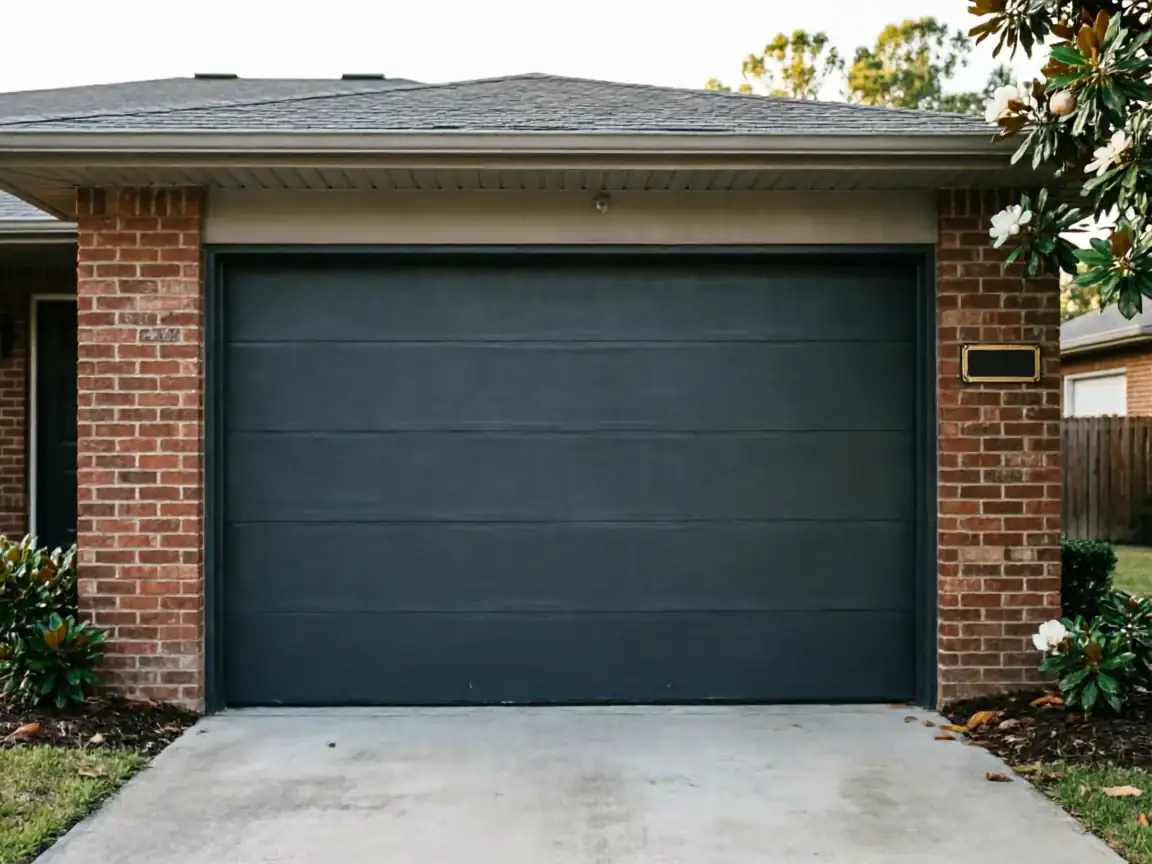
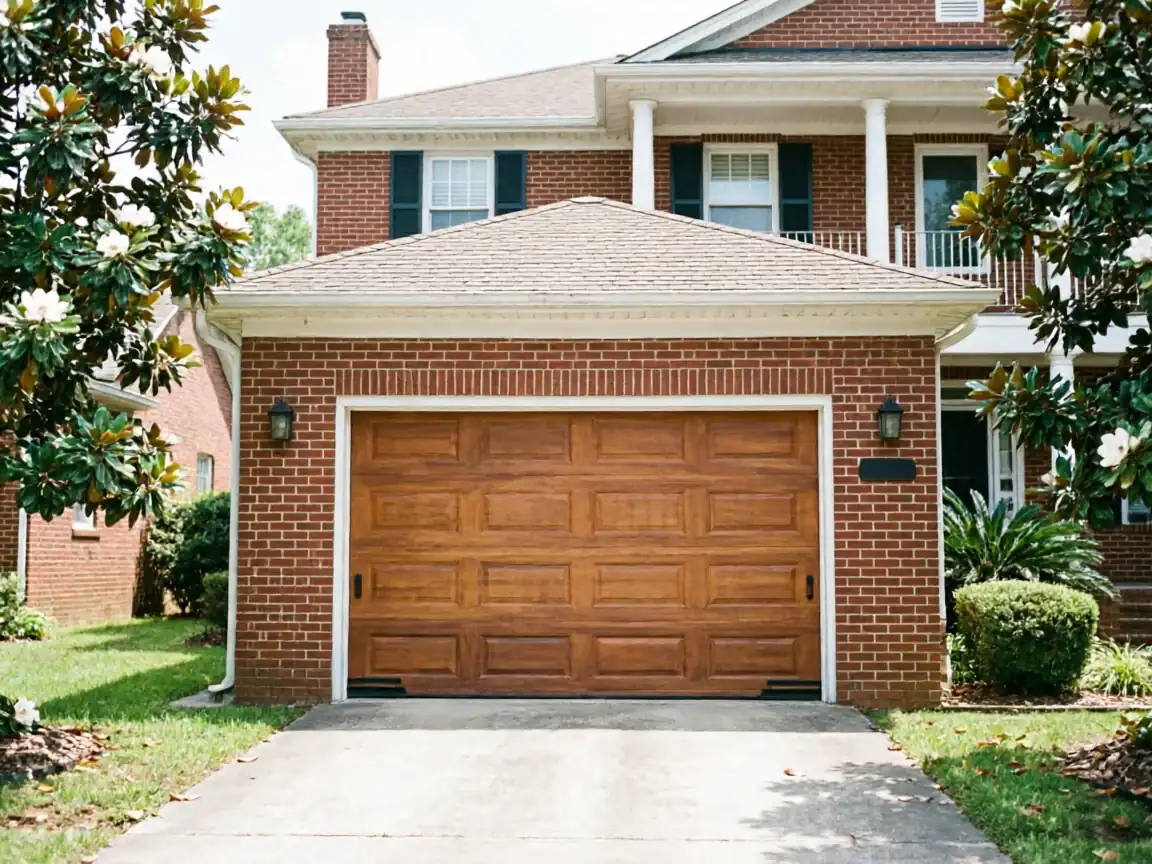
Housing in this part of the Columbia area went up mostly between 1965 and 2010, but Springdale's own median build year lands around 1969 - older than a lot of the newer subdivisions further out. That means a good share of the doors still on these houses are either original builder-grade doors or the first replacement generation from the 80s or 90s, both of which used steel gauges and spring systems that have since been superseded.
The service area sits in a cold-moderate climate band, which doesn't mean brutal winters, but it does mean real temperature swings between a cold January night and a humid August afternoon. Doors and springs installed in 1969 weren't built with modern weatherstripping or insulation ratings in mind, and galvanized torsion springs from that era fatigue faster through repeated expansion and contraction than the oil-tempered springs used now. Add decades of opening and closing - a double garage door cycles several times a day in most households - and springs rated for a certain number of cycles simply run out. That's less about weather disaster and more about age catching up with hardware nobody's replaced since the Nixon administration.
What It Costs
Springdale's median household income is $70,852, noticeably higher than the roughly $60,408 median across the wider service area Columbia Garage Door Pros covers. That matters because it shifts where the repair-or-replace line sits. In a lower-income pocket, stretching one more year out of a cracked panel or a worn torsion spring often makes financial sense. In a household budgeting around $70,852 a year, the math tends to favor replacing a door that's already needed two or three service calls, rather than paying for another patch on hardware from the 1980s or 90s that's simply aging out.
We can't quote a number here without seeing the door, the opening size, and whether the opener's being replaced too - pricing depends on all three. What we can say is that a full install, done once with current hardware, usually costs less over ten years than a string of spring and cable repairs on an original door. General install pricing for the Columbia area is broken down here if you want a starting range before we come out and measure your actual opening.
What You Are Seeing
If your door is sagging at the top corners or won't sit flush at the bottom
That's usually a panel from the 1969-era original builder stock finally warping - thin steel skins without much structural backing were common on houses from that period. A door that slams the last foot of travel instead of settling, or an opener that groans and strains, often means a torsion spring that's lost tension gradually over years of cycling, not one that snapped suddenly.
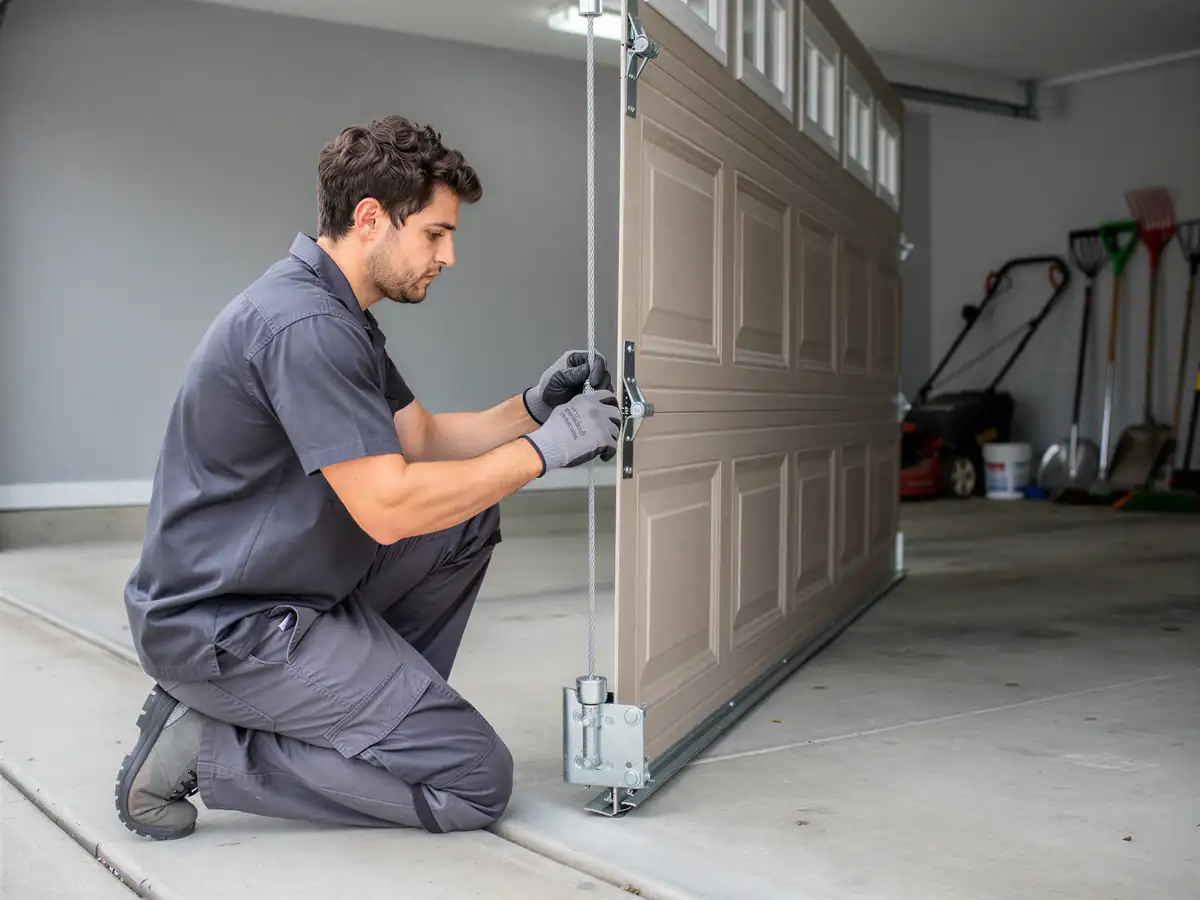
Rust at the bottom roller brackets, cracked nylon rollers, or a track that's pulled slightly away from the jamb are also common on houses this age
Since the original hardware was fastened straight into framing that's shifted a little over fifty-plus years. None of these on their own means you need a whole new door. But when two or three show up together - sagging panel, worn rollers, a spring that's clearly tired - that's usually the point where patching individual parts costs more, over time, than one install done right.