Can You Do This Yourself
Springdale is a small pocket
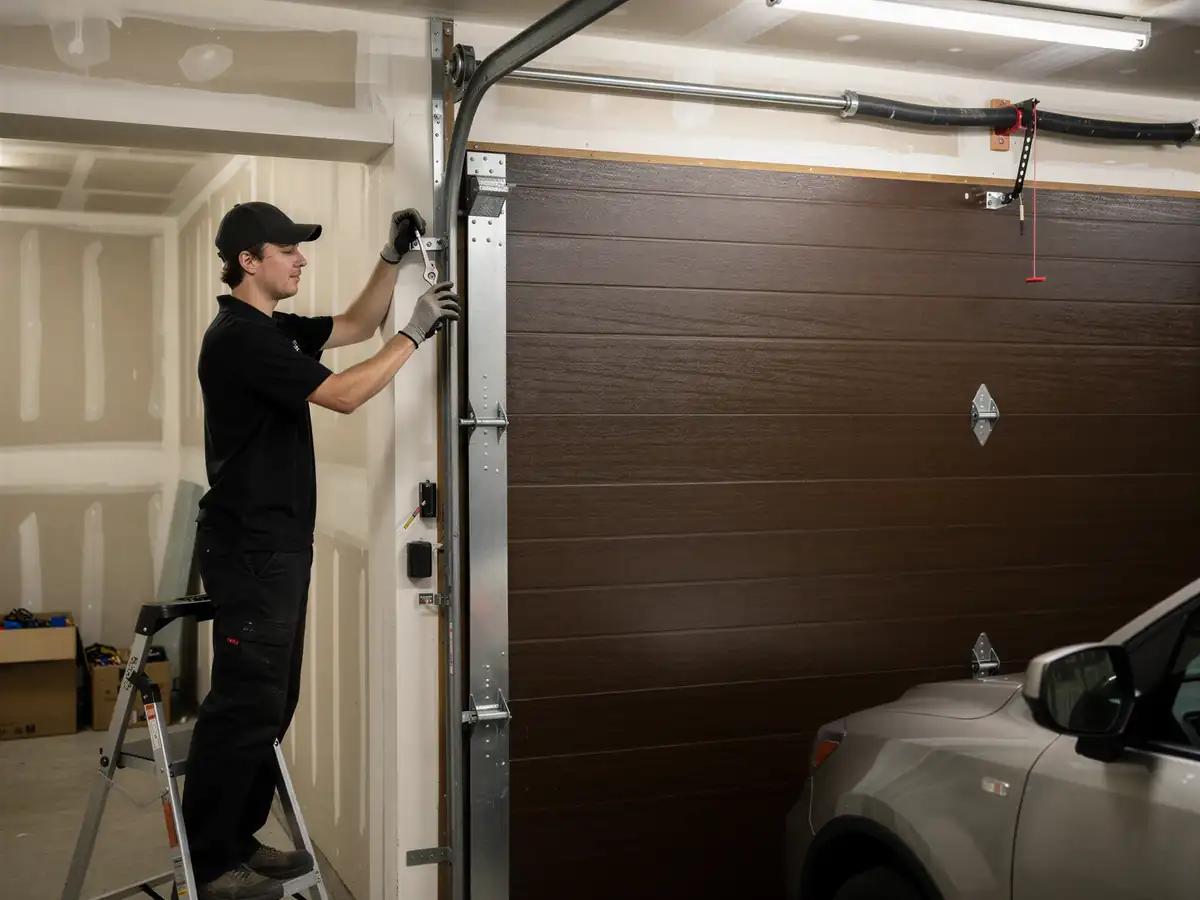
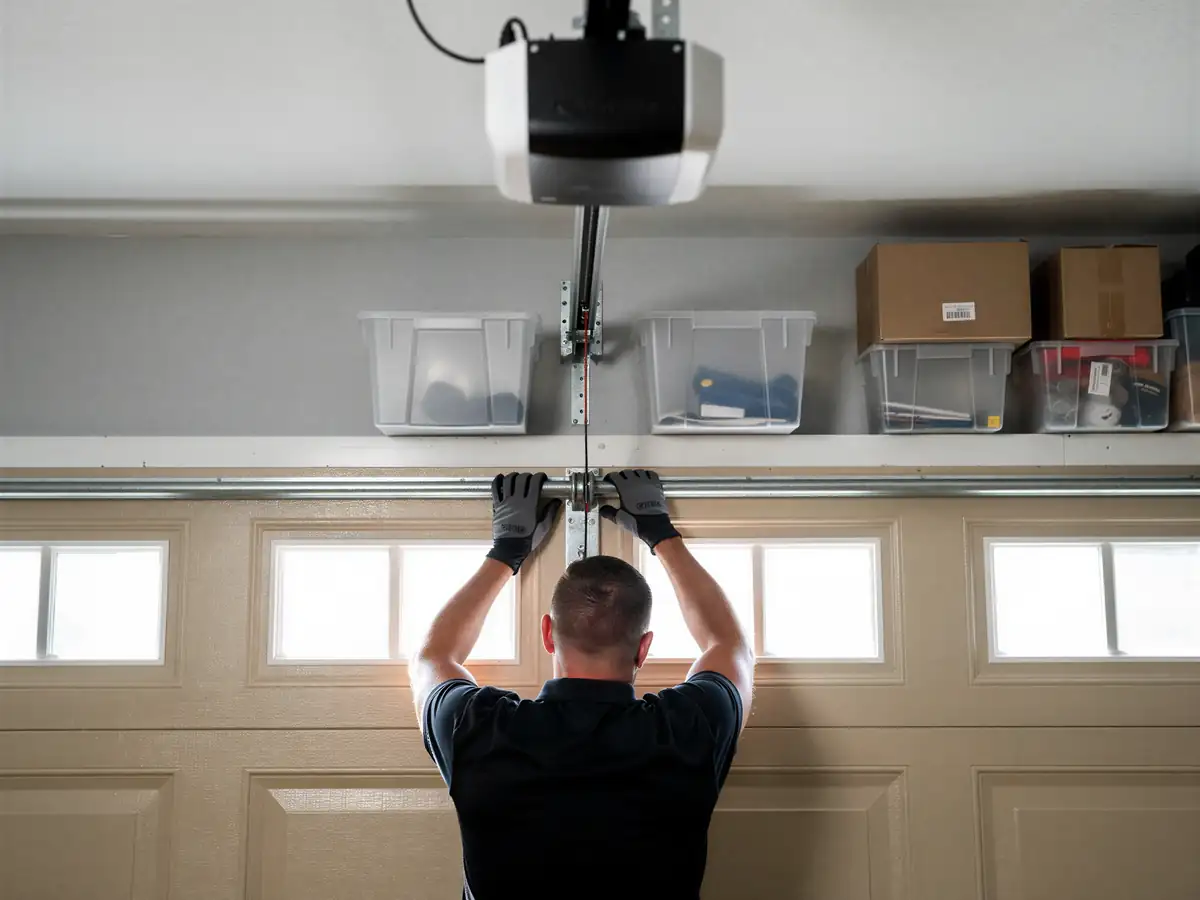
About 1,258 households - so there isn't a big enough customer base here to support a local garage door shop, which is part of why this work gets covered out of Columbia, 13 miles away. That distance matters for what you should tackle yourself. Lubricating rollers and hinges, tightening loose bolts on the track brackets, and wiping down the photo-eye sensors are jobs you can do on a Saturday morning with a stepladder and a can of white lithium grease.
- 1,258 households
- 13 miles
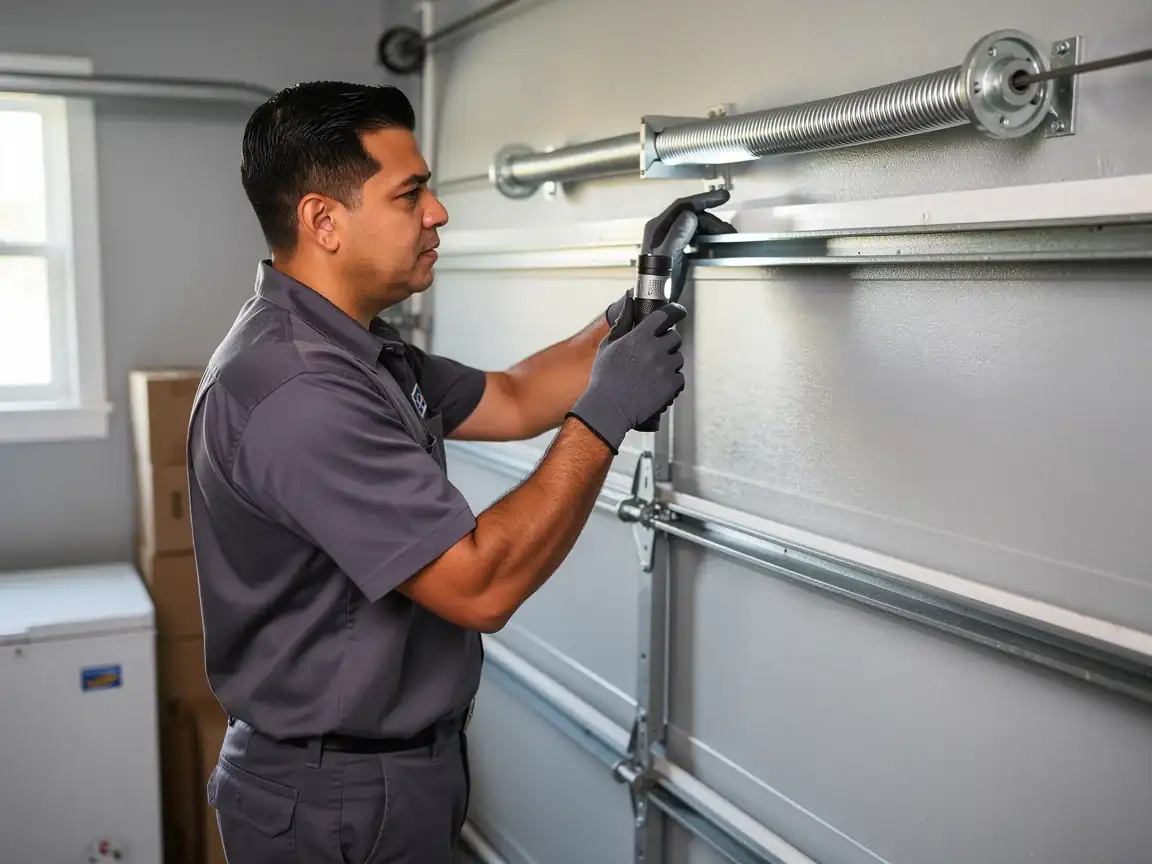
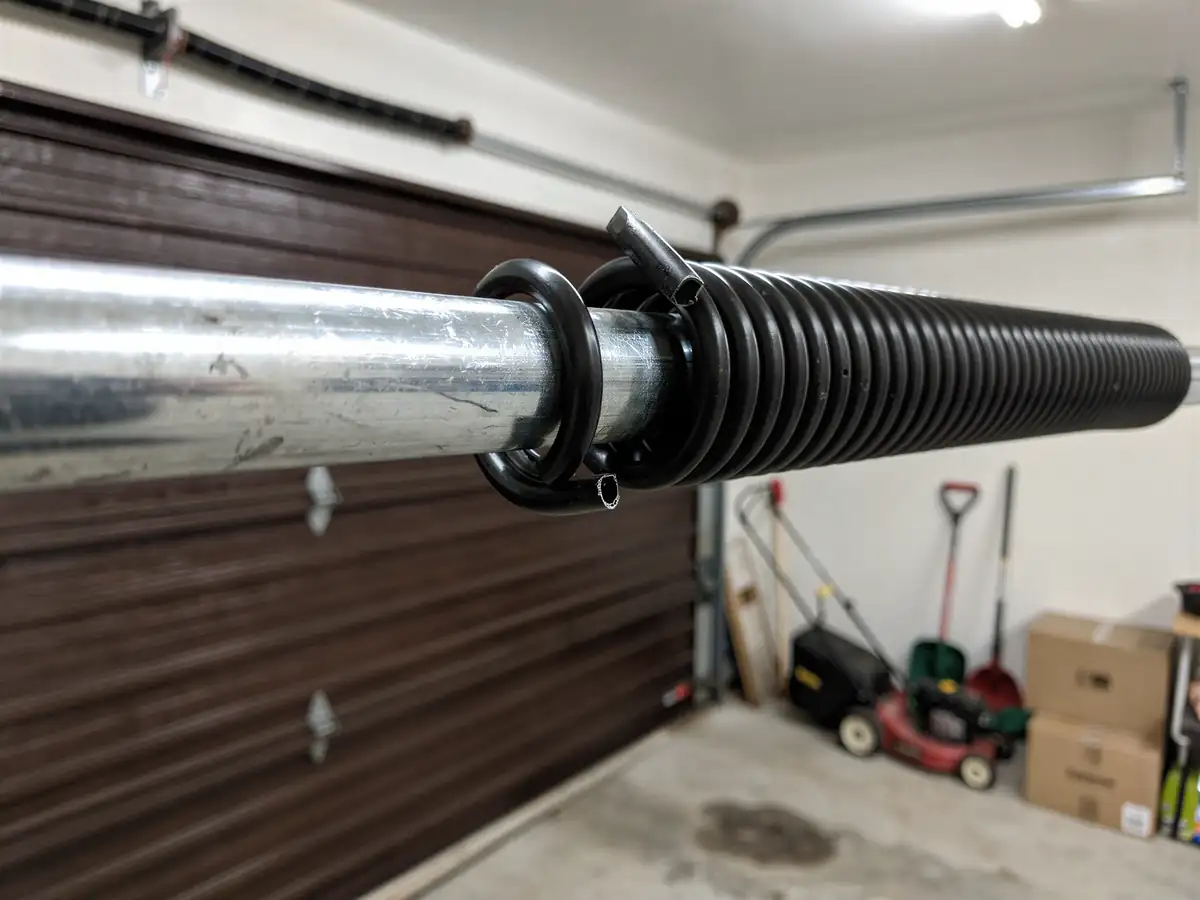
What you shouldn't touch: torsion springs
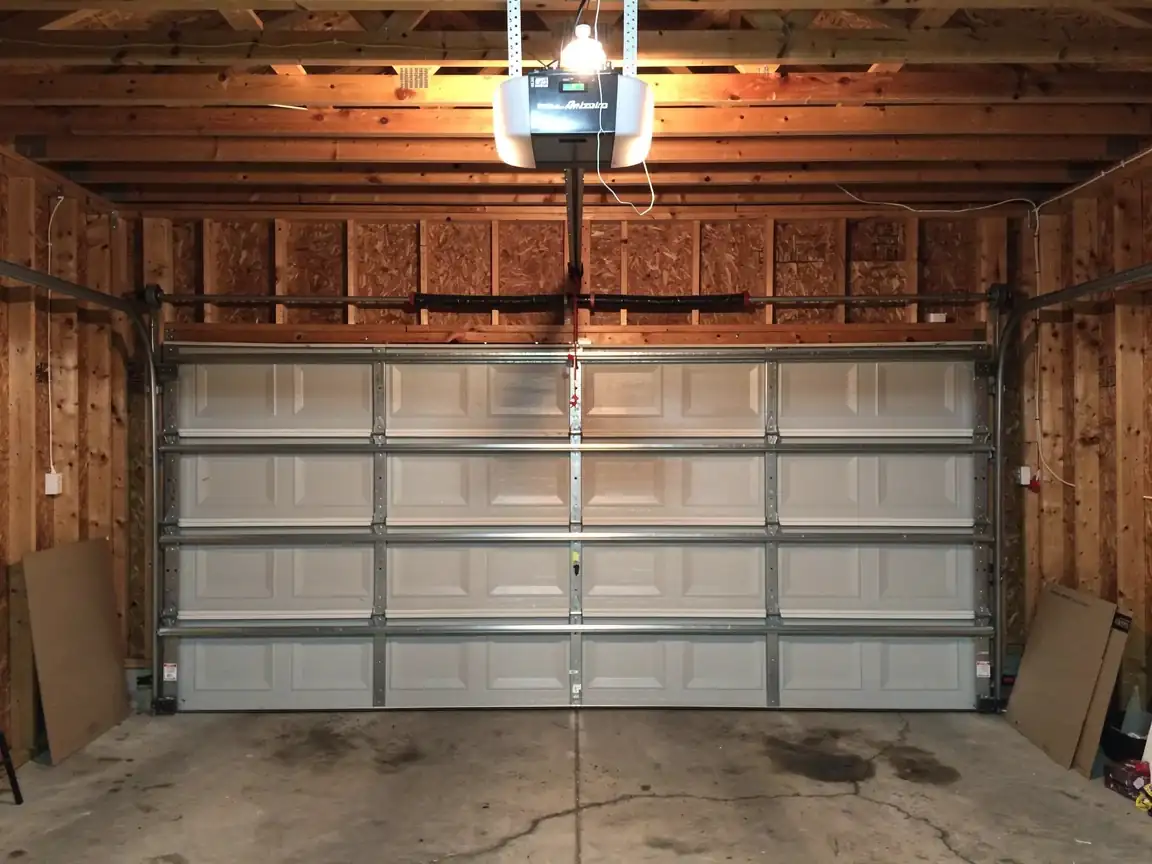
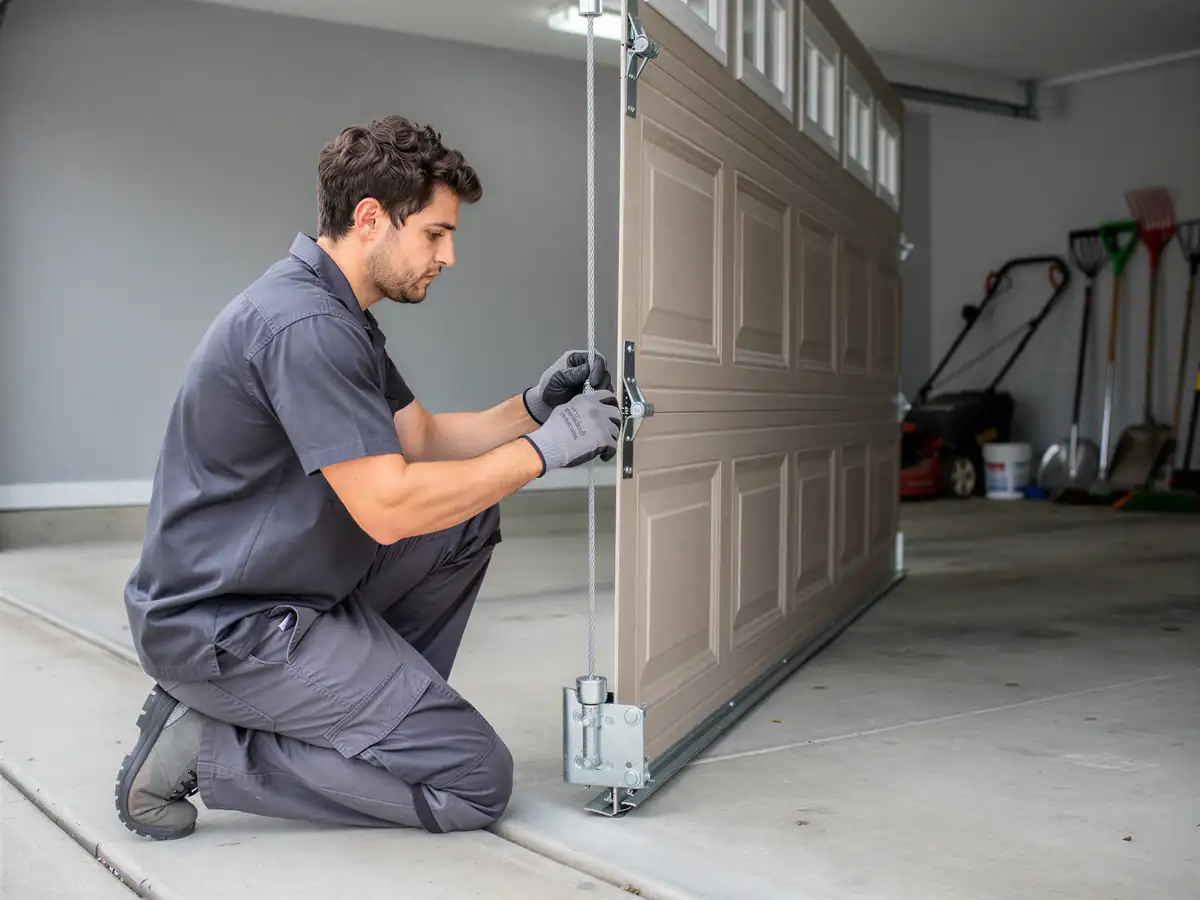
On a house built around 1969, the spring you've got has been wound under serious tension for over fifty years of service life, and the winding cones that hold that tension are exactly the kind of thing that puts someone in the ER when a cone slips. If a cable has snapped or the door won't budge and feels heavy on one side, that's a spring or cable problem, not a lubrication problem. Given the drive time involved in getting a truck to Springdale, it's worth doing the easy stuff yourself and saving the call for what actually needs a pro - but don't try to save the spring job.
We don't do same-day emergency runs out here the way we might closer to Columbia itself
So if a door is stuck open overnight, plan for it.
Why It Happens Here
Most of Springdale's housing stock dates to around 1969, which puts it squarely in the era of steel sectional doors on extension or early torsion spring setups - hardware that's now past its expected working life in a lot of these houses. That's not a guess about any one property; it's what a median build year of 1969 tells you about the neighborhood as a whole. Garage doors don't last fifty-plus years without the springs, rollers, and cables going through at least one full replacement cycle, and in a lot of houses that first replacement cycle already happened and is now also due.
The climate band here is cold-moderate, which means freeze-thaw cycling on concrete slabs and tracks, plus humidity swings that work on steel fasteners and weatherstripping over decades. Combine that with original hardware still hanging on in some of these houses and you get the pattern we see: rollers that have gone from steel to worn-out nylon, torsion springs original to the house, and openers that were never upgraded past a single stripped-down safety sensor system.
Springdale's median household income, at $70,852, runs higher than the broader Columbia service area's $60,408, and that shows up less in what breaks and more in what gets fixed properly instead of patched.
What It Costs
We don't post flat prices for Springdale specifically - costs depend on what's actually wrong, and that varies door to door even on houses built the same year. What we can tell you is what drives the number: spring replacement costs more on older torsion setups because the drums and cables usually need attention at the same time, not because the spring itself is expensive. Opener swaps cost more when the existing unit is original to a 1960s-70s build, since the mounting and wiring often don't match what current openers expect.
Because this job comes out of Columbia, 13 miles from Springdale, factor in that distance when you're comparing quotes - a flat per-call rate from a Columbia-based crew may already account for travel, or it may not, so ask directly. We won't quote a number here we can't back up locally, but we will say that fixing an original 1969-era torsion system properly, rather than patching it, is usually the better spend once a house has gotten this far past the hardware's design life.
If a door is still on its original 1969 opener and spring, expect the repair conversation to turn into a replacement conversation pretty quickly - that's not an upsell, it's just where the math lands on hardware this old.
What You Are Seeing
If your garage door in Springdale is sagging on one side when it opens, that's usually an unbalanced torsion spring
On a house from this era, the springs are old enough that uneven wear between the two sides is common even if neither has fully failed yet. A door that reverses right after you hit the button, or won't close all the way, often points to photo-eye sensors that have drifted out of alignment, which happens more in houses where the opener was never updated past its original install.
A loud bang followed by the door refusing to move at all is almost always a broken torsion spring
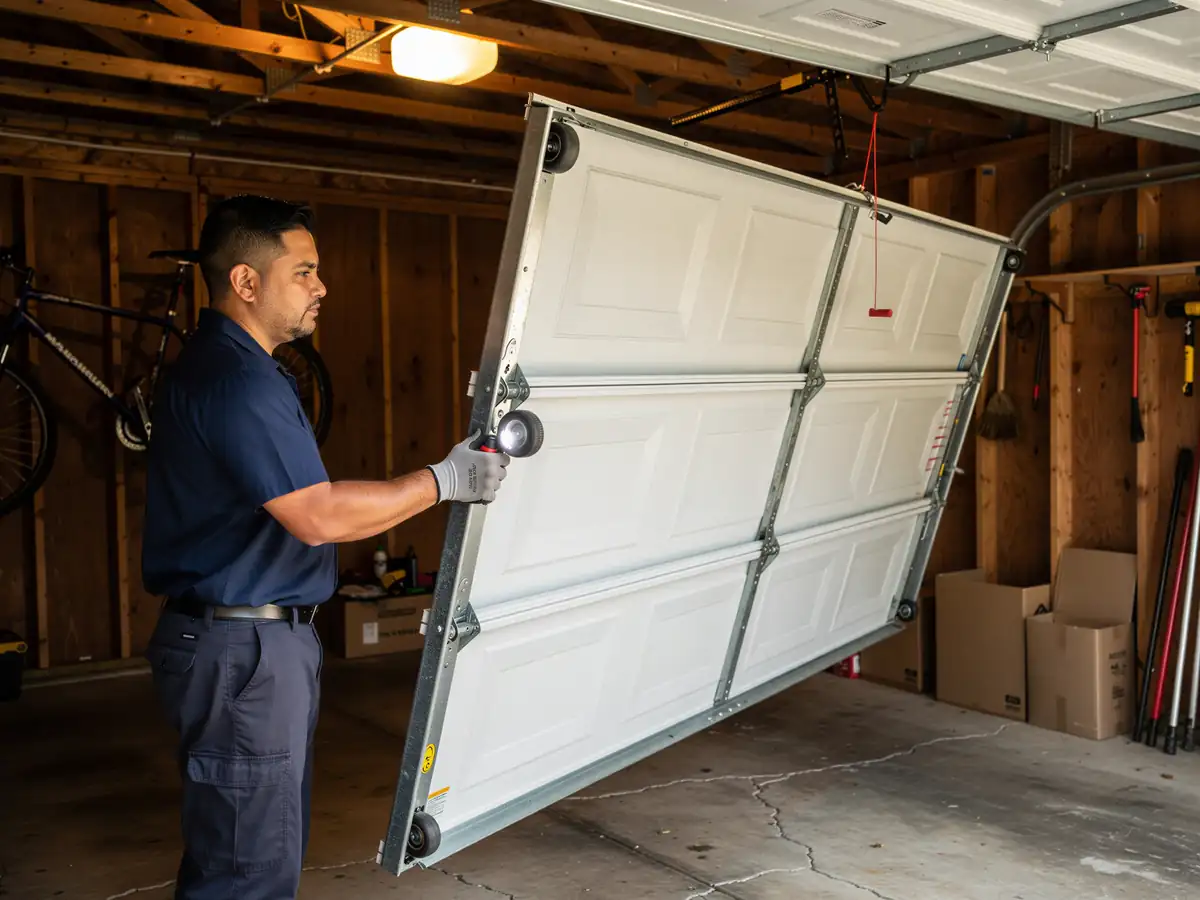
Don't force it, and don't let anyone stand under the door until it's fixed. Grinding or popping from the tracks usually means worn rollers, which after fifty-plus years of use in houses built around 1969 have typically gone through at least one full replacement cycle already, sometimes two.
If the opener motor runs but the door doesn't move, check the drive belt or chain before assuming it's electrical
On older houses that's frequently a worn drive component rather than a logic board issue.