Why It Happens Here
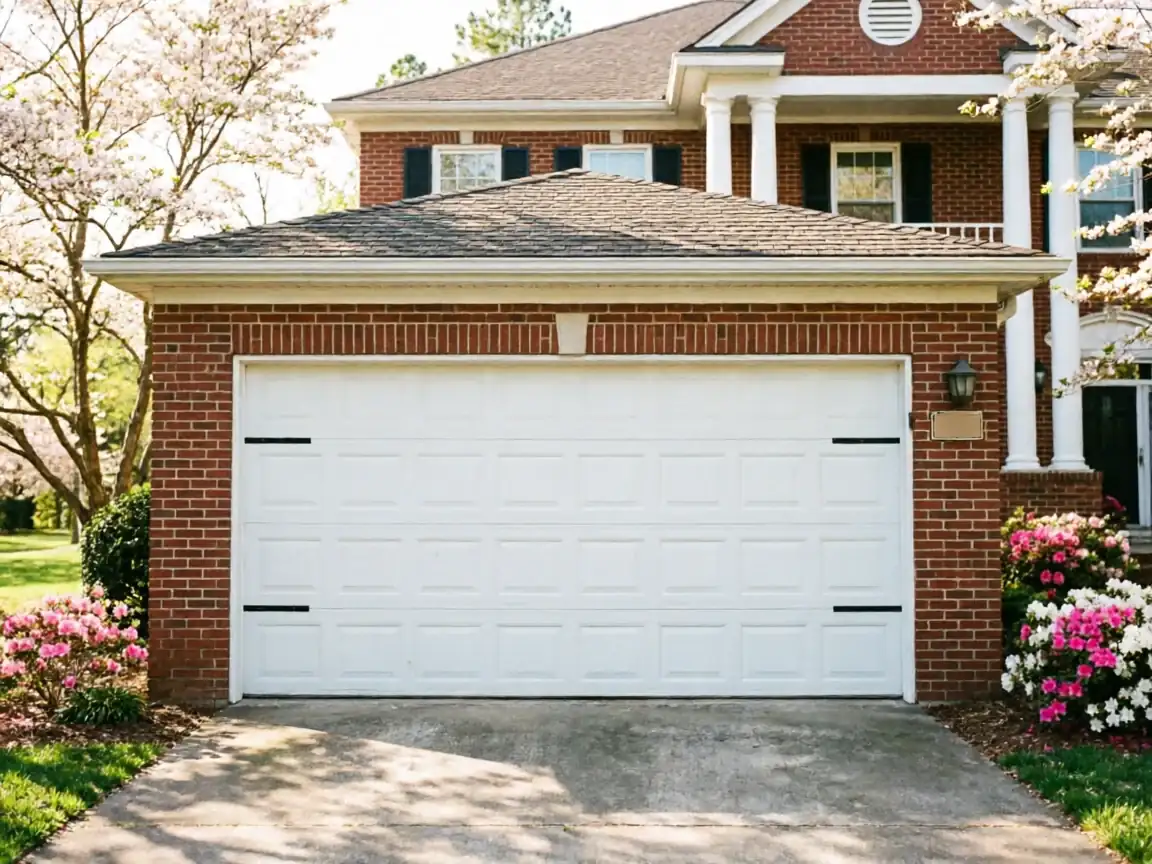
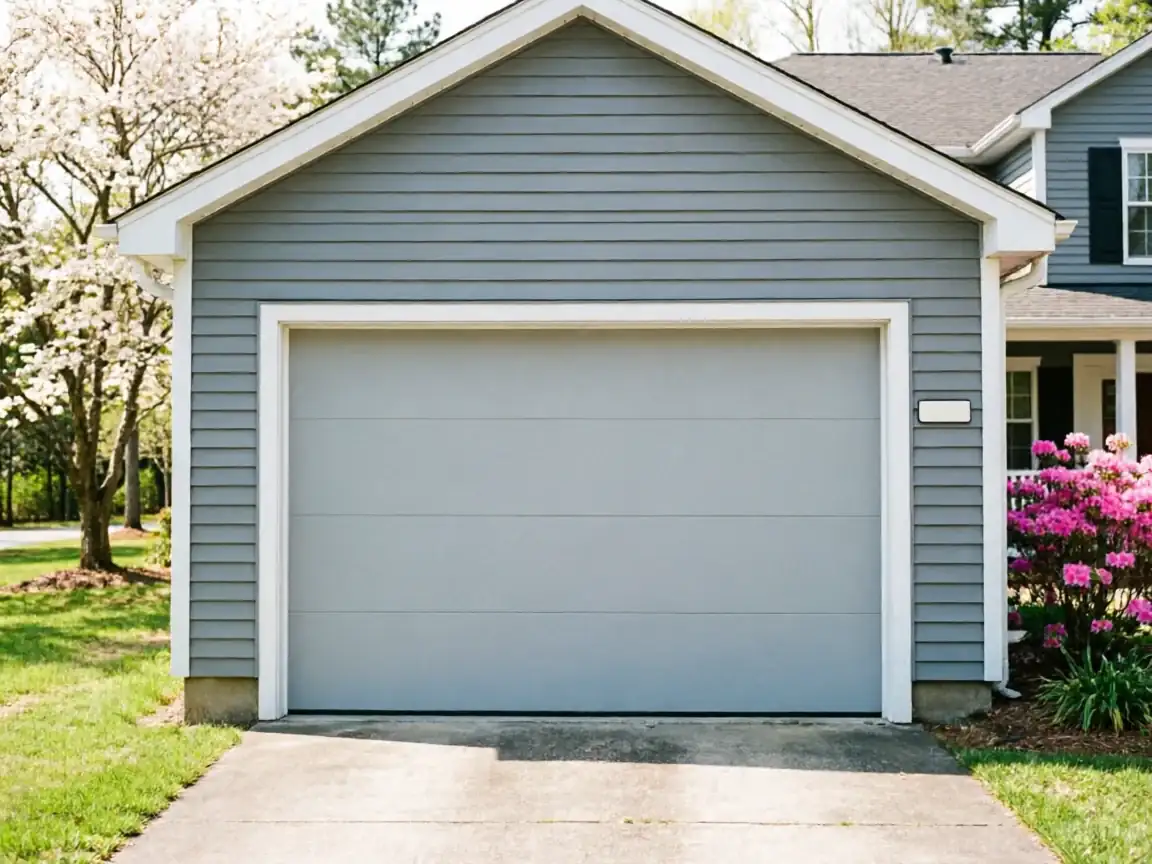
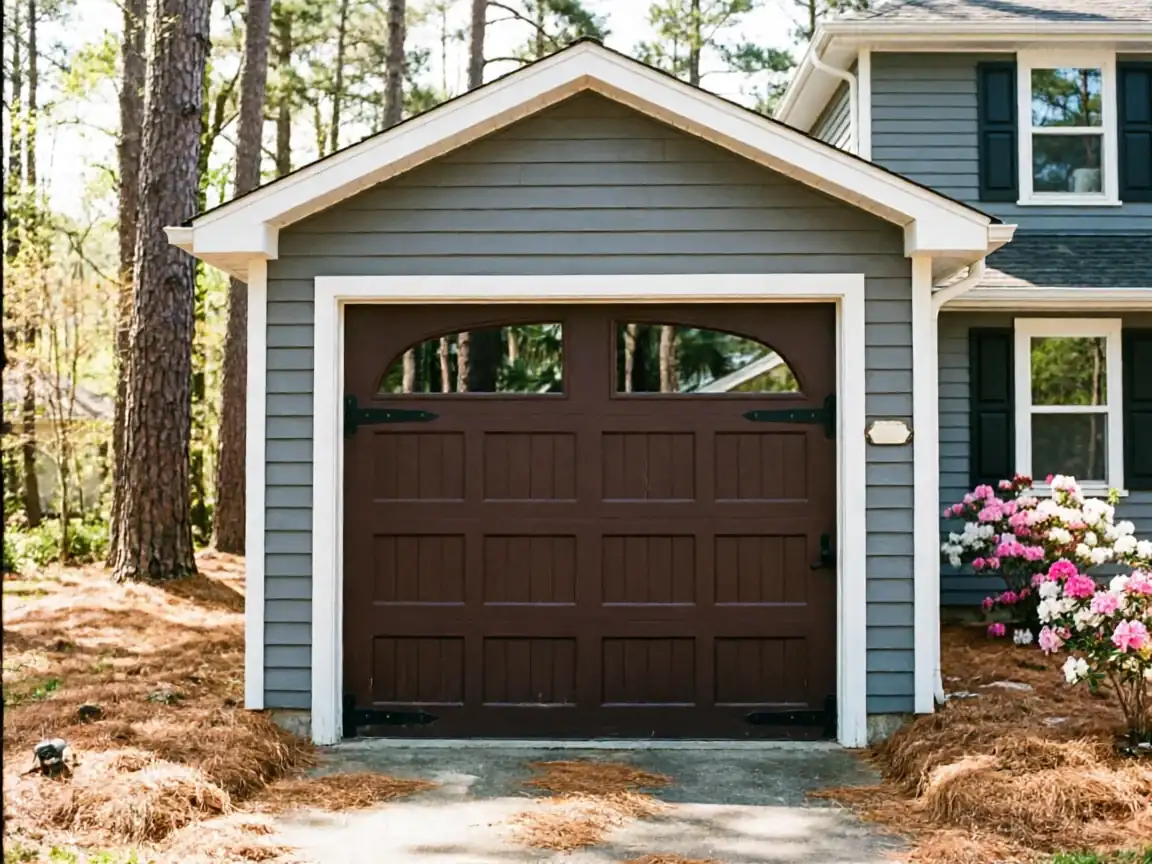
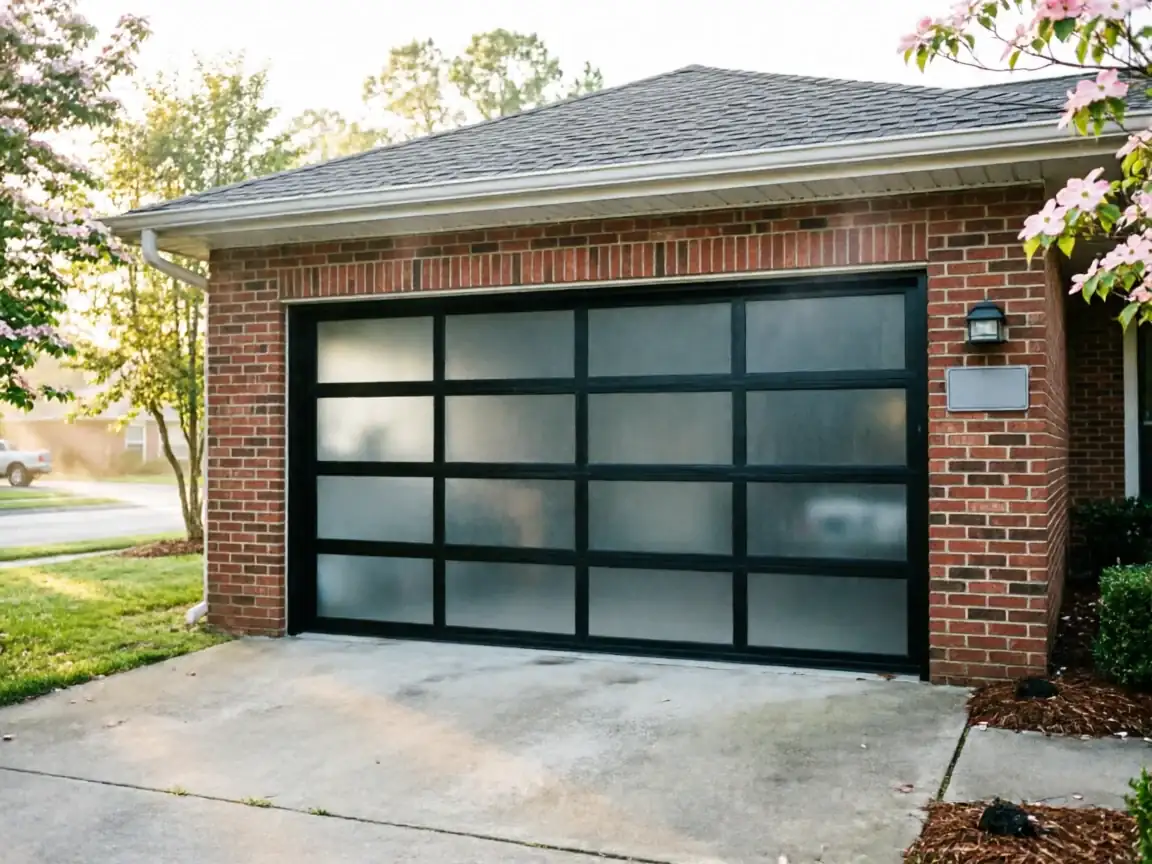
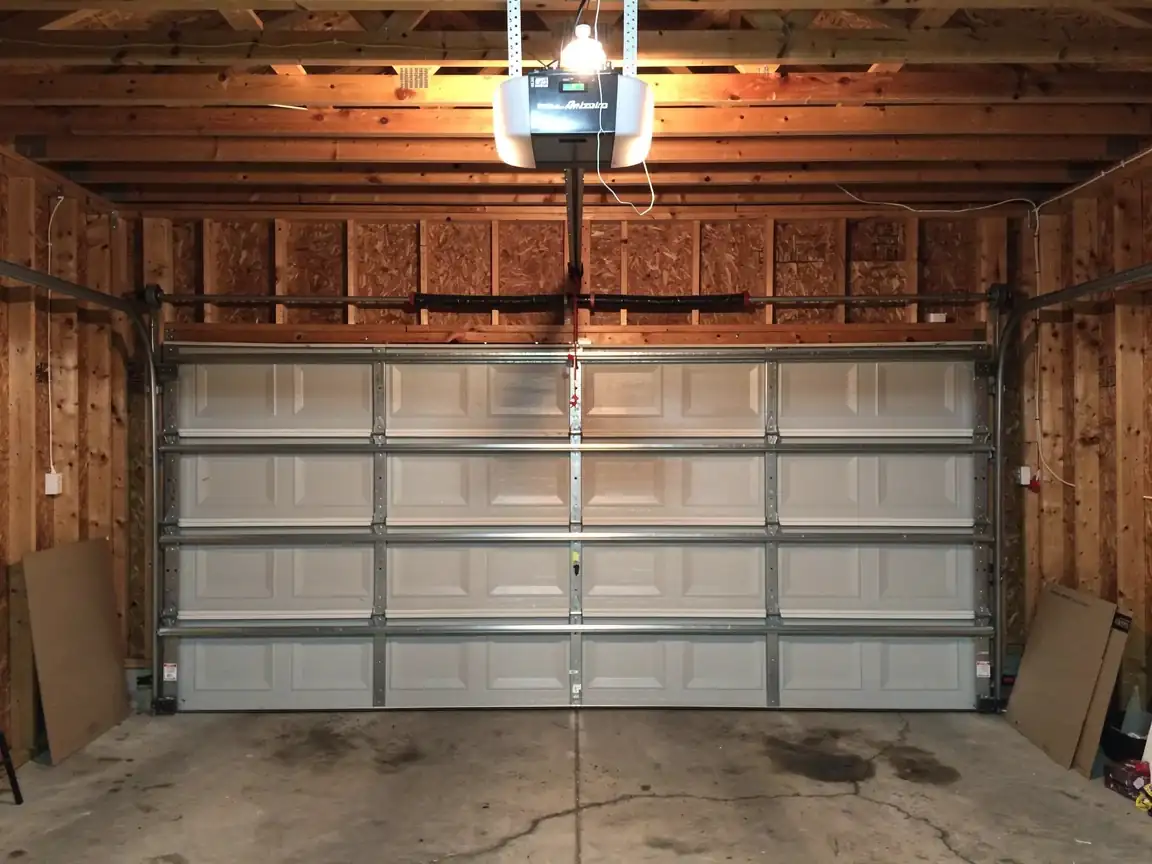
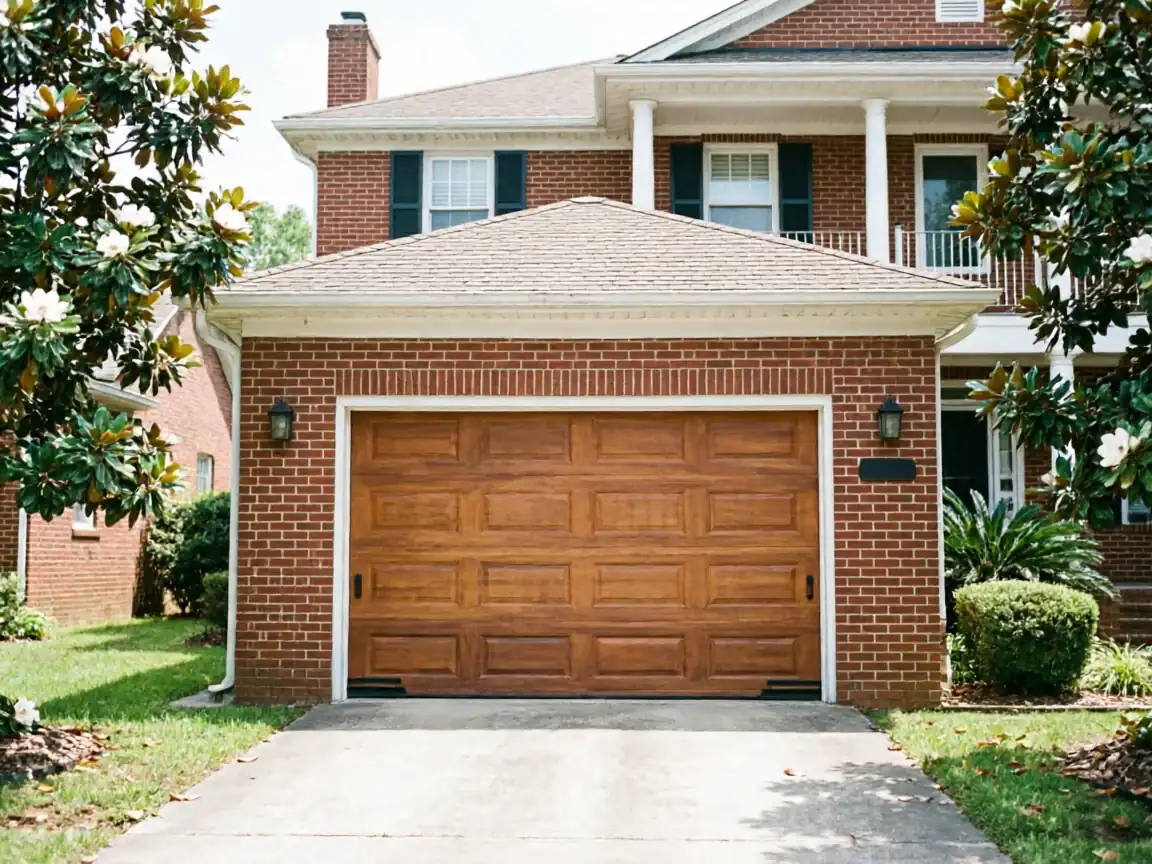
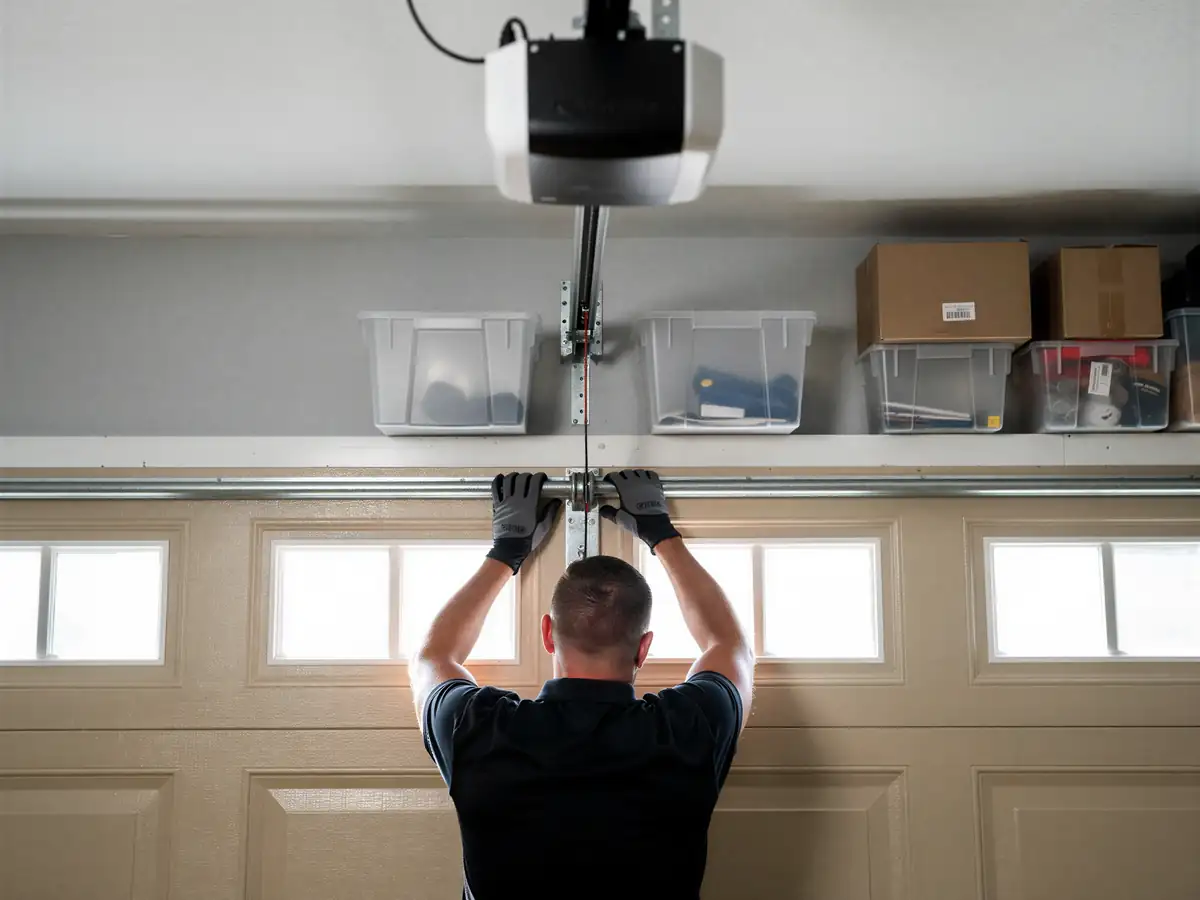
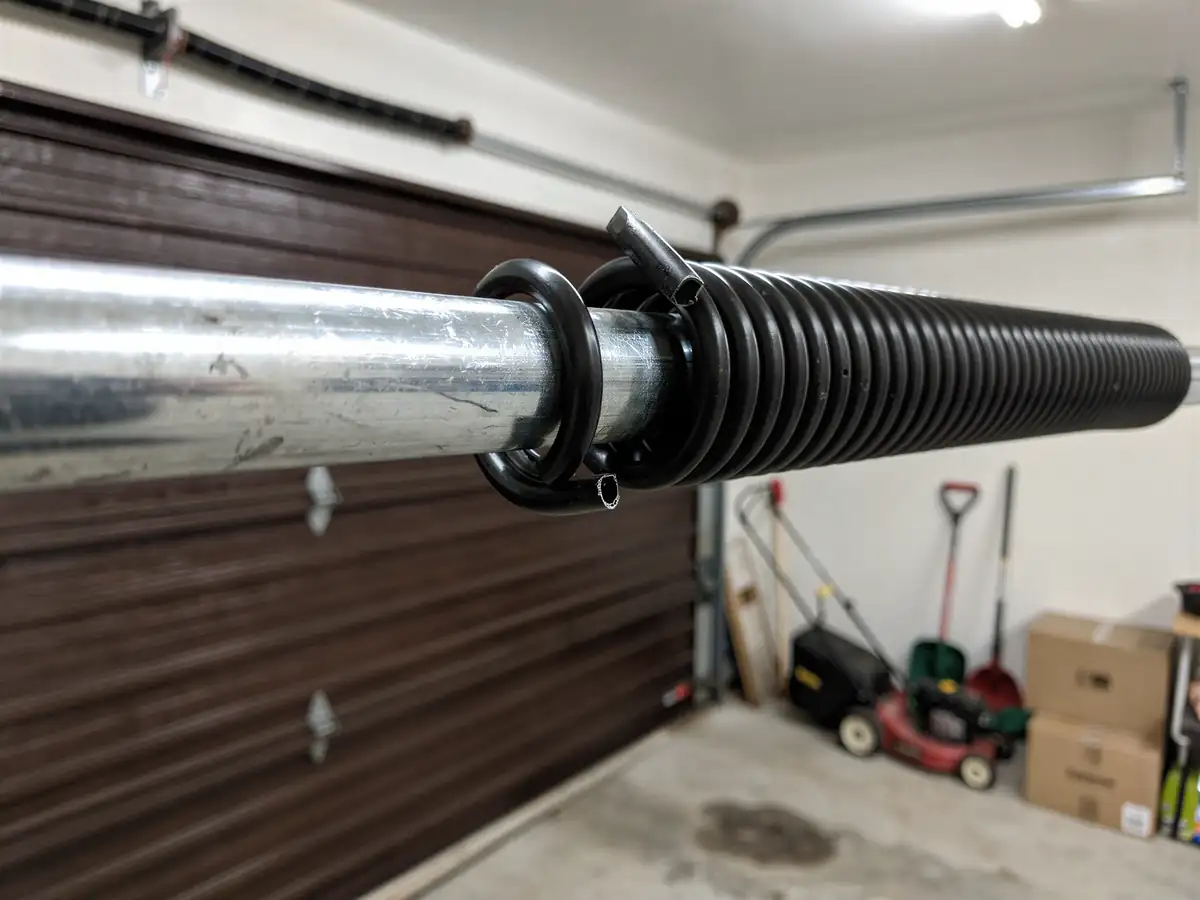
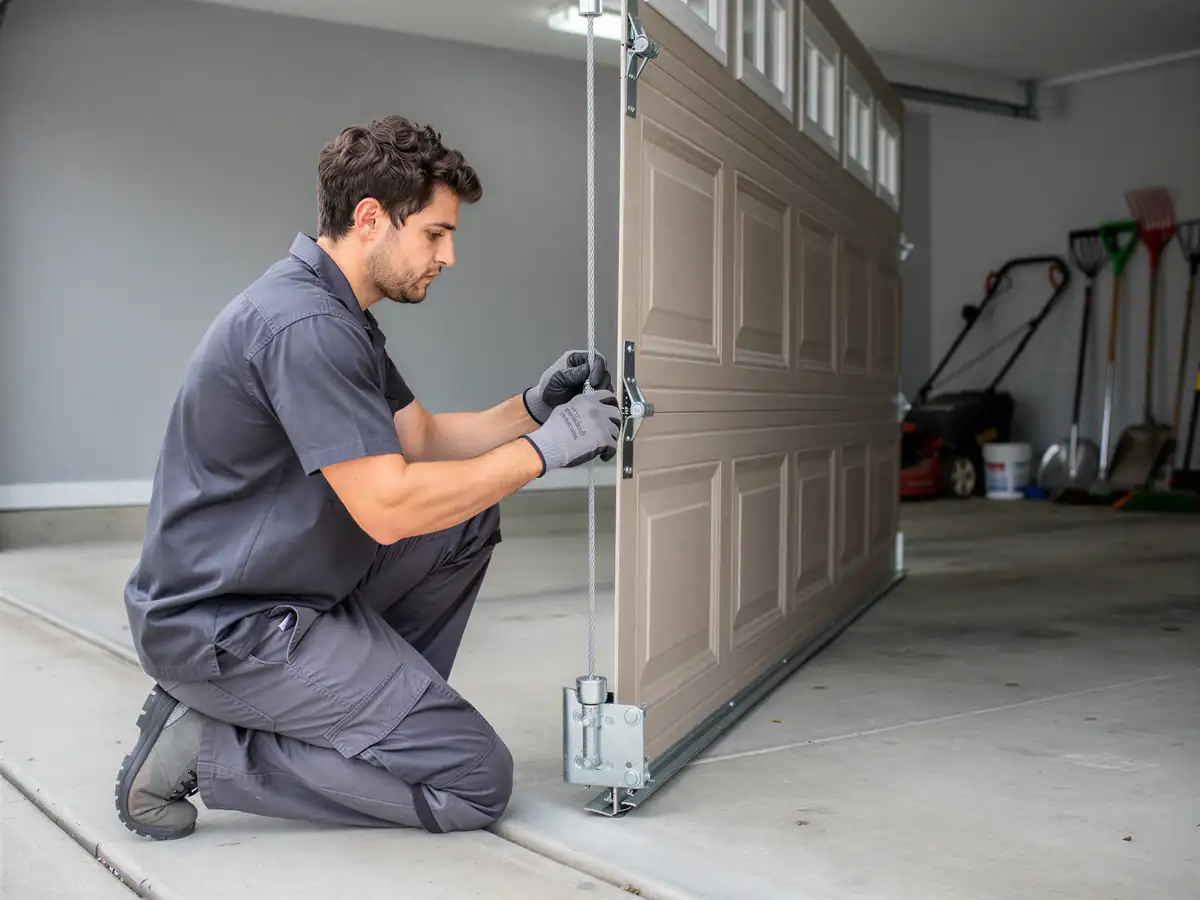
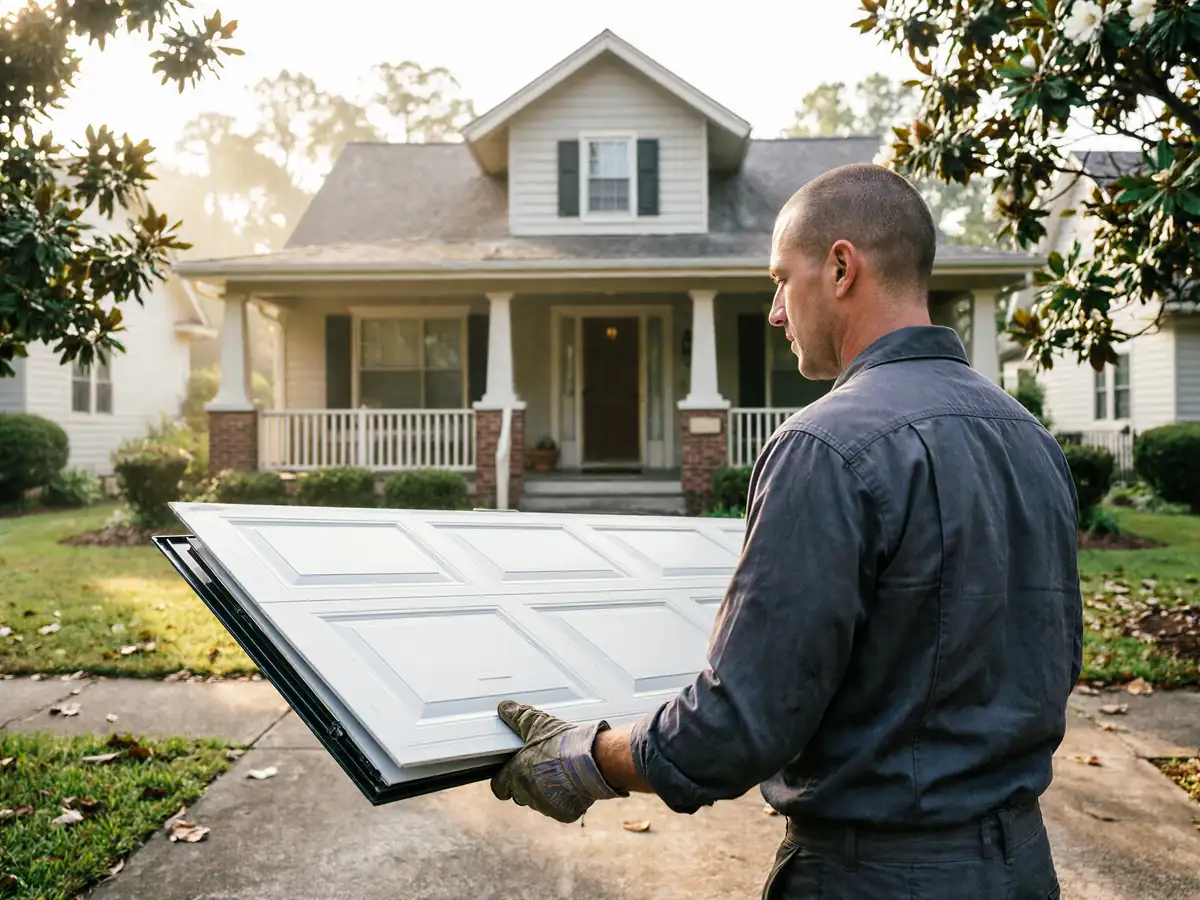
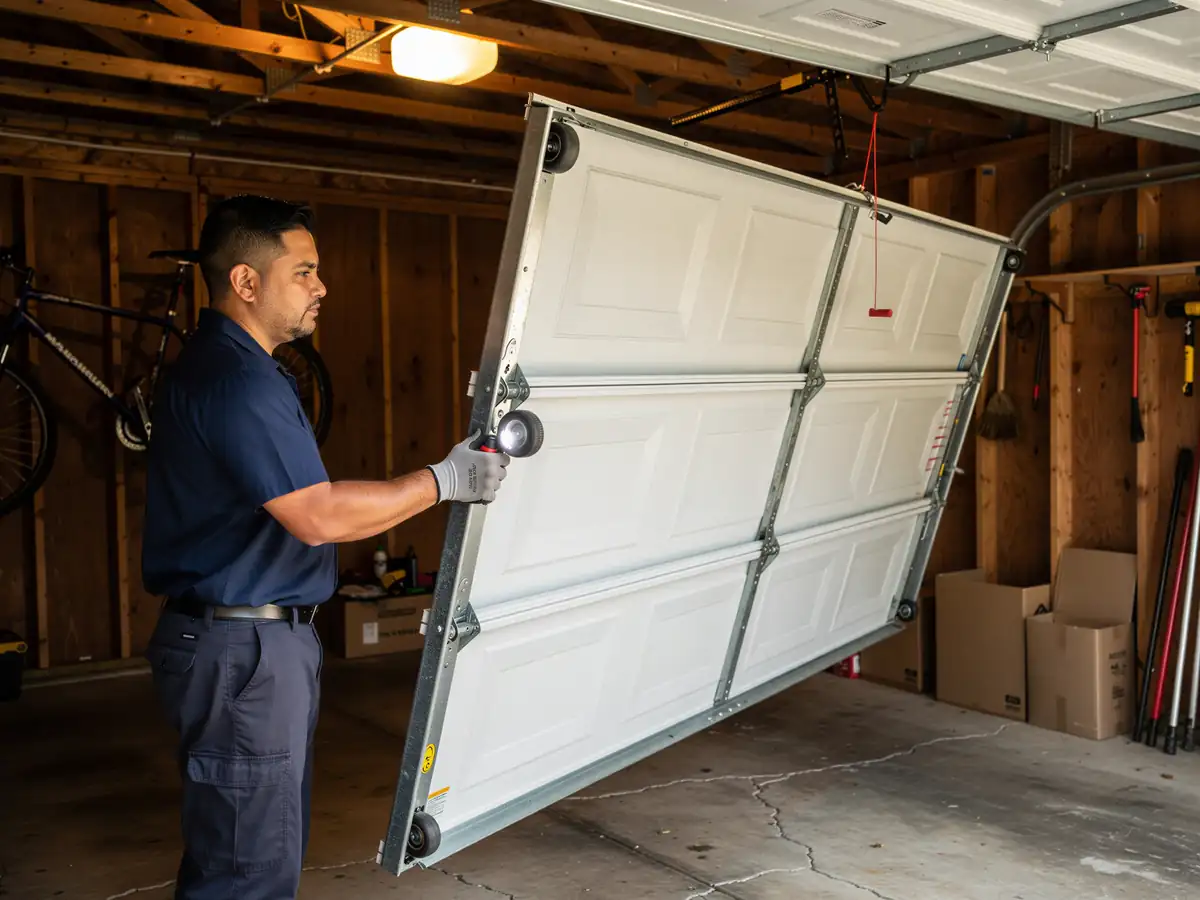
Springdale's housing stock centers on 1969, which puts a lot of these garages on the early side of the area's broader 1965-2010 build-out. Doors from that era typically ran on steel tracks bolted directly to framing that's shifted over five decades of seasonal moisture swings - normal for this climate band, which runs cold and damp enough to keep wood members moving a little every winter. That slow movement nudges track alignment out of true a fraction at a time, long before anyone notices a problem. Add a roller that's worn oval instead of round, or a cable that's frayed from running against a track edge that's no longer square, and the door eventually jumps clean off during a normal open or close cycle. We see this pattern across the older pockets of the Columbia service area, but a Springdale garage built in 1969 has had roughly a decade more time on original hardware than a lot of the 1979-median housing elsewhere in the territory. That extra decade matters when brackets and track sections have never been replaced.
What It Costs
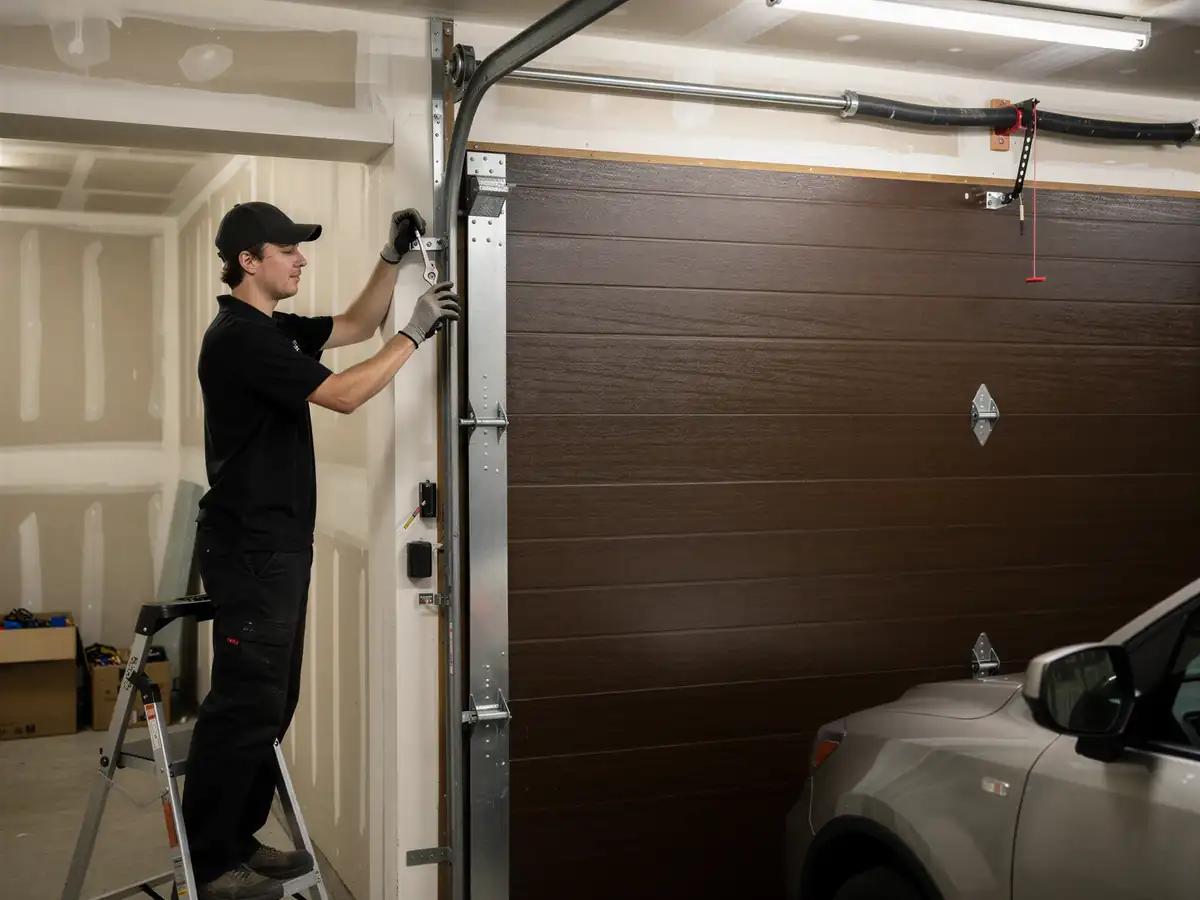
We don't post a flat number for off-track repair because what's actually wrong varies a lot - a track that just needs re-aligning and reattaching is a different job than one with a bent section, a torn bracket, and a roller that needs replacing all at once. Springdale sits at a median household income of $70,852, noticeably above the wider Columbia service area's $60,408, and that does factor into whether we recommend a full track-and-hardware replacement versus a targeted fix on a 1969-built door that's otherwise sound. We won't talk you into replacing a whole system when a bracket re-set and two new rollers will hold for years. On the other hand, if the track is bent in more than one spot, patching it is a waste of a trip - that's money spent on a repair that won't last through the next cold snap.