Parts We Carry
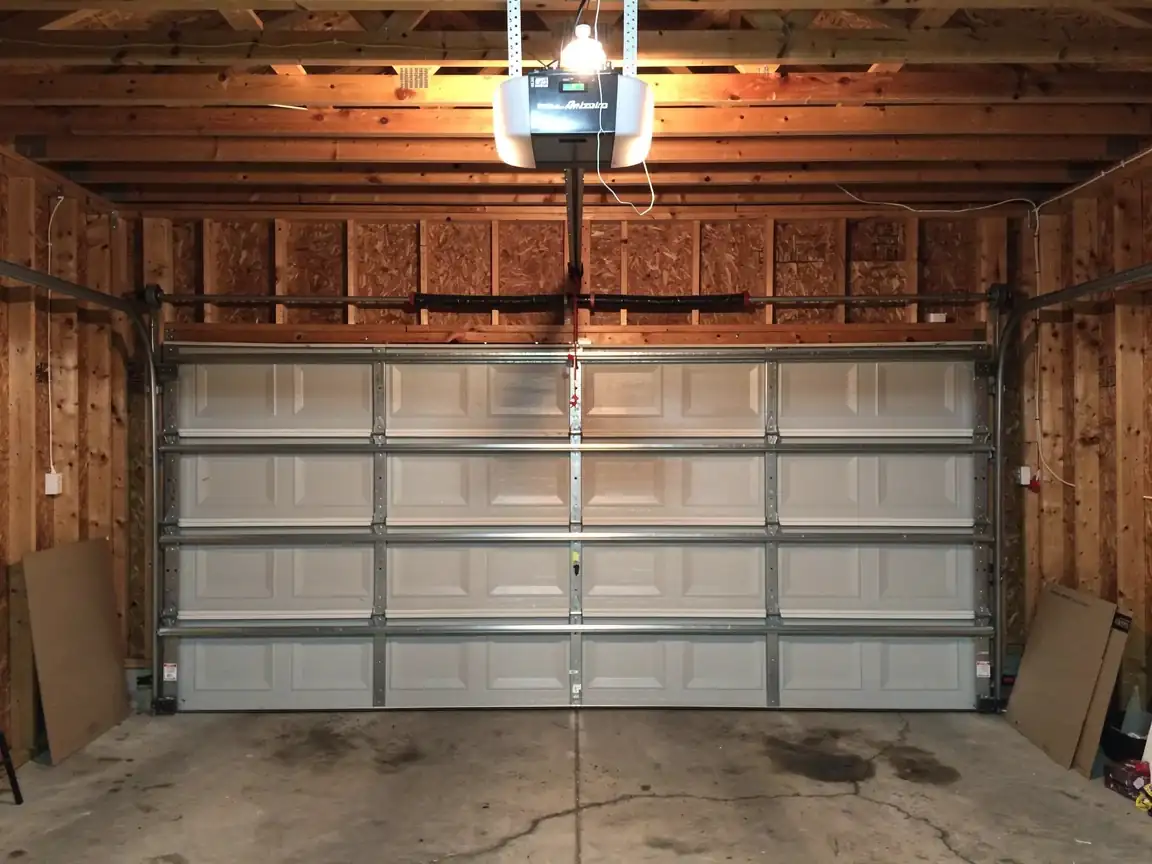
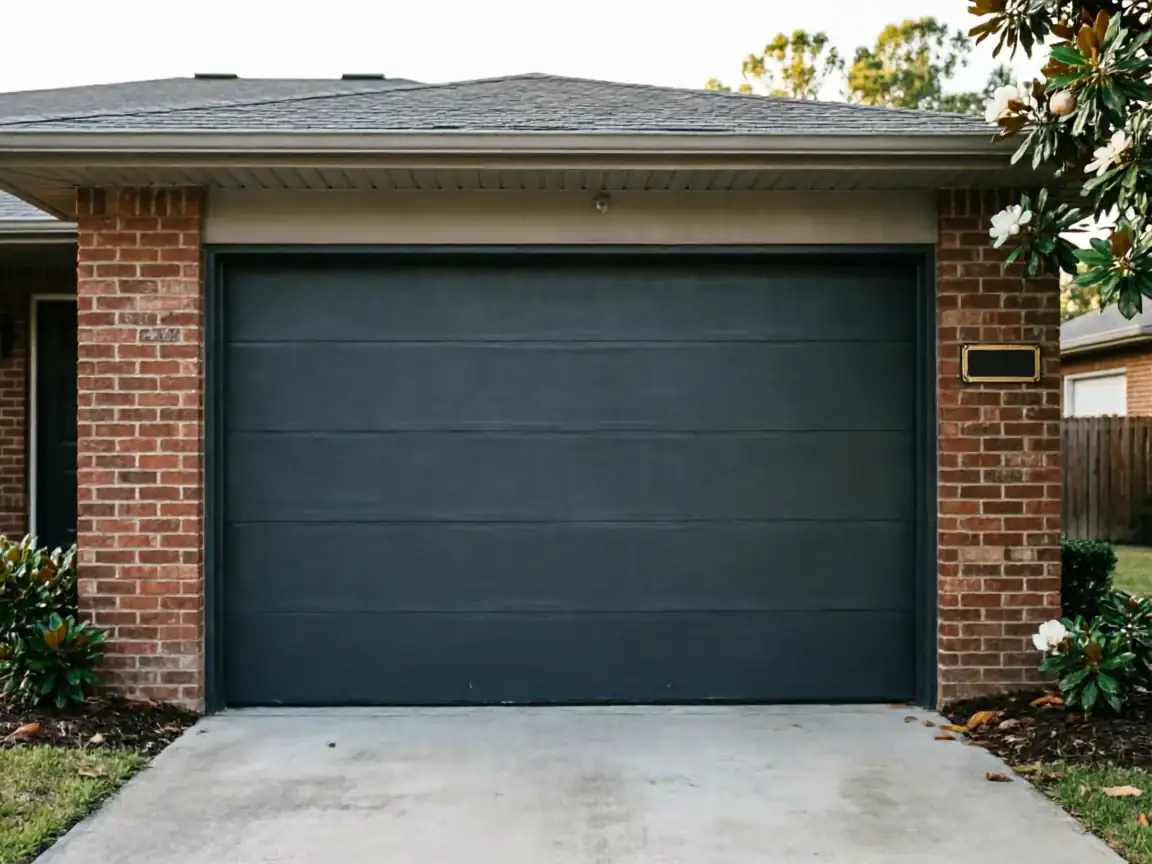
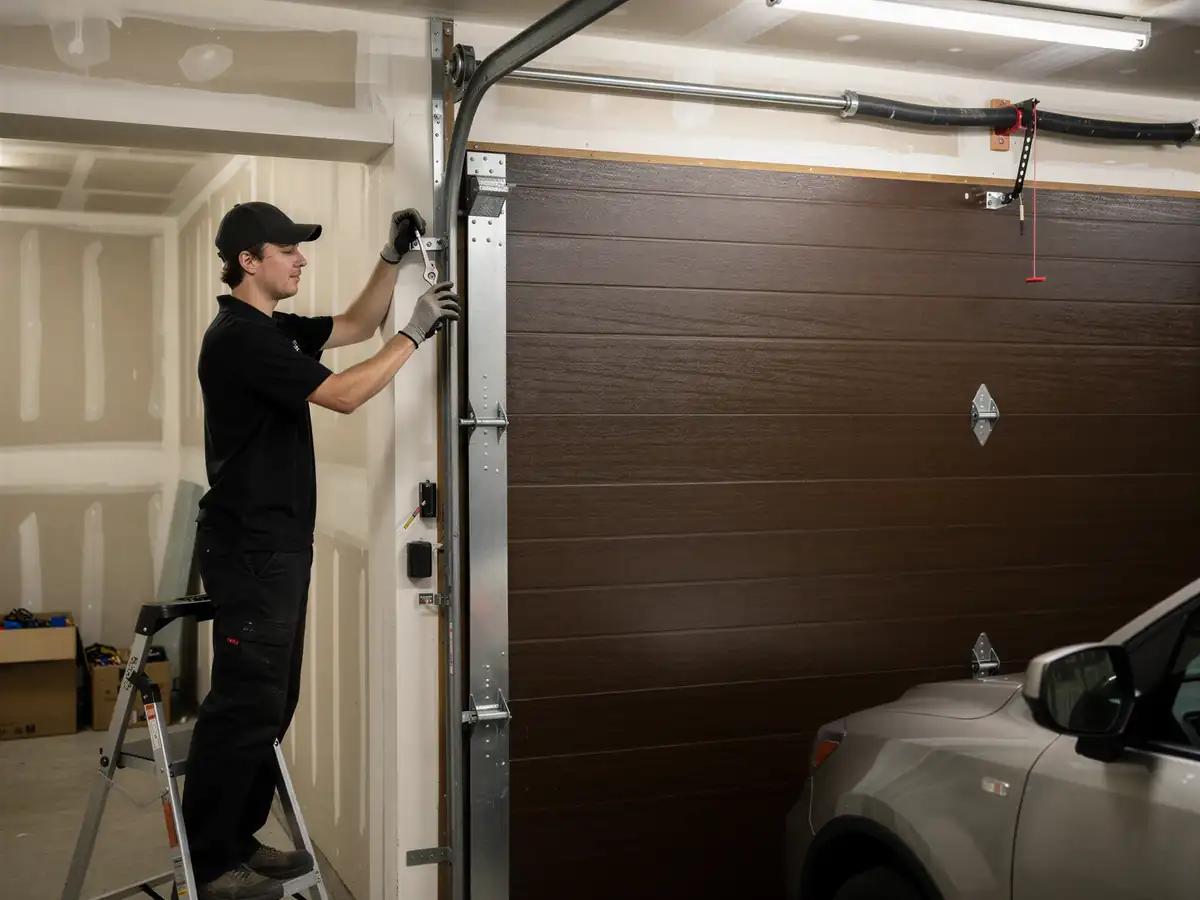
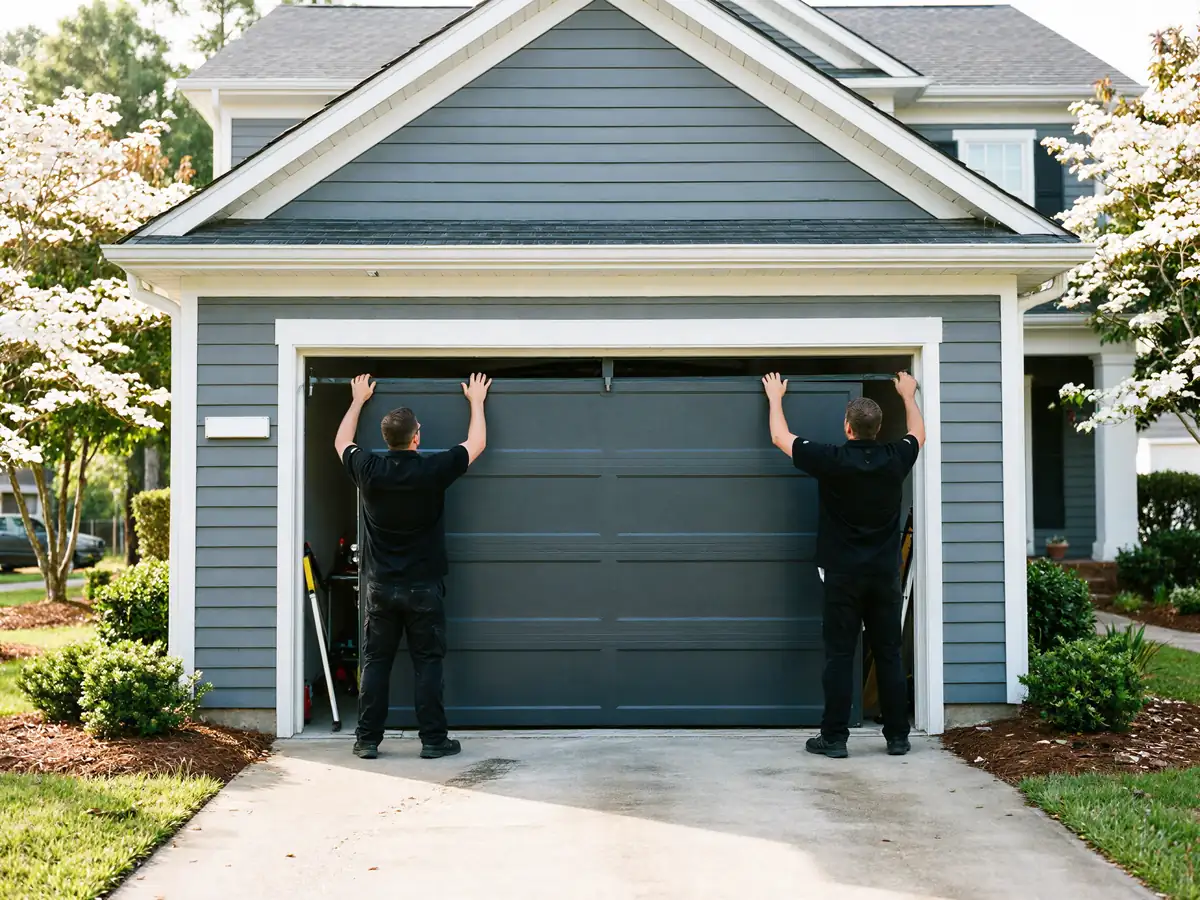
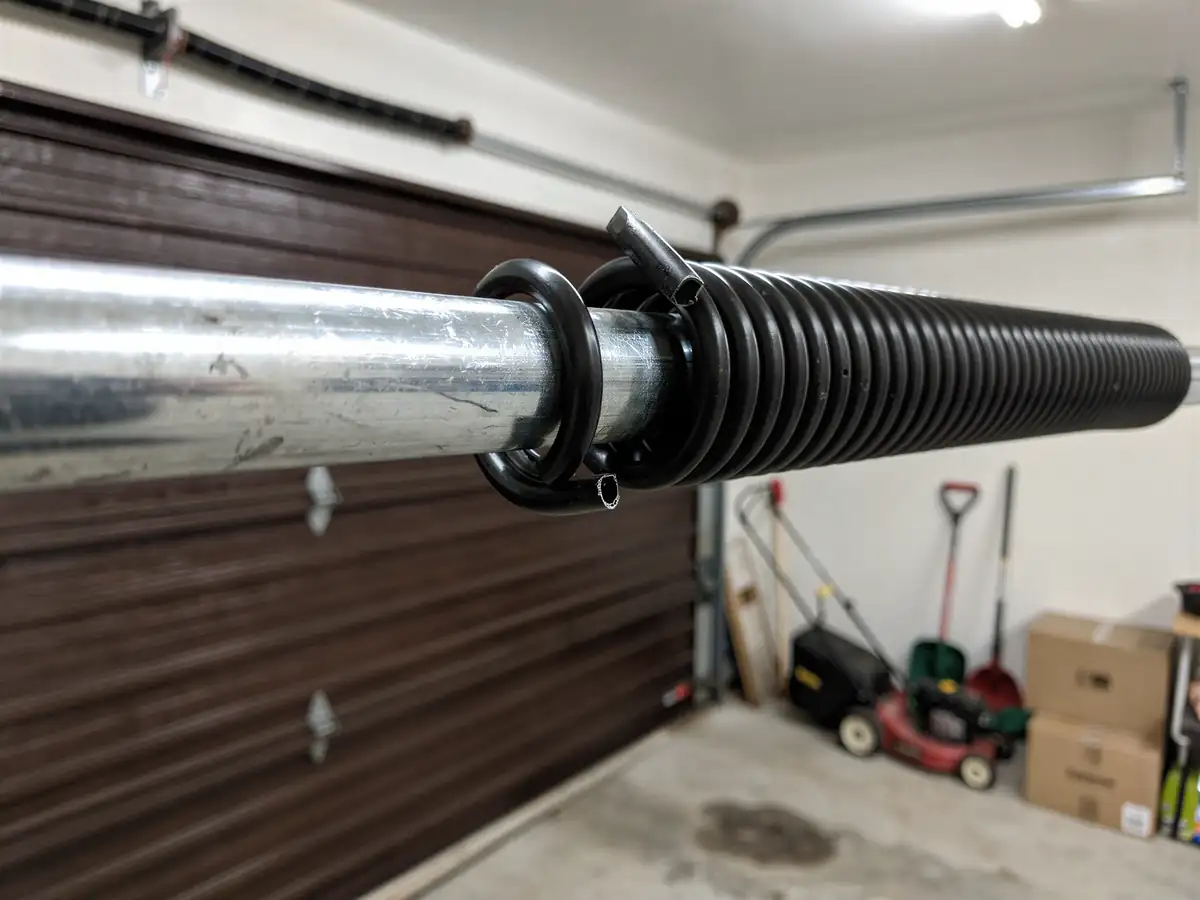
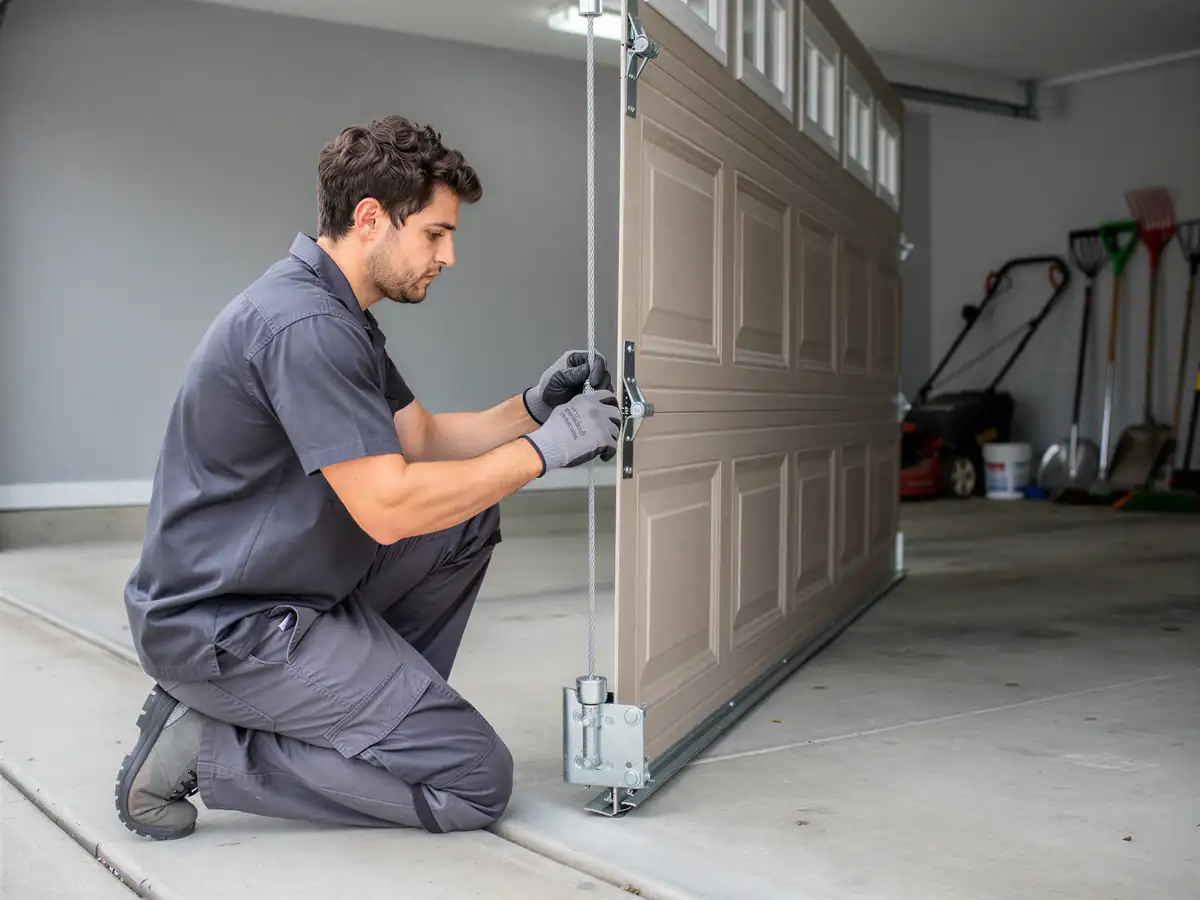
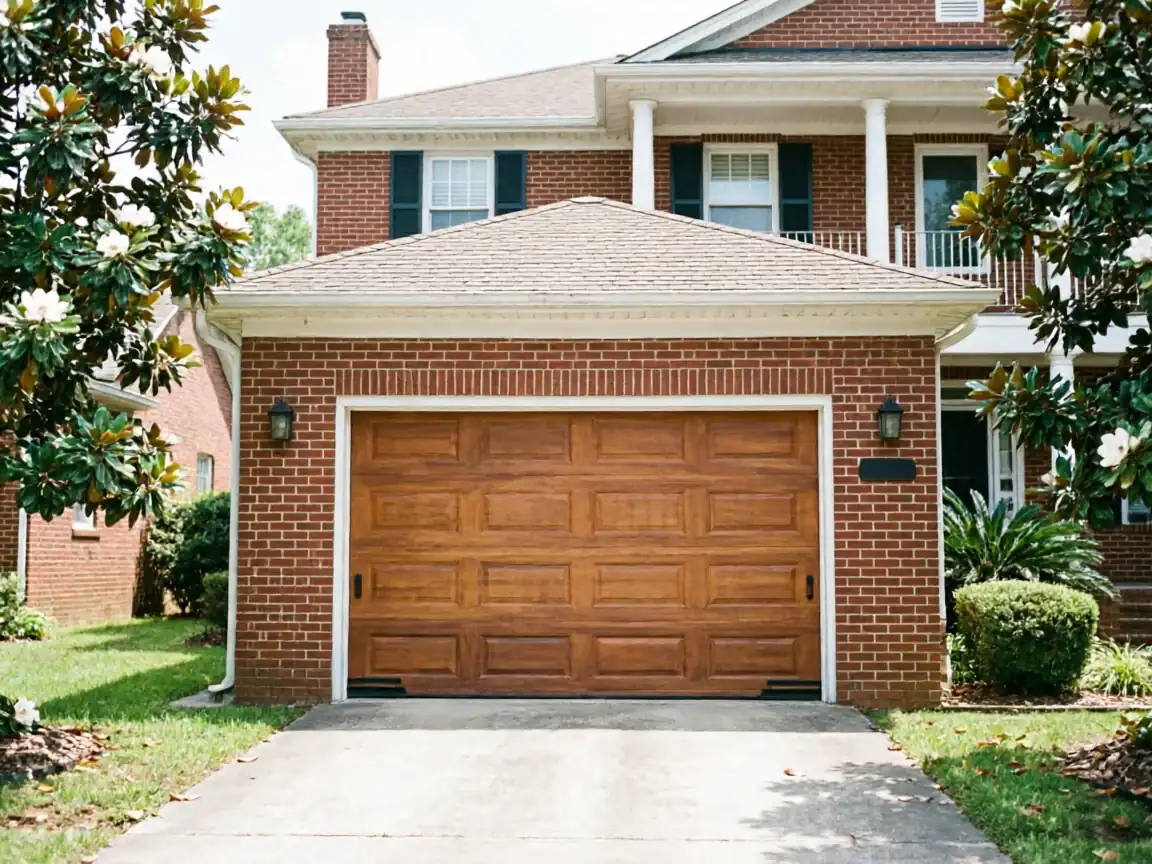
For a neighborhood built in the early 1970s, the common failure points are torsion springs sized for the standard 7-foot residential door, steel rollers, lift cables, and galvanized track sections - all parts we keep stocked because they fit the bulk of what's still installed here. Openers from that era, if they haven't already been swapped once, usually need a full chain-drive replacement rather than a repair; parts for a motor that old simply aren't made anymore. We carry current chain and belt-drive openers that bolt onto the existing header bracket without reframing the opening. Where we run short is specialty items: custom window-insert panels, odd-width doors from a builder who's long out of business, or anything requiring a special paint match. Those go on order, and we tell you that up front rather than quoting a job we can't finish that day. Given Woodfield's median income runs well under the area's $60,408, we default to pricing the repair path first and only recommend full replacement when the frame, track, or opener housing is actually compromised - not just because the door looks dated.
How We Fix It
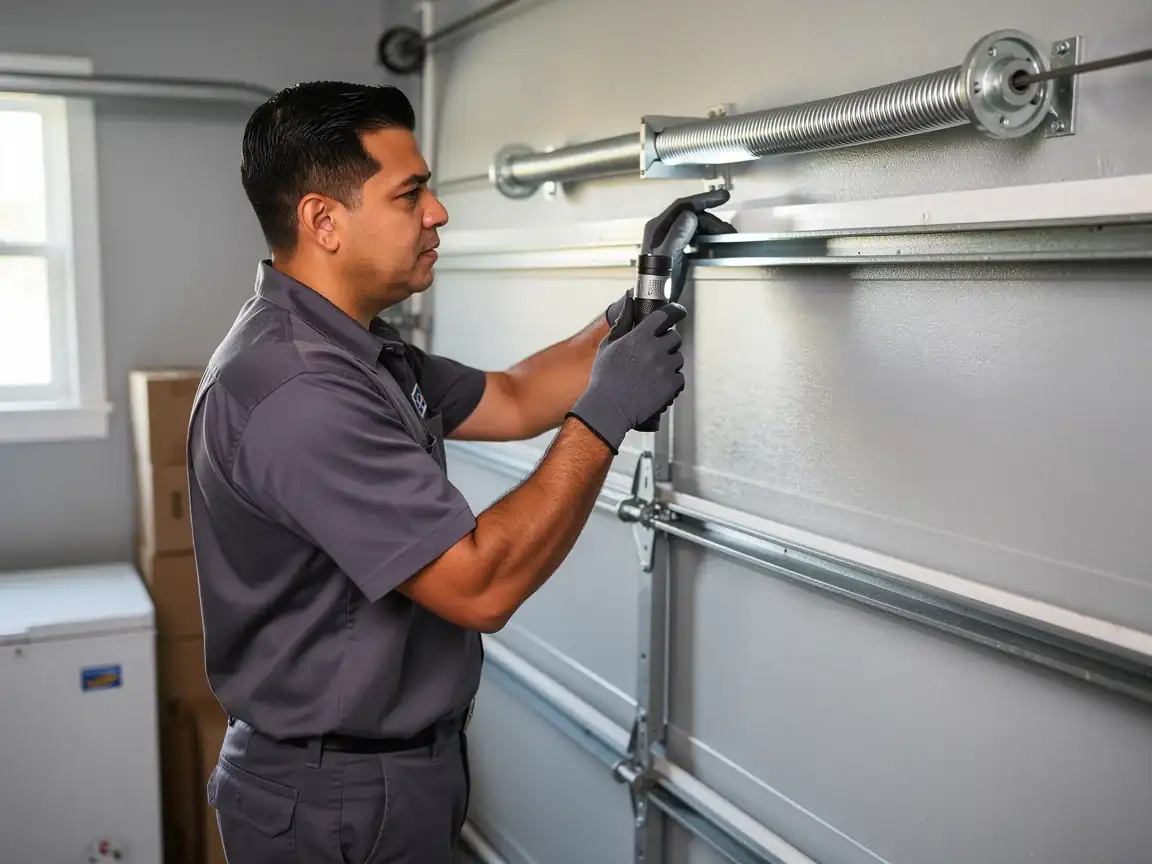
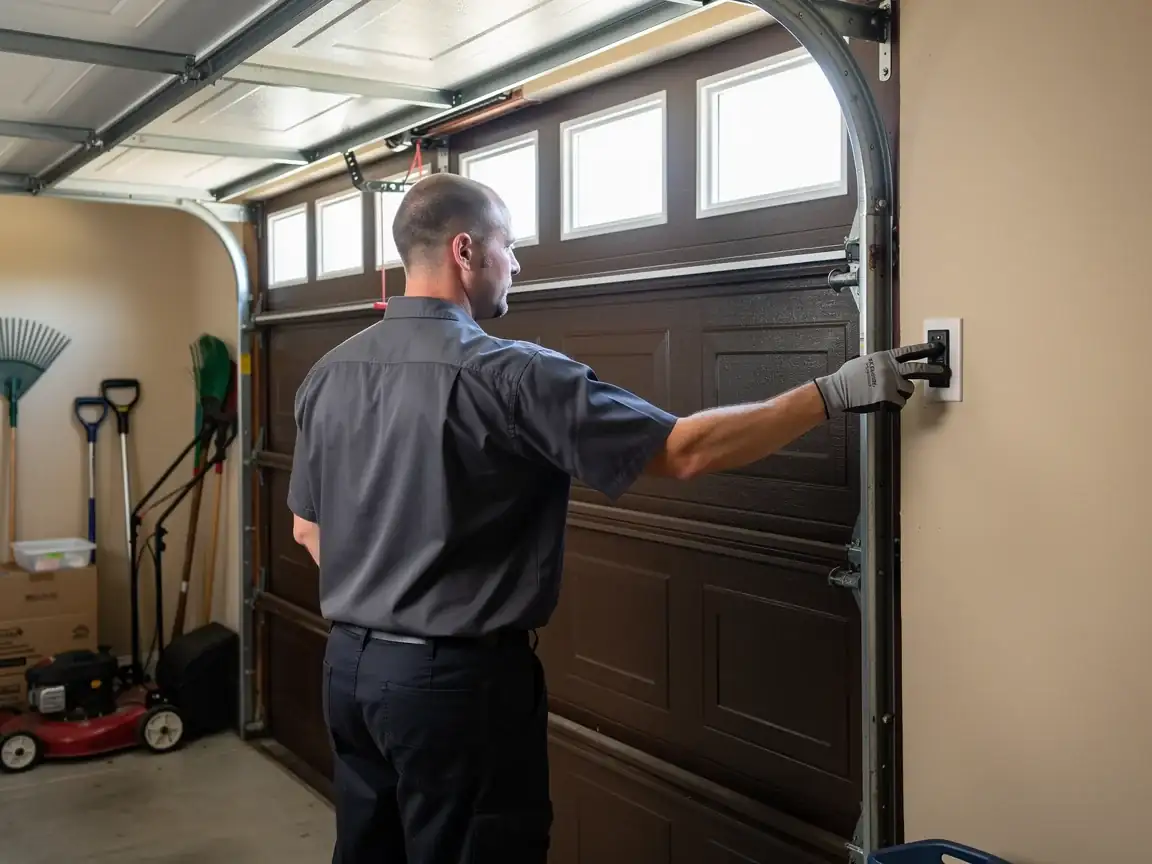
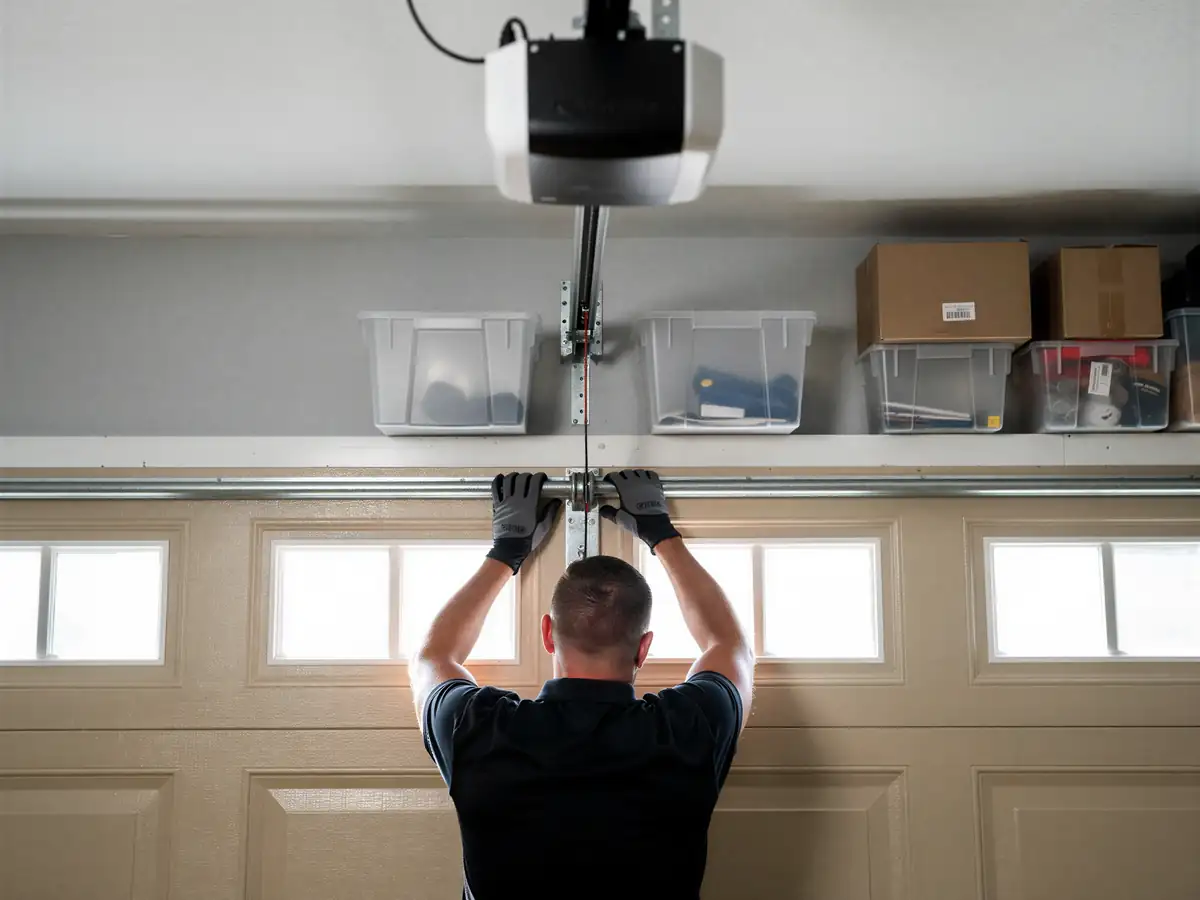
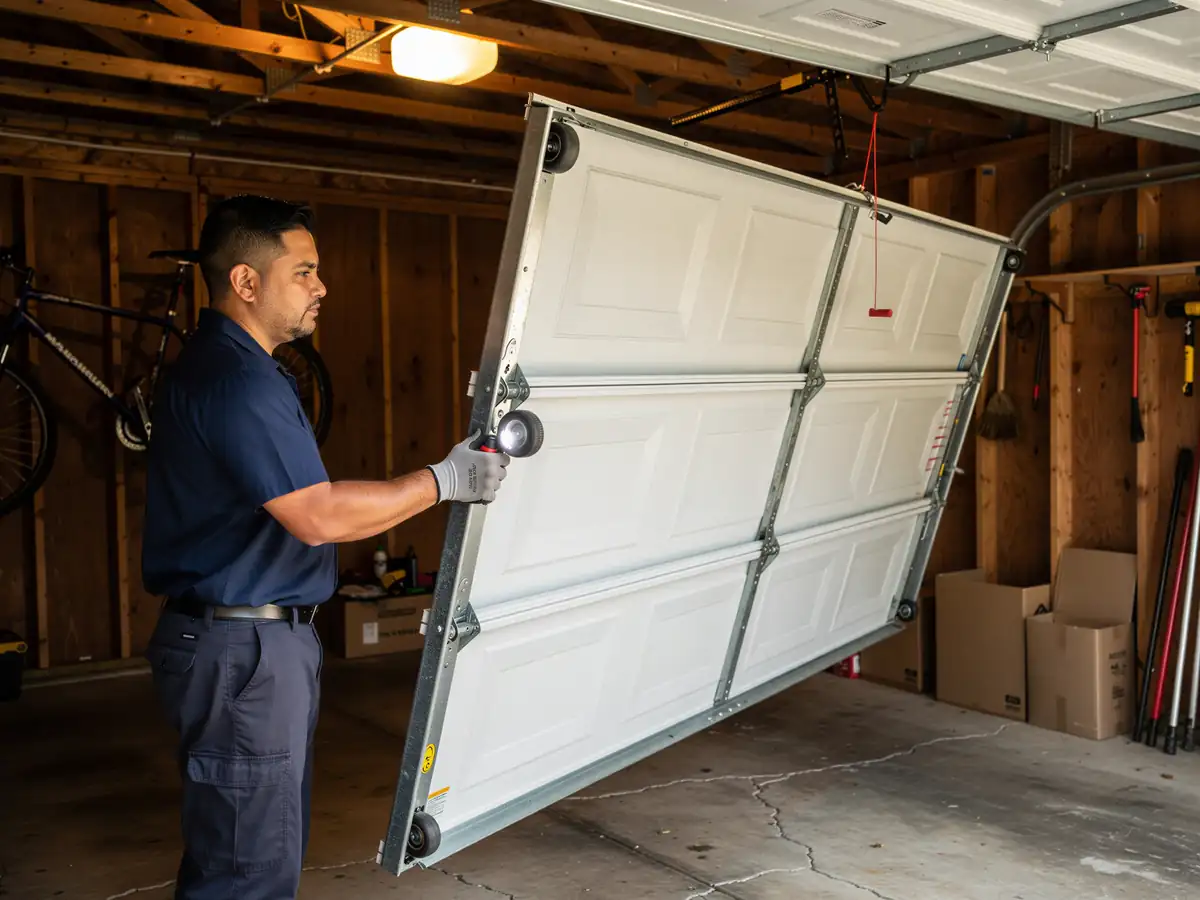
We start at the spring, since a dead torsion spring is the single most common reason a 1970s-era door in this area won't lift. If the spring's intact, we check cable fray at the drum and roller wear in the track - both show up fast on hardware this age because the galvanizing wears thin over decades of use. For doors that still run their original opener, we test the travel limits and force settings before touching anything else; a door that looks broken is sometimes just an opener that's drifted out of adjustment. Replacement happens when the track is bent beyond pulling straight, the panels have rusted through at the bottom, or the cost of chasing failures piecemeal starts to exceed a new door. We size new torsion springs to the actual door weight and insulation, not a stock number off a shelf, because a mismatched spring is why half the