Time on the Job
Woodfield sits about 2 miles out from Columbia, and the houses here mostly date to around 1973
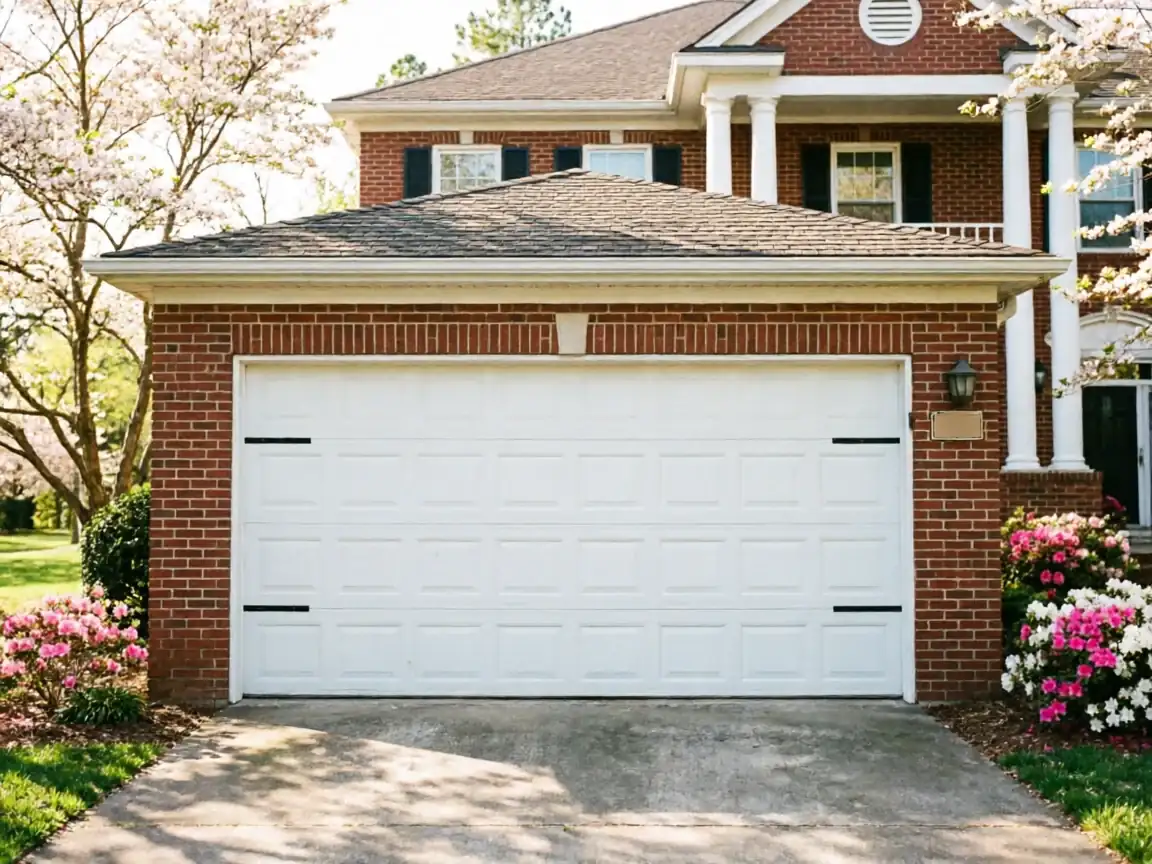
That puts most garages in this neighborhood at the tail end of the first wave of attached-garage construction - single-layer steel or hollow wood-panel doors, 16x7 or 9x7 openings, hung on tracks that were never built for insulation or a heavy modern opener. When we install new, we're not guessing at an era. We're working against a known baseline: a door bought when disco was still playing on the radio, on hardware that's been repainted twice and replaced never. We come out from Columbia for the job; there's no branch or crew based in Woodfield itself, just a scheduled install from the shop.
- 2 miles
That matters for what we bring on the truck
A house built in 1973 almost never has the jamb width or header clearance that a 2020s pre-hung door assumes, so we measure before we quote, not after. It's a short trip for us, which keeps the install itself the focus rather than travel.
Parts We Carry
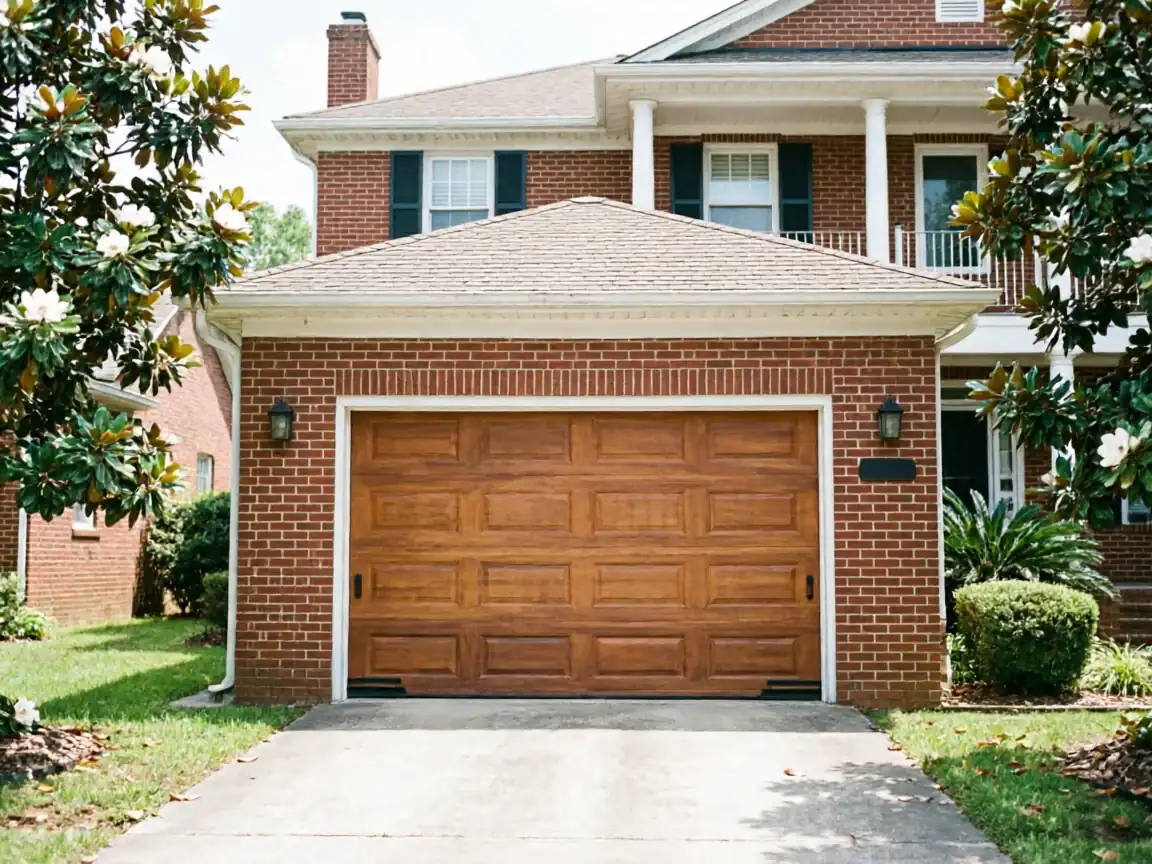
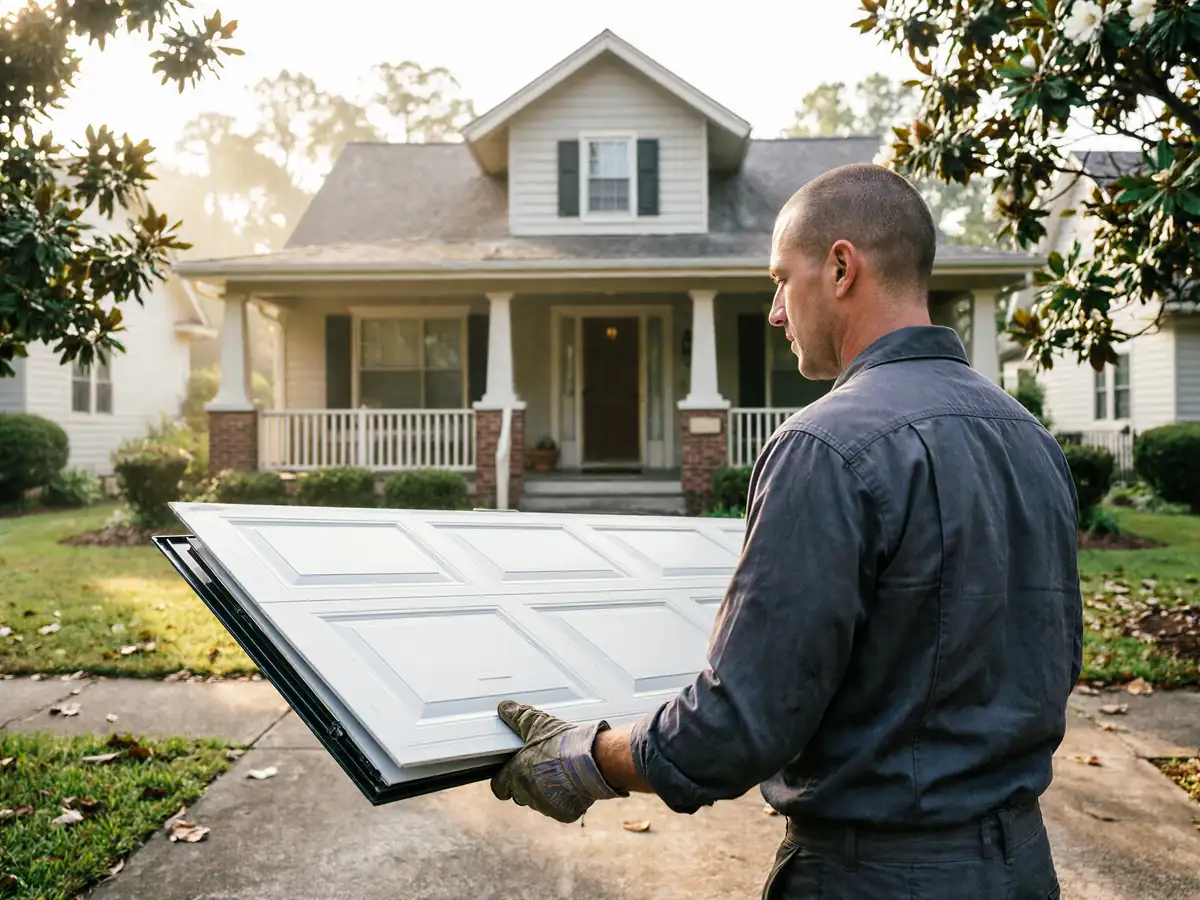
For a neighborhood built around 1973, the swap is usually from a single steel skin or a plain wood door to an insulated steel or composite door - two inches thick is common now, with a polystyrene or polyurethane core. We carry standard 16x7 double and 9x7 single sizes, since those cover the bulk of what went up in this housing era. Track, drums, and torsion springs get replaced as a set when the door does; there's no point hanging new panels on 50-year-old track that was sized for a lighter door.
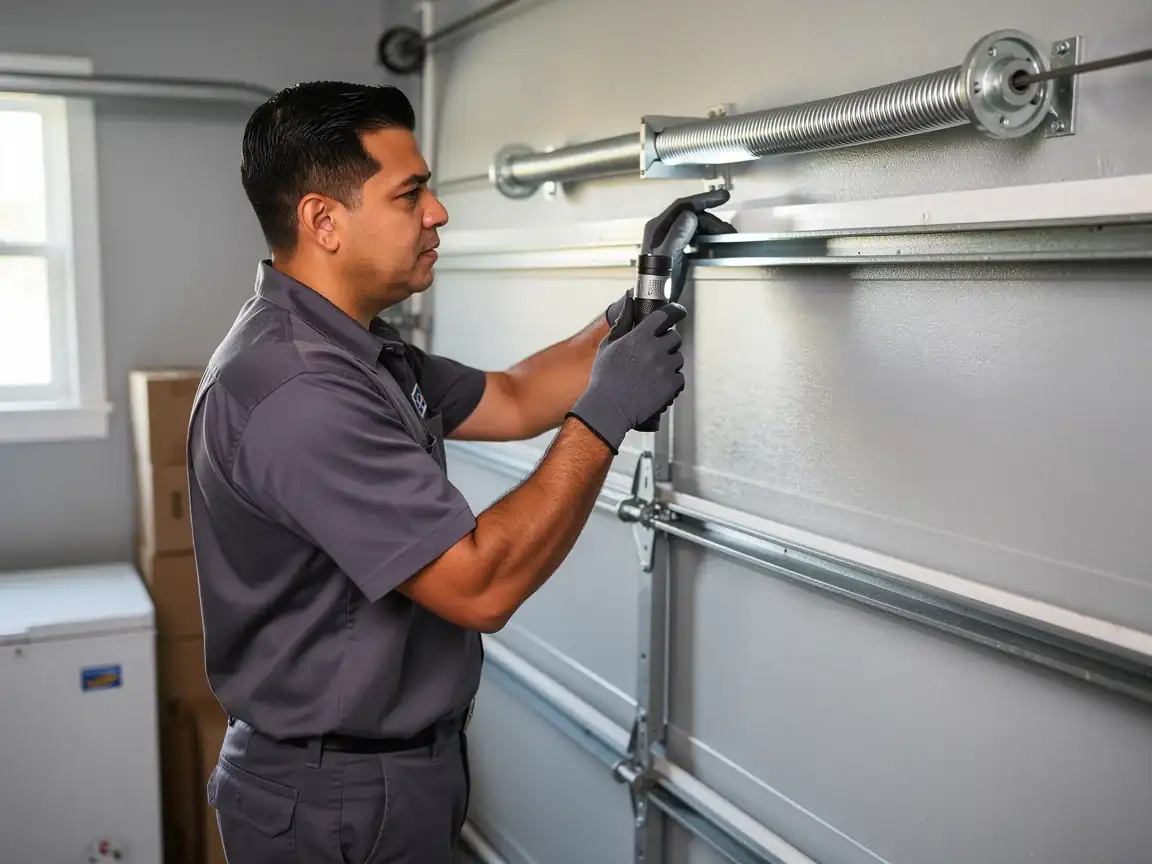
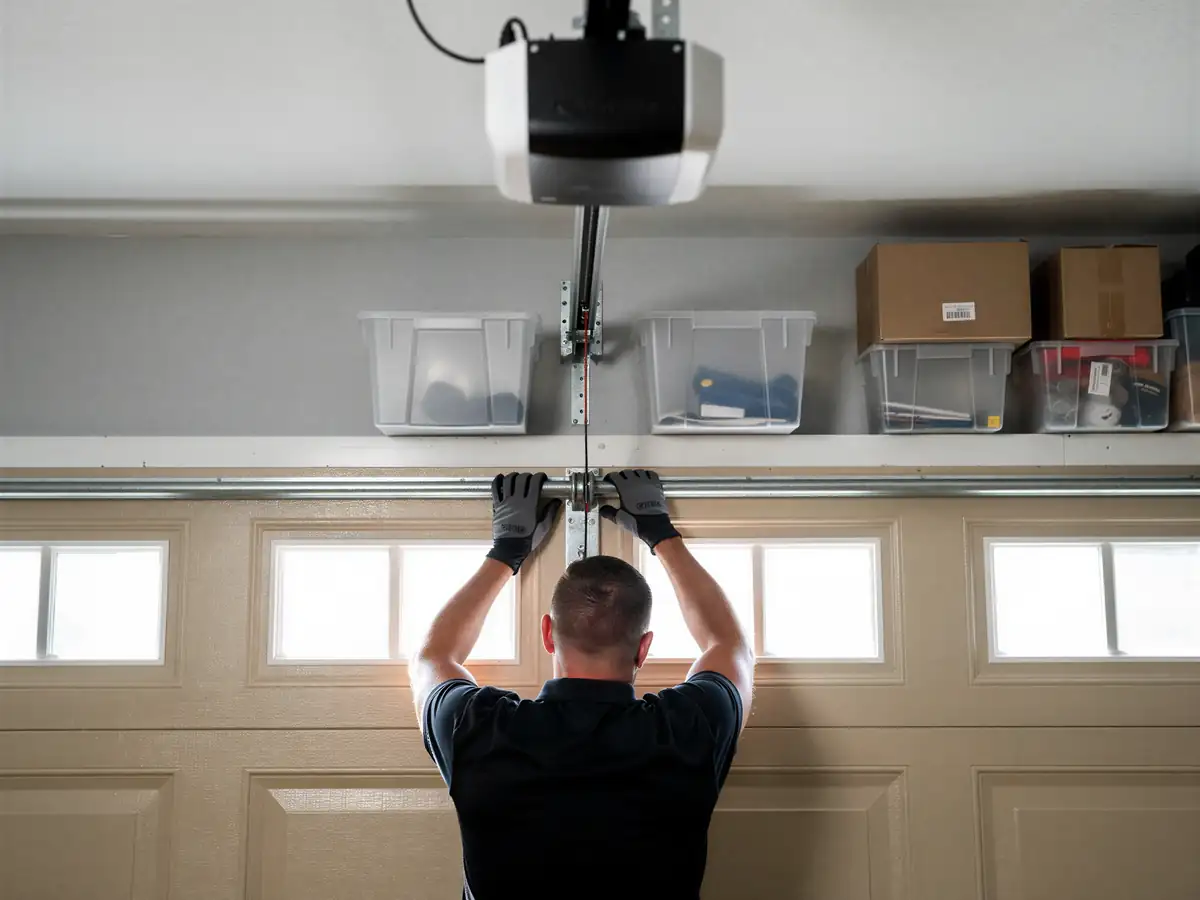
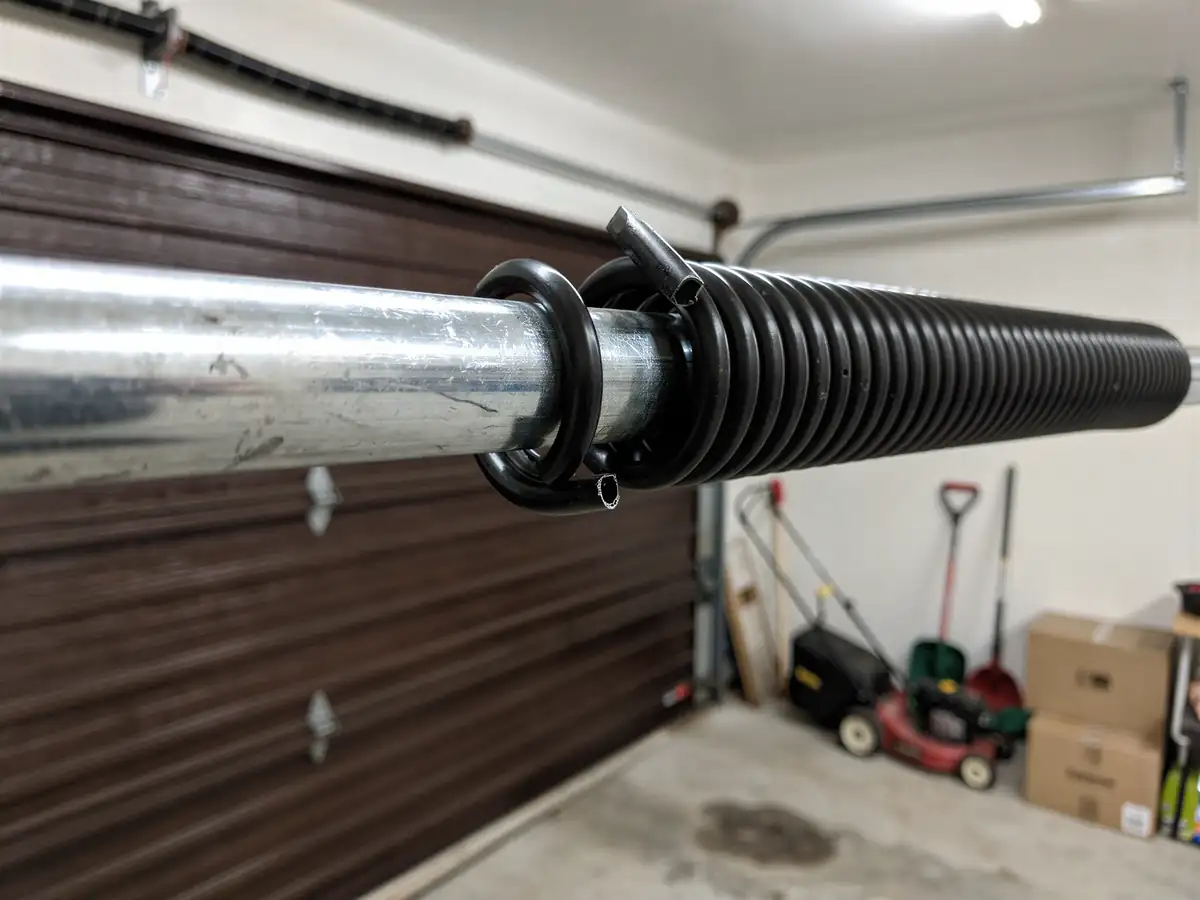
We size the spring to the new door's actual weight, not the old one's - an insulated door usually weighs more, and the original spring will undersize fast, meaning a cable snap or a door that won't hold position. Openers get matched the same way: if the household wants a modern opener with battery backup, we check whether the existing wiring and header space support it before we sell it.
How We Fix It
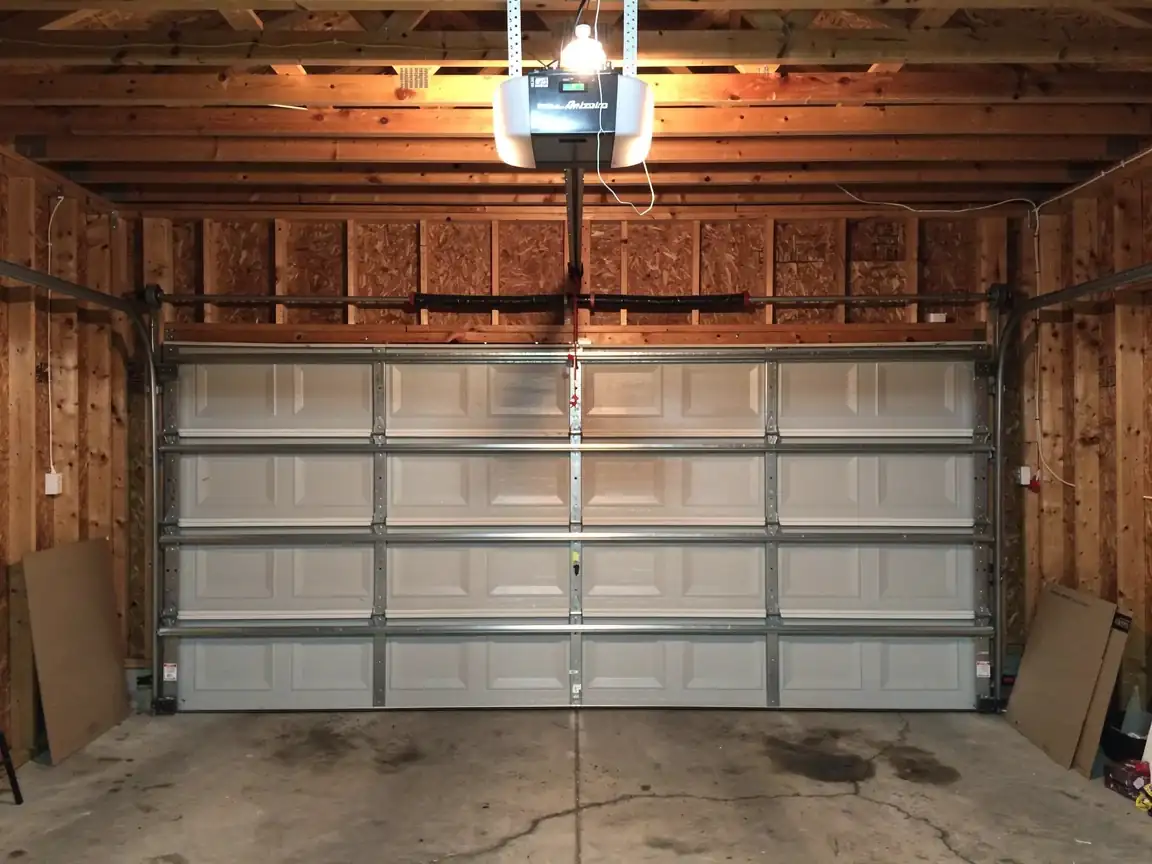
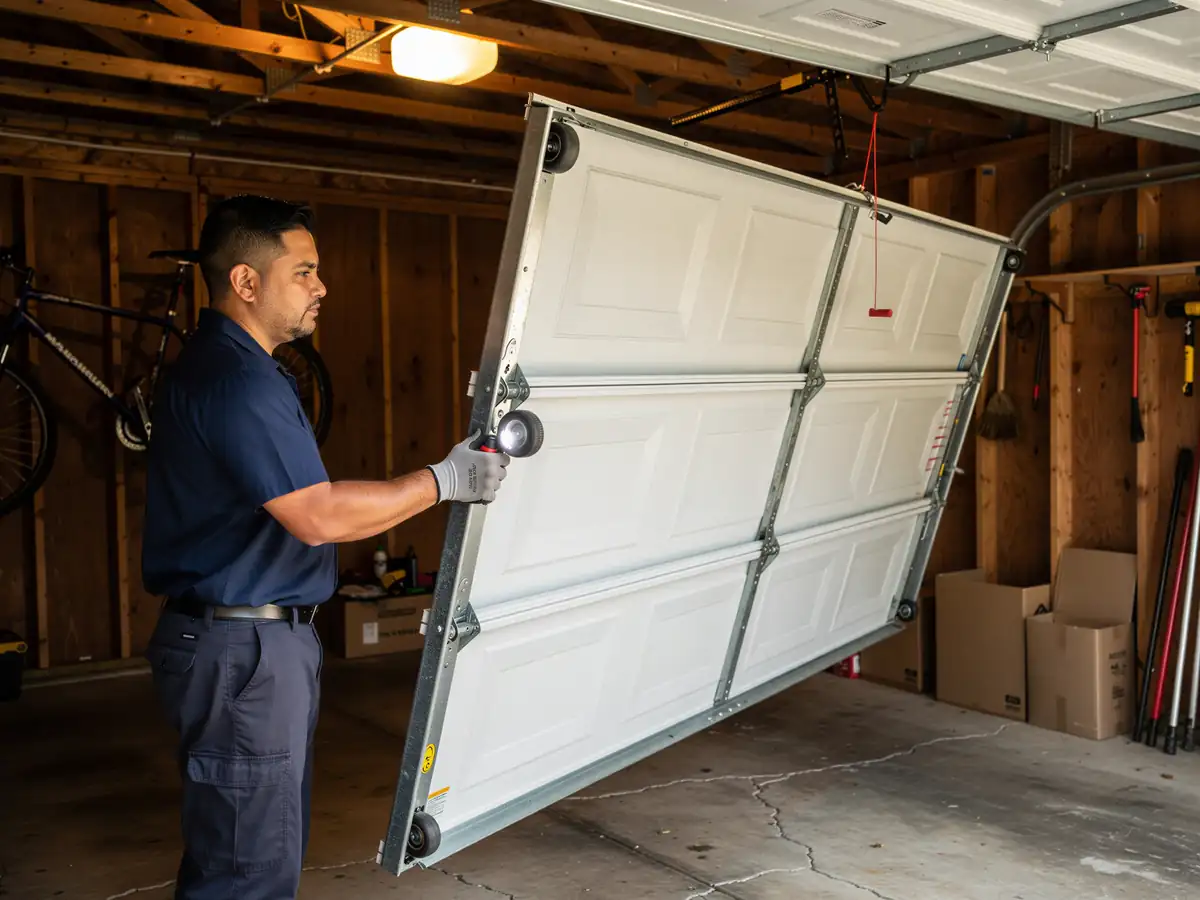
Install day starts with pulling the old door, springs, and track completely - we don't layer new panels onto 1973 rail. The opening gets re-measured, because houses from this period sometimes have header clearance a few inches shorter than what current door hardware expects, and that changes which track configuration fits (standard lift versus high lift or low headroom).
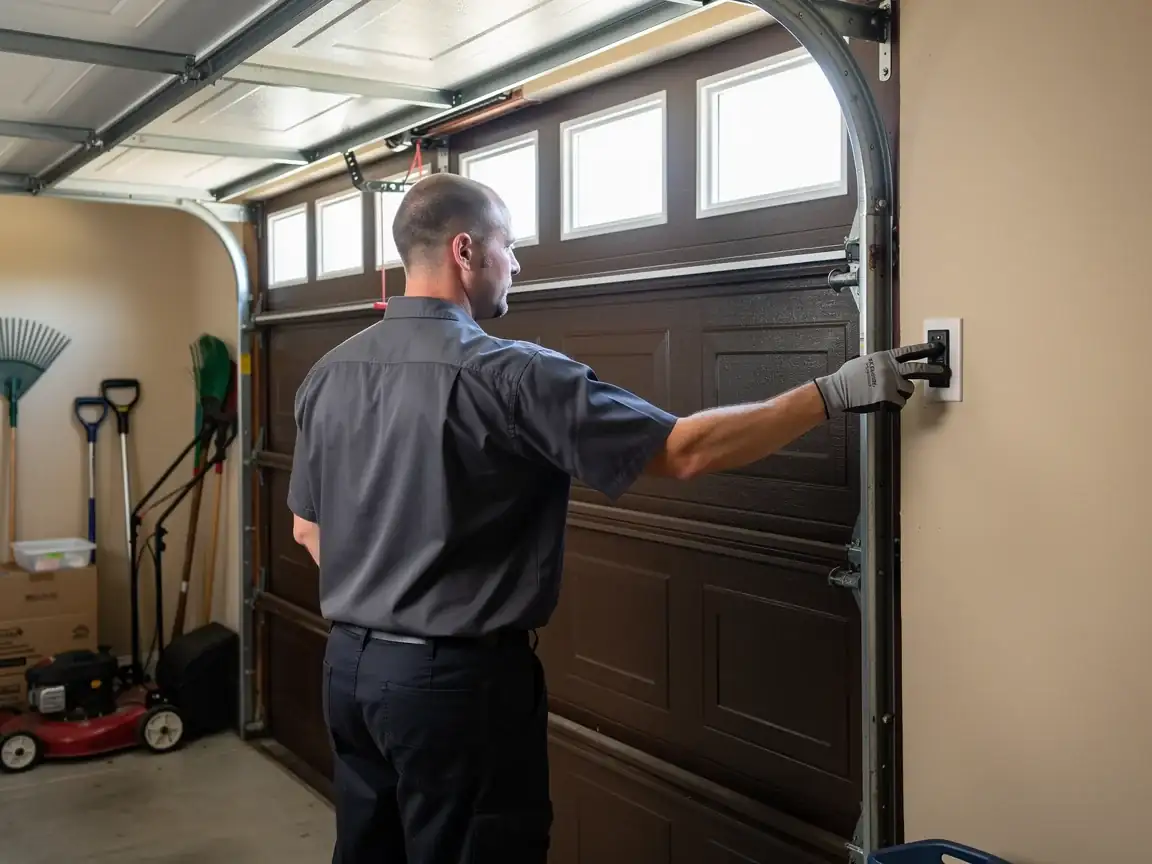
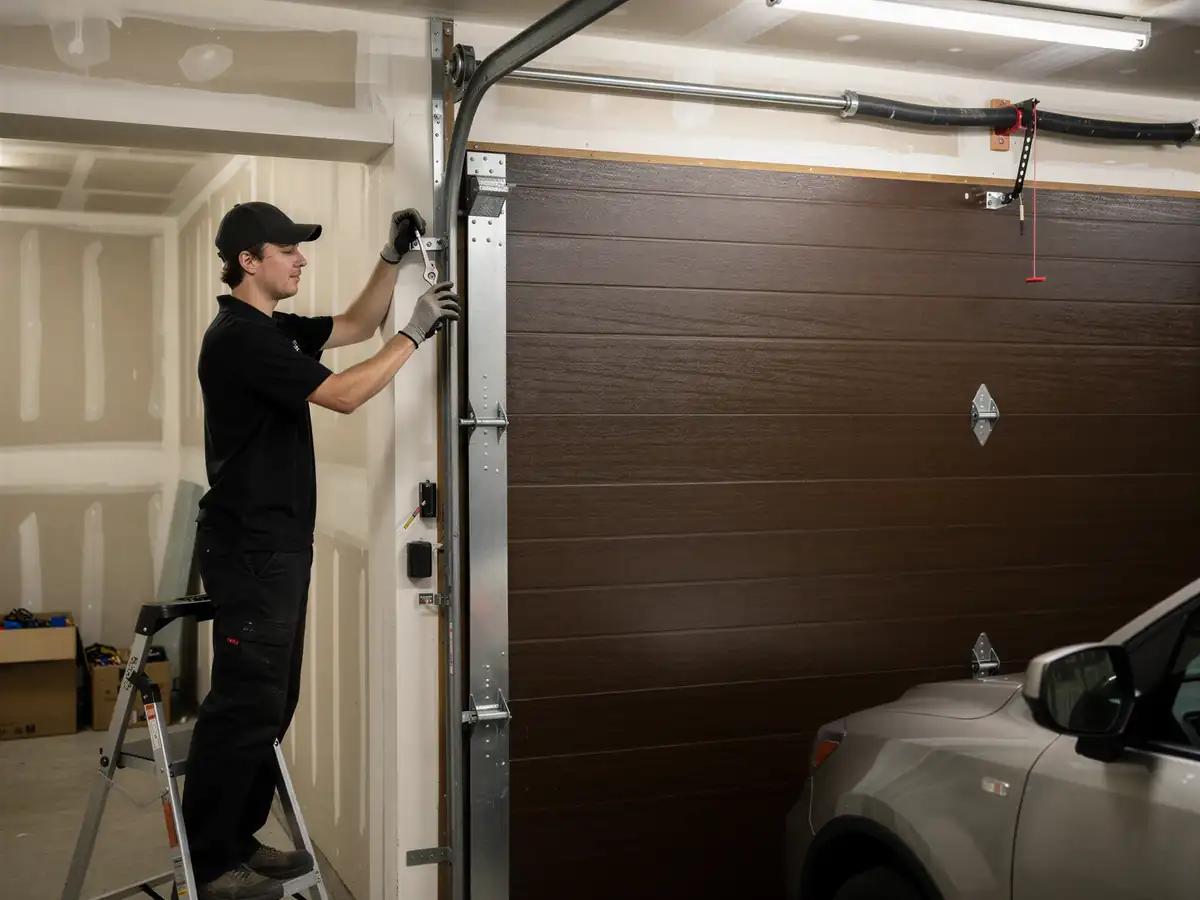
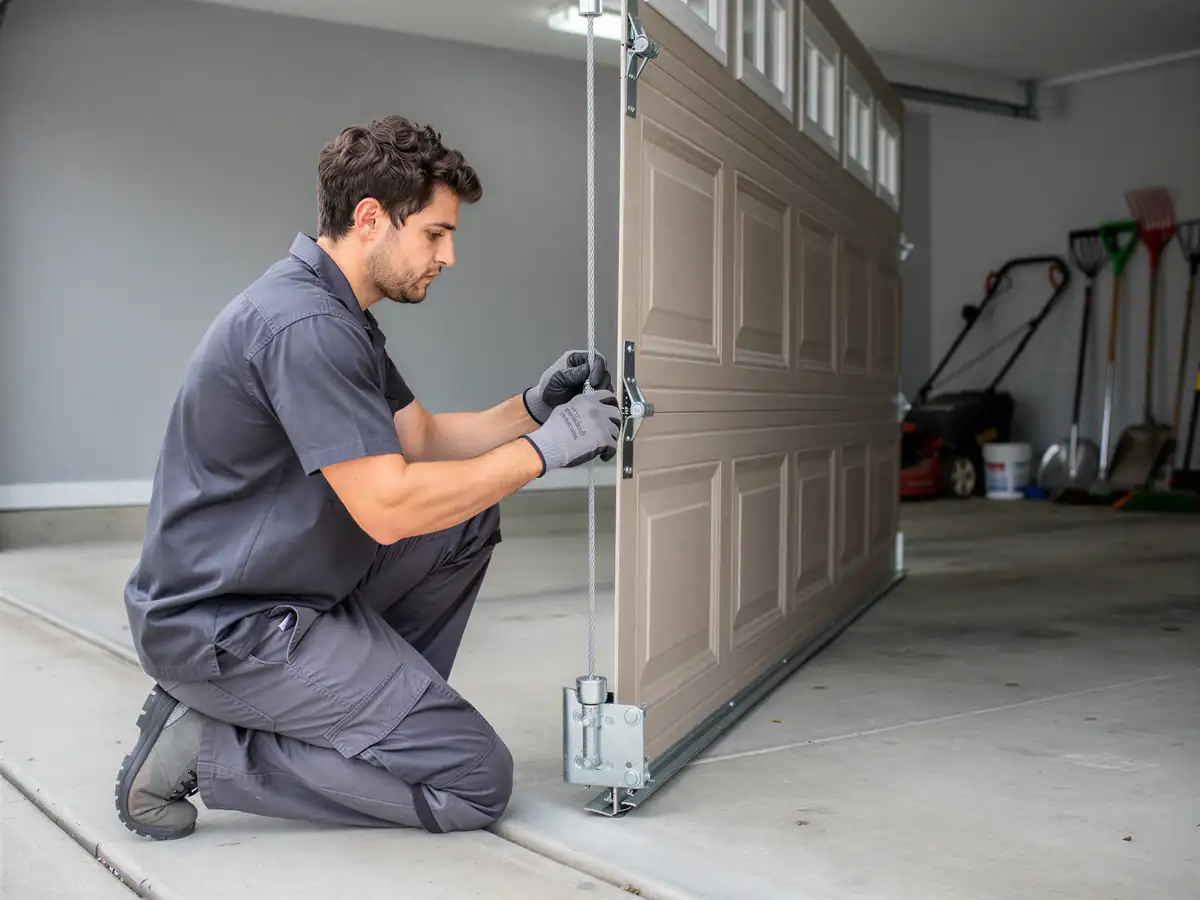
New jambs go in square and plumb before the door does; on a house this age, the old jamb has usually shifted slightly with the foundation over 50 years, and skipping that step is how a new door ends up binding within a year. Track and springs go up next, matched to the door's actual weight, then the opener, if replacing one, gets mounted and travel limits set by hand rather than left on a default. We test balance by hand before the opener ever takes a lift cycle.
The Complications
The honest limitation
If the framing around the opening has shifted or rotted - not uncommon in houses pushing 50 years old - that's carpentry, not a door swap, and we'll tell you before we start rather than force a door into a bad frame. We don't do structural repair ourselves; if the header needs rebuilding, that's a separate call to a contractor first.
- 50 years
Columbia's winters aren't severe
But they're enough that an uninsulated door on an attached garage lets real cold into the house side wall, especially in a household budget where heating costs matter. With median household income in this area at $38,394, we try to spec a door that fits what it actually needs to do - insulated if the garage backs onto living space, standard if it's a detached or rarely-used bay - rather than upselling the top-tier door by default.
How to Book
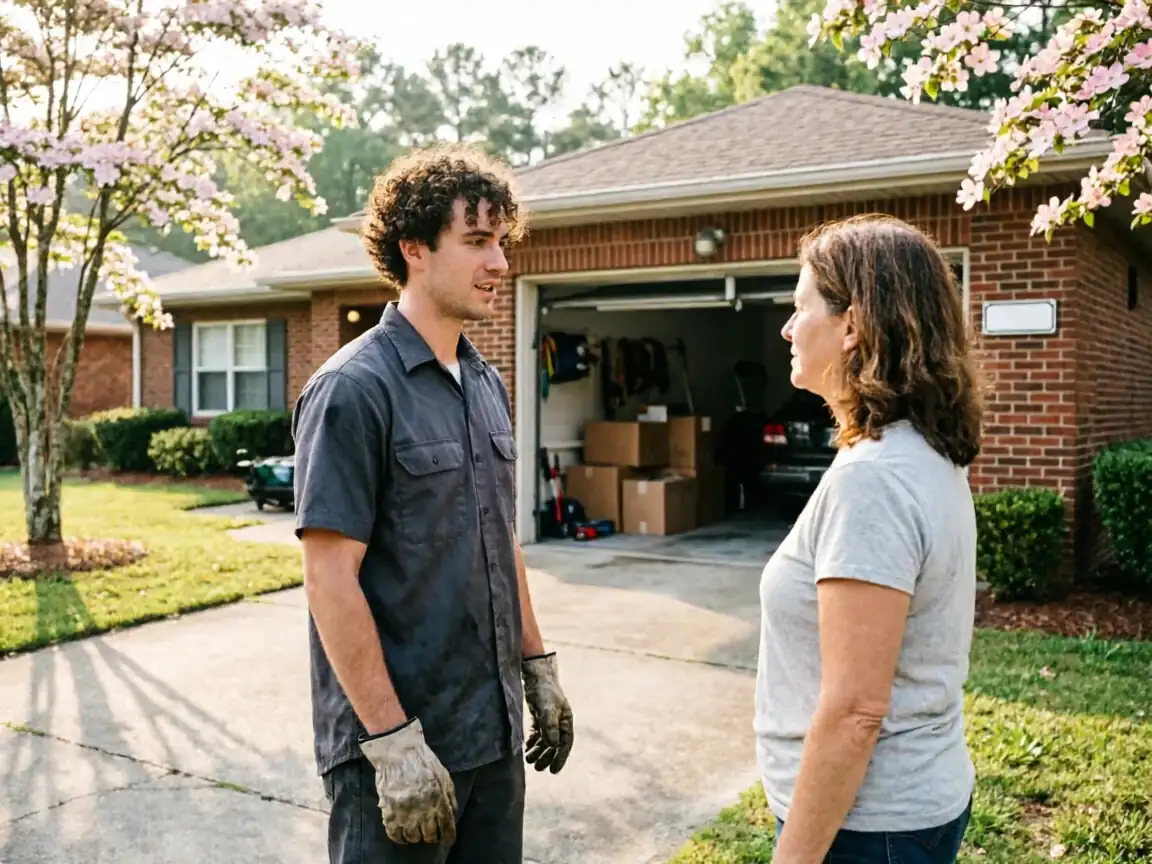
We schedule Woodfield installs out of Columbia, about 2 miles away, so there's no separate branch to call - one shop handles the whole area. Book through our site and we'll come out to measure the opening and quote the door before anything gets ordered, since on a house from 1973 the actual jamb width sometimes runs narrower than the stock size. See service details for Woodfield for what we cover here, or check the full installation page for Columbia if you're comparing options before narrowing down to a specific door.
What You Are Seeing
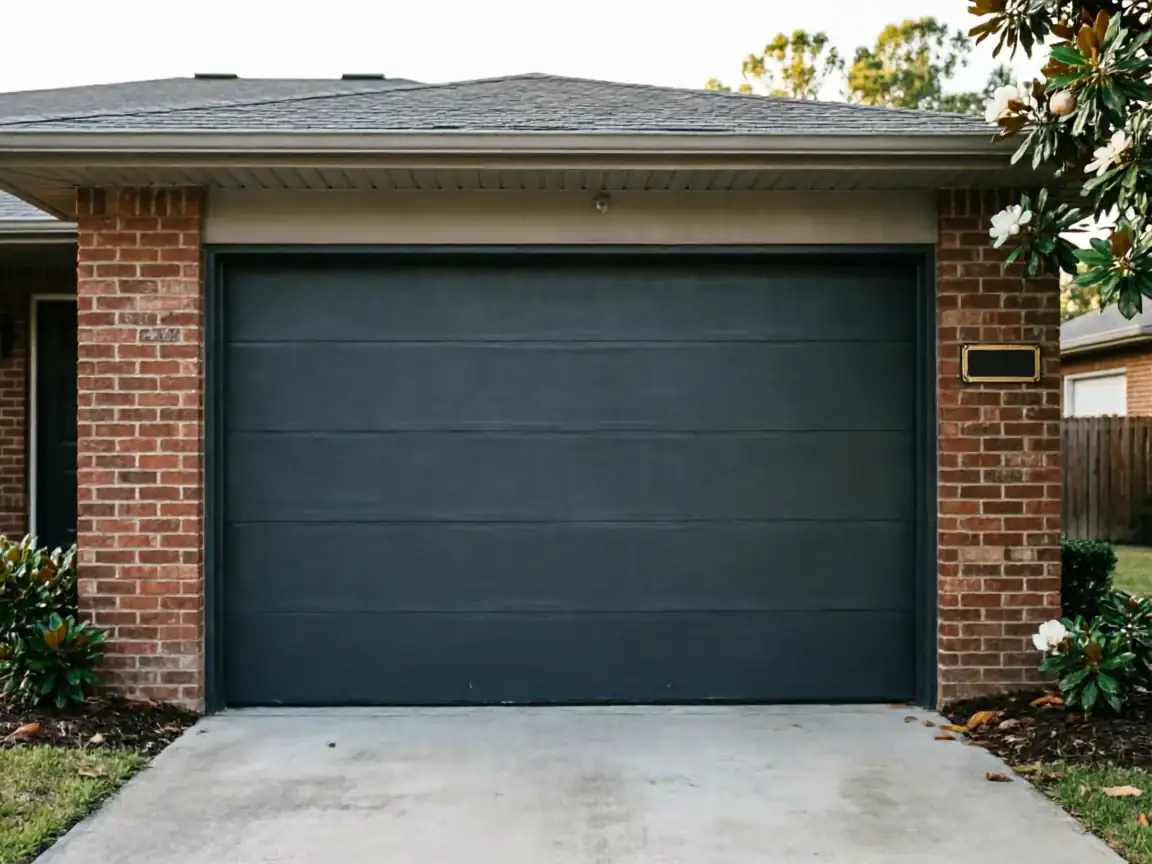
If your door is original to a house built around 1973, you're probably looking at a single steel skin with no foam core, pitted at the bottom panel from 50 winters of condensation, on rollers that have never been swapped. The springs, if original, are long past the 10,000-cycle mark most torsion springs are rated for - that's roughly 7 years of twice-daily use, and this door has seen seven times that.
What you're not seeing, usually, is the track misalignment underneath - the slow bend that happens over decades as a house settles. That's often why an old door gets noisier before it fails outright, and why a straight panel swap without new track just moves the failure a year down the road instead of fixing it.