Parts We Carry
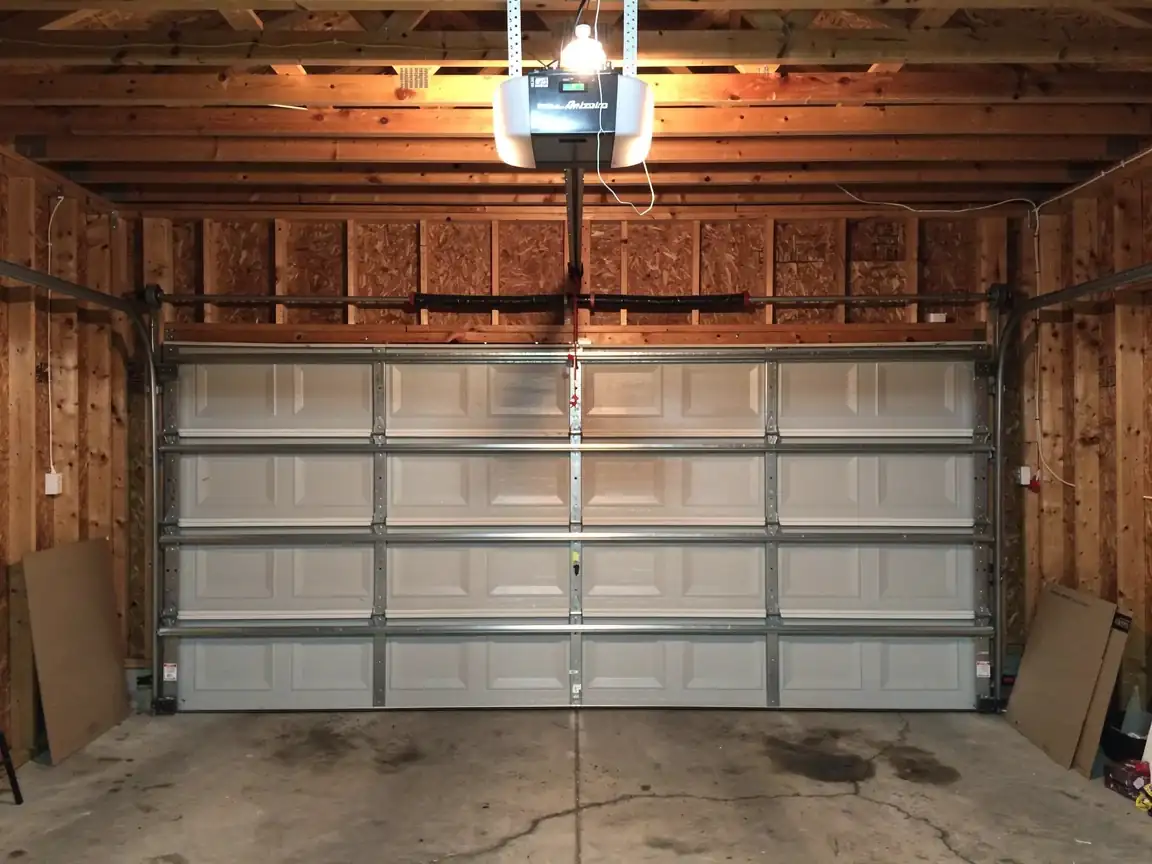
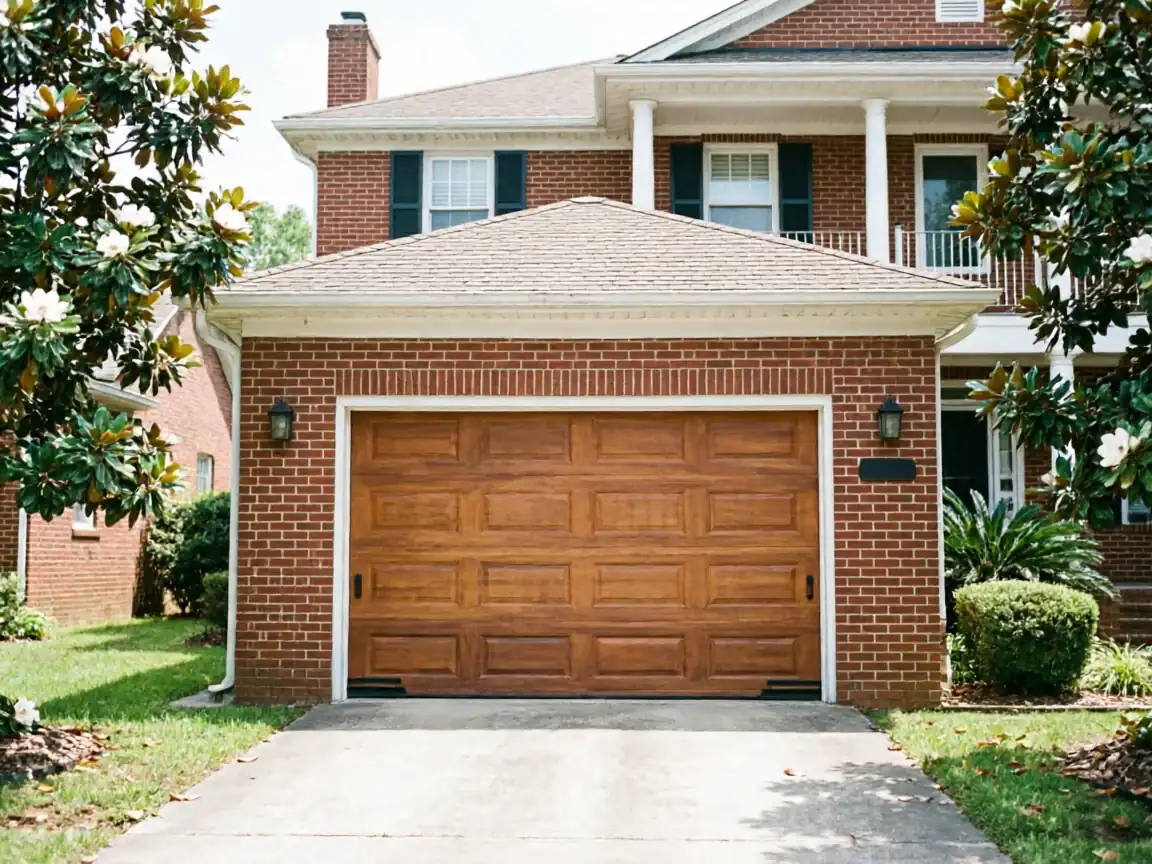
Most Woodfield houses date to around 1973, which puts the garage doors and openers squarely in the pre-modern-code era - lighter doors, single torsion springs more often than two, and headroom that wasn't built with a big steel opener rail in mind. We stock belt-drive and chain-drive openers in the range that fits these openings, plus the shorter rail kits that older garages with tight ceiling clearance actually need. We don't push the heaviest commercial-grade unit on a door built for a 1970s single-car garage; it's more opener than the door or the track can handle, and it just strains the hardware faster. What we carry is sized to the actual door in front of us, not the biggest thing on the shelf.
How We Fix It
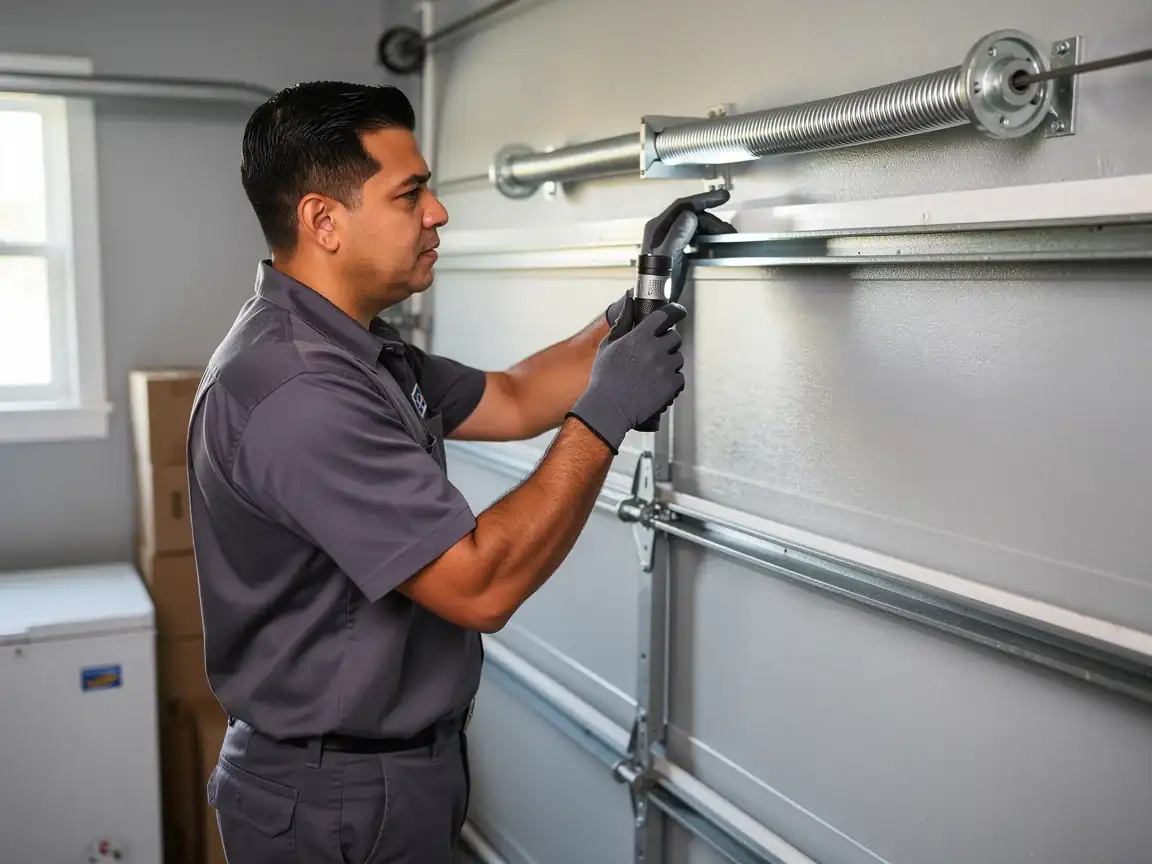
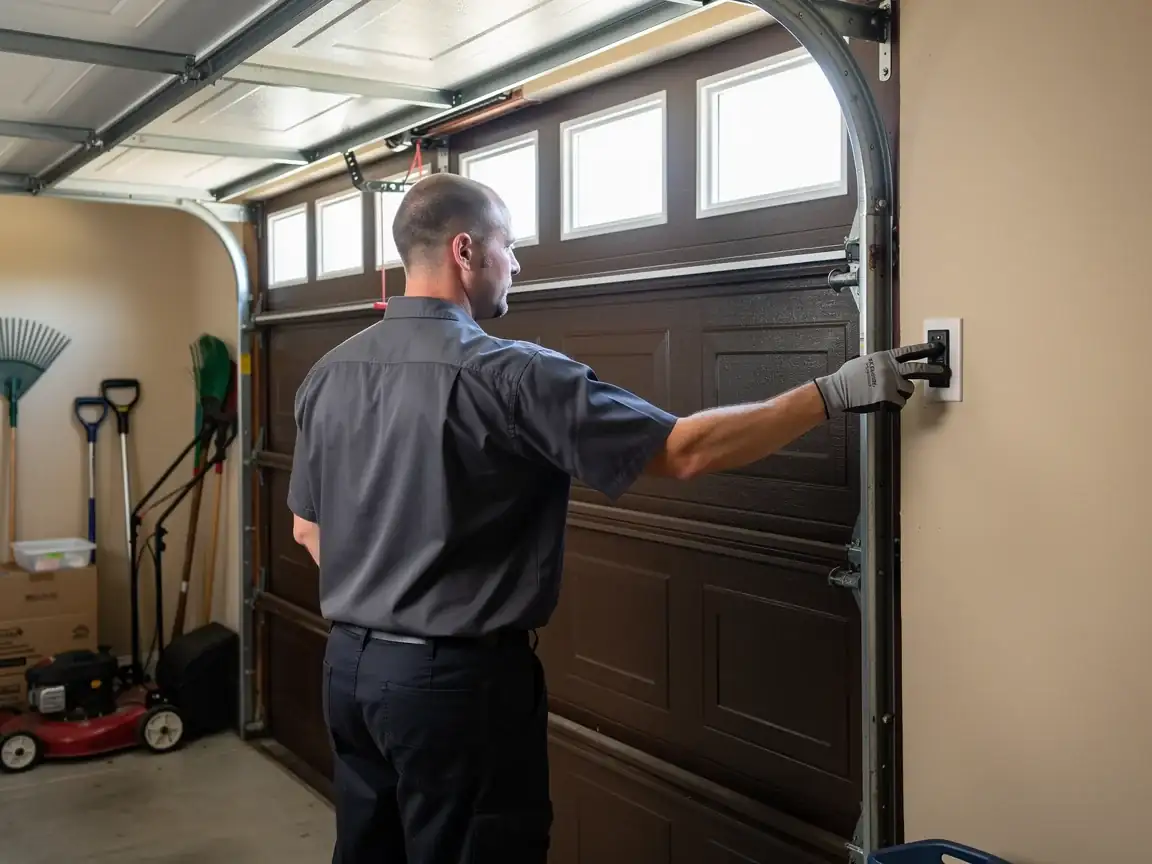
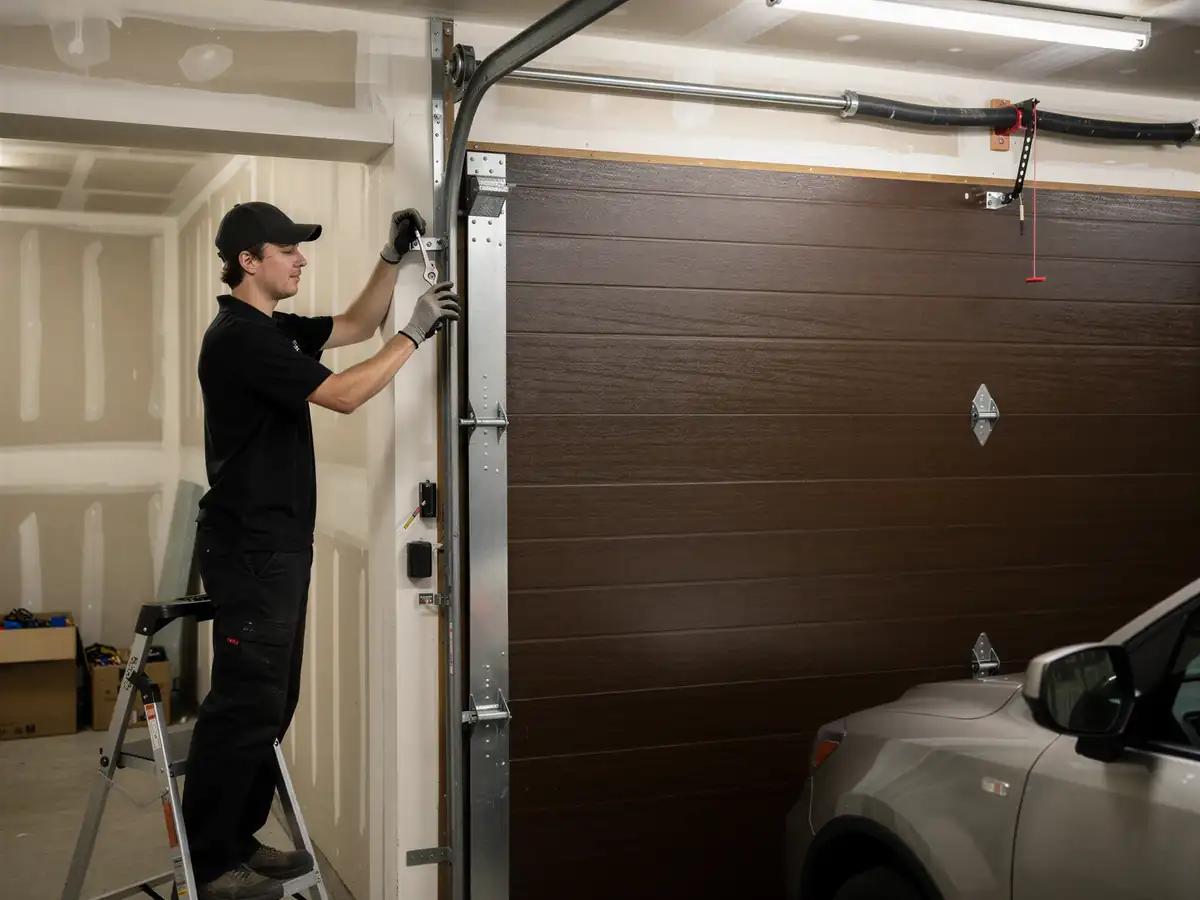
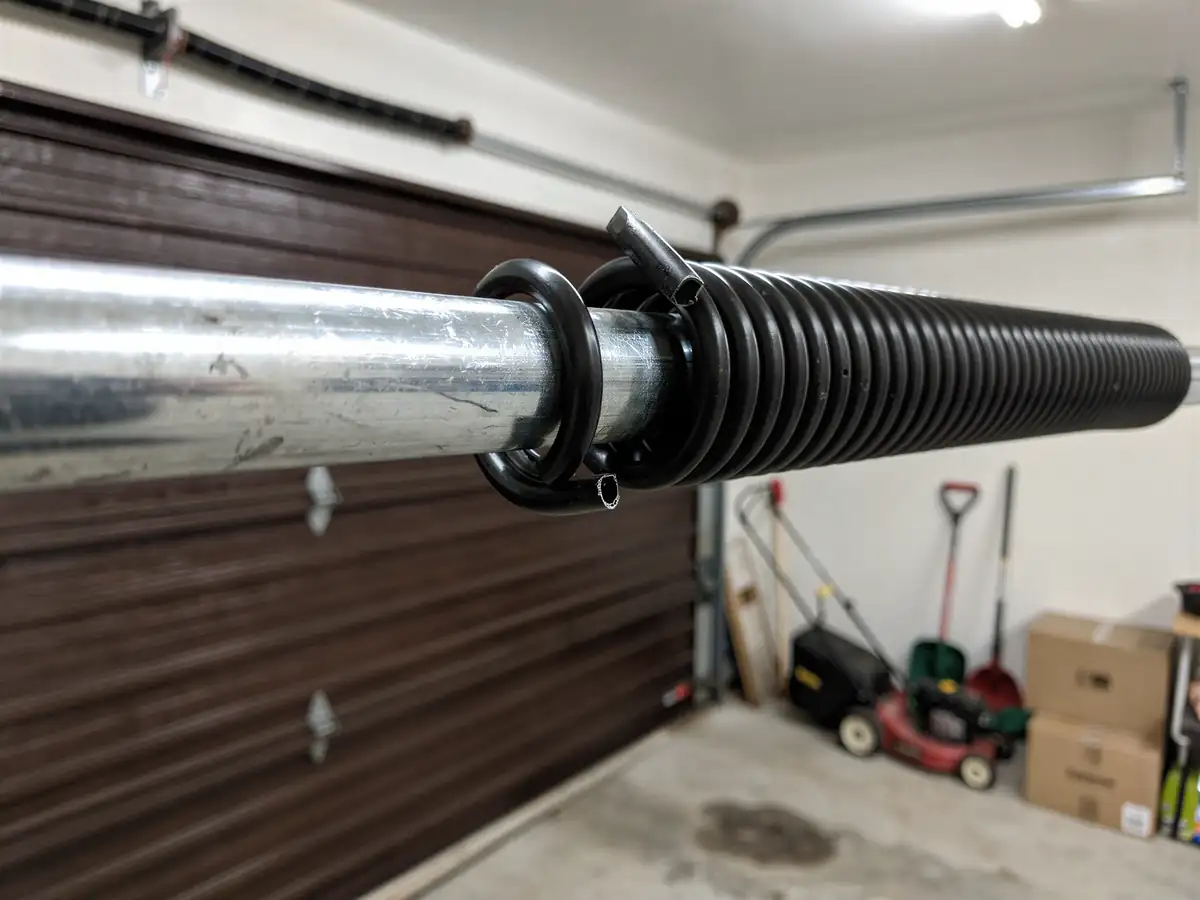
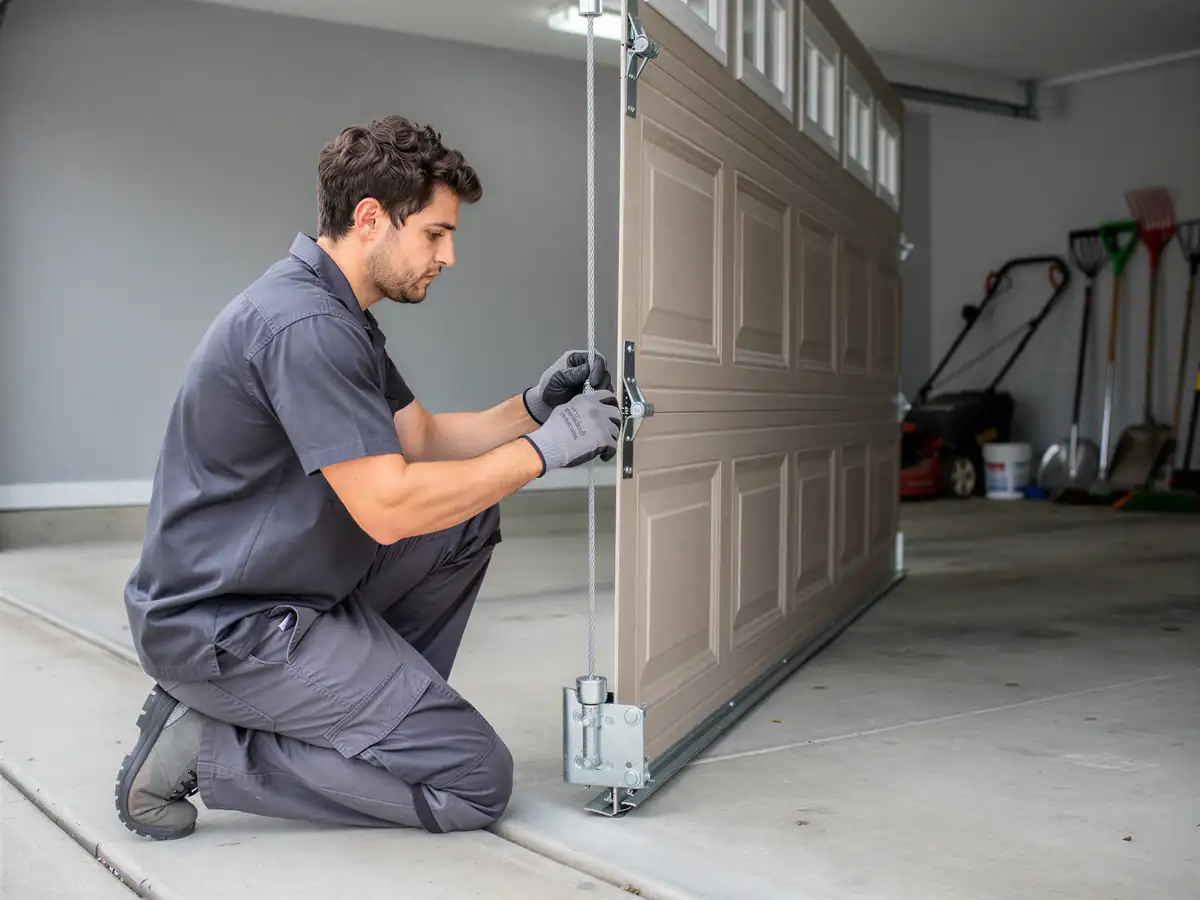
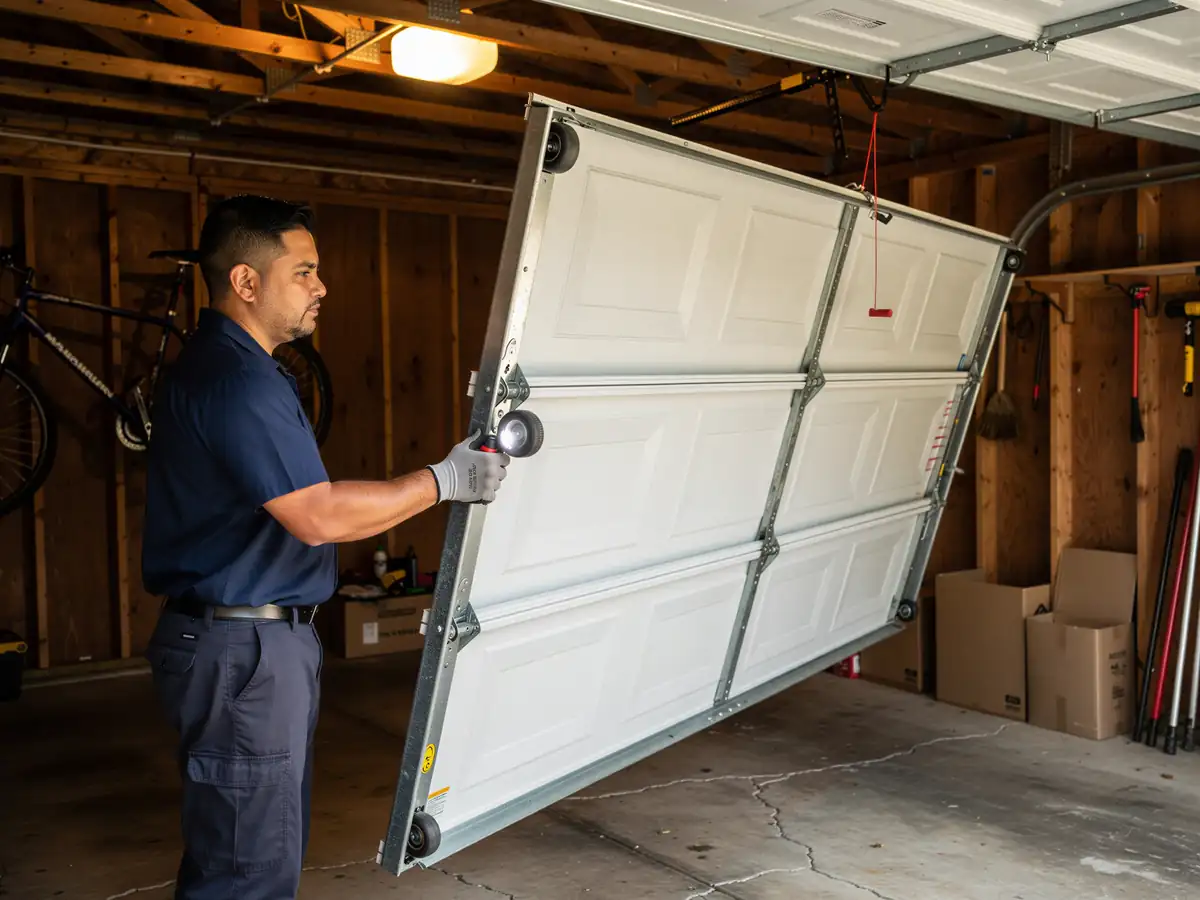
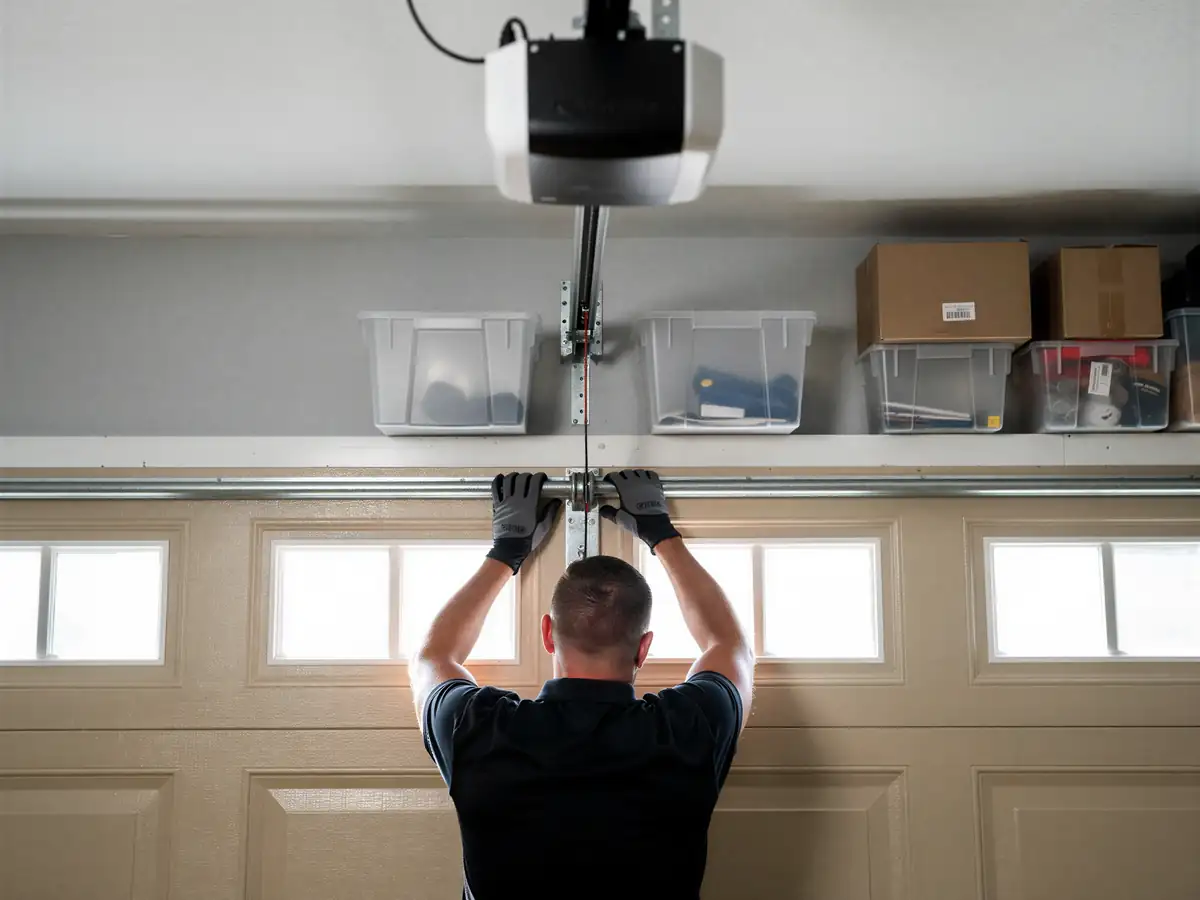
Installation starts with the door itself, not the opener. On a house from the early 1970s we check the track alignment and spring balance first, because hanging a new opener on a door that's out of balance just burns out the new motor faster than the old one. Once the door is moving freely by hand, we mount the rail, set the travel limits, and wire the wall control and safety sensors to current standards - a lot of the originals in this area predate photo-eye sensors entirely, so that's often a real upgrade, not just a formality. We program the remotes and the keypad, run the door through a full cycle under load, and check the force settings so it reverses properly if something's in the way. If the existing door hardware is too worn to support a new opener safely, we'll say so before we install anything, not after.
How to Book
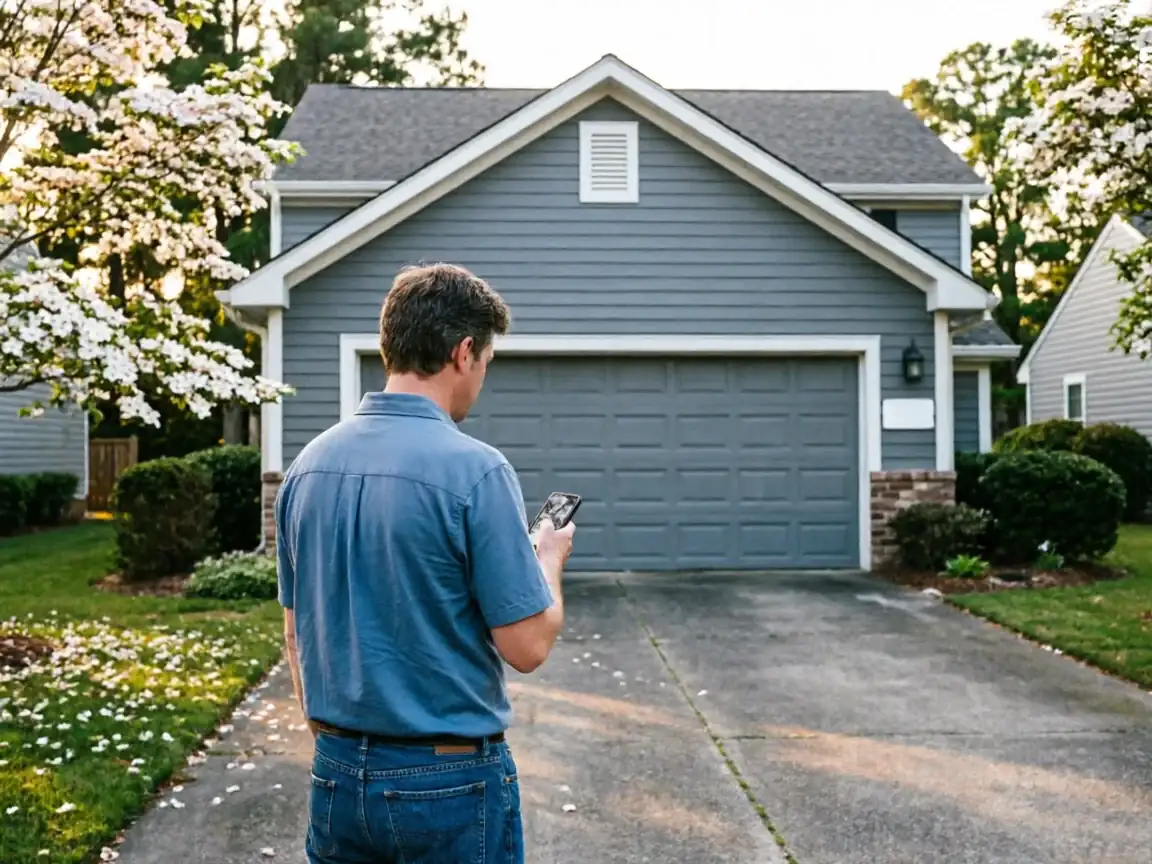
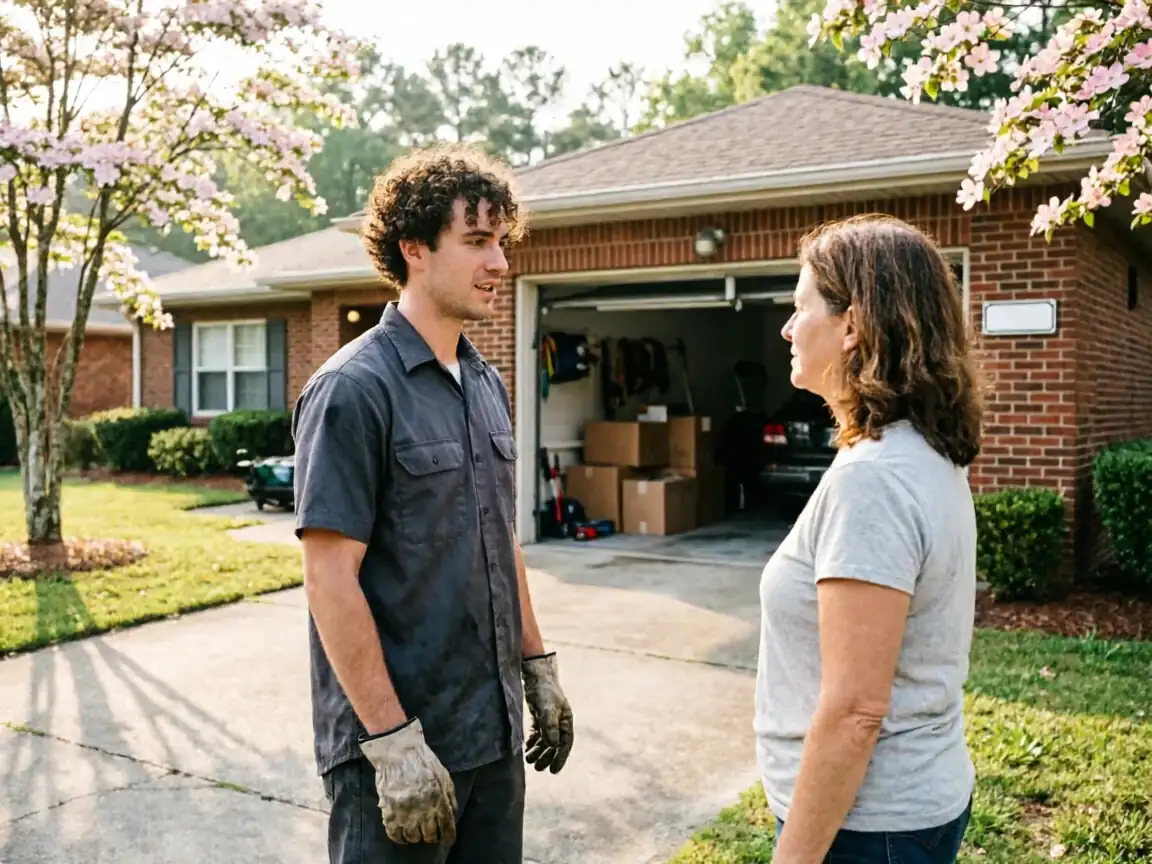
We run this job out of Columbia, about two miles from Woodfield, so scheduling is straightforward rather than something we need to pad with travel buffers. If you're not sure yet whether you need a new opener or a repair on the one you've got, our Woodfield garage door service page covers both and can point you the right direction before you book. For the broader rundown on opener models, drive types, and what an install typically runs, the Columbia opener installation page has that detail. Either way, tell us the age of the door and whether it's single or double - that alone narrows down what we bring on the truck.
What You Are Seeing
If your opener is grinding, hesitating partway up, or needs two or three button presses before it catches, that's consistent with what we see across this cold-climate area in openers from houses built in the 1965-2010 window - gear sets wear down and logic boards drift out of calibration over that many winters. A door that reverses for no reason, or won't reverse when it should, means the force settings or the safety sensors need attention before anyone uses that opener again. Freeze-tolerant logic and insulated enclosures matter more here than in a warmer region, since a board that's marginal in October can fail outright on a cold January morning. If your opener light flickers but the motor doesn't engage, that's usually the circuit board, not the motor - worth a look before you assume you need a full replacement.