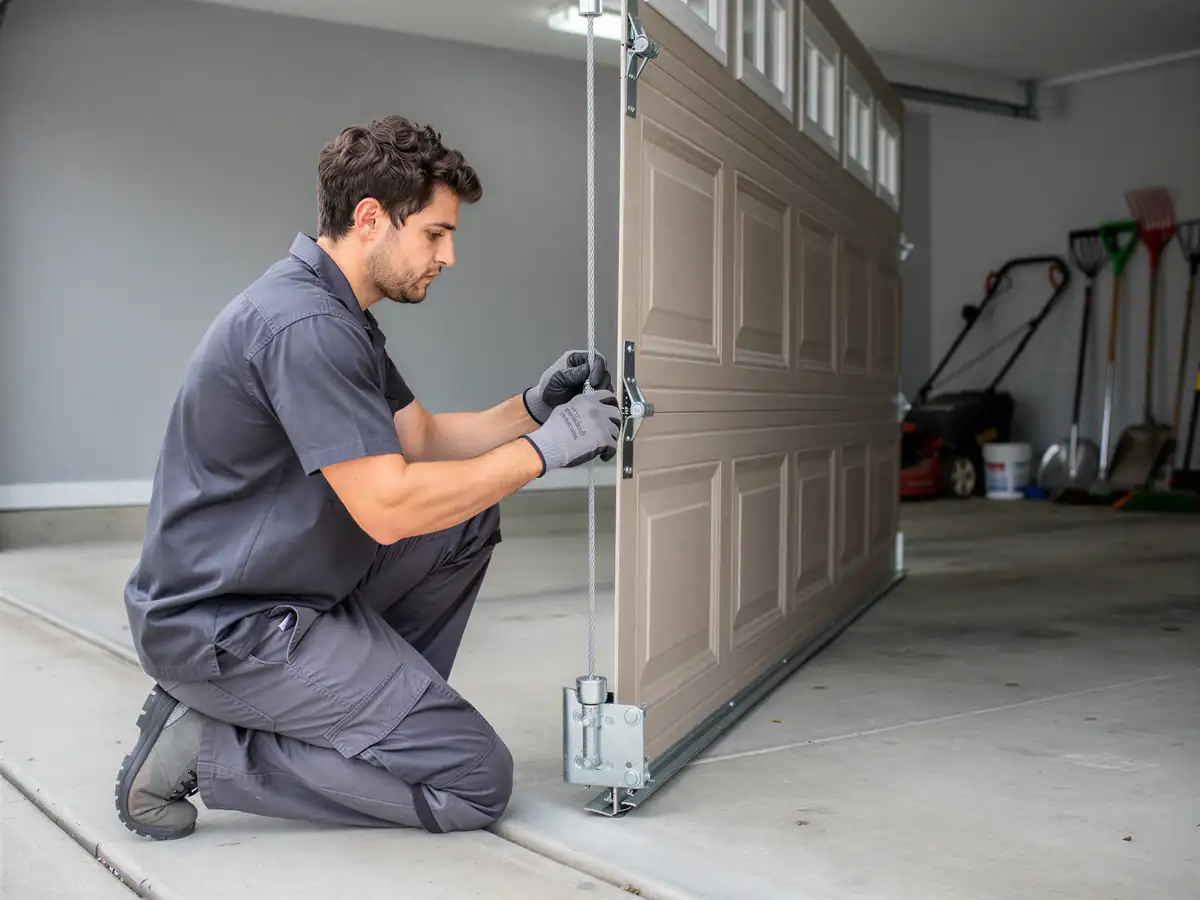
What You Are Seeing
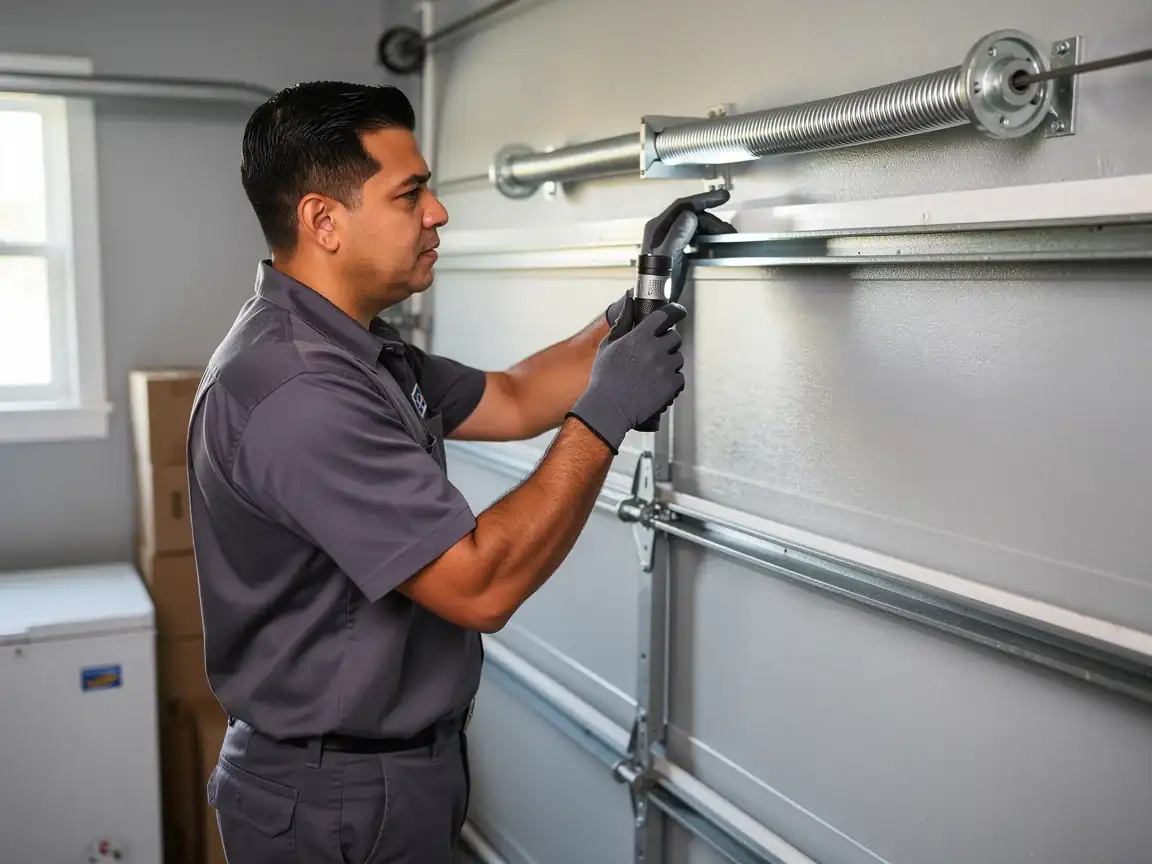
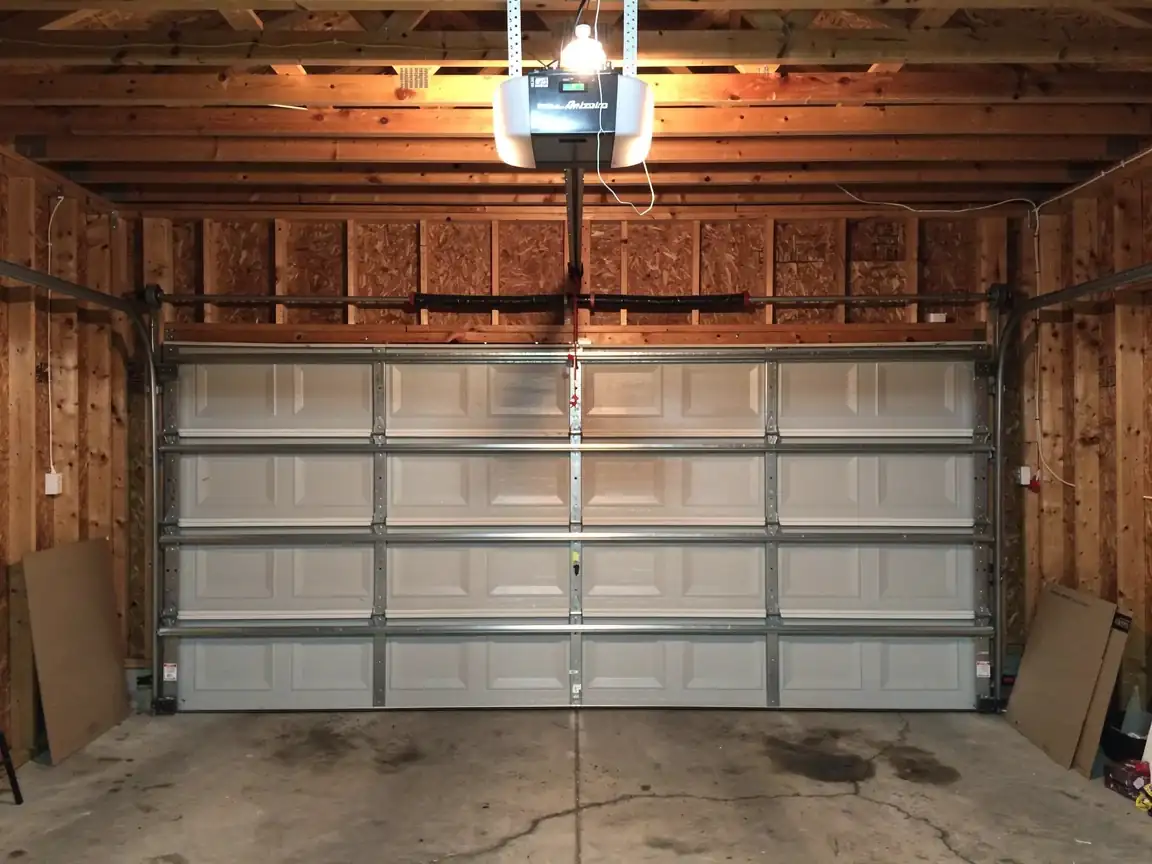
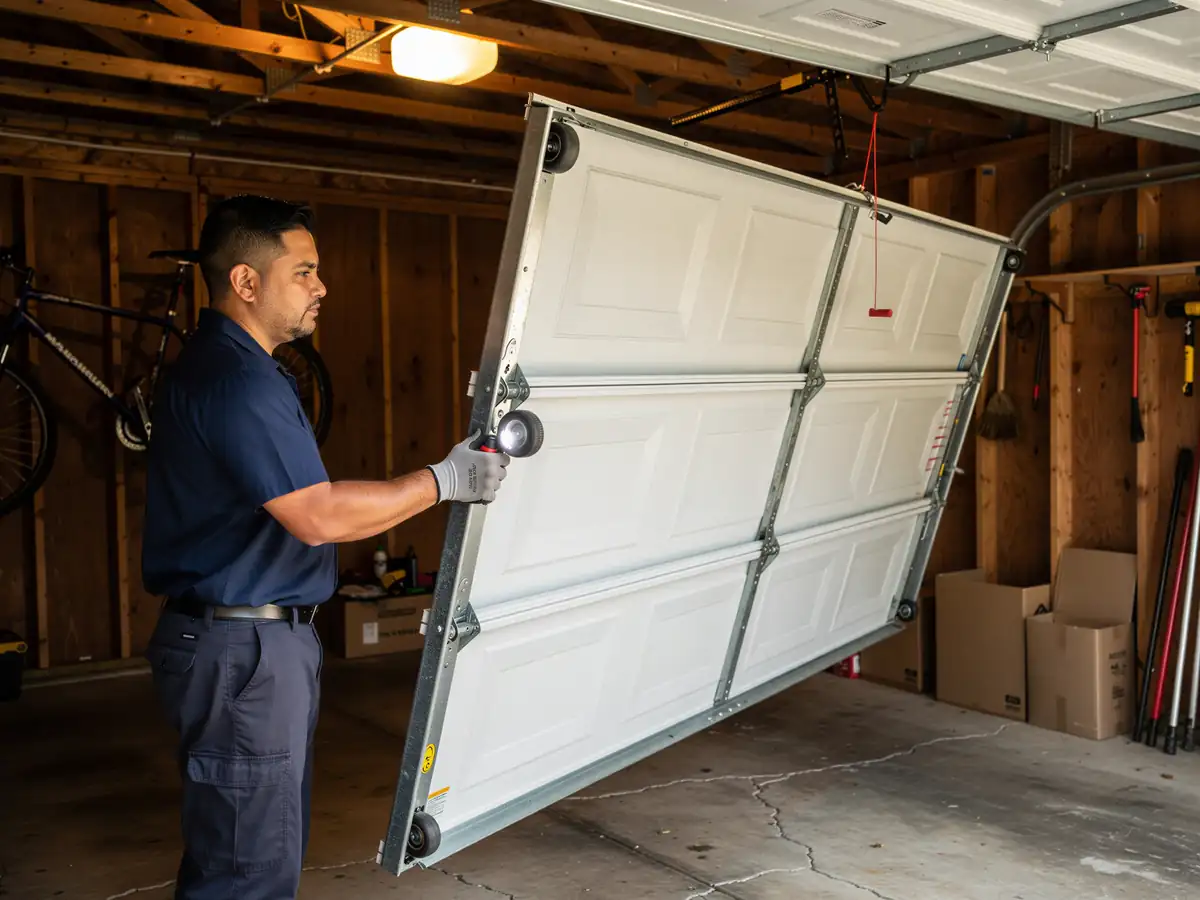
Most houses in Cayce went up around 1970, which puts a lot of this town's doors on older extension-spring or early torsion setups rather than the lighter, modern galvanized cable systems you'd find in a house built in 2005. On a door that age, a cable usually goes one of two ways: it frays visibly at the drum where it's spooled hundreds of times a year, or it snaps clean at the bottom bracket where road salt and winter moisture work into the strand over a cold, humid season. You'll know something's wrong if the door drops unevenly, hangs at an angle, or won't budge at all because one side is still attached and the other is loose cable pooled on the floor. Sometimes the opener still hums like nothing's wrong - it has no idea the cable gave out, it just keeps pulling against a door that can't move right. If you see a cable wound loosely around the bottom roller bracket instead of taut against the drum, stop using the door. That's a cable walking off its track, and the next pull can drop the whole panel.
Can You Do This Yourself
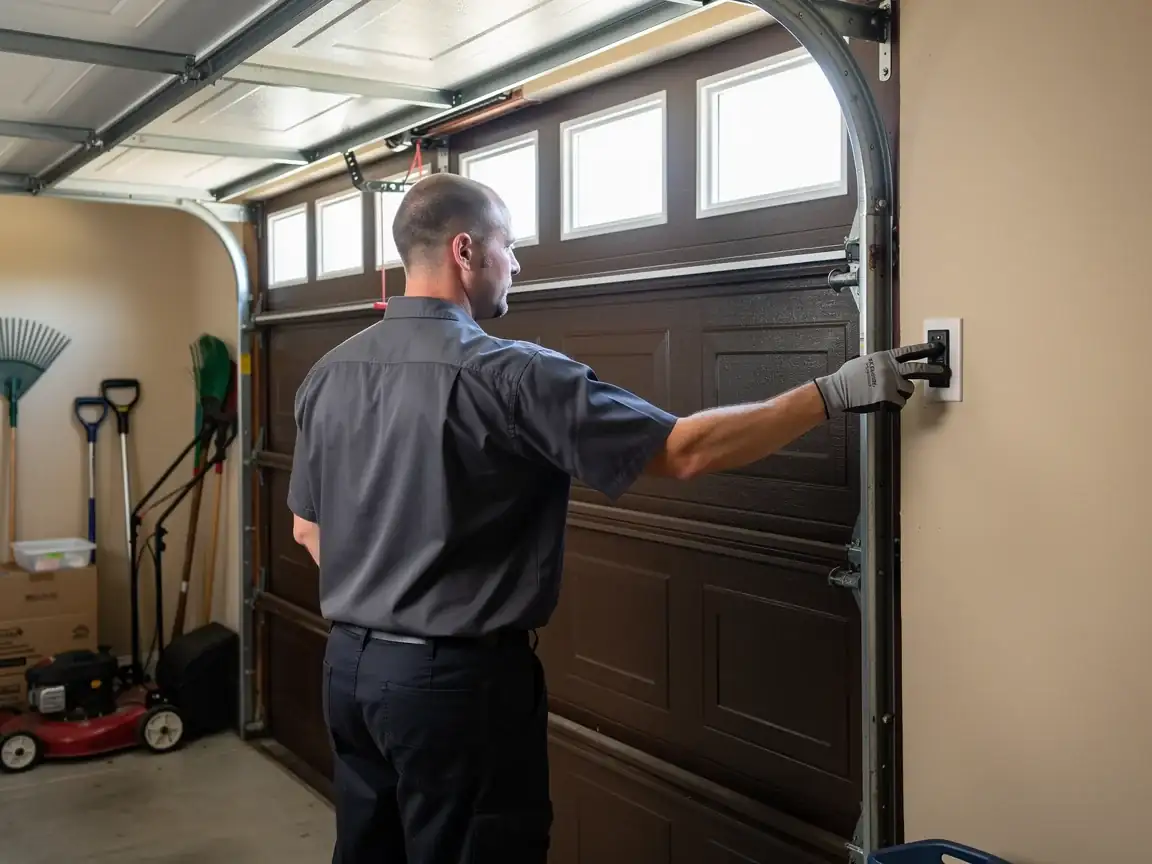
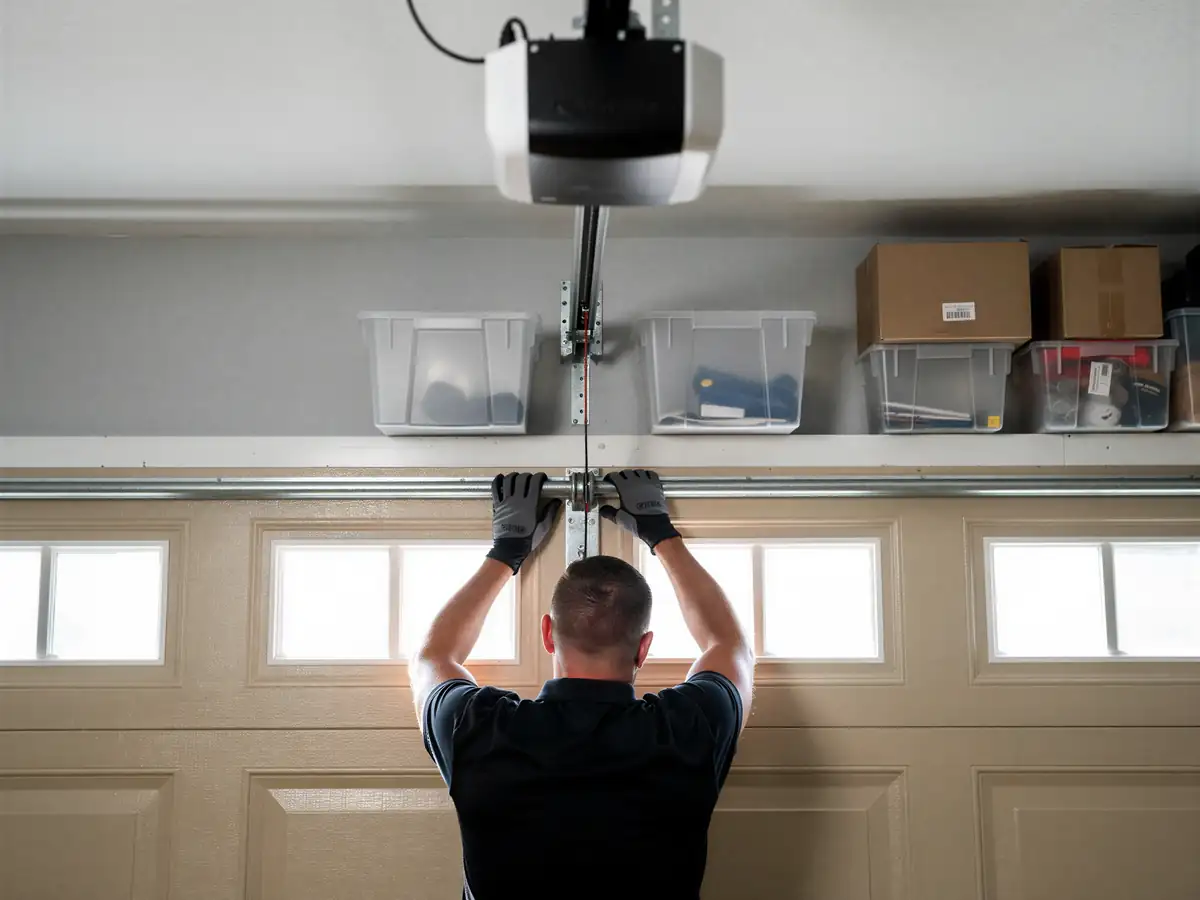
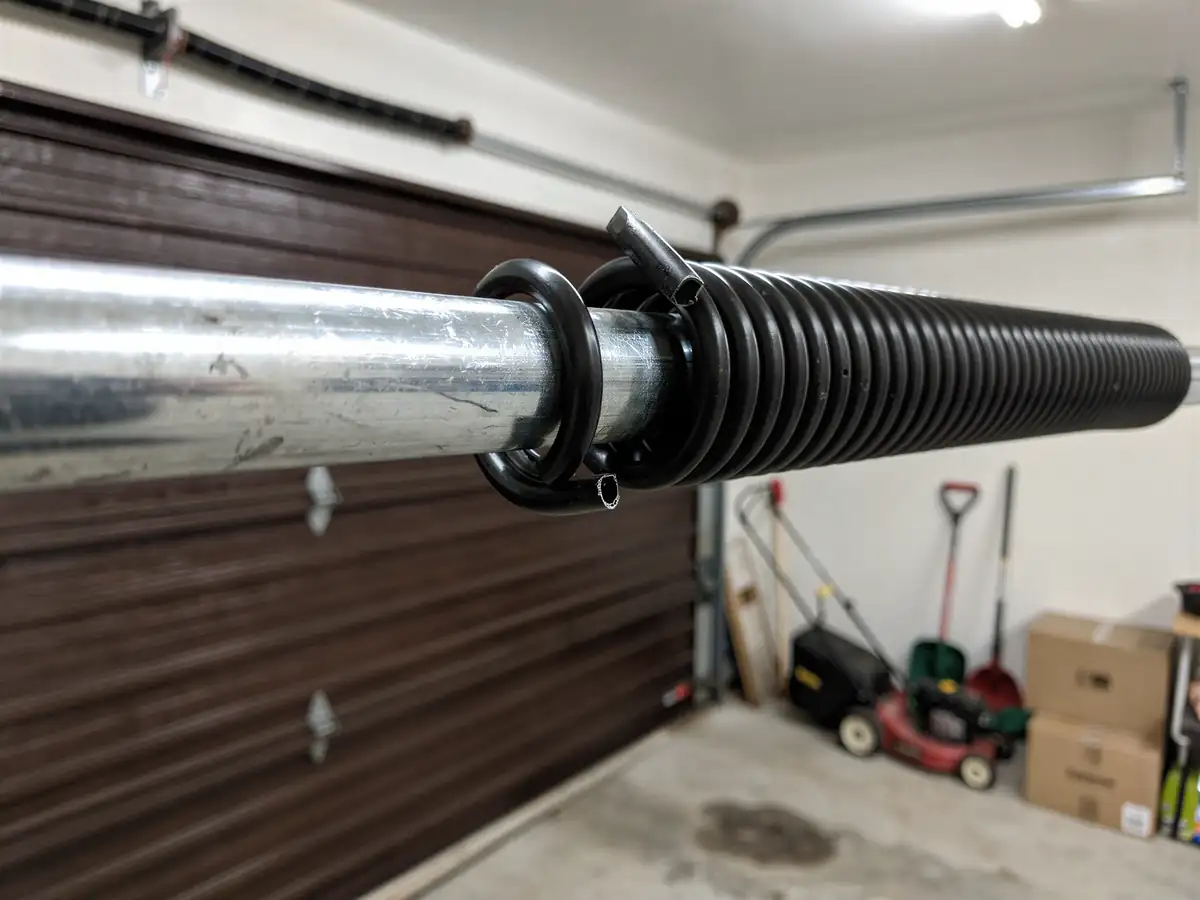
A torsion spring holds enough stored force to break fingers or worse, and the cable you're replacing runs right next to it under tension. We're not going to walk you through doing this yourself, and any guide that tells you it's a weekend fix with a socket set is leaving out the part where the spring lets go. What you can safely do is disconnect the opener, pull the manual release, and check whether the door moves by hand without binding - that tells us on the phone whether this is a cable-only job or whether the track or rollers took damage too. If the door won't budge at all, leave it alone and don't force the opener to keep trying; that's how a bent track turns into a bent track plus a stripped gear.
Parts We Carry
We carry standard galvanized aircraft cable in the common gauges for both torsion and extension systems, plus the bottom brackets and S-hooks that usually go with a snapped cable. For the older torsion drums still common on 1970-era Cayce houses, we stock the standard drum sizes, but a non-standard or custom drum from that period sometimes means a short wait on a special-order part - we'll tell you up front if that's the case rather than string you along. We don't stock every spring wind and length on the truck; springs get special-ordered to match the door weight and track length once we've measured on site.
How We Fix It
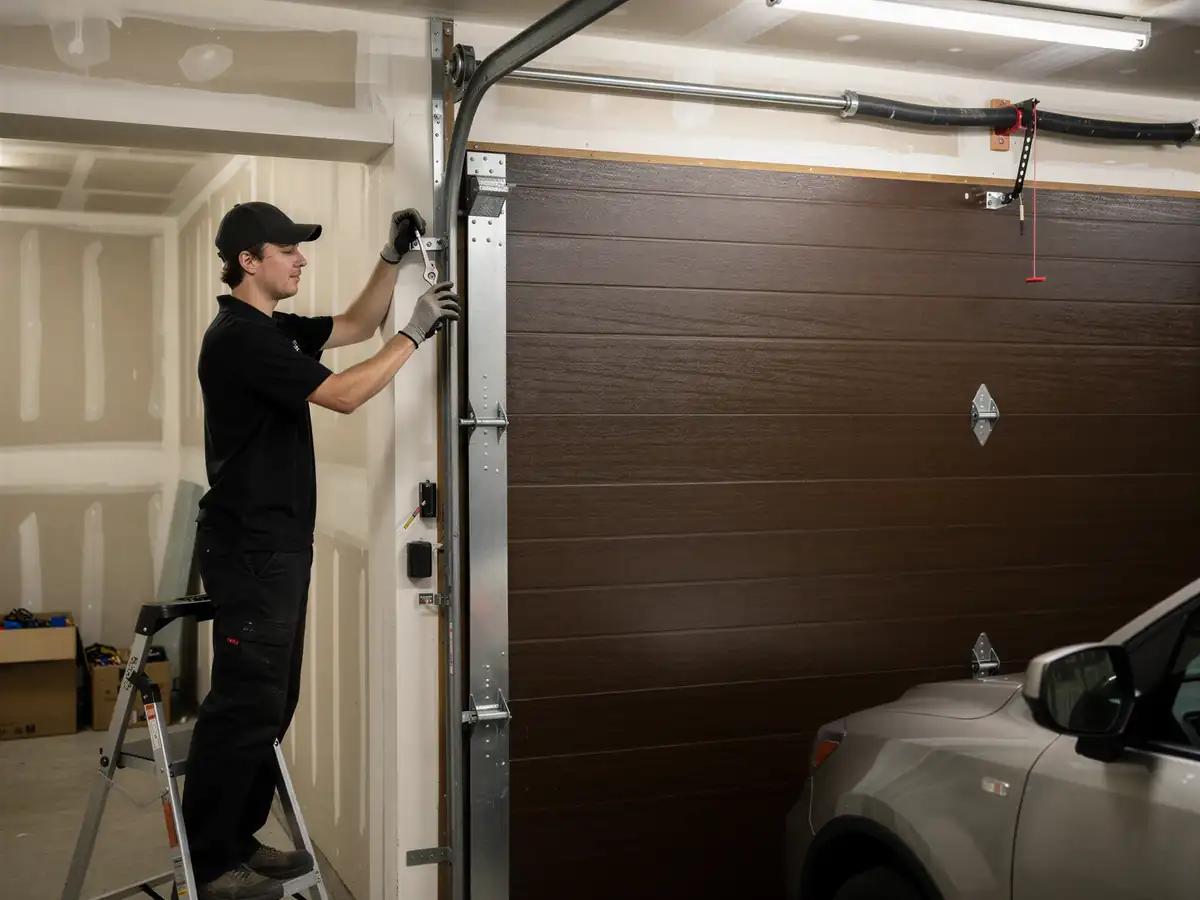
We start by releasing tension safely, which on an older torsion setup means unwinding the spring with bars before anything else gets touched - skip that step and the next thing that happens is an ER visit, not a repaired door. With tension off, we pull the old cable, check the drum groove and bottom bracket for wear, and replace whichever parts have gone past the cable itself. We re-tension, re-wind the spring to the right turns for your door's weight, and run the door up and down by hand before we ever reconnect the opener, checking it tracks straight and doesn't bind on either side. Then and only then does the opener go back on, and we test a full open-close cycle with you watching so you can see it's seated right before we leave.