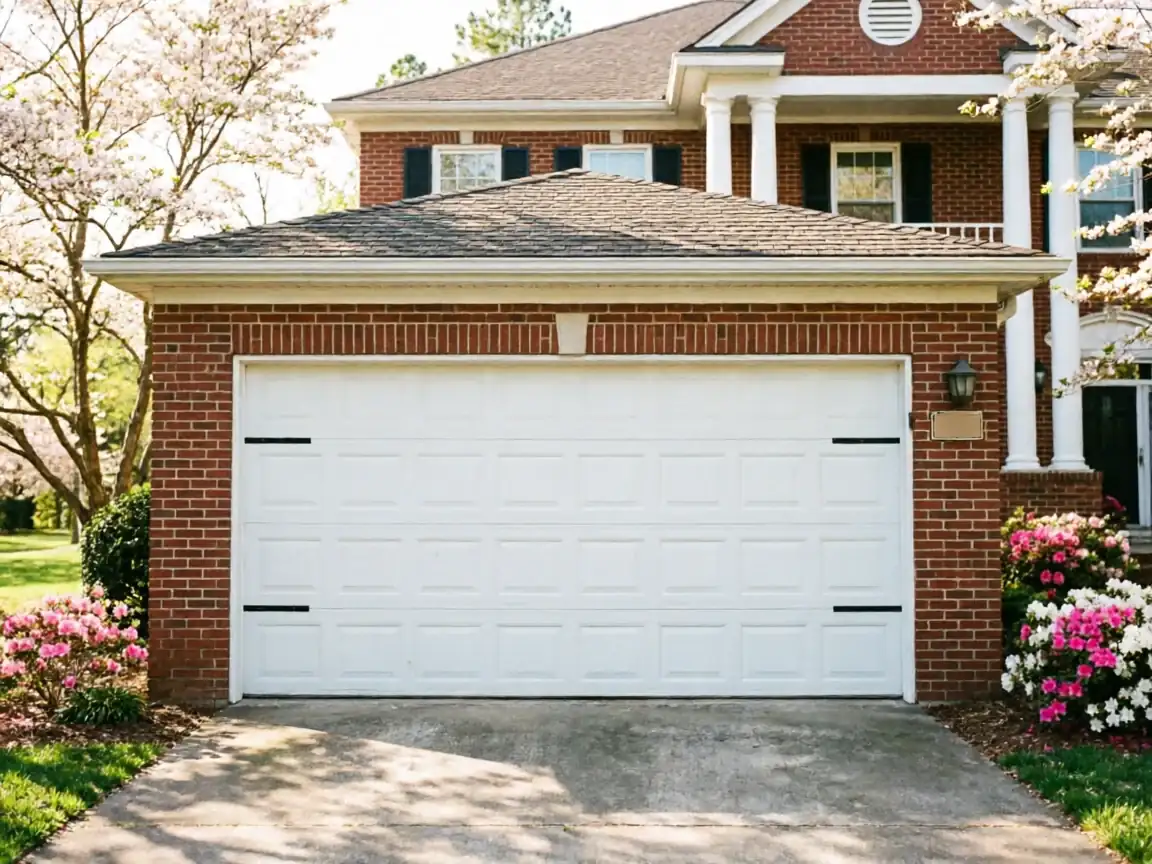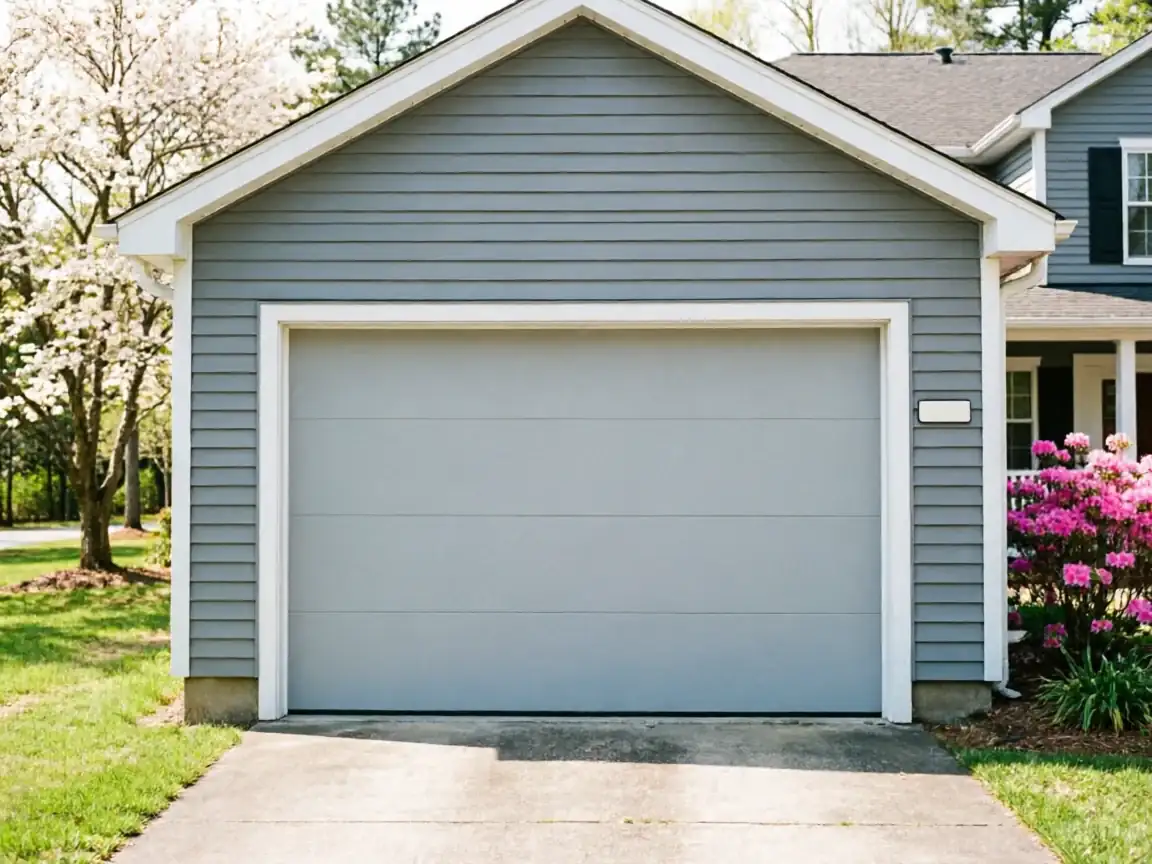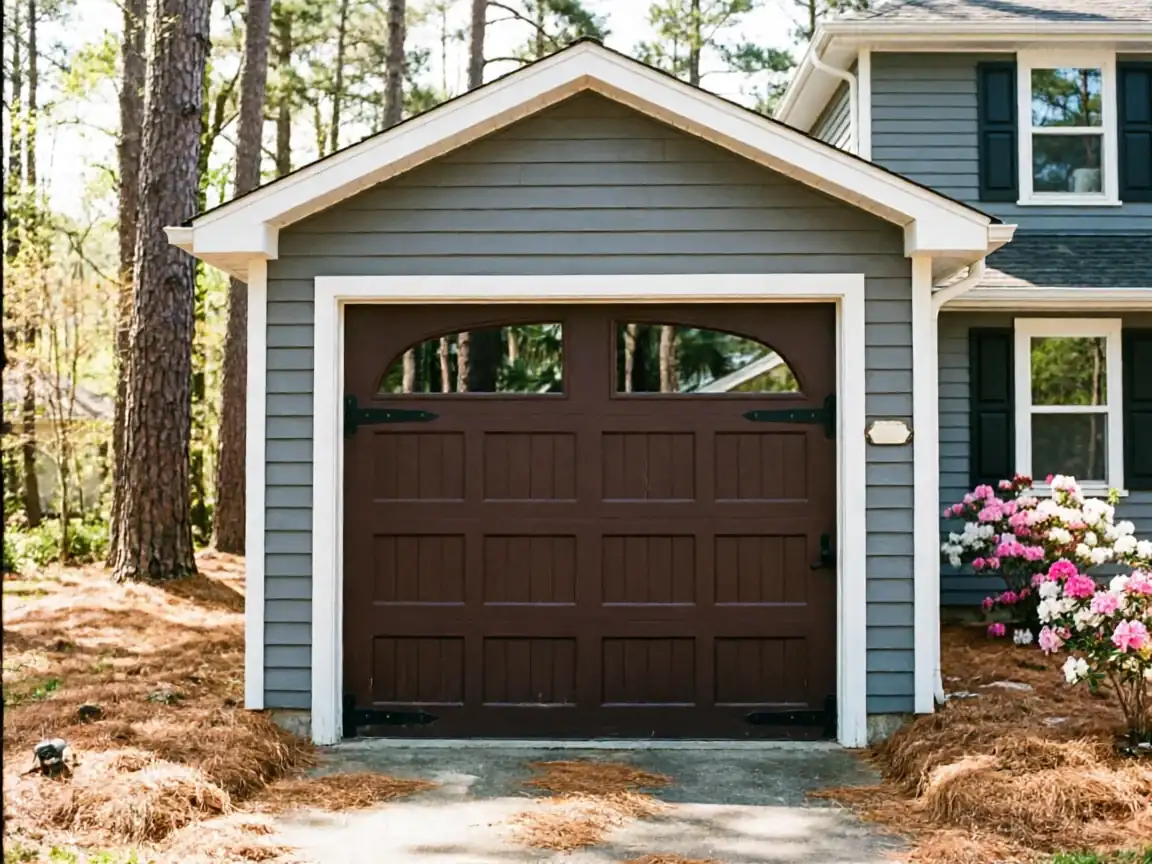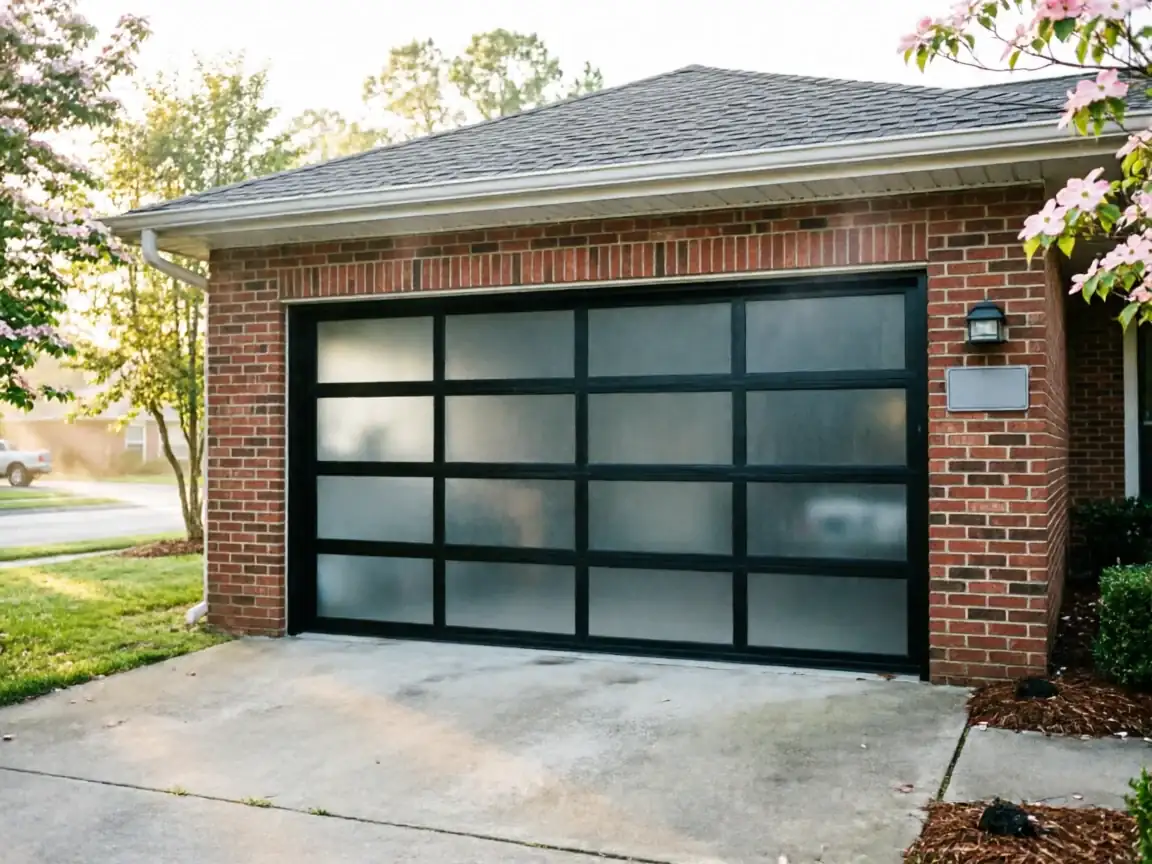
What You Are Seeing
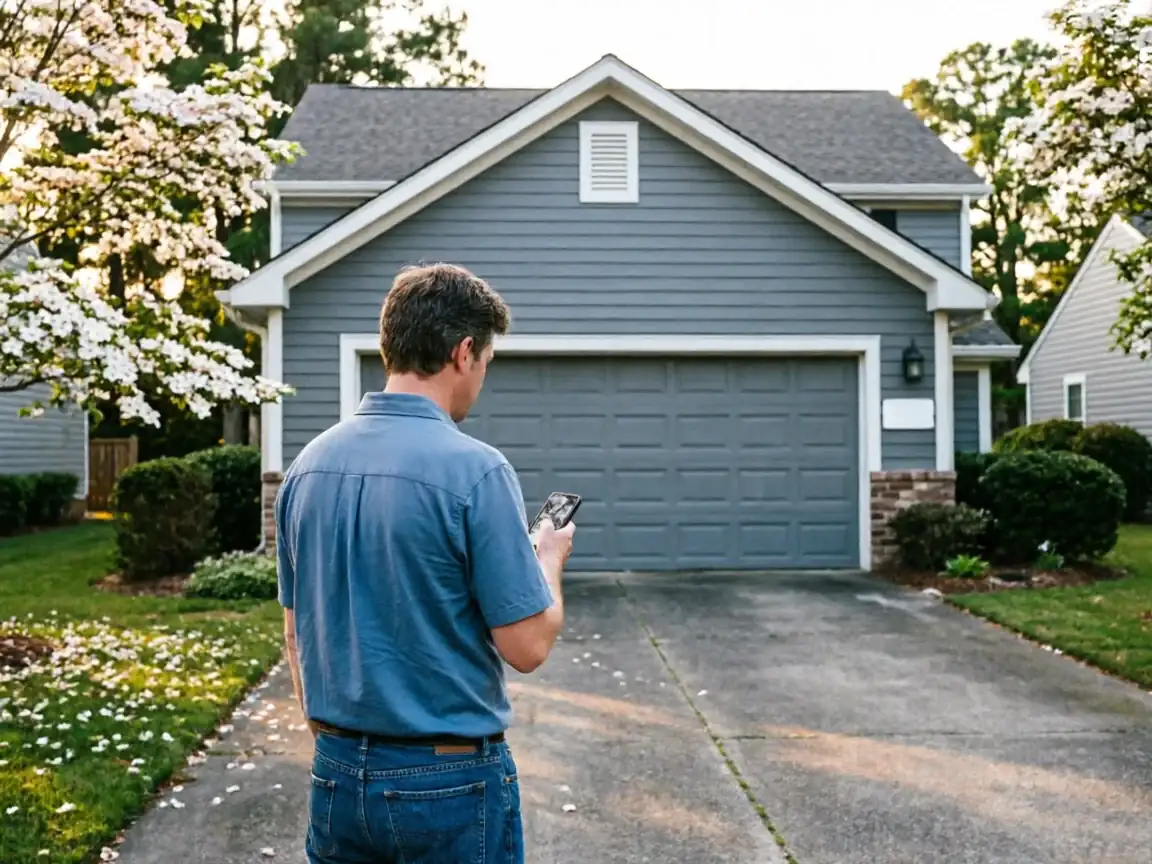
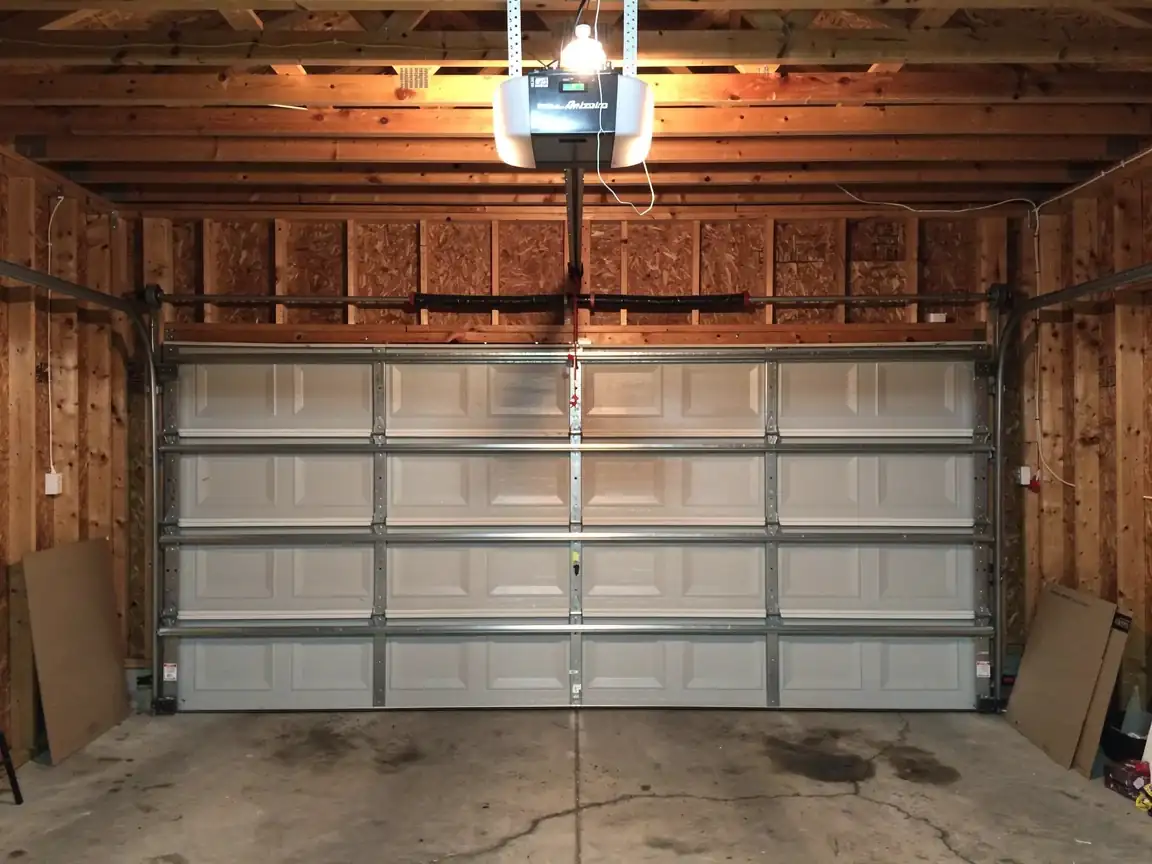
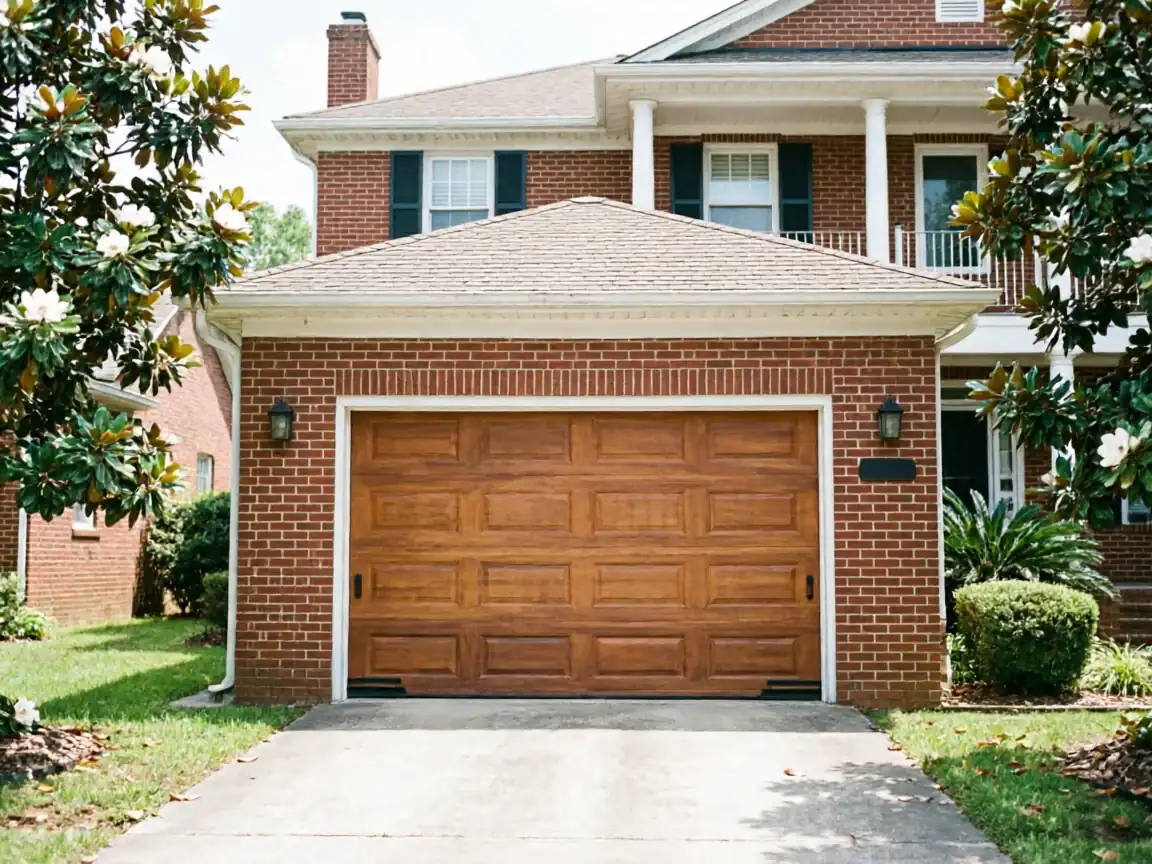
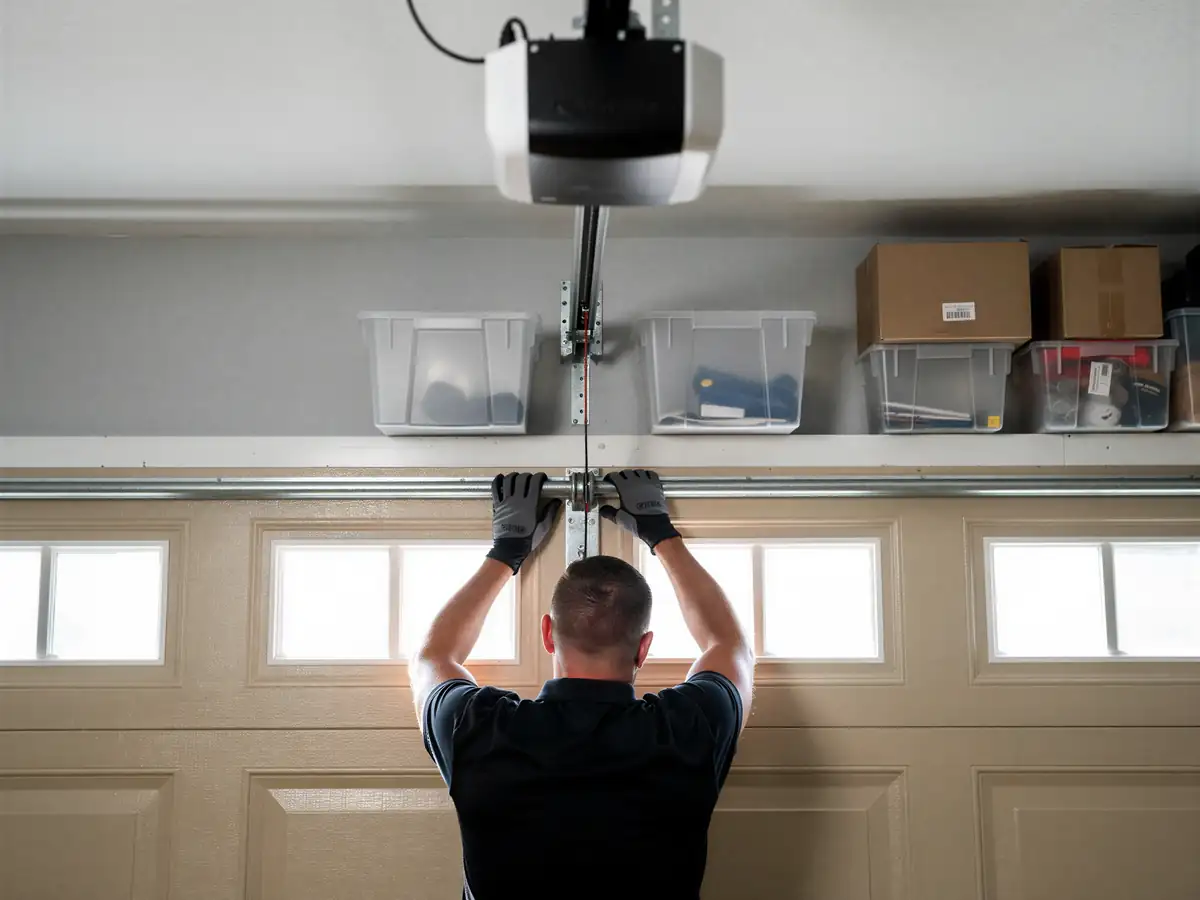
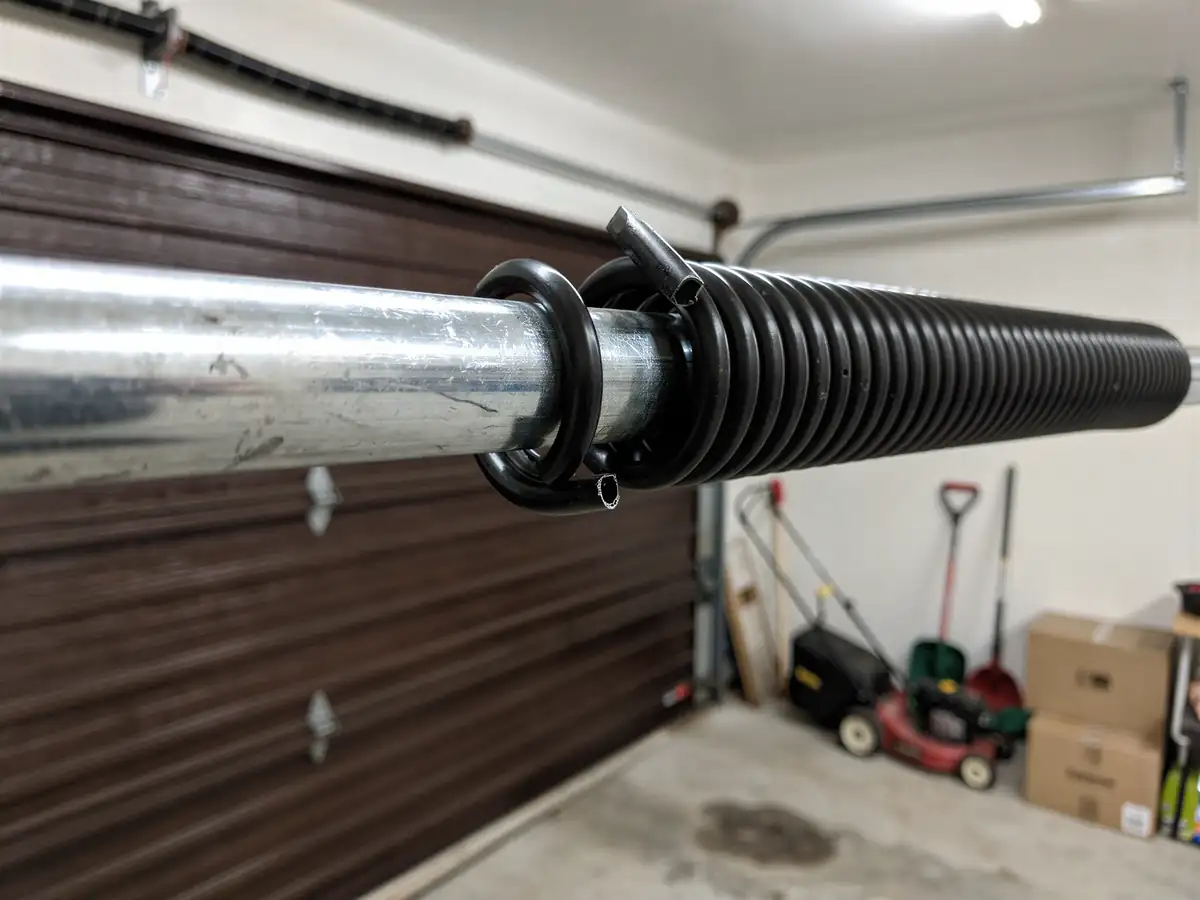
Cayce's housing stock centers on 1970, which means a lot of these garages still have the torsion spring system that came with the house - or, if it's been swapped once, a second-generation spring that's now itself decades old. A snapped spring looks like a sudden bang, usually when the door's at the top or bottom of its travel, followed by a door that feels like it weighs twice as much because nothing is counterbalancing it anymore. You might see a visible gap in the coil above the door, or the door drops the last foot with a thud instead of settling. On older torsion setups like the ones common in this part of the service area, the spring is often the only major component that's never been touched since the house was built - the opener gets replaced, the rollers get replaced, but the spring just sits there doing its job until it doesn't.
Can You Do This Yourself
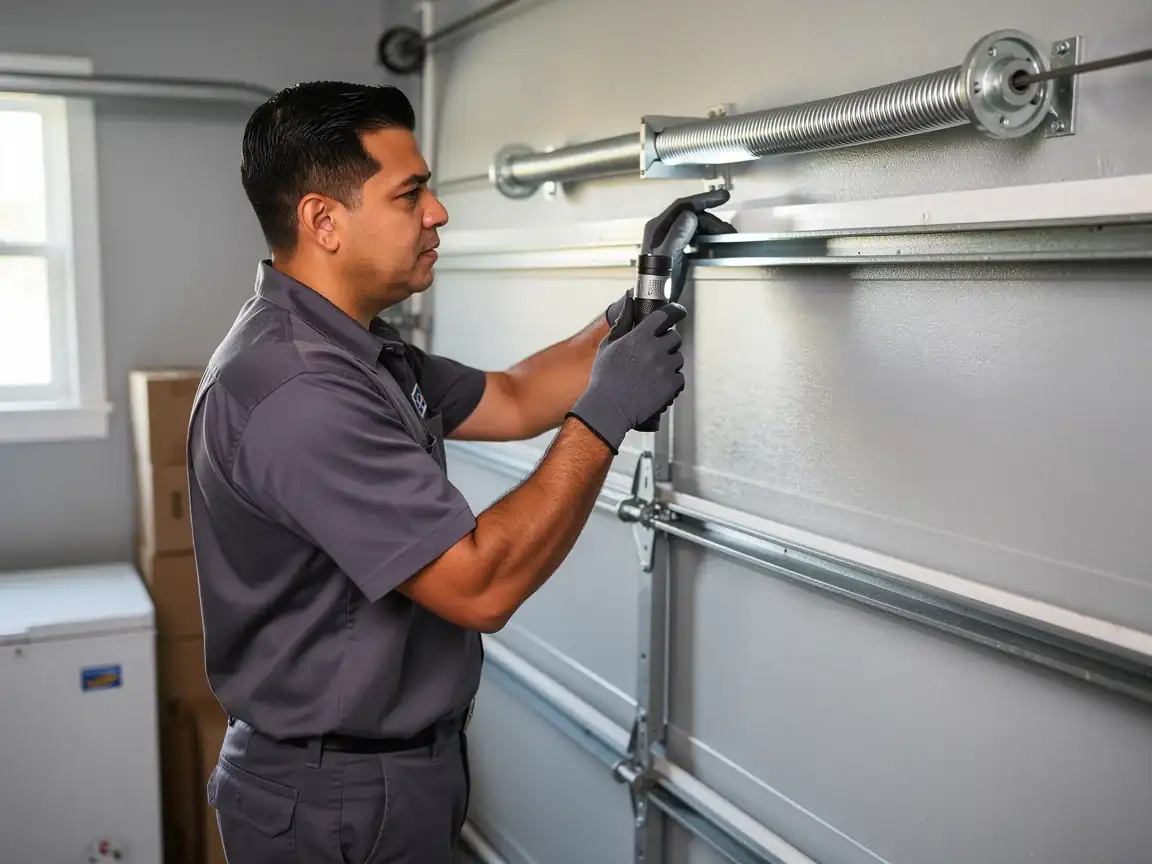
We'll say it plainly: a torsion spring is under enough stored tension to break a bone or worse, and winding it back down safely takes the right bars and a feel for when it's seated right - not something to learn on the first try. Extension springs on older tracks are a little more forgiving but still dangerous if the safety cable is missing, which it often is on hardware this age. What you can safely check yourself is whether the spring is torsion (mounted horizontally above the door) or extension (stretched along the horizontal tracks on each side), since that changes what we bring. You can also look for a visible gap in the coil - that's your confirmation it's the spring and not the opener or a broken cable doing the same trick.
Parts We Carry
We keep standard torsion springs on the truck sized for the common 7-foot single and double door openings that match the era of most Cayce garages, plus the safety cables that should run through them but often don't on hardware this old. We also carry extension spring sets for the smaller number of homes still running that older system, along with end bearing plates and cable drums, since a cable snaps about as often as a spring does on a door this age. What we don't stock on the truck is every custom torsion bar length - if your door's been widened or the garage was converted at some point, that may mean a short wait on a specific part rather than a same-visit fix.
How We Fix It
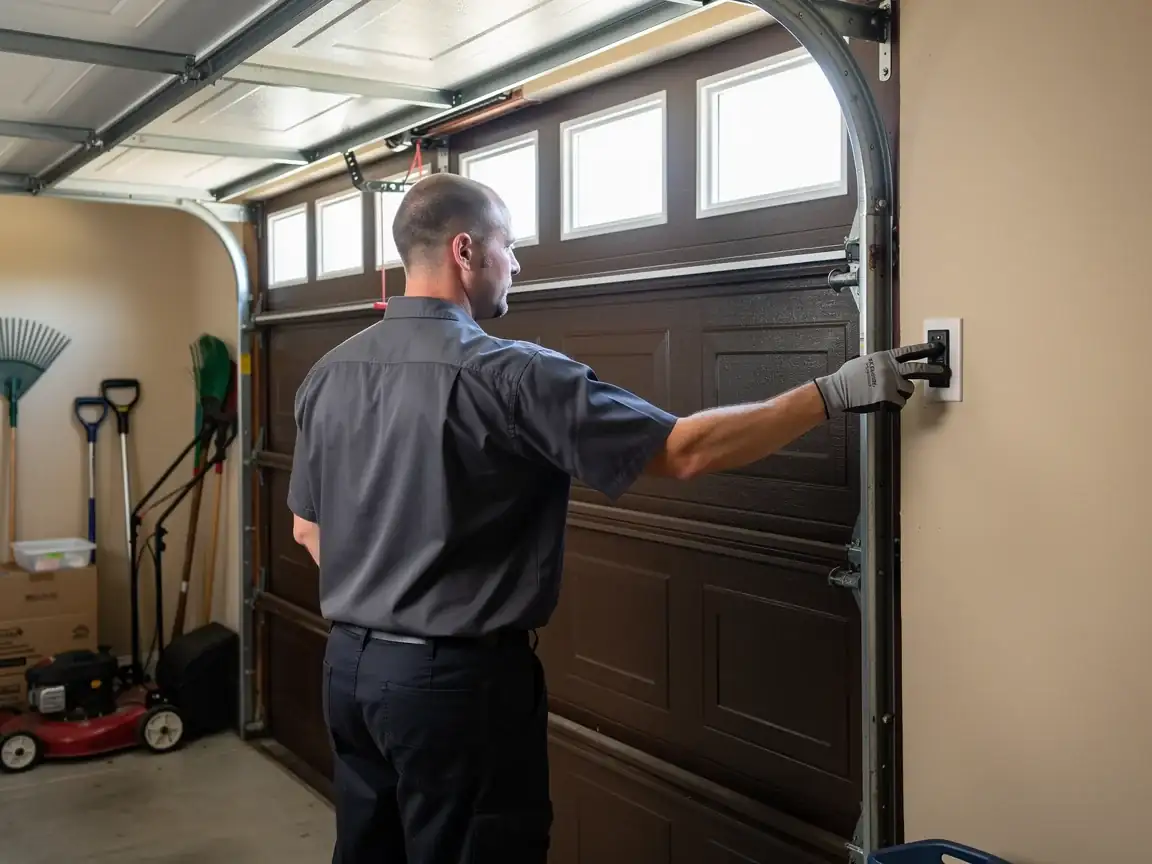
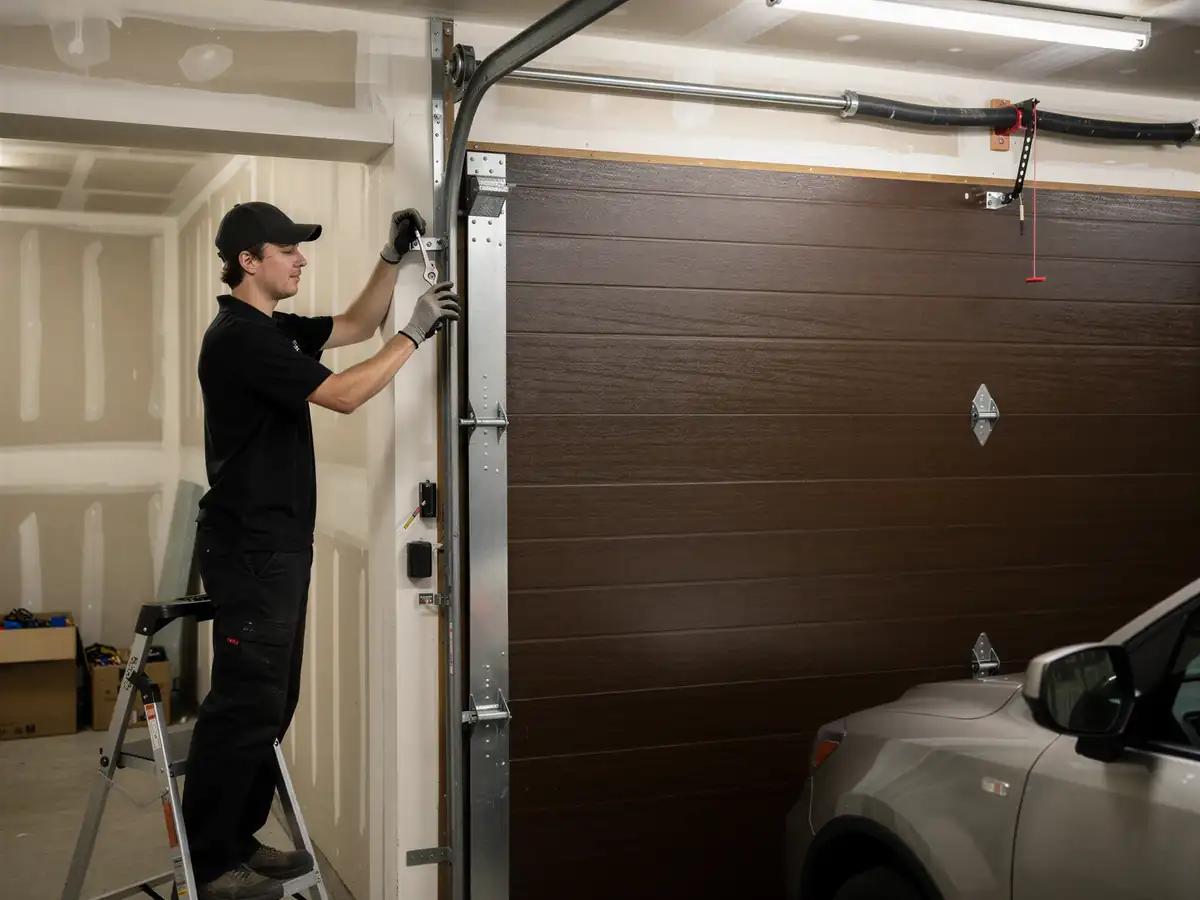
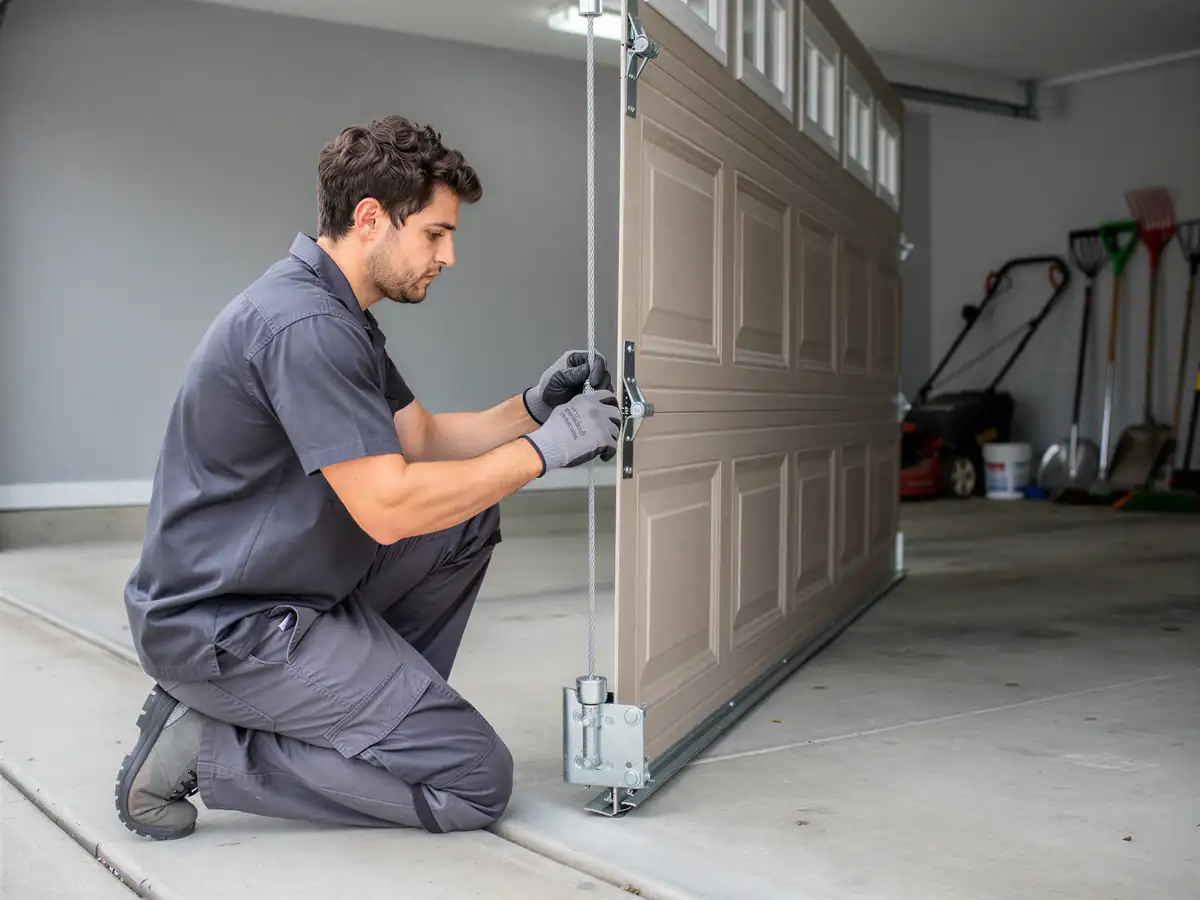
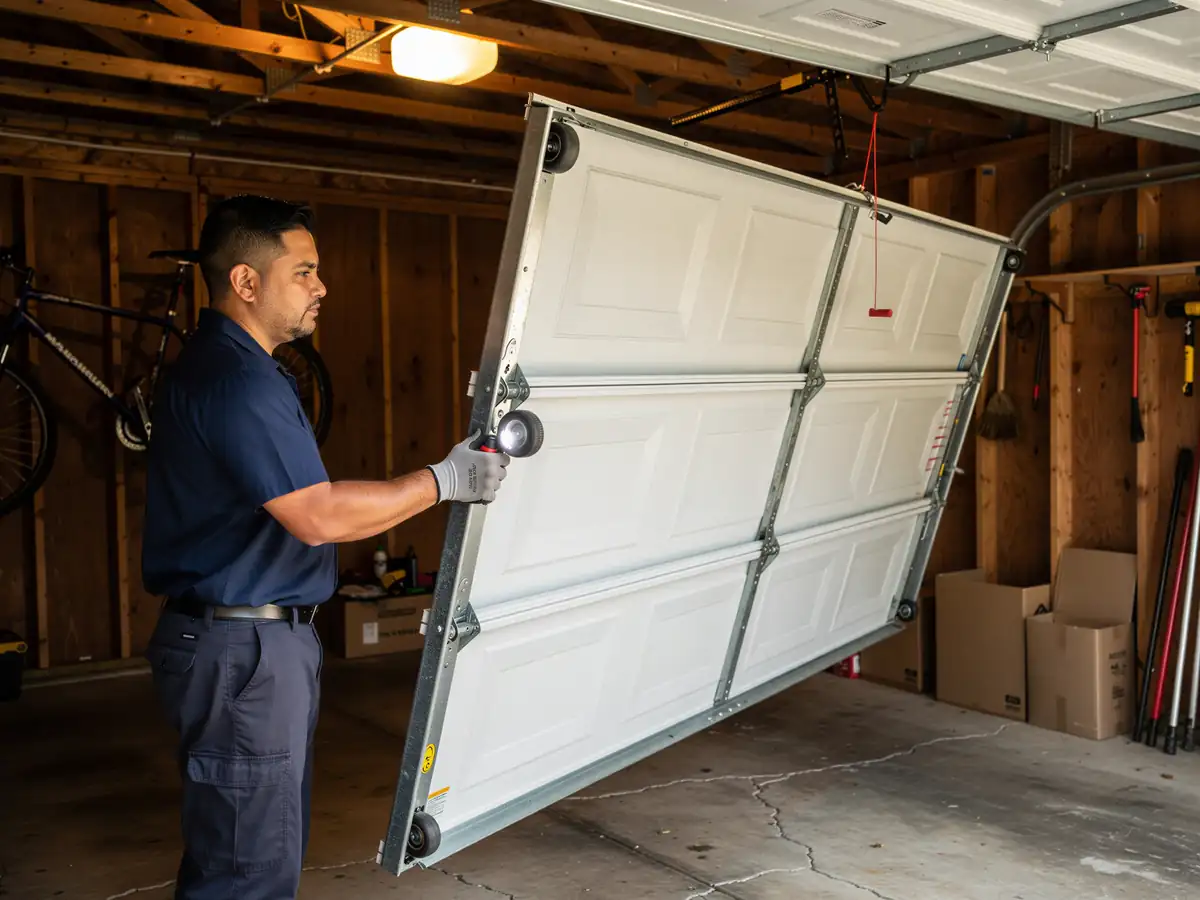
First we confirm it's actually the spring and not a cable, bracket, or opener gear doing a convincing impression of one - a five-minute check that saves you from paying for the wrong repair. Then we clamp the door, release what's left of the old spring's tension safely, and pull it off the shaft to measure wire size and wind direction against the replacement. On a straightforward single-spring torsion job we're usually done within the hour; doubles or rusted-shaft jobs take longer. Before we leave, we cycle the door a dozen times and check the balance by hand - a properly sprung door should hold at waist height on its own, and if it doesn't, we're not finished.