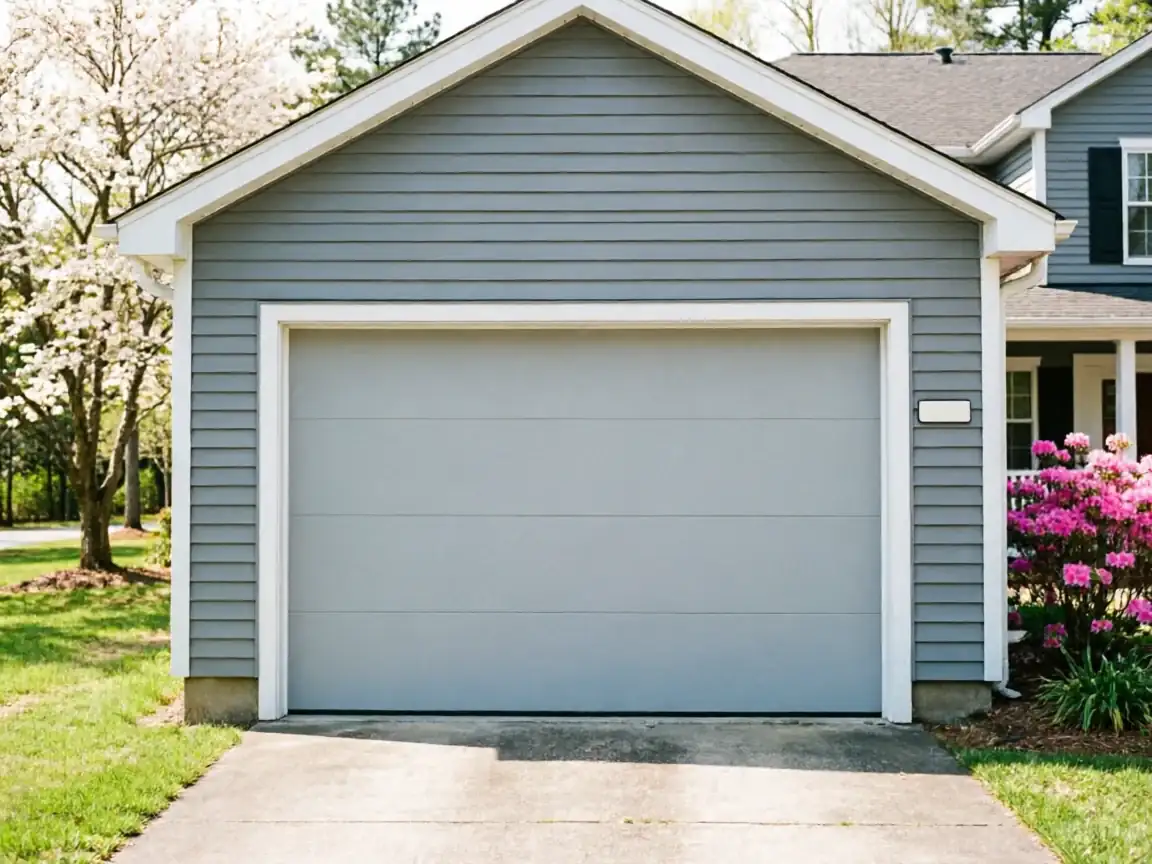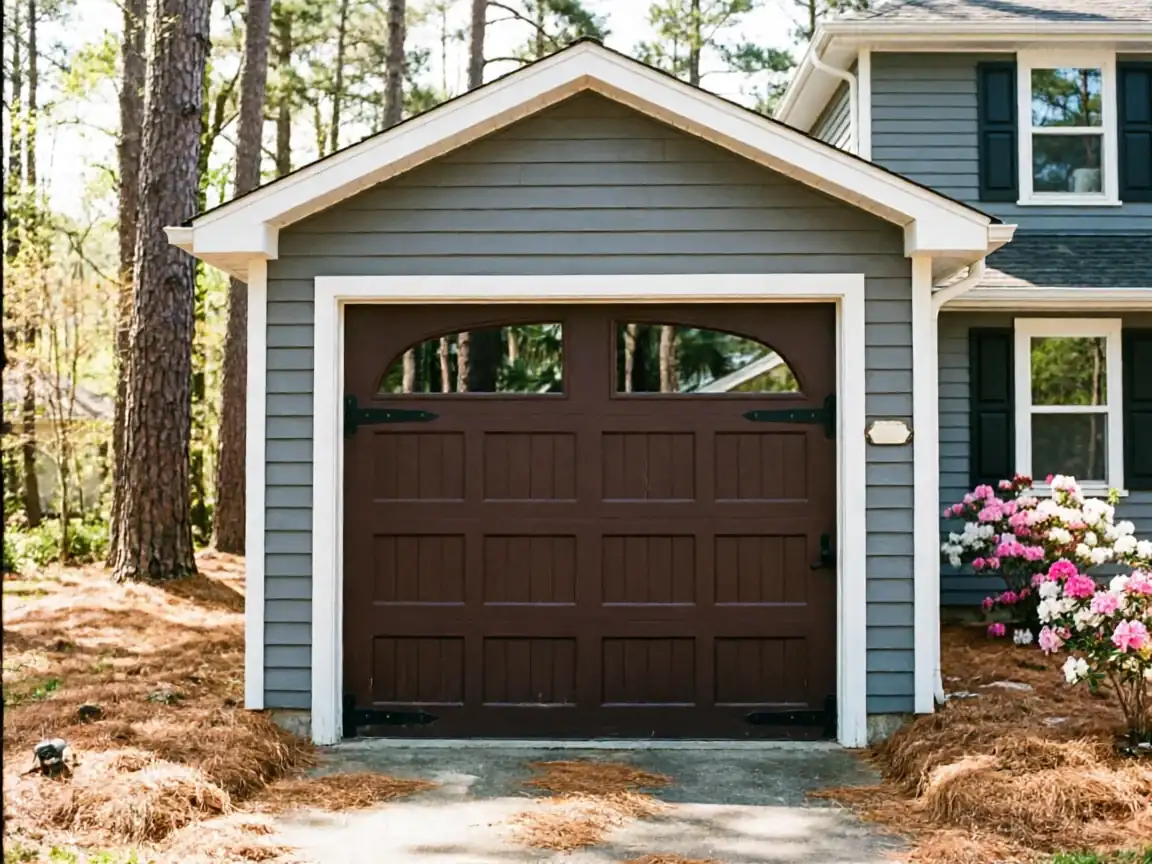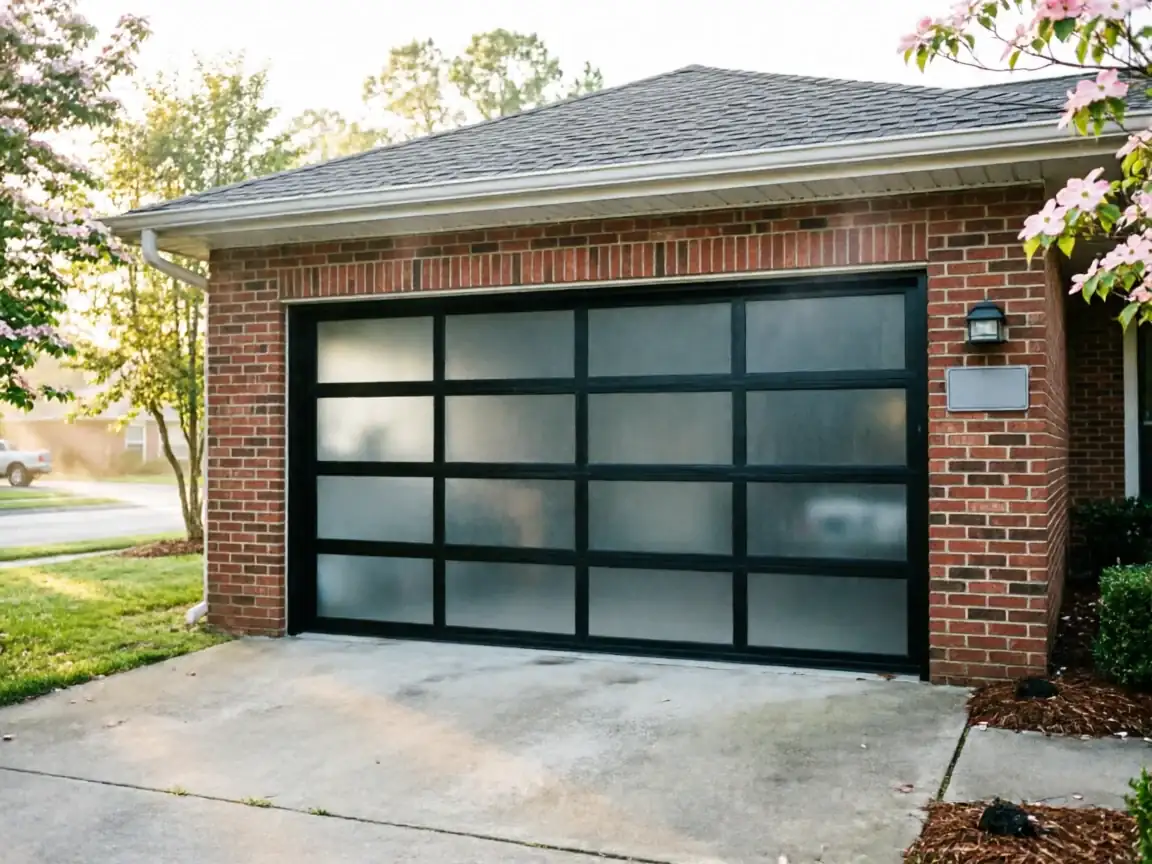
What You Are Seeing
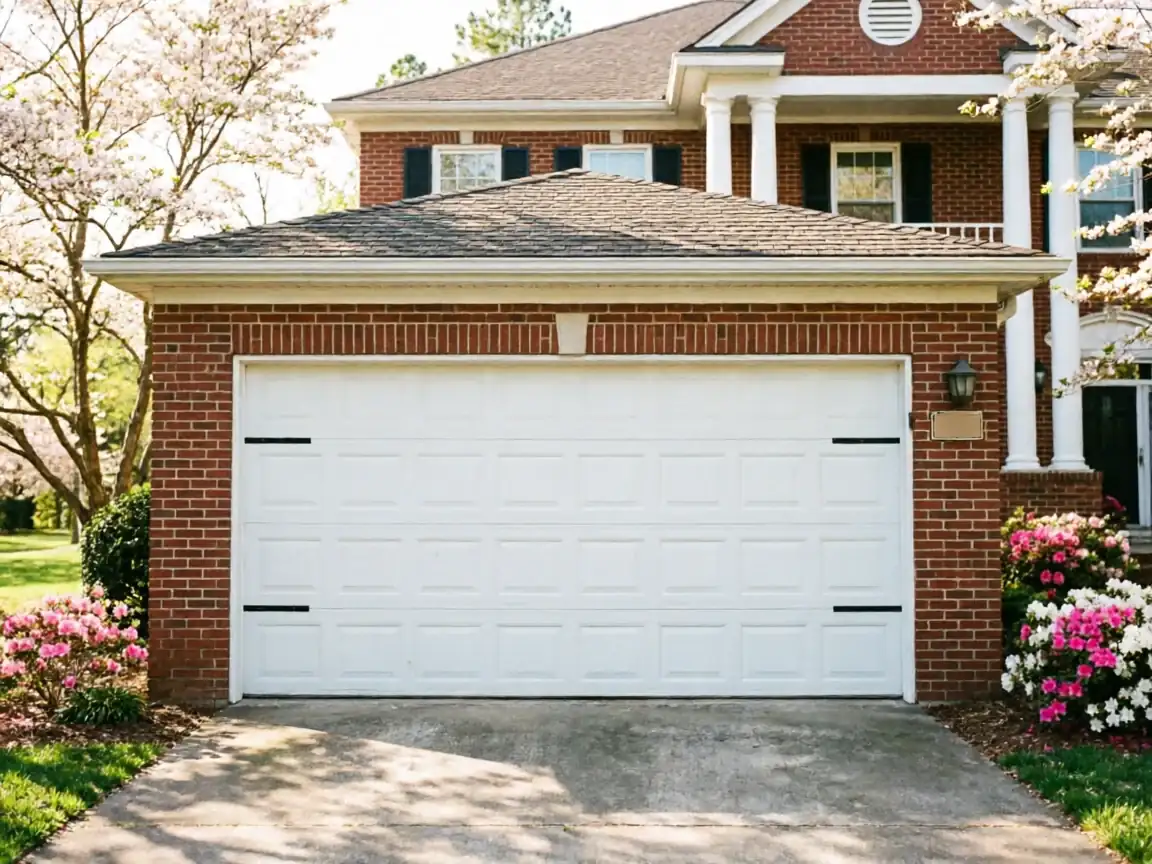
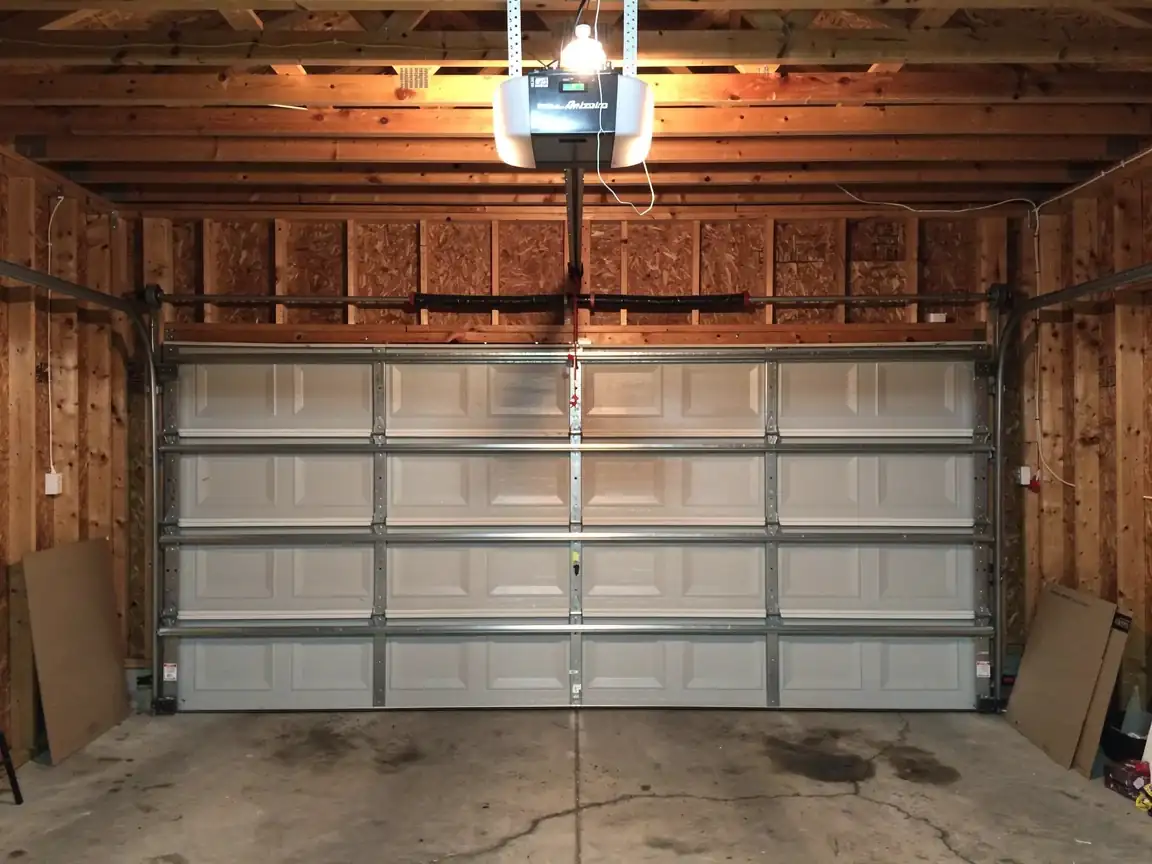
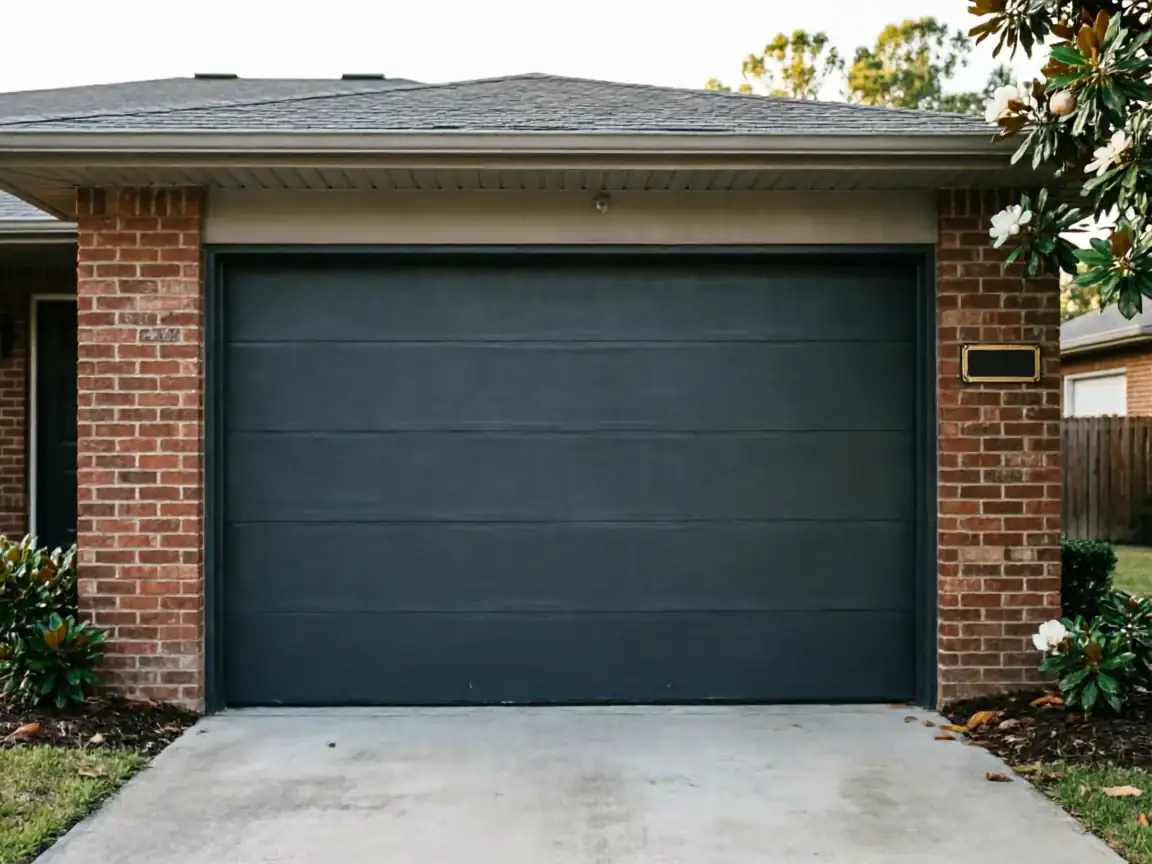
Cayce's housing stock centers on 1970, which puts most garage doors and their original hardware squarely in the extension-spring and early-torsion era. If your door is original or close to it, you're likely running a setup that predates the heavier torsion systems common on newer builds - lighter springs, simpler drums, and openers that have been swapped out once or twice since the house went up. What you're seeing depends on which generation of repair the house has been through: a 1970-era house that's never been updated looks very different under the hood from one that got a new opener and torsion conversion in the 2000s. Either way, the fault usually traces back to hardware that doesn't match what's sold off the shelf today - springs wound for a lighter door, brackets sized for an older track profile. That mismatch is the root of most of the jobs we see out this way, not just wear and tear.
Can You Do This Yourself
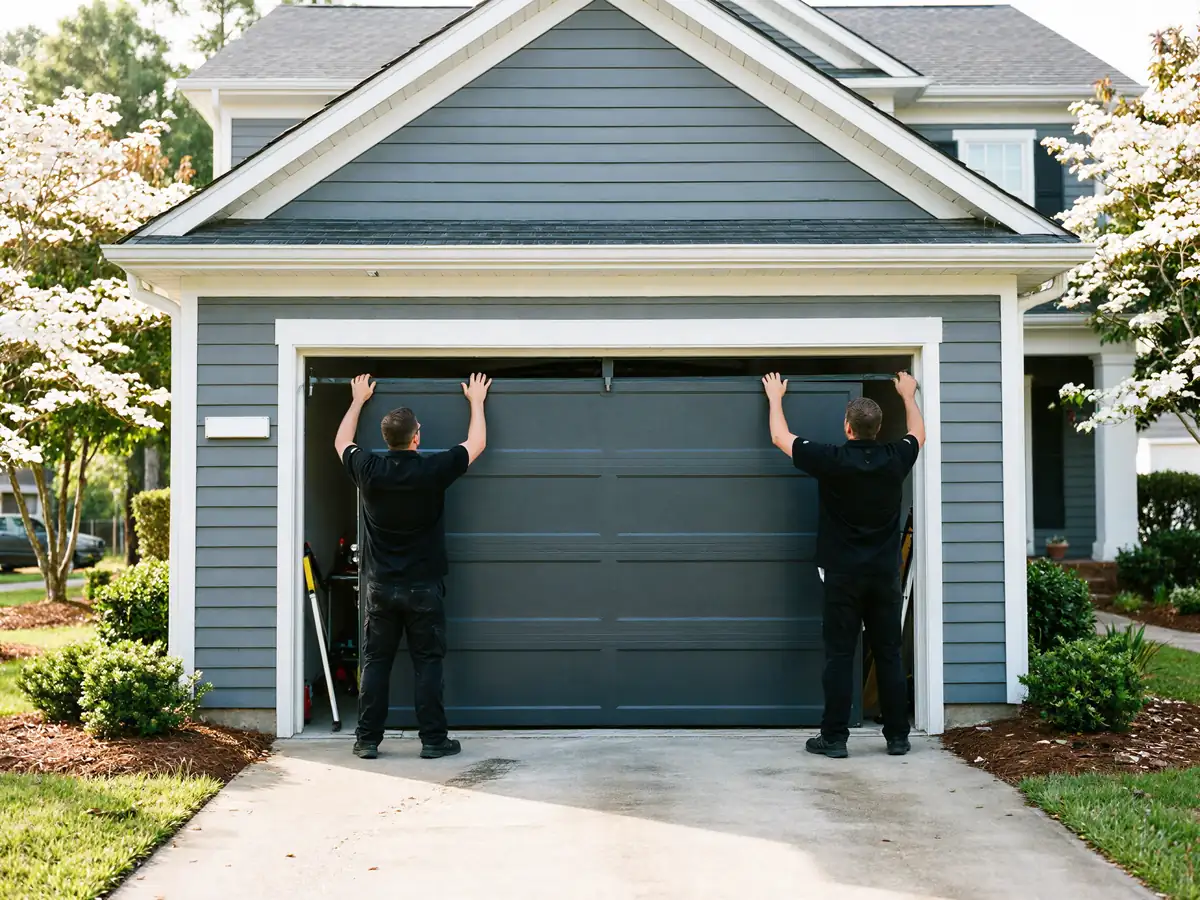
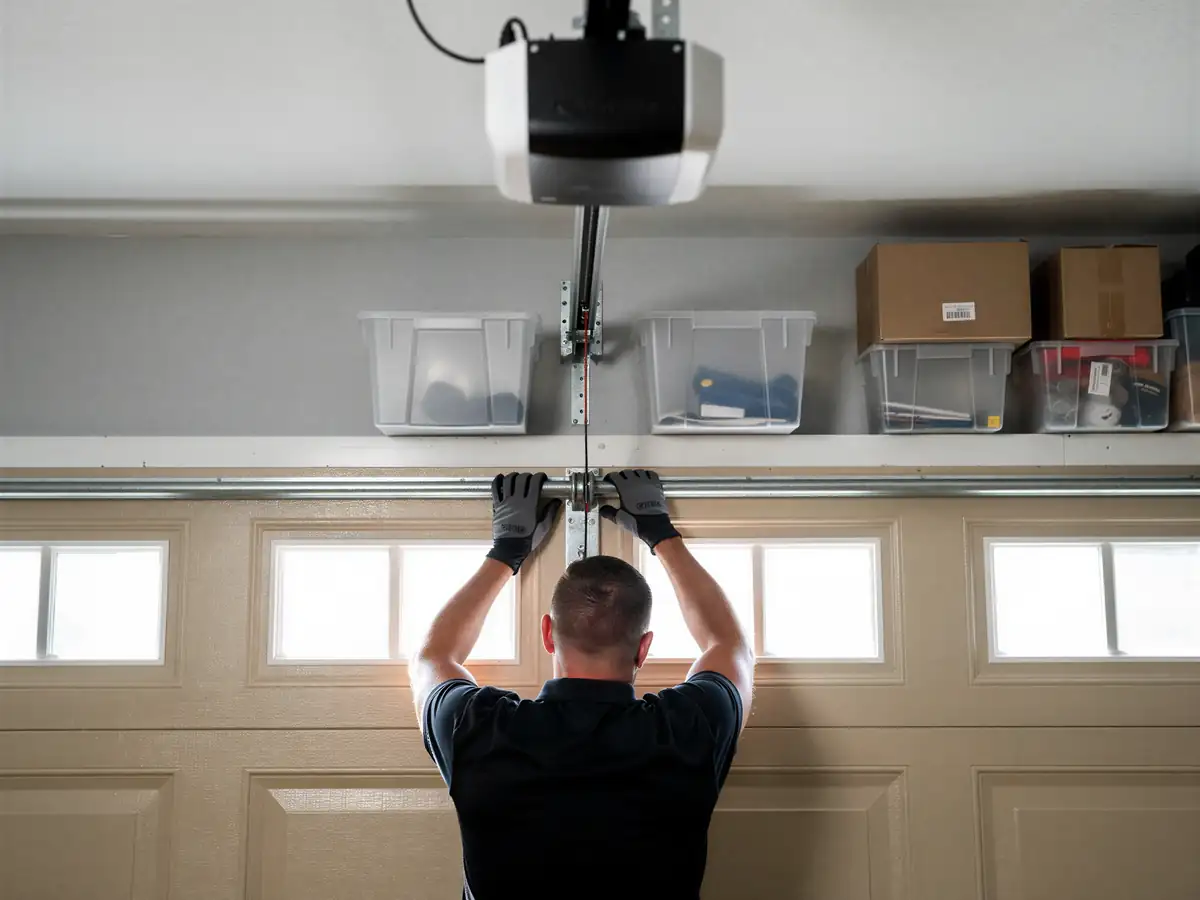
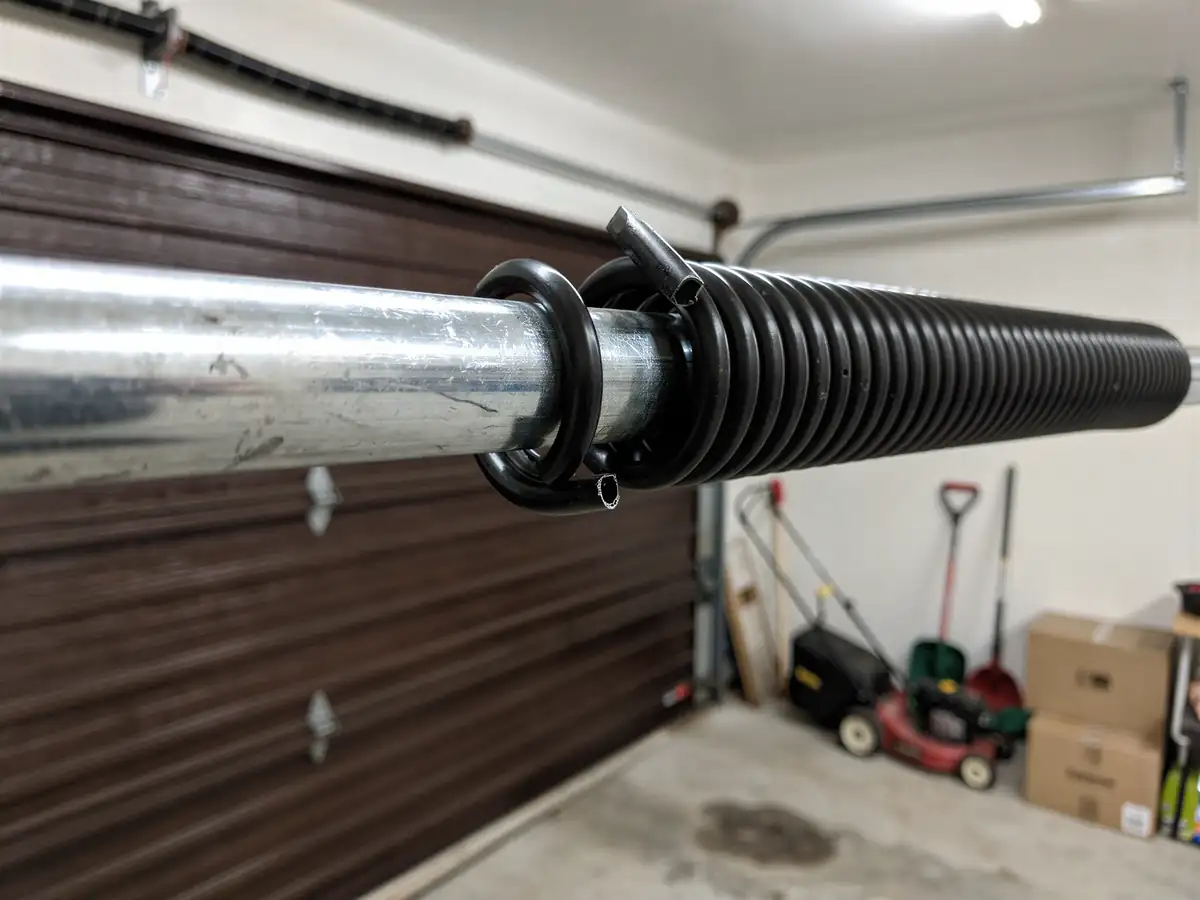
A loose track bolt or a dirty roller, sure, tighten and clean it yourself. A broken spring on a door this old is a different matter - extension springs under tension and early torsion setups don't forgive a wrong guess, and the replacement spring often isn't a direct match to what's currently on the door because the originals aren't stocked anymore. If the opener is from a later retrofit, the motor and the spring system may be mismatched in ways that aren't obvious until you're mid-repair. We're not going to tell you every job needs a truck - some don't - but spring work and anything involving the cable drums on a door this age is where we'd stop you before you started.
Parts We Carry
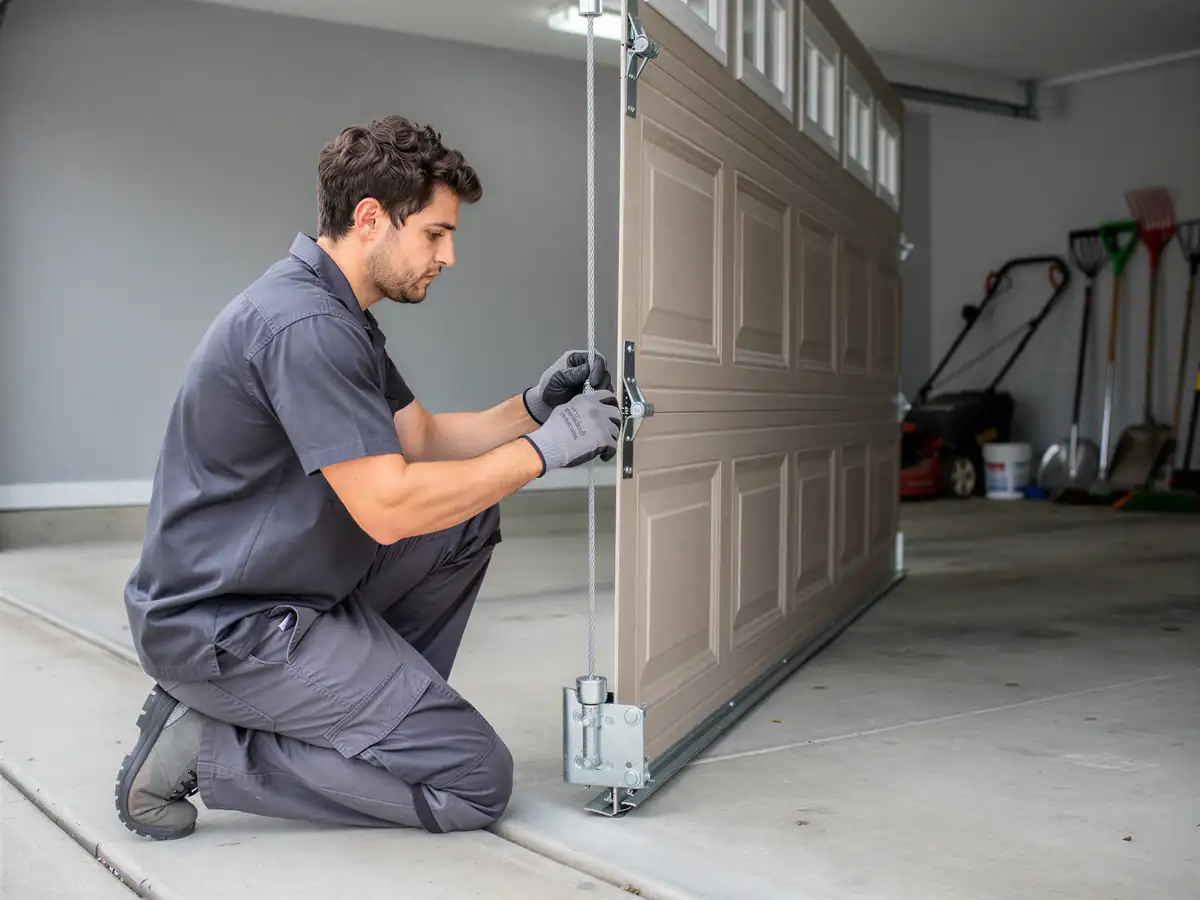
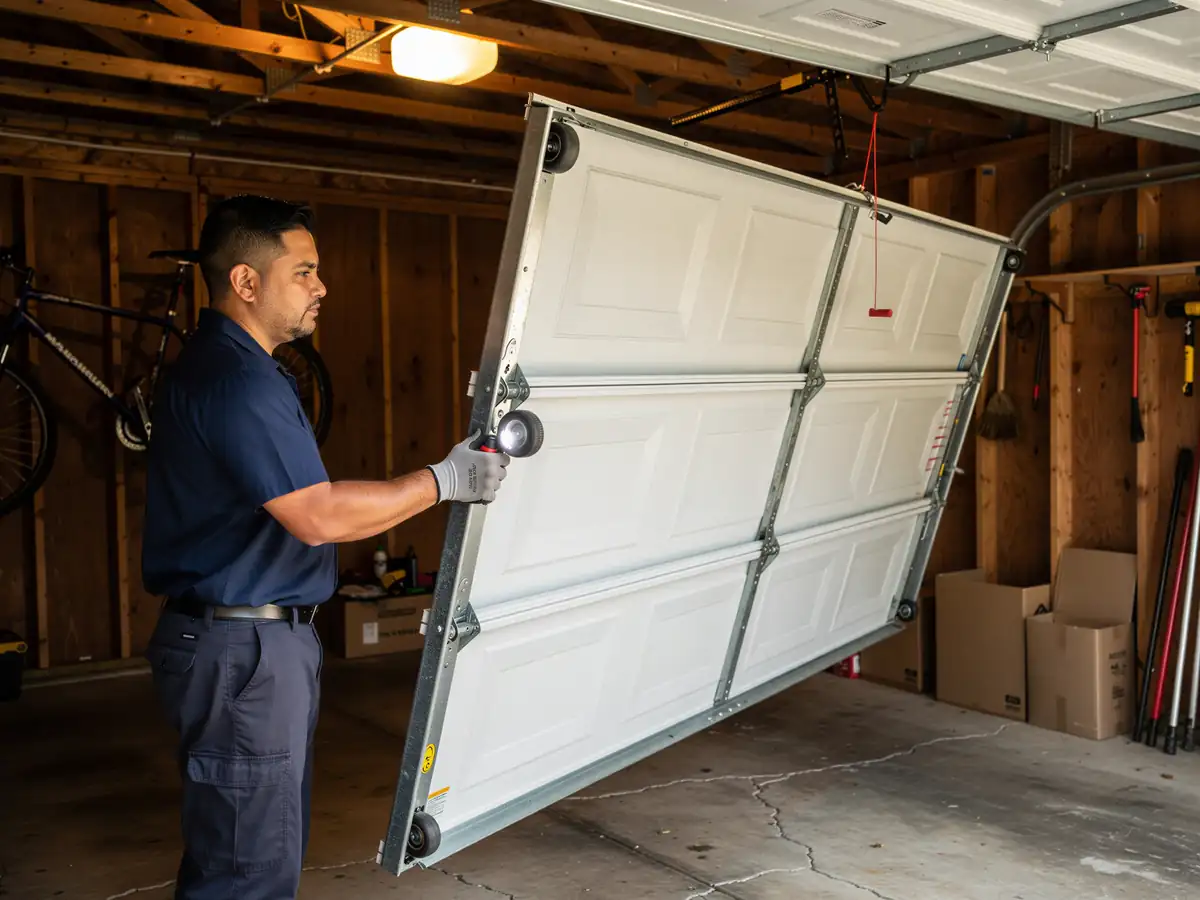
We carry torsion and extension springs sized to match the lighter, older setups still common on 1970-era doors, along with the brackets and end bearings that don't always match current off-the-shelf dimensions. We stock standard rollers and cable sets that cover most of what we find on doors from this build period. One honest limit: if a door needs a specialty panel or a manufacturer-specific part that's been discontinued, we may need to order it, and that can mean a wait rather than a same-visit fix. We'll tell you that up front instead of pretending every part is sitting on the truck.
How We Fix It
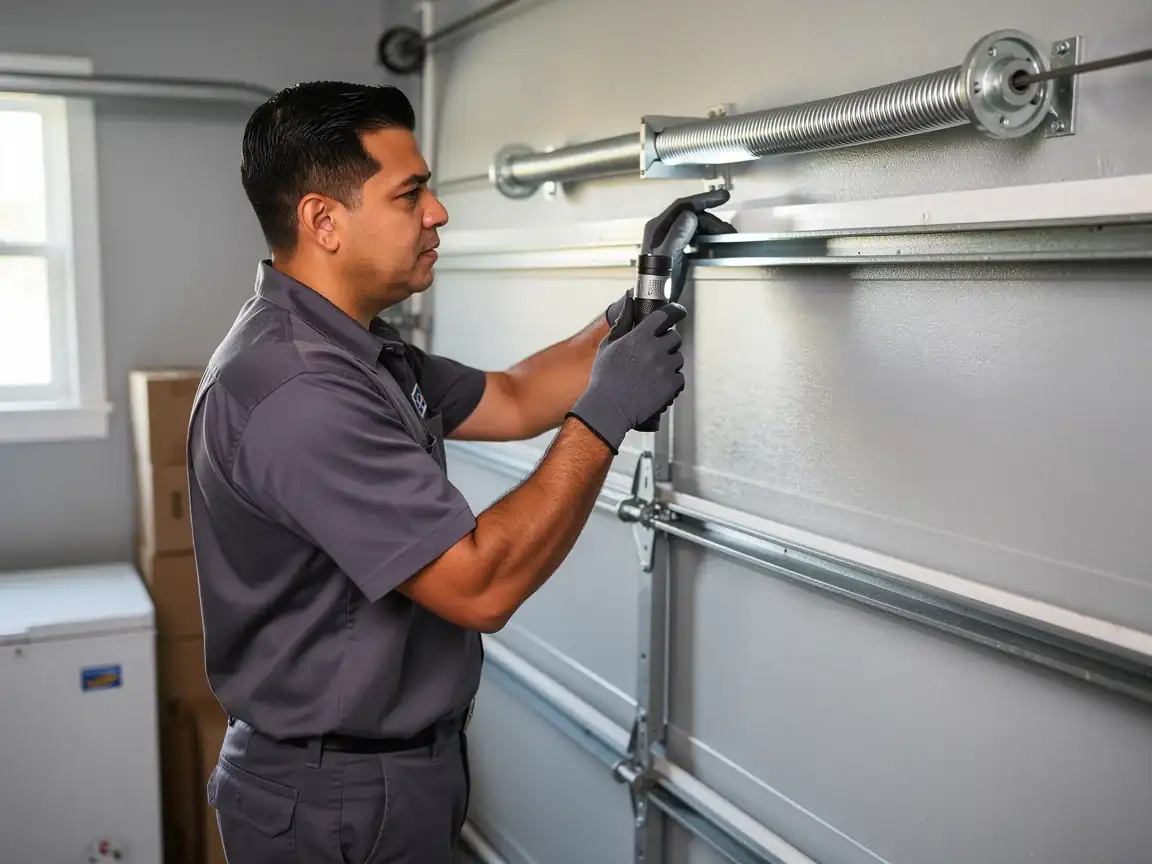
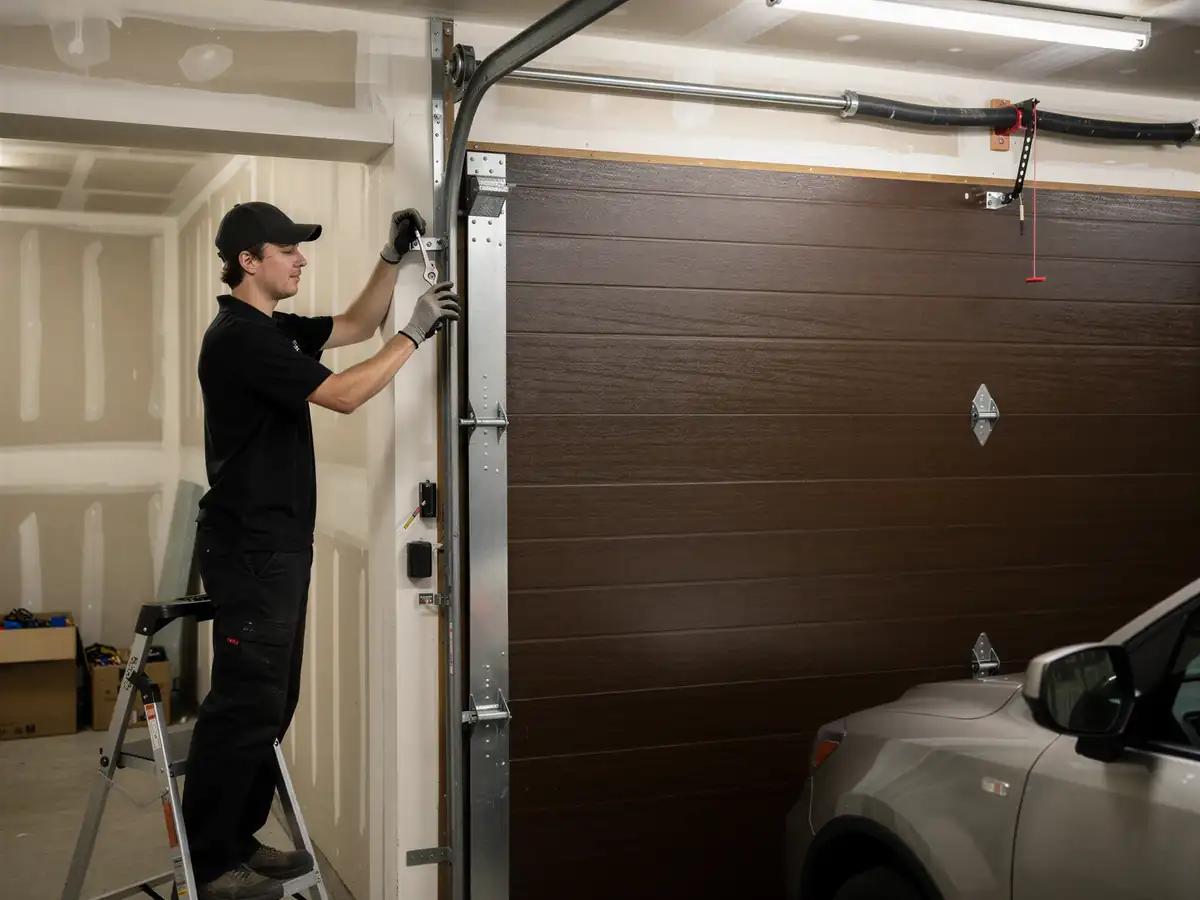
We start by matching the spring and drum setup to what's actually on the door, not what a generic kit assumes - critical on a house this age where the original hardware sizing doesn't match current standard stock. If the opener's been upgraded but the track and springs haven't, we address the mismatch rather than just bolting a new motor to old rails, since that combination is what tends to fail again within a year. For a straightforward spring swap on a 1970s door, the job is usually done in one visit from our Columbia truck. For anything needing an ordered part, we tell you that before we start, not after.