What You Are Seeing
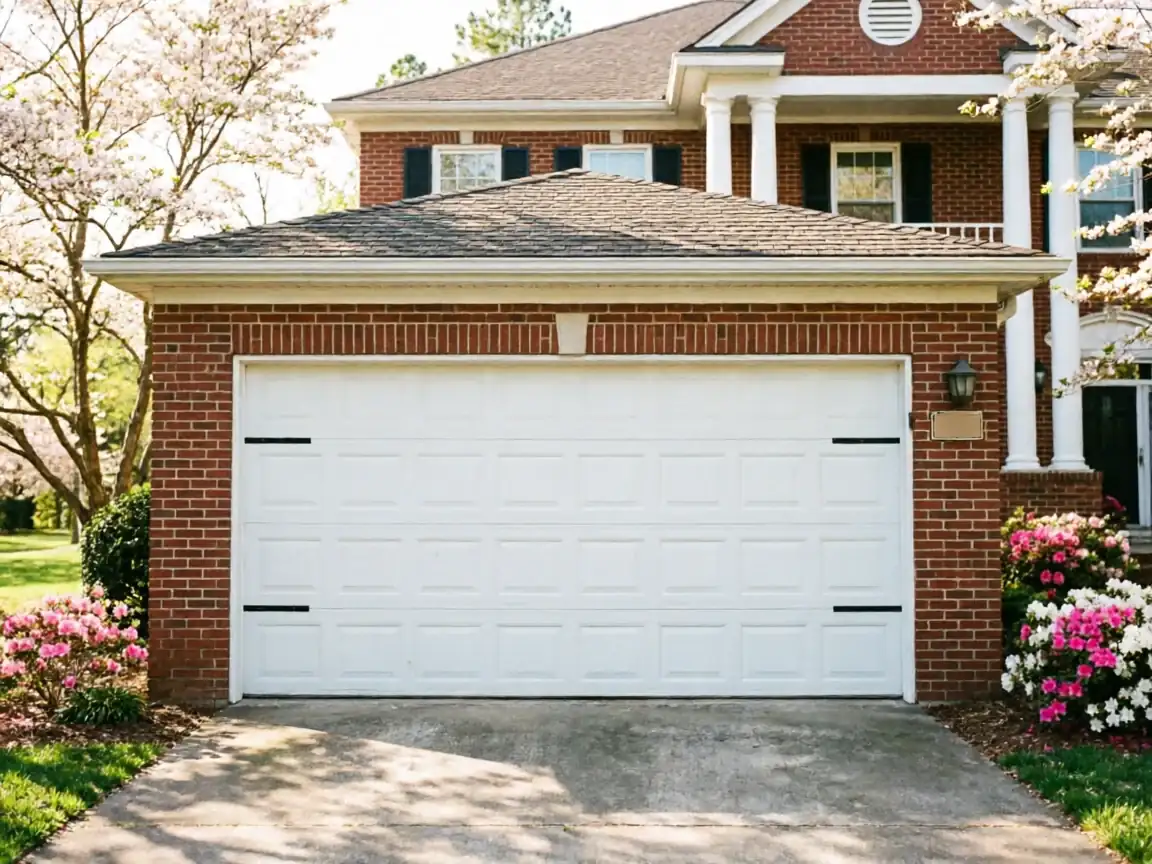
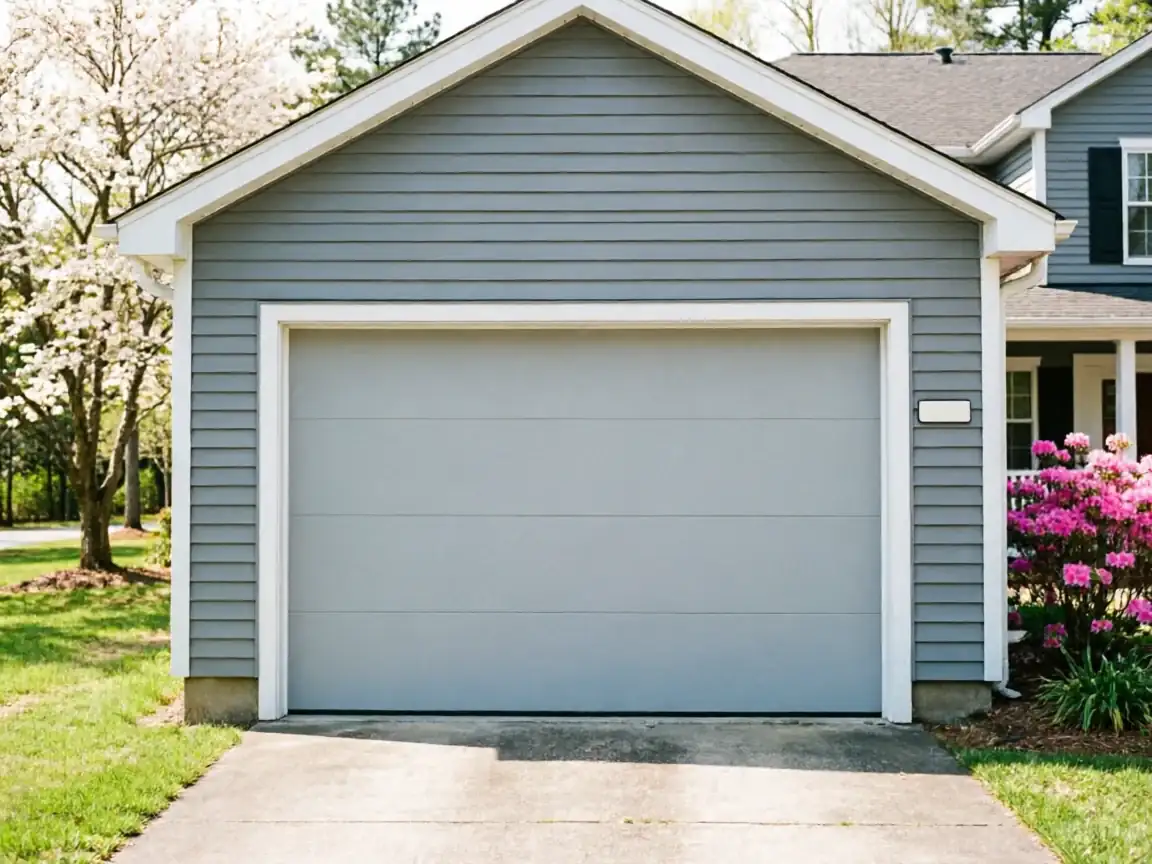
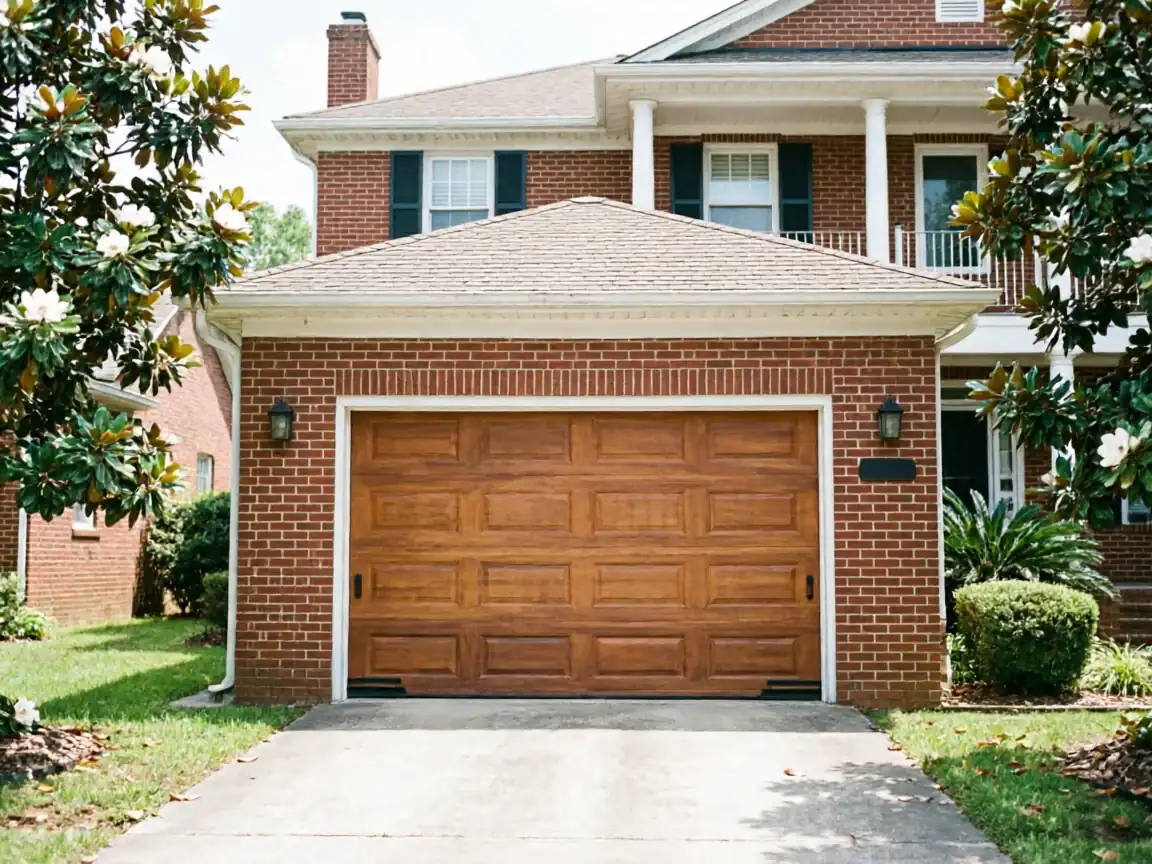
Most houses in Cayce were built right around 1970, which puts the original garage doors - if they're still in - at the tail end of the steel-and-wood era before lighter insulated panels took over. A lot of what we pull out here is a single heavy door on a single torsion spring sized for weight that modern doors don't carry anymore. That mismatch shows up as a door that drops fast when the spring finally lets go, or an opener straining on every cycle because it's fighting hardware from a different generation of door. If your opener sounds like it's working harder than it should, that's usually the tell, not a dying motor.
Can You Do This Yourself
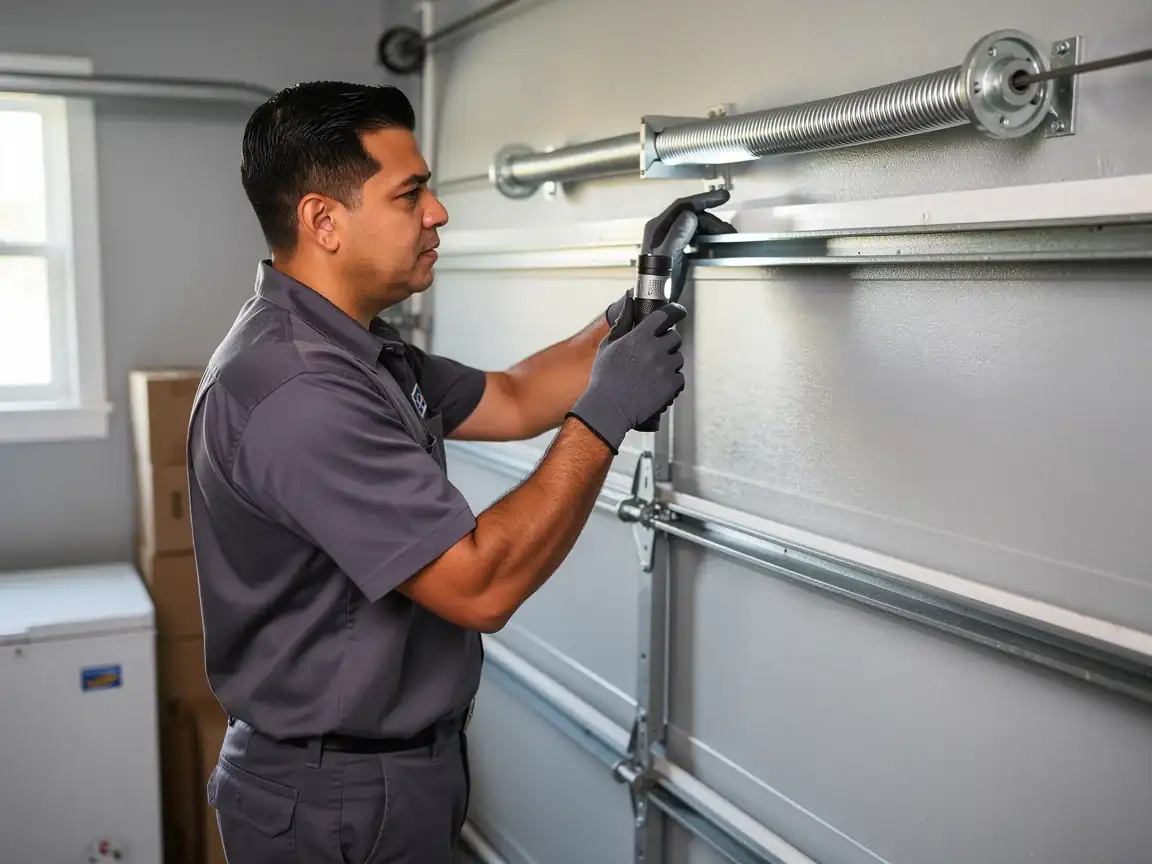
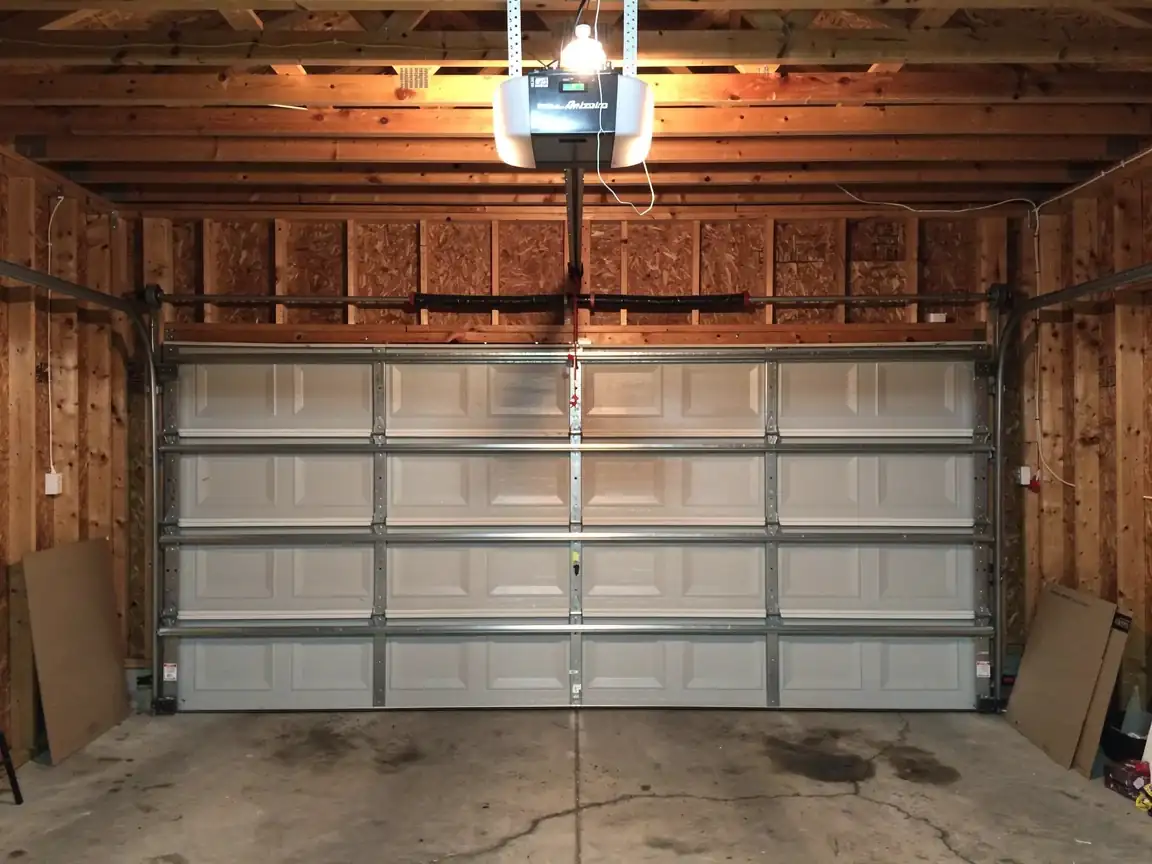
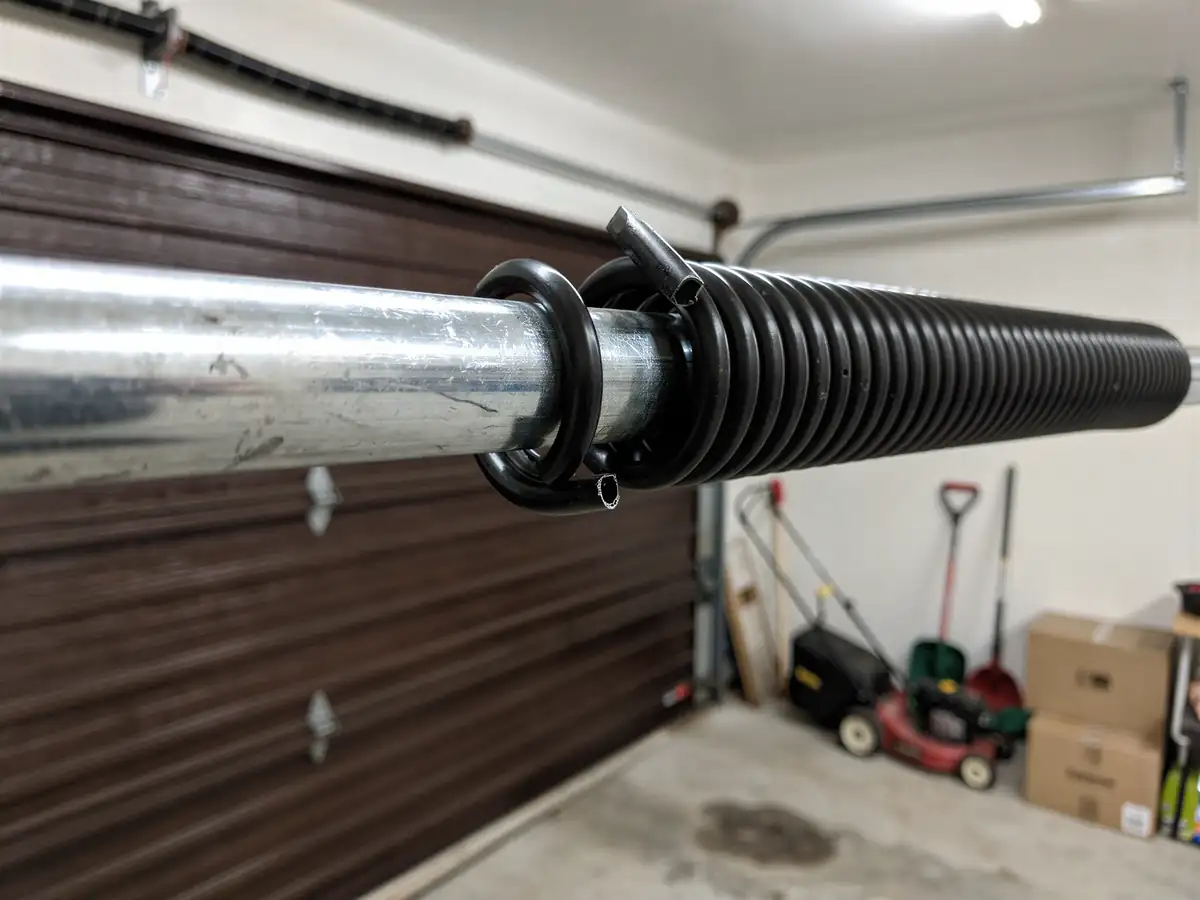
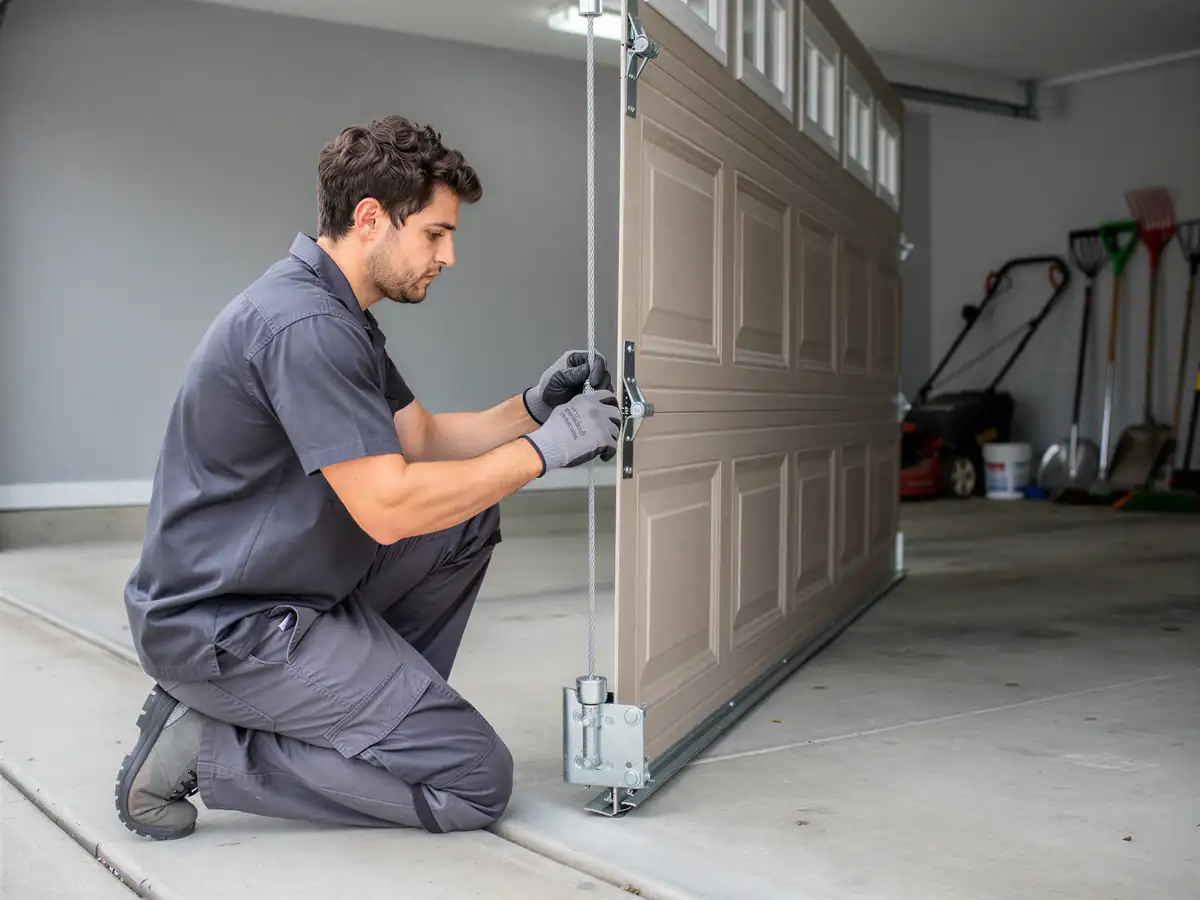
Swapping a garage door yourself is possible if you've done it before and have a helper and the right clamps. It is not a one-person job, and it is not a job to start without a plan for the spring - torsion springs on a 1970-era single door hold real tension, and winding or unwinding one wrong is how people end up in the ER, not just frustrated. If you're comfortable with weatherstripping, hinges, and bottom brackets, that part's reasonable DIY. The spring, the cable drums, and anything that touches the torsion bar is where we'd tell you to call instead of improvise.
Parts We Carry
For a straight install on a house from this era, we stock standard torsion springs sized for both single and double doors, galvanized track sections, and steel rollers in the sizes that fit 1970s door tracks - those haven't changed dimensions even though door weight has. Openers we carry cover chain and belt drive in the horsepower range that actually matches a modern insulated door, not the oversized motors some older installs got stuck with. One honest limit: if your garage has a non-standard header height or a steel frame that needs custom cutting, that's a special-order part, and we'll tell you the lead time up front rather than promise a same-week install we can't deliver on.
How We Fix It
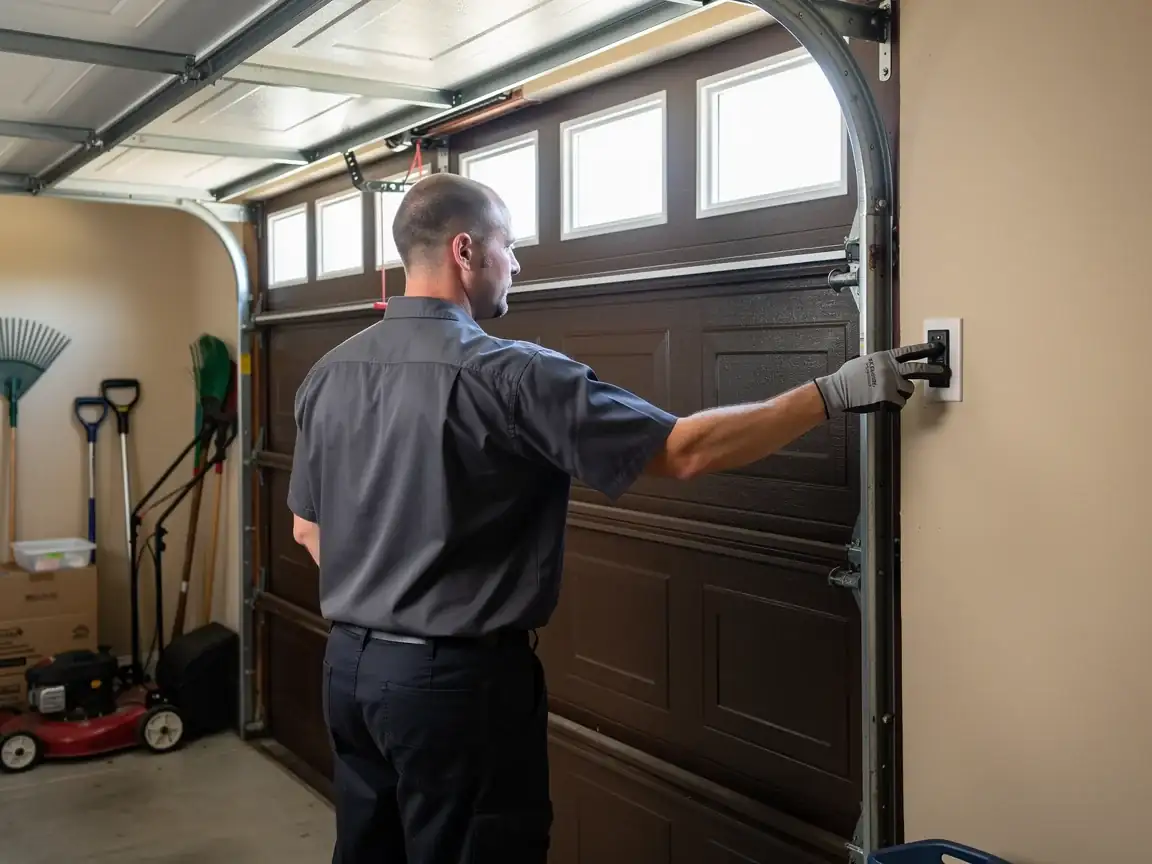
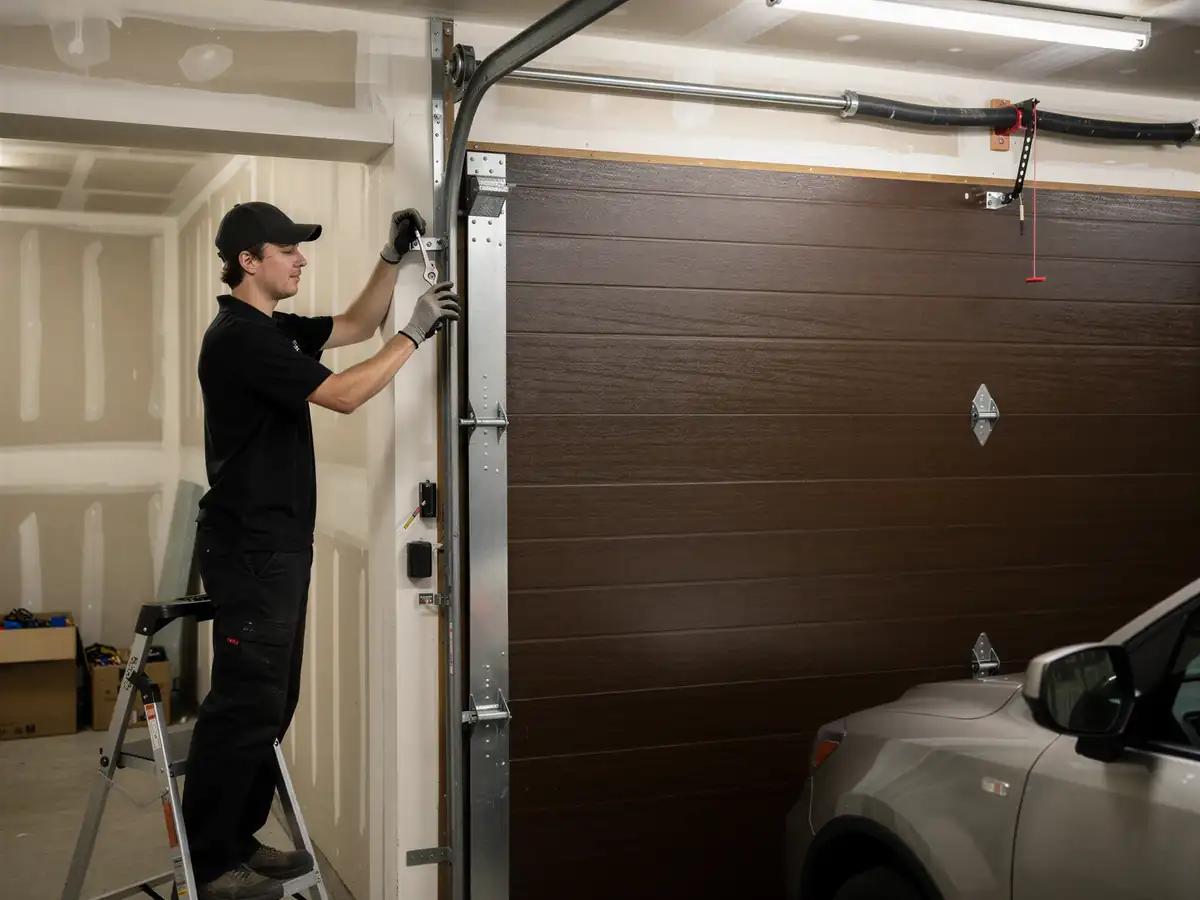
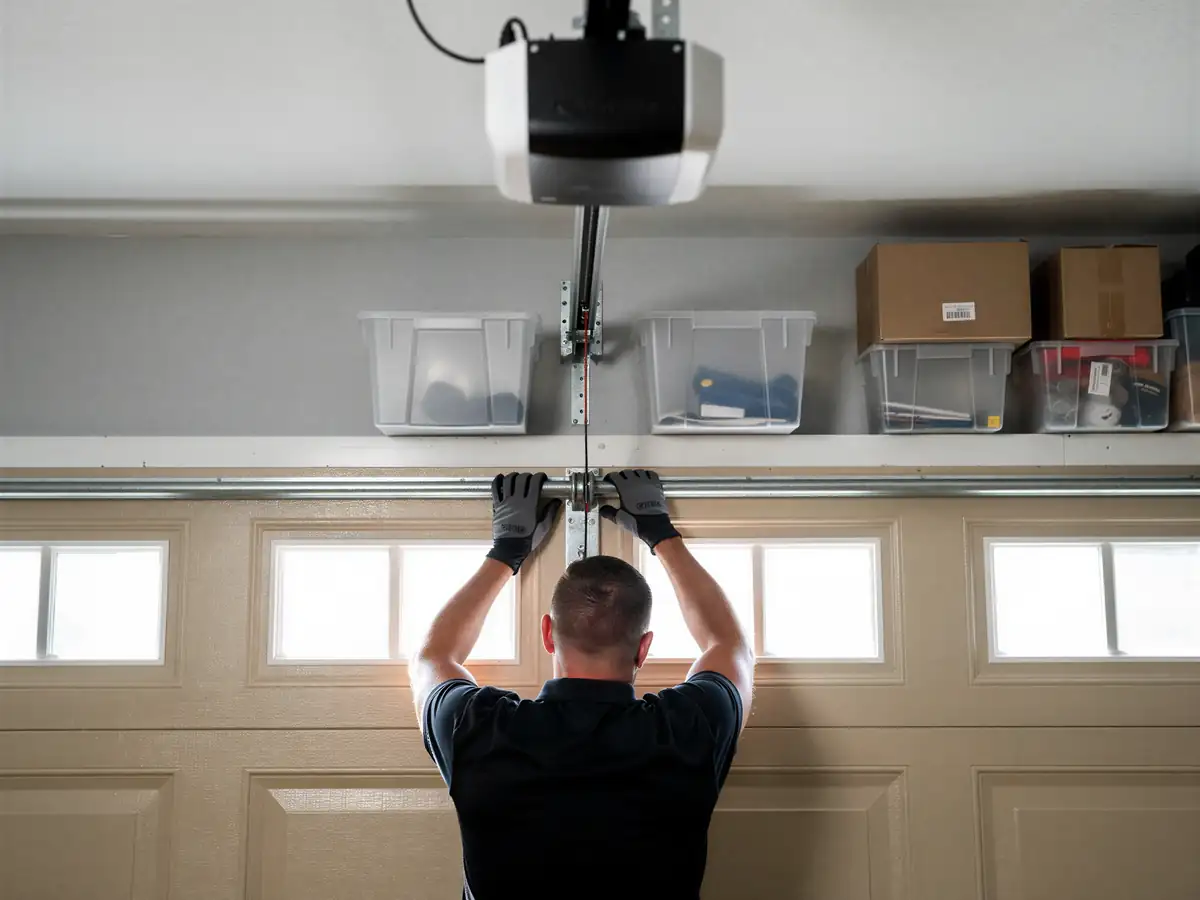
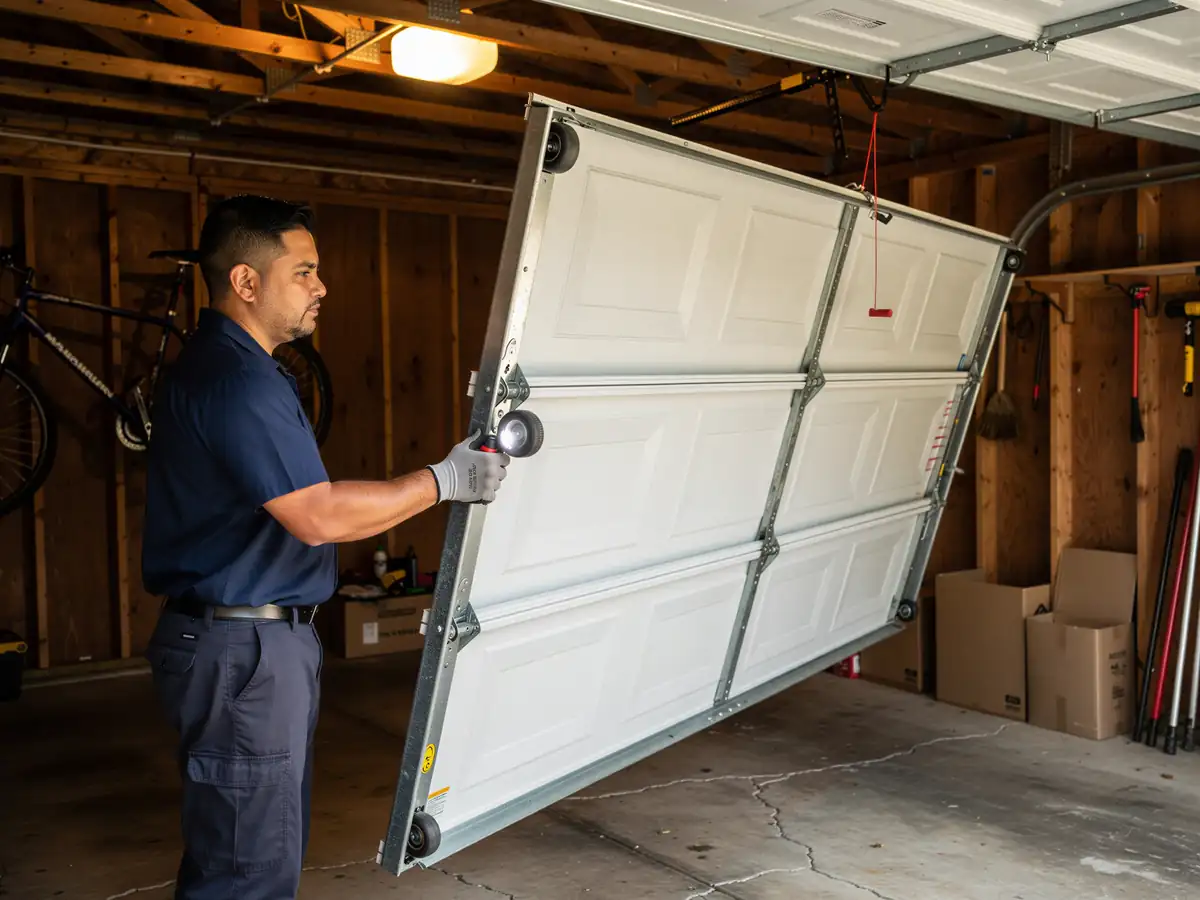
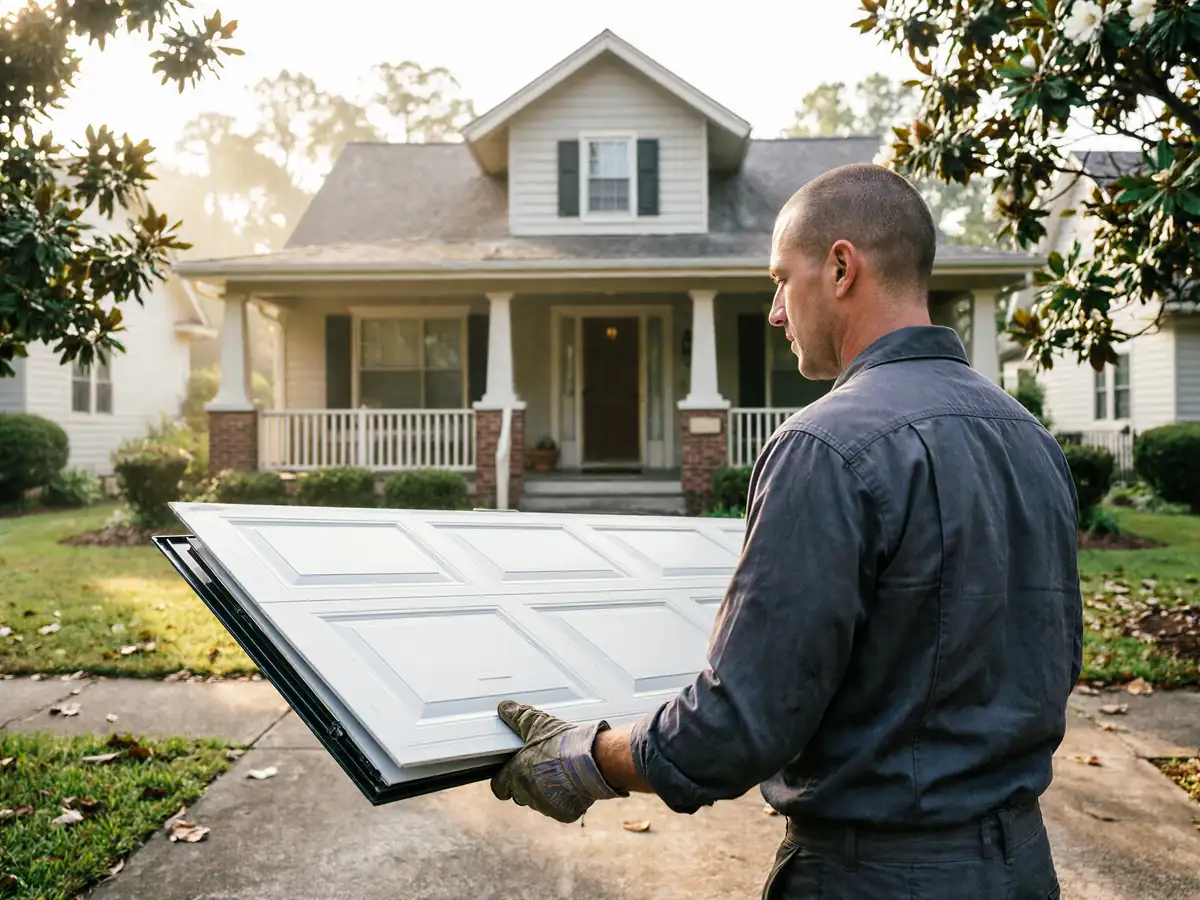
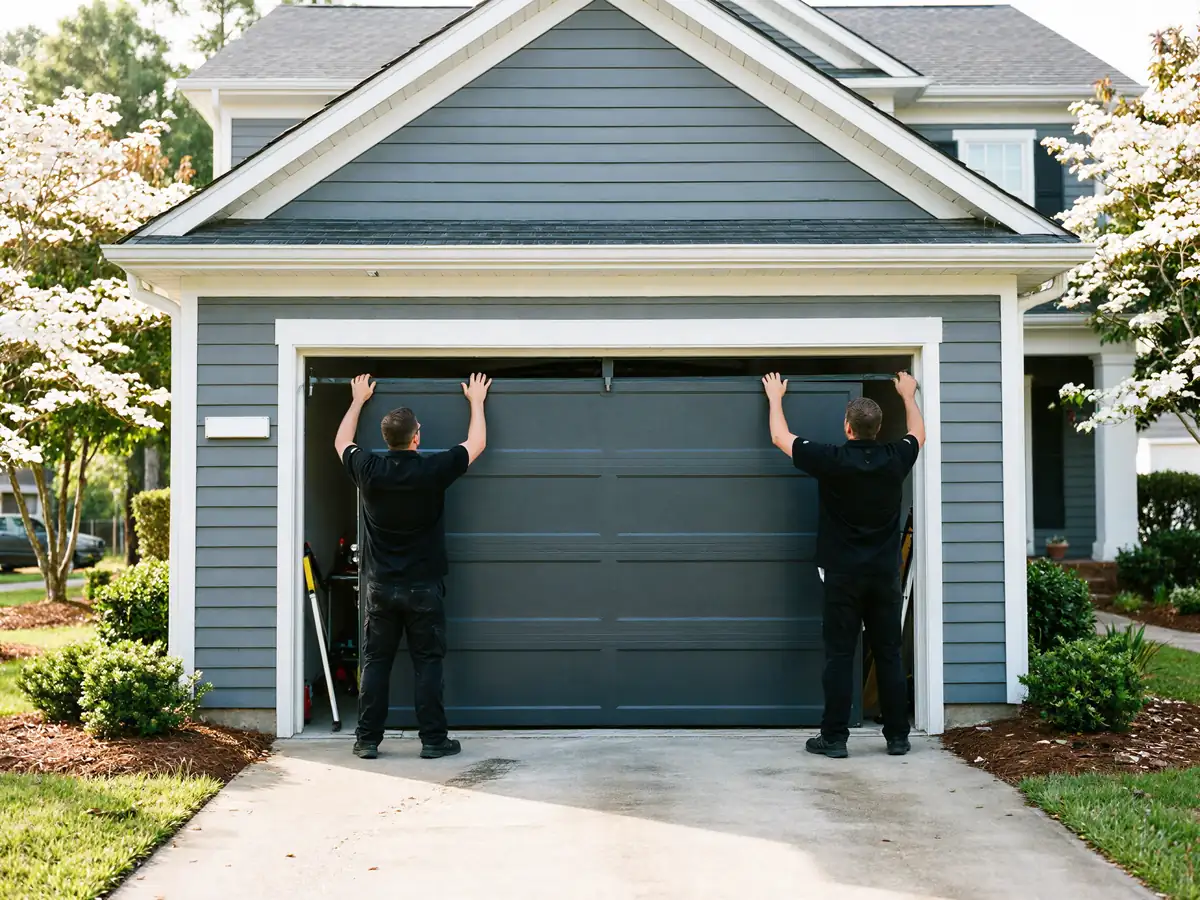
We start by pulling the old door off its hinges and checking whether the track and header are square - on a lot of 1970-built garages they've shifted slightly over fifty years, and that gets corrected before the new door goes in, not after. Then we set the new torsion spring to match the door's actual weight, not the weight of whatever was there before, mount the opener, and run it through a full cycle test with the safety sensors adjusted to the new door height. Last step is balance: we check that the door holds position halfway open with the opener disconnected, which tells us the spring tension is right. That test matters more here than in newer construction, because older headers don't always sit as square as code calls for now.