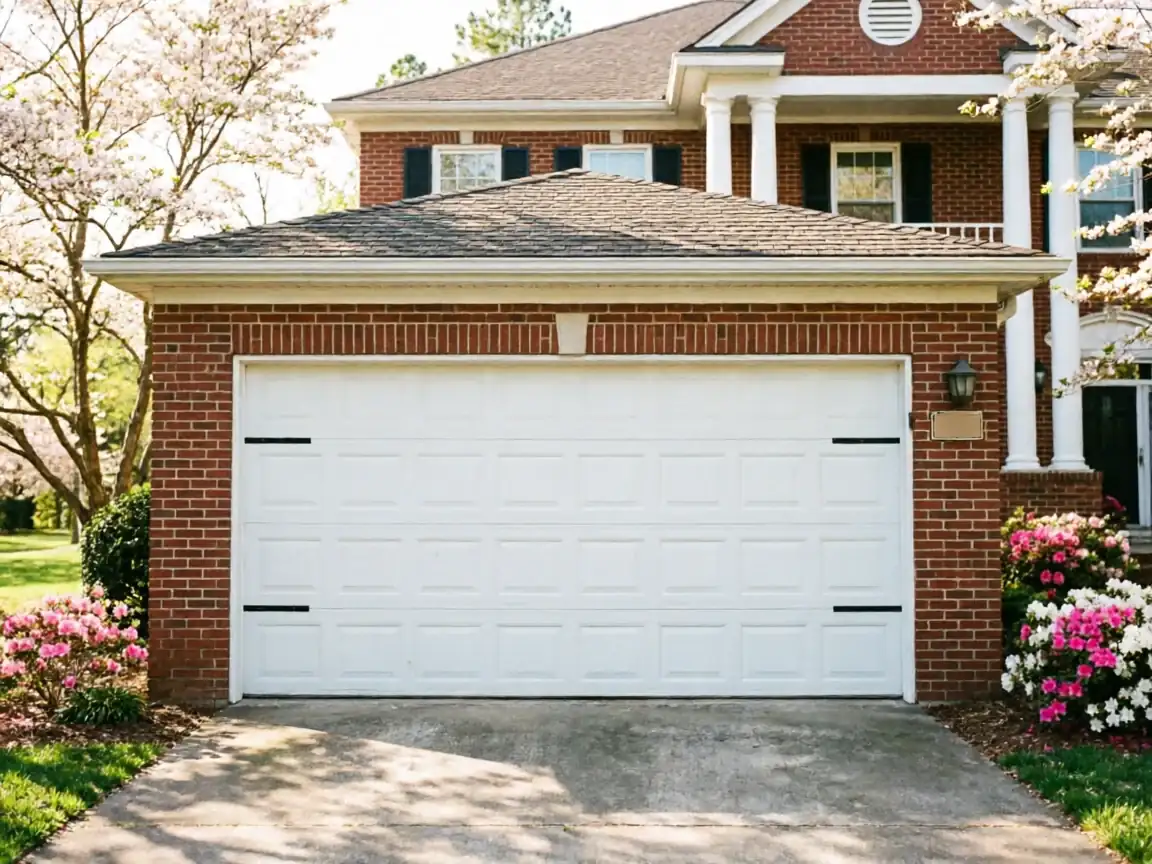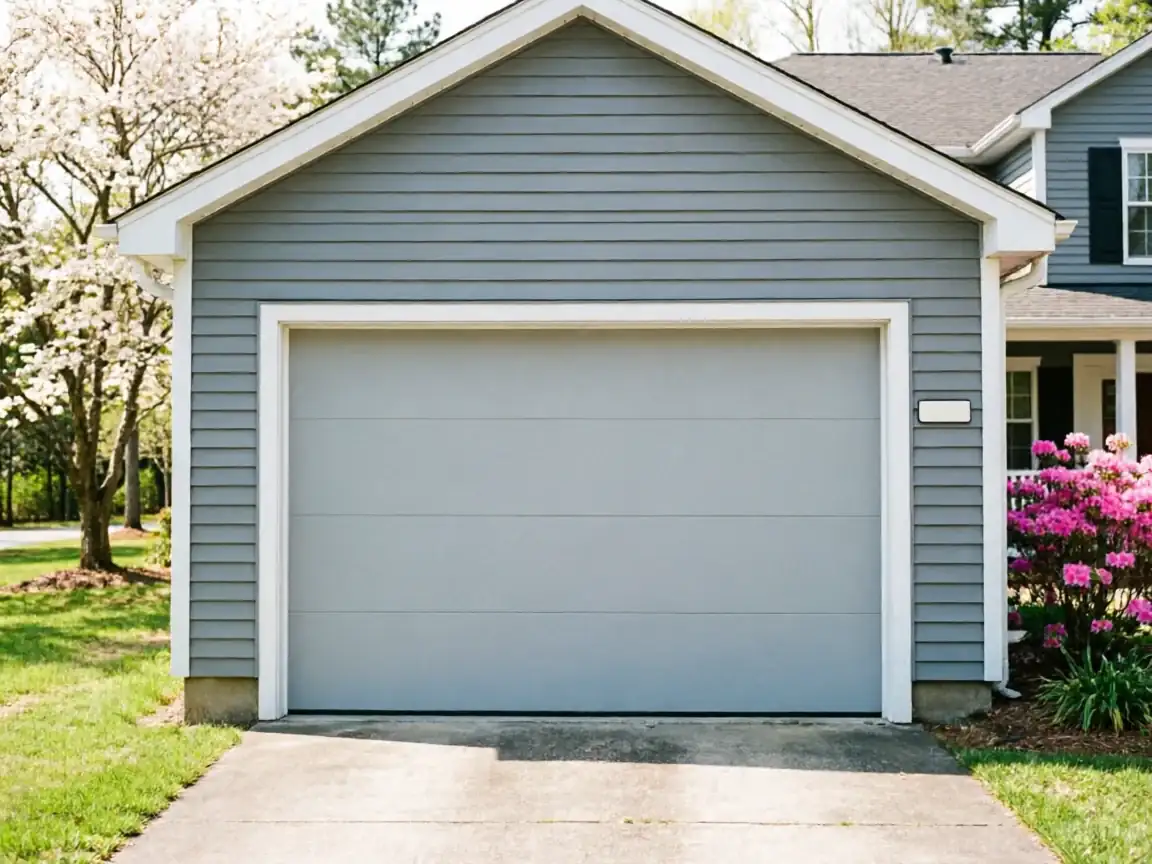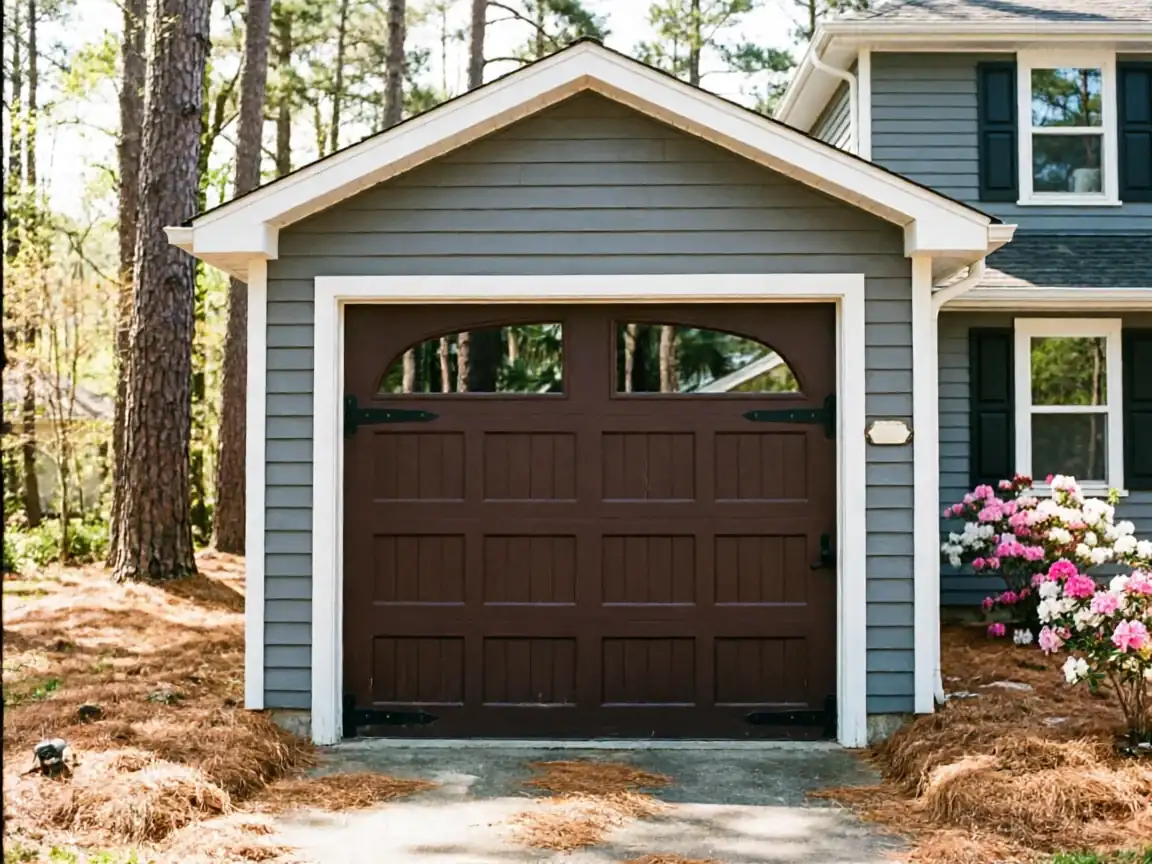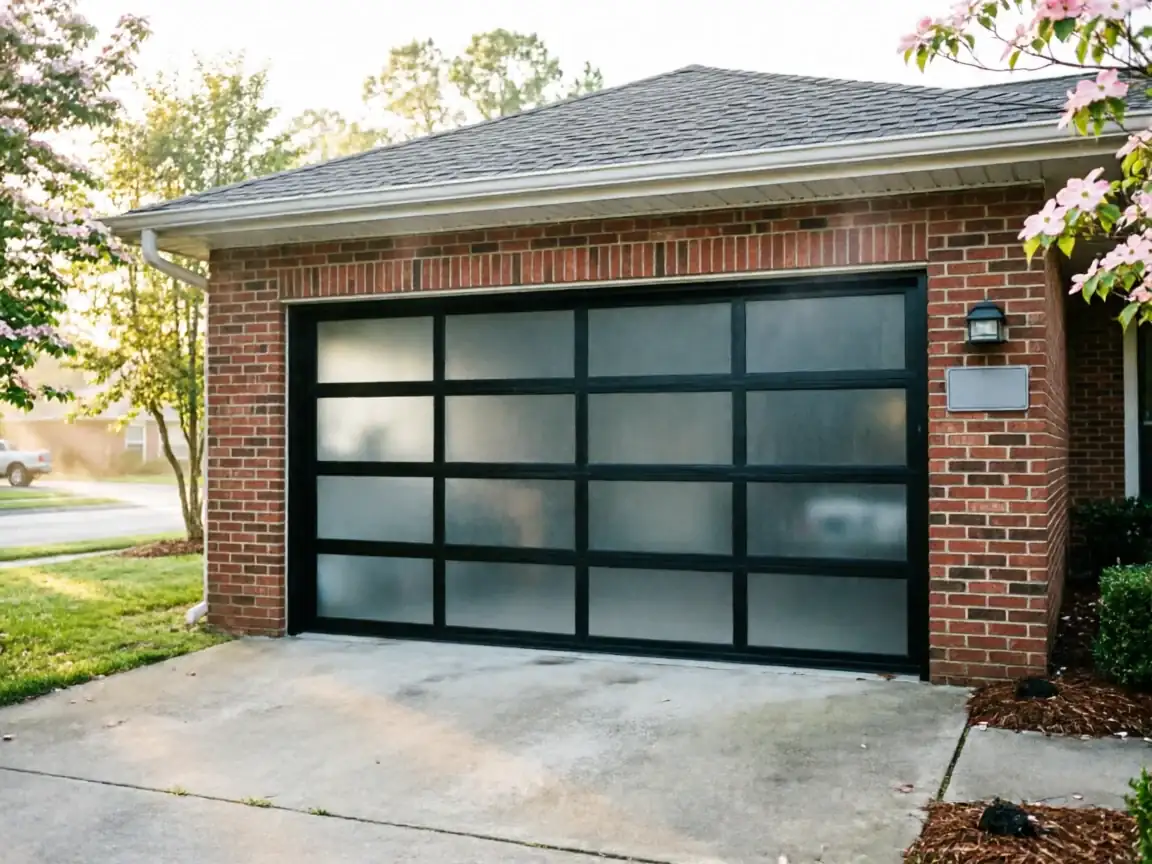
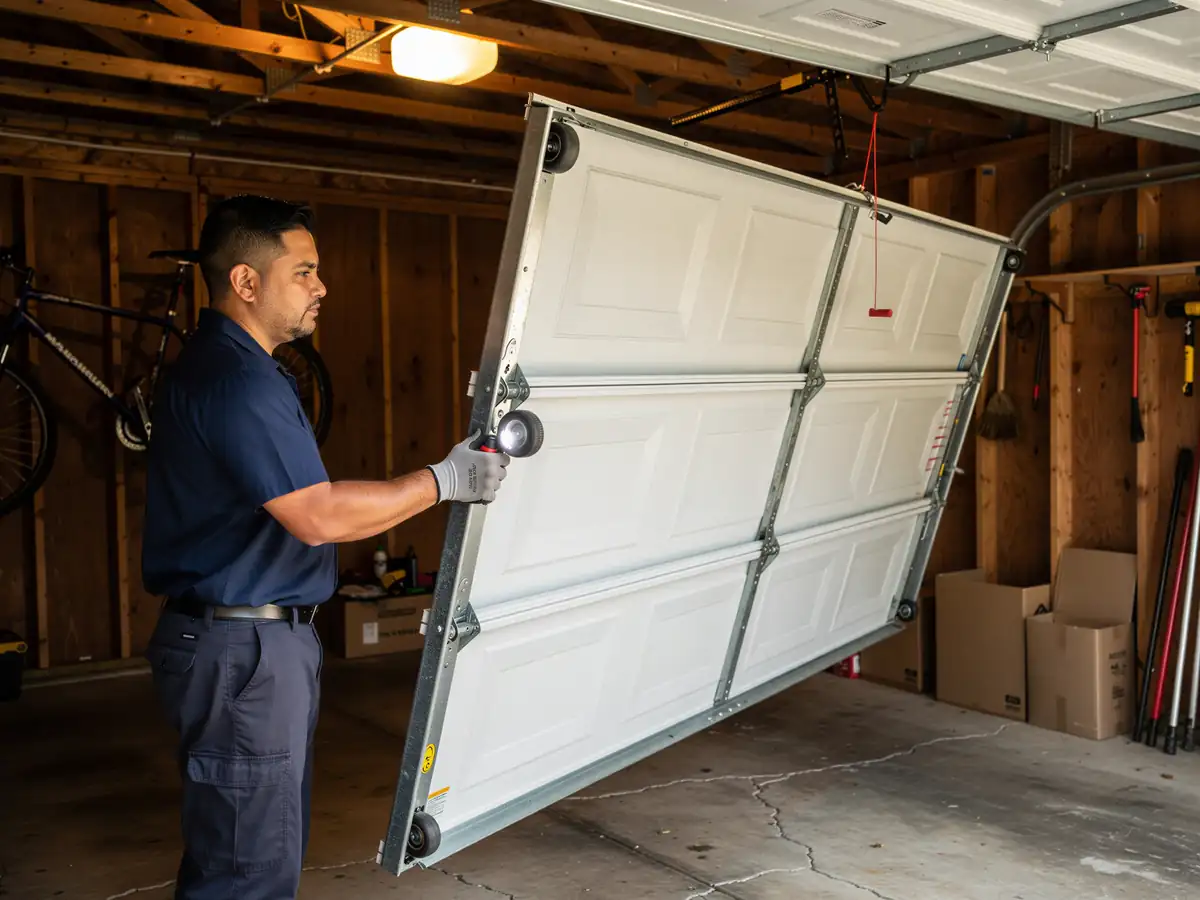
What You Are Seeing
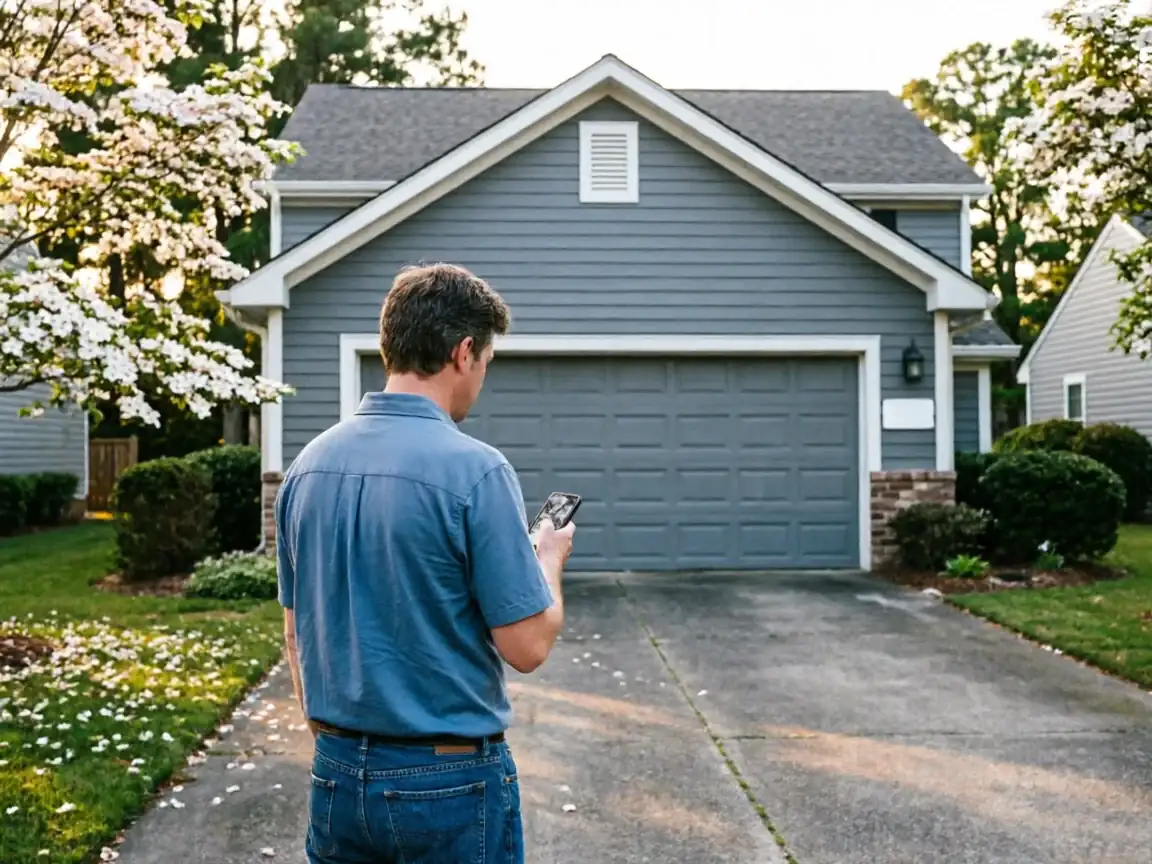
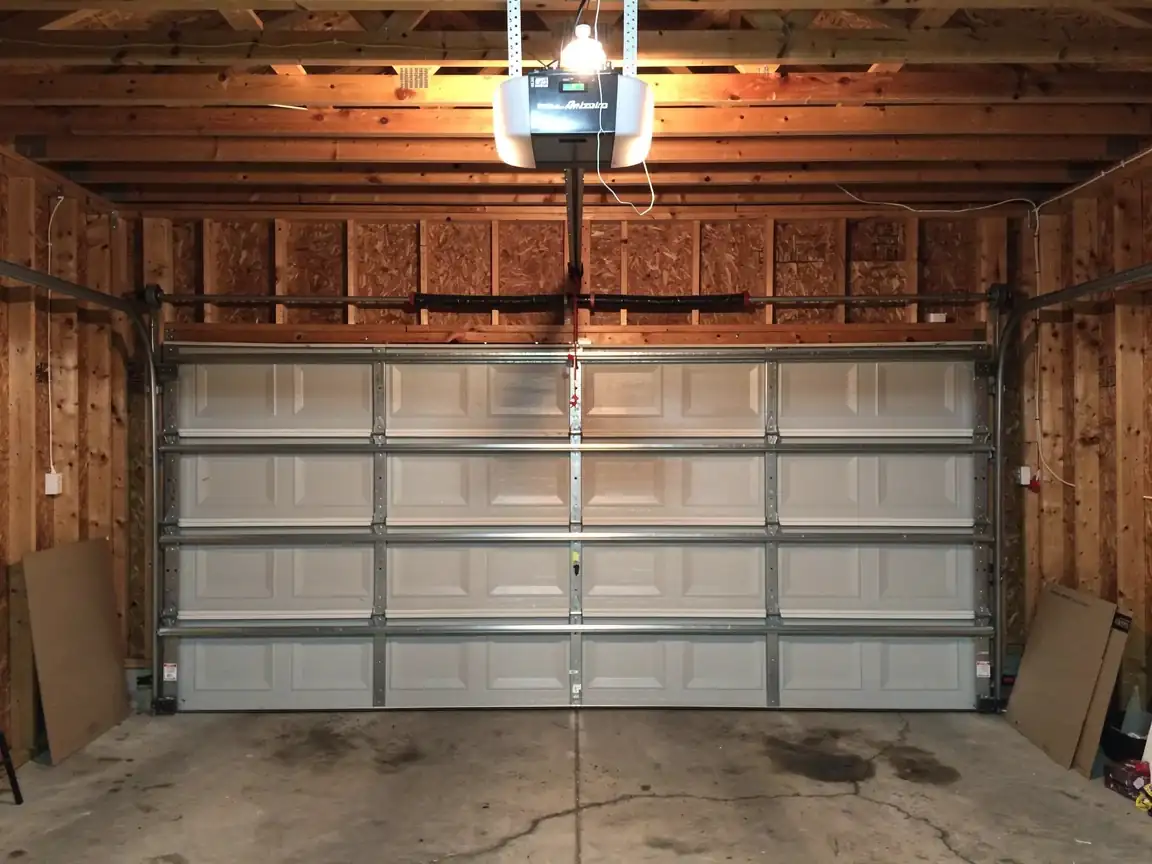
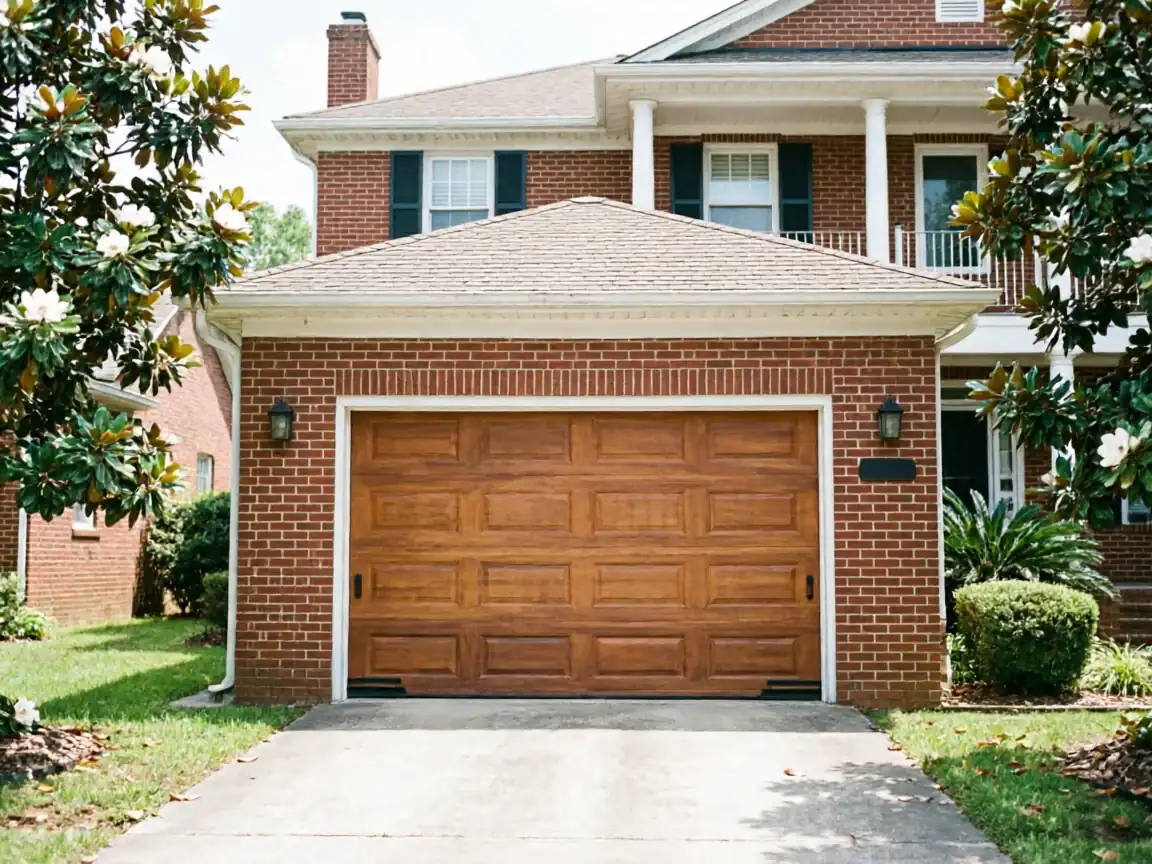
Cayce's housing stock centers on 1970, which puts a lot of these garage doors and their track hardware past the point where parts match current stock sizes exactly. A door that's off-track usually shows one of two faces: it's cocked at an angle in the opening with daylight showing on one side, or it's come fully off the rail and is resting against the framing. Either way, something physical failed - a roller cracked, a track bracket pulled loose from the jamb, or a hinge sheared. On houses from this era the track is often the older, narrower rail profile, and the horizontal and vertical sections don't always square up the way newer doors do once they've shifted. That's a different fix than a modern door with plastic-sleeve rollers.
Can You Do This Yourself
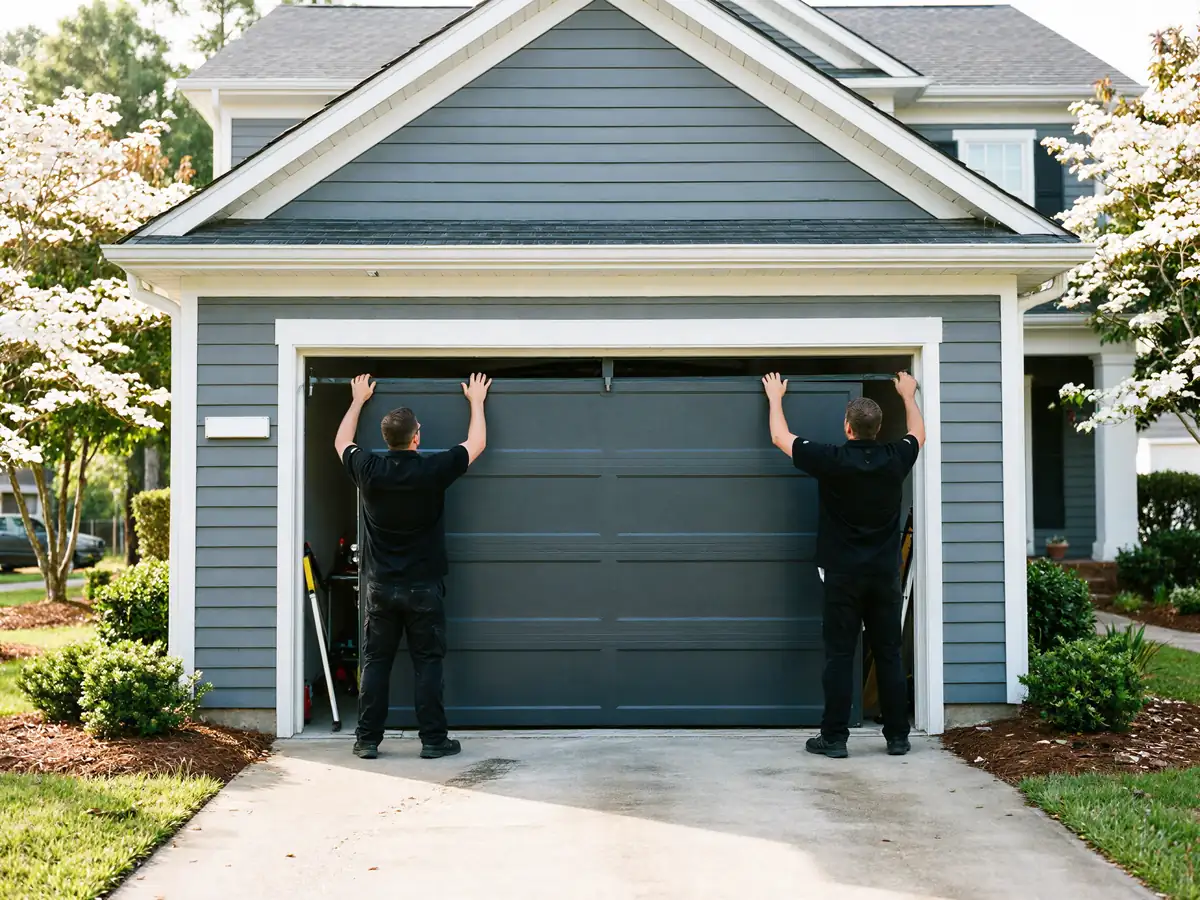
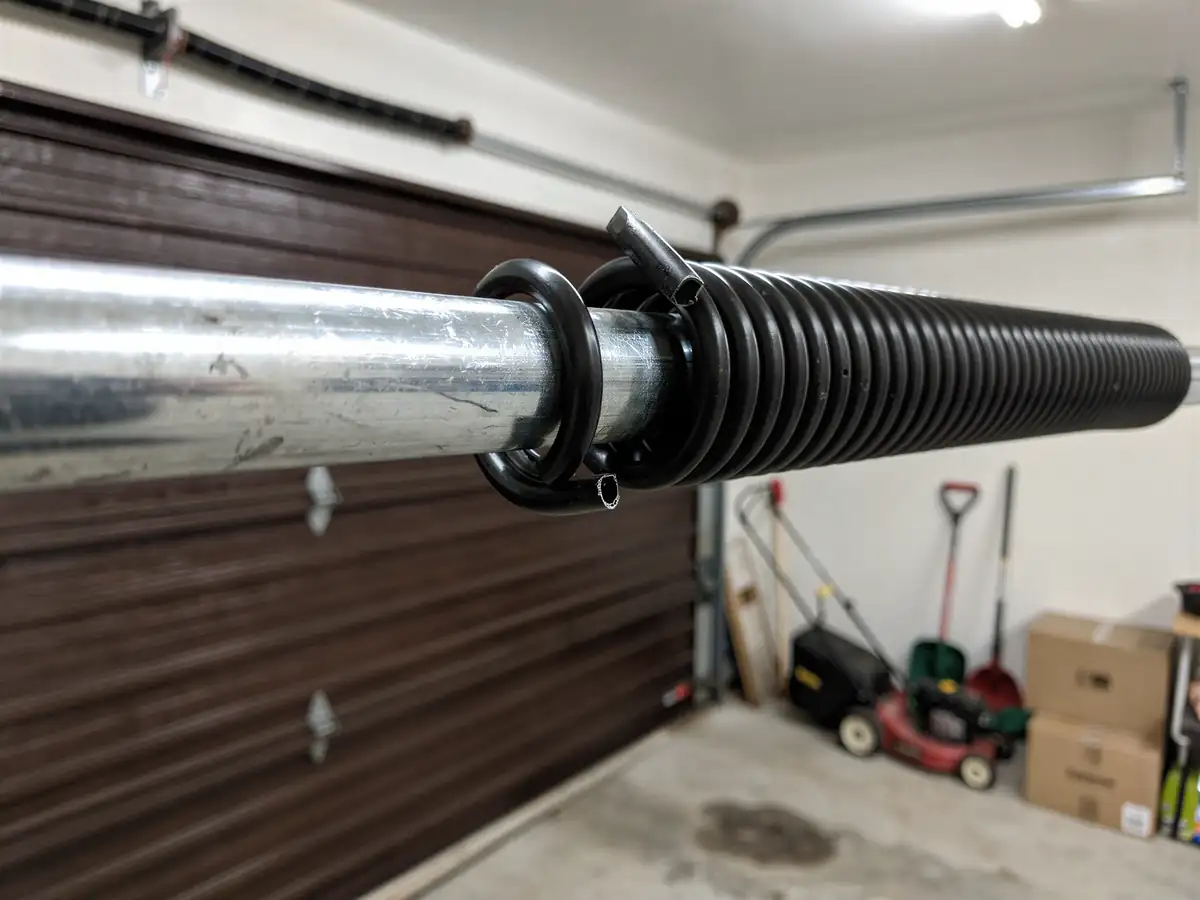
You can push a door back onto its track if it's barely off and the cable and spring are untouched, but on a house built around 1970 that's a bigger if than it sounds. These doors have had fifty-plus years to accumulate replacement parts that don't quite match the original track gauge, and forcing a panel back into a rail that's bent even slightly will just pop it out again, or worse, bind the opener and burn out the motor. If the door is fully off the track, or if a cable looks loose or frayed, stop. That's spring-tension territory, and a spring under load with a door hanging crooked is the single most common way people get hurt on this job.
Parts We Carry
We stock the rollers, track sections, and hinge sets that cover the door styles common in this area's late-1960s to 1970s construction, along with the more recent sealed-bearing rollers used on doors installed during later renovations. What we don't keep on the truck is a rail profile that was discontinued decades ago and never got a standard replacement - if your original track is one of those, we'll tell you straight and order it, which can take a few days. That's the honest limitation: not every part for a 1970-era door is sitting in the truck, and we'd rather say so than install a mismatched piece that fails again in six months.
How We Fix It
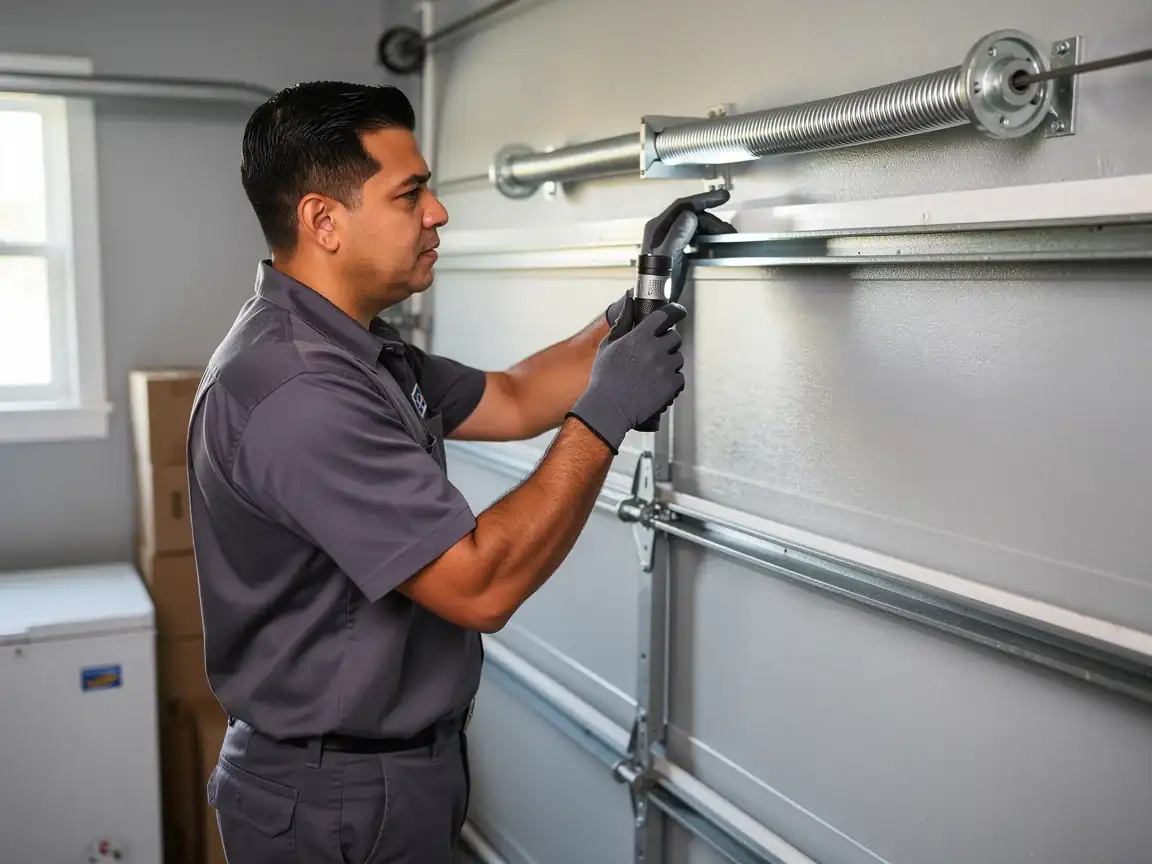
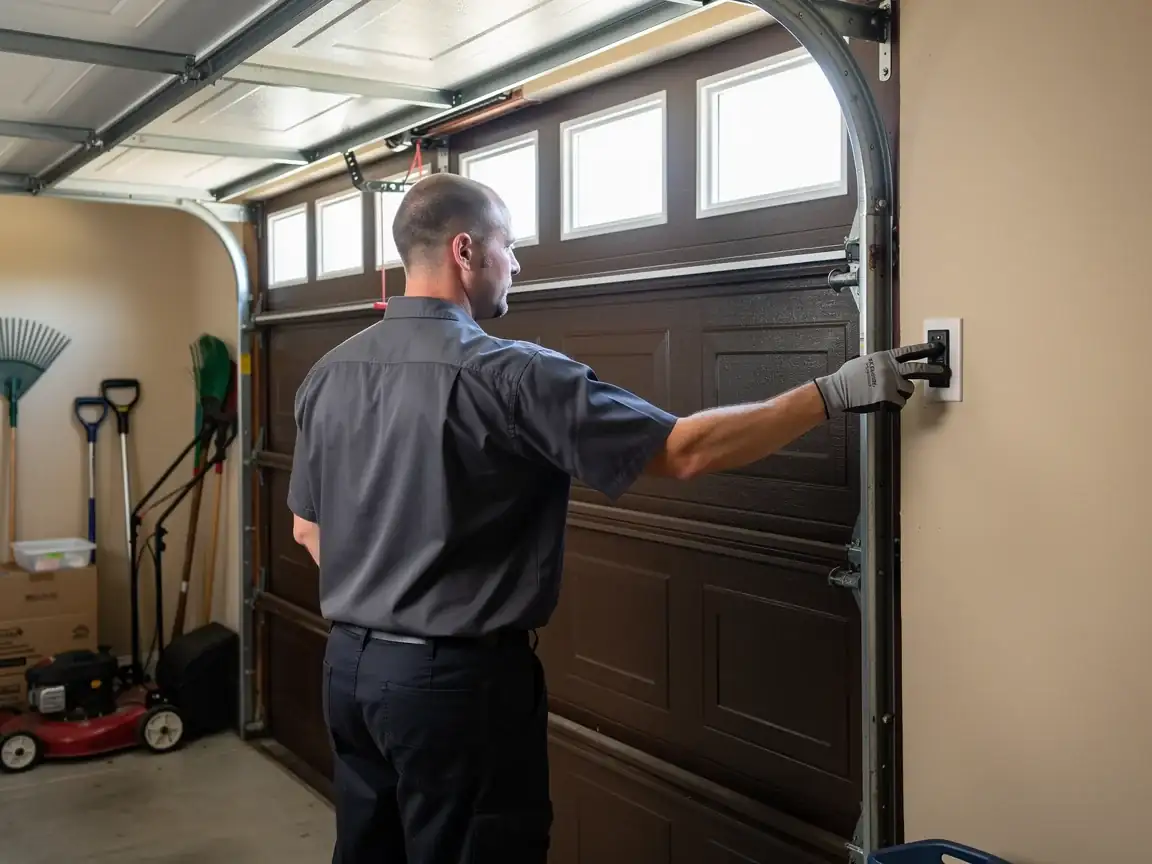
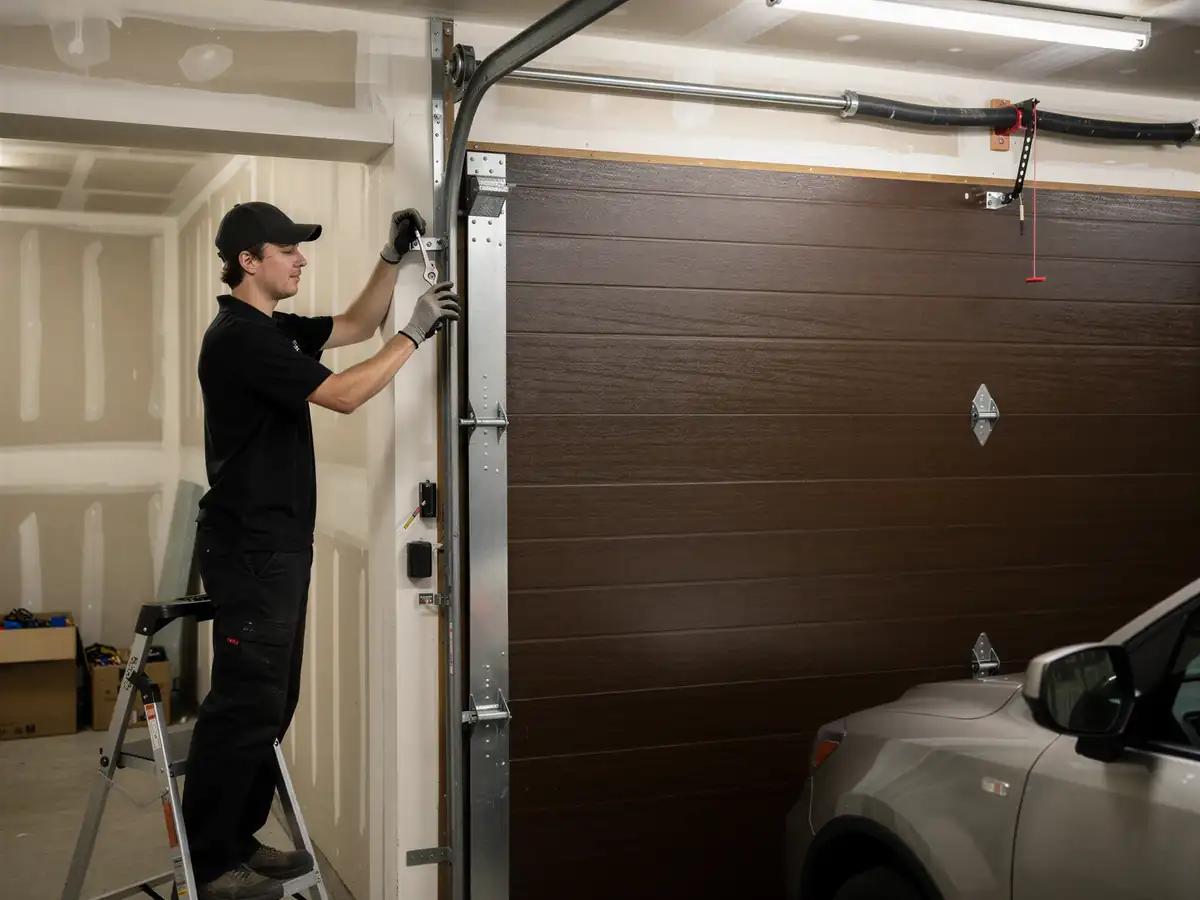
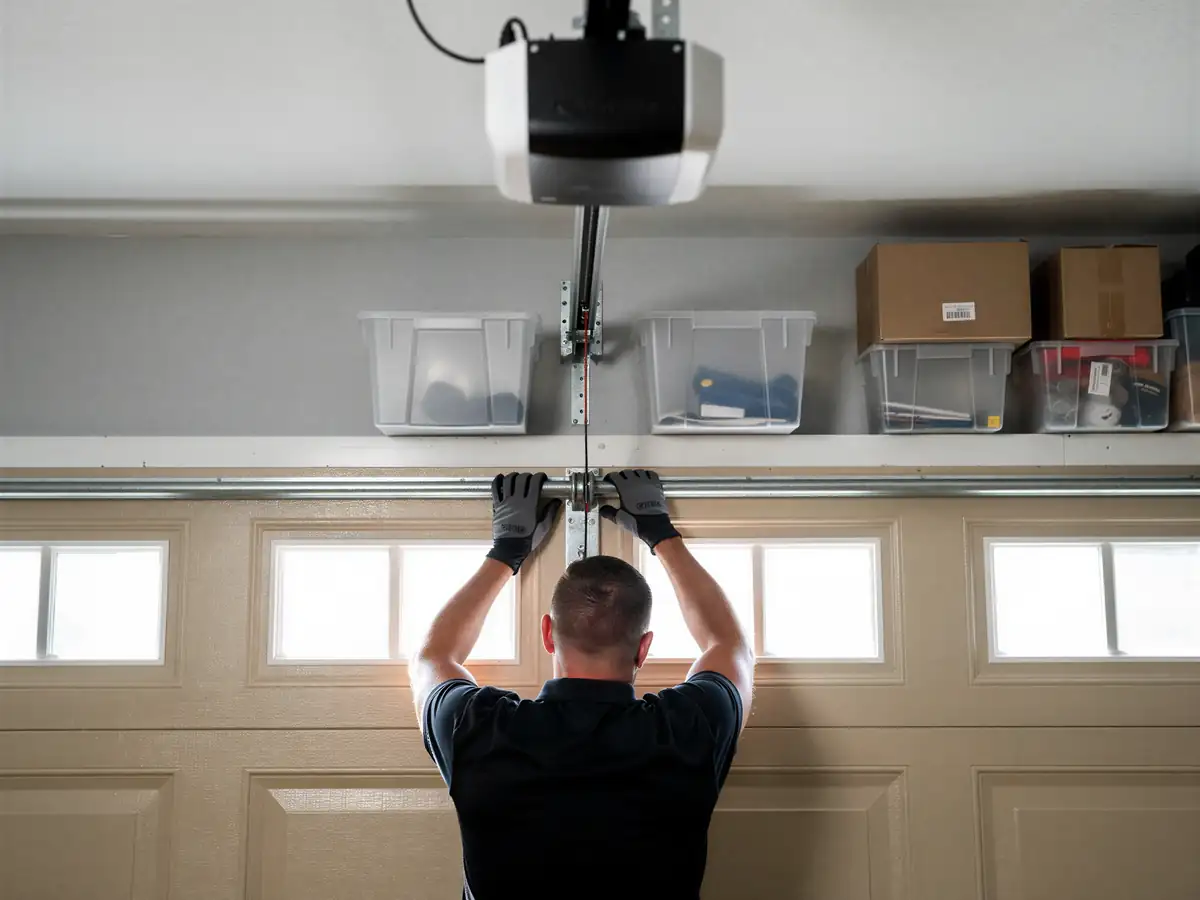
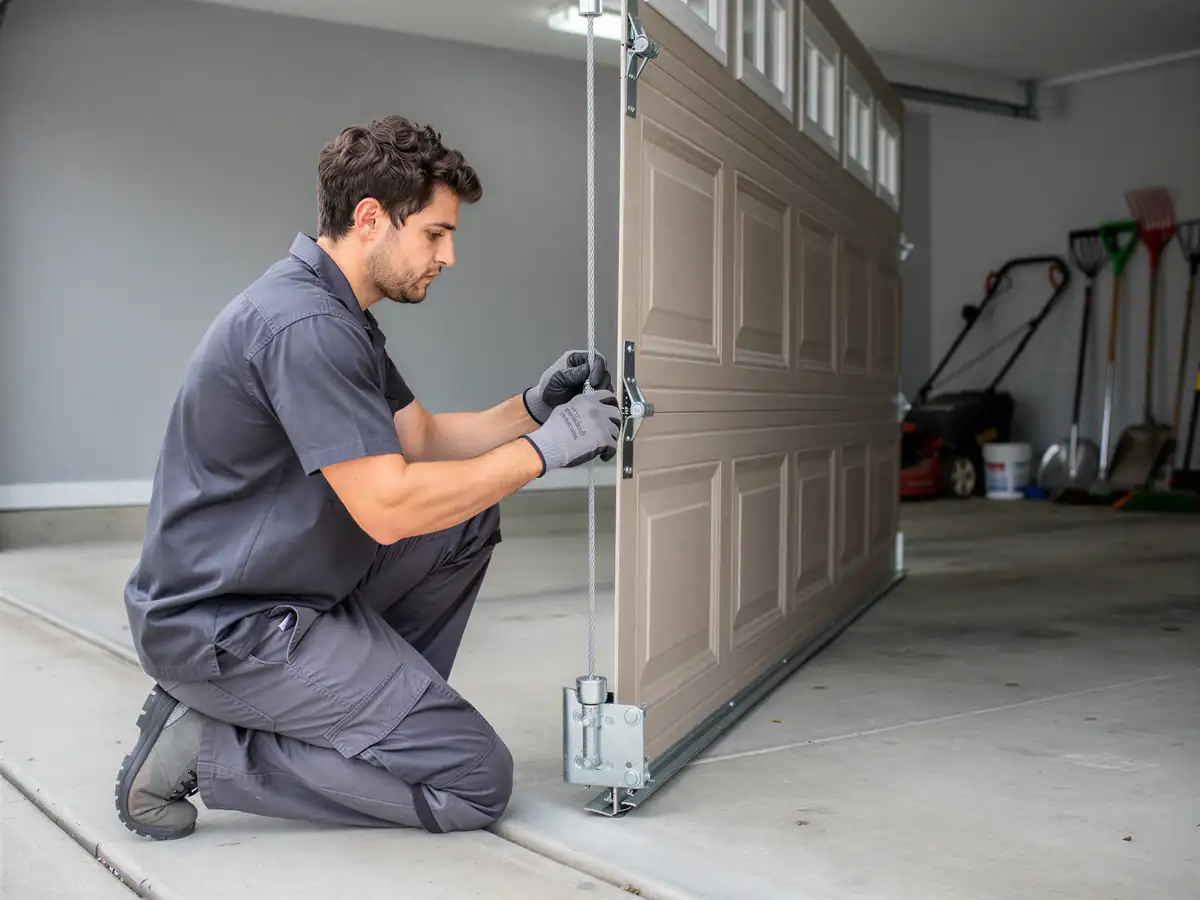
First step is always finding out why the door left the track, not just putting it back on. We check the bracket mounts, square the rail sections, and inspect the rollers and cable before anything gets reseated. If the track itself is bent, we replace that section rather than bending it back - bent track that's been straightened tends to fail again at the same spot. Once it's aligned and the door is moving freely under hand, we run the opener and check the travel limits, since a door that's been off-track sometimes trips the opener's force settings on the way. If you want more on what else we handle on these calls, our page on garage door service in Cayce covers the broader list.