What You Are Seeing
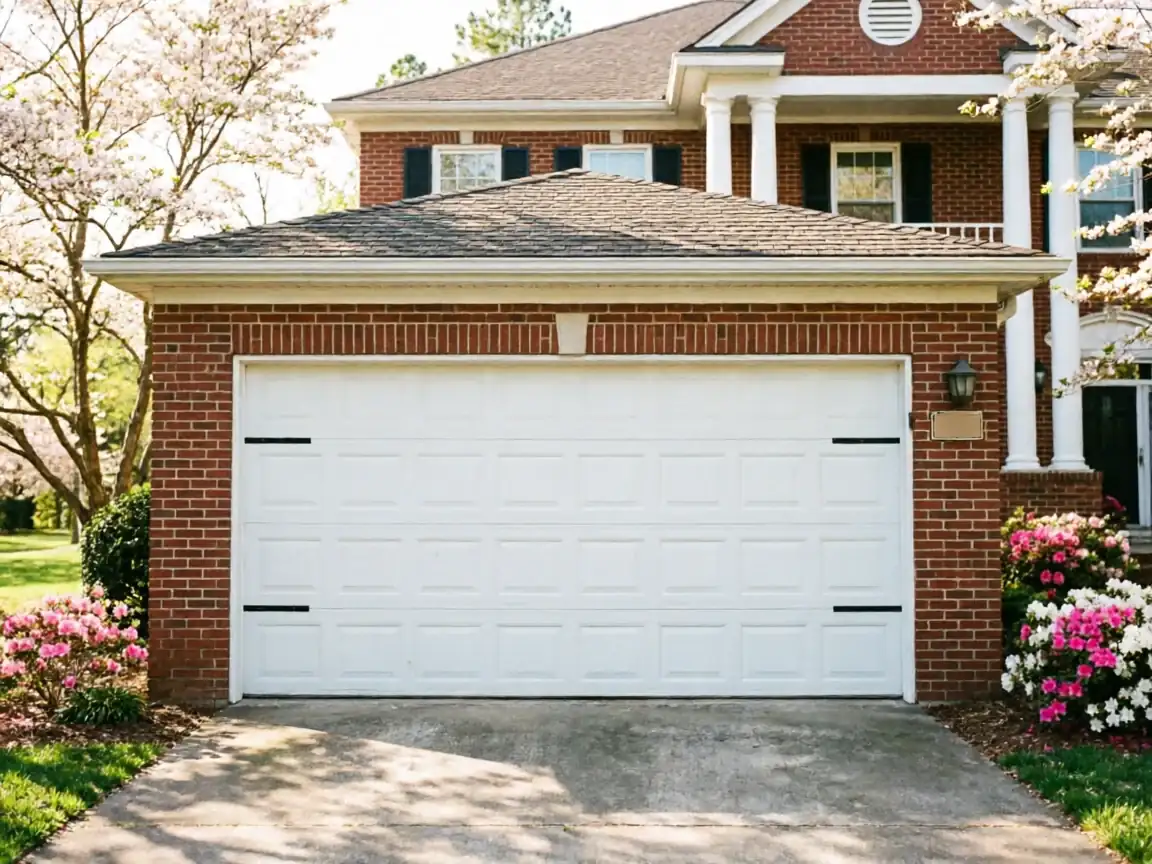
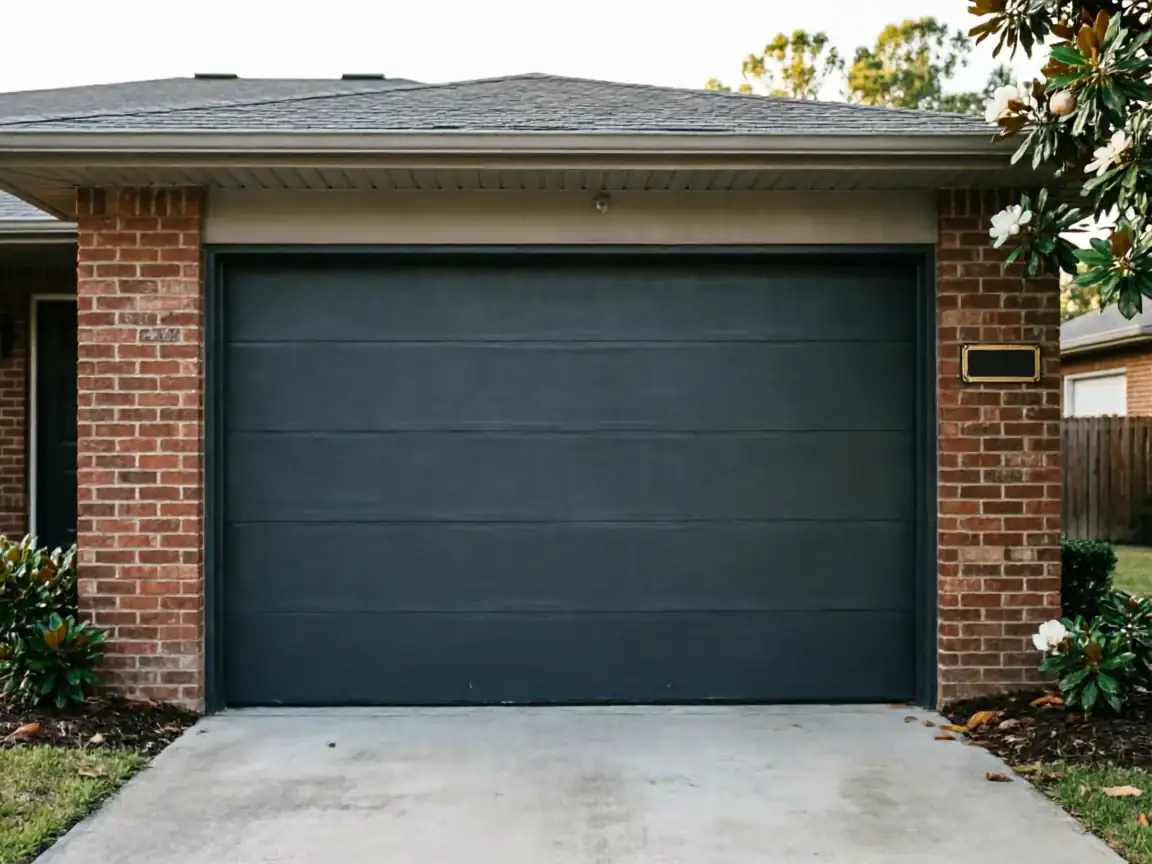
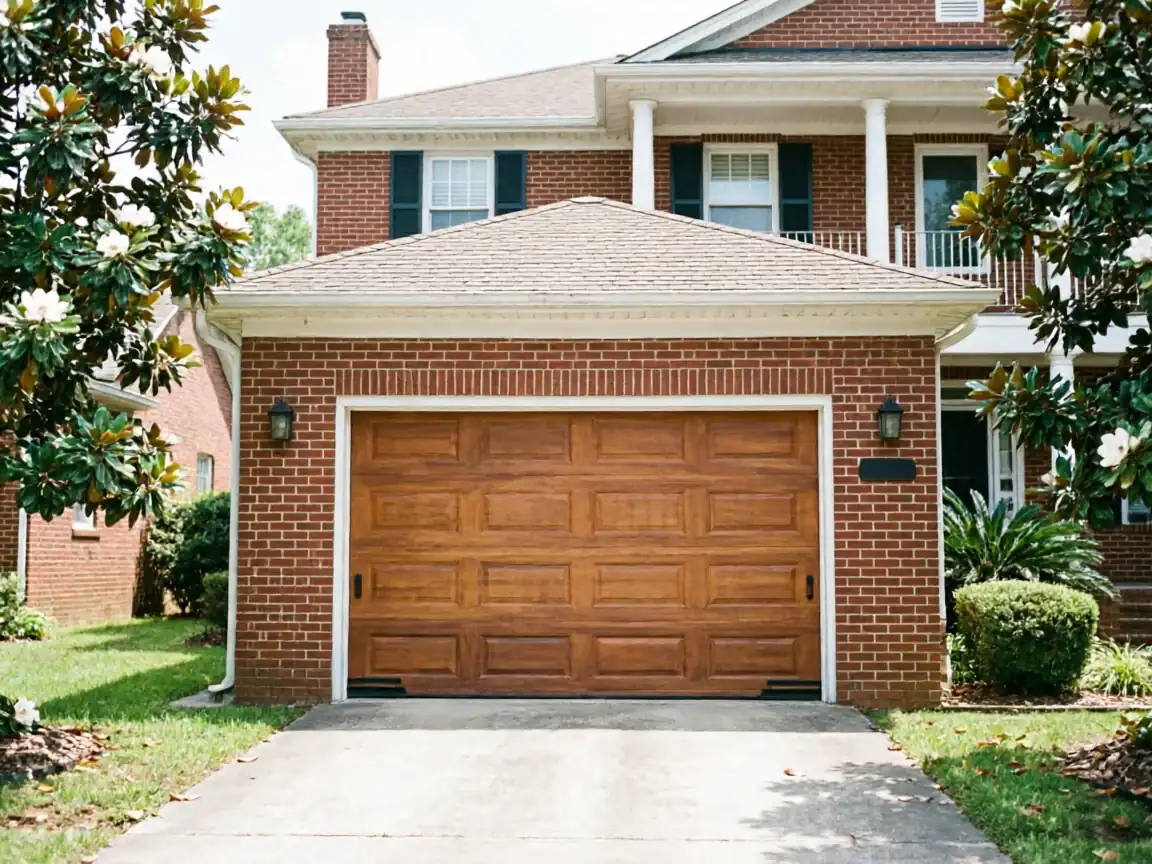
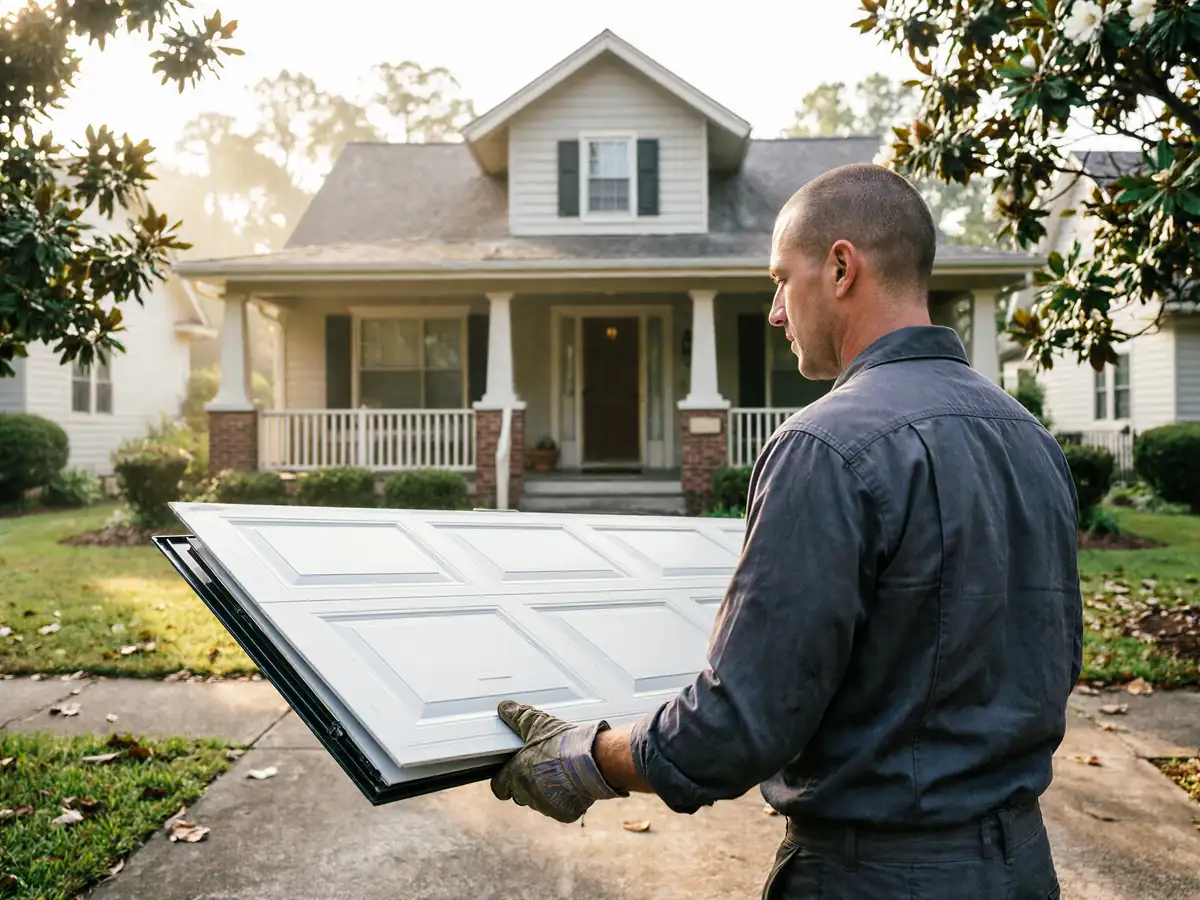
A bent or caved panel on a garage door almost never means the whole door is bad, but it does mean the door is working harder than it should. On the steel sectional doors common to houses built around 1970 - which describes a good share of Cayce - a single dented panel throws off the curve of the whole door slightly, and that extra flex gets pushed into the rollers and the hinges next to it. You'll often see it first as a door that rattles more going up, or a gap that didn't used to be there at the bottom corner. Cracked panels on older wood-composite doors are a different animal - once the core swells from moisture, the panel doesn't hold screws the way it used to, and patching it is a short-term fix at best. Either way, the fault usually starts at one panel and spreads to the track alignment if it sits too long.
Can You Do This Yourself
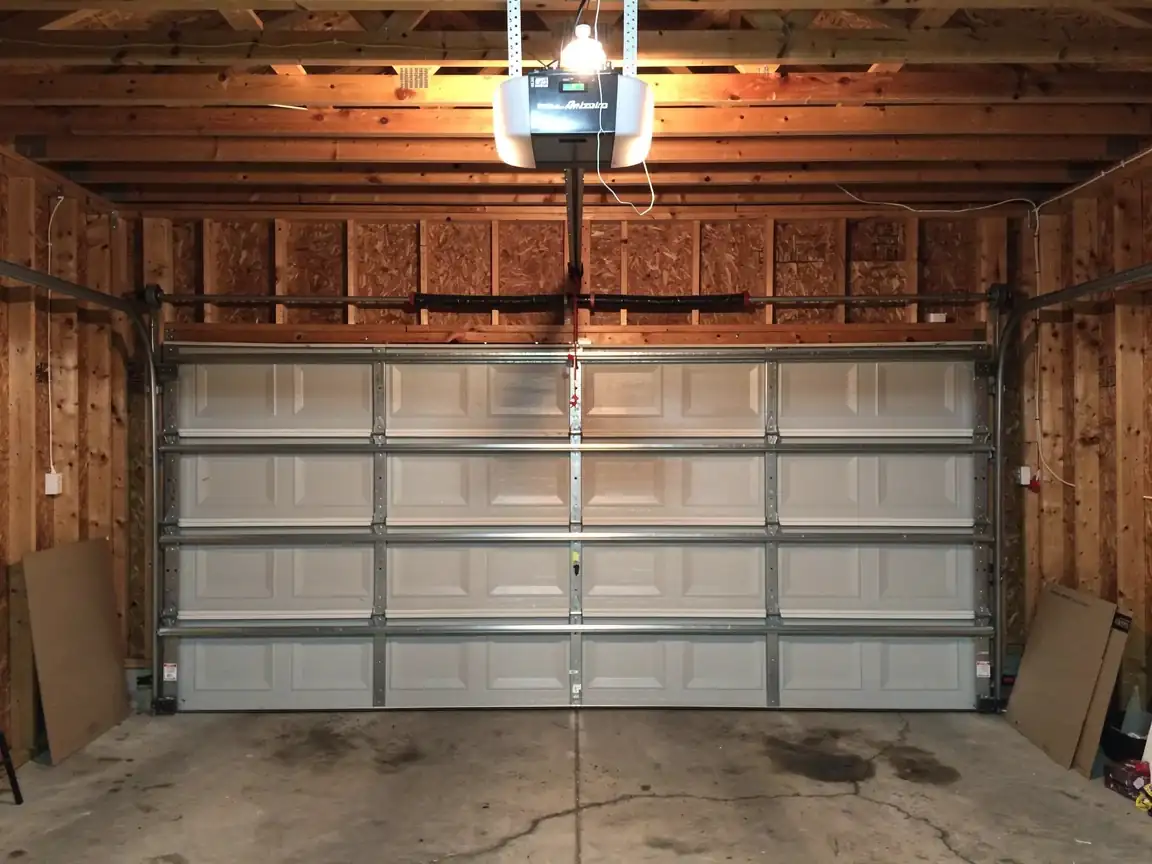
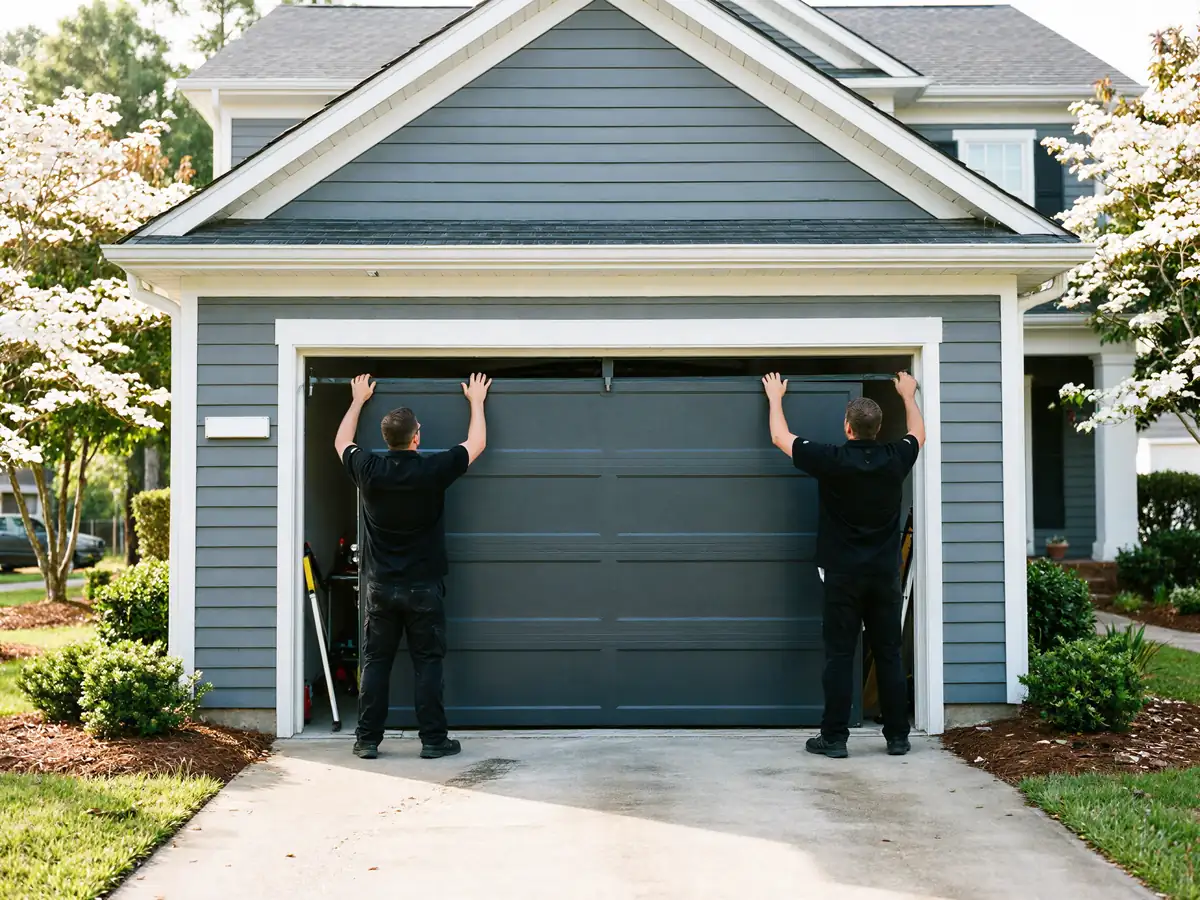
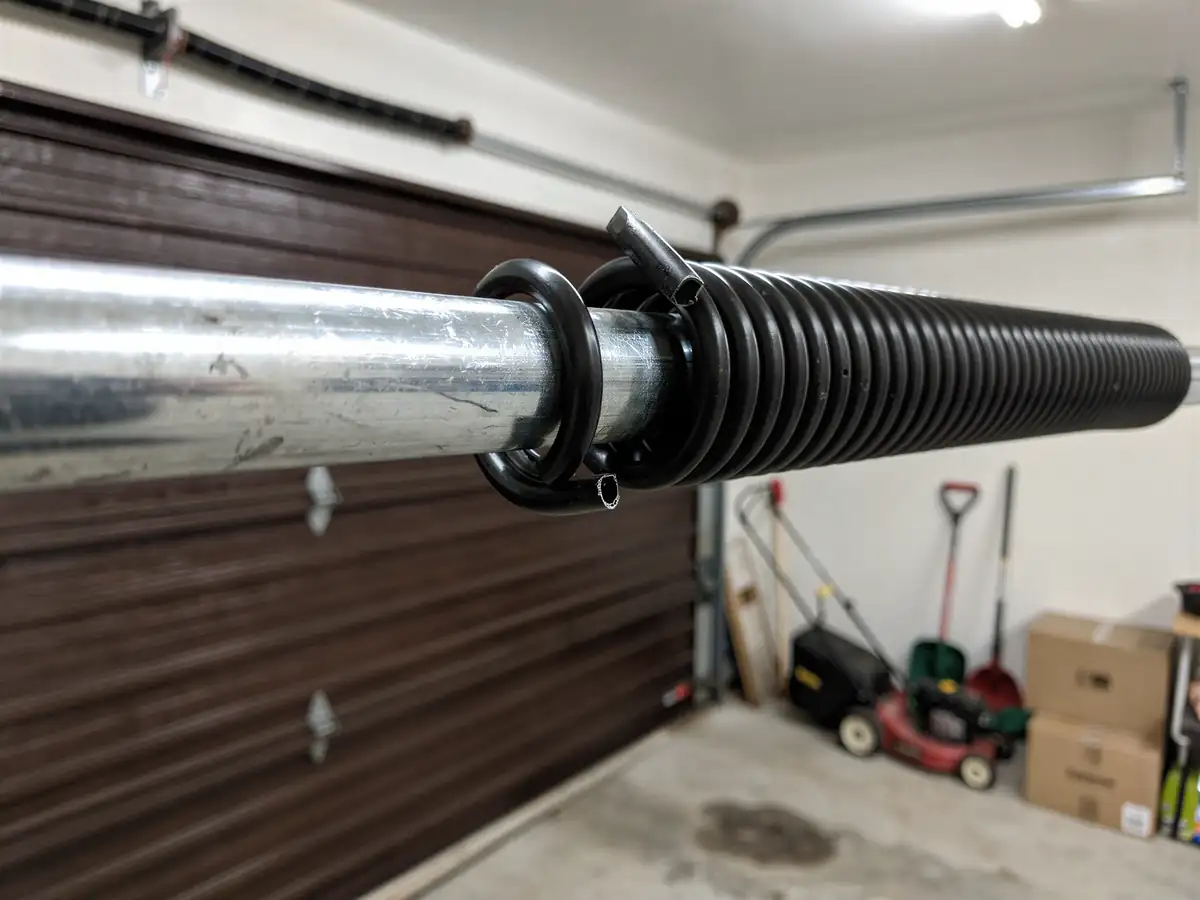
Swapping a single panel on a sectional door is within reach for someone comfortable with a drill and a ladder, provided the door is off tension when you work on it and the replacement panel actually matches your section height and hinge spacing. That second part trips up most DIY attempts in this area - houses built in the 1970 range often have 21-inch or 24-inch sections depending on the original manufacturer, and a panel bought off a shelf without matching that measurement won't seat right even if it looks close. If the door is still on its original torsion spring from that era, we'd rather you not open the cabinet near it at all; that's not a DIY spring, and we say so without trying to sell you a service call for every little thing.
Parts We Carry
We stock common panel sizes and the hardware that goes with doors from the main build era in this area - hinges, end stiles, and the roller brackets that typically fail alongside a damaged section on a door installed around 1970. For anything outside that window, or a less common original manufacturer, we order in rather than guess, which can add a few days depending on the part. We don't stock wood-composite panels; those are special-order through the door's original line, and we'll tell you that up front rather than have you wait on a truck that isn't coming.
How We Fix It
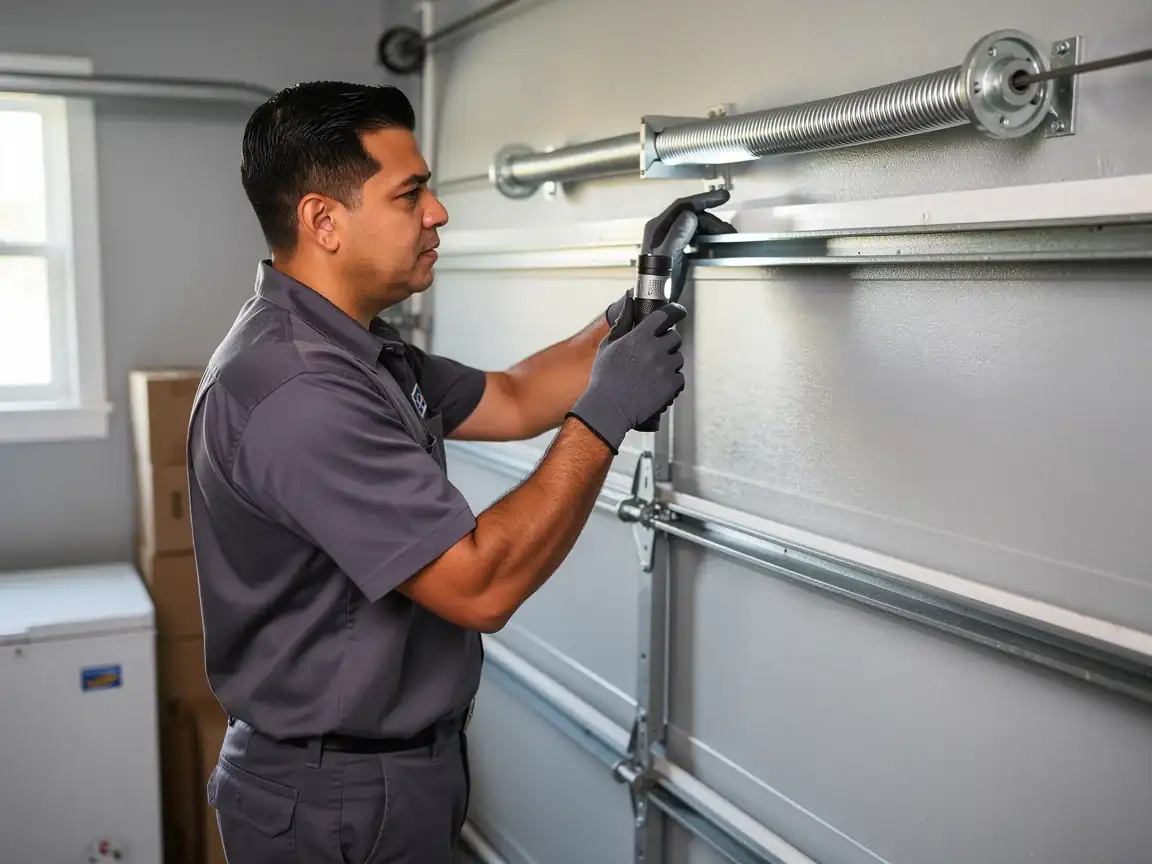
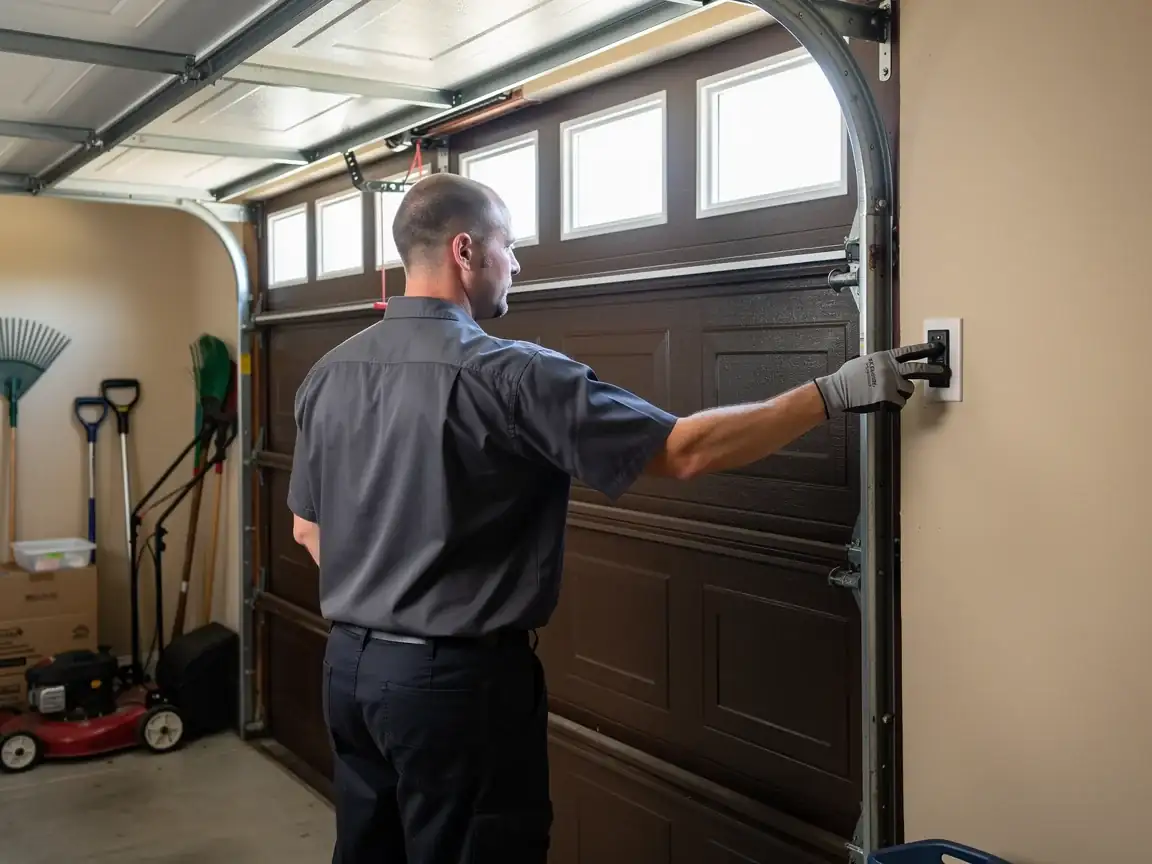
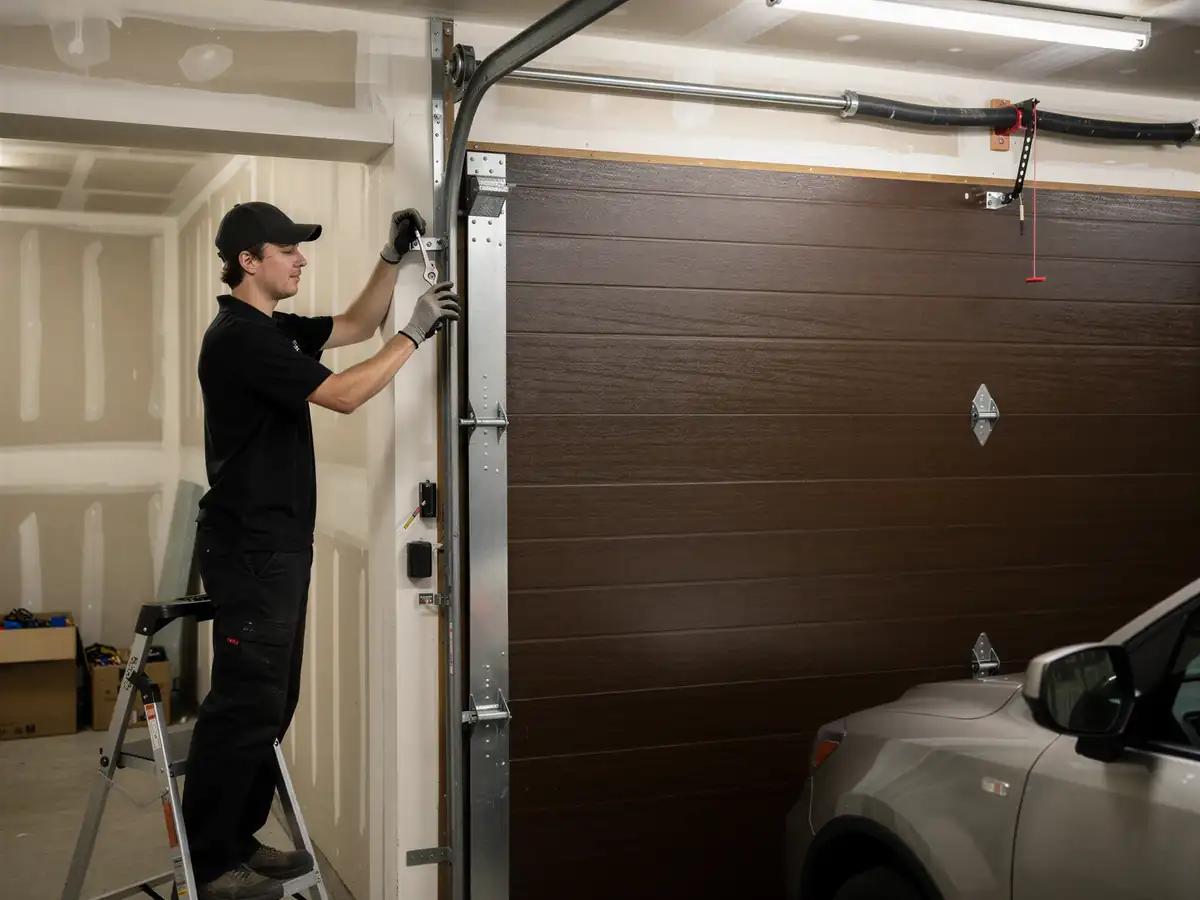
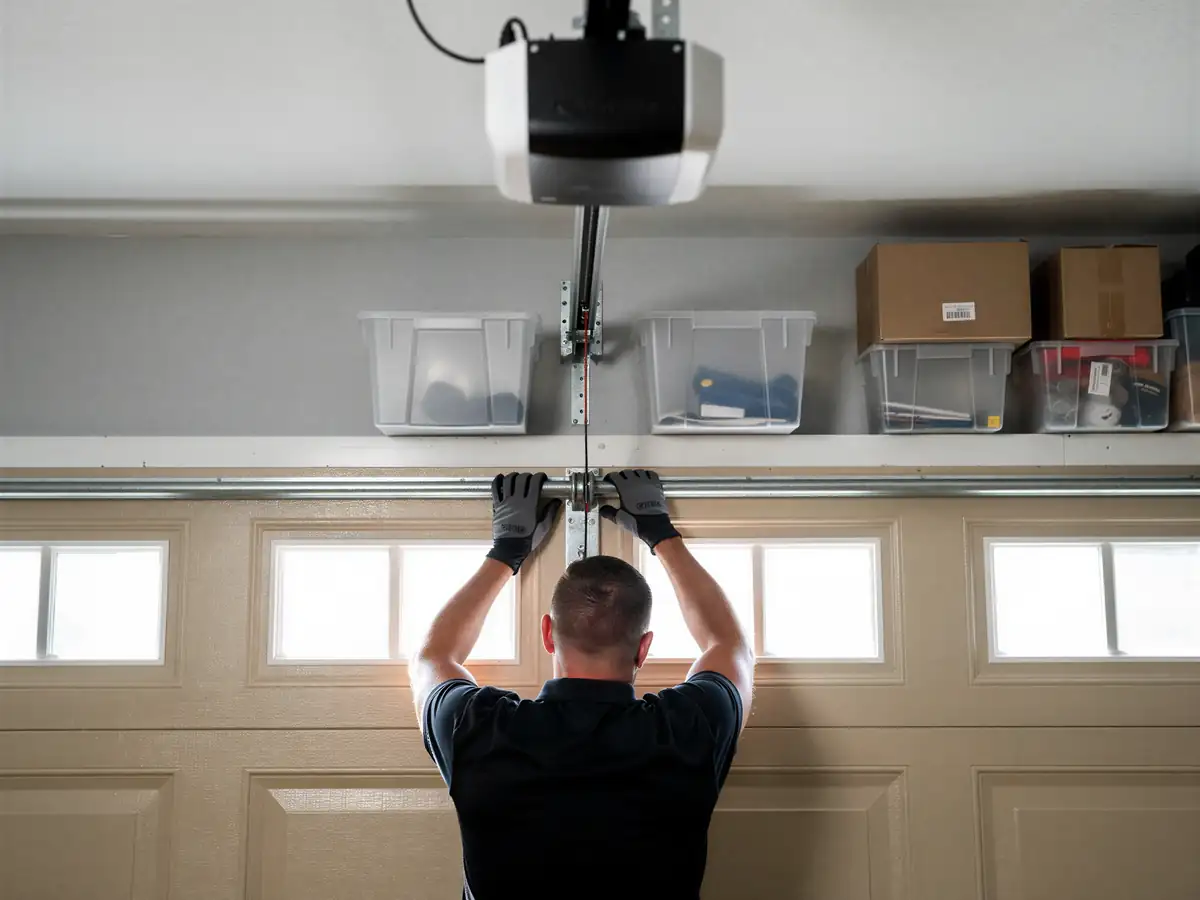
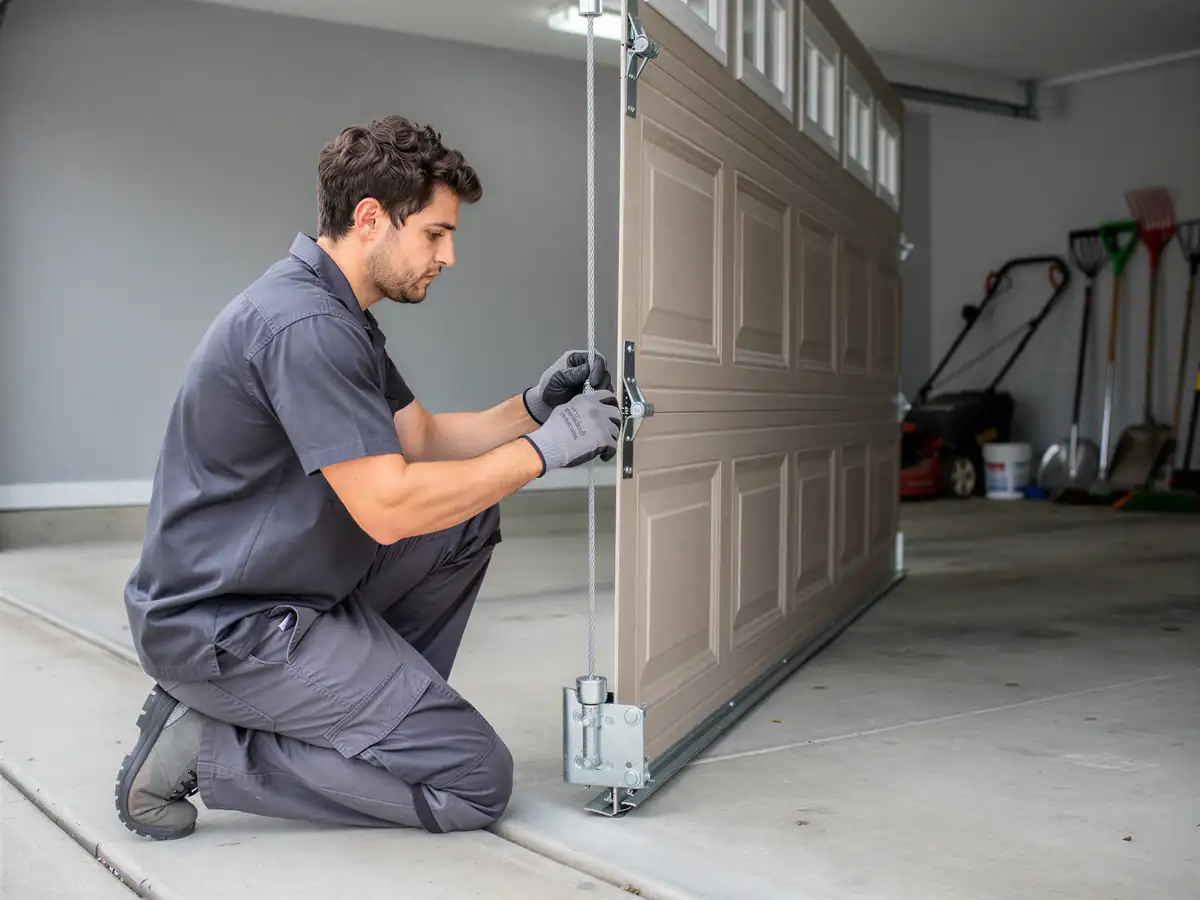
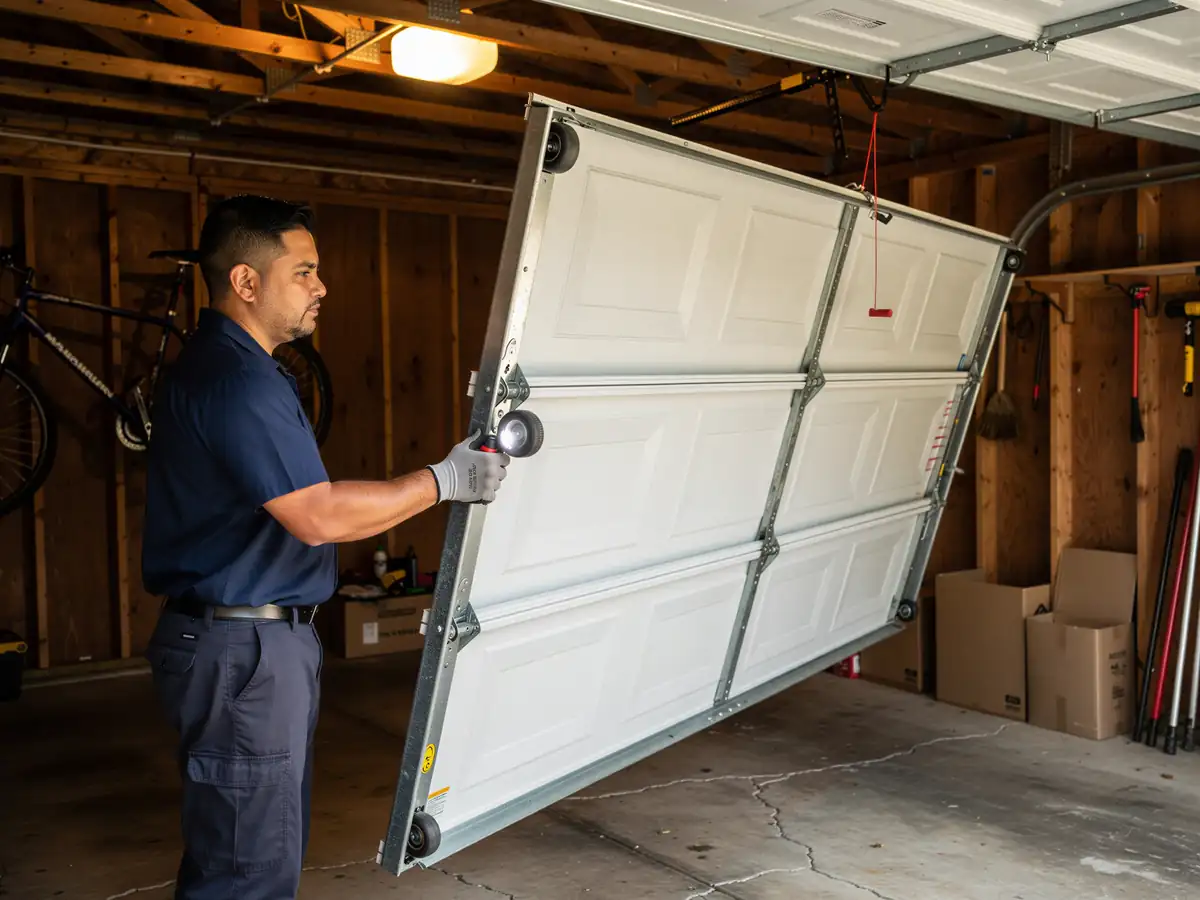
We start by taking the door off tension and pulling the damaged section clear so we can measure it directly against stock rather than against what's written on an old invoice, since doors get reworked over the years and the label doesn't always match what's hanging. If it's a clean match, the swap itself is usually the fastest part of the visit - the slower part is resetting the track alignment the dent threw off, which we check on every panel job regardless of how minor the damage looked walking up. On houses from the 1970-era build common across Cayce, we also check the spring tension while we're in there, since a door that age carrying extra flex from a bad panel has usually been putting uneven load on original or near-original hardware for longer than the owner realized.