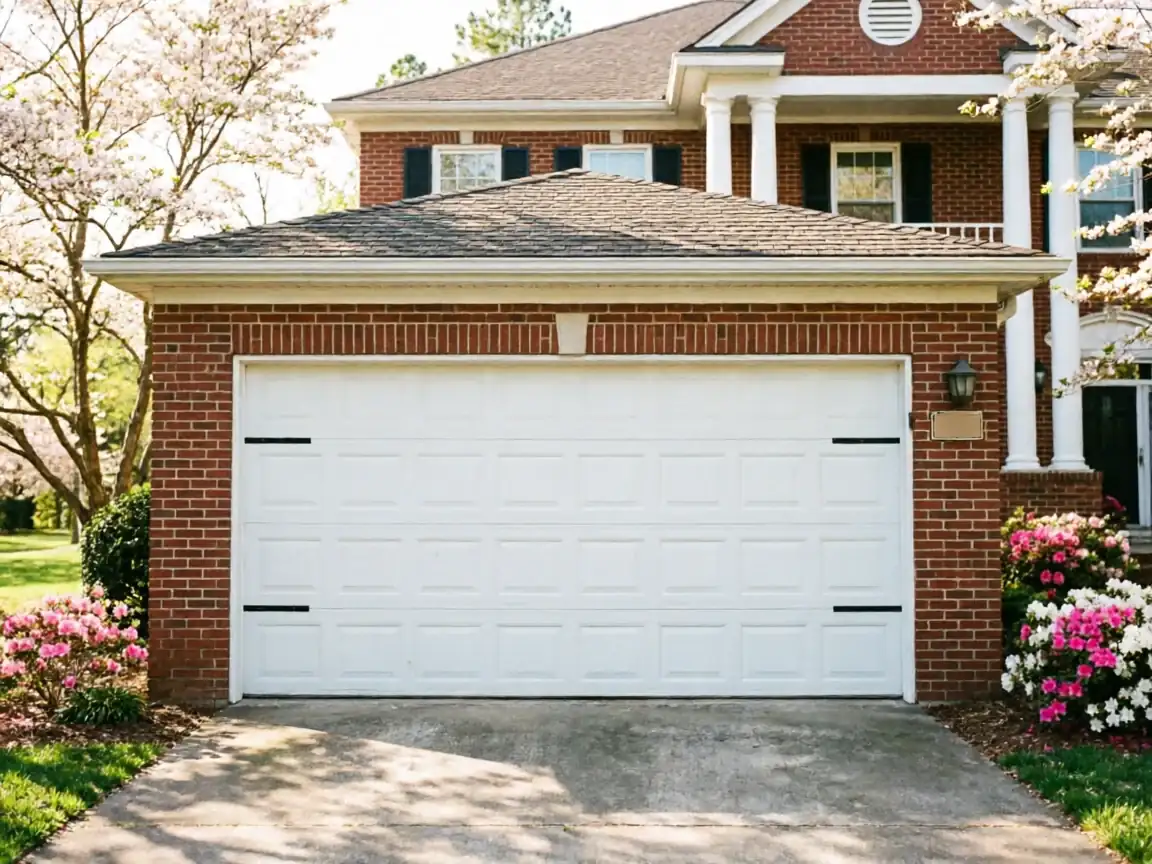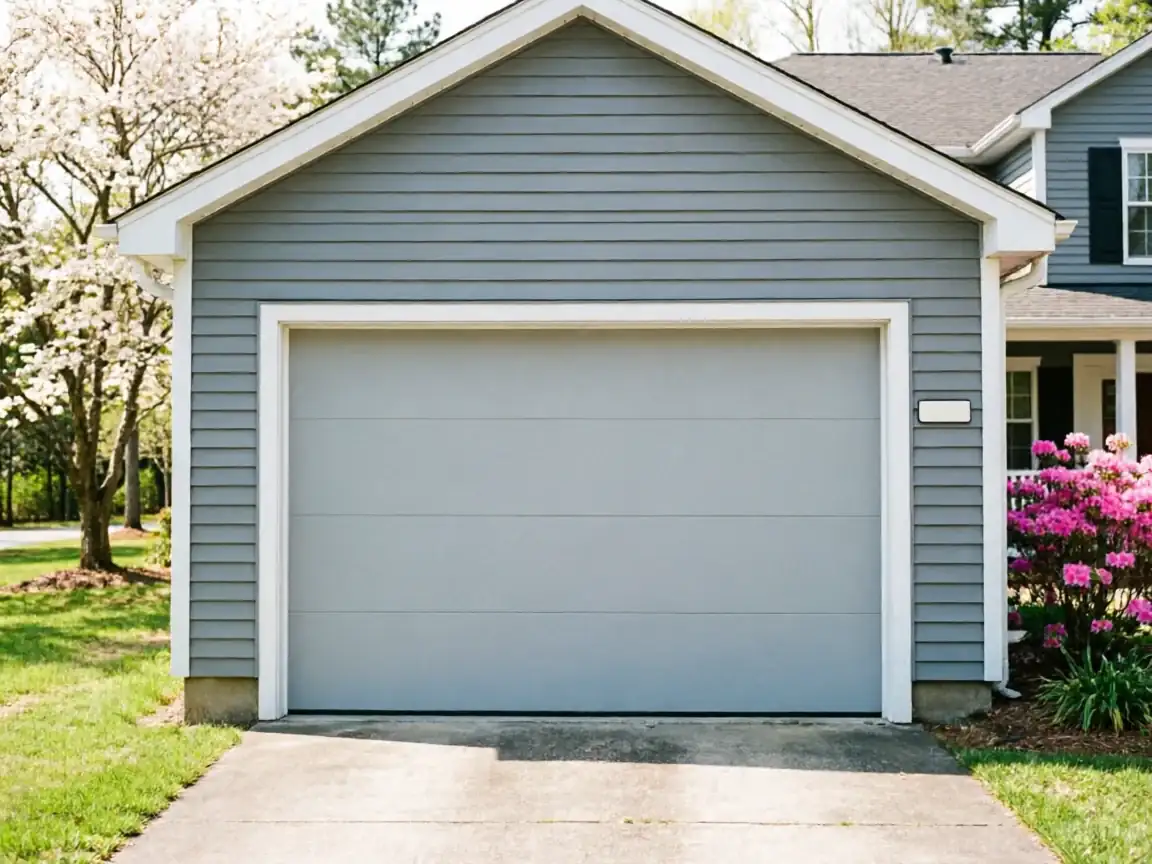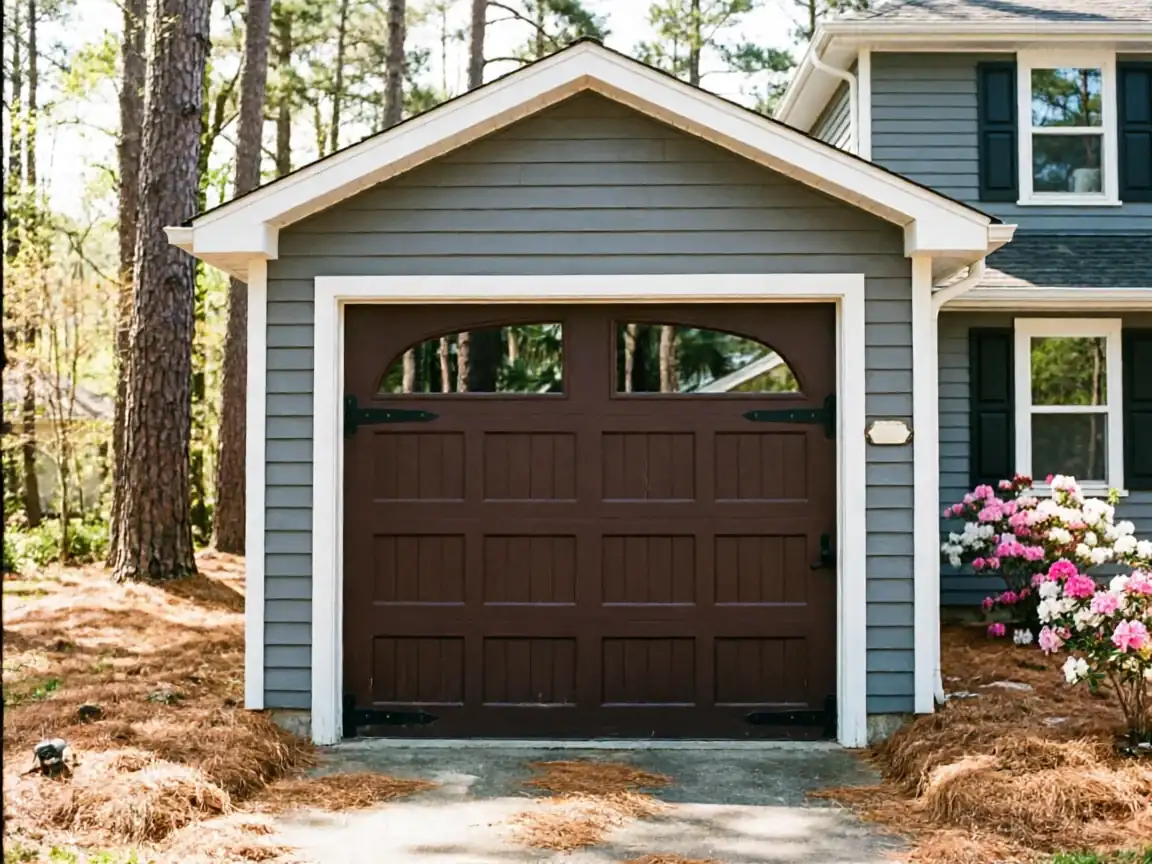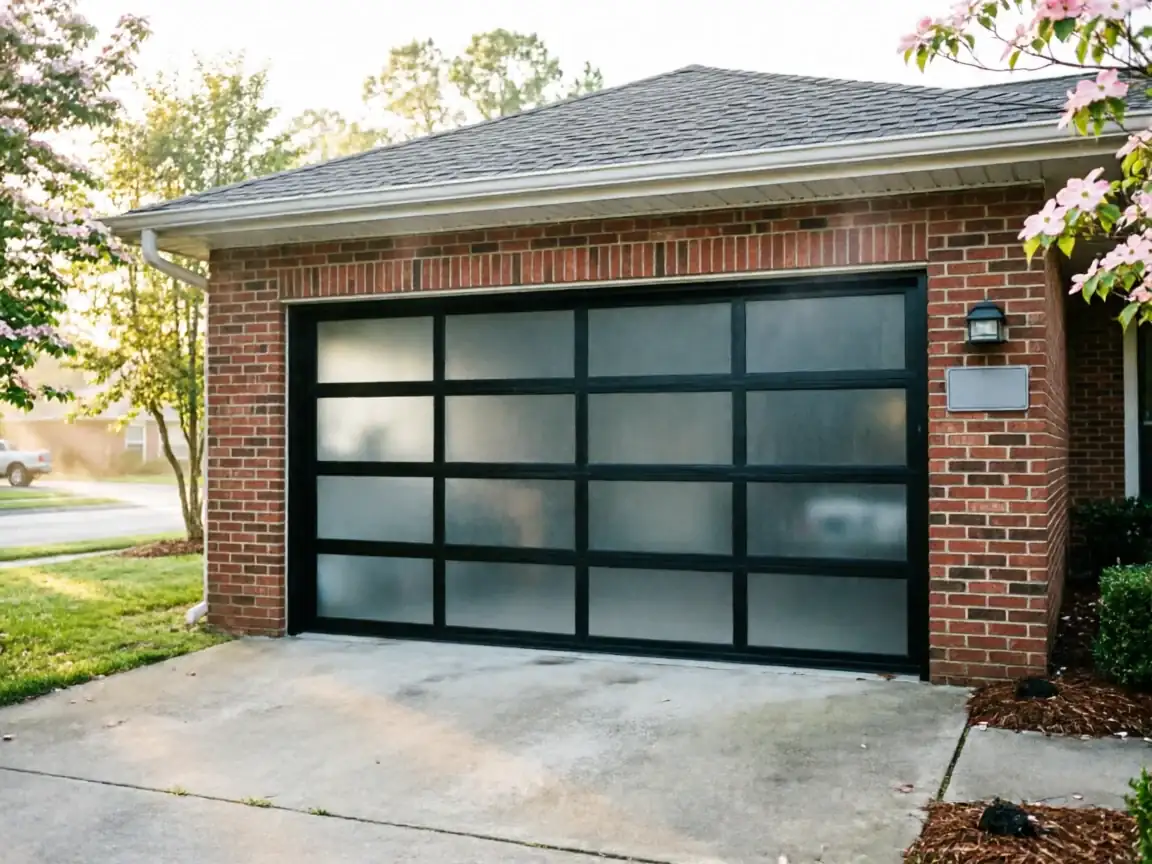
What You Are Seeing
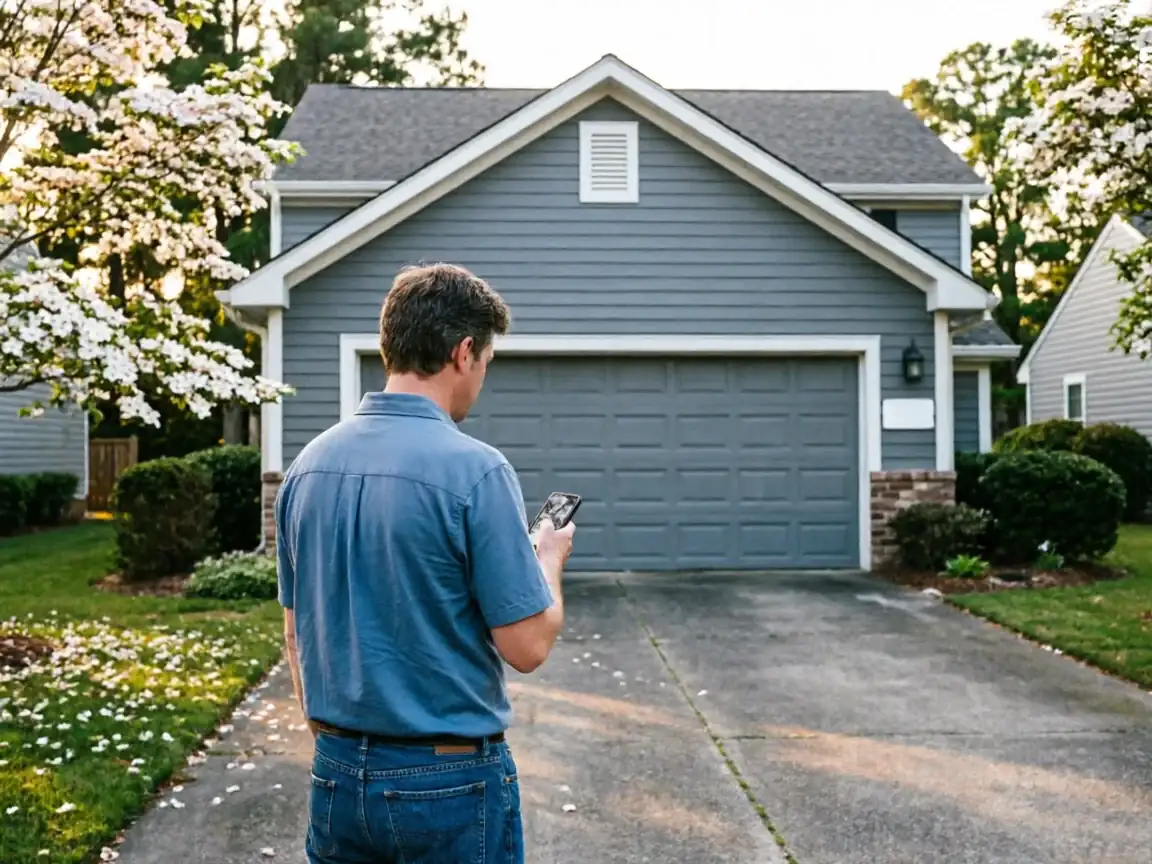
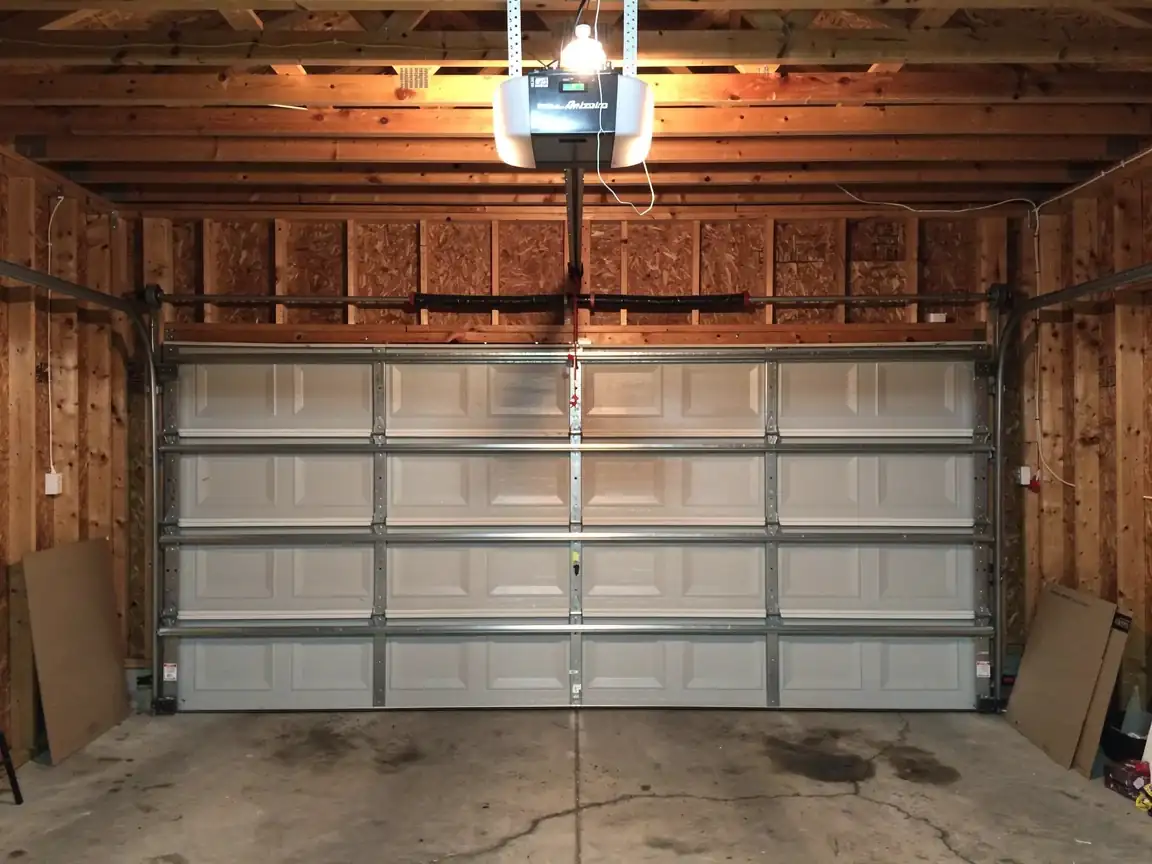
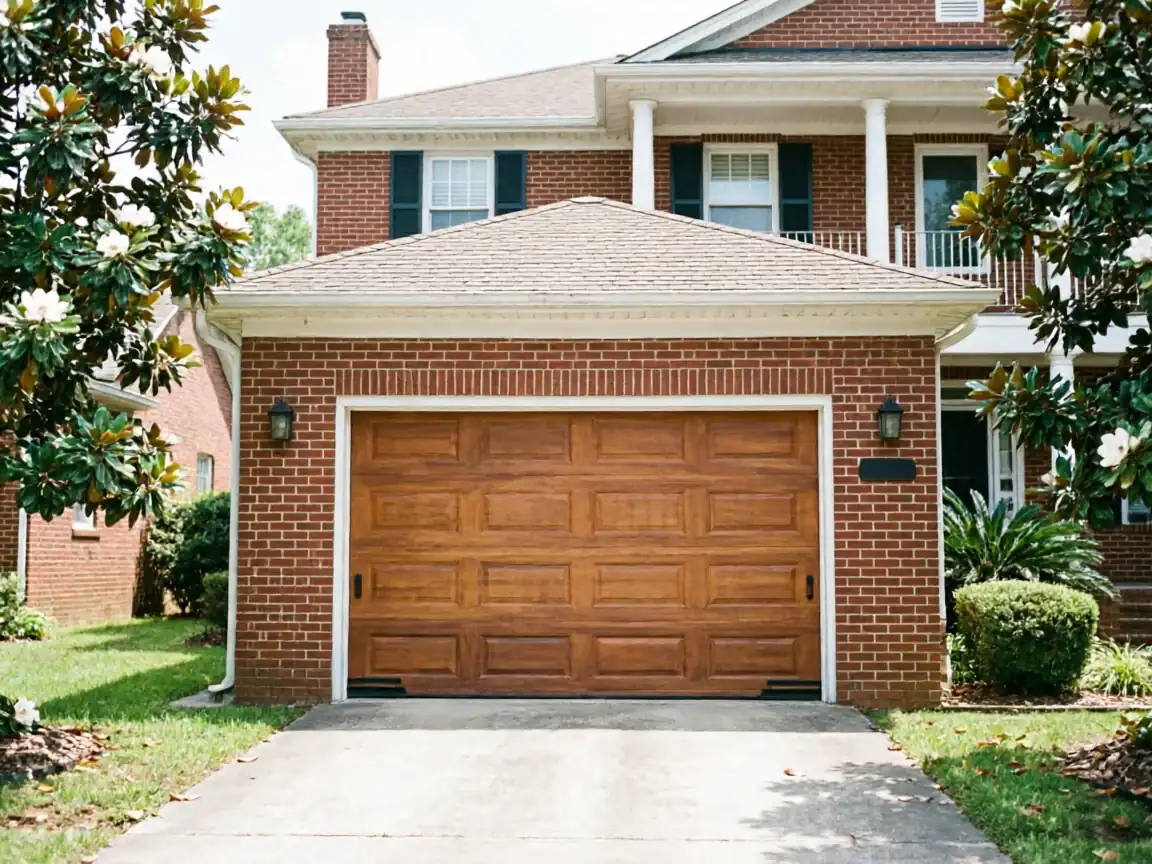
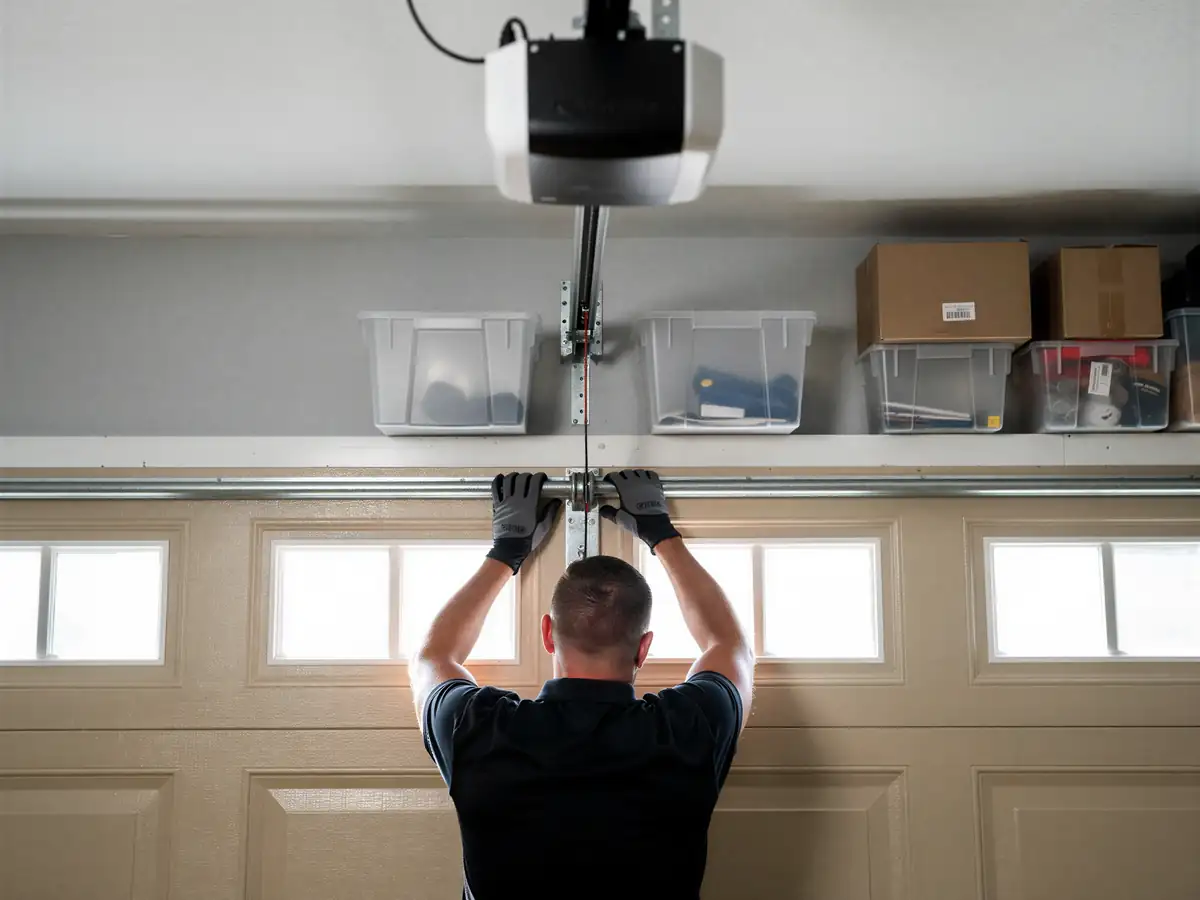
Cayce's housing stock centers on 1970, which puts it a little earlier than the broader service area's median build year of 1979. That gap matters more than it sounds. Houses from right around 1970 were far more likely to get a basic chain-drive opener on a wood or thin steel rail, mounted with no photo-eye safety sensors at all because those weren't required yet. If your opener still reverses only by brute force when it hits something, instead of stopping at a beam, that's the tell. You'll also see openers bolted to framing that was never meant to carry a heavier insulated door, which is common once a homeowner upgrades the door but not the opener underneath it.
Can You Do This Yourself
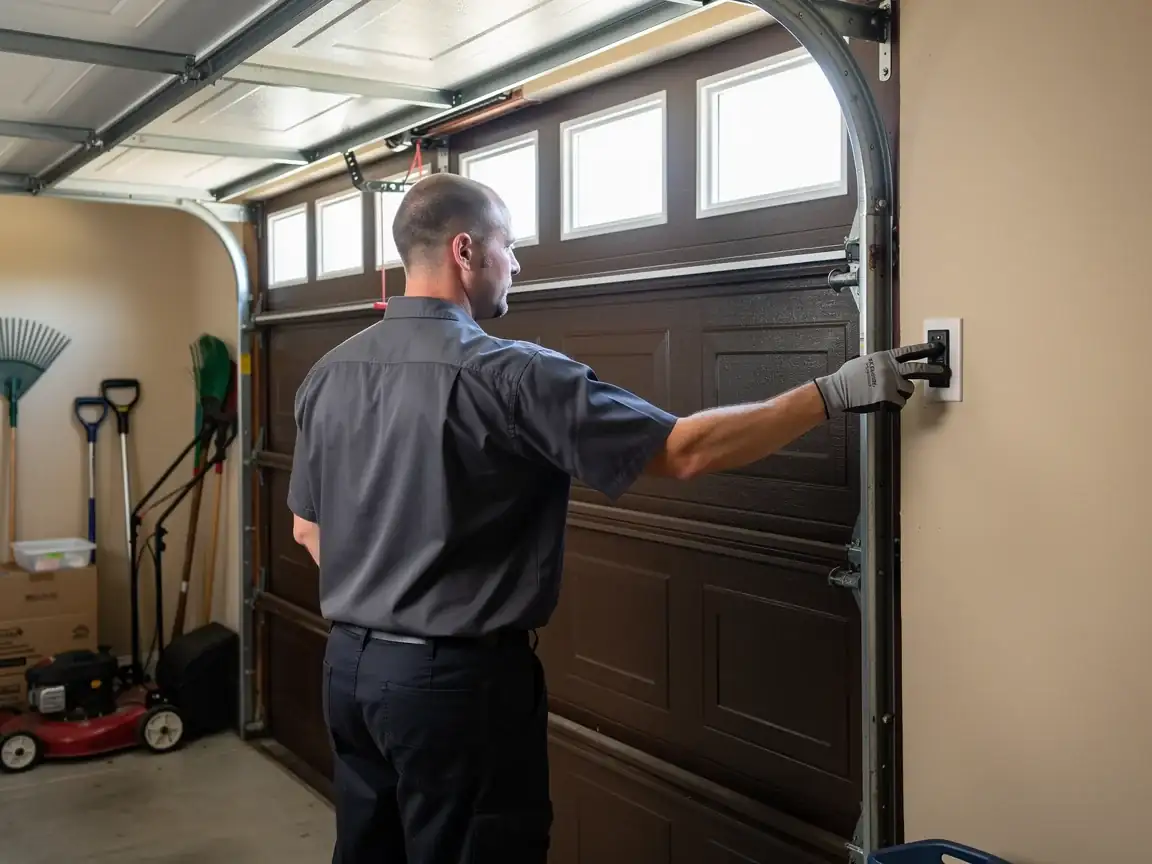
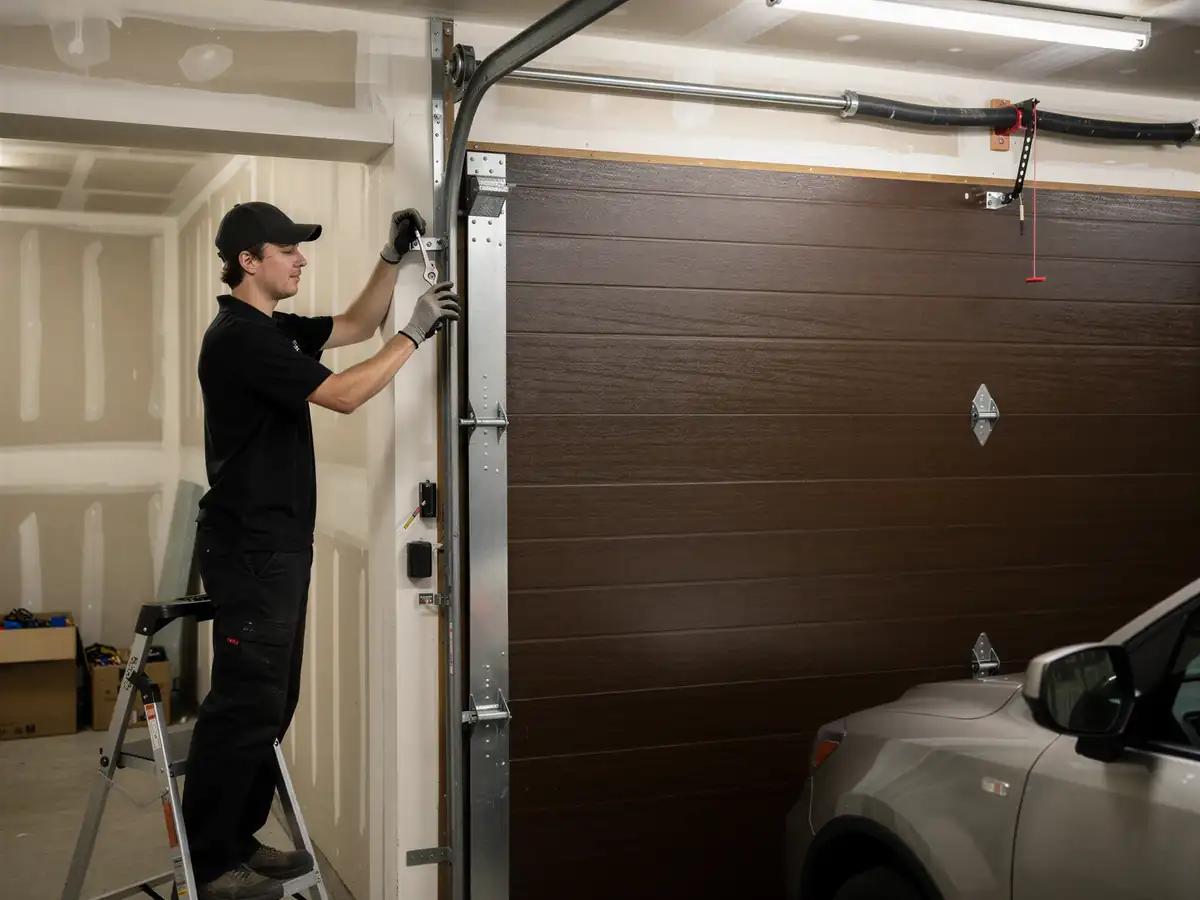
A straight opener swap, same mounting pattern, same rail length, is within reach for someone comfortable on a ladder with a wiring diagram. Where people get hurt is the force adjustment and the safety reversal test, especially on these older headers where the bracket was never square to begin with. If your header framing has shifted or rotted (not unusual in houses built around 1970 with original wood trim), the opener won't sit right no matter how carefully you follow the instructions, and that's a repair most DIYers don't catch until the unit's already mounted. We'll say plainly: if you're not willing to test the auto-reverse with a 2x4 on the floor before you trust the thing, call someone instead of guessing.
Parts We Carry
We stock belt-drive and chain-drive openers in the horsepower ranges that fit standard single and double doors, along with the shorter rail kits that actually clear a 1970s-era header without cutting into the framing. We carry modern safety sensor kits as standalone retrofits, since a lot of Cayce installs are really a safety upgrade wearing an opener-replacement job's clothes. Battery backup units are in the truck too, given how often an older garage circuit is on the same breaker as something else in the house. What we don't carry is every niche smart-home bridge on the market - if you want a specific app ecosystem, ask before we quote, because lead times on specialty modules can run past what we keep on hand.
How We Fix It
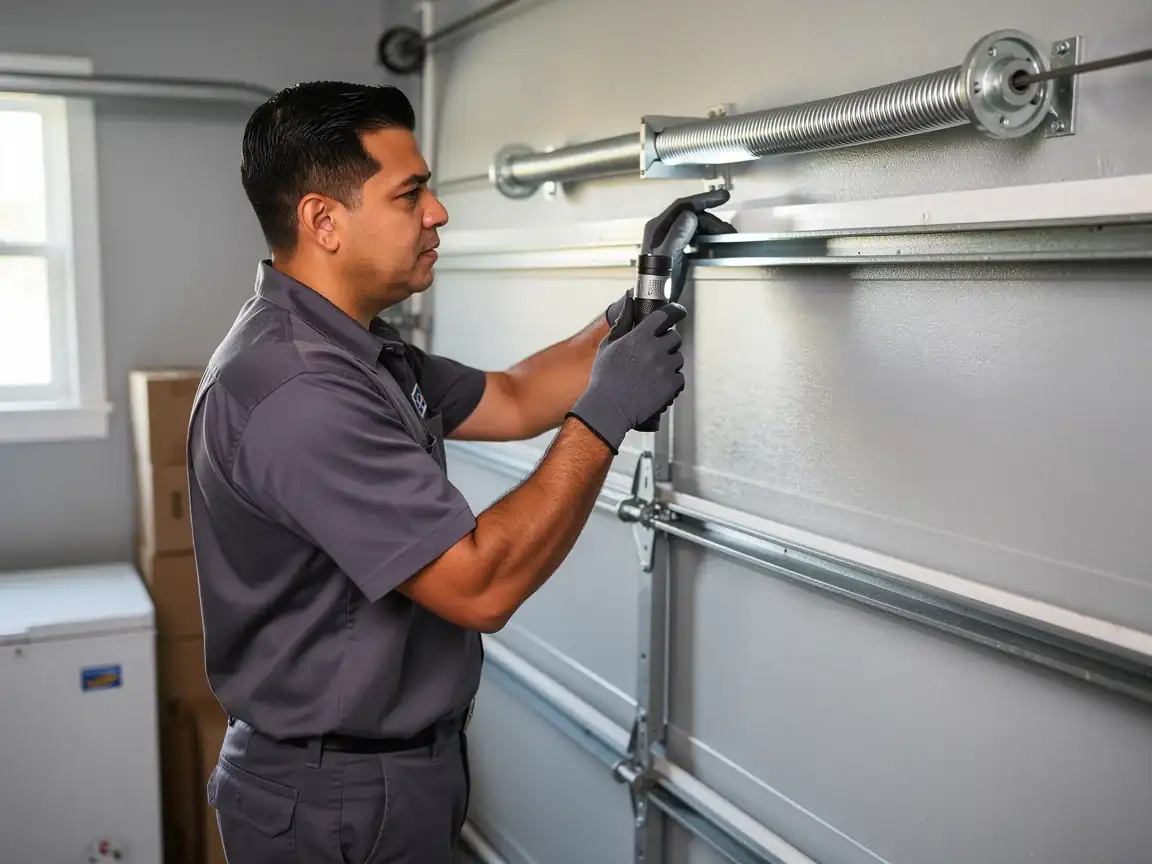
We start by checking the header and the mounting bracket before touching the old opener, because on houses from this era that's where the real problem usually lives. If the header's sound, we pull the old unit, match a new opener and rail to the door's weight and travel distance, and wire in safety sensors if the old setup never had them. Then we run the force and reversal test with the door moving, not just on paper. Given the 10-mile run from Columbia, we try to batch the visit so any secondary fix, loose track bolts, a worn roller, gets handled in the same trip instead of a second call. For full door work beyond the opener itself, that's covered on our Cayce service page; for the citywide rundown on openers, see our Columbia opener page.